



Ferroptosis
Ferroptosis
Ferroptosis is a non-apoptotic form of regulated cell death. It is distinct from other regulated cell death phenotypes, such as apoptosis and necroptosis. Ferroptosis is characterized by extensive lipid peroxidation, which can be suppressed by iron chelators or lipophilic antioxidants. Mechanistically, Ferroptosis inducers are divided into two classes: (1) inhibitors of cystine import via system xc− (e.g., Erastin), which subsequently causes depletion of glutathione (GSH), and (2) covalent inhibitors (e.g., (1S, 3R)-RSL3) of glutathione peroxidase 4 (GPX4). Since GPX4 reduces lipid hydroperoxides using GSH as a co-substrate, both compound classes ultimately result in loss of GPX4 activity, followed by elevated levels of lipid reactive oxygen species (ROS) and consequent cell death.
Ferroptosis is an iron- and ROS-dependent form of regulated cell death (RCD). Misregulated Ferroptosis has been implicated in multiple physiological and pathological processes, including cancer cell death, neurotoxicity, neurodegenerative diseases, acute renal failure, drug-induced hepatotoxicity, hepatic and heart ischemia/reperfusion injury, and T-cell immunity.
All Product Categories
-
Ferroptosis Related Products (771)
Related Products (771)

-
Antibodies (6)
-
Related Compound Screening Libraries (1)
-
Ferroptosis Signaling Pathway
-
Acetyl zingerone
 0 ImagesAcetyl zingerone is an analog of Zingerone (HY-14621). Acetyl zingerone downregulates the expression of ROS metabolism-related genes, fibroblast senescence-related genes, keratinocyte differentiation-related genes, and IL-17A target genes. Acetyl zingerone inhibits the activities of MMP-1, MMP-3, and MMP-12, as well as the activation of NLRP3 inflammasome, pyroptosis (pyroptosis), ferroptosis (ferroptosis), cartilage destruction, and UVA-induced cyclobutane pyrimidine dimer formation. Acetyl zingerone upregulates the expression of collagen, proteoglycan, extracellular matrix glycoprotein, Notch pathway, and GPX4 gene, activates Nrf2 and HO-1, induces extracellular matrix synthesis and PINK1/Parkin-mediated mitophagy (mitophagy), and promotes chondrocyte survival. Acetyl zingerone alleviates the progression of osteoarthritis in mice. Acetyl zingerone can be used in research related to skin aging, inflammatory skin diseases, osteoarthritis, melanoma, and non-melanoma skin cancer.
-
Troglitazone-d4
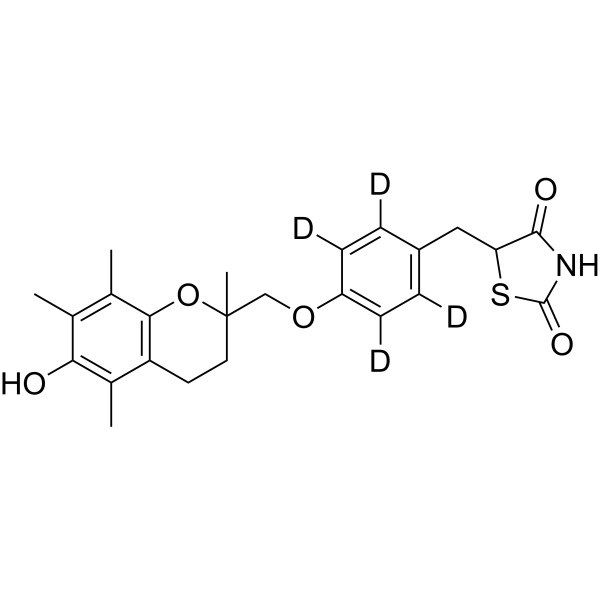 0 ImagesSynonyms: CS-045-d4Troglitazone-d4 is deuterium labeled Troglitazone. Troglitazone is a PPARγ agonist, with EC50s of 550 nM and 780 nM for human and murine PPARγ receptor, respectively.
-
Lapatinib-d4
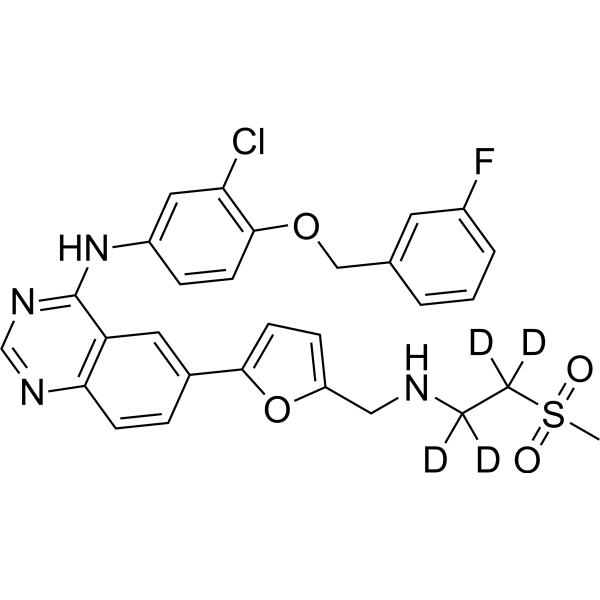 0 ImagesSynonyms: GW572016-d4; GW2016-d4
-
L-Glutamine-1,2-13C2
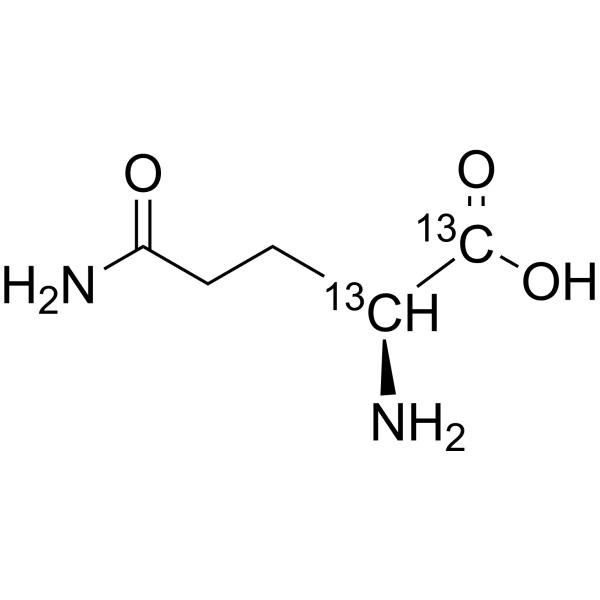 0 ImagesCat. No.: HY-N0390S10Purity: 98.0%Synonyms: L-Glutamic acid 5-amide-1,2-13C2L-Glutamine-1,2-13C2 is the 13C-labeled L-Glutamine. L-Glutamine (L-Glutamic acid 5-amide) is a non-essential amino acid present abundantly throughout the body and involved in many metabolic processes. L-Glutamine provides a source of carbons for oxidation in some cells.
-
1-Stearoyl-2-15(S)-Hpete-Sn-Glycero-3-Pe
 0 ImagesCat. No.: HY-115701CAS No.: 154436-49-4Synonyms: 1-Stearoyl-2-15(S)-HpETE-sn-glycero-3-phosphoethanolamine; 15(S)-HpETE-SAPE; 15(S)-hydroperoxyeicostetraenoic acid-SAPE1-Stearoyl-2-15(S)-HpETE-sn-glycero-3-Pe is a phospholipid that contains stearic acid (HY-B2219) at the sn-1 position and 15(S)-HpETE at the sn-2 position. It is produced via oxidation of 1-stearoyl-2-arachidonoyl-sn-glycero-3-Pe (SAPE) by 15-lipoxygenase (15-LO). 1-Stearoyl-2-15(S)-HpETE-sn-glycero-3-Pe (0.6 and 0.9 μM) increases ferroptotic cell death in wild-type and Acsl4 knockout Pfa1 mouse embryonic fibroblasts (MEFs) treated with the GPX4 inhibitor RSL3.
-
HDAC11-IN-5
 0 ImagesCat. No.: HY-182019Purity: 98.25%HDAC11-IN-5 is a selective, potent and orally active HDAC11 inhibitor with an IC50 of 0.021 μM. HDAC11-IN-5 increases fatty acylation levels of substrate SHMT2 in AML cells. HDAC11-IN-5 induces apoptosis, G1 phase cell cycle arrest, ferroptosis, ROS production and terminal myeloid differentiation in AML cells. HDAC11-IN-5 demonstrates anti-tumor potency in an MLL-AF9-induced mouse AML model. HDAC11-IN-5 can be used for the research of cancer, such as acute myeloid leukemia.
-
Pellitorine
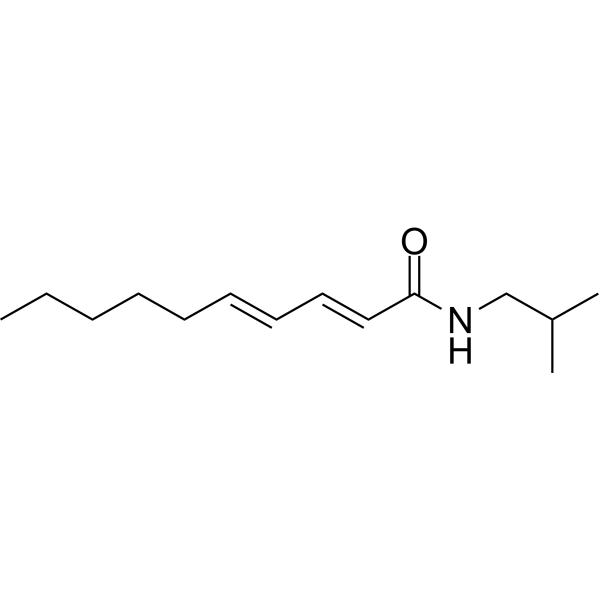 0 ImagesPellitorine is a bioactive natural amide compound. Pellitorine can competitively antagonize the activation of TRPV1 by Capsaicin (HY-10448), thereby reducing pain signal transmission. Pellitorine improves cognitive dysfunction by upregulating the BDNF-ERK1/2-CREB and Nrf2-HO-1 pathways. Pellitorine exerts anti-inflammatory and anti-sepsis effects by inhibiting the release of high mobility group protein B1 (HMGB1) and the expression of RAGE/TLR4. Pellitorine exerts its antithrombotic effect by prolonging the clotting time, inhibiting the activity of clotting factors and thrombin. Pellitorine inhibits lipid peroxidation and resists ferroptosis by upregulating GPX4 and DHODH. Pellitorine kills Aedes aegypti mosquito larvae by inhibiting V-type H⁺-ATPase and aquaporin 4 (AaAQP4). Pellitorine exhibits anti-cancer activity (e.g., leukemia and breast cancer) and has inhibitory effects on certain bacteria.
-
Mito-Rh-S
 0 ImagesCat. No.: HY-D2312Mito-Rh-S is a ratiometric near-infrared (NIR) fluorescent probe that detects the fluctuation of mitochondrial HClO levels during ferroptosis in hepatocellular carcinoma (HCC).
-
Ferroptosis-IN-7
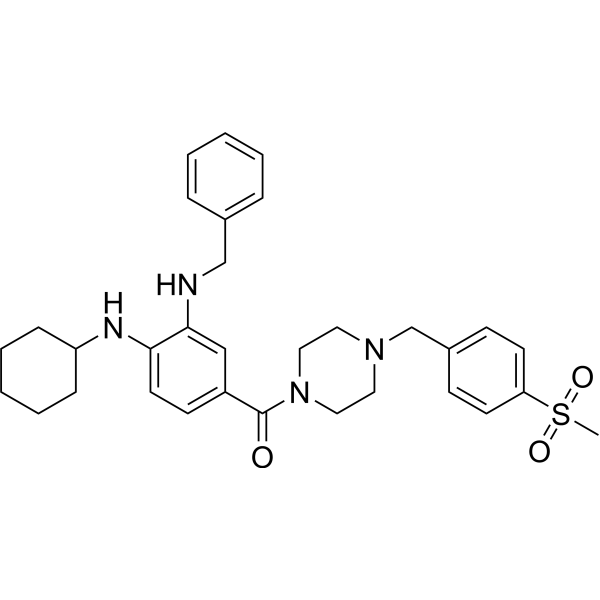 0 ImagesFerroptosis-IN-7(Compound 26) is a ferroptosis inhibitor which can restore cell viability, reduce iron accumulation and scavenge reactive oxygen species. Ferroptosis-IN-7 can be used for vascular diseases research.
-
PROTAC GPX4 degrader-4
 0 ImagesPROTAC GPX4 degrader-4 is a potent GPX4 PROTAC degrader, with DC50 values of 1366.67 nM and 475.15 nM in T24 and RT4 cells, respectively. PROTAC GPX4 degrader-4 targets and degrades GPX4 protein via the ubiquitin-proteasome system, thereby inducing cellular ferroptosis. PROTAC GPX4 degrader-4 can be used for research on bladder cancer.
-
SP 600125, negative control
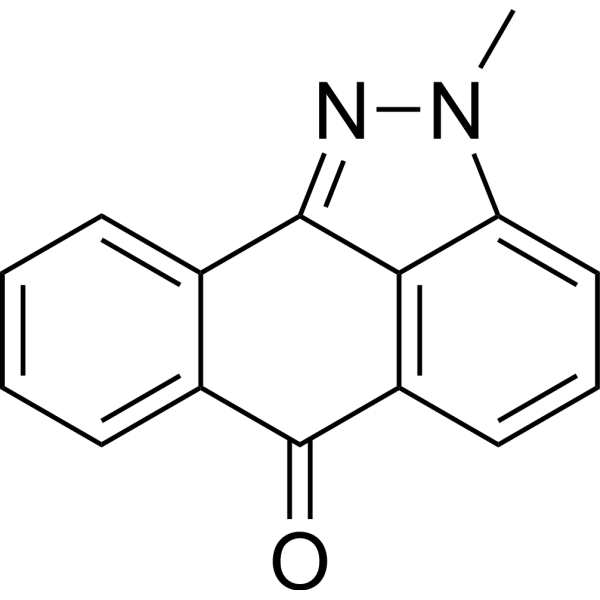 0 ImagesSynonyms: JNK Inhibitor II, negative control
-
BCP-T.A
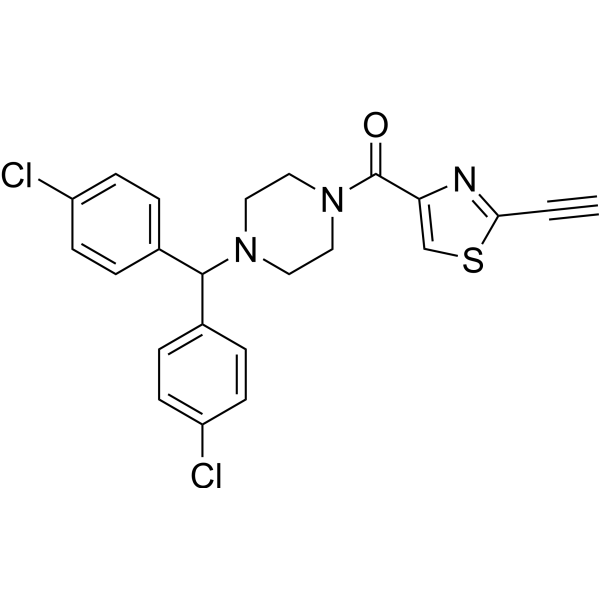 0 ImagesBCP-T.A, a tunable heterocyclic electrophile, is a potent ferroptosis inducer by binding to GPX4. BCP-T.A is a click chemistry reagent, it contains an Alkyne group and can undergo copper-catalyzed azide-alkyne cycloaddition (CuAAc) with molecules containing Azide groups.
-
HAPSBC
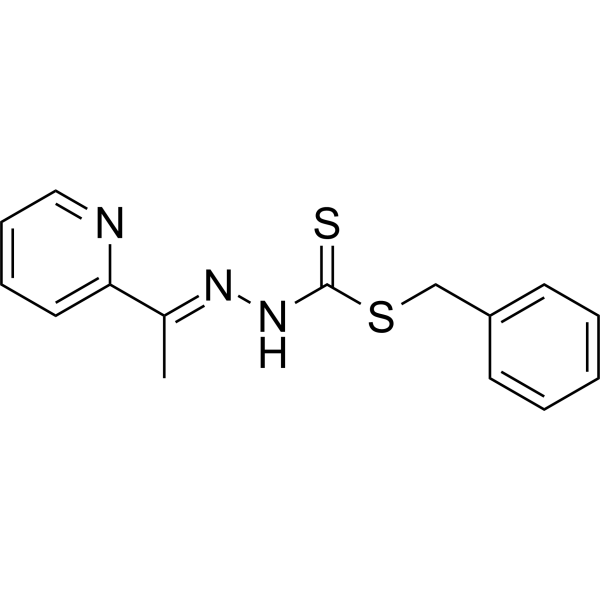 0 ImagesCat. No.: HY-156776CAS No.: 1376545-81-1HAPSBC is an S-benzyl iron chelator that mobilizes intracellular 59Fe distribution.
-
Tubulin inhibitor 30
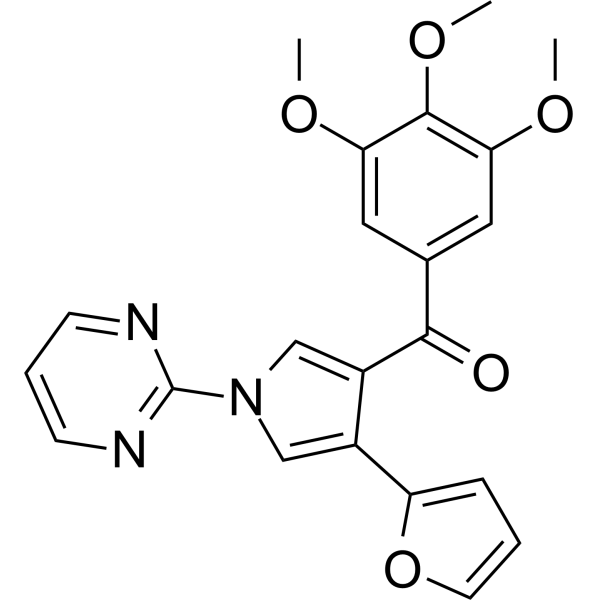 0 ImagesTubulin inhibitor 30 (Compound 15) is a tubulin assembly inhibitor with an IC50 of 0.52 μM. Tubulin inhibitor 30 can induce ferroptosis.
-
Coenzyme Q10-d6
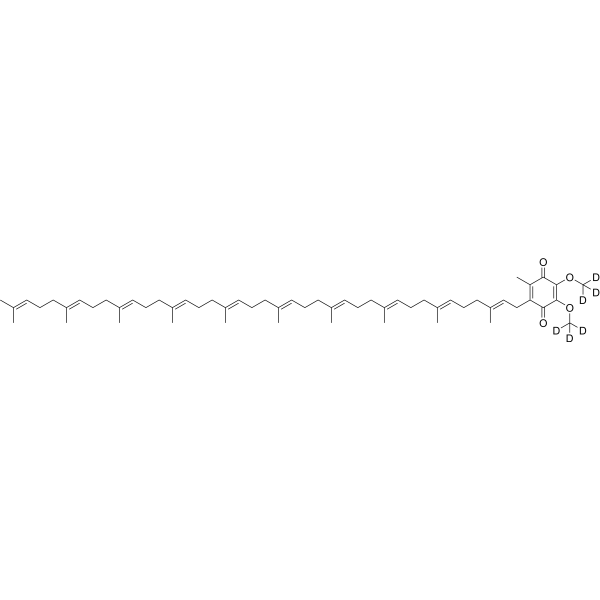 0 ImagesCat. No.: HY-N0111SCAS No.: 110971-02-3Synonyms: CoQ10-d6; Ubiquinone-10-d6Coenzyme Q10-d6 is deuterium labeled Coenzyme Q10. Coenzyme Q10 is an essential cofactor of the electron transport chain and a potent antioxidant agent.
-
Atorvastatin hemicalcium salt (Standard)
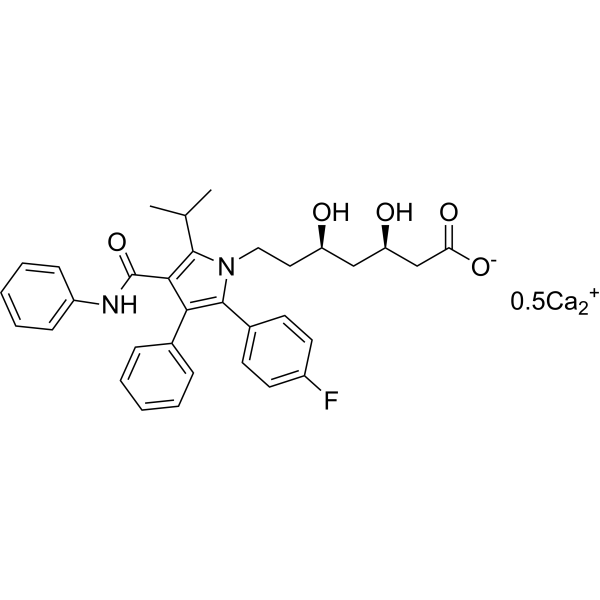 0 ImagesSynonyms: CI-981 (Standard); Atorvastatin hemicalcium (Standard)Atorvastatin (hemicalcium salt) (Standard) is the analytical standard of Atorvastatin (hemicalcium salt). This product is intended for research and analytical applications. Atorvastatin hemicalcium salt (CI-981) is an orally active 3-hydroxy-3-methylglutaryl coenzyme A (HMG-CoA) reductase inhibitor, has the ability to effectively decrease blood lipids. Atorvastatin hemicalcium salt inhibits human SV-SMC proliferation and invasion with IC50s of 0.39 μM and 2.39 μM, respectively.
-
Nordihydroguaiaretic acid (Standard)
 0 ImagesNordihydroguaiaretic acid (Standard) is the analytical standard of Nordihydroguaiaretic acid. This product is intended for research and analytical applications. Nordihydroguaiaretic acid is a 5-lipoxygenase (5LOX) (IC50=8 μM) and tyrosine kinase inhibitor.
-
RSL3-NH2 hydrochloride
 0 ImagesCat. No.: HY-175615ACAS No.: 3051815-40-5RSL3-NH2 hydrochloride is a GPX4 inhibitor and ferroptosis inducer. RSL3-NH2 hydrochloride triggers the iron-dependent cell death pathway associated with lipid peroxidation by inhibiting GPX4 activity. RSL3-NH2 hydrochloride exhibits significant cytotoxicity against colorectal cancer cells and effectively induces their ferroptosis. RSL3-NH2 hydrochloride can serve as a ADC payload for synthesizing a ADC and be used in colorectal cancer-related research.
-
Withaferin A (Standard)
 0 ImagesWithaferin A (Standard) is the analytical standard of Withaferin A. This product is intended for research and analytical applications. Withaferin A is a steroidal lactone isolated from Withania somnifera, inhibits NF-kB activation and targets vimentin, with potent antiinflammatory and anticancer activities. Withaferin A is an inhibitor of endothelial protein C receptor (EPCR) shedding.
-
MitoPeDPP
 0 ImagesCat. No.: HY-D2878CAS No.: 1187472-58-7MitoPeDPP is a mitochondrial-targeted fluorescent probe that is sensitive to LPO. MitoPeDPP is synthesized from diphenylpyrenephosphine. MitoPeDPP can be used to study the occurrence of mitochondrial LPO in RSL3-induced oligodendrocyte ferroptosis.




