



Glycosidase
Glycosidase
Glycosidase are a class of enzymes which catalyze the hydrolysis of glycosidic bonds. In living organisms, Glycosidase are involved in carbohydrate metabolism. They can degrade polysaccharides such as starch and glycogen into monosaccharides, providing energy for cells. Glycosidase also participate in the synthesis and modification of biological macromolecules such as glycoproteins and glycolipids, playing a crucial role in cell recognition and signal transduction. Additionally, in plants and microorganisms, Glycosidase are involved in the metabolism of cell wall polysaccharide components, affecting cell growth, differentiation, and morphogenesis. Gene mutations of Glycosidase can trigger genetic diseases, leading to abnormal metabolism in the body and damage to organ functions. Changes in their activity are associated with various diseases such as diabetes, infectious diseases, and tumors, and can influence the occurrence and development of diseases[1][2].
References:
- [1]. Wang X, et al. Metabolites extracted from microorganisms as potential inhibitors of glycosidases (α-glucosidase and α-amylase): A review. Front Microbiol. 2022 Nov 17;13:1050869.
- [2]. Ohtsubo K, et al. Glycosylation in cellular mechanisms of health and disease. Cell. 2006 Sep 8;126(5):855-67. [Content Brief]
All Product Categories
-
Glycosidase Inhibitors
(456)
View all products
-
Glycosidase Antagonist
(1)
View all products
-
Glycosidase Activators
(20)
View all products
-
Glycosidase Modulators
(8)
View all products
-
Glycosidase Chemical
(1)
View all products
-
Glycosidase Inducers
(2)
View all products
-
Glycosidase Degrader
(1)
View all products
-
Glycosidase Controls
(6)
View all products
-
Glycosidase Substrates
(25)
View all products
-
Glycosidase Ligands
(3)
View all products
-
Glycosidase Related Products (697)
Related Products (697)

-
Antibodies (3)
-
GT-02216
 0 ImagesGT-02216 can bind to GCase allosterically and enhance its activity. GT-02216 enhances the activity of GCase in primary human fibroblasts dose-dependently reduces the accumulation of its substrate, hexosylsphingosine (HexCer). GT-02216 reduces the Tau accumulation in mutant GBA1 fibroblasts. GT-02216 can be used for the study of Parkinson’s disease.
-
β1-3,4,6 Galactosidase
 0 Imagesβ1-3,4,6 Galactosidase is a broad specificity exoglycosidase that catalyzes the hydrolysis of terminal, non-reducing β1-3 β1-4 and β1-6 linked galactose residues from oligosaccharides, with β1-6 linked galactose residues at a slower rate.
-
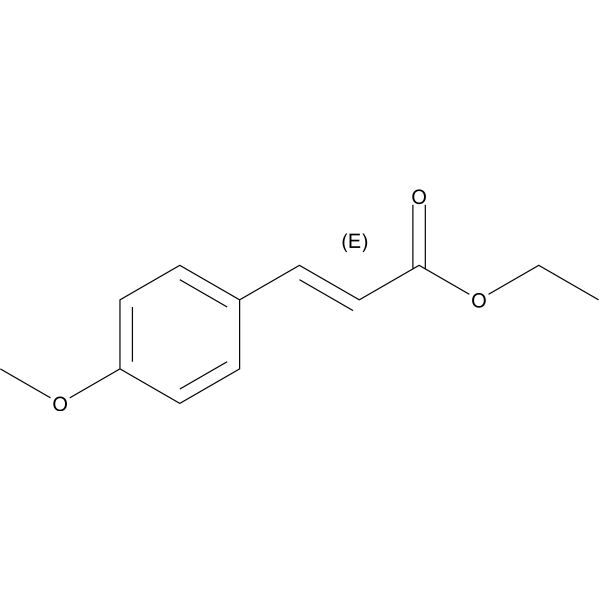
Gardenia yellow
 0 ImagesCat. No.: HY-N6675CAS No.: 94238-00-3Gardenia yellow is a competitive inhibitor of α-Amylase (HY-B2193) and α-glucosidase. Gardenia yellow can bind to the catalytic sites of α-Amylase and α-glucosidase, inhibit starch digestion, and significantly increase the contents of resistant starch and slowly digestible starch in starch-based systems. Gardenia yellow reduces the glycemic index and hydrolysis index. Gardenia yellow can be used in diabetes-related research.
-
Caffeoyltryptophan
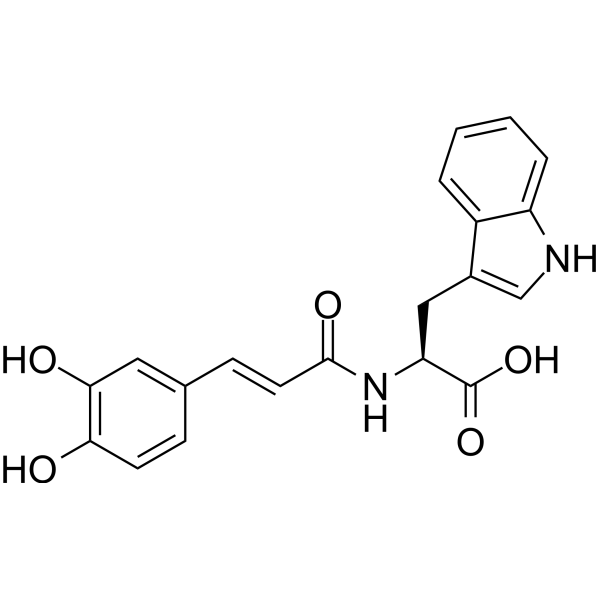 0 ImagesCaffeoyltryptophan is a competitive PTP1B inhibitor, with an IC50 of 16.99 μM. Caffeoyltryptophan can also inhibit α-glucosidase, linoleic acid peroxidation and haemolysis. Caffeoyltryptophan can be used for the research of type 2 diabetes.
-
β-N-Acetylhexosaminidase, Porcine kidney
 0 Imagesβ-N-Acetylhexosaminidase, Porcine kidney is a glycosidase with transglycosylation activity, used to generate health-beneficial human milk oligosaccharides, and it effectively interacts with low molecular weight sugar alcohols (such as glycerol, erythritol, and xylitol). The enzyme exhibits optimal activity at pH 5 and 40 °C, and shows high thermal stability (up to 55°C) when bound to the cell wall. β-N-Acetylhexosaminidase holds promise for applications in the biotransformation of Chitin (HY-126389) and research in the food health sector.
-
Mogroside III
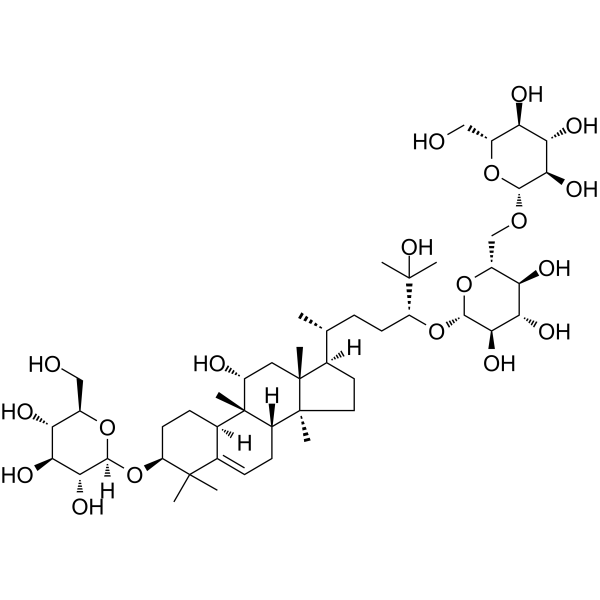 0 ImagesMogroside III is a triterpenoid glycoside. Mogroside III exhibits maltase inhibitory effect with an IC50 value of 1.6 mM. Mogroside III enhances oocyte developmental potential by promoting autophagy in cumulus cells. Mogroside III, as the active ingredient of the low-polarity glycoside component (L-SGgly), L-SGgly can increase serum GLP-1 levels, improve insulin resistance, and reduce IL-6 levels, and has hypoglycemic, lipid-regulating and anti-inflammatory effects. Mogroside III can be used for the studies of type 2 diabetes mellitus (T2DM) and assisted reproductive technology.
-
α1-2,4,6 Fucosidase O, Omnitrophica bacterium
 0 ImagesCat. No.: HY-132177BCAS No.: 9037-65-4α1-2,4,6 Fucosidase O (EC 3.2.1.51) is a broad specificity exoglycosidase that catalyzes the hydrolysis of terminal α1-2, α1-4 and α1-6 linked fucose residues from oligosaccharides, with α1-6 fucose residues more efficiently.
-
Valiolamine
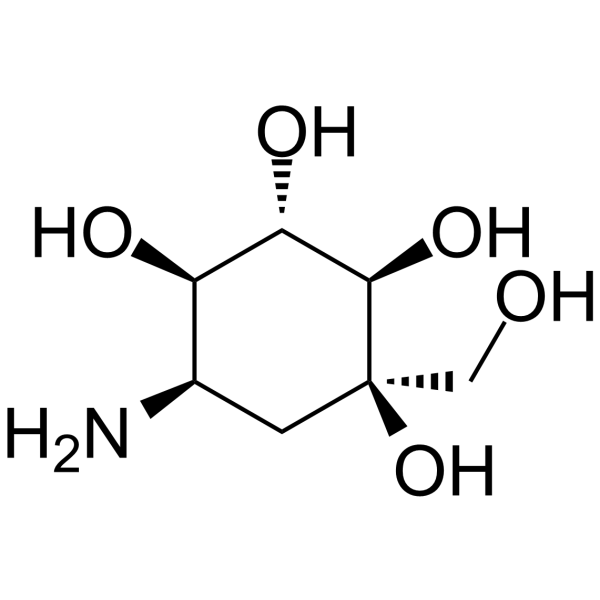 0 ImagesValiolamine, an aminocyclitol, is an alpha-glucosidase inhibitor. Valiolamine has potent alpha-glucosidase inhibitory activity against porcine intestinal sucrase, maltase and isomaltase. Valiolamine binds to porcine intestinal maltase and sucrase with Ki values of 350 nM and 30 nM, respectively.
-
Gcase activator 2
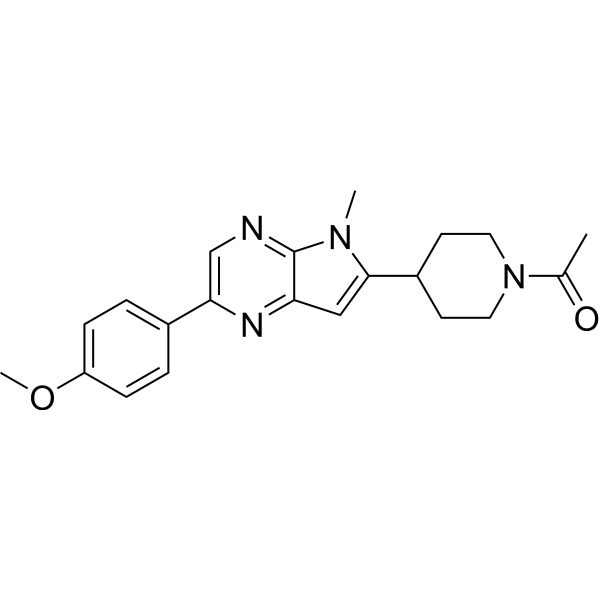 0 ImagesGcase activator 2 (compound 14), a pyrrolo[2,3-b]pyrazine, is alos a β-Glucocerebrosidase (GCase) activator (EC50=3.8 μM). Gcase activator 2 induces GCase dimerizatio (both K-type and V-type). And Gcase activator 2 has low metabolic clearance in human and mouse.
-
α2-3,6 Neuraminidase, Bifidobacterium infantis
 0 Imagesα2-3,6 Neuraminidase, Bifidobacterium infantis is a highly specific exoglycosidase that catalyzes the hydrolysis of non-reducing terminal α2-3 and α2-6 unbranched sialic acid residues from complex carbohydrates and glycoproteins. α2-3,6 Neuraminidase does not exhibit activity on α2-8 or branched sialic acids.
-
Gcase activator 3
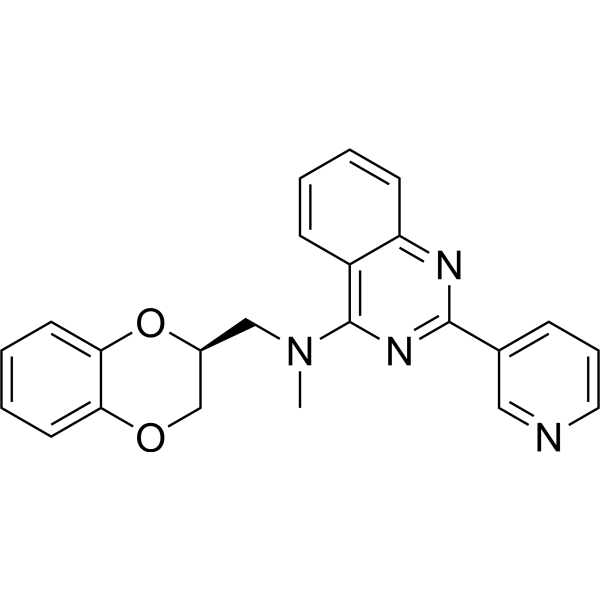 0 ImagesGcase activator 3 is a β-glucocerebrosidase (GCase) activator with an EC50 of 1.49 μM. By binding to the allosteric site of GCase, Gcase activator 3 partially stabilizes GCase and enhances its activity. Gcase activator 3 can be conjugated with fluorophores to form fluorescent probes, which are used for high-throughput screening of GCase. Gcase activator 3 is applicable to research related to Gaucher's disease, Parkinson's disease, dementia with Lewy bodies, and multiple system atrophy.
-
Kaempferol-3,7-di-O-β-glucoside
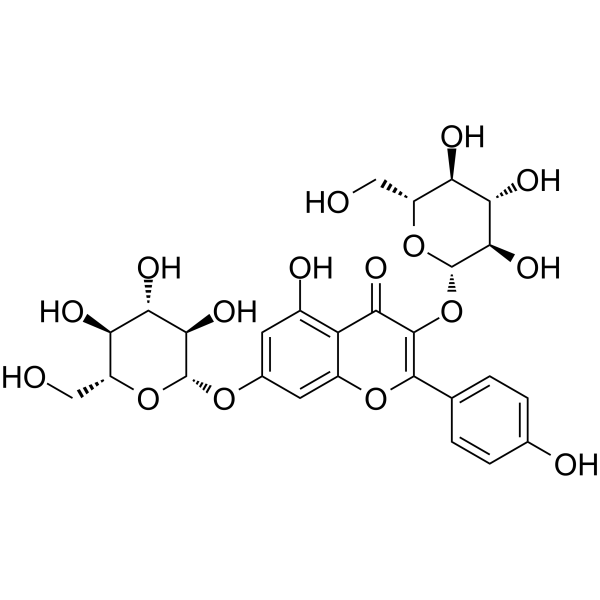 0 ImagesSynonyms: Kaempferol 3,7-diglucosideKaempferol-3,7-di-O-β-glucoside (Kaempferol 3,7-diglucoside), a flavonol, possesses enzyme inhibition property towards α-amylase, α-glucosidase and Acetylcholinesterase. Kaempferol-3,7-di-O-β-glucoside protects differentiating neuronal cells, SH-SY5Y from Amyloid β peptide-induced injury. Kaempferol-3,7-di-O-β-glucoside has the potential for Alzheimer's research.
-
α1-3,4,6 Galactosidase
 0 Imagesα1-3,4,6 Galactosidase is a broad specificity exoglycosidase that catalyzes the hydrolysis of terminal, non-reducing α1-3, α1-4 and α1-6-linked galactose residues from oligosaccharides.
-
Brevifolincarboxylic acid
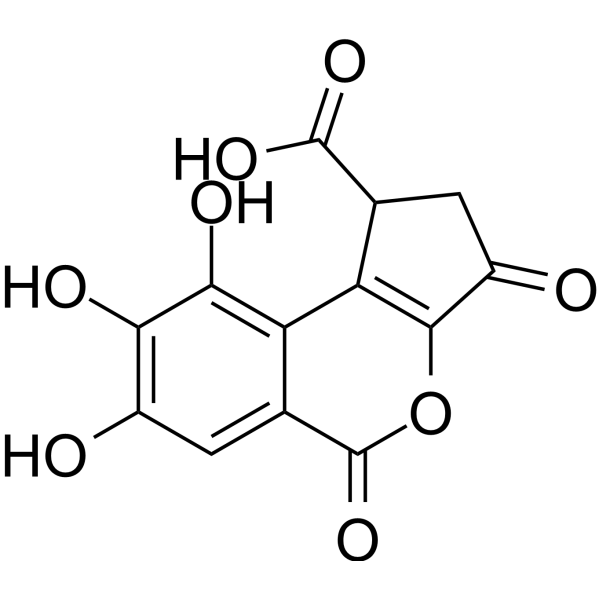 0 ImagesBrevifolincarboxylic acid is a phenolic compound. Brevifolincarboxylic acid can be isolated from Duchesnea chrysantha. Brevifolincarboxylic acid inhibits α-glucosidase with an IC50 value of 323.46 μM. Brevifolincarboxylic acid has an inhibitory effect on the aryl hydrocarbon receptor (AhR). Brevifolincarbacid scavenges ROS. Brevifolincarbacid restores the glucose uptake activity of myotubes. Brevifolincarboxylic acid has antitumor activity against lung and gastric cancer. Brevifolincarbacid can be used in the study of diabetes and inflammatory diseases.
-
p-Nitrophenyl α-D-mannopyranoside
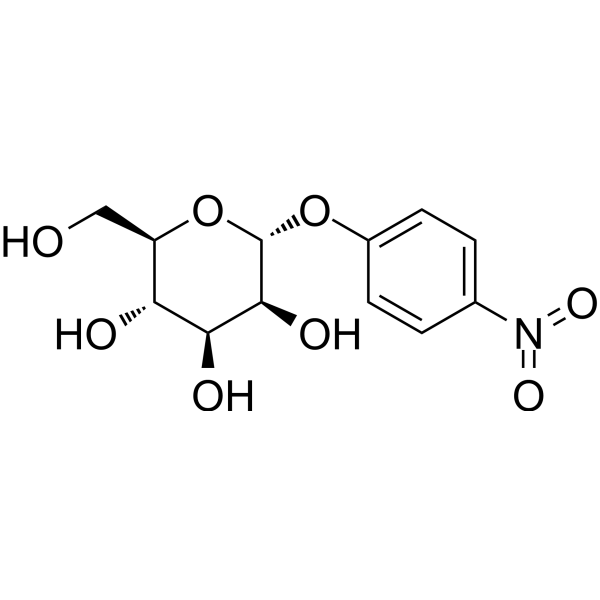 0 ImagesSynonyms: 4-Nitrophenyl a-D-mannopyranosidep-Nitrophenyl α-D-mannopyranoside (4-Nitrophenyl α-D-mannopyranoside) is a chromogenic glycosidic ligand. p-Nitrophenyl α-D-mannopyranoside features a sugar moiety (α-D-mannopyranose) with the mannose-characteristic axial hydroxyl group at the C2 position and a ligand portion (p-nitrophenol) that provides ultraviolet-visible light absorption properties. p-Nitrophenyl α-D-mannopyranoside can be used to determine glycosidase activity and characterize the sugar recognition properties of lectins (such as Concanavalin A (HY-P2149)).
-
5-Nonadecylresorcinol
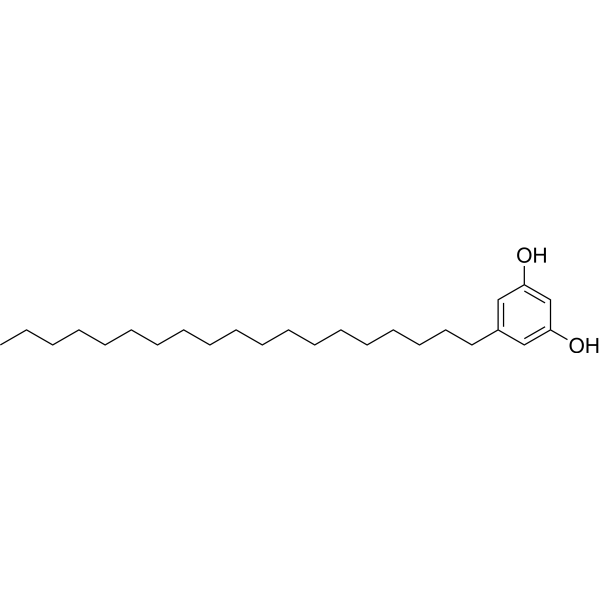 0 ImagesCat. No.: HY-113242CAS No.: 35176-46-65-Nonadecylresorcinol is an alkylresorcinol and has inhibitory effects on the release of β-hexosaminidase in vitro.
-
Erlose
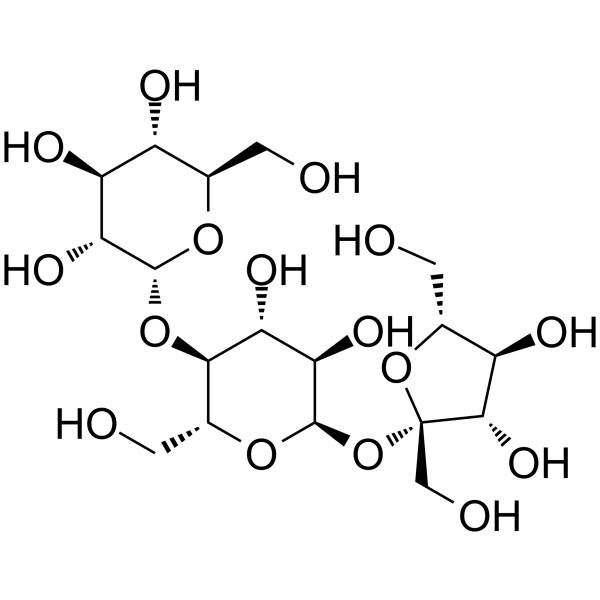 0 ImagesErlose is a trisaccharide sucrose derivative and low-calorie sweetener synthesized from glucose and sucrose via an α-glucosidase-mediated transglycosylation reaction. Erlose is often used as a marker to identify whether honey is adulterated with artificial sucrose. Erlose has approximately half the sweetness of sucrose but a similar taste, and it effectively inhibits crystal formation and browning reactions during food heat treatment.
-
Cichoriin
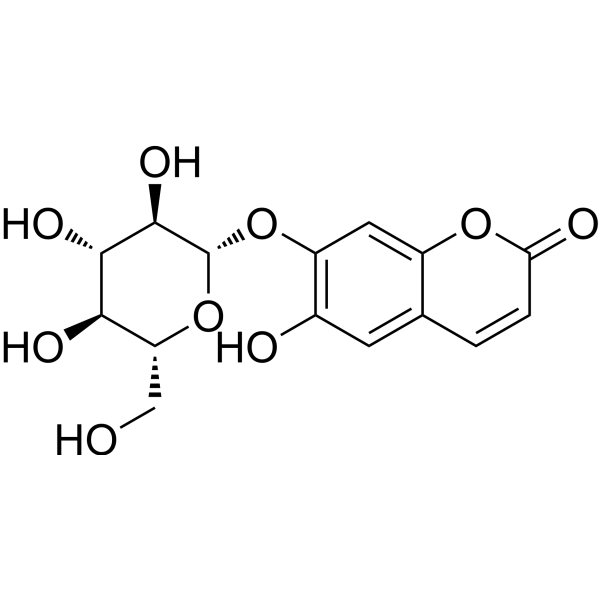 0 ImagesCichoriin is an orally active coumarin glycoside with broad biological activities. Cichoriin exhibits inhibitory activities against α-amylase, α-glucosidase, pancreatic lipase and DPP-IV, with IC50 values of 5.76, 2.94, 16.83 and 9.16 μg/mL, respectively. Cichoriin significantly improves metabolic dysfunction-associated steatohepatitis (MASH) in mice by activating the AMPK signaling pathway. Cichoriin upregulates PPAR-γ in adipose tissue and alleviates obesity and associated cardiorenal injury in rats. Cichoriin blocks monosodium urate crystal-induced activation of the NLRP3 inflammasome and cell pyroptosis by inhibiting P2Y14R (IC50 = 8.47 nM). In silico virtual screening reveals that Cichoriin has a strong binding affinity for SARS-CoV-2.
-
Tangshenoside I
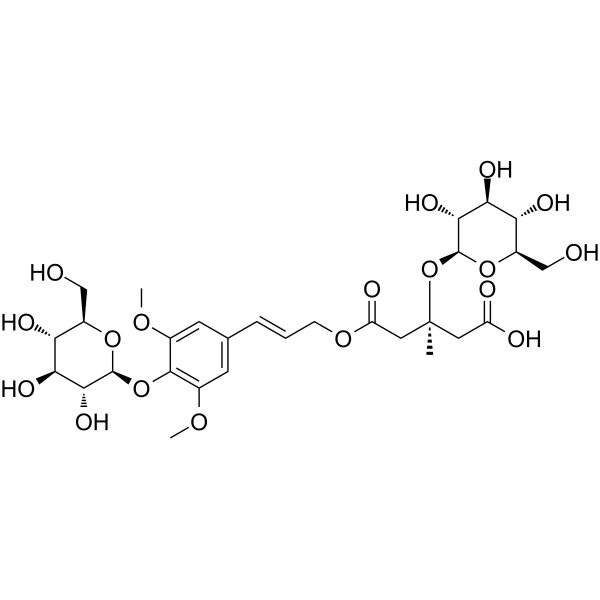 0 ImagesTangshenoside I, isolated from the roots of Codonopsis lanceolata, exhibits weak α-glucosidase inhibitory activities in vitro with an IC50 of 1.4 mM.




