



Glucosidase
Glucosidase enzymes catalyze hydrolysis of glycosidic bonds and support carbohydrate processing in lysosomes and intestinal brush-border digestion[1][2]. Mechanistically, lysosomal acid α-glucosidase (GAA) participates in lysosomal glycogen breakdown, and GAA deficiency causes Pompe disease with glycogen accumulation and cellular damage, especially in cardiac and skeletal muscle[1]. In intestinal models, maltase-glucoamylase (MGAM) and sucrase-isomaltase (SI) catalyze the final glucose-releasing step of starch digestion, making human intestinal α-glucosidases practical targets for carbohydrate digestion research[2][3]. Compared with related isoforms, MGAM and SI show overlapping but distinct substrate selectivity, while lysosomal GAA differs by cellular localization and disease linkage[1][3]. For experimental applications, acarbose inhibited human sucrase, maltase, and isomaltase activities with IC50 values of 1.65, 13.9, and 39.1 µM, respectively, in Caco-2/TC7 cell-free extracts[4]. Selective inhibitor design for lysosomal GAA can exploit an alkyl-chain storage site, and α-1-C-heptyl-LAB showed potent GAA inhibition with an IC50 of 0.44 µM and selectivity index of 168.2[5].
References:
- [1]. Roig-Zamboni V, et al. Structure of human lysosomal acid α-glucosidase-a guide for the treatment of Pompe disease. Nat Commun. 2017 Oct 24;8(1):1111. [Content Brief]
- [2]. Sim L, et al. Human intestinal maltase-glucoamylase: crystal structure of the N-terminal catalytic subunit and basis of inhibition and substrate specificity. J Mol Biol. 2008 Jan 18;375(3):782-92. [Content Brief]
- [3]. Sim L, et al. Structural basis for substrate selectivity in human maltase-glucoamylase and sucrase-isomaltase N-terminal domains. J Biol Chem. 2010 Jun 4;285(23):17763-70. [Content Brief]
- [4]. Barber E, et al. Flavonoids as Human Intestinal α-Glucosidase Inhibitors. Foods. 2021 Aug 20;10(8):1939. [Content Brief]
- [5]. Kato A, et al. Strategy for Designing Selective Lysosomal Acid α-Glucosidase Inhibitors: Binding Orientation and Influence on Selectivity. Molecules. 2020 Jun 19;25(12):2843. [Content Brief]
-
Glucosidase Related Products (102)
Related Products (102)

-
Maltose
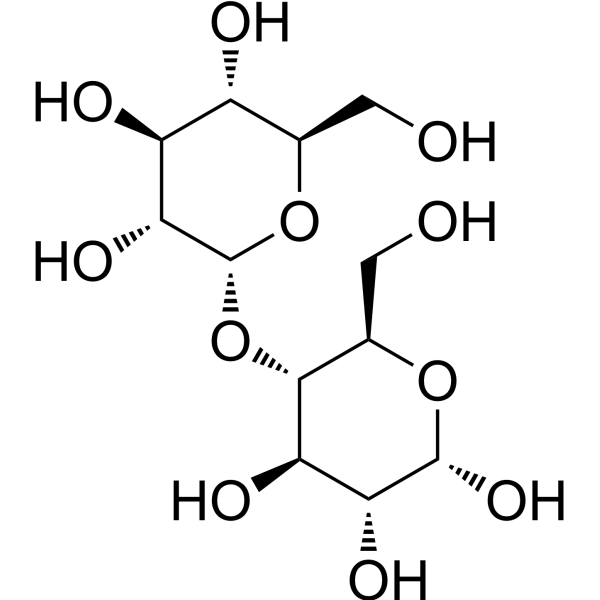 0 ImagesMaltose is a disaccharide composed of two glucose molecules linked together. Maltose is an endogenous metabolic product in plants, yeast, or bacteria, and it participates in carbon source storage and metabolism. Maltose is a key core metabolite and main transport form in the temporary starch degradation, carbon output, and subsequent sucrose synthesis metabolism of the night chloroplast. In X. dendrorhous, maltose can act as a sugar donor and is converted into isomaltulose by α-glucosidase). Maltose can act as a osmotic agent, supporting continuous capillary ultrafiltration and preventing severe metabolic disorders.
-
3,5-Dihydroxybenzaldehyde
 0 Images3,5-Dihydroxybenzaldehyde is an α-glucosidase inhibitor with an IC50 of 0.47 μg/mL. 3,5-Dihydroxybenzaldehyde exerts bactericidal activity against Campylobacter jejuni, Escherichia coli O157:H7, Listeria monocytogenes and Salmonella enterica. 3,5-Dihydroxybenzaldehyde can be used in glucose metabolism-related research.
-
Docosapentaenoic acid (22n-3)
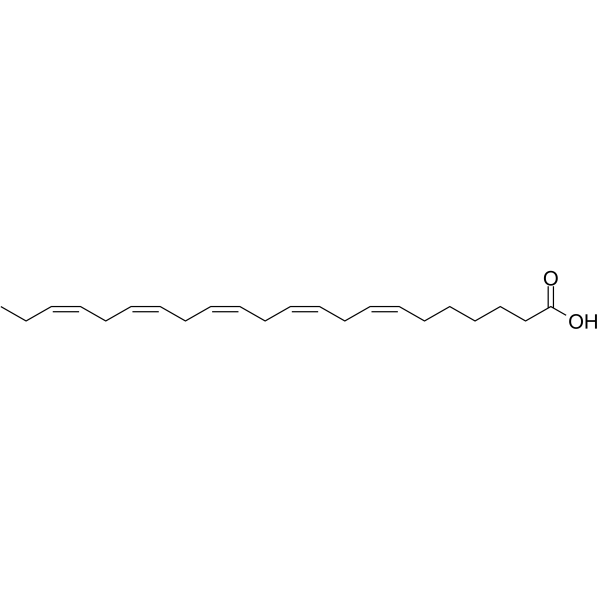 0 ImagesSynonyms: Clupanodonic acidDocosapentaenoic acid (22n-3) is a component of phospholipids. Docosapentaenoic acid 22n-3 has inhibitory activity against α-amylase and α-glucosidase, with IC50s value of 17 μg/mL and 22 μg/mL, respectively. Docosapentaenoic acid 22n-3 increases cell vitality. Docosapentaenoic acid 22n-3 has a weak anti-inflammatory effect.
-
2-(2-Phenylethyl)chromone
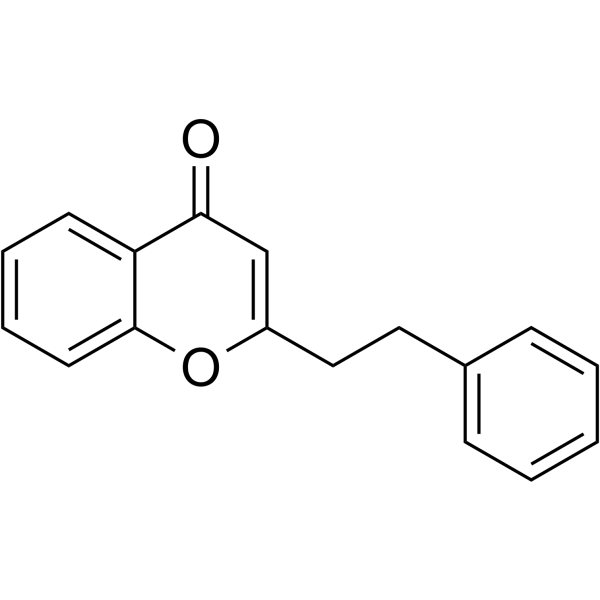 0 ImagesSynonyms: Flidersiachromone2-(2-Phenylethyl) chromone (Flidersiachromone) is a chromone derivative and antioxidant. 2-(2-Phenylethyl) chromone scavenges ABTS·+ free radicals, and its derivatives exhibit diverse activities including anti-inflammatory, neuroprotective, anti-tumor, and α-glucosidase inhibitory effects. 2-(2-Phenylethyl) chromone is applicable to experimental research in fields such as inflammation-related diseases, tumors, and neurodegenerative diseases.
-
Ethylidene-4-nitrophenyl-a-D-Maltoheptaoside
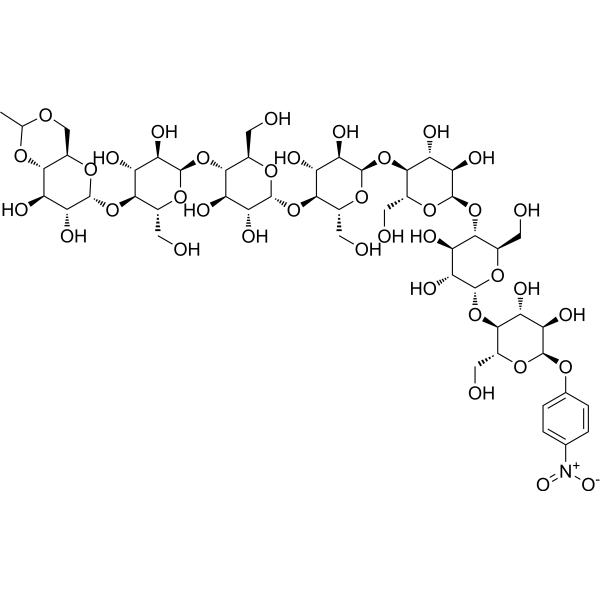 0 ImagesSynonyms: pNP-G7Ethylidene-4-nitrophenyl-α-D-Maltoheptaoside (EPS; pNP-G7) serves as a substrate for α-amylase. In the presence of an auxiliary enzyme such as α-glucosidase (α-glucosidase), Ethylidene-4-nitrophenyl-α-D-Maltoheptaoside is degraded by amylase (Amylase) to release a chromophore, enabling the measurement of amylase activity. Ethylidene-4-nitrophenyl-α-D-Maltoheptaoside is applicable for the diagnosis of pancreatitis[2].
-
D-Threitol
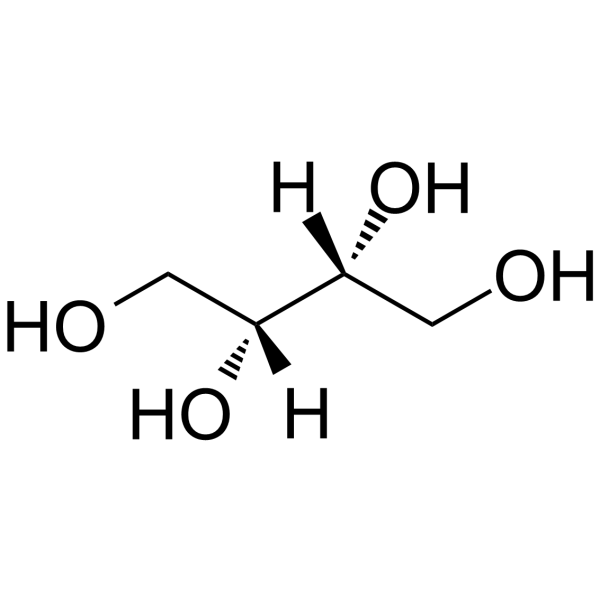 0 ImagesD-Threitol is a naturally occurring four-carbon sugar alcohol and an α-glucosidase (α‑glucosidase) inhibitor with an IC50 of 49 mM against yeast α-glucosidase, and it is orally active. D-Threitol modulates gut microbiota composition, increases microbial diversity, enriches beneficial bacterial genera, and restores fecal short-chain fatty acid levels. D-Threitol reduces body weight gain and fat accumulation, improves glucose tolerance and insulin sensitivity, and alleviates liver, kidney, and pancreatic tissue damage. D-Threitol inhibits hepatic accumulation of ceramides and diacylglycerols. D-Threitol preserves glomerular morphology and islet structure in diabetes models. D-Threitol is also a low-calorie sweetener. D-Threitol serves as a cryoprotective polyol that stabilizes protein structure at low temperatures. D-Threitol is used in research on type 2 diabetes and as an antifreeze agent for the Alaskan beetle.
-
2-Hydroxyquinoline
 0 Images2-Hydroxyquinoline is an α-glucosidase inhibitor (IC50 = 64.4 µg/mL) and an α-amylase inhibitor (IC50 = 130.5 µg/mL). 2-Hydroxyquinoline inhibits α-glucosidase and α-amylase activities. 2-Hydroxyquinoline exhibits antidiabetic effects. 2-Hydroxyquinoline can be used for research on diabetes.
-
Erlose
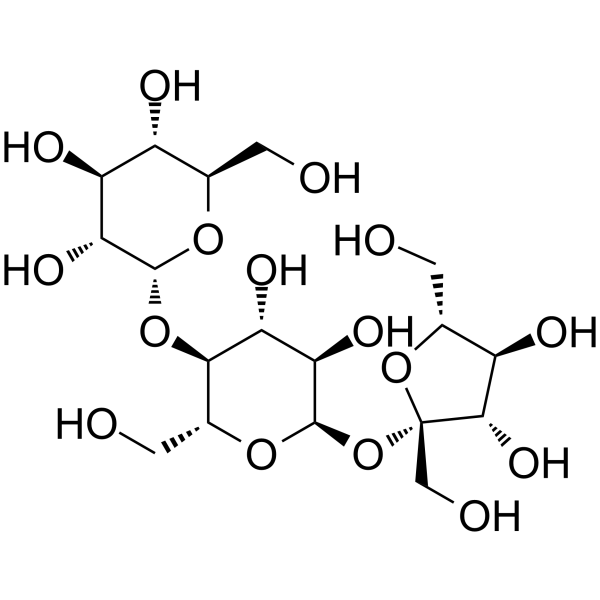 0 ImagesErlose is a trisaccharide sucrose derivative and low-calorie sweetener synthesized from glucose and sucrose via an α-glucosidase-mediated transglycosylation reaction. Erlose is often used as a marker to identify whether honey is adulterated with artificial sucrose. Erlose has approximately half the sweetness of sucrose but a similar taste, and it effectively inhibits crystal formation and browning reactions during food heat treatment.
-
Maltose monohydrate
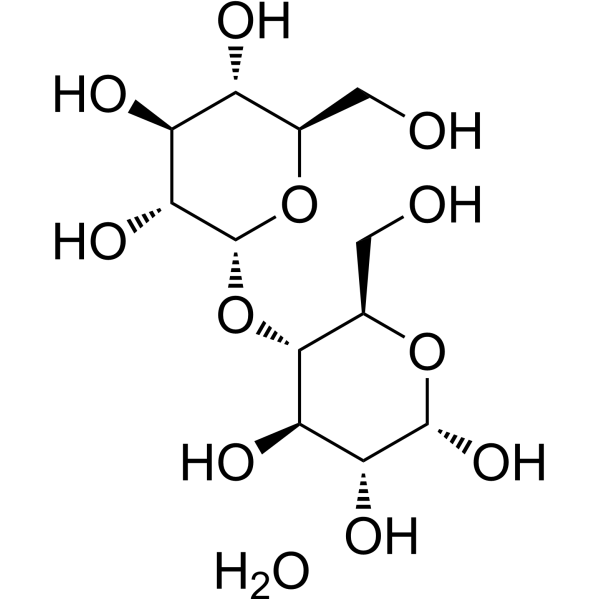 0 ImagesMaltose monohydrate is a disaccharide composed of two glucose molecules linked together. Maltose monohydrate is an endogenous metabolic product in plants, yeast, or bacteria, and it participates in carbon source storage and metabolism. Maltose monohydrate is a key core metabolite and main transport form in the temporary starch degradation, carbon output, and subsequent sucrose synthesis metabolism of the night chloroplast. In X. dendrorhous, maltose can act as a sugar donor and is converted into isomaltulose by α-glucosidase. Maltose monohydrate can act as a osmotic agent, supporting continuous capillary ultrafiltration and preventing severe metabolic disorders.
-
Lariciresinol
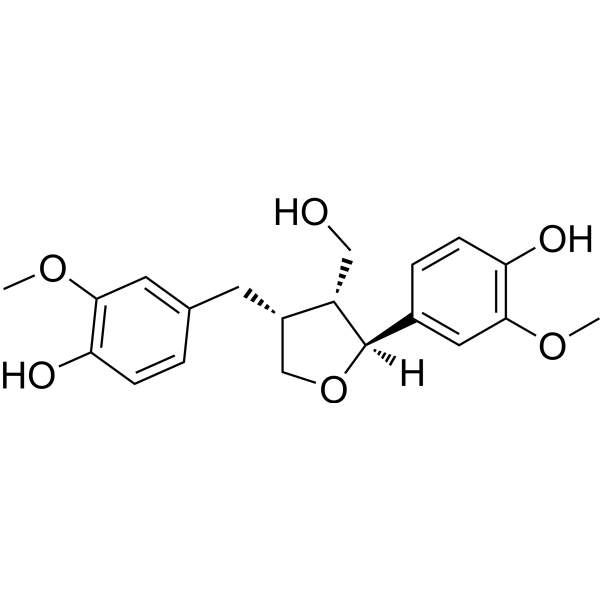 0 ImagesLariciresinol is an orally active ingredient. Lariciresinol can be isolated from Arabidopsis thaliana. Lariciresinol inhibits α-glucosidase activity (IC50 of 6.97 μM; Ki of 0.046 μM). Lariciresinol dereases Bcl-2, upregulates Bax and induces Apoptosis. Lariciresinol regulates TGF-β and NF-κB pathways. Lariciresinol has antitumor activity against liver cancer, gastric cancer, and breast cancer. Lariciresinol shows antifungal activity and anti-diabetic activity.
-
β1-3 Galactosidase
 0 Imagesβ1-3 Galactosidase is a GH42 exoglycosidase that specifically hydrolyzes terminal β1-3-linked galactose. β1-3 Galactosidase uses Glu164 as the acid/base catalyst and Glu324 as the catalytic nucleophile to hydrolyze β1-3 galactosidic linkages. β1-3 Galactosidase can be used for research on galactoside metabolism.
-
Pinoresinol 4-O-β-D-glucopyranoside
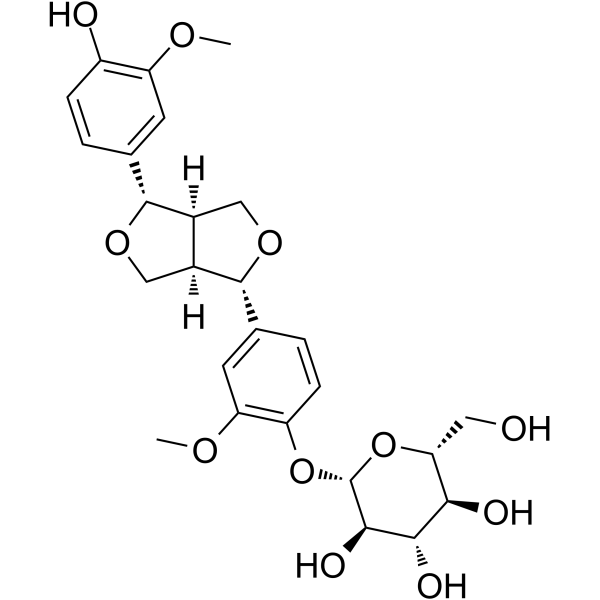 0 ImagesSynonyms: (+)-Pinoresinol 4-O-β-D-glucopyranosidePinoresinol 4-O-β-D-glucopyranoside ((+)-Pinoresinol 4-O-β-D-glucopyranoside) is an orally active α-glucosidase inhibitor, with an IC50 of 48.13 μg/mL. Pinoresinol 4-O-β-D-glucopyranoside binds to estrogen receptors. Pinoresinol 4-O-β-D-glucopyranoside inhibits phosphodiesterase. Pinoresinol 4-O-β-D-glucopyranoside exhibits various activities such as antioxidant, anti-inflammatory, anti-hyperglycemic, hepatoprotective and anti-epileptic effects.
-
Benzophenone-2
 0 ImagesSynonyms: 2,2′,4,4′-TetrahydroxybenzophenoneBenzophenone-2 (2,2',4,4'-Tetrahydroxybenzophenone) is an organic ultraviolet absorber that is widely used in personal care products and industrial products such as plastics and coatings. Benzophenone-2 is an endocrine disruptor that can interfere with estrogen receptors (ERα receptor) and pregnane X receptor (PXR receptor) activity, leading to reproductive toxicity, immune disorders, and metabolic abnormalities. Benzophenone-2 can inhibit the activity of α-glucosidase (IC50 = 49.72 μM), and can be used for research on diabetes.
-
Delphinidin-3-O-galactoside chloride
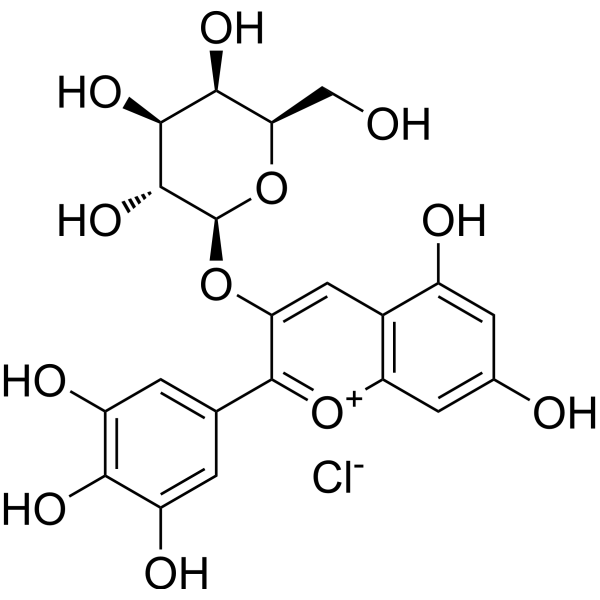 0 ImagesDelphinidin-3-O-galactoside chloride is an anthocyanin found in abbiteye blueberry. Delphinidin-3-O-galactoside chloride show inhibitory activitiesagainst α-glucosidase with an IC50 of 68.33 μM, and tyrosinase with an IC50 of 34.14 μM. Delphinidin-3-O-galactoside chloride attenuates HO-1 and HSP70 messenger RNA down-regulation, suppresses cytotoxicity, reduces endoplasmic reticulum stress responses, scavenges free radicals, reduces intracellular triglyceride levels and lipid droplet accumulation. Delphinidin-3-O-galactoside chloride can be used for the researches of diabesity, melanoma and inflammation.

-
α-Glucosidase-IN-22
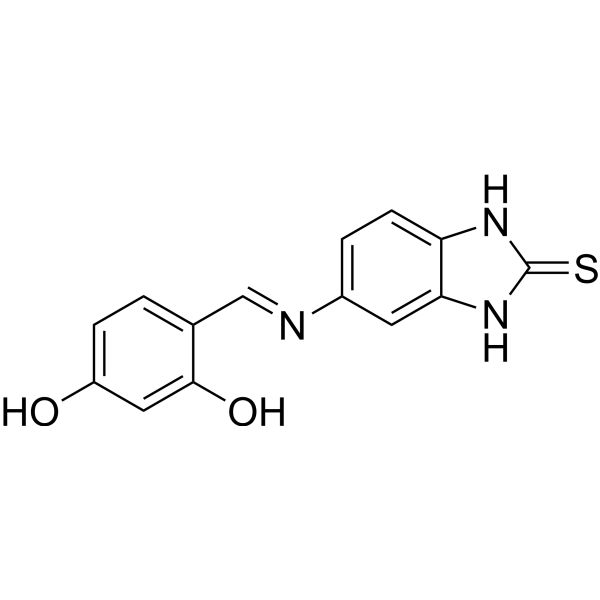 0 Imagesα-Glucosidase-IN-22 (Compound 7i) is a α-glucosidase inhibitor with an IC50 value of 0.64 μM. α-Glucosidase-IN-22 can be used for the research of type 2 diabetes.
-
D-Threitol (Standard)
 0 ImagesD-Threitol (Standard) is the analytical standard of D-Threitol (HY-W012846). This product is intended for research and analytical applications. D-Threitol is a naturally occurring four-carbon sugar alcohol and an α-glucosidase (α‑glucosidase) inhibitor with an IC50 of 49 mM against yeast α-glucosidase, and it is orally active. D-Threitol modulates gut microbiota composition, increases microbial diversity, enriches beneficial bacterial genera, and restores fecal short-chain fatty acid levels. D-Threitol reduces body weight gain and fat accumulation, improves glucose tolerance and insulin sensitivity, and alleviates liver, kidney, and pancreatic tissue damage. D-Threitol inhibits hepatic accumulation of ceramides and diacylglycerols. D-Threitol preserves glomerular morphology and islet structure in diabetes models. D-Threitol is also a low-calorie sweetener. D-Threitol serves as a cryoprotective polyol that stabilizes protein structure at low temperatures. D-Threitol is used in research on type 2 diabetes and as an antifreeze agent for the Alaskan beetle.
-
Tachioside
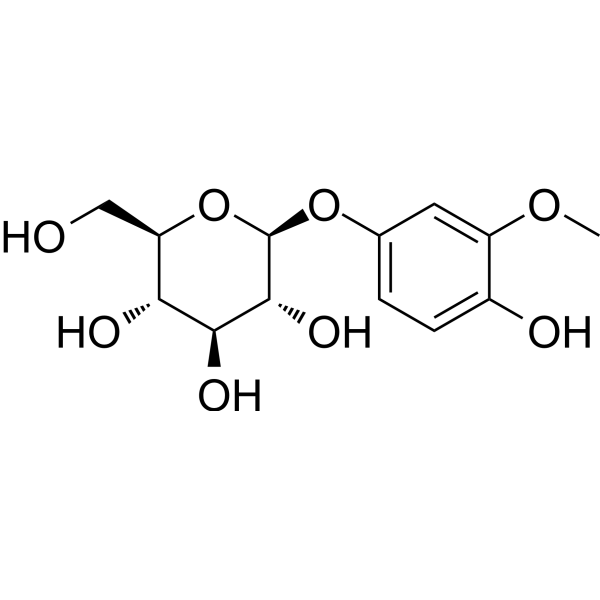 0 ImagesTachioside is a phenolic glycoside natural product. Tachioside inhibits antigen-induced mast cell degranulation and TNF-α expression in RBL-2H3 cells; it exhibits melanin inhibitory effects in B16 melanoma cells. Tachioside possesses anti-obesity, antioxidant, and α-glucosidase inhibitory activities. Tachioside has been predicted as a potential anti-breast cancer candidate compound and shows high correlation coefficients with antioxidant indicators such as ABTS and FRAP. Tachioside can be used in research on allergies and pigmentation-related diseases.
-
Millewanin H
 0 ImagesCat. No.: HY-N3256CAS No.: 874303-34-1Millewanin H is a Flavonoids product that can be isolated from the herbs of Millettia pachycarpa. Millewanin H has antiestrogenic activity and inhibit 17β-estradiol-induced-β-galactosidase activity. Millewanin H showes α-glucosidase inhibition.
-
trans-p-Coumaraldehyde
 0 ImagesCat. No.: HY-W1060183CAS No.: 20711-53-9Synonyms: (E)-4-Hydroxycinnamaldehyde; (E)-p-Hydroxycinnamaldehydetrans-p-Coumaraldehyde ((E)-4-Hydroxycinnamaldehyde) is a natural product. trans-p-Coumaraldehyde can be isolated from the seeds of Petai cina. trans-p-Coumaraldehyde exhibits potential α-glucosidase inhibitory activity. trans-p-Coumaraldehyde can be used in diabetes research.



