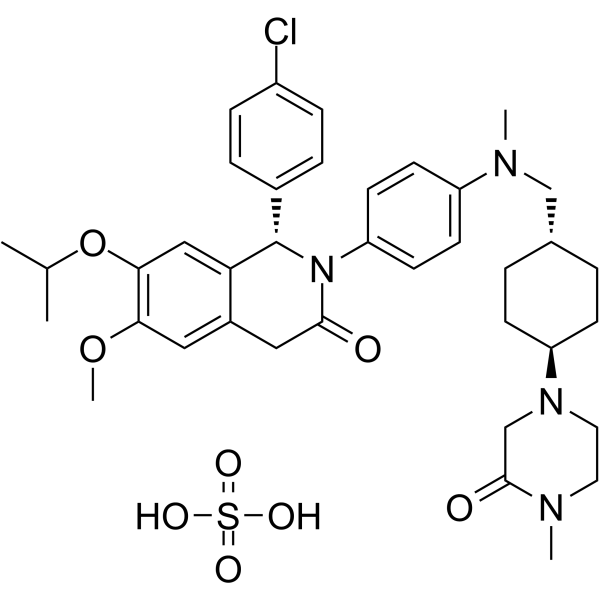
MDM-2/p53
The p53 tumor suppressor is a principal mediator of growth arrest, senescence, and apoptosis in response to a broad array of cellular damage. p53 is a short-lived protein that is maintained at low, often undetectable, levels in normal cells. Under stress conditions, the p53 protein accumulates in the cell, binds in its tetrameric form to p53-response elements and induces the transcription of various genes.
MDM-2 is transcriptionally activated by p53 and MDM-2, in turn, inhibits p53 activity in several ways. MDM-2 binds to the p53 transactivation domain and thereby inhibits p53-mediated transactivation. MDM-2 also contains a signal sequence that is similar to the nuclear export signal of various viral proteins and, after binding to p53, it induces its nuclear export. As p53 is a transcription factor, it needs to be in the nucleus to be able to access the DNA; its transport to the cytoplasm by MDM-2 prevents this. Finally, MDM-2 is a ubiquitin ligase, so is able to target p53 for degradation by the proteasome.
In many tumors p53 is inactivated by the overexpression of the negative regulators MDM2 and MDM4 or by the loss of activity of the MDM2 inhibitor ARF. The pathway can be reactivated in these tumors by small molecules that inhibit the interaction of MDM2 and/or MDM4 with p53. Such molecules are now in clinical trials.
All Product Categories
-
MDM-2/p53 Inhibitors
(116)
View all products
-
MDM-2/p53 Agonists
(8)
View all products
-
MDM-2/p53 Antagonists
(4)
View all products
-
MDM-2/p53 Activators
(166)
View all products
-
MDM-2/p53 Modulators
(29)
View all products
-
MDM-2/p53 MDM2 Inhibitors
(65)
View all products
-
MDM-2/p53 p53 Activators
(115)
View all products
-
MDM-2/p53 p53 Inhibitors
(16)
View all products
-
MDM-2/p53 Inducers
(17)
View all products
-
MDM-2/p53 Degraders
(8)
View all products
-
MDM-2/p53 Controls
(6)
View all products
-
MDM-2/p53 Ligands
(9)
View all products
-
MDM-2/p53 Related Products (639)
Related Products (639)

-
Antibodies (17)
-
MDM-2/p53 Signaling Pathway
-
Triglycidyl isocyanurate
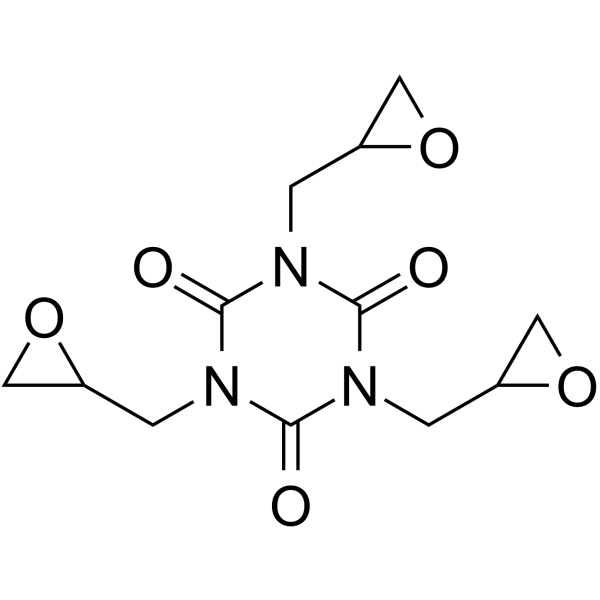 0 ImagesSynonyms: TGICTriglycidyl isocyanurate (TGIC; Teroxirone) is a triazene triepoxide with antiangiogenic and antineoplastic activities. Triglycidyl isocyanurate inhibits the growth of non-small-cell-lung cancer cells via?p53 activation. Triglycidyl isocyanurate induces cell apoptosis. Triglycidyl isocyanurate can be used for cancer research.
-
Condurango glycoside A
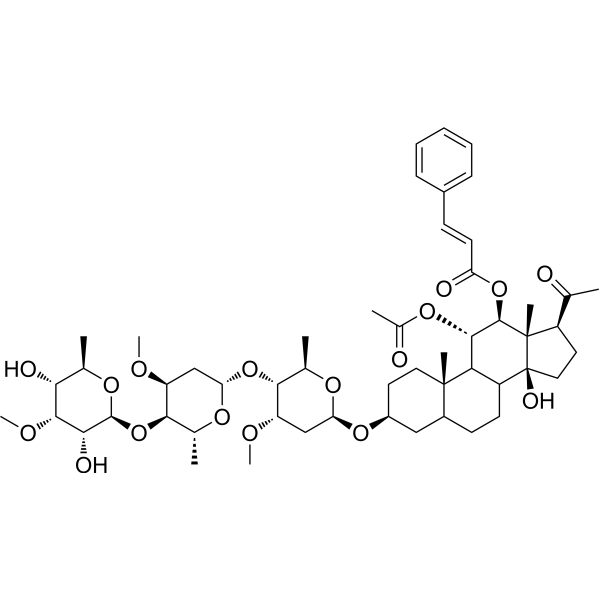 0 ImagesCat. No.: HY-N12233CAS No.: 11051-90-4Condurango glycoside A is an activator of p53. Condurango glycoside A initiates ROS generation and up-regulates p53 expression. Condurango glycoside A induces apoptosis and pre-mature senescence associated with DNA damage in HeLa cells.
-
Chitosan oligosaccharide (MW 2000)
 0 ImagesCat. No.: HY-112108DSynonyms: COS (MW 2000)Chitosan oligosaccharide (MW 2000) is a natural oligomer derived from chitosan, with a molecular weight of 2000 Da. Chitosan oligosaccharide (MW 2000∼3000 Da) activates the P53, MAPK and NF-κB signaling pathways. As an ideal immunopotentiator, chitosan oligosaccharide is mainly used as a feed additive in aquaculture.
-
MDMX/MDM2-IN-2
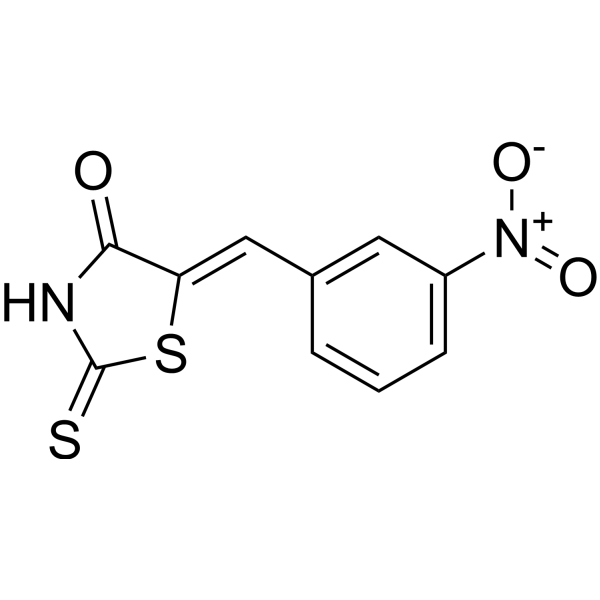
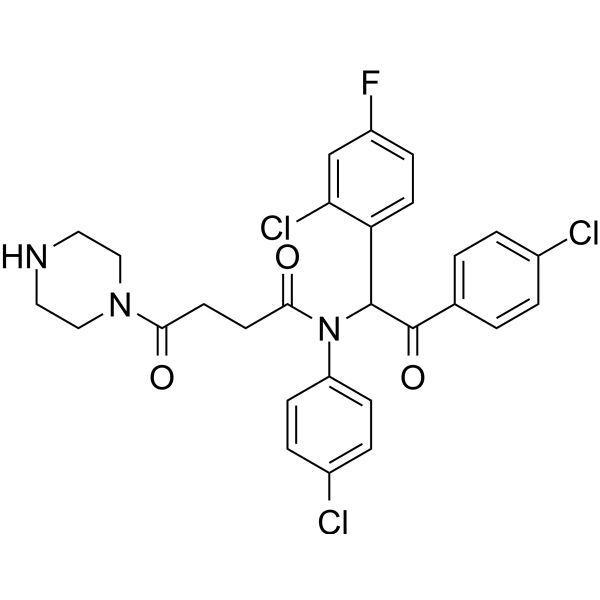 0 ImagesMDMX/MDM2-IN-2 is a potent p53-MDM2/MDMX dual inhibitors with Kis of 0.23 μM and 2.45 μM for MDM2 and MDMX, respectively. MDMX/MDM2-IN-2 inhibits the binding of p53 and MDM2 proteins. MDMX/MDM2-IN-2 restores the function of p53 and enables cell cycle arrest and apoptosis. MDMX/MDM2-IN-2 inhibits cell migration and invasion. MDMX/MDM2-IN-2 has antitumor activity.
-
MD102
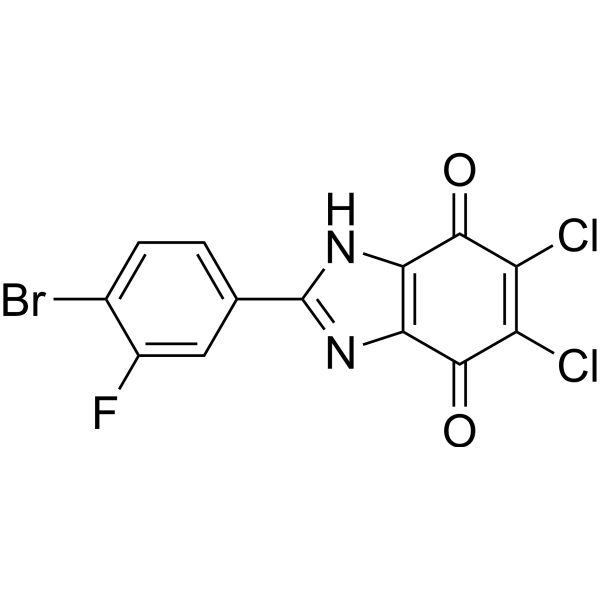 0 ImagesMD102 is an orally active transglutaminase 2 (TG2) inhibitor with an IC50 of 0.35 μM. MD102 binds to the β-sandwich domain of TG2, disrupts the interaction between TG2 and p53, stabilizes p53, and reduces the activity of p-AKT and p-mTOR signaling pathways. MD102 induces cell apoptosis and inhibits tumor growth. MD102 can be used for the research of renal cell carcinoma.
-
SLMP53-1
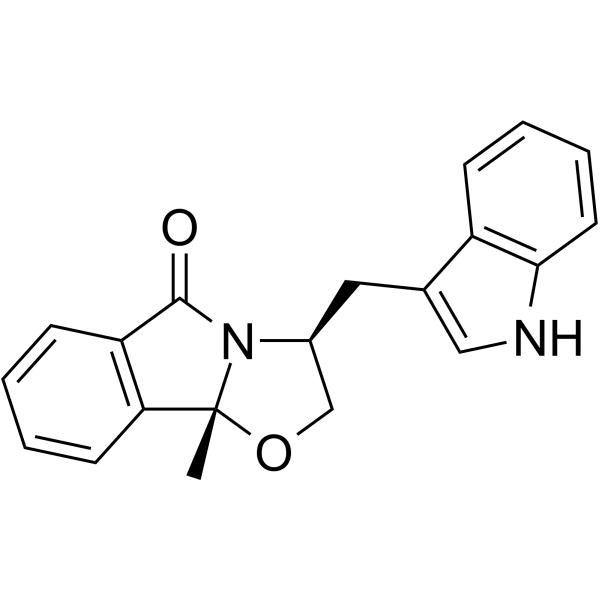 0 ImagesSLMP53-1 is a wild-type and mutant p53 reactivator with promising antitumor activity. SLMP53-1 mediates the reprograming of glucose metabolism in cancer cells. SLMP53-1 depletes angiogenesis, decreasing endothelial cell tube formation and vascular endothelial growth factor (VEGF) expression levels.
-
PNC-28
 0 ImagesPNC-28 is a peptide from the mdm-2-binding domain (residues 17–26) of the p53 protein which contains a membrane crossing-penetratin sequence. PNC-28 can be used for pancreatic cancer research.
-
p53-MDM2-IN-1
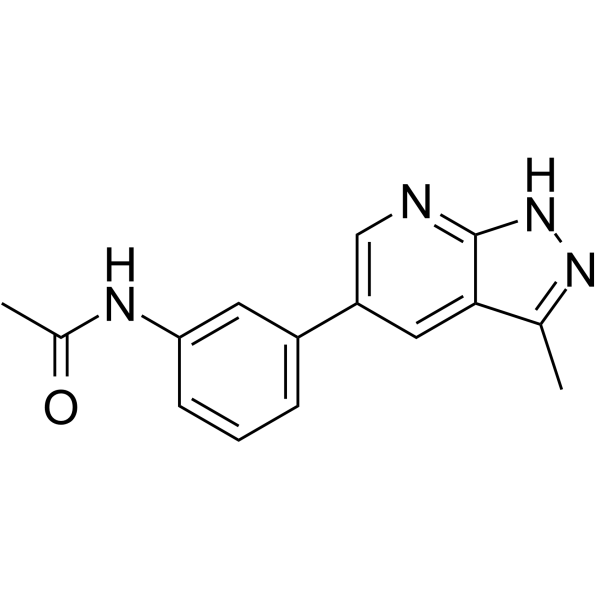
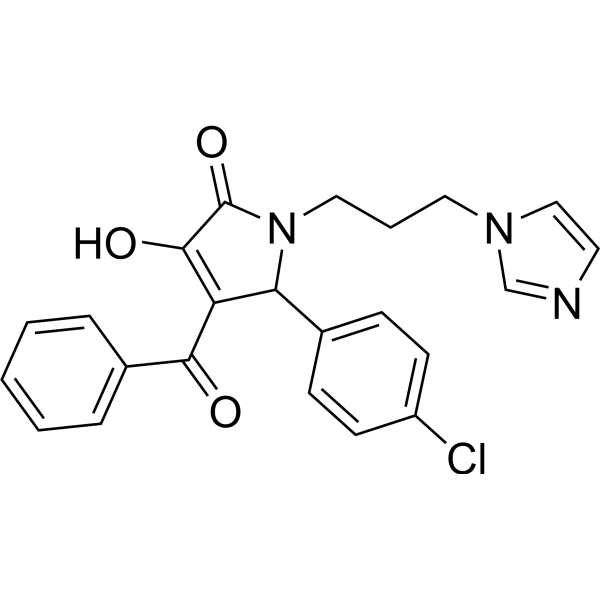 0 Imagesp53-MDM2-IN-1 (Example 30) is an inhibitor of p53-MDM2/X protein interaction with an Ki value of 23.35 µM. p53-MDM2-IN-1 can be used for anti-tumor research.
-
Quinovic acid
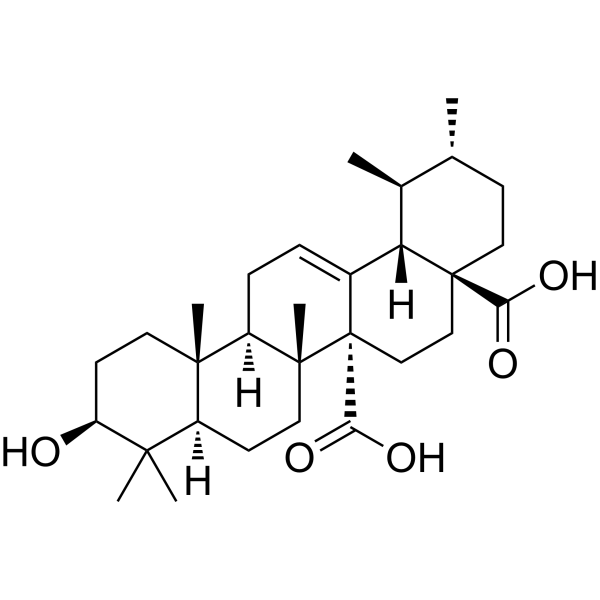 0 ImagesQuinovic acid is triterpene. Quinovic acid can ameliorate the Amyloid-β burden, p53 expression and cholesterol accumulation by deterring the oxidative stress through upregulating the Nrf2/HO-1 pathway. Quinovic acid can induce cancer cells apoptosis by upregulating death receptor 5 (DR5). Quinovic acid can be used for the researches of cancer, inflammation, metabolic and neurological disease, such as lung cancer and Alzheimer’s disease (AD).
-
2-Ammo-3-memyl-imidazo-[4,5-f]-quinoIine
![2-Ammo-3-memyl-imidazo-[4,5-f]-quinoIine](https://file.medchemexpress.com/product_pic/hy-w281364.gif "Click to View 2-Ammo-3-memyl-imidazo-[4,5-f]-quinoIine Product Detail") 0 Images2-Ammo-3-memyl-imidazo-[4,5-f]-quinoIine is a mutagenic compound.
0 Images2-Ammo-3-memyl-imidazo-[4,5-f]-quinoIine is a mutagenic compound.
-
Antcin A
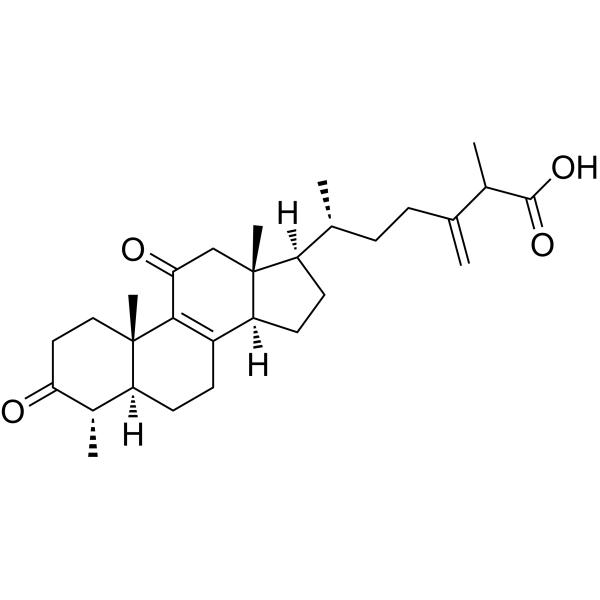 0 ImagesAntcin A is an orally active modulator of p53 and glucocorticoid receptor (GR), with an IC50 of 8.55 μM against human GR. Through transcriptional activation of p53, Antcin A induces miR-200c and inhibits ZEB1, regulates epithelial-mesenchymal transition markers, and suppresses cancer cell migration/invasion. Antcin A activates GR, inhibits Na+/K+-ATPase and NLRP3 inflammasome assembly, pyroptosis (pyroptosis) and pro-inflammatory cytokine release, reduces hepatic lipid deposition, improves liver function, and reverses metabolic changes induced by the SARS-CoV-2 spike protein. Antcin A can be used in research related to breast cancer, head and neck cancer, non-alcoholic fatty liver disease, and coronavirus disease 2019 (COVID-19).
-
N-Desmethyl clomipramine-d3 hydrochloride
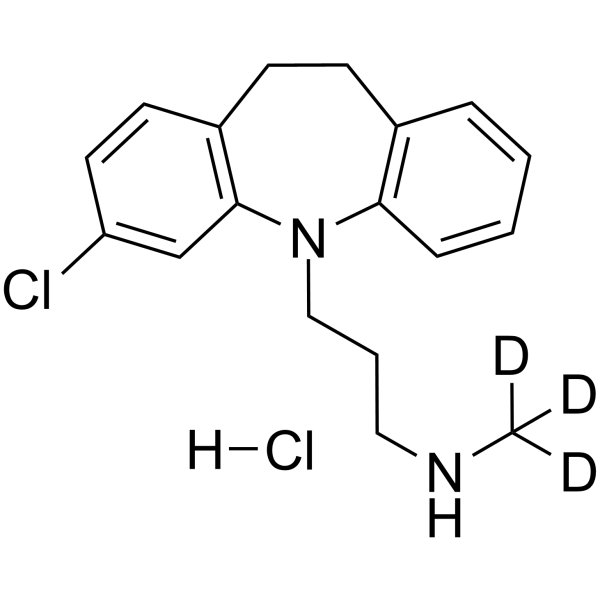 0 ImagesSynonyms: Desmethylclomipramine-d3 hydrochloride;Norclomipramine-d3 hydrochlorideN-Desmethyl clomipramine-d3 hydrochloride (Desmethylclomipramine-d3 hydrochloride; Norclomipramine-d3 hydrochloride) is the deuterated-labeled N-Desmethyl clomipramine hydrochloride (HY-12388A). N-Desmethyl clomipramine hydrochloride is the orally active major active metabolite of the tricyclic antidepressant Clomipramine (HY-B0457A), possessing multiple activities including anti-inflammatory, antioxidant, antibacterial, and antiparasitic effects. N-Desmethyl clomipramine hydrochloride blocks autophagosome-lysosome fusion, leading to the accumulation of LC3-II, p62, ATG7, WIPI2, and ATG5-12, reactivates the p53/p21 pathway, induces apoptosis through C-PARP and C-CAS3, and inhibits the proliferation, migration, and invasion of renal cancer cells. N-Desmethyl clomipramine hydrochloride inhibits LdTOPIA, inducing R-loop accumulation in the nucleus of Leishmania, ultimately causing parasite death. N-Desmethyl clomipramine hydrochloride can be used for research on depression, metastatic renal cell carcinoma, and leishmaniasis.
-
p-nitro-Pifithrin-α
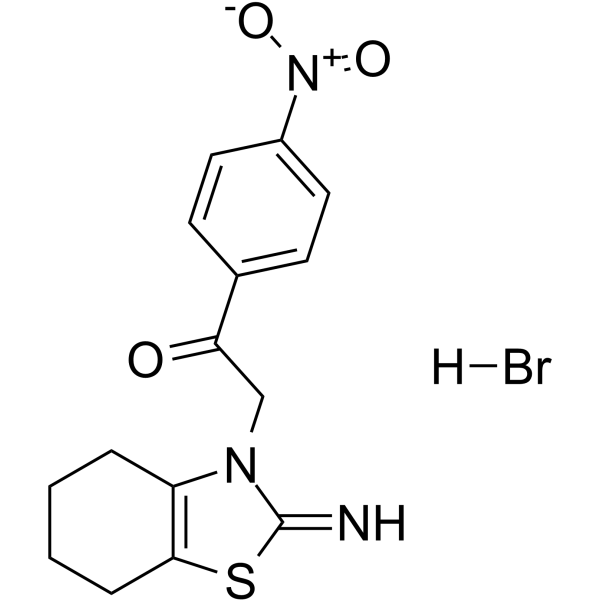 0 ImagesCat. No.: HY-130437CAS No.: 389850-21-9p-nitro-Pifithrin-α, a cell-permeable analog of pifithrin-α, is a potent p53 inhibitor. p-nitro-Pifithrin-α suppresses p53-mediated TGF-β1 expression in HK-2 cells. p-nitro-Pifithrin-α inhibits the activation of caspase-3 by Zika virus (ZIKV) strains. p-nitro-Pifithrin-α attenuates steatosis and liver injury in mice fed a high-fat diet [4]. non-alcoholic fatty liver disease.

-
(3S,5S,6R)-Navtemadlin
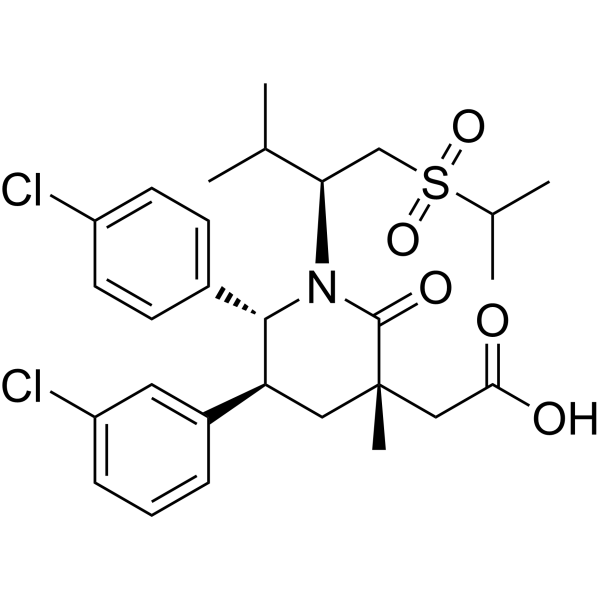 0 ImagesSynonyms: (3S,5S,6R)-AMG 232; (3S,5S,6R)-KRT-232(3S,5S,6R)-Navtemadlin is the isomer of Navtemadlin (HY-12296), and can be used as an experimental control. Navtemadlin (AMG 232) is a potent, selective and orally available inhibitor of p53-MDM2 interaction, with an IC50 of 0.6 nM. Navtemadlin binds to MDM2 with a Kd of 0.045 nM.