



MDM-2/p53
The p53 tumor suppressor is a principal mediator of growth arrest, senescence, and apoptosis in response to a broad array of cellular damage. p53 is a short-lived protein that is maintained at low, often undetectable, levels in normal cells. Under stress conditions, the p53 protein accumulates in the cell, binds in its tetrameric form to p53-response elements and induces the transcription of various genes.
MDM-2 is transcriptionally activated by p53 and MDM-2, in turn, inhibits p53 activity in several ways. MDM-2 binds to the p53 transactivation domain and thereby inhibits p53-mediated transactivation. MDM-2 also contains a signal sequence that is similar to the nuclear export signal of various viral proteins and, after binding to p53, it induces its nuclear export. As p53 is a transcription factor, it needs to be in the nucleus to be able to access the DNA; its transport to the cytoplasm by MDM-2 prevents this. Finally, MDM-2 is a ubiquitin ligase, so is able to target p53 for degradation by the proteasome.
In many tumors p53 is inactivated by the overexpression of the negative regulators MDM2 and MDM4 or by the loss of activity of the MDM2 inhibitor ARF. The pathway can be reactivated in these tumors by small molecules that inhibit the interaction of MDM2 and/or MDM4 with p53. Such molecules are now in clinical trials.
All Product Categories
-
MDM-2/p53 Inhibitors
(114)
View all products
-
MDM-2/p53 Agonists
(8)
View all products
-
MDM-2/p53 Antagonists
(4)
View all products
-
MDM-2/p53 Activators
(154)
View all products
-
MDM-2/p53 Modulators
(29)
View all products
-
MDM-2/p53 MDM2 Inhibitors
(65)
View all products
-
MDM-2/p53 p53 Activators
(115)
View all products
-
MDM-2/p53 p53 Inhibitors
(16)
View all products
-
MDM-2/p53 Inducers
(17)
View all products
-
MDM-2/p53 Degraders
(8)
View all products
-
MDM-2/p53 Controls
(6)
View all products
-
MDM-2/p53 Ligands
(9)
View all products
-
MDM-2/p53 Related Products (625)
Related Products (625)

-
Antibodies (17)
-
MDM-2/p53 Signaling Pathway
-
RG7388-PEG3-Click-F
 0 ImagesCat. No.: HY-182746RG7388-PEG3-Click-F is a fluorinated analog of the MDM2 inhibitor RG7388 (HY-15676), with an IC50 of 16.8 nM against MDM2. [18F]RG7388-PEG3-Click-F exhibits high uptake and specificity in MDM2-expressing myeloma cells, and can be used for non-invasive assessment of MDM2 protein expression levels in tumors.
-
MDM2/4-p53-IN-1
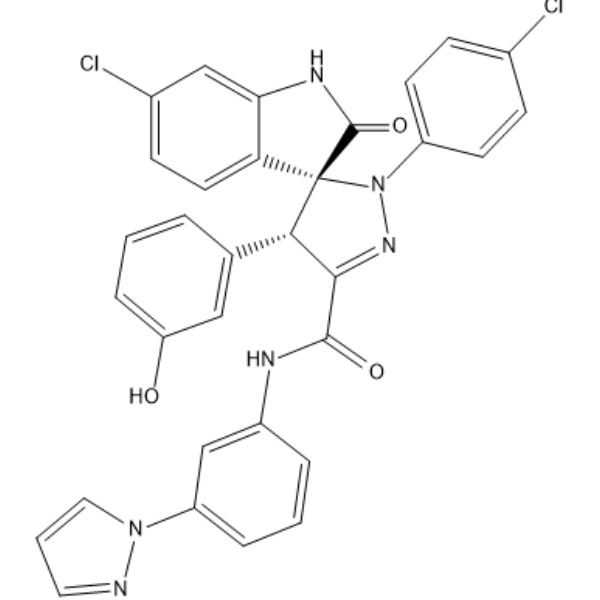 0 ImagesCat. No.: HY-151169CAS No.: 3037300-57-2MDM2/4-p53-IN-1 is a potent MDM2-p53 and MDM4-p53 inhibitor with IC50 values of 35.9, 57.4 nM, respectively. MDM2/4-p53-IN-1 shows antiproliferative activity.
-
Kevetrin-13C2,15N3 hydrochloride
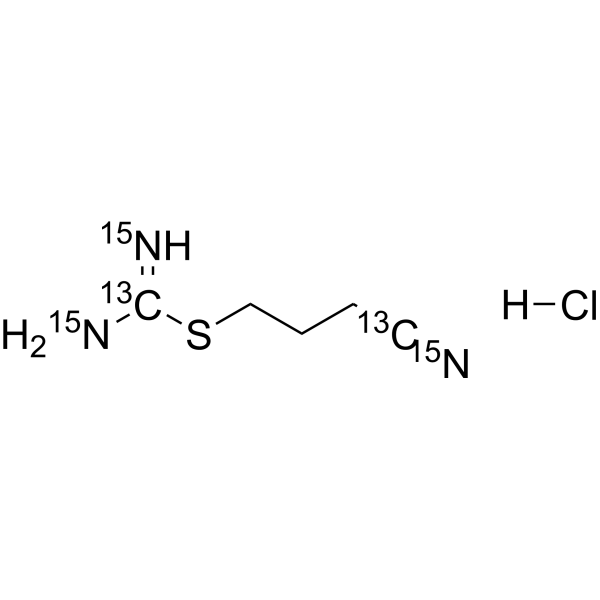 0 ImagesCat. No.: HY-16271SCAS No.: 2300178-72-5Synonyms: 4-Isothioureidobutyronitrile-13C2,15N3 hydrochloride; thioureidobutyronitrile-13C2,15N3 hydrochlorideKevetrin (hydrochloride)-13C2,15N3 is the 13C-labeled and 15N-labeled Kevetrin (hydrochloride). Kevetrin hydrochloride is a small molecule and activator of the tumor suppressor protein p53, with potential antineoplastic activity.
-
10-Hydroxydecanoic acid (Standard)
 0 ImagesSynonyms: NSC 15139 (Standard); 10-HDAA (Standard)10-Hydroxydecanoic acid (Standard) is the analytical standard of 10-Hydroxydecanoic acid. This product is intended for research and analytical applications. 10-Hydroxydecanoic acid (10-HDAA) is a saturated fatty acid derived from 10-hydroxy-trans-2-decenoic acid, which can be isolated from royal jelly. 10-Hydroxydecanoic acid exhibits various biological activities, including anti-inflammatory, insecticidal, anti-malarial, and anti-Leishmania properties, as well as enhancing antigen-specific immune responses. The anti-inflammatory effects of 10-Hydroxydecanoic acid are primarily mediated by inhibiting the activation of NF-κB and the translation of interferon regulatory factor 1 (IRF-1), which reduces the production of interleukin 6 (IL-6) and nitric oxide (NO) in inflammatory cells. Additionally, 10-Hydroxydecanoic acid alleviates neuroinflammatory responses through the p53-autophagy pathway and the p53-NLRP3 pathway. Finally, 10-Hydroxydecanoic acid enhances antigen-specific immune responses by promoting the effective uptake of antigens by microfold cells[1][2][3][4][5].
-
Theaflavin-3-gallate (Standard)
 0 ImagesCat. No.: HY-N0245RCAS No.: 30462-34-1Theaflavin-3-gallate (Standard) is the analytical standard of Theaflavin-3-gallate. This product is intended for research and analytical applications. Theaflavin-3-gallate, a black tea theaflavin monomer, is regarded as the biologically important active component of black tea and provides health benefits. Theaflavin-3-gallate acts as prooxidants and induces oxidative stress in the carcinoma cells. Theaflavin-3-gallate reacts directly with reduced glutathione (GSH) in a time- and concentration-dependent manner. Theaflavin-3-gallate induces apoptosis and G1 cell cycle arrest in ovarian cancer A2780/CP70 cells through p53-dependent pathways. Theaflavin-3-gallate induces DNA damage through ATM/Chk/p53 pathway.
-
STK899704
 0 ImagesCat. No.: HY-120339CAS No.: 1578247-29-6STK899704 is a tubulin polymerization inhibitor. STK899704 exhibits broad-spectrum inhibitory activity against various cancer cell lines with IC50 values ranging from 0.2 to 1.0 μM. STK899704 disrupts the mitotic spindle structure, inducing G2/M phase cell cycle arrest. STK899704 inhibits the migration ability of HT29 cells by downregulating the FAK-MEK-ERK signaling pathway, thereby suppressing the expression and activity of MMP-2 and MMP-9. STK899704 activates caspase-3/7/8/9, leading to PARP cleavage and inducing apoptosis. STK899704 induces cellular senescence through the p53 pathway. STK899704 can be used in research on skin cancer, lung cancer, colon cancer, and other cancers.

-
CK2-TN03
 0 ImagesCK2-TN03 is an ATP-competitive casein kinase 2 (CK2) inhibitor, with an IC50 of 165 nM and a Ki of 20 nM. CK2-TN03 inhibits CK2-mediated survivin activation and reduces CK2-dependent phosphorylation levels of BRD4/MYCN and AKT1. CK2-TN03 exerts anti-neuroblastoma effects by inhibiting survivin, leading to mitotic catastrophe and apoptosis of cancer cells. CK2-TN03 can be used in studies related to neuroblastoma.
-
MDM2/XIAP-IN-2
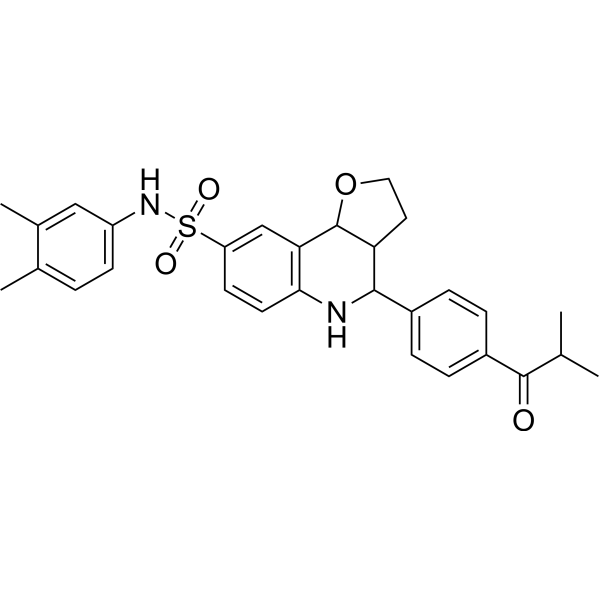 0 ImagesCat. No.: HY-153200CAS No.: 2761969-85-9MDM2/XIAP-IN-2 is a dual inhibitor of murine double minute 2 (MDM2) and X-linked inhibitor of apoptosis protein (XIAP). MDM2/XIAP-IN-2 degrades MDM2, and inhibits XIAP mRNA translation to inhibits cancer cells. Particularly, MDM2/XIAP-IN-2 inhibits acute lymphoblastic leukemia cell line EU-1 with an IC50 value of 0.3 μM.
-
Tebufenozide (Standard)
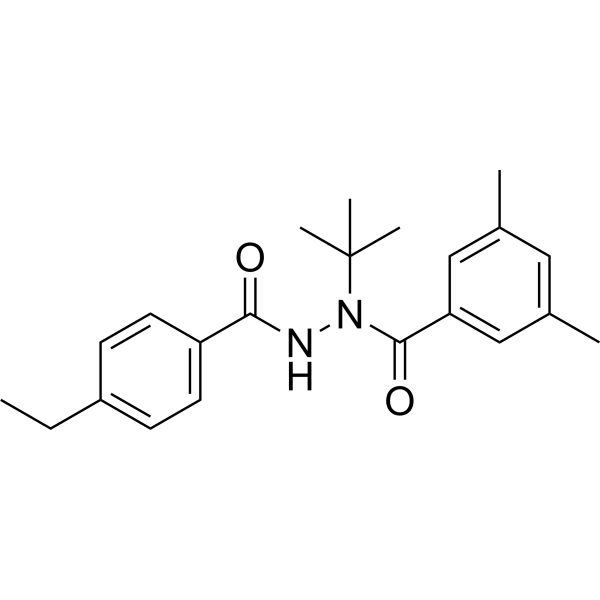 0 ImagesTebufenozide (Standard) is the analytical standard of Tebufenozide (HY-B2054). This product is intended for research and analytical applications. Tebufenozide is a nonsteroidal ecdysone agonist used to control pest. Tebufenozide has cytotoxic and induces apoptosis in HeLa and insect Tn5B1-4 cells.
-
MDM2-p53-IN-19
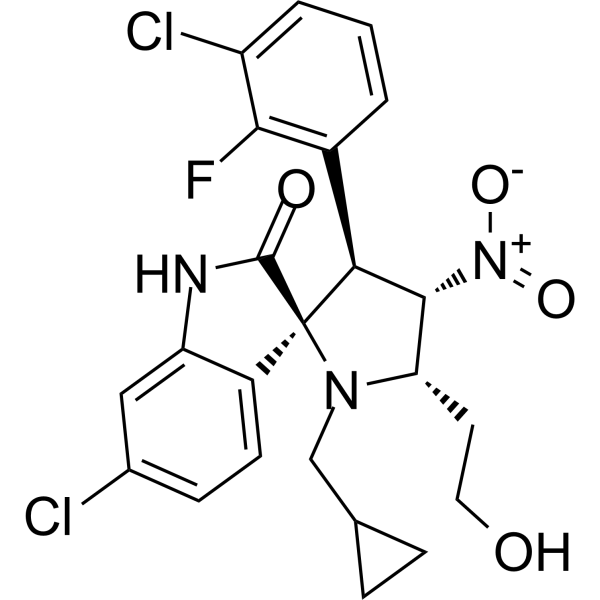 0 ImagesCat. No.: HY-161040CAS No.: 1818292-01-1MDM2-p53-IN-19 (Compound A-8d) is a chemical intermediate that can be used to synthesize inhibitors of the MDM2-p53 interaction with anticancer activity.

-
Bcl-2-IN-6
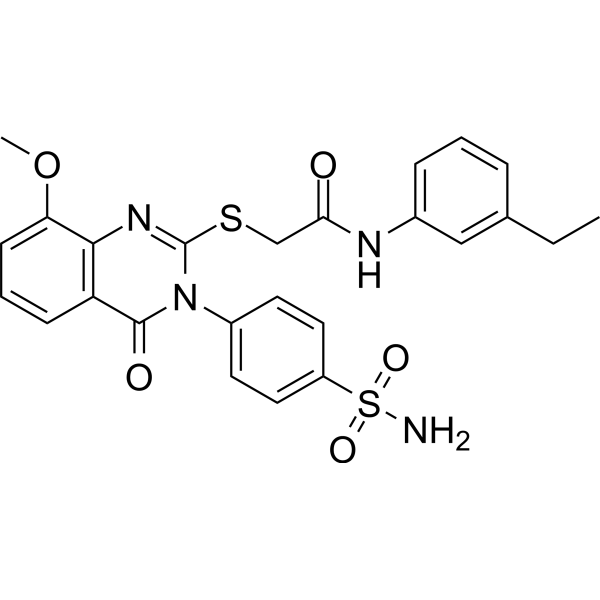 0 ImagesCat. No.: HY-144791CAS No.: 3027734-50-2Bcl-2-IN-6 (compound 10) is a potent Bcl-2 (B-cell lymphoma-2) inhibitor. Bcl-2-IN-7 down-regulates the expression of Bcl-2, and increases the expression of p53, Bax, and caspase-7 mRNA. Bcl-2-IN-7 induces cell cycle arrest and apoptosis in breast cancer MCF-7 cells. Bcl-2-IN-7 shows good anticancer activity, with IC50 values of 20.91, 22.30, 42.29, and 48.00 μM against MCF-7, LoVo, HepG2, and A549 cell lines, respectively.

-
Dibenz[a,h]anthracene (Standard)
![Dibenz[a,h]anthracene (Standard)](https://file.medchemexpress.com/product_pic/hy-w013053r.gif "Click to View Dibenz[a,h]anthracene (Standard) Product Detail") 0 ImagesCat. No.: HY-W013053RCAS No.: 53-70-3Synonyms: DBA (Standard); 1,2,5,6-Dibenzanthracene (Standard); Benzo[k]tetraphene (Standard)Dibenz[a,h]anthracene (Standard) is the analytical standard of Dibenz[a,h]anthracene. This product is intended for research and analytical applications. Dibenz[a,h]anthracene (DBA) is a polycyclic aromatic hydrocarbon (PAH) of considerable tumorigenicity. Dibenz[a,h]anthracene results in DNA adduct formation leading to the activation of a DNA damage response. Dibenz[a,h]anthracene induces cell cycle arrest and apoptosis via both Tp53-dependent and Tp53-independent mechanisms.
0 ImagesCat. No.: HY-W013053RCAS No.: 53-70-3Synonyms: DBA (Standard); 1,2,5,6-Dibenzanthracene (Standard); Benzo[k]tetraphene (Standard)Dibenz[a,h]anthracene (Standard) is the analytical standard of Dibenz[a,h]anthracene. This product is intended for research and analytical applications. Dibenz[a,h]anthracene (DBA) is a polycyclic aromatic hydrocarbon (PAH) of considerable tumorigenicity. Dibenz[a,h]anthracene results in DNA adduct formation leading to the activation of a DNA damage response. Dibenz[a,h]anthracene induces cell cycle arrest and apoptosis via both Tp53-dependent and Tp53-independent mechanisms.
-
Topoisomerase I-IN-20
 0 ImagesCat. No.: HY-181725Topoisomerase I-IN-20 is a Topoisomerase I inhibitor. Topoisomerase I-IN-20 disrupts DNA synthesis and transcription, thereby inhibiting the proliferation and migration of cancer cells. Topoisomerase I-IN-20 induces S-phase cell cycle arrest and mitochondria-mediated Apoptosis in cancer cells, which is characterized by upregulated expression of p53, Bax, caspase-3 and caspase-9, along with downregulated expression of Bcl-2. Topoisomerase I-IN-20 increases intracellular ROS levels. Topoisomerase I-IN-20 is applicable to lung cancer-related research.
-
D-CopA3
 0 ImagesCat. No.: HY-P10914CAS No.: 1426227-11-3D-CopA3 is the inhibitor for MDM2 and the activator for p53 signaling pathway. D-CopA3 exhibits cytotoxicity in colorectal cancer cells HCT-116, LoVo, and RKO (IC50=15-18 μM), induces JNK/Beclin-1 mediated autophagy. D-CopA3 downregulates the expression of cell cycle inhibitory protein p21Cip1/Waf1, enhances the mucosal barrier function and reduces penetration of inflammatory mediators. D-CopA3 exhibits anti-inflammtory activity in mouse C. difficile toxin A-induced acute enteritis models and DSS (HY-116282)-induced chronic colitis models. D-CopA3 exhibits antitumor efficacy in mouse HCT-116 xenograft models.
-
RG7112D
 0 ImagesCat. No.: HY-158685CAS No.: 2360561-90-4RG7112D is a potent MDM2 inhibitor with IC50s of 11 nM and >10000 nM and for MDM2-p53 and VHL-HIF1α by binding HTRF assay, respectively. RG7112D is coupled by an amide bond to VHL-Amine, resulting in a bi-functional molecule, YX-02-030. YX-02-03, a MDM2-PROTAC, potently inhibits MDM2-p53 binding (HTRF IC50=63nM). RG7112D can stabilize MDM2 protein and increase p53 protein levels.
-
MDM2/XIAP-IN-1
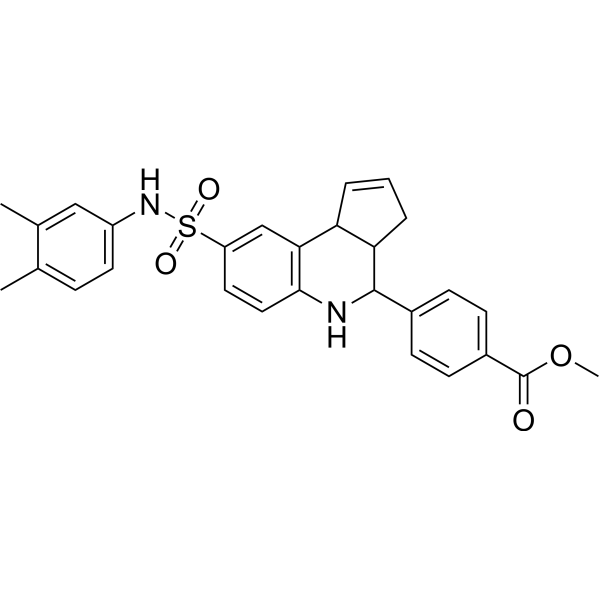 0 ImagesCat. No.: HY-153199CAS No.: 359595-95-2MDM2/XIAP-IN-1 (compound 14) is an orally active inhibitor of dual MDM2/XIAP. MDM2/XIAP-IN-1 has anti-cancer activity with an IC50 value of 0.3 μM, which can be used in cance rescrch.
-
Ziyuglycoside I (Standard)
 0 ImagesCat. No.: HY-N0331RCAS No.: 35286-58-9Ziyuglycoside I (Standard) is the analytical standard of Ziyuglycoside I. This product is intended for research and analytical applications. Ziyuglycoside I isolated from S. officinalis root, has anti-wrinkle activity, and increases the expression of type I collagen. Ziyuglycoside I could be used as an active ingredient for cosmetics. Ziyuglycoside I triggers cell cycle arrest and apoptosis mediated by p53, it can be a potential agent candidate for treating triple-negative breast cancer (TNBC).




