Melanocortin Receptor
MC Receptor
The melanocortin (MC) receptors represent a subfamily of G-protein-coupled receptors (GPCRs) where the different subtypes are involved in a wide range of physiological functions such as pigmentation, steroid secretion, energy homeostasis, and food intake. The melanocortin receptor (MCR) family consists of five G-protein-coupled receptors (MC1R-MC5R). MC1R controls pigmentation, MC2R is a critical component of the hypothalamic-pituitary-adrenal axis, MC3R and MC4R have a vital role in energy homeostasis and MC5R is involved in exocrine function.
MCRs are activated by a variety of neuropeptides, termed melanocortins, that include the adrenocorticotropic hormone (ACTH) andα, β and γ-melanocyte-stimulating hormones (MSHs). Melanocortins derive from post-translational processing of the common polypeptide precursor pro-opiomelanocortin, expressed mainly in the hypothalamus and pituitary.
Melanocortin Receptor Isoform Specific Products
All Product Categories
-
Melanocortin Receptor Inhibitors
(39)
View all products
-
Melanocortin Receptor Agonists
(69)
View all products
-
Melanocortin Receptor Antagonists
(37)
View all products
-
Melanocortin Receptor Activators
(4)
View all products
-
Melanocortin Receptor Modulators
(3)
View all products
-
Melanocortin Receptor Inducer
(1)
View all products
-
Melanocortin Receptor Degrader
(1)
View all products
-
Melanocortin Receptor Controls
(2)
View all products
-
Melanocortin Receptor Ligands
(3)
View all products
-
Melanocortin Receptor Related Products (186)
Related Products (186)

-
Antibodies (2)
-
Melanocortin Receptor Isoform Comparison
-
α-MSH TFA
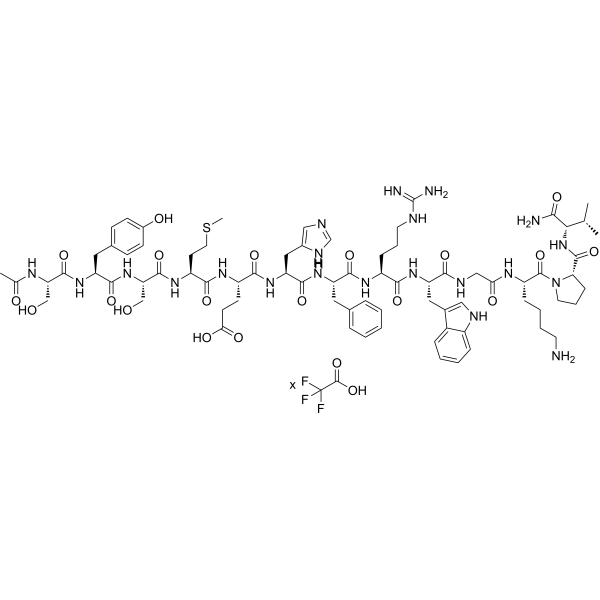 0 ImagesSynonyms: α-Melanocyte-Stimulating Hormone TFAα-MSH (α-Melanocyte-Stimulating Hormone) TFA, an endogenous neuropeptide, is an endogenous melanocortin receptor 4 (MC4R) agonist with anti-inflammatory and antipyretic activities. α-MSH TFA is a post-translational derivative of pro-opiomelanocortin (POMC).
-
Fenoprofen Calcium hydrate
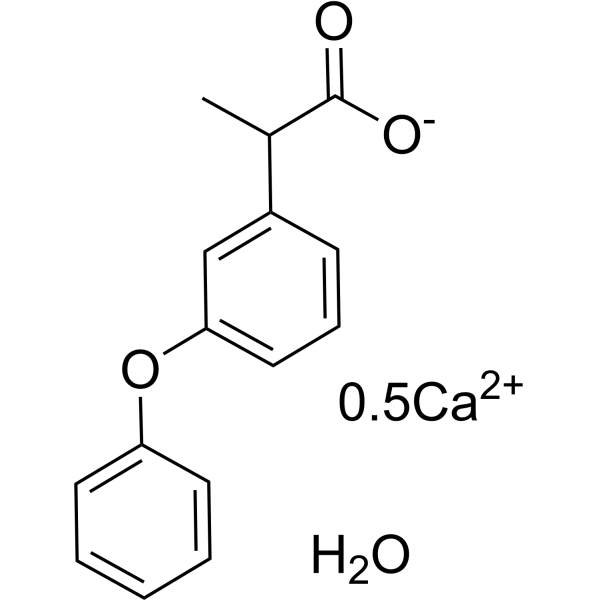 0 ImagesSynonyms: LILLY-53858 Calcium hydrateFenoprofen (LILLY-53858) Calcium hydrate is a nonsteroidal anti-inflammatory agent (NSAID) and inhibits cyclooxygenase (COX). Fenoprofen Calcium hydrate is a melanocortin receptors (MCRs) positive allosteric modulator (PAM). Fenoprofen Calcium hydrate also increases ERK1/2 activation in HEK293T cells. Fenoprofen Calcium hydrate has anti-arthritic activities and can be used for the study of rheumatoid arthritis and osteoarthritis.
-
Bremelanotide
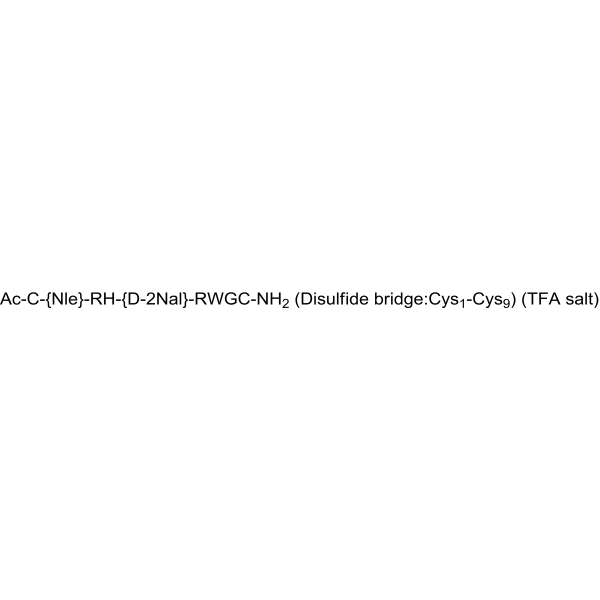
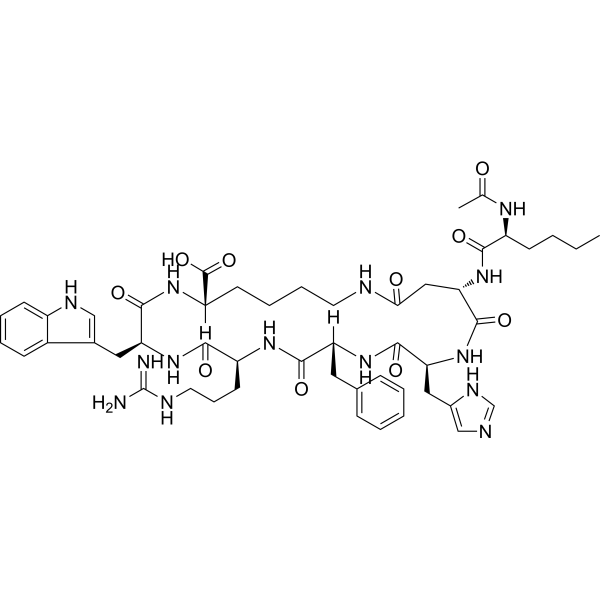 0 ImagesSynonyms: PT-141Bremelanotide (PT-141) is a melanocortin receptor agonist. Bremelanotide can activate MC4R and increases dopamine release. Bremelanotide induces appetitive sexual behaviors, female mounting behavior, and repetitive self-grooming. Bremelanotide can be used for the research of hypoactive sexual desire disorders.
-
Tetracosactide
 0 ImagesSynonyms: Tetracosactrin; ACTH(1–24)Tetracosactide (Tetracosactrin) is an analogue of adrenocorticotrophic hormone (ACTH). Tetracosactide is the agonist for melanocortin-4 receptor (MC4R) that activates human MC4R with an EC50 of 0.65 nM. Tetracosactide can stimulate the release of corticosteroids such as cortisol from the adrenal gland. Tetracosactide is currently used for the research of ulcerative colitis and Crohn's disease, juvenile/adult rheumatoid arthritis and osteoarthrosis.
-
Adrenocorticotropic hormone (1-39), rat
 0 ImagesSynonyms: ACTH(1-39), ratAdrenocorticotropic hormone (1-39), rat is a potent melanocortin 2 (MC2) receptor agonist.
-
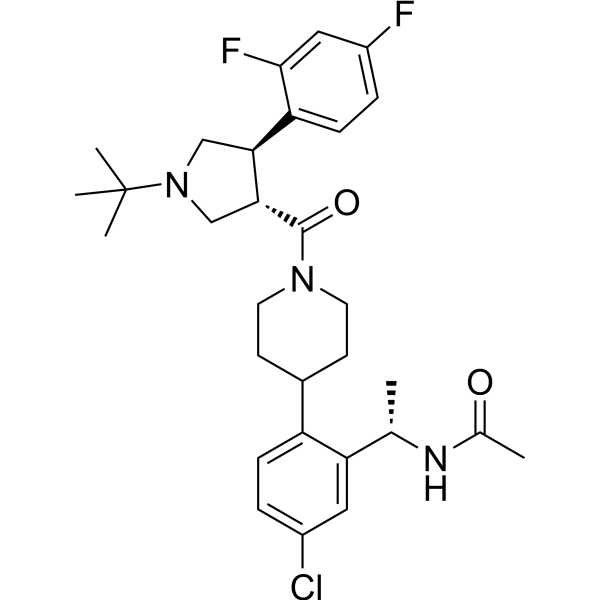
SNT-207858 free base
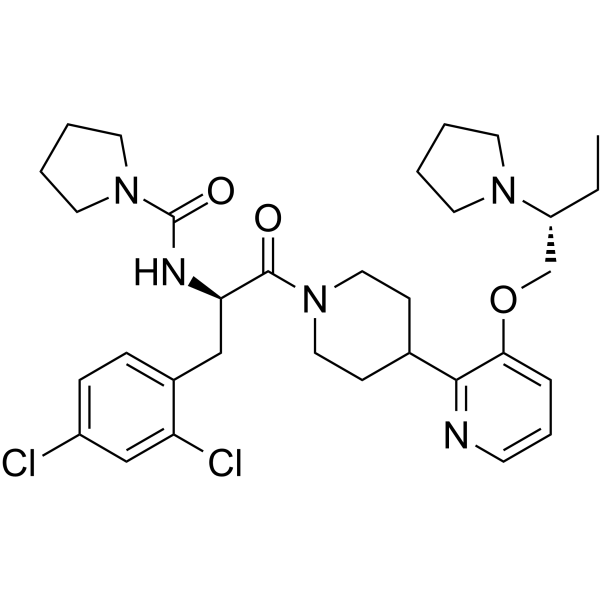 0 ImagesSNT207858 free base is a selective, blood brain barrier penetrating, potent and orally active melanocortin-4 (MC-4) receptor antagonist. SNT207858 free base has an IC50 of 22 nM (binding) and 11 nM (function) on the MC-4 receptor.

-
ML-00253764 hydrochloride
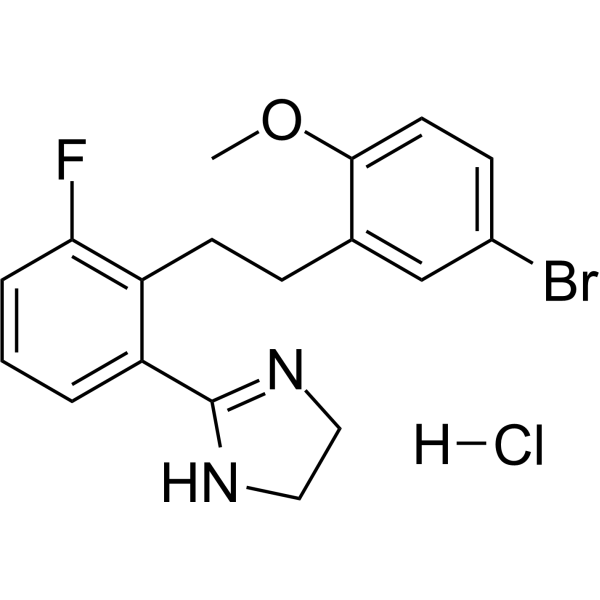 0 ImagesML-00253764 hydrochloride is a brain penetrant nonpeptidic melanocortin receptor 4 (MC4R) antagonist with a Ki and IC50 of 0.16 μM and 0.103 μM, respectively. ML-00253764 can cross blood-brain barrier.
-
β-Melanocyte Stimulating Hormone (MSH), human
 0 ImagesSynonyms: Beta-MSH (1-22) (human)β-Melanocyte Stimulating Hormone (MSH), human, a 22-residue peptide, acts as an endogenous melanocortin-4 receptor (MC4-R) agonist.
-
Palmitoyl tetrapeptide-20
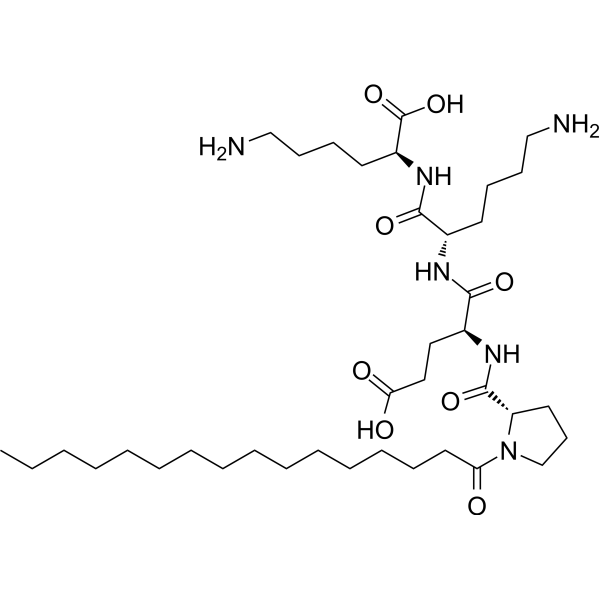 0 ImagesCat. No.: HY-P5247Purity: 99.21%Synonyms: PTP20Palmitoyl tetrapeptide-20 (PTP20) is a biomimetic peptide agonist of α-MSH. Palmitoyl tetrapeptide-20 promotes hair pigmentation and delays hair graying by activating the MC1-R pathway (AC50: 0.16 nM), enhancing catalase activity to reduce H2O2 accumulation, and upregulating SIRT1 activity. Palmitoyl tetrapeptide-20 can be used in research on preventing hair loss and improving hair graying.
-
Agouti-related Protein (AGRP) (83-132) Amide (human) TFA
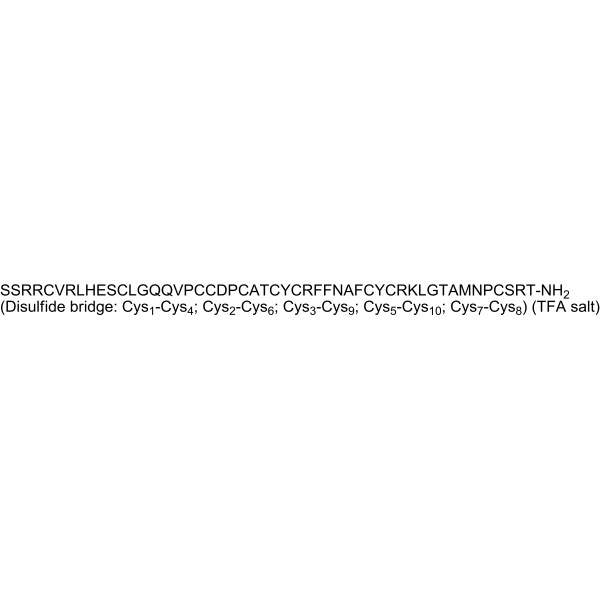 0 ImagesCat. No.: HY-P3561APurity: 98.30%Agouti-related Protein (AGRP) (83-132) Amide (human) TFA is a fragment of agouti-related protein (AGRP) which is a protein found in abundance in the arcuate nucleus of the hypothalamus. AgRP primarily acts as an inverse agonist for the melanocortin-4 receptor (MC4R) to increase food intake.
-
(±)-Eriodictyol
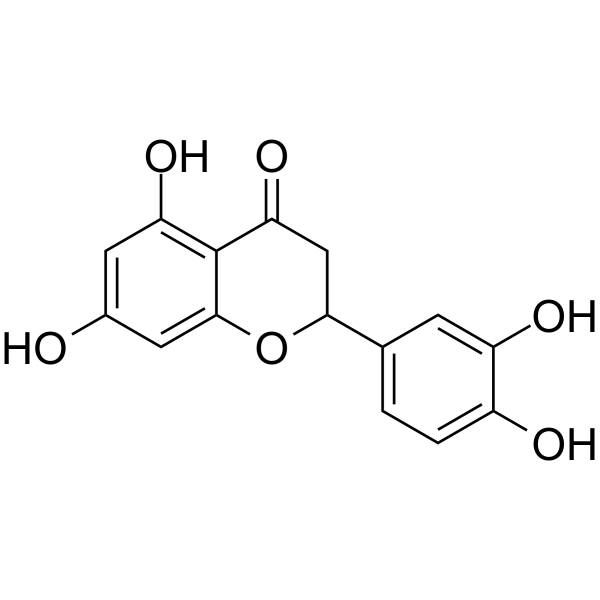 0 Images(±)-Eriodictyol ((±)-Huazhongilexone; Dihydroluteolin) is an orally active TRPV1 receptor antagonist (IC50=44-47 nM, rTRPV1) with antioxidant and anti-inflammatory activities. (±)-Eriodictyol effectively inhibits lipid peroxidation and the release of proinflammatory cytokines by specifically antagonizing the TRPV1 receptor and activating the Nrf2 signaling pathway. (±)-Eriodictyol reduces the levels of ICAM-1, VEGF, eNOS and TNF-α in the retina and maintains the integrity of the blood-retinal barrier. (±)-Eriodictyol alleviates oxidative stress-induced apoptosis and hyperalgesia, enhances the activity and cytotoxicity of immune cells (such as B lymphocytes, NK cells and macrophages), and increases the levels of antioxidant enzymes simultaneously. (±)-Eriodictyol can be used in the research of diabetic retinopathy, acute lung injury and various pain-related diseases.
-
Nonapeptide-1
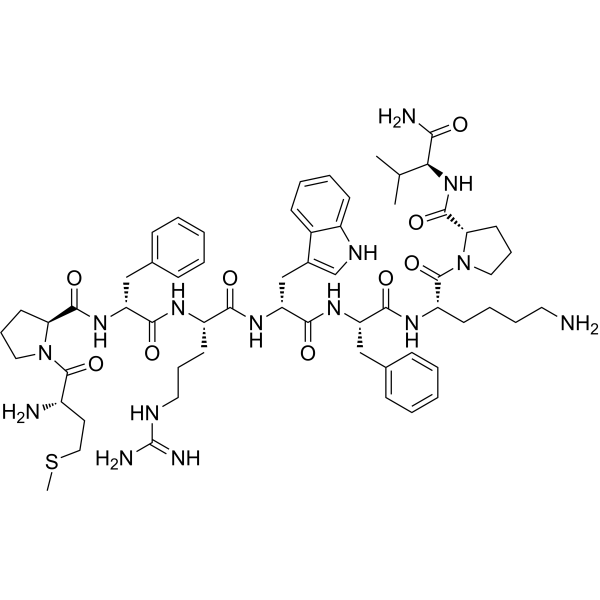 0 ImagesSynonyms: Melanostatine-5Nonapeptide-1 (Melanostatine-5), a peptide hormone, is a selective antagonist of MC1R (Ki: 40 nM). Nonapeptide-1 is a competitive α-MSH antagonist that potently inhibits intracellular cAMP and melanosome dispersion induced by α-MSH in melanocytes (IC50: 2.5 nM and 11 nM, respectively). Nonapeptide-1 inhibits melanin synthesis, and can be used in the research of skin pigmentation and regulation of steroid production in the adrenal gland, skin cancer.
-
Fenoprofen
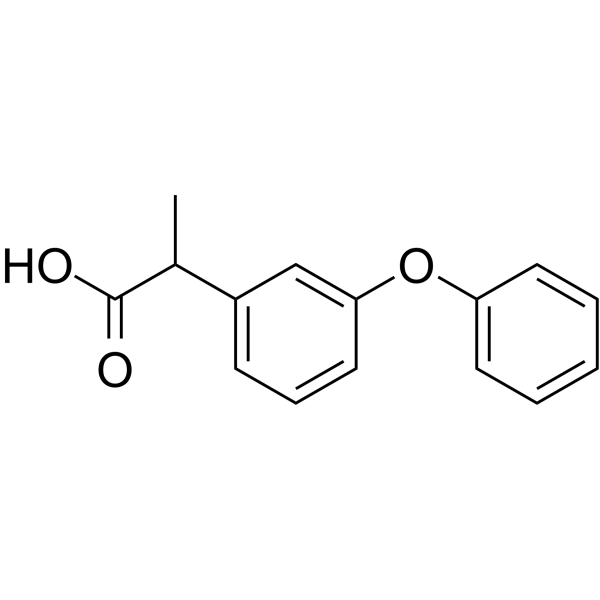 0 ImagesSynonyms: LILLY-53858Fenoprofen (LILLY-53858) is a nonsteroidal anti-inflammatory agent (NSAID) and inhibits cyclooxygenase (COX). Fenoprofen is a melanocortin receptors (MCRs) positive allosteric modulator (PAM). Fenoprofen also increases ERK1/2 activation in HEK293T cells. Fenoprofen has anti-arthritic activities and can be used for the study of rheumatoid arthritis and osteoarthritis.
-
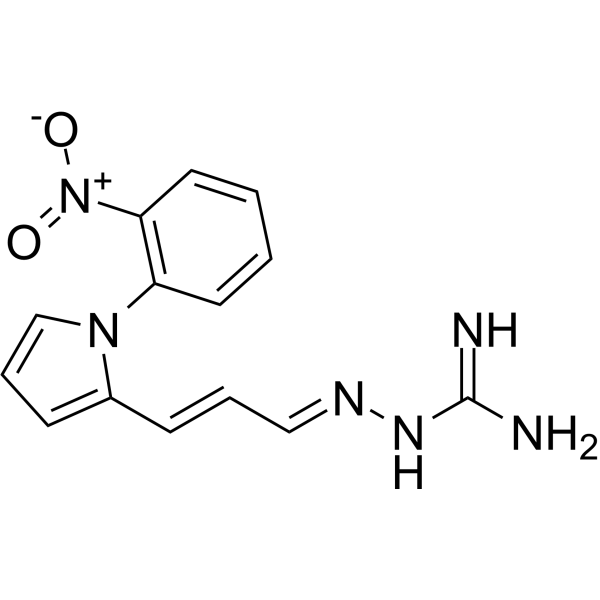
Resomelagon
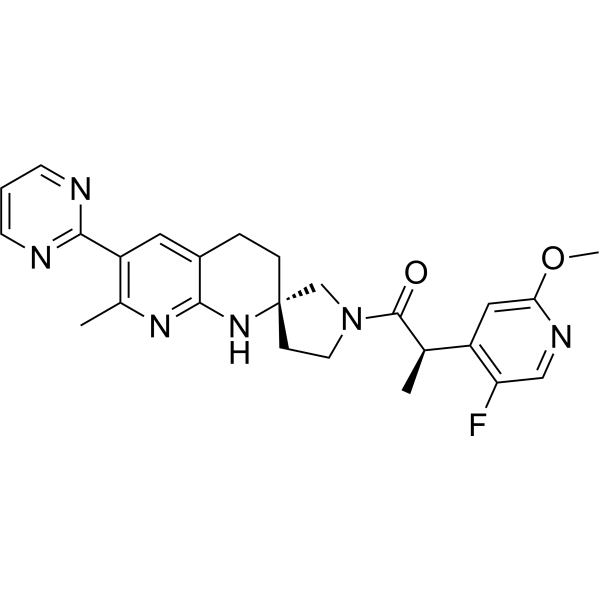
 0 ImagesSynonyms: AP1189Resomelagon (AP1189) is a potent, orally active melanocortin receptor (MR) agonist about MC1 and MC3. Resomelagon induces ERK1/2 phosphorylation and Ca2+ mobilization. Resomelagon has anti-inflammatory activity. Resomelagon can be used for obesity and chronic inflammation research.