



Endogenous Metabolite
Endogenous metabolites refer to the collective set of small-molecule chemical substances present within organelles, cells, organs, biological fluids, or entire organisms; their molecular weights are typically less than 1500 Da. These endogenous metabolites—including lipids, amino acids, short peptides, nucleic acids, carbohydrates, alcohols, and organic acids—not only participate in signal transduction governing genomic function but also receive upstream signals from the environment, thereby bridging the interrelationships among genotype, environment, and phenotype.
Based on their biological functions, microbial endogenous metabolites can be broadly classified into two categories: primary metabolites and secondary metabolites. Primary metabolites are the core molecules essential for supporting microbial growth and proliferation; they serve to provide energy to the microbes or act as precursors and cofactors for the synthesis of biological macromolecules. In contrast, microbial secondary metabolites are a class of low-molecular-weight products that are not strictly essential for microbial growth. Nevertheless, microbial secondary metabolites include numerous substances—such as antibiotics, anti-tumor agents, and cholesterol-lowering agents—that are of critical importance to human health[1][2][3]. Furthermore, the metabolome of a biological organism is influenced by a variety of endogenous factors, including age, sex, body composition, genetic background, and underlying pathological states. The small-molecule metabolites within an organism are diverse and highly distinct; their levels are typically subject to the synergistic regulation of a vast array of enzymes and transport proteins, undergoing processes of synthesis, transformation, degradation, and compartmentalized distribution. Metabolomics research based on endogenous metabolites has been widely applied in the fields of metabolic disorders, neurodegenerative diseases, cancer, cardiovascular diseases, and infectious diseases, where these metabolites hold potential utility as biomarkers or therapeutic targets[1][2][3].
Verweise:
- [1]. Seyedsayamdost MR. Toward a global picture of bacterial secondary metabolism. J Ind Microbiol Biotechnol. 2019 Mar;46(3-4):301-311. [Content Brief]
- [2]. Ruiz B, et al. Production of microbial secondary metabolites: regulation by the carbon source. Crit Rev Microbiol. 2010 May;36(2):146-67. [Content Brief]
- [3]. Wishart DS. Metabolomics for Investigating Physiological and Pathophysiological Processes. Physiol Rev. 2019 Oct 1;99(4):1819-1875. [Content Brief]
Alle Endogenous Metabolite Isoform-spezifische Produkte anzeigen
All Product Categories
-
Endogenous Metabolite Verwandte Produkte (8420)
Verwandte Produkte (8420)

-
Antibodies (477)
-
Endogenous Metabolite Isoform Comparison
-
E-α-Bisabolene
 0 ImagesArt. -Nr.: HY-W746764CAS. Nr.: 25532-79-0E-α-Bisabolene is a non-cyclic sesquiterpene. E-α-Bisabolene holds a central position in the metabolic network of Phanerochaete chrysosporium. E-α-Bisabolene can be utilized by white-rot fungi for the biosynthesis of secondary metabolites.
-
D-Fructose-5-13C
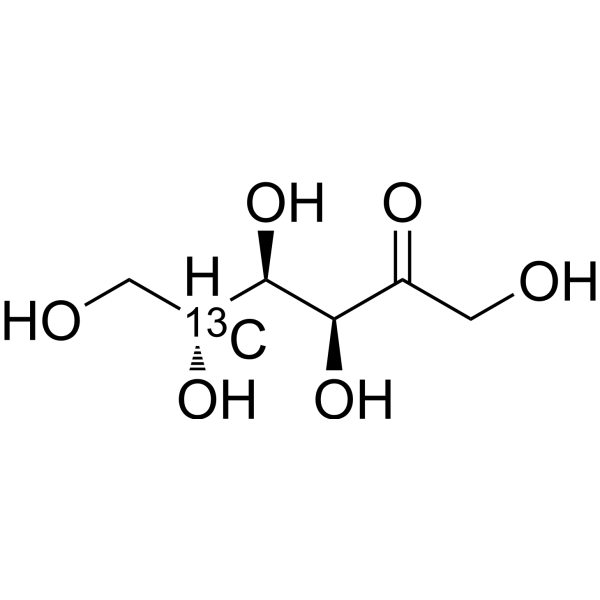 0 ImagesArt. -Nr.: HY-N7092S6CAS. Nr.: 635325-97-2Synonyms: D(-)-Fructose-5-13CD-Fructose-5-13C is the 13C labeled D-Fructose. D-Fructose (D(-)-Fructose) is a naturally occurring monosaccharide found in many plants.
-
Diphenhydramine-d3
 0 ImagesArt. -Nr.: HY-B0303S1CAS. Nr.: 170082-18-5Diphenhydramine-d3 is the deuterium labeled Diphenhydramine (HY-B0303). Diphenhydramine is a first-generation histamine H1-receptor antagonist with anti-cholinergic effect. Diphenhydramine hydrochloride can across the ovine blood-brain barrier (BBB).
-
F-14329
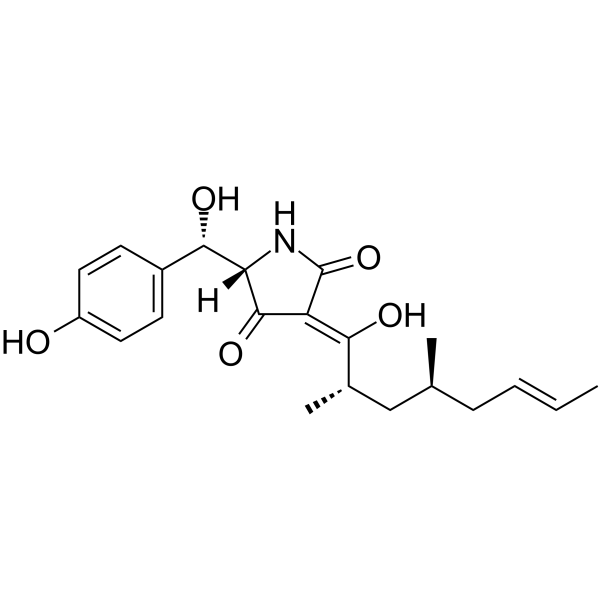 0 ImagesArt. -Nr.: HY-N6217CAS. Nr.: 942195-19-9F-14329 is a tetramic acid fungal metabolite.
-
Dihydrouracil-13C,15N2
 0 ImagesArt. -Nr.: HY-W779020CAS. Nr.: 181516-96-1Synonyms: 5,6-Dihydrouracil-13C,15N2Dihydrouracil-13C,15N2 (5,6-Dihydrouracil-13C,15N2) is the 13C- and 15N-labeled Dihydrouracil (HY-W012926). Dihydrouracil (5,6-Dihydrouracil), a metabolite of Uracil, can be used as a marker for identification of dihydropyrimidine dehydrogenase (DPD)-deficient.
-
NP603
 0 ImagesArt. -Nr.: HY-112353CAS. Nr.: 949164-80-1NP603 is a potent inhibitor of FGF receptor 1, exhibiting remarkable activity against endothelial proliferation in HUVEC cells stimulated by rhFGF-2, with a minimum effective dose of 0.4 microM.
-
Thymidine-d14
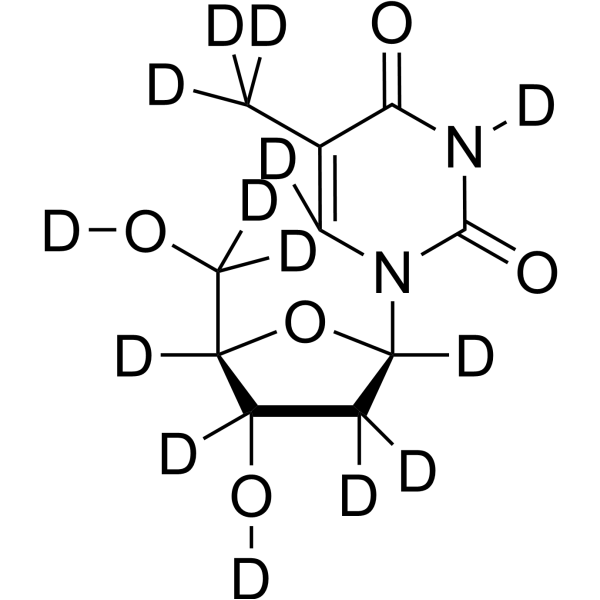 0 ImagesArt. -Nr.: HY-N1150S10CAS. Nr.: 1134181-96-6Synonyms: DThyd-d14; NSC 21548-d14
-
Benanserin hydrochloride
 0 ImagesBenanserin hydrochloride is a serotonin antagonist with psychopharmacological activity. Benanserin hydrochloride can be used to study specific behavioral manifestations in monitoring systems for drug effects. The effects of Benanserin hydrochloride can be sensitively and effectively assessed, for example, by measuring muscle movement capacity and reaction time. Benanserin hydrochloride is suitable for monitoring specific muscle physiological changes. The biological activity of Benanserin hydrochloride can provide reproducible bioassay parameters for experiments.
-
Formononetin 7-O-β-D-glucuronide
 0 ImagesArt. -Nr.: HY-128532CAS. Nr.: 18524-03-3Formononetin 7-O-β-D-glucuronide is a metabolite of Formononetin (HY-N0183) and can be absorbed and metabolized through the intestine.
-
γ-Cyclodextrin (Standard)
 0 Imagesγ-Cyclodextrin (Standard) is the analytical standard of γ-Cyclodextrin (HY-W040040). This product is intended for research and analytical applications. γ-Cyclodextrin is an orally active cyclic oligosaccharide composed of eight glucose molecules, which can be formed by bacteria digesting starch. γ-Cyclodextrin can form water-soluble inclusion complexes with a variety of poorly soluble compounds and is widely used in fields such as pharmacy and food. In addition, γ-Cyclodextrin has good safety.
-
Oleic acid-13C-1
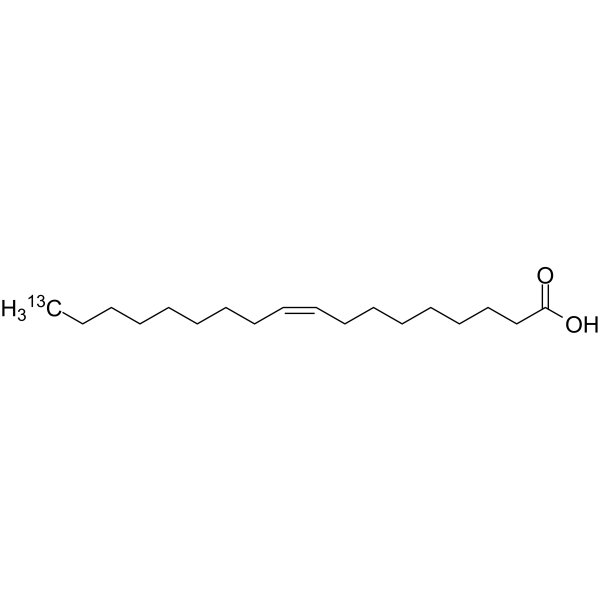 0 ImagesSynonyms: 9-cis-Octadecenoic acid-13C-1; 9Z-Octadecenoic acid-13C-1Oleic acid-13C-1 is the 13C labeled Oleic acid (HY-N1446). Oleic acid (9-cis-Octadecenoic acid) is an abundant monounsaturated fatty acid. Oleic acid is a Na+/K+ ATPase activator.
-
Bisphenol A-d8
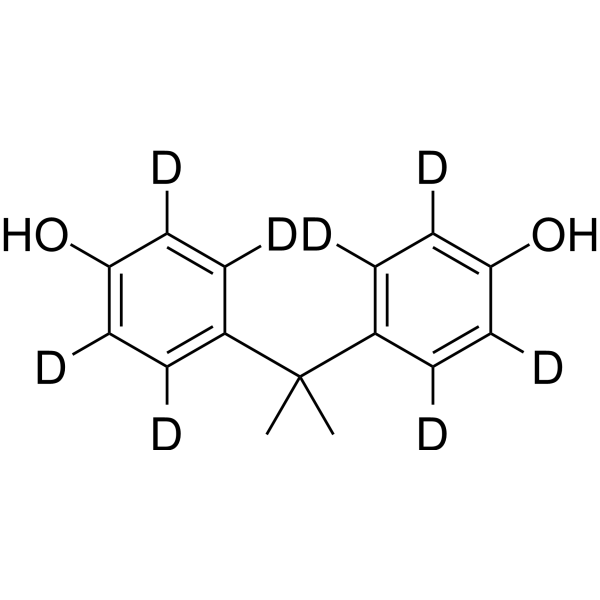 0 ImagesBisphenol A-d8 is the deuterium labeled Bisphenol A. Bisphenol A is a phenolic, organic synthetic compound widely used in the production of polycarbonate plastics and epoxy resins. Bisphenol A is a reproductive, developmental, and systemic toxicant, often classified as an endocrine-disrupting compound (EDC). Bisphenol A is associated with many diseases, including cardiovascular diseases, respiratory diseases, diabetes, kidney diseases, obesity, and reproductivedisorders.
-
ABT-418
 0 ImagesArt. -Nr.: HY-14314CAS. Nr.: 147402-53-7ABT-418 is a selective neuronal nicotinic acetylcholine receptor ligand with activity in improving spatial memory. ABT-418 administered before training can significantly reduce the spatial discrimination deficit caused by ventricular damage. ABT-418 is considered to be a potential treatment for attention deficit disorder.
-
Glyco-3ß,5α,6ß -trihydroxycholanoic acid (NPCBA2)
 0 ImagesArt. -Nr.: HY-N15891CAS. Nr.: 1917340-40-9Glyco-3ß,5α,6ß -trihydroxycholanoic acid (NPCBA2) is a bile acid which accumulates preferentially in Niemann-Pick C (NPC) patients. Glyco-3ß,5α,6ß -trihydroxycholanoic acid is a biomarker for the early diagnosis of Niemann-Pick C disease.
-
Oleoylcarnitine (Standard)
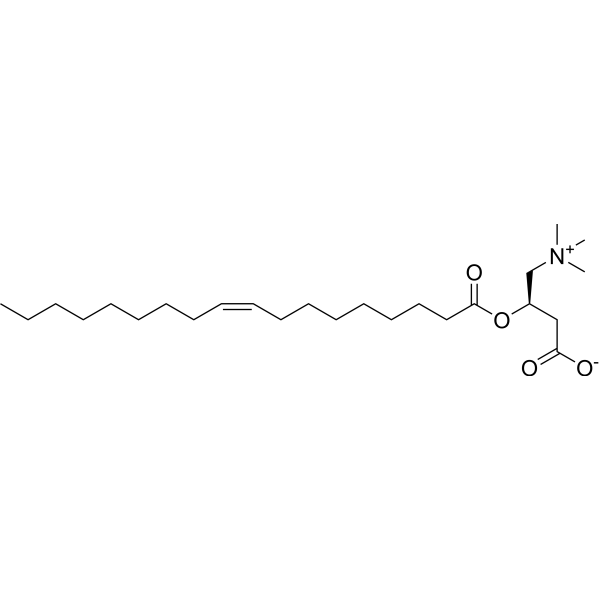 0 ImagesArt. -Nr.: HY-113261RCAS. Nr.: 38677-66-6Oleoylcarnitine (Standard) is the analytical standard of Oleoylcarnitine. This product is intended for research and analytical applications. Oleoylcarnitine, the metabolite which accumulates through suppression of fatty acid β-oxidation, can enhance hepatocarcinogenesis via STAT3 activation.
-
2'-Deoxycytidine-5'-monophosphate-13C9 dilithium
 0 ImagesArt. -Nr.: HY-W009216S4Reinheit: 99.5%Synonyms: 5'-dCMP-13C9 dilithium; Deoxy-CMP-13C9 dilithium; 2'-Deoxycytidine-5'-monophosphoric acid-13C9 dilithium2'-Deoxycytidine-5'-monophosphoric acid-13C9 dilithium is the 13C-labeled 2'-Deoxycytidine-5'-monophosphoric acid (HY-W009216). 2'-Deoxycytidine-5'-monophosphoric acid is an endogenous metabolite.
-
Uridine 5'-diphosphate-15N2 dilithium
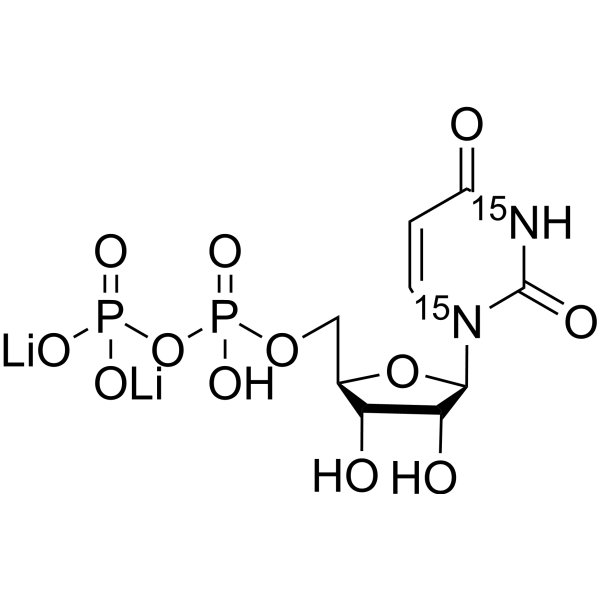 0 ImagesArt. -Nr.: HY-113359AS3Synonyms: UDP-15N2 dilithiumUridine 5'-diphosphate-15N2 (UDP-15N2) dilithium is the 15N2-labeled Uridine 5'-diphosphate (HY-113359). Uridine-5'-diphosphate is an important nucleotide made of uracil, ribose, and a pyrophosphate group. Uridine-5'-diphosphate is a potent, selective human P2Y6 receptor native agonist (EC50 = 300 nM; pEC50 = 6.52). Uridine-5'-diphosphate disodium salt, an endogenous metabolite, catalyzes the glucuronidation of a wide array of substrates and is used in nucleic acid (RNA) biosynthesis.
-
Citrinin (Standard)
 0 ImagesCitrinin (Standard) is the analytical standard of Citrinin. This product is intended for research and analytical applications. Citrinin (NSC 186) is a mycotoxin that causes food contamination and has different toxic effects. Citrinin is an effective oral anticancer agent. Citrinin has various regulatory effects on mouse immune system, including regulating the number of immune cells, inducing apoptosis and autophagy of immune cells, altering toll-like receptor expression and cytokine production. Citrinin can induce oxidative stress and lead to early apoptosis of oocytes. Low doses of Citrinin have neuroprotective effects against glutamate-induced excitotoxicity in rat cortical neurons. In addition, Citrinin also has antibacterial activity.
-
MNI-caged kainate
 0 ImagesArt. -Nr.: HY-103298CAS. Nr.: 1315378-75-6MNI-caged kainate is a photoprotected neuroactive amino acid with the activity to generate large inward currents. MNI-caged kainate can be released at the resting membrane potential of Purkinje cells and generate significant inward currents. The release of MNI-caged kainate results in approximately 40% of the current being generated through AMPA receptor activation. MNI-caged kainate is used to study fast synaptic receptor mechanisms. The photorelease time of MNI-caged kainate is in the sub-microsecond range, making it suitable for investigating the mechanisms of fast synaptic transmission.
-
D-Glucose-13C,d
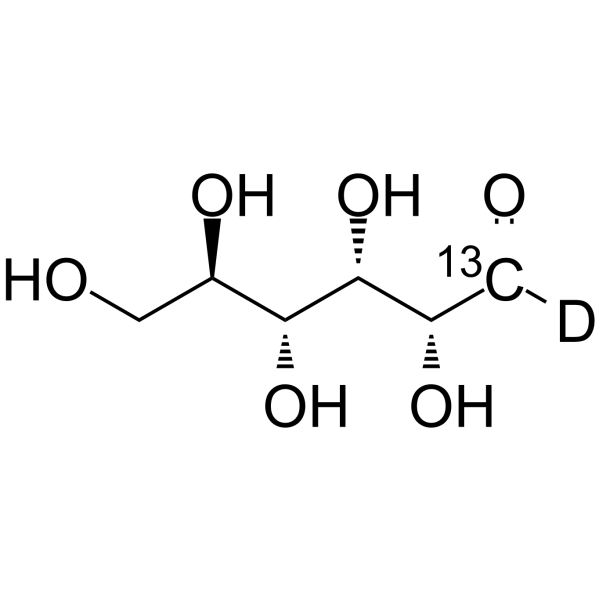 0 ImagesSynonyms: Glucose-13C,d; D-(+)-Glucose-13C,d; Dextrose-13C,dD-Glucose-13C,d is the deuterium and 13C labeled D-Glucose. D-Glucose (Glucose), a monosaccharide, is an important carbohydrate in biology. D-Glucose is a carbohydrate sweetener and critical components of the general metabolism, and serve as critical sign




