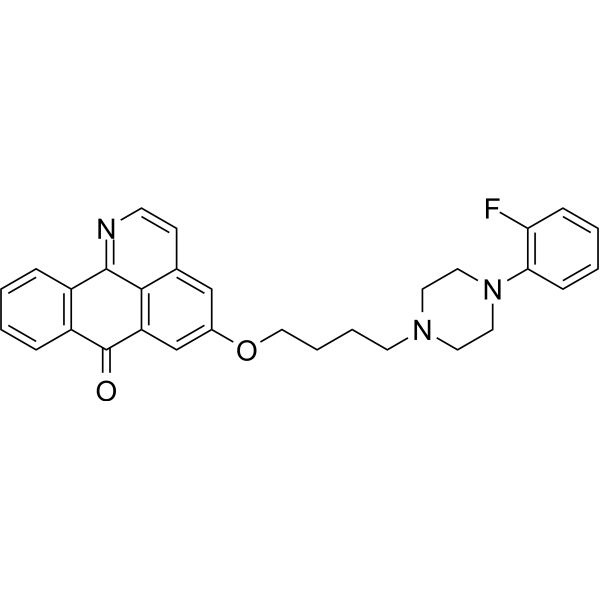
MAO-A
Monoamine oxidase A (MAO-A) is a mitochondrial flavin-dependent enzyme that catalyzes the oxidative deamination of monoamine neurotransmitters and thereby regulates neurotransmitter homeostasis in the nervous system and peripheral tissues[1]. Mechanistically, MAO-A metabolizes serotonin and norepinephrine and contributes to dopamine turnover, generating aldehydes, ammonia, and hydrogen peroxide as metabolic by-products that influence cellular redox status and downstream biological responses[1][2]. Through its control of monoamine catabolism, MAO-A participates in neuropsychiatric and neurodegenerative pathways and has therefore become an important molecular target in neuroscience and drug discovery research[2][3]. In disease-related experimental systems, altered MAO activity has been associated with oxidative stress and tissue dysfunction, while pharmacological inhibition of MAO can modify neurotransmitter metabolism and related physiological outcomes[2][4]. Compared with the closely related isoform MAO-B, MAO-A shows higher substrate preference for serotonin and norepinephrine, whereas MAO-B preferentially metabolizes phenylethylamine and contributes differently to monoamine turnover, making isoform selectivity a critical consideration in experimental design and therapeutic development[3][5]. For experimental applications, selective MAO-A inhibitors such as clorgyline and moclobemide are widely used to investigate monoamine signaling, neurotransmitter metabolism, and MAO-dependent biological mechanisms, while reversible and irreversible inhibitor classes provide complementary pharmacological tools for mechanistic studies[4][2].
References:
- [1]. Wang CC, et al. Monoamine oxidases in development. Cell Mol Life Sci. 2013 Feb;70(4):599-630. [Content Brief]
- [2]. Manzoor S, et al. A comprehensive review of monoamine oxidase inhibitors as Anti-Alzheimer's disease agents: A review. Eur J Med Chem. 2020;206:112787.
- [3]. Ribeiro LV, et al. Monoamine Oxidase Inhibitors in Drug Discovery Against Parkinson's Disease: An Update. Pharmaceuticals (Basel). 2025;18(10):1526.
- [4]. Lighezan R, et al. Monoamine oxidase inhibition improves vascular function in mammary arteries from nondiabetic and diabetic patients with coronary heart disease. Can J Physiol Pharmacol. 2016;94(10):1040-1047.
- [5]. Brannan T, et al. In vivo comparison of the effects of inhibition of MAO-A versus MAO-B on striatal L-DOPA and dopamine metabolism. J Neural Transm Park Dis Dement Sect. 1995;10(2-3):79-89. [Content Brief]
All Product Categories
-
MAO-A Related Products (139)
Related Products (139)

-
TC-2153
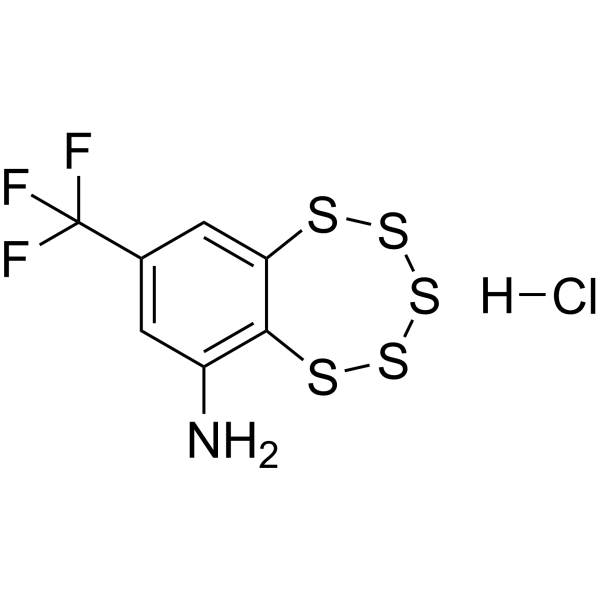 0 ImagesTC-2153 is a selective inhibitor of striatal-enriched protein tyrosine phosphatase (STEP), with psychotropic activity and low acute toxicity. TC-2153 increases the expression of brain-derived neurotropic factor (BDNF) in the brain. And it decreases MAOA and 5-HT1A receptors mRNA level in midbrain. TC-2153 also inhibits 5-HT2A receptor-mediated signaling.
-
Obtusin
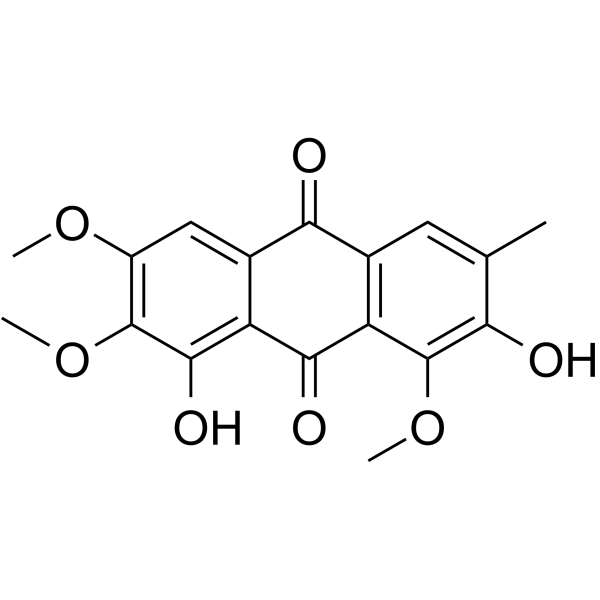 0 ImagesObtusin is an orally active human monoamine oxidase A (hMAO-A) inhibitor discovered from the seeds of Cassia obtusifolia, with a Ki value of 6.15 μM. Obtusin inhibits high glucose-induced activation of the MAPKs/NF-κB/VEGF pathway and downregulates the expression of Poldip2, Nox4, VCAM-1, and HIF-1α, thereby alleviating oxidative stress, endothelial activation, and angiogenesis-related functions. Obtusin ameliorates diabetic retinopathy in vivo. Obtusin is used in research related to diabetes and neurodegenerative diseases (anxiety and depression).
-
(R)-Safinamide
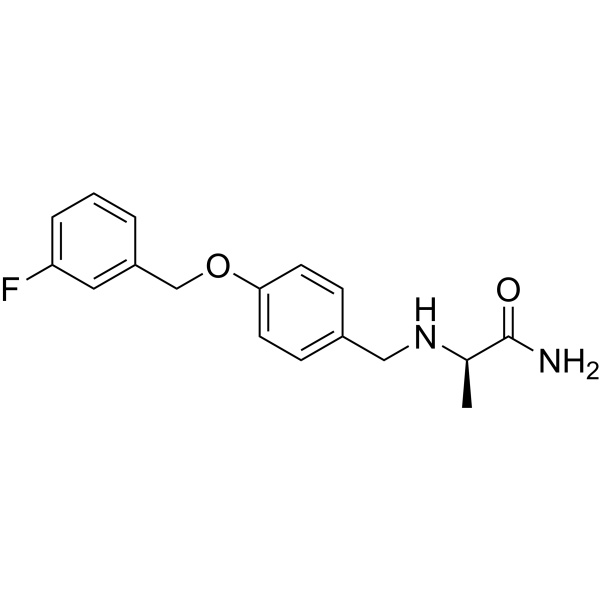 0 ImagesSynonyms: FCE 28073; (R)-EMD 1195686(R)-Safinamide (FCE 28073) is the enantiomer of Safinamide (HY-70057). (R)-Safinamide is an orally active, alanine-derived monoamine oxidase inhibitor with an IC50 of 1.77 μM for rat MAO-B and an IC50 of 50 μM for rat MAO-A. (R)-Safinamide regulates the activity of monoamine oxidase isoforms in brain homogenates. (R)-Safinamide is used in epilepsy research.
-
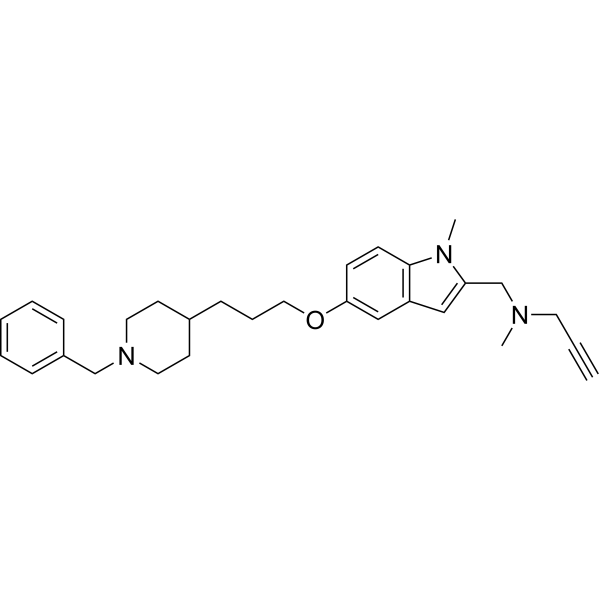
MAO-IN-M30 dihydrochloride
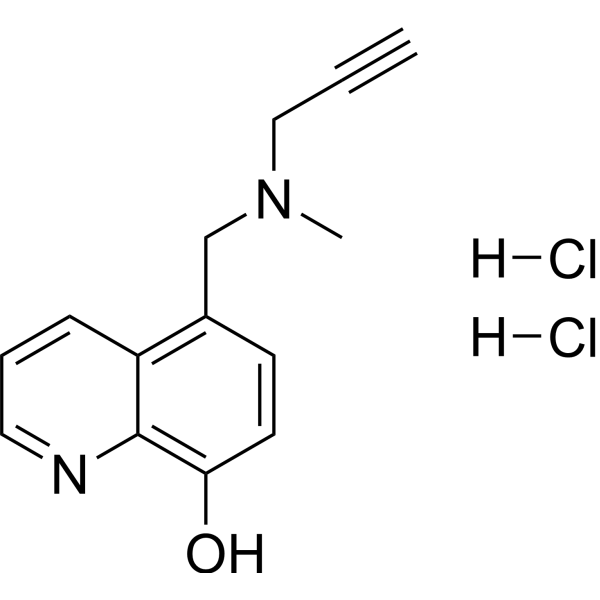 0 ImagesMAO-IN-M30 dihydrochloride is an orally active, brain-permeable, and brain selective irreversible MAO-A (IC50=37 nM) and MAO-B (IC50=57 nM) inhibitor. MAO-IN-M30 dihydrochloride is a potent iron chelator and radical scavenger. MAO-IN-M30 dihydrochloride has a neuroprotective effect against Dexamethasone-induced brain cell apoptosis. MAO-IN-M30 dihydrochloride also exhibits neurorestorative activity in post MPTP and lactacystin models of Parkinson's disease. MAO-IN-M30 (dihydrochloride) is a click chemistry reagent, it contains an Alkyne group and can undergo copper-catalyzed azide-alkyne cycloaddition (CuAAc) with molecules containing Azide groups.
-
Toloxatone
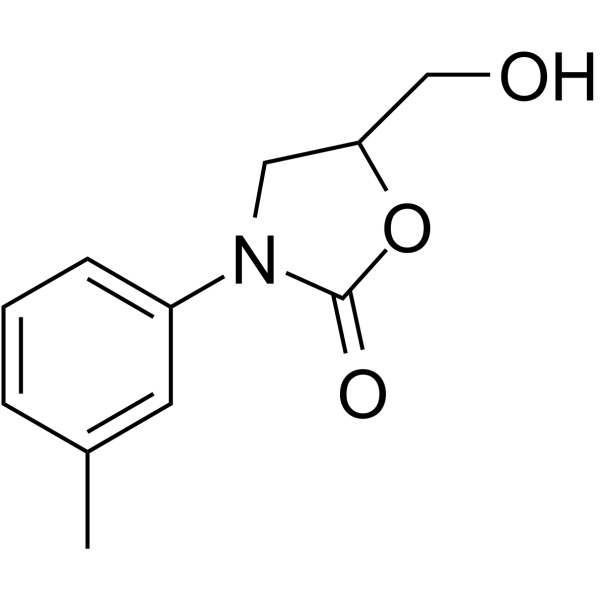 0 ImagesSynonyms: MD 69276Toloxatone (MD 69276) is a reversible, selective MAO-A inhibitor that can cross the blood-brain barrier. Toloxatone increases the levels of serotonin (5-HT) and norepinephrine in the brain. Toloxatone reduces the immobility time in the forced swimming test in mice, inhibits killing behavior in rats without causing sedation, and shows a correlation between its free plasma concentration and cerebrospinal fluid concentration. Toloxatone is widely used in research related to depression, depressive disorders and Parkinson's disease.
-
Bacopaside I
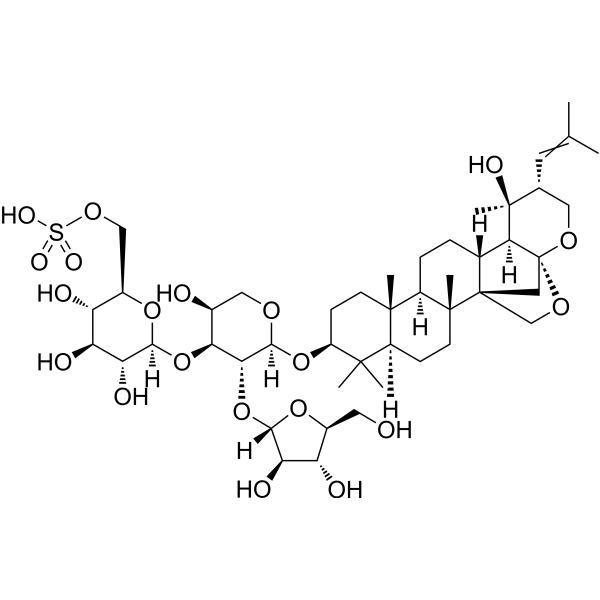 0 ImagesBacopaside I is an orally active aquaporin AQP1 inhibitor and PKC modulator with neuroprotective and anticancer activities. Bacopaside I specifically blocks the water channel and cGMP-gated ion channel activities of AQP1 without affecting AQP4, thereby inhibiting the migration of colon cancer cells expressing AQP1. Bacopaside I activates the Akt pathway by interacting with PI3K, specifically inhibits MAO-A, effectively alleviates neuron necrosis and apoptosis induced by oxygen-glucose deprivation, reduces oxidative stress, and regulates the surface expression of neuroreceptors. When combined with Bacopaside II (HY-N6016), Bacopaside I significantly reduces the viability, proliferation and invasion ability of breast cancer cells, and binds to the pregnane X receptor (PXR). Bacopaside I is applicable to the research of colon cancer, breast cancer, vascular dementia, cerebral ischemia and other related diseases.
-
Bifemelane hydrochloride
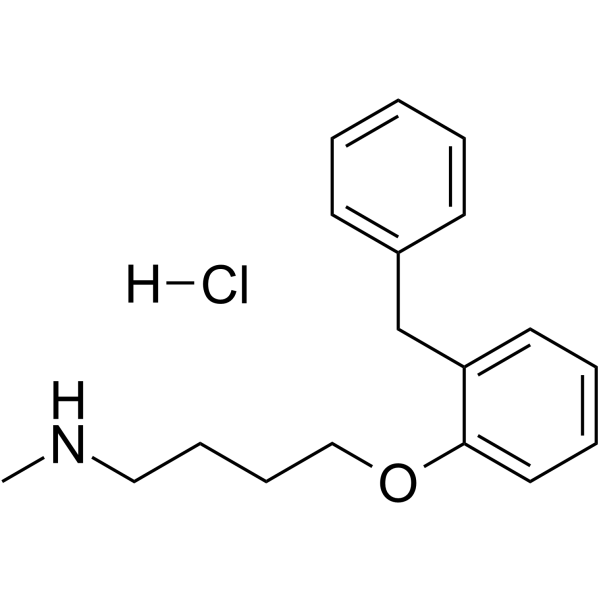 0 ImagesSynonyms: MCI-2016Bifemelane hydrochloride (MCI-2016) is a potent, selective and competitive inhibitor of monoamine oxidase A (MAO-A), with a Ki of 4.20 μM. Bifemelane hydrochloride also inhibits MAO-B noncompetitively with a Ki of 46.0 μM. Bifemelane hydrochloride has a potent antidepressant activity and can be used for the research of cognitive and emotional disturbances related to cerebrovascular disease.
-
Harmane hydrochloride
 0 ImagesHarmane hydrochloride is a benzodiazepine receptor inhibitor (IC50=7 μM), with IC50 values for mACh, Opioid Receptor, MAO-A/B, and α2-adrenergic receptor of 24 μM, 2.8 μM, 0.5 μM, 5 μM, and 18 μM, respectively. Harmane hydrochloride inhibits the I1 imidazoline receptor (IC50 = 30 nM) to reduce blood pressure and has antidepressant, anti-anxiety, anticonvulsant, and analgesic effects. Harmane hydrochloride inhibits dopamine biosynthesis by decreasing tyrosine hydroxylase (TH) activity and enhancing L-DOPA-induced cytotoxicity in PC12 cells. Additionally, Harmane hydrochloride can increase the mutagenic effect induced by 2-acetylaminofluorene (AAF).
-
(-)-2-Phenylpropylamine
 0 ImagesSynonyms: (S)-2-Phenylpropylamine
-
Tetrindole mesylate
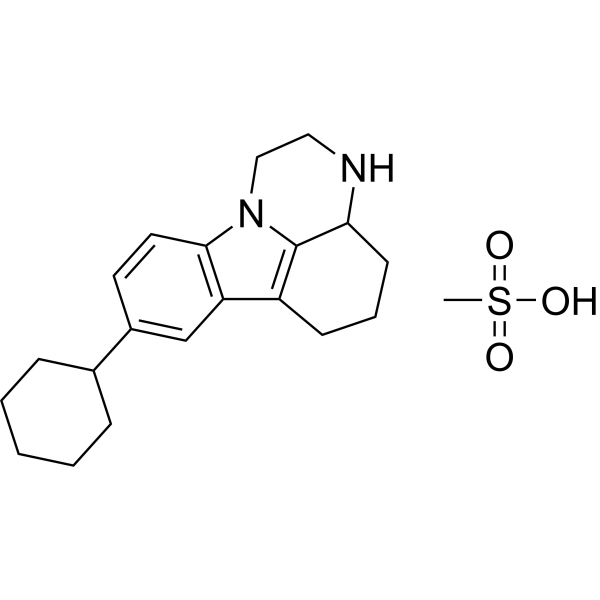 0 ImagesTetrindole mesylate is a selective inhibitor of monoamine oxidase A (MAO A). Tetrindole mesylate inhibits rat brain mitochondrial MAO A in a competitive manner with a Ki value of 0.4 μM and inhibits MAO B with a Ki of 110 μM. Tetrindole mesylate has antidepressant activity.
-
Tetrahydroharmine
 0 ImagesSynonyms: LeptaflorineTetrahydroharmine (Leptaflorine) is a selective reversible monoamine oxidase A (MAO-A) inhibitor with an IC50 of 74 nM. Tetrahydroharmine can be used for the research of parkinson’s disease.
-
Pirlindole
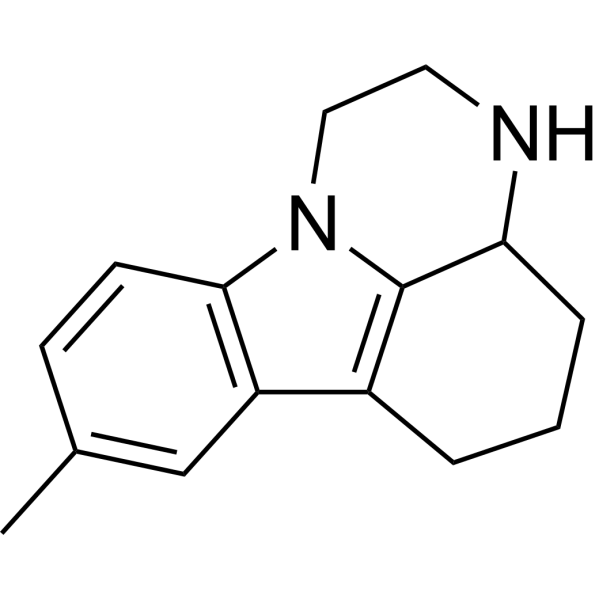 0 ImagesPirlindole is an orally active, selective and reversible MAO-A inhibitor with an IC50 value of 250 nM. Pirlindole inhibits genomic replication of Enterovirus species B and D, and exhibits moderate activity against enterovirus species A. Pirlindole inhibits MAO-A-mediated monoamine metabolism, promotes adult hippocampal neurogenesis, rescues stress-induced dendritic atrophy of hippocampal granule neurons, reverses behavioral effects associated with chronic mild stress, and also possesses anticonvulsant, analgesic, local anesthetic, hypotensive, antiplatelet aggregation and antispasmodic activities. Pirlindole shows no detectable mutagenic, clastogenic or carcinogenic properties. Pirlindole can be used in research related to depression and enterovirus infections.
-
Esuprone
 0 ImagesEsuprone is a brain-penetrant, orally active and selective MAO A inhibitor with an IC50 of 7.3 nM. Esuprone can be used for neurological research.
-
9-Methyl-β-carboline
 0 Images9-Methyl-β-carboline is a monoamine oxidase inhibitor and dopaminergic modulator, with an IC50 of 1 μM against human MAO-A and an IC50 of 15.5 μM against human MAO-B. 9-Methyl-β-carboline possesses cognitive enhancement potential and can cross the blood-brain barrier. 9-Methyl-β-carboline increases dopamine levels by inhibiting monoamine oxidase activity and microglial proliferation. 9-Methyl-β-carboline activates PKA/PKC and mitochondrial respiratory chain complex I, promotes neurotrophic factor expression and reduces α-synuclein (α-synuclein) levels, thereby reversing neurotoxin-induced dopaminergic neuron damage. 9-Methyl-β-carboline also regulates the PI3K pathway and exerts an anti-proliferative effect on astrocytes. 9-Methyl-β-carboline is widely used in Parkinson's disease-related studies.
-
Ro 41-1049 hydrochloride
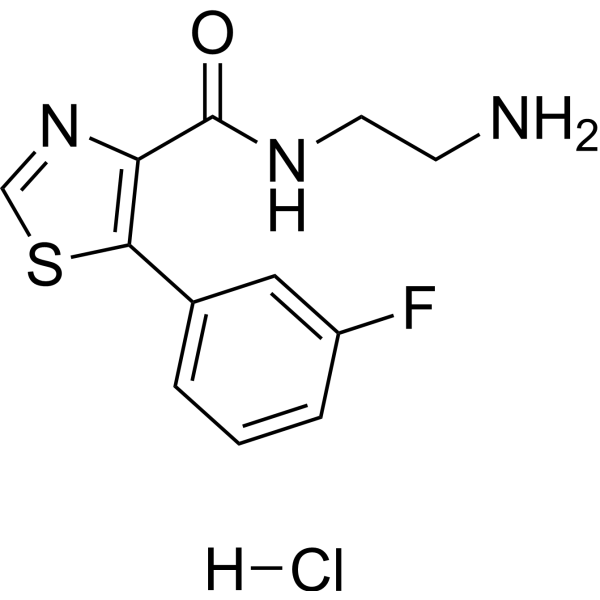 0 ImagesRo 41-1049 hydrochloride is a highly selective, reversible MAO-A inhibitor. Ro 41-1049 hydrochloride effectively blocks the Quinpirole (HY-B1752)-induced increase in dopamine D2-like receptor density in the nucleus accumbens and alters the pattern of behavioral sensitization, shifting animals' responses from enhanced motor activity to immobile self-directed gaping behavior. Tritium-labeled Ro 41-1049 hydrochloride serves as a high-affinity radioligand, enabling accurate mapping of the distribution and abundance of MAO-A in the central nervous system, peripheral organs, and human brain via quantitative enzyme autoradiography. Ro 41-1049 hydrochloride can be used for basic research on depression and other related diseases.
-
Fabomotizole
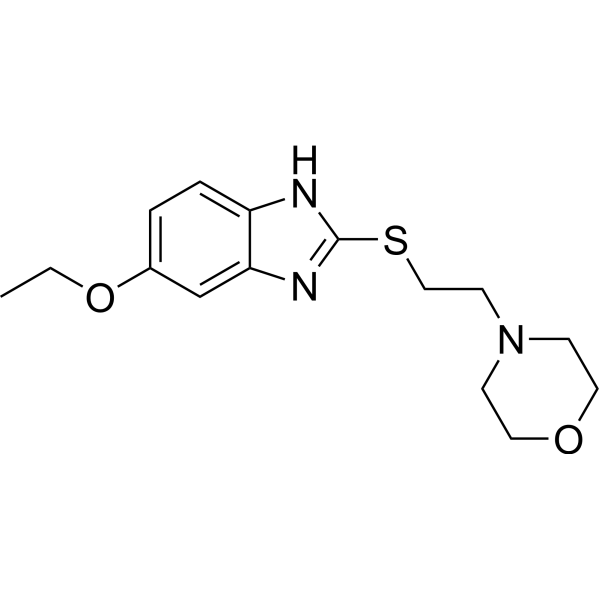 0 ImagesSynonyms: CM346Fabomotizole (CM346) is an insecticide with anxiolytic, antianxiety, and neuroprotective activities and a substrate of p-glycoprotein. Fabomotizole inhibits the ST-segment depression induced by isoproterenol in a rat model of acute subendocardial ischemia. Fabomotizole also inhibits Giardia lamblia and has the potential to inhibit giardiasis. Fabomotizole also targets Sigma1R, NRH:quinone reductase 2 (NQO2), and MAO-A to exert anxiolytic effects.
-
Befloxatone
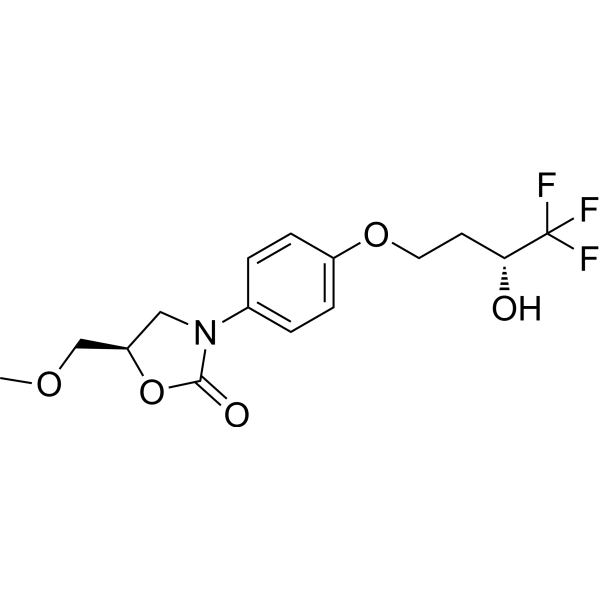 0 ImagesCat. No.: HY-120017CAS No.: 134564-82-2Synonyms: MD-370503Befloxatone (MD-370503) is an orally active, selective and reversible inhibitor of Monoamine Oxidase A (MAO-A) (IC50=4 nM). Befloxatone increases the tissue level of monoamine, striatal dopamine and cortical norepinephrine. Befloxatone has antidepressant potential.