



Toloxatone
Based on 1 publication(s) in Google Scholar
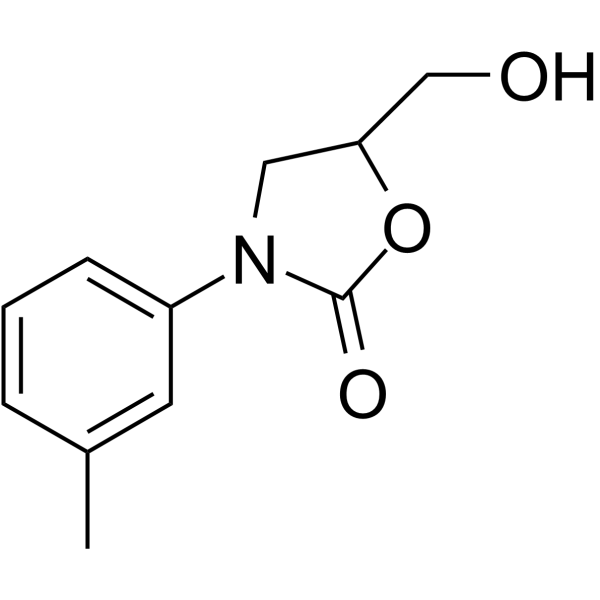
Toloxatone (MD 69276) is a reversible, selective MAO-A inhibitor that can cross the blood-brain barrier. Toloxatone increases the levels of serotonin (5-HT) and norepinephrine in the brain. Toloxatone reduces the immobility time in the forced swimming test in mice, inhibits killing behavior in rats without causing sedation, and shows a correlation between its free plasma concentration and cerebrospinal fluid concentration. Toloxatone is widely used in research related to depression, depressive disorders and Parkinson's disease.
For research use only. We do not sell to patients.
- Purity : 98.11%
- CAS No.: 29218-27-7
- Formula: C11H13NO3
- Molecular Weight:207.23
-
Storage:
-20°C, protect from light
* In solvent : -80°C, 6 months; -20°C, 1 month (protect from light)

To place orders, for customer services and technical support, please contact: MedChemExpress USA
Tel: 609-228-6898 E-mail: [email protected] [email protected]


-
 Biological Activity
-
Chemical Information
-
Solvent & Solubility
- Protocols
- Purity & Documentation
- References
-
 Help & FAQs


-
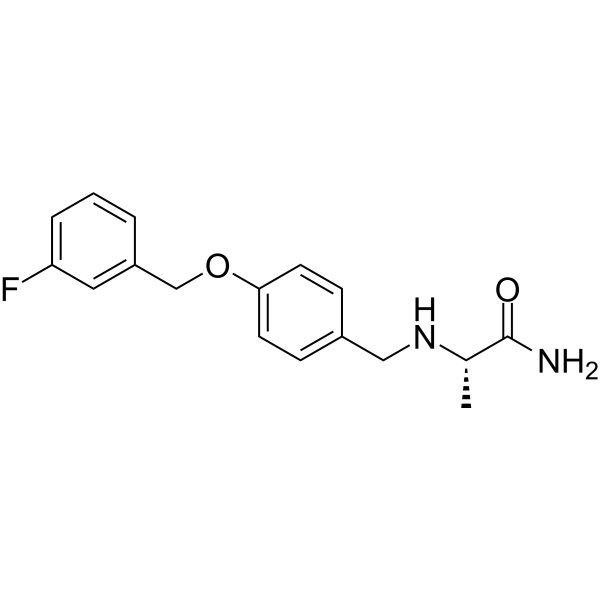
HY-70057
SafinamideMAO-B Inhibitor -
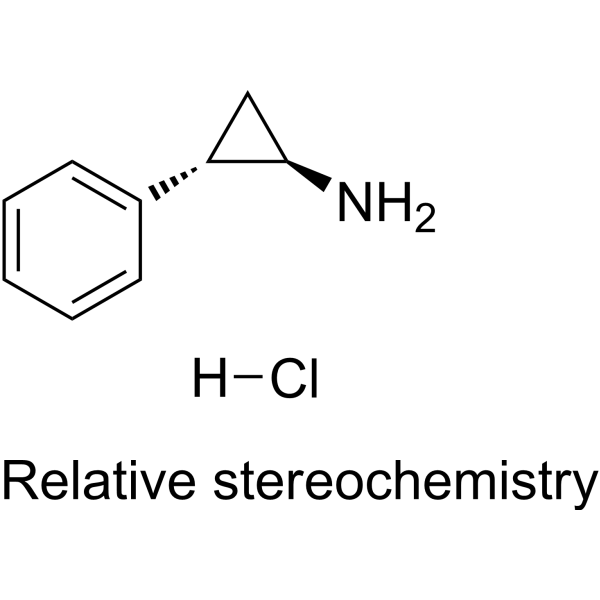
HY-17447A
Tranylcypromine hydrochlorideLSD1/MAO Inhibitor -
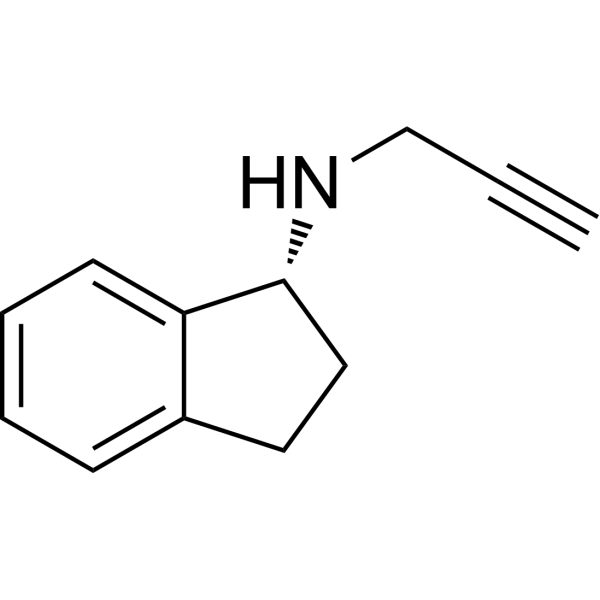
HY-14605A
RasagilineMAO Inhibitor -
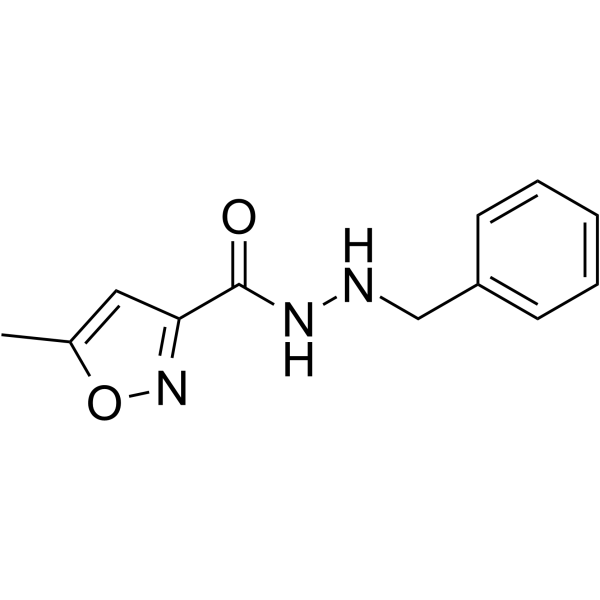
HY-13929
IsocarboxazidMonoamine Oxidase Inhibitor -
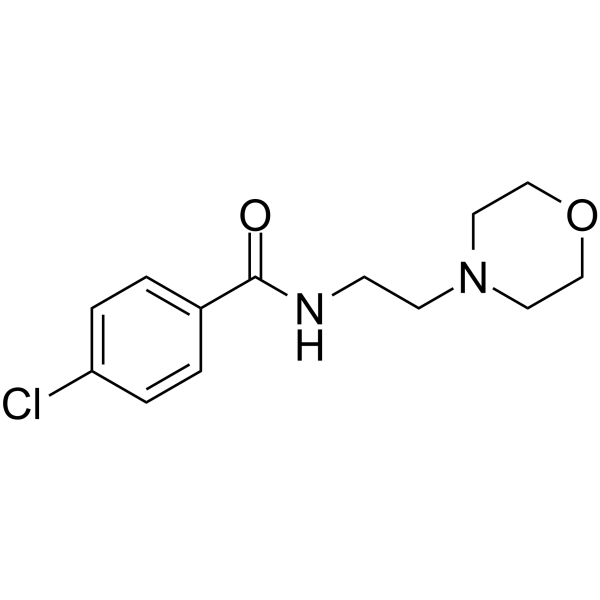
HY-B0534
MoclobemideMAOI Antidepressant -
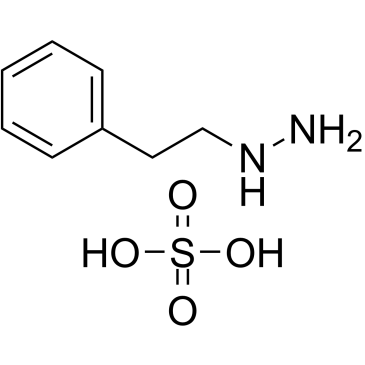
HY-B1018A
Phenelzine sulfateMAO Inhibitor -
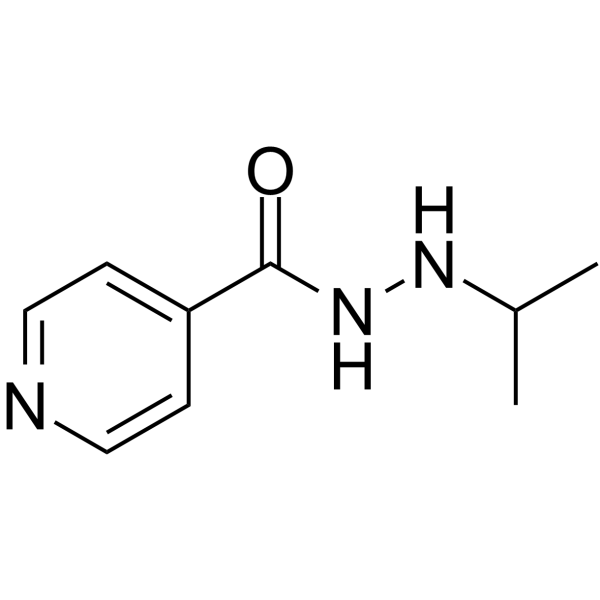
HY-B0886A
IproniazidMAO Inhibitor -
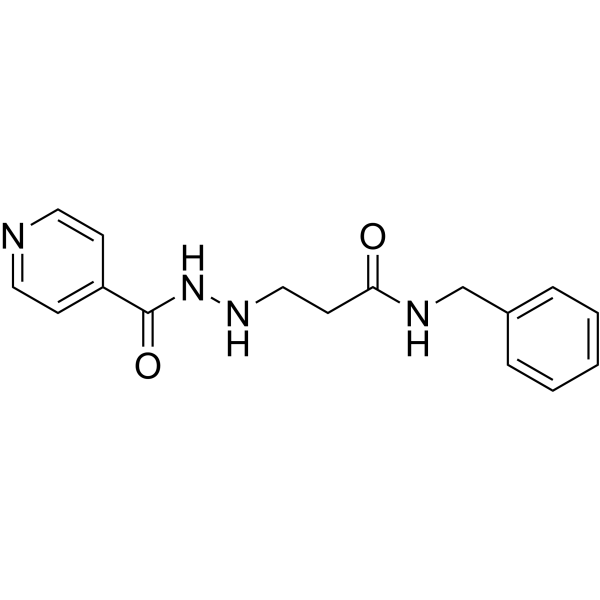
HY-B1199
NialamideMonoamine Oxidase Inhibitor -
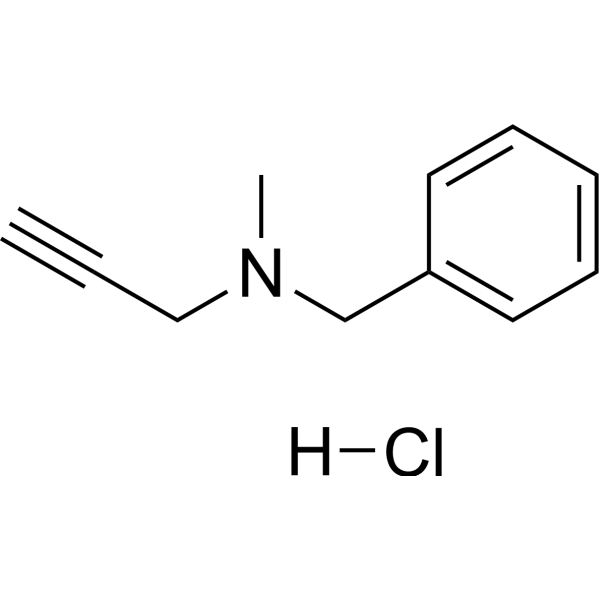
HY-A0091
Pargyline hydrochlorideMonoamine Oxidase Inhibitor -
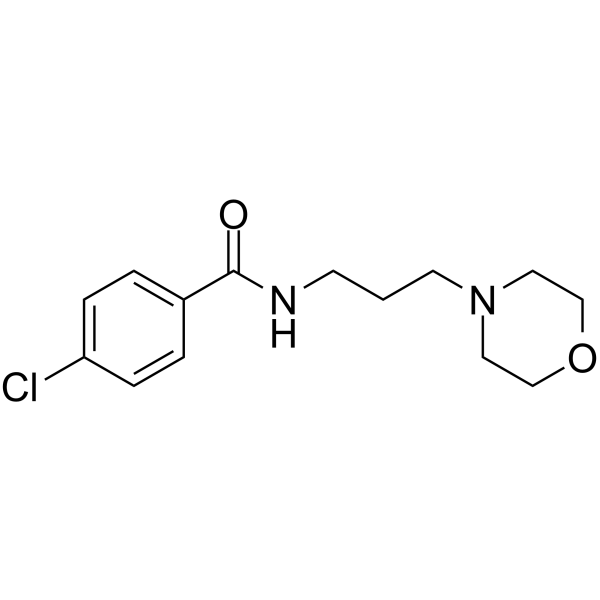
HY-B1413
EprobemideMonoamine Oxidase Inhibitor -
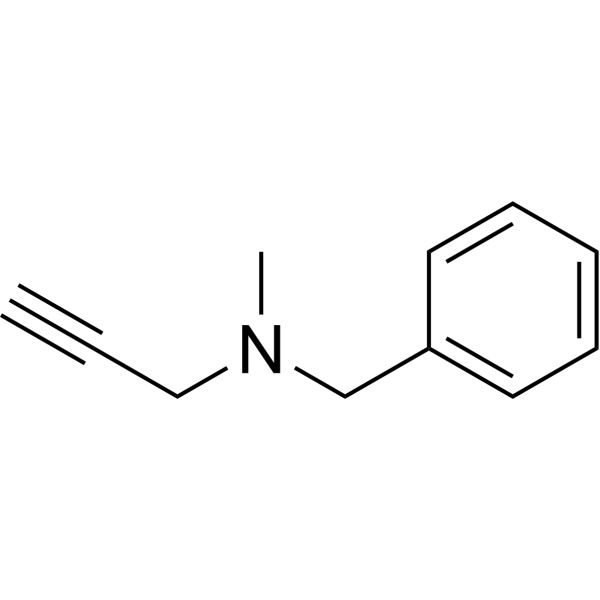
HY-A0091A
PargylineMonoamine Oxidase Inhibitor -
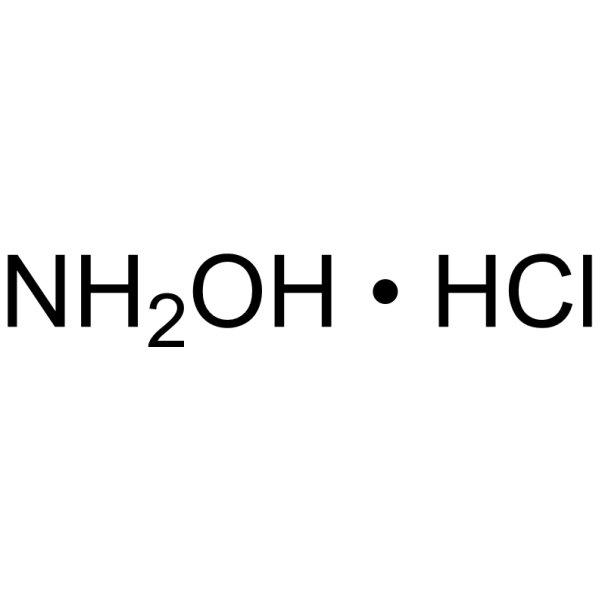
HY-Y0882
Hydroxylamine hydrochlorideMAO Inhibitor
Publications Citing Use of MedChemExpress (MCE) Toloxatone
More

Biological Activity
Description
IC50 & Target
|
MAO-A |
In Vitro
Toloxatone (3-100 μM; 180 minutes) concentration-dependently decreases medium levels of DOPAL, DOPAC, DOPET, and DOPA and increases medium dopamine levels in rat pheochromocytoma PC12 cells, but requires relatively high concentrations to exert these effects[1].
MedChemExpress (MCE) has not independently confirmed the accuracy of these methods. They are for reference only.
In Vivo
Toloxatone (24.2-72.5 μmol/kg; i.p.; single dose) produces dose-dependent, sedation-independent inhibition of mouse killing behavior in spontaneous killer Wistar rats, with a maximum 82% inhibition observed at 72.5 μmol/kg (i.p.)[3].
Toloxatone (48.3 μmol/kg; i.p.; single dose) inhibits mouse killing behavior in PCPA (HY-B1368)-induced killer Wistar rats with 50% maximum inhibition at 48.3 μmol/kg (i.p.), with efficacy comparable to that seen in spontaneous killer rats[3].
Toloxatone (48.3 μmol/kg; i.p.; single dose) inhibits mouse killing behavior (MKB) in raphectomized killer Wistar rats with 58% maximum inhibition at 48.3 μmol/kg (i.p.), with efficacy comparable to that seen in spontaneous killer rats[3].
Toloxatone (256 mg/kg; i.p.; single acute dose; 30 minutes prior to test) produces a significant anti-immobility effect in the mouse forced swimming test model of depression, which is completely reversed by co-administration of diazepam 2 mg/kg[4].
MedChemExpress (MCE) has not independently confirmed the accuracy of these methods. They are for reference only.
-
Animal Model:Wistar rats (male, adult, 3-month-old, 250-350 g, spontaneous killer model via 1 month social isolation)[3]
-
Dosage:24.2 μmol/kg; 48.3 μmol/kg; 72.5 μmol/kg
-
Administration:i.p.; single dose
-
Result:Achieved 60% maximum inhibition of mouse killing behavior (MKB), 45 min latency to inhibition, 65 min duration of inhibition (≥40% inhibition), and 18.8% efficacy at 24.2 μmol/kg.
Maintained unchanged locomotor activity relative to vehicle controls across 0-1, 1-2, and 2-3 hr intervals at 24.2 μmol/kg.
Achieved 63% maximum inhibition of MKB, 42 min latency to inhibition, 125 min duration of inhibition (≥40% inhibition), and 31.1% efficacy at 48.3 μmol/kg.
Maintained unchanged locomotor activity relative to vehicle controls across 0-1, 1-2, and 2-3 hr intervals at 48.3 μmol/kg.
Achieved 82% maximum inhibition of MKB, 54 min latency to inhibition, 140 min duration of inhibition (≥40% inhibition), and 32.2% efficacy at 72.5 μmol/kg.
Maintained unchanged locomotor activity relative to vehicle controls across 0-1, 1-2, and 2-3 hr intervals at 72.5 μmol/kg.
-
Animal Model:Wistar rats (male, adult, 3-month-old, 250-350 g, PCPA-induced killer model via 150 mg/kg PCPA i.p. for 2 consecutive days)[3]
-
Dosage:48.3 μmol/kg
-
Administration:i.p.; single dose
-
Result:Achieved 50% maximum inhibition of mouse killing behavior (MKB), 75 min latency to inhibition, 72 min duration of inhibition (≥40% inhibition), and 21.7% efficacy.
Maintained unchanged locomotor activity relative to vehicle controls across 0-1, 1-2, and 2-3 hr intervals.
Showed no statistically significant differences in MKB inhibition parameters relative to spontaneous killer rats treated with the same dose of toloxatone.
-
Animal Model:Wistar rats (male, adult, 3-month-old, 250-350 g, raphectomized killer model via electrolytical destruction of dorsal and median raphe nuclei)[3]
-
Dosage:48.3 μmol/kg
-
Administration:i.p.; single dose
-
Result:Achieved 58% maximum inhibition of mouse killing behavior (MKB), 41 min latency to inhibition, 103 min duration of inhibition (≥40% inhibition), and 25.0% efficacy.
Maintained unchanged locomotor activity relative to vehicle controls across 0-1, 1-2, and 2-3 hr intervals.
Showed no statistically significant differences in MKB inhibition parameters relative to spontaneous killer rats treated with the same dose of toloxatone.


Chemical Information
-
CAS No. 29218-27-7
-
Appearance Solid
-
Molecular Weight 207.23
-
Formula C11H13NO3
-
Color White to off-white
-
SMILES
CC1=CC(N2C(OC(CO)C2)=O)=CC=C1
-
Synonyms
MD 69276
-
Shipping
Room temperature in continental US; may vary elsewhere.
-
Storage
-20°C, protect from light
* In solvent : -80°C, 6 months; -20°C, 1 month (protect from light)


Publications (1)
-
Journal Impact Factor
-
Most Recent
-
J Immunother Cancer
Enhancing immunotherapy efficacy in NSCLC through the combined use of phenelzine and Akkermansia muciniphila to regulate gut microbial metabolite 5-HIAA. [Abstract]2025 Sep 10;13(9):e011831. PMID: 40930748


Solvent & Solubility
In Vitro:
DMSO : 125 mg/mL (603.19 mM; Need ultrasonic; Hygroscopic DMSO has a significant impact on the solubility of product, please use newly opened DMSO)
Please refer to the solubility information to select the appropriate solvent. Once prepared, please aliquot and store the solution to prevent product inactivation from repeated freeze-thaw cycles.
Storage method and period of stock solution: -80°C, 6 months; -20°C, 1 month (protect from light). When stored at -80°C, please use it within 6 months. When stored at -20°C, please use it within 1 month.
Please refer to the solubility information to select the appropriate solvent. Once prepared, please aliquot and store the solution to prevent product inactivation from repeated freeze-thaw cycles.
Storage method and period of stock solution: -80°C, 6 months; -20°C, 1 month (protect from light). When stored at -80°C, please use it within 6 months. When stored at -20°C, please use it within 1 month.
Concentration (start) × Volume (start) = Concentration (final) × Volume (final)
In Vivo:
Select the appropriate dissolution method based on your experimental animal and administration route.
- For the following dissolution methods, please ensure to first prepare a clear stock solution using an In Vitro approach and then sequentially add co-solvents:
- To ensure reliable experimental results, the clarified stock solution can be appropriately stored based on storage conditions. As for the working solution for In Vivo experiments, it is recommended to prepare freshly and use it on the same day.
- The percentages shown for the solvents indicate their volumetric ratio in the final prepared solution. If precipitation or phase separation occurs during preparation, heat and/or sonication can be used to aid dissolution.
Add each solvent one by one: 10% DMSO 40% PEG300 5% Tween-80 45% Saline
Solubility: ≥ 2.08 mg/mL (10.04 mM); Clear solution
This protocol yields a clear solution of ≥ 2.08 mg/mL (saturation unknown).
Taking 1 mL working solution as an example, add 100 μL DMSO stock solution (20.8 mg/mL) to 400 μL PEG300, and mix evenly; then add 50 μL Tween-80 and mix evenly; then add 450 μL Saline to adjust the volume to 1 mL.
Preparation of Saline: Dissolve 0.9 g sodium chloride in ddH₂O and dilute to 100 mL to obtain a clear Saline solution.
Add each solvent one by one: 10% DMSO 90% (20% SBE-β-CD in Saline)
Solubility: ≥ 2.08 mg/mL (10.04 mM); Clear solution
This protocol yields a clear solution of ≥ 2.08 mg/mL (saturation unknown).
Taking 1 mL working solution as an example, add 100 μL DMSO stock solution (20.8 mg/mL) to 900 μL 20% SBE-β-CD in Saline, and mix evenly.
Preparation of 20% SBE-β-CD in Saline (4°C, storage for one week): 2 g SBE-β-CD powder is dissolved in 10 mL Saline, completely dissolve until clear.
In Vivo Dissolution Calculator
Please enter the basic information of animal experiments:
-
-
-
-
Recommended: Prepare an additional quantity of animals to account for potential losses during experiments.
Please enter your animal formula composition:
-
%DMSO +
Recommended: Keep the proportion of DMSO in working solution below 2% if your animal is weak.
-
%+
-
+%Tween-80 + +
-
%Saline +
The co-solvents required include: DMSO, . All of co-solvents are available by MedChemExpress (MCE). , Tween 80. All of co-solvents are available by MedChemExpress (MCE).
Working solution concentration: 0.22 mg/mL
Method for preparing stock solution: mg drug dissolved in μL DMSO. Stock solution concentration: mg/mL. * In solvent : -80°C, 6 months; -20°C, 1 month (protect from light)
1. Take μL DMSO stock solution;
2. Add μL .
μL , mix evenly;
3. Then add μL Tween 80, mix evenly;
4. Then add μL
Please ensure that the stock solution in the first step is dissolved to a clear state, and add co-solvents in sequence. You can use ultrasonic heating (ultrasonic cleaner, recommended frequency 20-40 kHz), vortexing, etc. to assist dissolution.


Purity & Documentation
-
Data Sheet (282 KB)
-
SDS (393 KB)
- English - EN (393 KB)
- Français - FR (393 KB)
- Deutsch - DE (393 KB)
- Norwegian - NO (393 KB)
- Español - ES (393 KB)
- Swedish - SV (393 KB)
- Italian - IT (393 KB)
- Korean - KR (393 KB)
- Portuguese - PT (393 KB)
-
Handling Instructions (2659 KB)
References
[1]. Goldstein DS, et al. Comparison of Monoamine Oxidase Inhibitors in Decreasing Production of the Autotoxic Dopamine Metabolite 3,4-Dihydroxyphenylacetaldehyde in PC12 Cells. J Pharmacol Exp Ther. 2016;356(2):483-492. [Content Brief]
[2]. Vistelle R, et al. Toloxatone pharmacokinetics in the plasma and cerebrospinal fluid of the rabbit. J Pharm Pharmacol. 1992;44(2):124-126. [Content Brief]
[3]. Isel F, et al. Alterations of serotonin neurotransmission and inhibition of mouse killing behavior: II. Effects of selective and reversible monoamine oxidase inhibitors of type A. Pharmacol Biochem Behav. 1988;29(1):97-104. [Content Brief]
[4]. Van der Meersch-Mougeot V, et al. Benzodiazepines reverse the anti-immobility effect of antidepressants in the forced swimming test in mice. Neuropharmacology. 1993;32(5):439-446. [Content Brief]


Complete Stock Solution Preparation Table
Please refer to the solubility information to select the appropriate solvent. Once prepared, please aliquot and store the solution to prevent product inactivation from repeated freeze-thaw cycles.
Storage method and period of stock solution: -80°C, 6 months; -20°C, 1 month (protect from light). When stored at -80°C, please use it within 6 months. When stored at -20°C, please use it within 1 month.
| Optional Solvent | Concentration Solvent Mass | 1 mg | 5 mg | 10 mg | 25 mg |
|---|---|---|---|---|---|
| DMSO | 1 mM | 4.8256 mL | 24.1278 mL | 48.2556 mL | 120.6389 mL |
| 5 mM | 0.9651 mL | 4.8256 mL | 9.6511 mL | 24.1278 mL | |
| 10 mM | 0.4826 mL | 2.4128 mL | 4.8256 mL | 12.0639 mL | |
| 15 mM | 0.3217 mL | 1.6085 mL | 3.2170 mL | 8.0426 mL | |
| 20 mM | 0.2413 mL | 1.2064 mL | 2.4128 mL | 6.0319 mL | |
| 25 mM | 0.1930 mL | 0.9651 mL | 1.9302 mL | 4.8256 mL | |
| 30 mM | 0.1609 mL | 0.8043 mL | 1.6085 mL | 4.0213 mL | |
| 40 mM | 0.1206 mL | 0.6032 mL | 1.2064 mL | 3.0160 mL | |
| 50 mM | 0.0965 mL | 0.4826 mL | 0.9651 mL | 2.4128 mL | |
| 60 mM | 0.0804 mL | 0.4021 mL | 0.8043 mL | 2.0106 mL | |
| 80 mM | 0.0603 mL | 0.3016 mL | 0.6032 mL | 1.5080 mL | |
| 100 mM | 0.0483 mL | 0.2413 mL | 0.4826 mL | 1.2064 mL |


Toloxatone Related Classifications
HY-14196 Related Classifications
 Powered by Bioz