



Phospholipase
Phospholipase is a member of a very complex group of enzymes that break down phospholipids into fatty acids and other compounds. Phospholipases are defined by the enzymatic reaction they catalyze. The classes are phospholipase A, which has members A1 and A2; phospholipase B, which can carry out the reactions of both A1 and A2; phospholipase C; and phospholipase D.
Phospholipase A2 (PLA2) catalyses the hydrolysis of the sn-2 position of glycerophospholipids to yield fatty acids and lysophospholipids. Phospholipase C (PLC) converts phosphatidylinositol 4,5-bisphosphate (PIP2) to inositol 1,4,5-trisphosphate (IP3) and diacylglycerol (DAG). DAG and IP3 each control diverse cellular processes and are also substrates for synthesis of other important signaling molecules. PLC is thus central to many important interlocking regulatory networks. Phospholipase D (PLD) is an essential enzyme responsible for the production of the lipid second messenger phosphatidic acid (PA), which is involved in fundamental cellular processes, including membrane trafficking, actin cytoskeleton remodeling, cell proliferation and cell survival.
Phospholipase Isoform Specific Products
All Product Categories
-
Phospholipase Related Products (326)
Related Products (326)

-
Antibodies (9)
-
Phospholipase Isoform Comparison
-
ST271
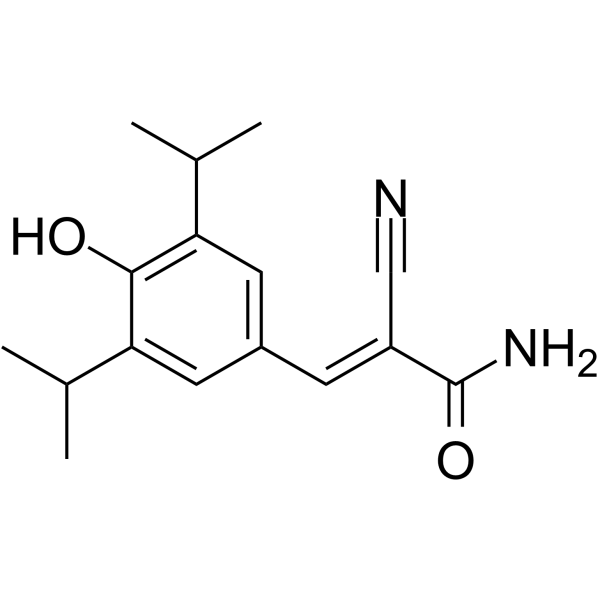 0 ImagesST271 is a potent inhibitor of protein tyrosine kinase (PTK), inhibits phospholipase D activation stimulated by fMet-Leu-Phe and PAF, with IC50s of 6.7 and 9 μM, respectively.
-
ML299
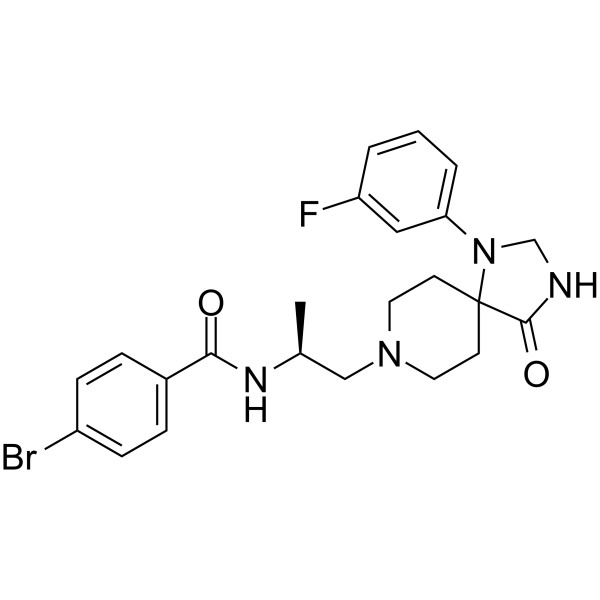 0 ImagesML299 is a selective allosteric modulator and a dual inhibitor of phospholipases D1 and D2 (IC50 values are 6 and 12 nM, respectively). ML299 decreases invasive migration in U87-MG glioblastoma cells.
-
2-(Methylamino)ethanol
 0 Images2-(Methylamino) ethanol (N-Methylethanolamine) is an orally active Phospholipase D inhibitor and analog of Ethanolamine (HY-Y0524). 2-(Methylamino) ethanol reduces the mRNA levels of ACE, ppET-1 and ECE-1, and inhibits MMP-2 activity. 2-(Methylamino) ethanol inhibits Collagen synthesis. 2-(Methylamino) ethanol attenuates ventricular hypertrophy, prevents increased myocardial stiffness and hemodynamic deterioration. 2-(Methylamino) ethanol can capture industrial acid gases and react with carbon dioxide to form carbamates and bicarbonates. 2-(Methylamino) ethanol can be used in studies related to hypertensive heart failure (diastolic heart failure).
-
Ochnaflavone
 0 ImagesOchnaflavone is an inhibitor of IIA-type secretory phospholipase A2 (sPLA2-IIA) with an IC50 of 3.45 µM. Ochnaflavone exhibits significant anti-inflammatory and liver-protective effects, capable of inhibiting the degradation of phosphatidylethanolamine (PE) and lipid peroxidation induced by carbon tetrachloride (CCl4) in rat liver, with an IC50 of 7.16 µM for lipid peroxidation. Ochnaflavone can be used in research on liver damage and inflammatory diseases.
-
Fuzapladib
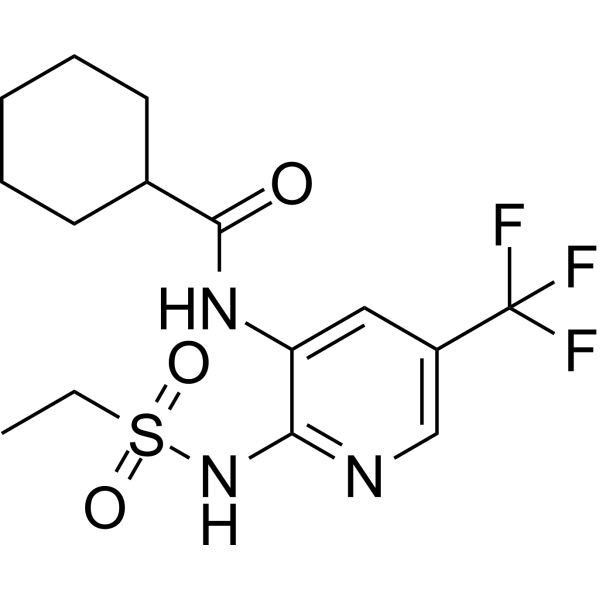 0 ImagesSynonyms: IS-741Fuzapladib (IS-741), an orally active leukocyte-function-associated antigen type 1 (LFA-1) activation inhibitor, is a leukocyte adhesion molecule. Fuzapladib is also a phospholipase A2 (PLA2) inhibitor. Fuzapladib exerts anti-inflammatory effects by inhibiting leukocyte migration into the inflammatory site.
-
LCL521 dihydrochloride
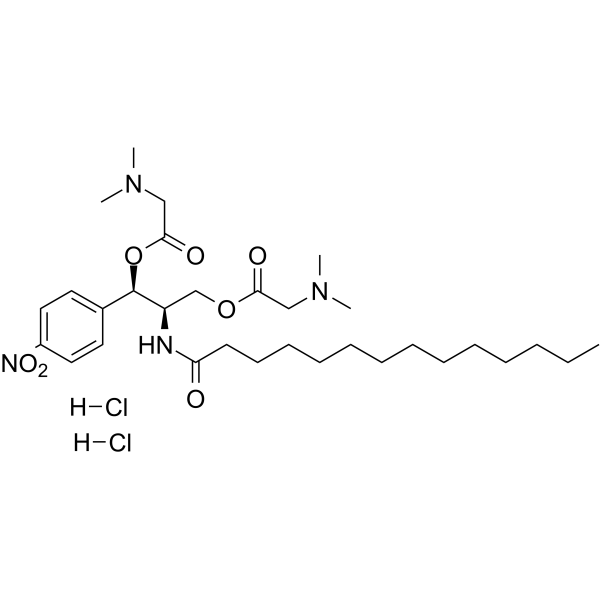 0 ImagesLCL521 dihydrochloride is an acid ceramidase (ACDase) inhibitor. LCL521 also inhibits the lysosomal acid sphingomyelinase (ASMase).
-
YM-26734
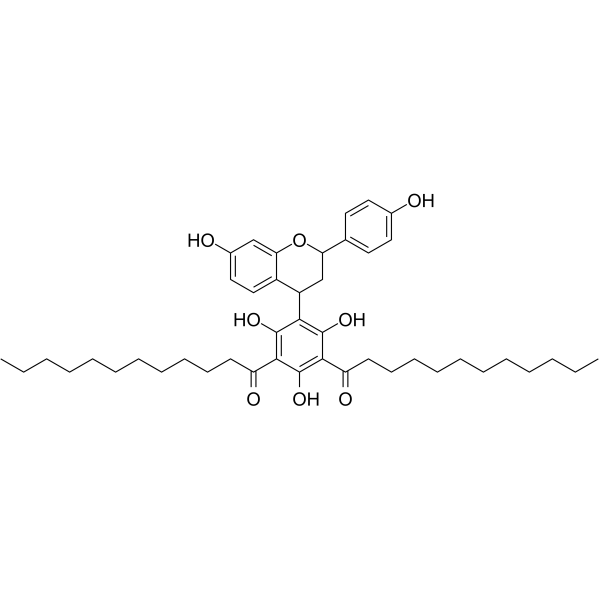 0 ImagesYM-26734 is a competitive inhibitor of secretory phospholipase A2 (PLA2) that exhibits a broad inhibitory profile to several PLA2s.
-
Compound 48/80 (trimer)
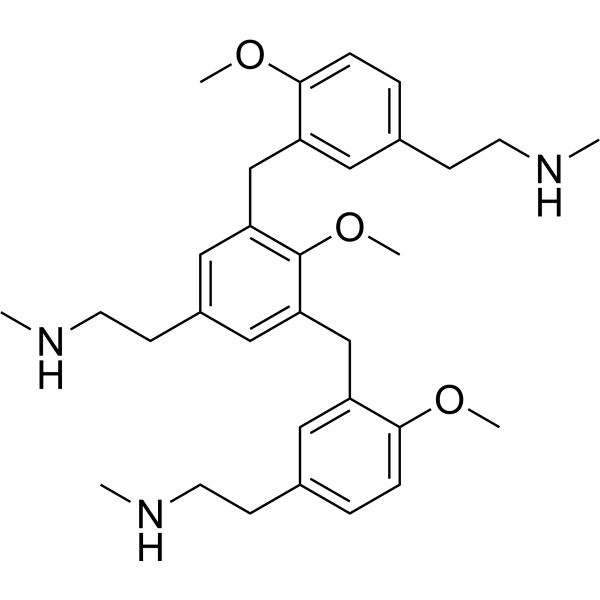 0 ImagesCat. No.: HY-115768ASynonyms: Poly-p-methoxyphenethylmethylamine (trimer)Compound 48/80 (trimer) is a trimer of Compound 48/80 (HY-115768). Compound 48/80 is widely used in animal and tissue models as a "selective" mast cell activator.
-
ROC-0929
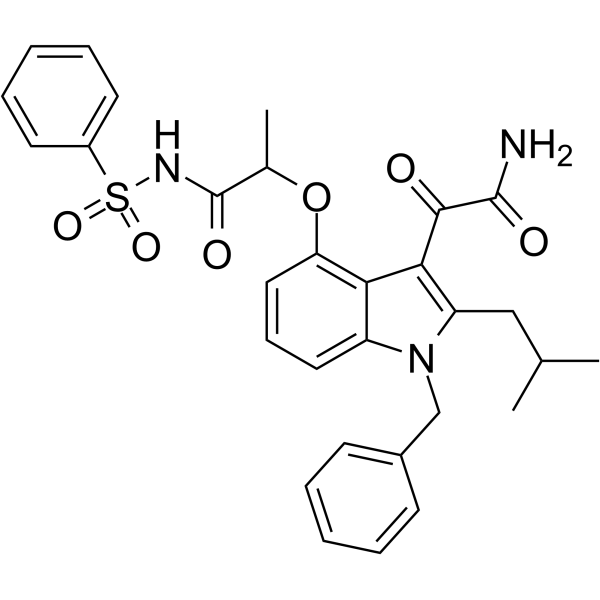 0 ImagesROC-0929 (compound 13a) is a potent and selective inhibitor of secreted phospholipases A2 (sPLA2s) with an IC50 of 80 nM, specially targeting hGX. ROC-0929 inhibits the phosphorylation of ERK1/2 and p-38. Secreted phospholipases A2 (sPLA2s) are a family of disulfide-rich, Ca2+-dependent enzymes that hydrolyze the sn-2 position of glycero-phospholipids to release a fatty acid and a lysophospholipid. ROC-0929 has the potential for researching inflammation related diseases.
-
N-Stearoylsphingomyelin
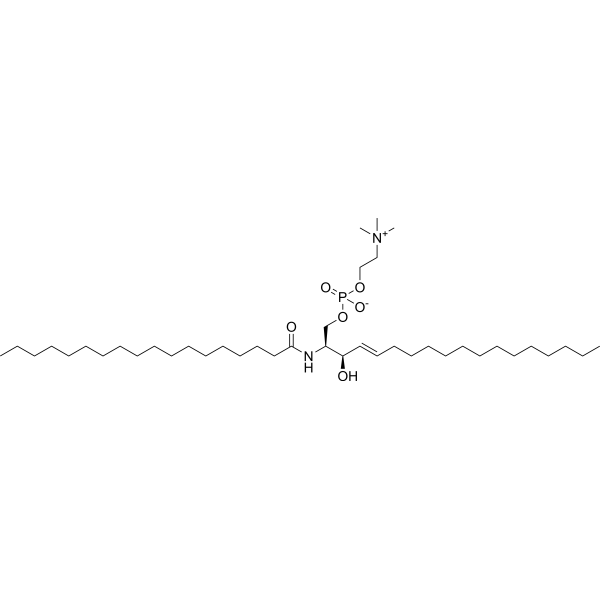 0 ImagesSynonyms: N-Stearoyl-D-sphingomyelinN-Stearoylsphingomyelin (N-Stearoyl-D-sphingomyelin) is a sphingolipid, which can inhibit Phospholipase Cδ1 (PLCδ1).
-
FKGK11
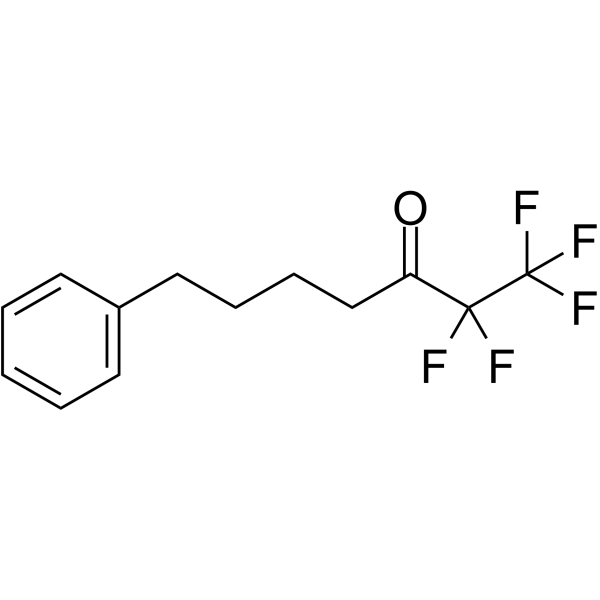 0 ImagesCat. No.: HY-116018CAS No.: 1071000-98-0FKGK11 is a potent and selective inhibitor of GVIA iPLA2 (Group VIA calcium-independent phospholipase A2). FKGK11 can be used for the research of ovarian cancer and neurological disorders such as peripheral nerve injury and multiple sclerosis.
-
Phospholipase D, peanut
 0 ImagesPhospholipase D, peanut is a phospholipase D (EC 3.1.4.4) of the PLD superfamily found in peanuts, acting as a phosphodiesterase and signaling enzyme with activity toward phosphatidylcholine. Phospholipase D hydrolyzes phosphatidylcholine to phosphatidic acid and choline, and catalyzes transphosphatidylation reactions. Phospholipase D can be used for the research of myocardial disease, ischemic heart disease, congestive heart failure, diabetic cardiomyopathy, cardiac hypertrophy, vascular abnormalities, breast cancer, gastric cancer, renal cancer, colorectal cancer.
-
SPK-601
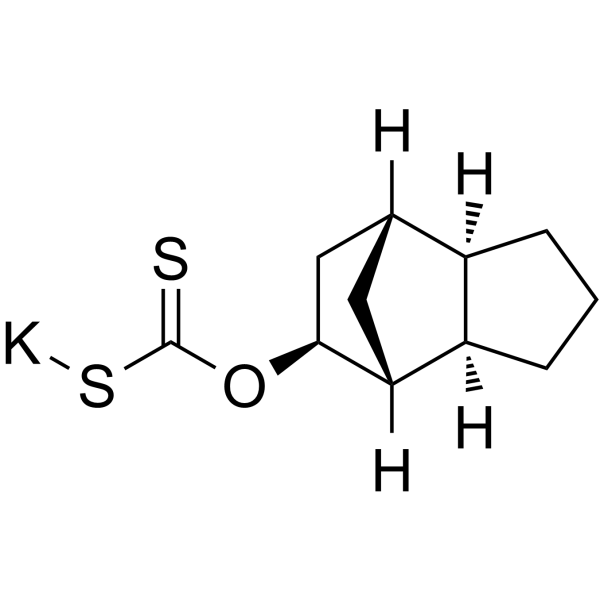 0 ImagesSynonyms: LMV-601SPK-601 (LMV-601) is an inhibitor of the phosphatidylcholine-specific phospholipase C (PC-PLC). SPK-601 also can be used as an antimicrobial agent.
-
Anti-CD3 Antibody (UCHT-1)
 0 ImagesCat. No.: HY-P991842Anti-CD3 Antibody (UCHT-1) is an antibody targeting CD3. Anti-CD3 Antibody (UCHT-1) activates the phospholipase C and phosphatidylinositol 3-kinase (PI3K) signaling pathways, elevates intracellular calcium levels, regulates the T3 epitope, and triggers T lymphocyte proliferation. Anti-CD3 Antibody (UCHT-1) also inhibits lymphocyte proliferation, abolishes IL-2 production, and blocks the expression of IL-2 receptors. Anti-CD3 Antibody (UCHT-1) is applicable to research related to graft-versus-host disease, acute myeloid leukemia, and B-cell acute lymphoblastic leukemia.
-
Lyso-PAF C-16-d4
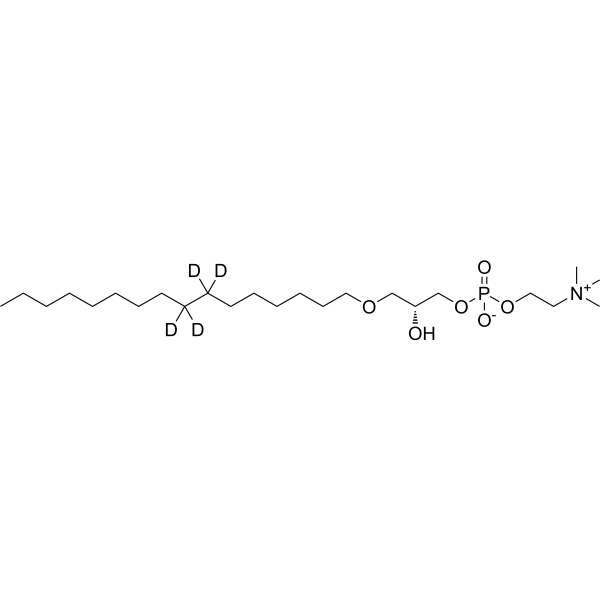 0 ImagesCat. No.: HY-141570SCAS No.: 201216-37-7Synonyms: Lyso-platelet-activating factor C-16-d4Lyso-PAF C-16-d4 (Lyso-platelet-activating factor C-16-d4) is the deuterated-labeled Lyso-PAF C-16 (HY-141570). Lyso-PAF C-16 is a precursor and metabolite of 1-O-hexadecyl-2-acetyl-sn-glycero-3-phosphocholine (PAF C-16). Lyso-PAF C-16 is a substrate for either PAF C-16 formation by the remodeling pathway or selective acylation with arachidonic acid by a CoA-independent transacylase.
-
p-Nitrophenyl phosphorylcholine
 0 ImagesSynonyms: 4-Nitrophenylphosphorylcholine; 4-Nitrophenylphosphorylcholine; O-(4-Nitrophenylphosphoryl)cholinep-Nitrophenyl phosphorylcholine (4-Nitrophenylphosphorylcholine) is a chromogenic Phospholipase C substrate. Phospholipase C hydrolyzes p-Nitrophenyl phosphorylcholine to release p-nitrophenol, a yellow chromophore. p-Nitrophenyl phosphorylcholine is used to determine the phospholipase C production of Pseudomonas aeruginosa. It also applies to studies related to Pseudomonas aeruginosa infection.
-
Soy PE
 0 ImagesSynonyms: LPI; PE (soy)Soy PE (LPI) is the most abundant phospholipid in prokaryotes and the second most abundant found in the membrane of mammalian, plant, and yeast cells, comprising approximately 25% of total mammalian phospholipids. In the brain, phosphatidylethanolamine comprises almost half of the total phospholipids. It is synthesized mainly through the cytidine diphosphate-ethanolamine and phosphatidylserine decarboxylation pathways, which occur in the endoplasmic reticulum (ER) and mitochondrial membranes, respectively. It is a precursor in the synthesis of phosphatidylcholine and arachidonoyl ethanolamide and is a source of ethanolamine used in various cellular functions. In E.coli, phosphatidylethanolamine deficiency prevents proper assembly of lactose permease, suggesting a role as a lipid chaperone. It is a cofactor in the propagation of prions in vitro and can convert recombinant mammalian proteins into infectious molecules even in the absence of RNA. This product contains phosphatidylethanolamine molecular species with variable fatty acyl chain lengths at the sn-1 and sn-2 positions.

-
Fuzapladib sodium
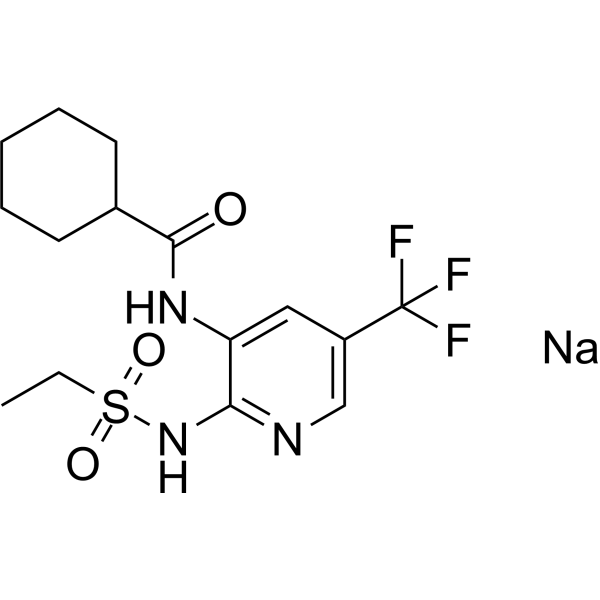 0 ImagesSynonyms: IS-741 sodiumFuzapladib (IS-741) sodium, an orally active leukocyte-function-associated antigen type 1 (LFA-1) activation inhibitor, is a leukocyte adhesion molecule. Fuzapladib sodium is also a phospholipase A2 (PLA2) inhibitor. Fuzapladib sodium exerts anti-inflammatory effects by inhibiting leukocyte migration into the inflammatory site.
-
Lp-PLA2-IN-3
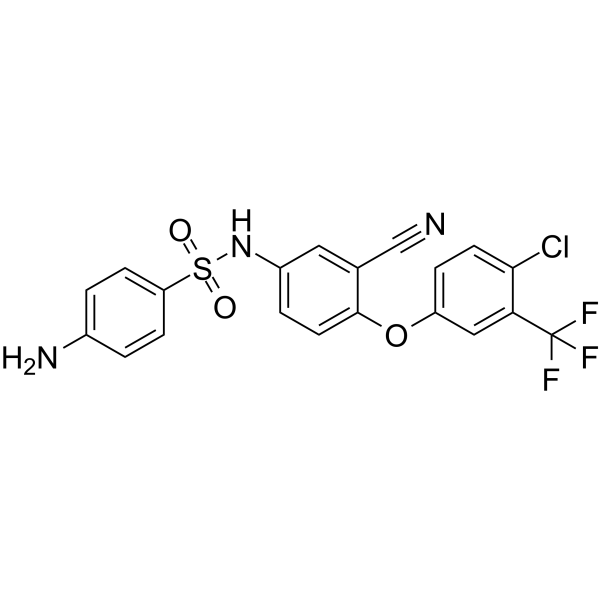 0 ImagesLp-PLA2-IN-3 is a potent and orally bioavailable lipoprotein-associated phospholipase A2 (Lp-PLA2) inhibitor, with an IC50 of 14 nM for recombinant human Lp-PLA2 (rhLpPLA2).




