



Phospholipase A
Phospholipase A2 (PLA2) catalyzes sn-2 phospholipid hydrolysis, releasing fatty acids and lysophospholipids that support lipid metabolism and cell signaling[1]. Mechanistically, PLA2 activation supplies arachidonic acid for cyclooxygenase, lipoxygenase, and cytochrome P450 pathways, linking membrane phospholipid turnover to eicosanoid-driven inflammation[2]. In disease models, cPLA2α promotes lipid mediator production in human and rodent cells, and cPLA2α-deficient mice show reduced macrophage prostaglandin and leukotriene production, impaired fertility, and smaller postischemic brain injury[3][4]. Compared with related isoforms, cPLA2α is a widely expressed intracellular enzyme, whereas secreted PLA2, calcium-independent PLA2, and lipoprotein-associated PLA2 differ in localization, calcium requirement, and substrate context[1][2][5]. For experimental applications, pyrrophenone strongly inhibits cPLA2α activity, and AACOCF3 acts as a tight, slow-binding inhibitor of the 85-kDa human cytosolic PLA2[6][7].
References:
- [1]. Dennis EA, et al. Phospholipase A2 enzymes: physical structure, biological function, disease implication, chemical inhibition, and therapeutic intervention. Chem Rev. 2011 Oct 12;111(10):6130-85. [Content Brief]
- [2]. Mouchlis VD, et al. Phospholipase A2 catalysis and lipid mediator lipidomics. Biochim Biophys Acta Mol Cell Biol Lipids. 2019 Jun;1864(6):766-771. [Content Brief]
- [3]. Leslie CC. Cytosolic phospholipase A₂: physiological function and role in disease. J Lipid Res. 2015 Aug;56(8):1386-402. doi: 10.1194/jlr.R057588. Epub 2015 Apr 2. PMID: 25838312; PMCID: PMC4513982. et al. Cytosolic phospholipase A₂: physiological function and role in disease. J Lipid Res. 2015 Aug;56(8):1386-402. [Content Brief]
- [4]. Bonventre JV, et al. Reduced fertility and postischaemic brain injury in mice deficient in cytosolic phospholipase A2. Nature. 1997 Dec 11;390(6660):622-5. [Content Brief]
- [5]. Murakami M, et al. Updating Phospholipase A2 Biology. Biomolecules. 2020 Oct 19;10(10):1457. [Content Brief]
- [6]. Ono T, et al. Characterization of a novel inhibitor of cytosolic phospholipase A2alpha, pyrrophenone. Biochem J. 2002 May 1;363(Pt 3):727-35. [Content Brief]
- [7]. Street IP, et al. Slow- and tight-binding inhibitors of the 85-kDa human phospholipase A2. Biochemistry. 1993 Jun 15;32(23):5935-40. [Content Brief]
-
Phospholipase A Related Products (56)
Related Products (56)

-
Varespladib
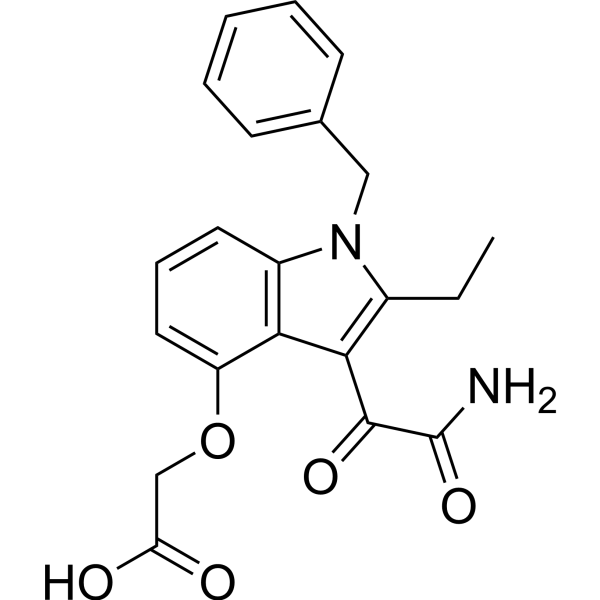 0 ImagesSynonyms: LY315920Varespladib (LY315920) is a potent and selective group IIA, secretory phospholipase A2 (sPLA2) inhibitor with an IC50 of 9 nM. Varespladib exhibits the significant inhibitory effect on sPLA2 activity in serum from various species including rat, rabbit, guinea pig and human with IC50s of 8.1 nM, 5.0 nM, 3.2 nM and 6.2 nM, respectively.
-
Pyrrophenone
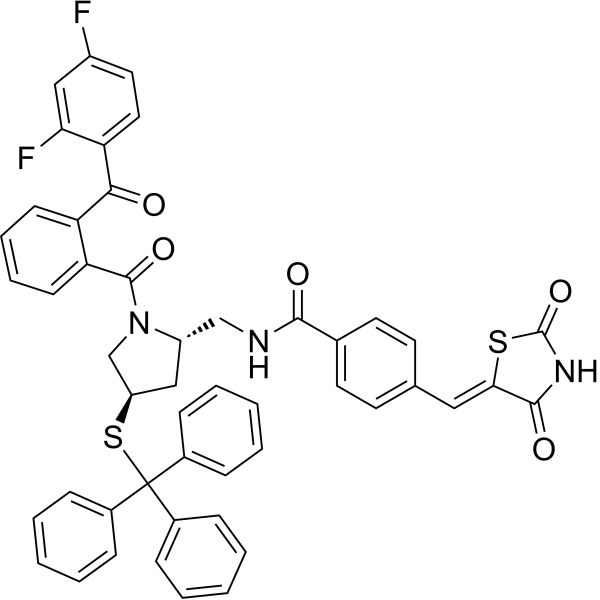 0 ImagesPyrrophenone is a potent and specific cytosolic phospholipase A2α (cPLA2α) inhibitor with an IC50 value of 4.2 nM.
-
Bromoenol lactone
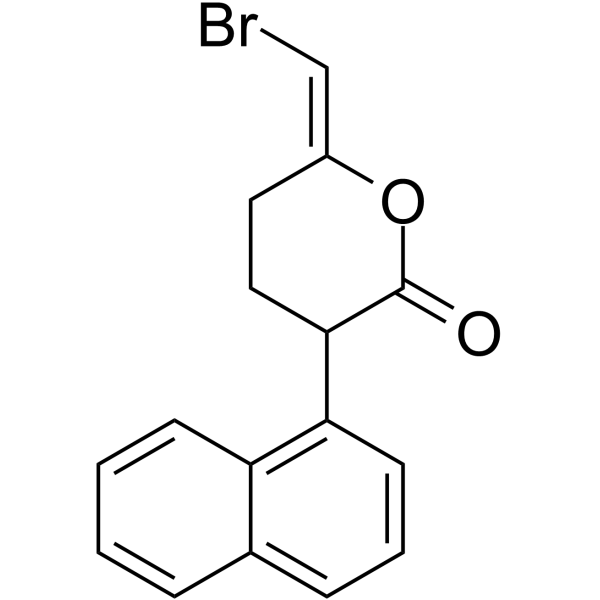 0 ImagesSynonyms: (6E)-Bromoenol lactoneBromoenol lactone ((6E)-Bromoenol lactone) is a suicide-based irreversible, selective, potent inhibitor of calcium-independent phospholipase A2 (iPLA2β) with an IC50 value of approximately 7 μM, which inhibits antigen-stimulated mast cell exocytosis without blocking Ca2+ influx.
-
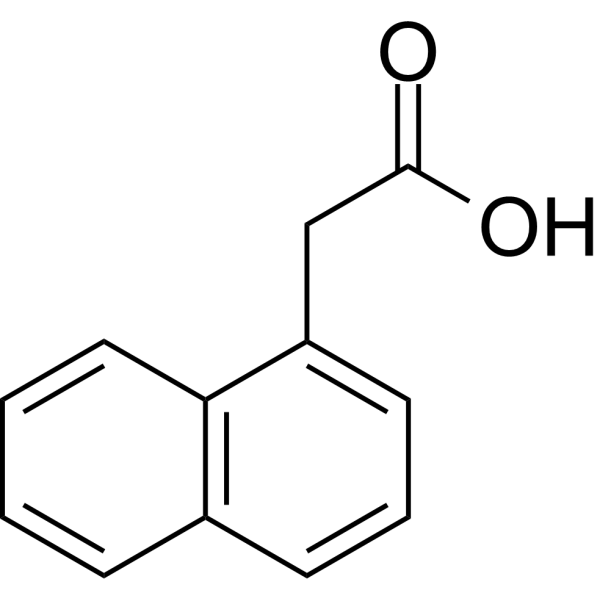
OBAA
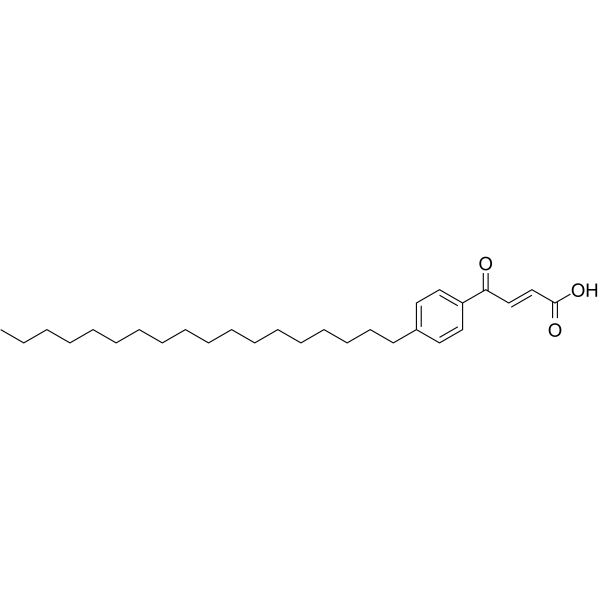 0 ImagesOBAA is a potent phospholipase A2 (PLA2) inhibitor with an IC50 of 70 nM. OBAA blocks Melittin-induced Ca2+ influx in Trypanosoma brucei with an IC50 of 0.4 μM.
-
(R)-Bromoenol lactone
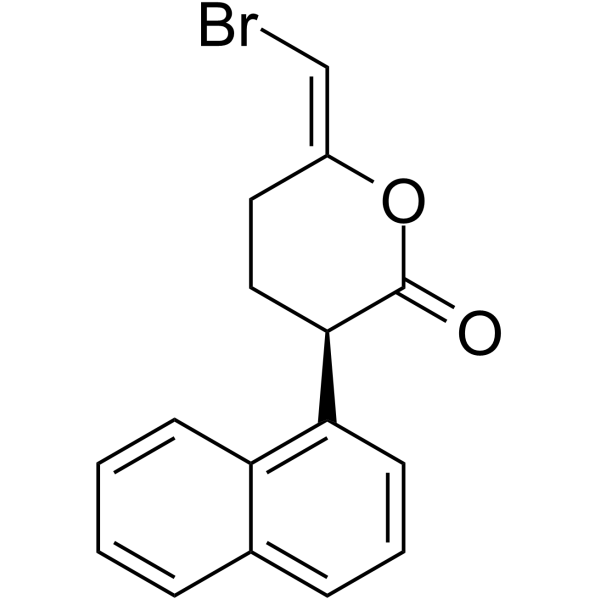 0 ImagesCat. No.: HY-117068CAS No.: 478288-90-3Synonyms: (R,E)-Bromoenol lactone(R)-Bromoenol lactone ((R,E)-Bromoenol lactone) is an isomer of Bromoenol lactone (HY-107411). (R)-Bromoenol lactone acts as a selective inhibitor of microsomal calcium-independent phospholipase A2γ (iPLA2γ). (R)-Bromoenol lactone induces mild activation of p38 mitogen-activated protein kinase in prostate cancer cells, resulting in slight increases in the expressions of phosphorylated p53, total p53 and p21. (R)-Bromoenol lactone is applicable to prostate cancer-related research.
-
PTAD-ergosta-3-one
 0 ImagesCat. No.: HY-187095PTAD-ergosta-3-one is a snake venom enzyme inhibitor. PTAD-ergosta-3-one inhibits the procoagulant activity of citrated plasma mediated by serine protease (SVSP) from Bothrops asper venom. PTAD-ergosta-3-one inhibits the esterase activity of PLA2 from Bothrops asper venom. PTAD-ergosta-3-one can be used in the research of snakebite envenoming.
-
PC(O-16:0/18:2(9Z,12Z))
 0 ImagesCat. No.: HY-113507CAS No.: 88542-95-4PC(O-16:0/18:2(9Z,12Z)) is a phospholipid. PC(O-16:0/18:2(9Z,12Z)) serves as a substrate for Phospholipase A2.
-
KH064
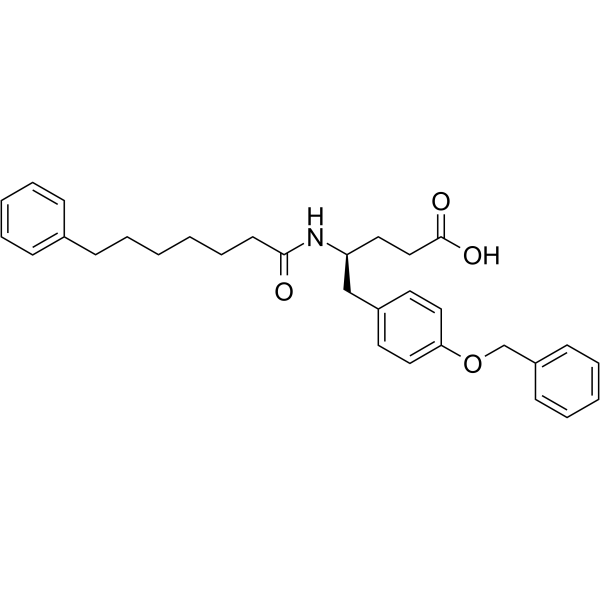 0 ImagesKH064, a D-tyrosine derivative, is an orally active, potent secretory phospholipase A2 (sPLA2) inhibitor with an IC50 of 29 nM for human nonpancreatic secretory PLA2 isoform IIa (hnpsPLA2-IIa). KH064 has anti-inflammatory activity.
-
SB-435495
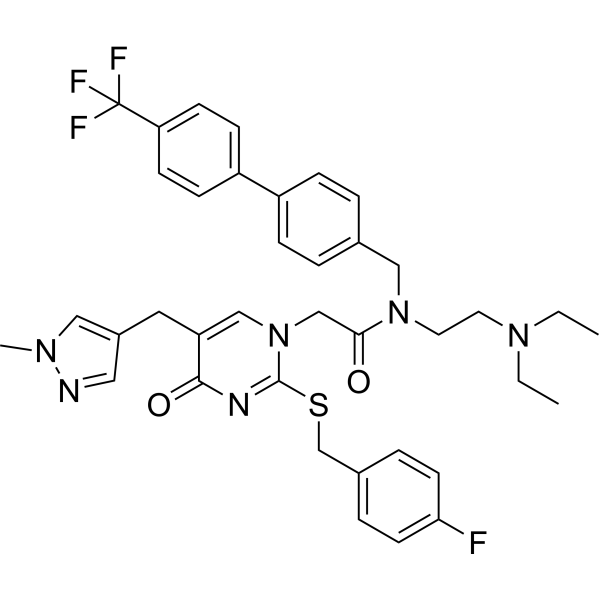 0 ImagesSB-435495 is a potent, selective, reversible, non-covalent and orally active Lp-PLA2 inhibitor with an IC50 of 0.06 nM.
-
CAY10502
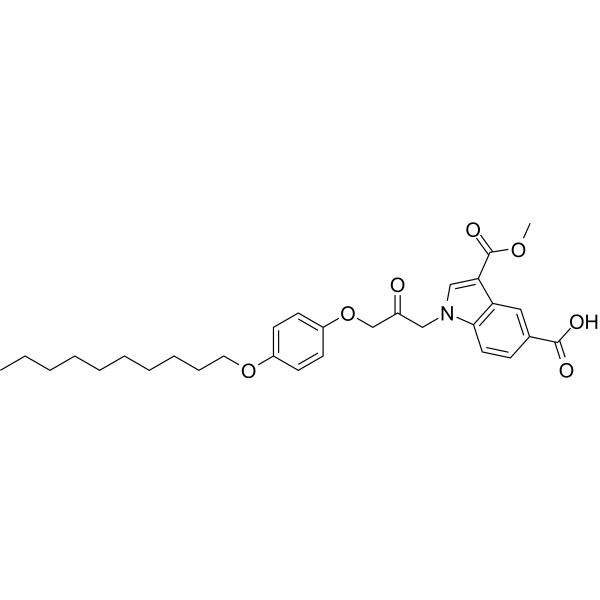 0 ImagesCAY10502 is a potent, calcium-dependent cytosolic phospholipase A2 α (cPLA2α) inhibitor with an IC50 of 4.3 nM for isolated enzyme. CAY10502 can be used in the research of retinopathy and inflammatory diseases.
-
Varespladib sodium
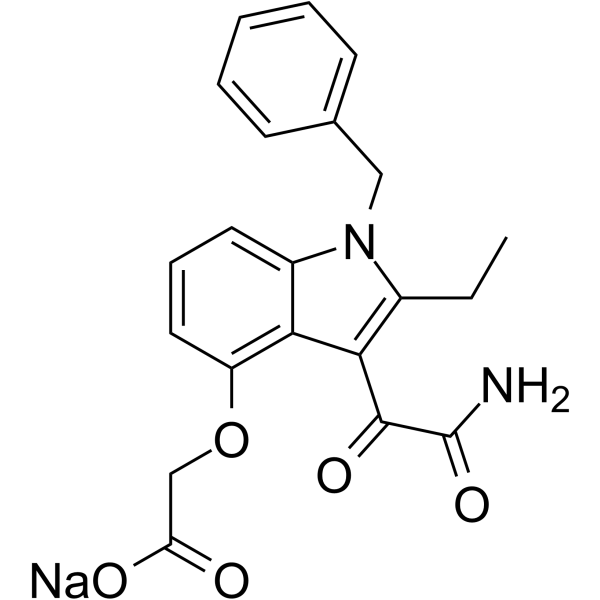 0 ImagesSynonyms: LY315920 sodiumVarespladib sodium (LY315920 sodium) is a potent and selective group IIA, secretory phospholipase A2 (sPLA2) inhibitor with an IC50 of 9 nM. Varespladib sodium exhibits the significant inhibitory effect on sPLA2 activity in serum from various species including rat, rabbit, guinea pig and human with IC50s of 8.1 nM, 5.0 nM, 3.2 nM and 6.2 nM, respectively.
-
Giripladib
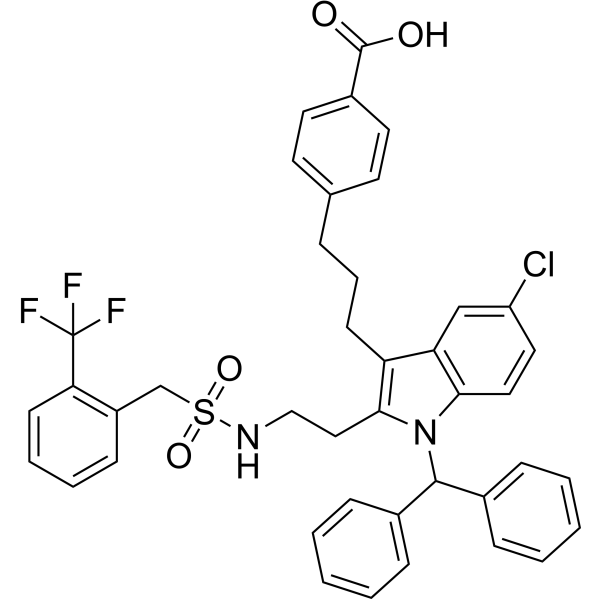 0 ImagesSynonyms: PLA-695Giripladib (PLA-695) is a indole-based inhibitor of cytosolic phospholipase A2 (cPLA2). Giripladib can be used for osteoarthritis and breast cancer research.
-
Rapanone
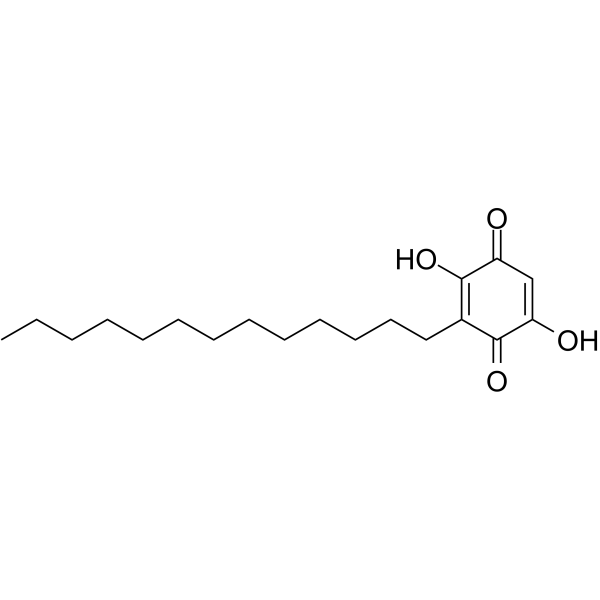 0 ImagesRapanone is a natural benzoquinone. Rapanone exhibits a broad spectrum of biological actions, including anti-tumor, antioxidant, anti-inflammatory, antibacterial and antiparasitic. Rapanone also is a potent and selective human synovial PLA2 inhibitor, with an IC50 of 2.6 μM.
-
trans-Benzylideneacetone
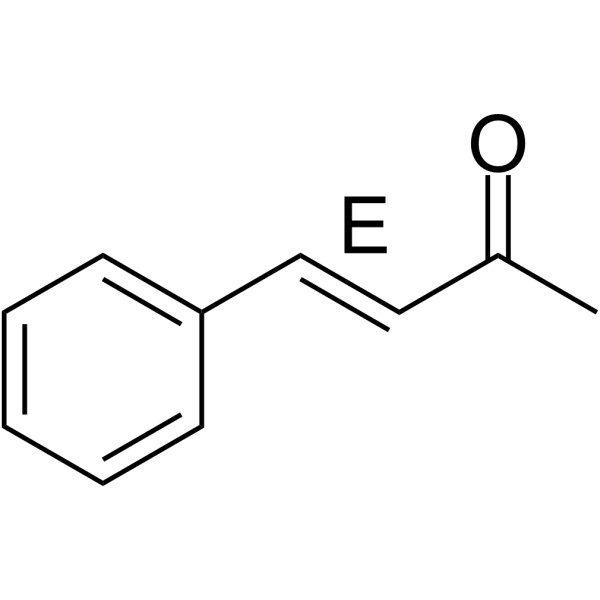 0 ImagesSynonyms: trans-Benzalacetonetrans-Benzylideneacetone (trans-Benzalacetone), a metabolite of gram-negative entomopathogenic bacterium Xenorhabdus nematophila, is an enzyme inhibitor against phospholipase A2 (PLA2). trans-Benzylideneacetone is an immunosuppressant.
-
PACOCF3
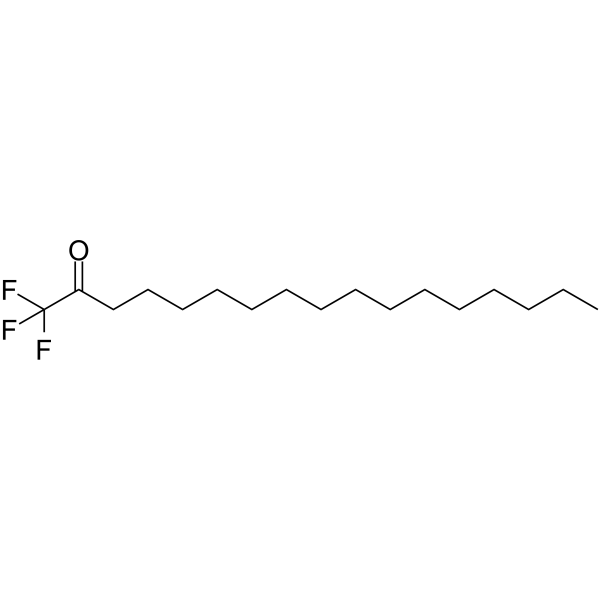 0 ImagesSynonyms: PalmityltrifluoromethylketonePACOCF3 (Palmityltrifluoromethylketone) is a selective phospholipase A2 inhibitor with an IC50 of 3.8 μM. PACOCF3 alters Ca2+ signaling in renal tubular cells.
-
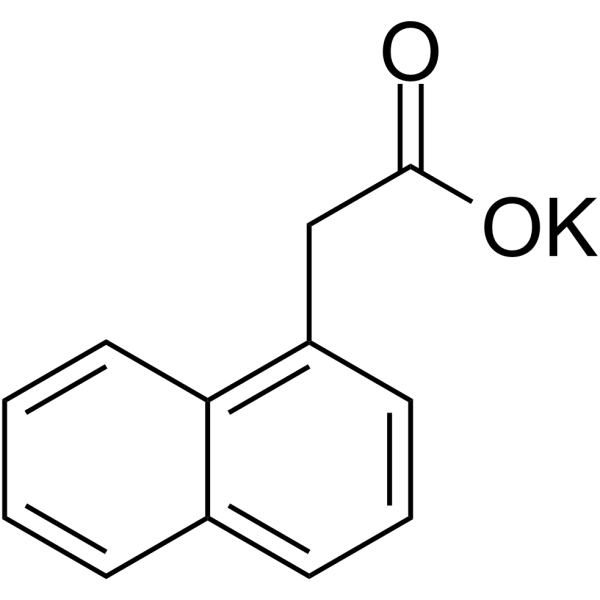
N-Palmitoyl-l-leucine
 0 ImagesSynonyms: GK144N-Palmitoyl-l-leucine (GK144) is a secreted phospholipases A2 inhibitor. N-Palmitoyl-l-leucine can be used for inflammatory diseases.
-
Lp-PLA2-IN-1
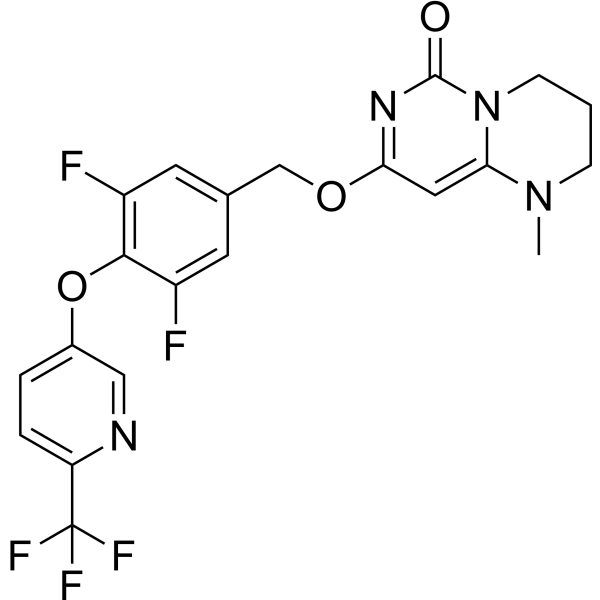 0 ImagesLp-PLA2-IN-1 is a potent Lipoprotein-associated phospholipase A2 (Lp-PLA2) inhibitor. Lp-PLA2-IN-1 has the potential for atherosclerosis, Alzheimer's disease research.
-
Alminoprofen
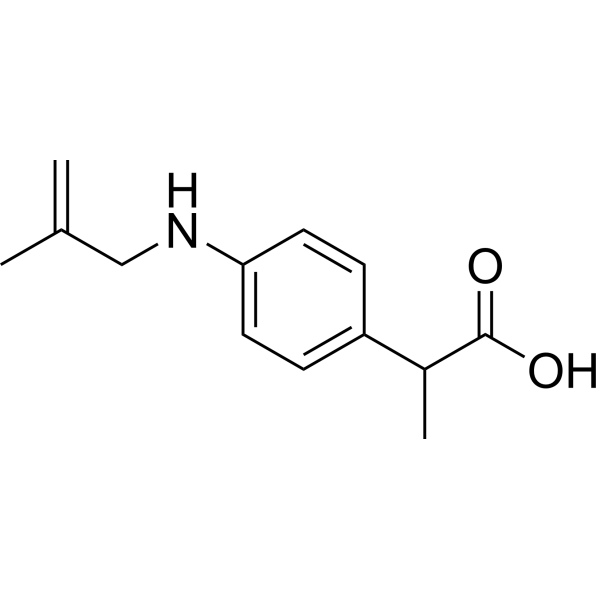 0 ImagesSynonyms: EB-382Alminoprofen (EB-382) is a nonsteroidal anti-inflammatory agent (NSAID) of the phenylpropionic acid class. Alminoprofen possesses a dual anti-inflammatory action, by inhibiting both secretory phospholipase A2 (sPLA2) and COX-2.



