



Phospholipase
-
Phospholipase Related Products (235)
Related Products (235)

-
BAPTA
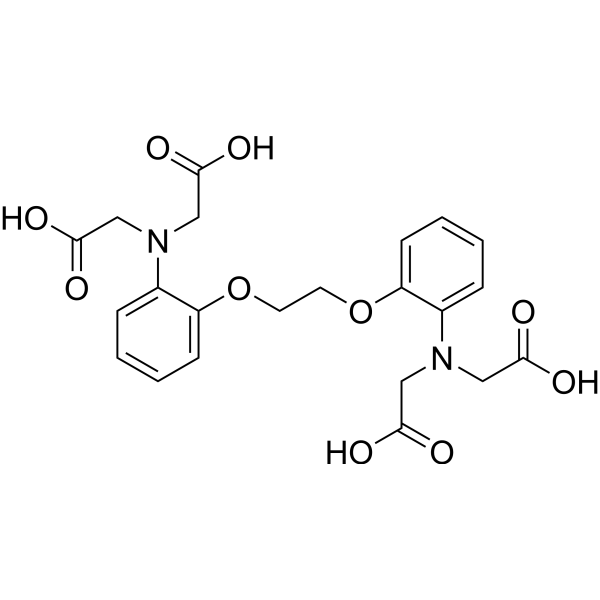 0 ImagesBAPTA is a selective and cell-impermeant chelator for calcium. BAPTA has high selectivity against magnesium and calcium. BAPTA can also inhibit phospholipase C activity independently of their role as Ca2+ chelators.
-
Compound 48/80
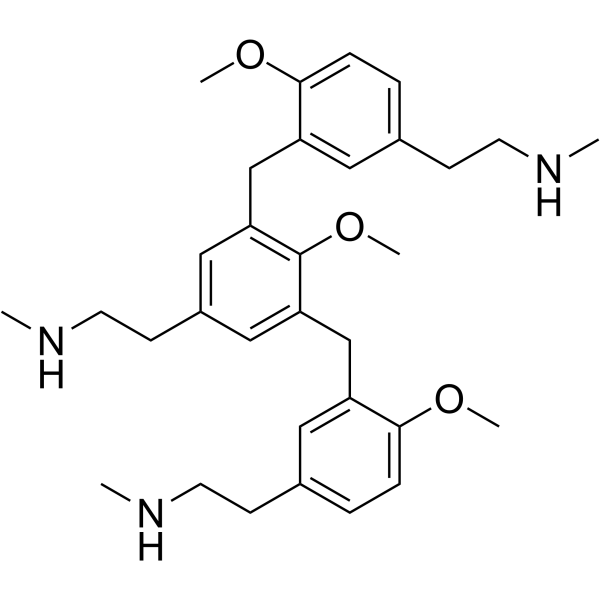 0 ImagesSynonyms: Poly-p-methoxyphenethylmethylamineCompound 48/80 (Poly-p-methoxyphenethylmethylamine) is widely used in animal and tissue models as a "selective" mast cell activator. Compound 48/80 acts at the mast cell membrane to stimulate trimeric G-proteins and induces degranulation via phospholipase C and D pathways.
-
Darapladib
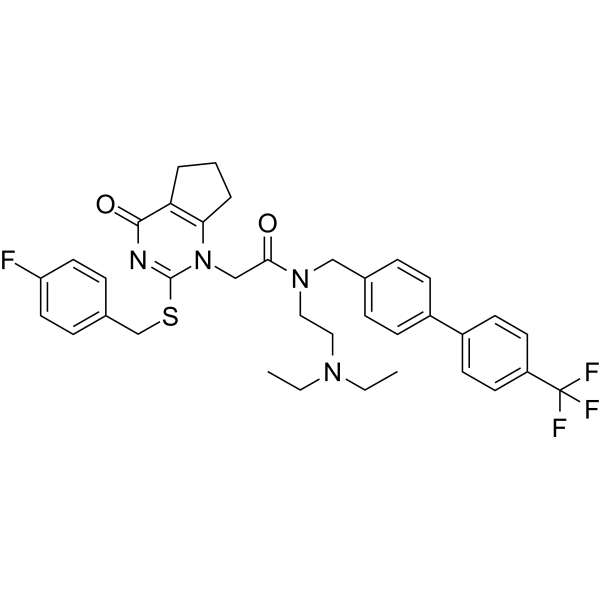 0 ImagesSynonyms: SB-480848Darapladib (SB-480848) is an orally active, selective and reversible Lp-PLA2 inhibitor (IC50=0.25 nM). Darapladib can trigger irreversible actions on glioma cell apoptosis and induce cycle arrest. Darapladib can be used in the study of atherosclerosis and cancer.
-
ML348
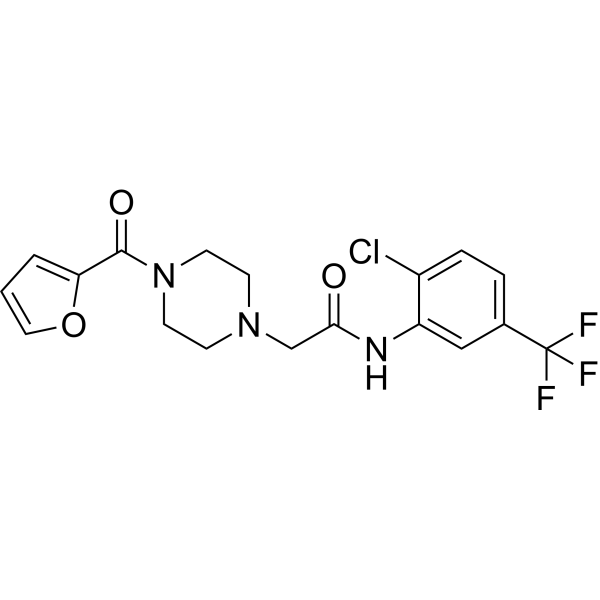 0 ImagesSynonyms: GNF-Pf-1127ML348 (GNF-Pf-1127) is a selective and reversible acyl-protein thioesterase 1 (APT1)/lysophospholipase 1 (LYPLA1) inhibitor with an IC50 of 210 nM, and barely inhibits LYPLA2.
-
(E/Z)-BML264
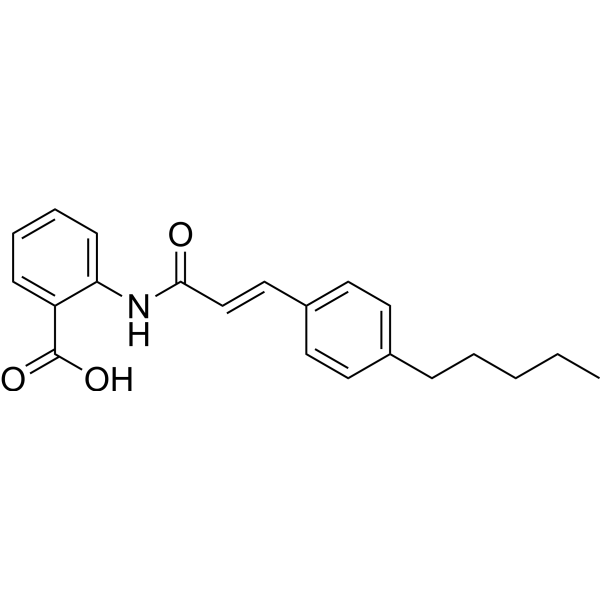 0 ImagesSynonyms: N-(p-Amylcinnamoyl) anthranilic acid; ACA(E/Z)-BML264 (N-(p-amylcinnamoyl) Anthranilic Acid) is a broad spectrum Phospholipase A2 (PLA2) inhibitor and TRP channel blocker. (E/Z)-BML264 is a SLC13A3 inhibitor. (E/Z)-BML264 (N-(p-amylcinnamoyl) Anthranilic Acid) is also an effective reversible inhibitor of calcium-activated chloride channels, has potential to treat arrhythmia.
-
Lyso-PAF C-16
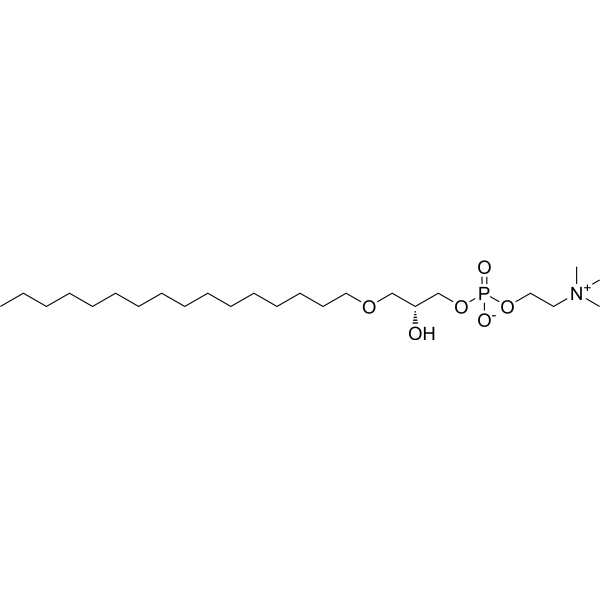 0 ImagesLyso-PAF C-16 is a precursor and metabolite of 1-O-hexadecyl-2-acetyl-sn-glycero-3-phosphocholine (PAF C-16). Lyso-PAF C-16 is a substrate for either PAF C-16 formation by the remodeling pathway or selective acylation with arachidonic acid by a CoA-independent transacylase.
-
ONO-RS-082
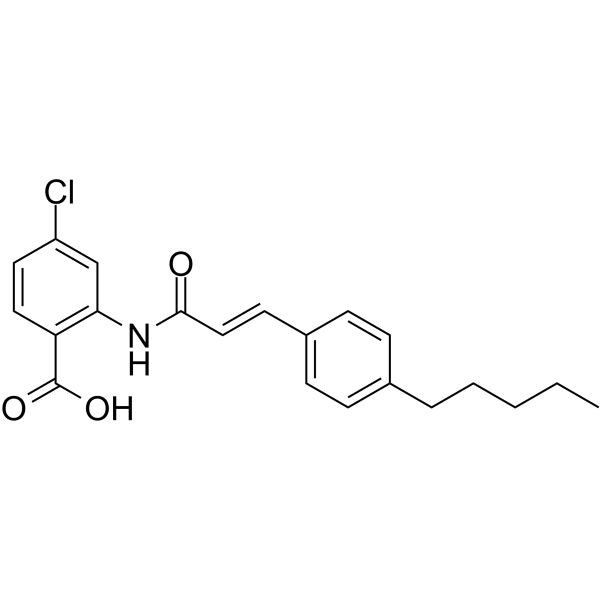 0 ImagesONO-RS-082 is an inhibitor of phospholipase A (PLA). ONO-RS-082 inhibits PLA2 with the IC50 of 1.0 μM, but does not inhibit PLC even at 100 μM.
-
Melittin
 0 ImagesMelittin is a PLA2 activator, stimulates the activity of the low molecular weight PLA2, while it does not the increase activity of the high molecular weight PLA2.
-
Compound 48/80 trihydrochloride
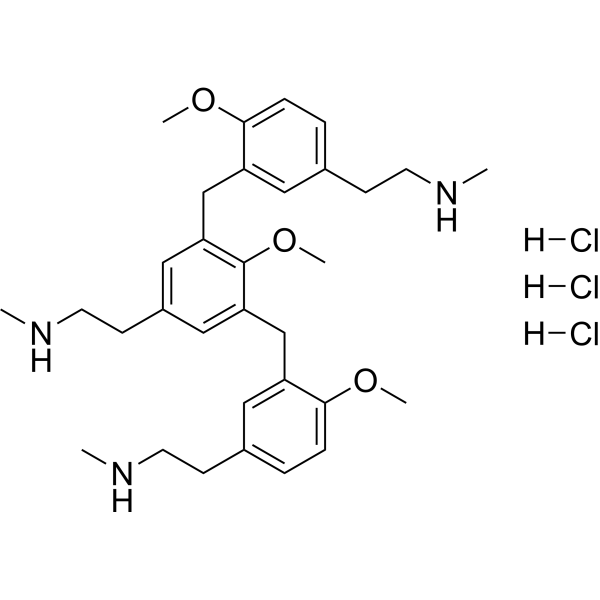 0 ImagesSynonyms: C48/80 trihydrochlorideCompound 48/80 trihydrochloride (C48/80 trihydrochloride) is a mixture of condensation products of N-methyl-p-methoxyphenethylamine with formaldehyde. Compound 48/80 trihydrochloride is also a histamine releaser and a mast cell degranulator. Compound 48/80 inhibits phosphatidylinositol-specific phospholipase C activity from human platelets .
-
ML349
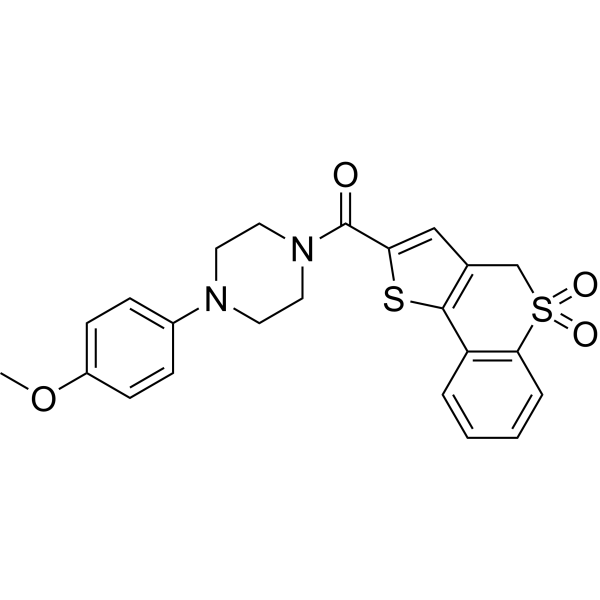 0 ImagesML349 is a potent and specific acyl protein thioesterase 2(APT2)/lysophospholipase 2 (LYPLA2) inhibitor with a Ki of 120 nM. ML349 is also an inhibitor of LYPLA2 with an IC50 of 144 nM.
-
AACOCF3
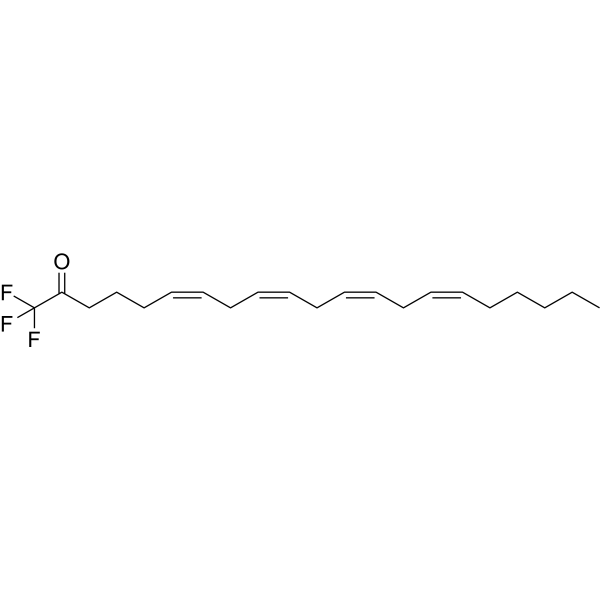 0 ImagesSynonyms: Arachidonyl trifluoromethyl ketoneAACOCF3 (Arachidonyl trifluoromethyl ketone) is a cell-permeant trifluoromethyl ketone analog of arachidonic acid. AACOCF3 is a potent and selective slow binding inhibitor of the 85-kDa cytosolic phospholipase A2 (cPLA2). AACOCF3 blocks production of arachidonate and 12-hydroxyeicosatetraenoic acid by calcium ionophore-challenged platelets. AACOCF3 inhibits glucose-induced insulin secretion from isolated rat islets. AACOCF3 has the potential for the research of cardiovascular disease.
-
Lansoprazole
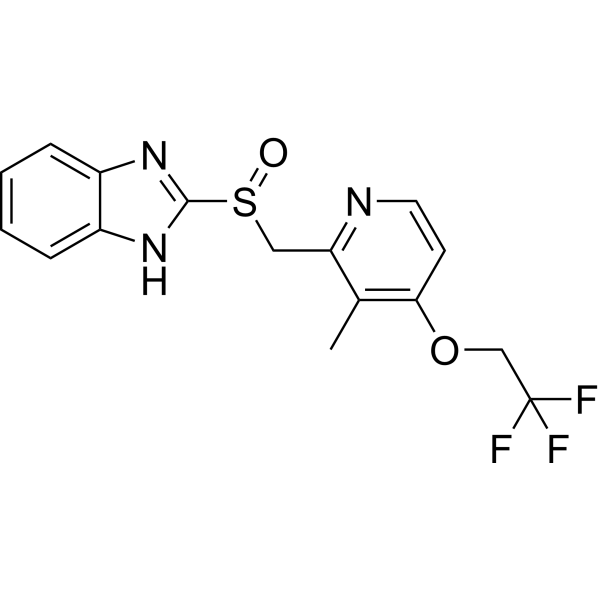 0 ImagesSynonyms: AG-1749Lansoprazole (AG 1749) is an orally active proton pump inhibitor which prevents the stomach from producing acid. Lansoprazole (AG 1749) is a potent brain penetrant neutral sphingomyelinase (N-SMase) inhibitor (exosome inhibitor).
-
m-3M3FBS
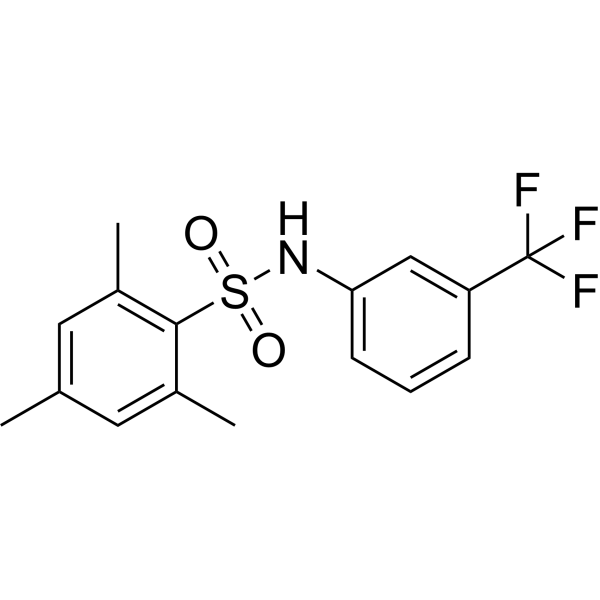 0 Imagesm-3M3FBS is a potent phospholipase C (PLC) activator. m-3M3FBS stimulates superoxide generation in human neutrophils, upregulates intracellular calcium concentration, and stimulates inositol phosphate generation in various cell lines. m-3M3FBS induces monocytic leukemia cell apoptosis.
-
D609
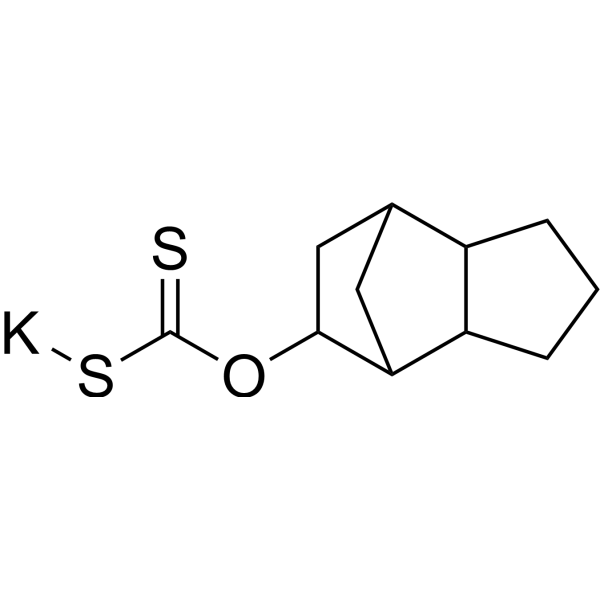 0 ImagesD609, an antitumoural xanthate, is a specific and competitive phosphatidyl choline-specific phospholipase C (PC-PLC) inhibitor with a Ki of 6.4 μM. D609 is an antioxidative protector and has antiviral and anti-inflammatory activity.
-
Ly93
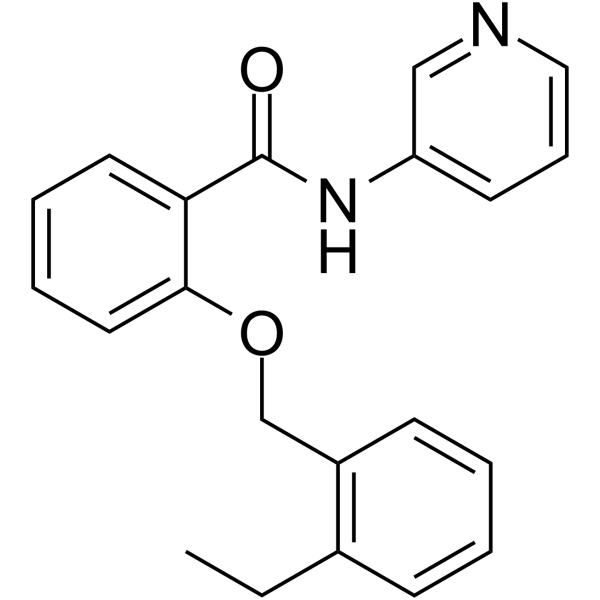 0 ImagesLy93 is a selective and orally active sphingomyelin synthase 2 (SMS2) inhibitor, with an IC50 of 91 nM.
-
Phospholipase D, Streptomyces chromofuscus
 0 ImagesPhospholipase D, Streptomyces chromofuscus (PLD) is an enzyme of the phospholipase superfamily, which widely exists in bacteria, yeast, plants, animals and viruses, and is often used in biochemical research. Phospholipase D can catalyze the hydrolysis of phosphodiester bonds in glycerophospholipids to produce phosphatidic acid and soluble choline. Phospholipase D is involved in a variety of disease-related processes, including diabetes, atherogenesis, obesity, tumorigenesis, immune response, and neuroendocrine function.
-
CAY10650
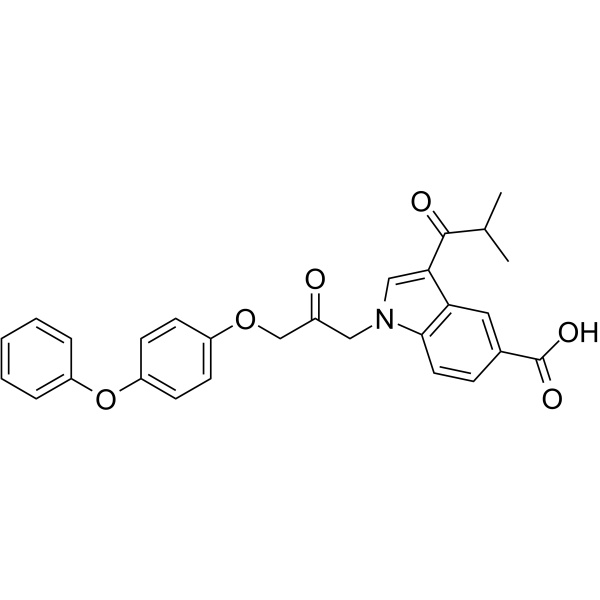 0 ImagesCAY10650 is a highly potent cytosolic phospholipase A2α (cPLA2α) inhibitor with an IC50 value of 12 nM. CAY10650 suppresses lipid droplets formation and PGE2 secretion.
-
LFHP-1c
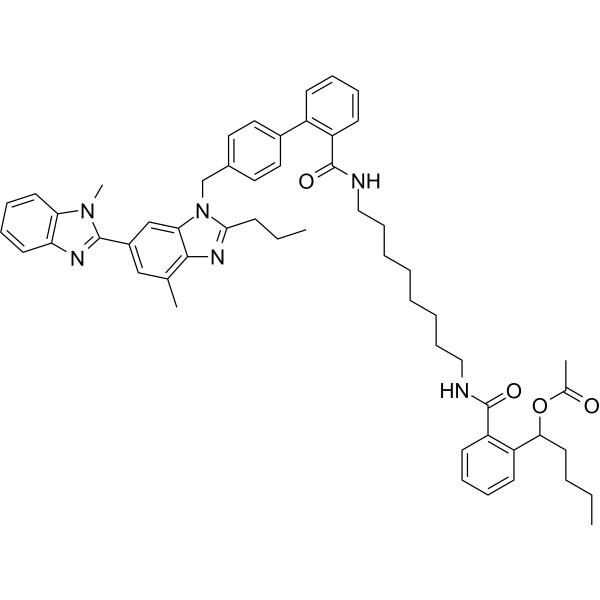 0 ImagesLFHP-1c is an PGAM5 inhibitor with neuroprotective activity in brain ischemic stroke. LFHP-1c protects blood-brain barrier integrity from ischemia-induced injury. LFHP-1c binds to endothelial PGAM5 to inhibit the activity of PGAM5 phosphatase and the interaction of PGAM5 with NRF2. LFHP-1c exhibits in vitro and in vivo protection.
-
Malabaricone C
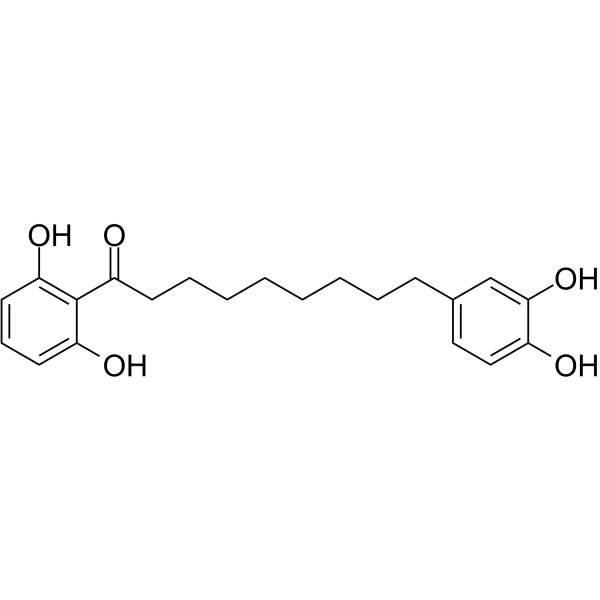 0 ImagesMalabaricone C is an orally active and noncompetitive sphingomyelin synthase (SMS) inhibitor with IC50 values of 3 μM and 1.5 μM for SMS 1 and SMS 2, respectively. Malabaricone C reduces body weight gain, improves glucose tolerance, and decreases lipid accumulation in the liver, showing significant prevention of high fat diet-induced fatty liver in mice. Malabaricone C has anti-inflammatory effects, which is found in the fruits of Myristica cinnamomea King. Malabaricone C is promising for research of obesity and immunological disorders caused due to hyper-activation of T-cells.



