



ROCK
ROCK (Rho-associated coiled-coil containing protein kinase) is a major downstream effector of the small GTPase RhoA and functions as a central regulator of actomyosin contractility, cytoskeletal organization, cell adhesion, migration, proliferation, and gene expression[1][2]. ROCK signaling coordinates multiple biological processes through phosphorylation-dependent control of myosin phosphatase and other cytoskeletal regulators, thereby influencing cellular morphology, motility, and tissue remodeling[1][3]. Mechanistically, the ROCK pathway is closely linked to endothelial function, smooth muscle contraction, inflammatory responses, and angiogenic regulation, making it relevant to diverse physiological and pathological contexts[1][4]. In disease models, aberrant ROCK activity has been associated with cardiovascular disorders, vascular remodeling, neurodegenerative conditions, fibrosis, and cancer progression, where altered cytoskeletal dynamics and cell migration contribute to disease development[1][3][4]. Compared with related isoforms, ROCK1 and ROCK2 share high kinase-domain homology but exhibit distinct biological functions and regulatory properties, indicating nonredundant roles in cellular signaling networks[2]. ROCK1 is broadly associated with cytoskeletal regulation and cell motility, whereas ROCK2 has been implicated in immune regulation, T-cell plasticity, macrophage polarization, and tissue-specific signaling processes[2][5]. For experimental applications, pharmacological ROCK inhibition is widely used to investigate RhoA-dependent signaling, and inhibitors such as fasudil have demonstrated utility in models of vascular and neurodegenerative disease by suppressing excessive ROCK activity and modulating downstream cellular responses[4][6].
References:
- [1]. Shi J, et al. Rho kinases in cardiovascular physiology and pathophysiology: the effect of fasudil. J Cardiovasc Pharmacol. 2013 Oct;62(4):341-54. [Content Brief]
- [2]. Julian L, et al. Rho-associated coiled-coil containing kinases (ROCK): structure, regulation, and functions. Small GTPases. 2014;5:e29846. [Content Brief]
- [3]. Liu J, et al. Rho-Associated Coiled-Coil Kinase (ROCK) in Molecular Regulation of Angiogenesis. Theranostics. 2018 Nov 26;8(21):6053-6069. [Content Brief]
- [4]. Schofield AV, et al. Rho-associated coiled-coil kinase (ROCK) signaling and disease. Crit Rev Biochem Mol Biol. 2013 Jul-Aug;48(4):301-16. [Content Brief]
- [5]. Database: Guide to pharmacology.
- [6]. Ye Q, et al. Role of Rho-associated kinases and their inhibitor fasudil in neurodegenerative diseases. Front Neurosci. 2024 Nov 19;18:1481983. [Content Brief]
-
ROCK Related Products (111)
Related Products (111)

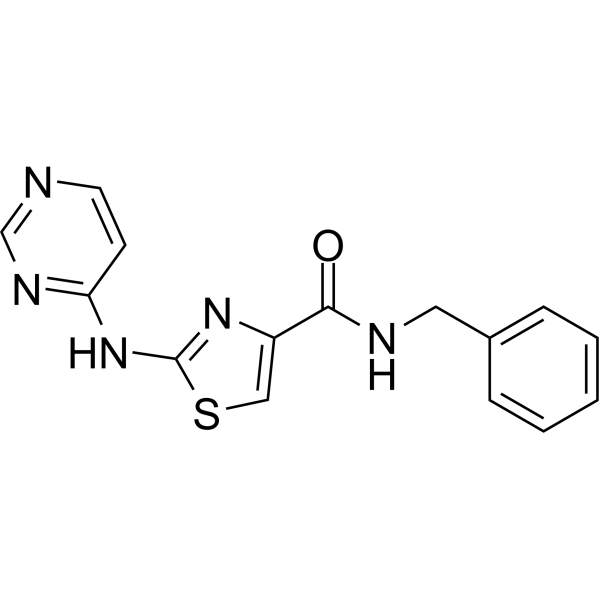

-
Y-27632 dihydrochloride (GMP)
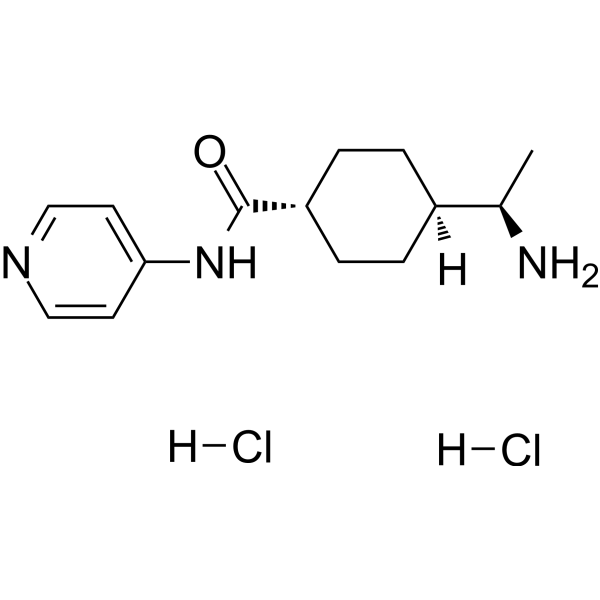 0 ImagesCat. No.: HY-10583GCAS No.: 129830-38-2Y-27632 dihydrochloride (GMP) is the GMP level of Y-27632 dihydrochloride (HY-10583). GMP guidelines are used to produce Y-27632 dihydrochloride (GMP). GMP small molecules works appropriately as an auxiliary reagent for cell research manufacture. Y-27632 dihydrochloride is an orally active and ATP-competitive ROCK (Rho-kinase) inhibitor with antiepileptic effect.
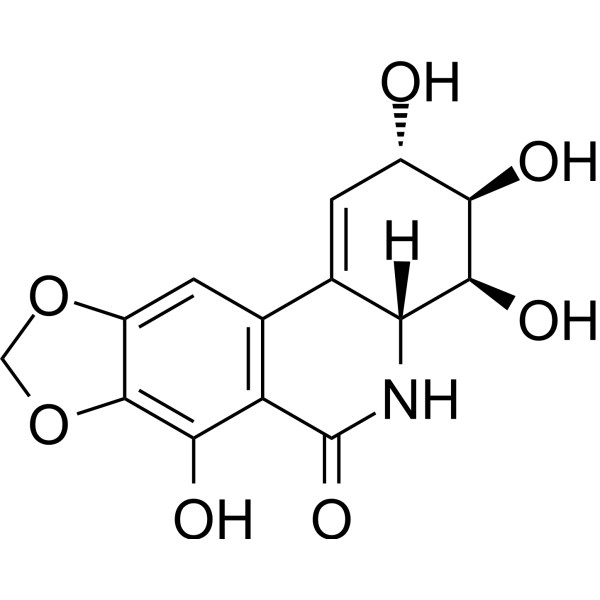
-
Afuresertib
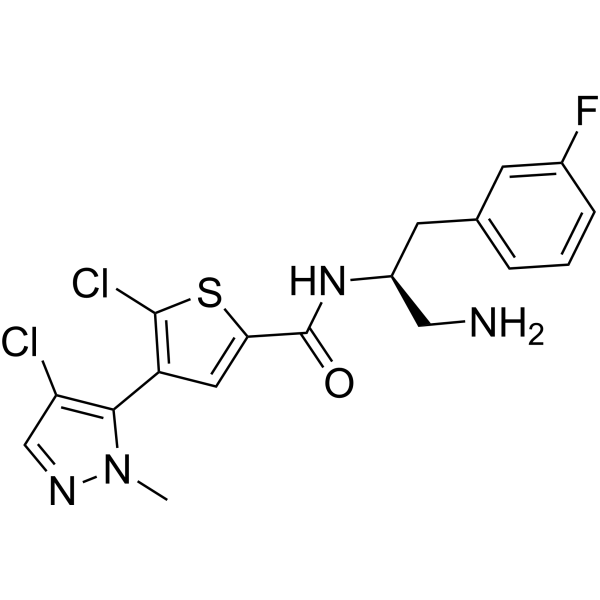 0 ImagesSynonyms: GSK2110183; LAE002Afuresertib (GSK2110183) is an orally bioavailable, selective, ATP-competitive and potent pan-Akt kinase inhibitor with Kis of 0.08/2/2.6 nM for Akt1/Akt2/Akt3, respectively.
-
Netarsudil
 0 ImagesSynonyms: AR-13324Netarsudil (AR-13324) is a competitive inhibitor of Rho-associated protein kinases (ROCK I and ROCK II) and a reversible inhibitor of the norepinephrine transporter (NET). Netarsudil reduces intraocular pressure by inhibiting ROCK, causing relaxation of trabecular meshwork cells and dilation of episcleral veins, thereby increasing the ease of aqueous humor outflow, while inhibiting NET to reduce aqueous humor production. Netarsudil is mainly used in the study of ocular hypertension and primary open-angle glaucoma.
-
Zelasudil
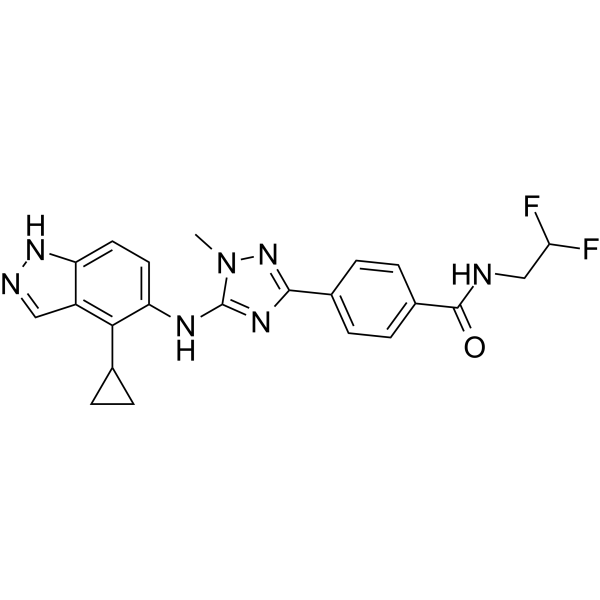 0 ImagesSynonyms: RXC007Zelasudil (RXC007) is an orally active, highly selective small molecule Rho-associated coiled-coil containing protein kinase 2 (ROCK2) inhibitor with anti-fibrotic efficacy. Zelasudil elicits positive immunomodulatory effects in metastatic pancreatic tumors with increase of CD8+ and CD4+ T cell infiltrate into the tumor cortex and reduction in immunosuppressive FOXP3+ regulatory T cells at the tumor border. Zelasudil is promising for research of pancreatic ductal adenocarcinoma.
-
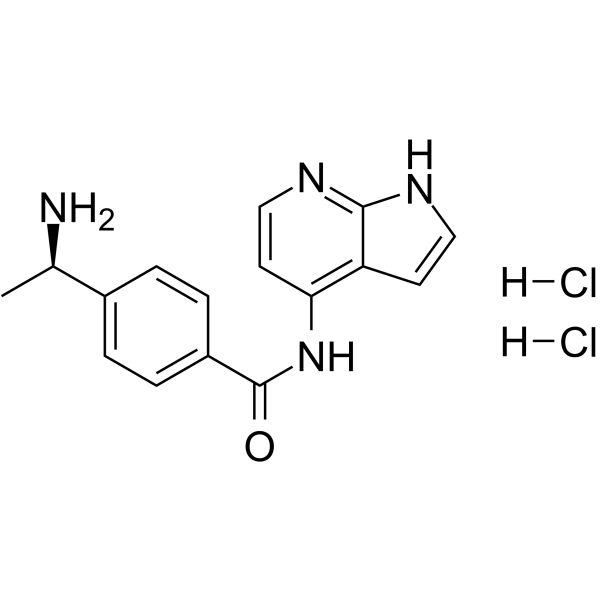
Netarsudil hydrochloride
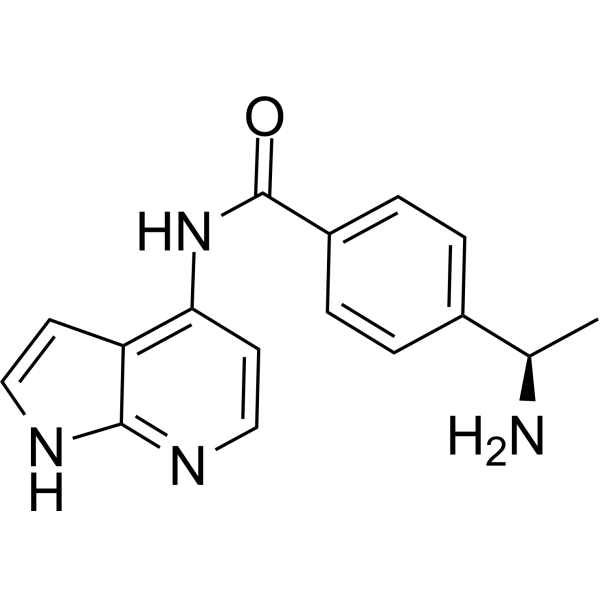
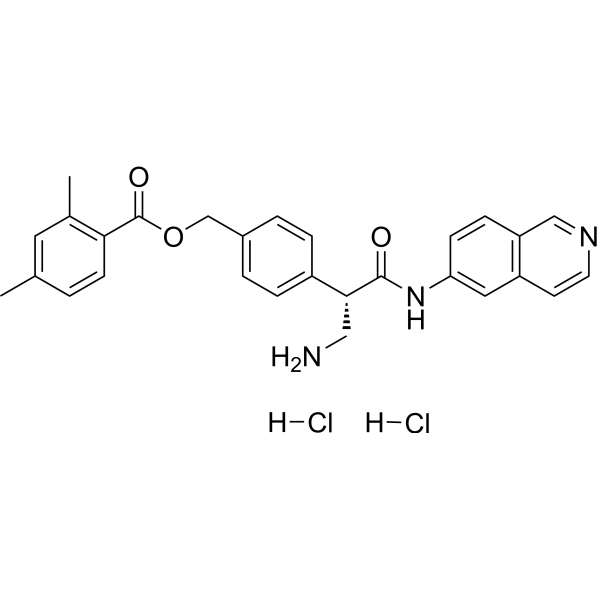 0 ImagesSynonyms: AR-13324 hydrochlorideNetarsudil (AR-13324) hydrochloride is a competitive inhibitor of Rho-associated protein kinases (ROCK I and ROCK II) and a reversible inhibitor of the norepinephrine transporter (NET). Netarsudil hydrochloride reduces intraocular pressure by inhibiting ROCK, causing relaxation of trabecular meshwork cells and dilation of episcleral veins, thereby increasing the ease of aqueous humor outflow, while inhibiting NET to reduce aqueous humor production. Netarsudil hydrochloride is mainly used in the study of ocular hypertension and primary open-angle glaucoma.
-
Netarsudil dimesylate
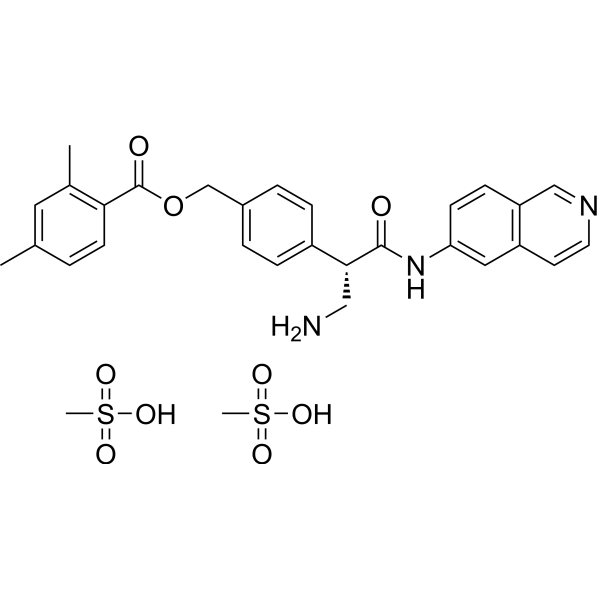 0 ImagesSynonyms: AR-13324 dimesylateNetarsudil (AR-13324) dimesylate is a competitive inhibitor of Rho-associated protein kinases (ROCK I and ROCK II) and a reversible inhibitor of the norepinephrine transporter (NET). Netarsudil dimesylate reduces intraocular pressure by inhibiting ROCK, causing relaxation of trabecular meshwork cells and dilation of episcleral veins, thereby increasing the ease of aqueous humor outflow, while inhibiting NET to reduce aqueous humor production. Netarsudil dimesylate is mainly used in the study of ocular hypertension and primary open-angle glaucoma.
-
AR-13503
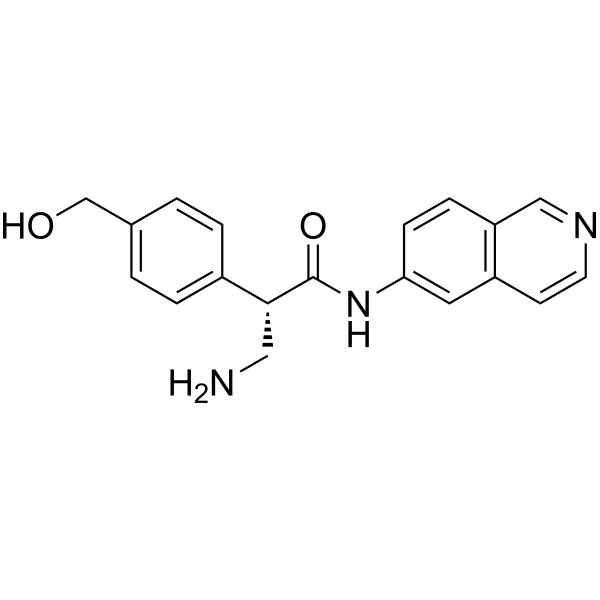 0 ImagesSynonyms: AR-13324 M1 metaboliteAR-13503 (AR-13324 M1 metabolite) is the hydrolytic metabolite of AR-13324 mesylate. AR-13324 is a ROCK kinase and PKC inhibitor with anti-angiogenic and retinal health-improving effects, showing potential for use in retinal disease research.
-
Thiazovivin (GMP)
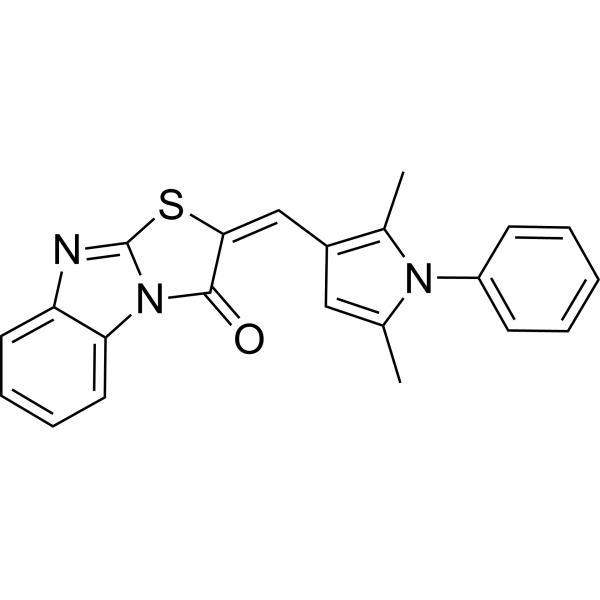
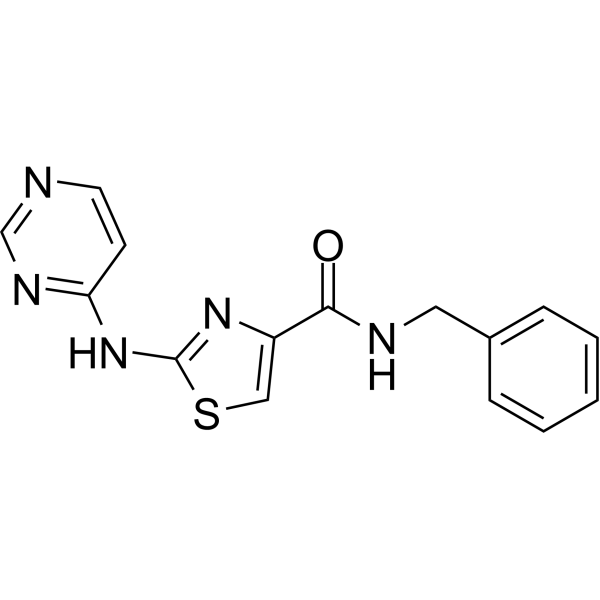 0 ImagesCat. No.: HY-13257GCAS No.: 1226056-71-8Thiazovivin (GMP) is Thiazovivin (HY-13257) produced by using GMP guidelines. GMP small molecules work appropriately as an auxiliary reagent for cell therapy manufacture. Thiazovivin is a potent ROCK inhibitor.
-
Khasianine
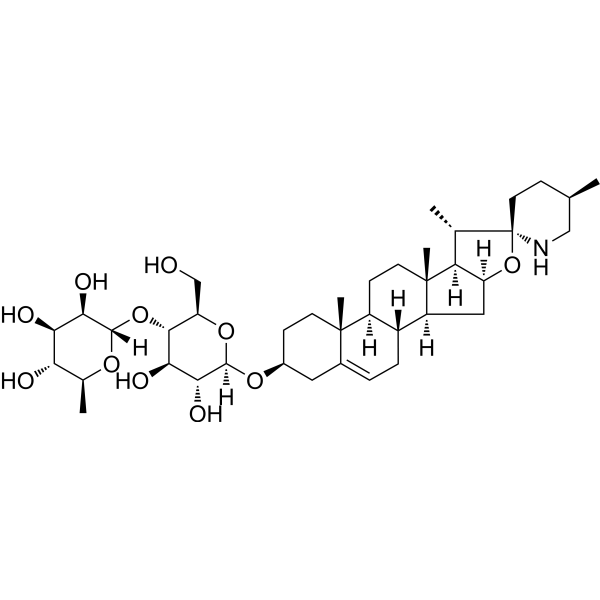 0 ImagesKhasianine is a steroidal glycoalkaloid. Khasianine alleviates psoriasis-like skin inflammation by inhibiting the TNF-α/NF-κB axis. Khasianine can downregulate the RhoA pathway and exhibits potential antimetastatic activity. Khasianine upregulates the expression of TNFR I and TNFR II without inducing apoptotic effects. Khasianine can be used in studies related to psoriasis, pancreatic ductal adenocarcinoma, and liver cancer.
-
3-(4-Pyridyl)indole
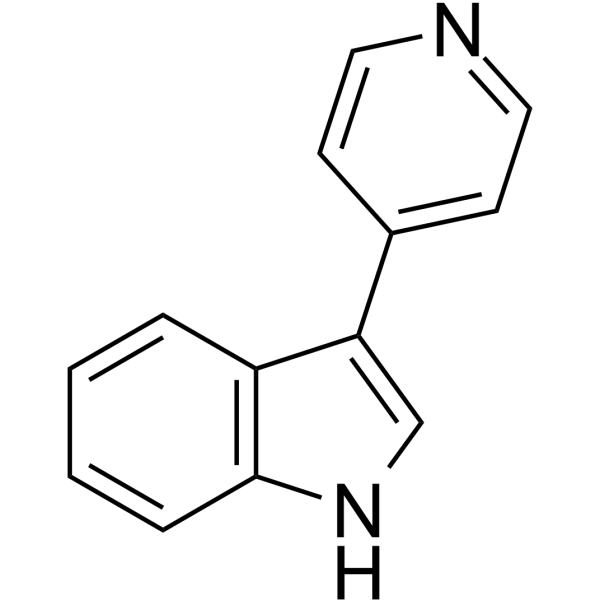 0 ImagesSynonyms: Rockout; 3-(4-Pyridinyl)-1H-indole; Rho Kinase Inhibitor III, Rockout3-(4-Pyridyl)indole (Rockout; 3-(4-Pyridinyl)-1H-indole; Rho Kinase Inhibitor III, Rockout) is a Rho-kinase inhibitor (IC50 = 25 μM). 3-(4-Pyridyl)indole inhibits cell migration, membrane blebbing, and stress fiber and focal adhesion formation, and induces actin stress fiber disassembly. 3-(4-Pyridyl)indole promotes cell spreading and alters cell morphology and dynamics. 3-(4-Pyridyl)indole inhibits PRK2. 3-(4-Pyridyl)indole is used in wound healing research.
-
Fimosudil hydrochloride
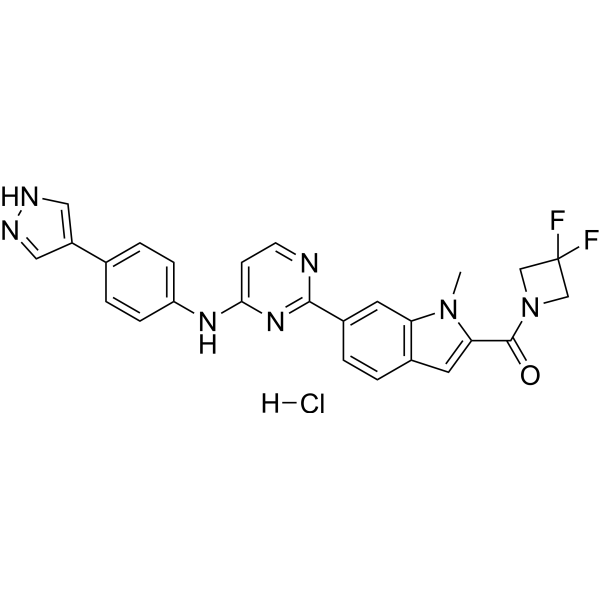 0 ImagesSynonyms: ROCK2-IN-6 hydrochlorideFimosudil (ROCK2-IN-6) (Comp A) hydrochloride is a selective ROCK2 inhibitor, can be used for ROCK mediated diseases, autoimmune diseases and inflammation research.



