VD/VDR
Vitamin D; Vitamin D receptor
Vitamin D is a secosteroidalprohormone, it can be synthesized at sufficient levels in skin, given adequate skin exposure to UV B radiation from sunlight. Vitamin D modulates its biological effects by directly regulating target gene expression through the Vitamin D receptor (VDR), a ligand-regulated transcription factor and a member of the nuclear receptor superfamily. Whether synthesized in the skin or ingested, vitamin D requires two hydroxylation steps to become the biologically active hormone, 1,25-dyhydroxyvitamin D3 [1,25(OH)2D3], a form that signals through the VDR. The hormone-bound VDR modulates target gene transcription in response to vitamin D. VDR acts as a master transcriptional regulator of autophagy. Activation of the VDR by vitamin D induces autophagy and an autophagic transcriptional signature in breast cancer (BC) cells.
There are 2 forms of vitamin D. Vitamin D2 (ergocalciferol) comes from irradiation of the yeast and plant sterol ergosterol, and vitamin D3 (cholecalciferol) is found in oily fish and cod liver oil and is made in the skin. Vitamin D represents vitamin D2 and vitamin D3.
Topical agents containing active vitamin D3 (calcitriol, 1α, 25- dihydroxyvitaminD3, VD3) analogues such as Tacalcitol, Calcipotriol and Maxacalcitol are widely used for psoriasis therapy.
All Product Categories
-
VD/VDR Inhibitors
(5)
View all products
-
VD/VDR Agonists
(22)
View all products
-
VD/VDR Antagonists
(15)
View all products
-
VD/VDR Activators
(59)
View all products
-
VD/VDR Modulators
(8)
View all products
-
VD/VDR Chemicals
(3)
View all products
-
VD/VDR Controls
(2)
View all products
-
VD/VDR Ligands
(7)
View all products
-
VD/VDR Related Products (164)
Related Products (164)

-
Antibodies (3)
-
Seocalcitol
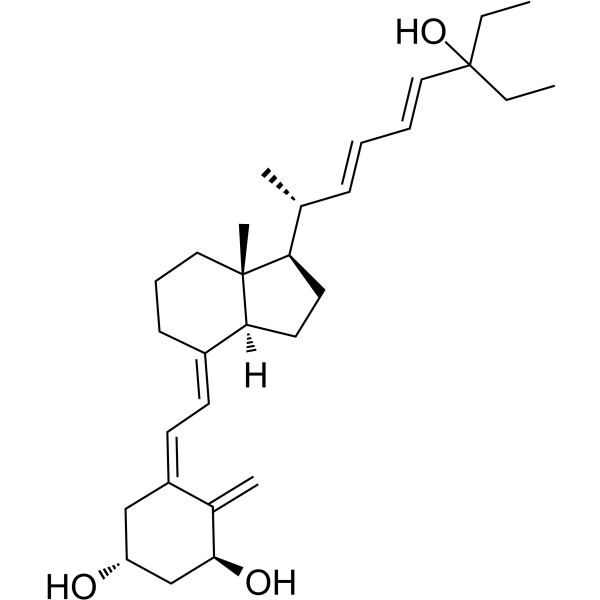 0 ImagesSynonyms: EB 1089Seocalcitol is a vitamin D analog, binds vitamin D receptor protein from human osteosarcoma MG-63 cells with Kd of 0.27 nM.
-
Calcifediol-d6
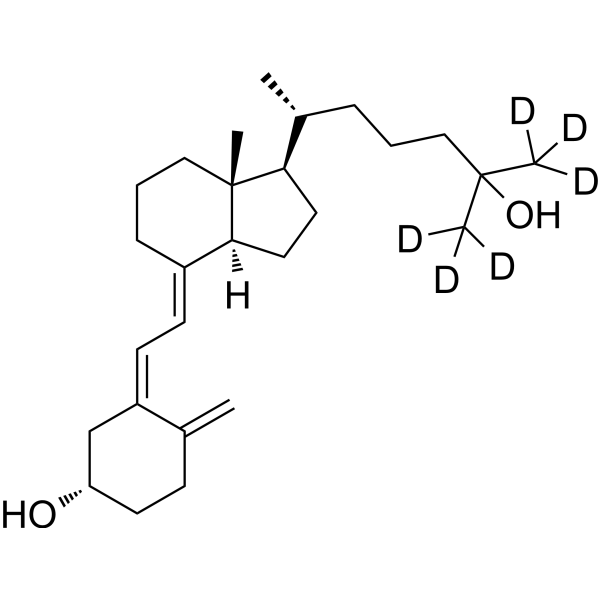 0 ImagesSynonyms: 25-hydroxy Vitamin D3-d6Calcifediol-d6 is the deuterium labeled Calcifediol. Calcifediol, a major circulating metabolite of vitamin D3, is a potent VDR ligand.
-
Doxercalciferol
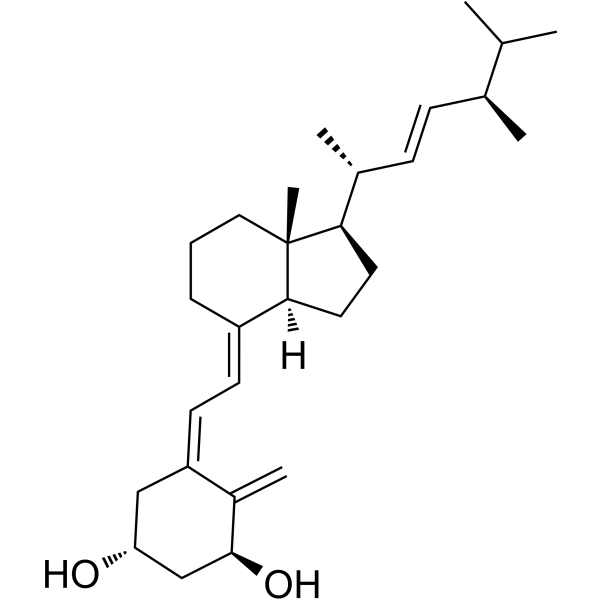 0 ImagesSynonyms: 1.alpha.-Hydroxyvitamin D2Doxercalciferol is a Vitamin D2 analog, acts as an activator of Vitamin D receptor, and prevent renal disease.
-
TEI-9647
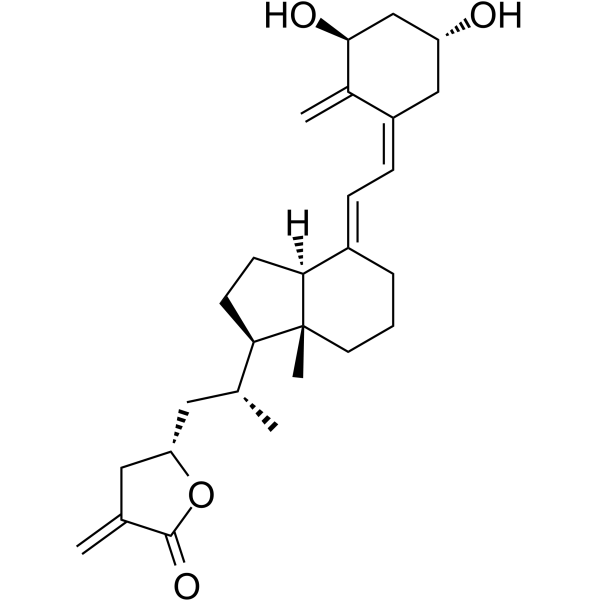 0 ImagesTEI-9647, a Vitamin D3 Lactone analogue, is a potent and specific vitamin D receptor (VDR) antagonist. TEI-9647 inhibits VDR/VDRE-mediated genomic actions of 1α,25(OH)2D3. TEI-9647 inhibits bone resorption and HL-60 cell differentiation induced by of 1α,25(OH)2D3. TEI-9647 has the potential for suppressing the excessive bone resorption and osteoclast formation in Paget's disease.
-
Inecalcitol
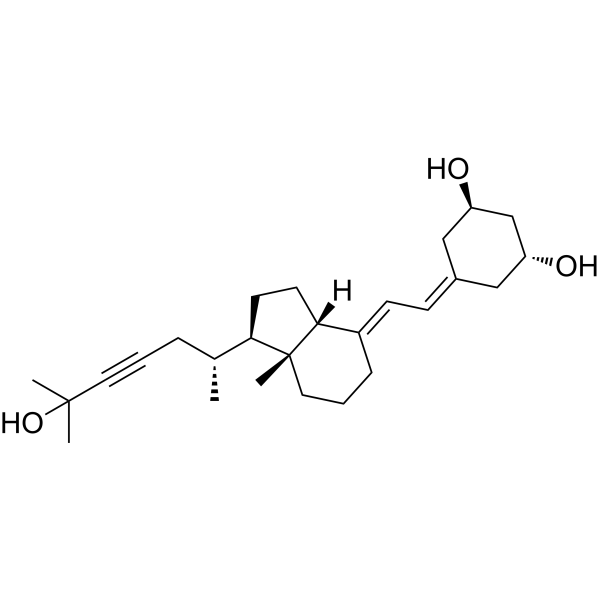 0 ImagesSynonyms: TX 522Inecalcitol (TX 522), a unique vitamin D3 analog, is an orally active vitamin D receptor (VDR) agonist with a Kd of 0.53 nM. Inecalcitol can induce cell apoptosis and has potent anticancer activities. Inecalcitol is a click chemistry reagent, it contains an Alkyne group and can undergo copper-catalyzed azide-alkyne cycloaddition (CuAAc) with molecules containing Azide groups.
-
Vitamin D3 (Standard)
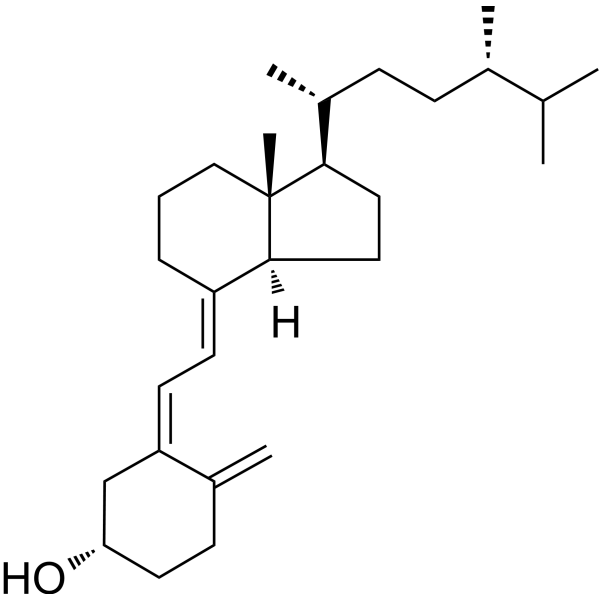
 0 ImagesSynonyms: Cholecalciferol (Standard); Colecalciferol (Standard)Vitamin D3 (Standard) is the analytical standard of Vitamin D3. This product is intended for research and analytical applications. Vitamin D3 (Cholecalciferol; Colecalciferol) is a naturally occuring form of vitamin D. Vitamin D3 induces cell differentiation and prevents proliferation of cancer cells.
-
PS121912
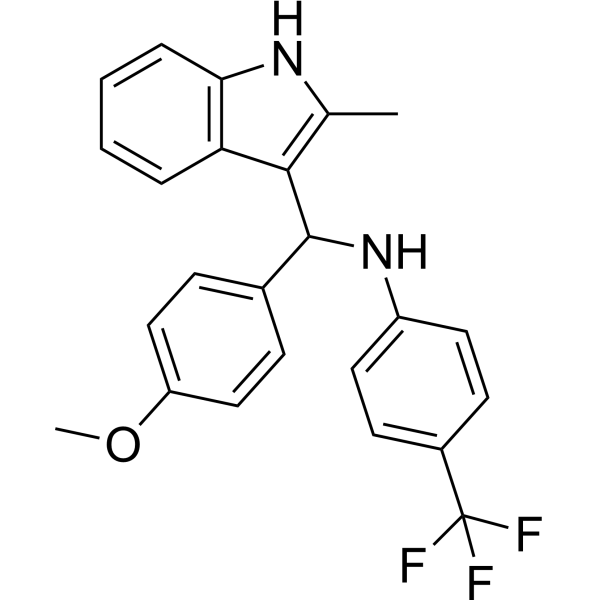 0 ImagesCat. No.: HY-103053CAS No.: 1529814-60-5PS121912 is a selective vitamin D receptor (VDR)-coregulator inhibitor. PS121912 has acceptable metabolic stability in vivo. PS121912 can be used for the research of cancer.
-
3-O-(2-Aminoethyl)-25-hydroxyvitamin D3
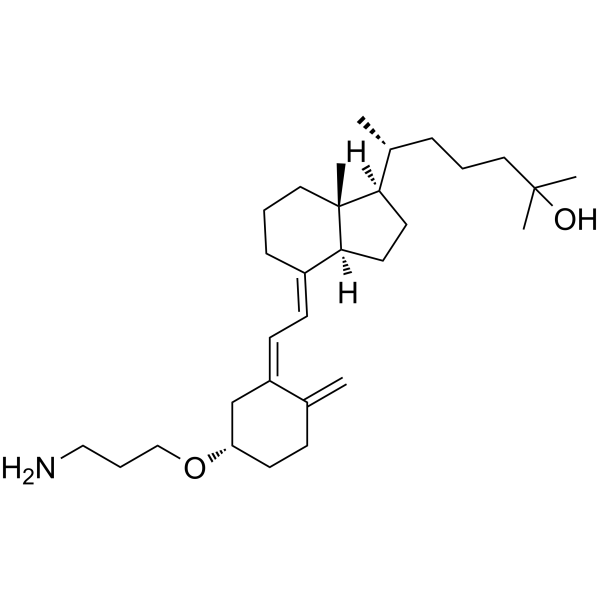 0 ImagesSynonyms: 25-Hydroxy Vitamin D3 3,3’-Aminopropyl Ether3-O-(2-Aminoethyl)-25-hydroxyvitamin D3 is a Vitamin D3 derivative.
-
(1S)-Calcitriol
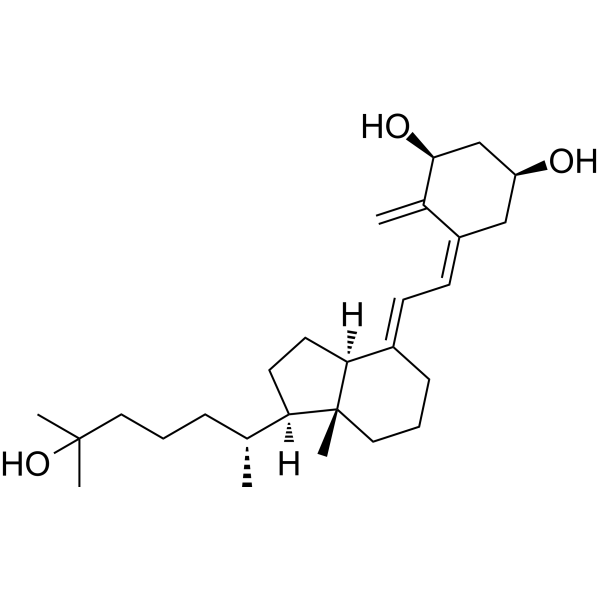 0 ImagesSynonyms: 1α,25-Dihydroxy-3-epi-vitamin-D3(1S)-Calcitriol (1α,25-Dihydroxy-3-epi-vitamin-D3) is a natural metabolite of 1α,25-dihydroxyvitamin D3 (1α,25(OH)2D3). (1S)-Calcitriol exhibits potent vitamin D receptor (VDR)-mediated actions such as inhibition of keratinocyte growth or suppression of parathyroid hormone secretion.
-
ZK159222
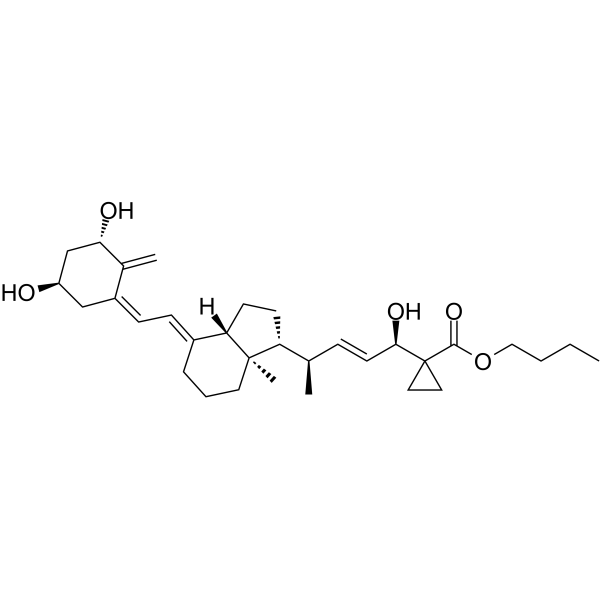 0 ImagesZK159222, a 25-carboxylic ester analogue of 1α,25-(OH)2D3, is a potent 1α,25-(OH)2D3 receptor (VDR) antagonist. The mechanism of ZK159222 antagonistic action is mediated by a lack of ligand-induced vitamin D receptor interaction with coactivators. ZK159222 has a partial agonistic character.
-
TEI-9648
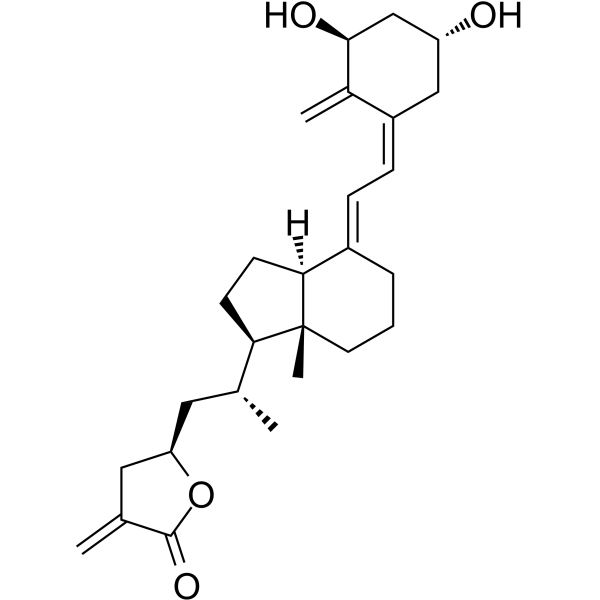 0 ImagesTEI-9648, a Vitamin D3 Lactone analogue, is a potent and specific vitamin D receptor (VDR) antagonist. TEI-9648 inhibits VDR/VDRE-mediated genomic actions of 1α,25(OH)2D3. TEI-9648 also inhibits HL-60 cell differentiation induced by of 1α,25(OH)2D3. TEI-9648 has the potential for bone metabolism research.
-
Calcifediol monohydrate
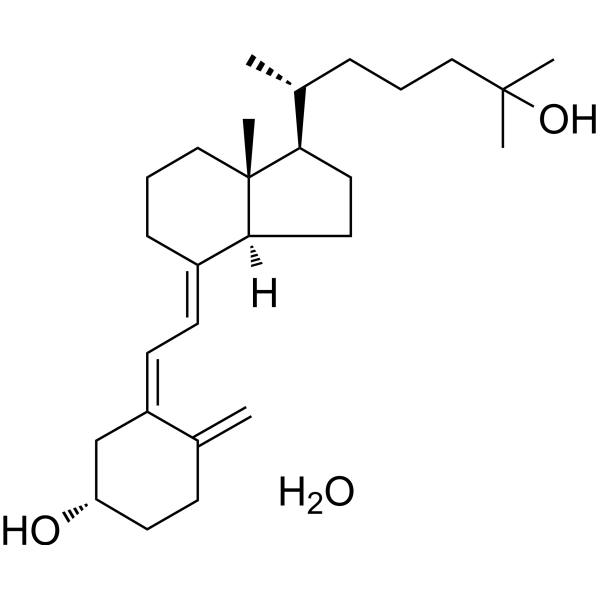 0 ImagesSynonyms: 25-hydroxy Vitamin D3 monohydrateCalcifediol monohydrate (25-hydroxy Vitamin D3 monohydrate), is an effective VDR ligand and VD supplement. Calcifediol is a prohormone of the vitamin D endocrine system (VDES) and is hydroxylated in the liver to produce the active form, calcitriol. Calcifediol can rapidly increase serum VD levels.
-
5,6-trans-Vitamin D3
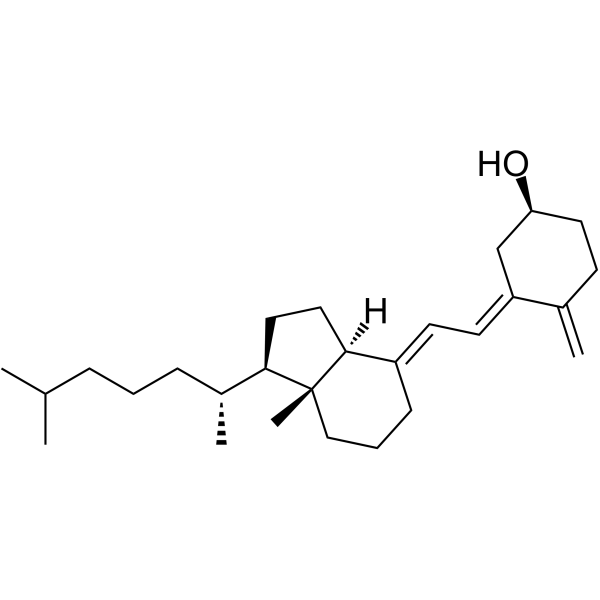 0 ImagesSynonyms: 5,6-trans-Cholecalciferol; 5,6-trans-Colecalciferol; Cholecalciferol EP Impurity A5,6-trans-Vitamin D3 (5,6-trans-Cholecalciferol;5,6-trans-Colecalciferol) is a photoproduct of vitamin D3. Vitamin D3 is a naturally occuring form of vitamin D. Vitamin D3 induces cell differentiation and prevents proliferation of cancer cells.
-
25-Hydroxytachysterol3
 0 Images25-Hydroxytachysterol3 is the metabolite of Vitamin D3 (HY-15398). 25-Hydroxytachysterol3 inhibits the proliferation of epidermal keratinocytes and dermal fibroblasts, stimulates the expression of differentiation- and antioxidant-related genes in keratinocytes. 25-Hydroxytachysterol3 activates vitamin D receptor (VDR) and aryl hydrocarbon receptor (AhR), liver X receptor α/β (LXR α/β) and peroxisome proliferator-activated receptor γ (PPARγ), stimulates the expression of CYP24A1.
-
Calcitetrol
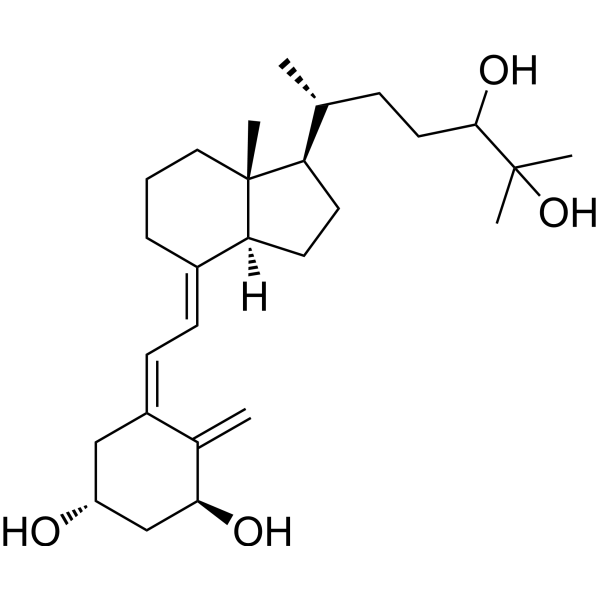 0 ImagesSynonyms: 1α, 24, 25-Trihydroxy VD3Calcitetrol (1α, 24, 25-Trihydroxy VD3), a Vitamin D3 (HY-15398) metabolite, is the hormonally active form of vitamin D. Calcitetrol participates in regulation of Treg cells. Calcitetrol can be used for the research of Toxoplasma gondii infection.
-
Calcitriol (Standard)
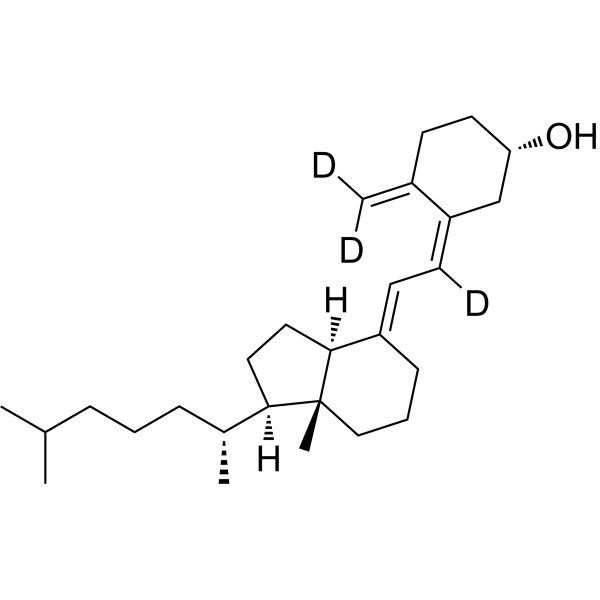
 0 ImagesSynonyms: 1,25-Dihydroxyvitamin D3 (Standard)Calcitriol (Standard) is the analytical standard of Calcitriol. This product is intended for research and analytical applications. Calcitriol is the most active metabolite of vitamin D and also a vitamin D receptor (VDR) agonist.
-
(24S)-24,25-Dihydroxyvitamin D3
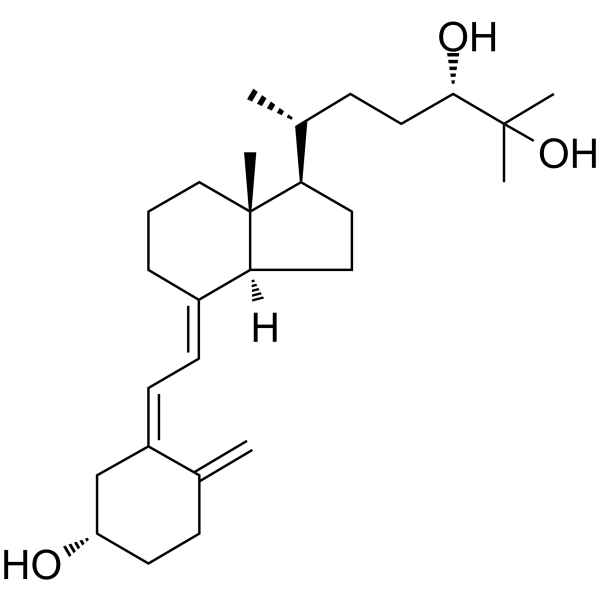 0 ImagesCat. No.: HY-15439CAS No.: 55700-58-8Synonyms: (24S)-24,25-Dihydroxycholecalciferol(24S)-24,25-Dihydroxyvitamin D3 ((24S)-24,25-Dihydroxycholecalciferol) is an inactive form of vitamin D3 which undergoes various levels of hydroxylation to form active vitamin D3 analogs.