



Galectin
Galectins comprise a family of soluble β-galactoside binding proteins, which regulate key biological processes including cell growth, differentiation, apoptosis, and immune responses.
Sixteen galectin genes have been identified in animal kingdoms, 12 of which are expressed in humans. Galectins are usually classified into three groups based on their structure: (i) prototypical galectins (galectin-1 (Gal1), Gal2, Gal5, Gal7, Gal10, Gal11, Gal 13, Gal14, and Gal15), characterized by a single CRD, which can act as monomers or form homodimers; (ii) the chimeric galectin Gal3 (the only member of this class), with a single CRD and a large amino-terminal domain that facilitates the formation of oligomers; (iii) the tandem repeat galectins, with two CRDs that are linked through a small peptide domain; this group includes Gal4, Gal6, Gal8, Gal9, and Gal12. Recently, Galectins have been implicated as major therapeutic determinants that confer sensitivity or resistance to a wide range of anticancer modalities including chemotherapy, radiotherapy, targeted therapies, antiangiogenic therapies, and immunotherapies.
Galectin Isoform Specific Products
All Product Categories
-
Galectin Related Products (50)
Related Products (50)

-
Antibodies (7)
-
Galectin Isoform Comparison
-
Galectin-3/galectin-8-IN-1
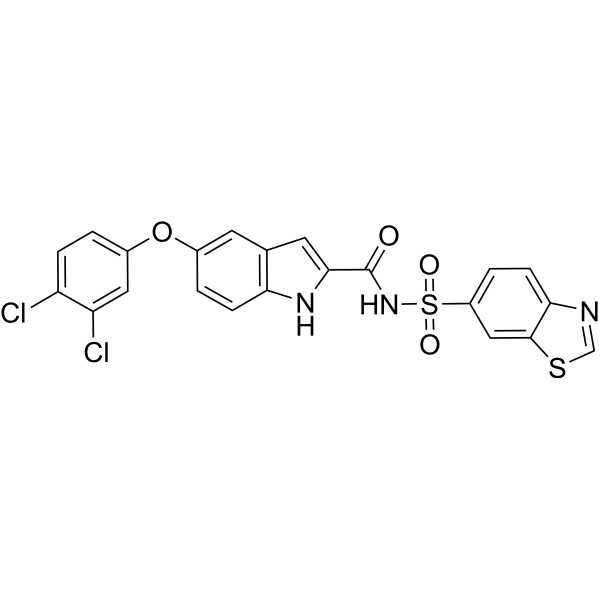 0 ImagesGalectin-3/galectin-8-IN-1 (Compound 53) is a dual Galectin-3 and galectin-8 C-terminal domain inhibitor, with Kd values of 4.12 μM and 6.04 μM respectively. Galectin-3/galectin-8-IN-1 inhibits the MRC-5 lung fibroblast cells migration. Galectin-3/galectin-8-IN-1 can be used for research of cancer and tissue fibrosis.
-
GB2095
 0 ImagesGB2095 is an orally active and selective galectin-3 inhibitor. GB2095 shows superior selectivity for both human (KD = 0.036 μM) and mouse galectin-3 (KD = 0.35 μM) over other galectins (such as h-Gal-1/4N/4C/8N/8C/9N/9C and m-galectin-1). GB2095 inhibits tumor growth in syngeneic mouse models of breast and melanoma cancers. GB2095 can be used for breast and melanoma cancer research.
-
Thiobis-β-Galactose-propyne
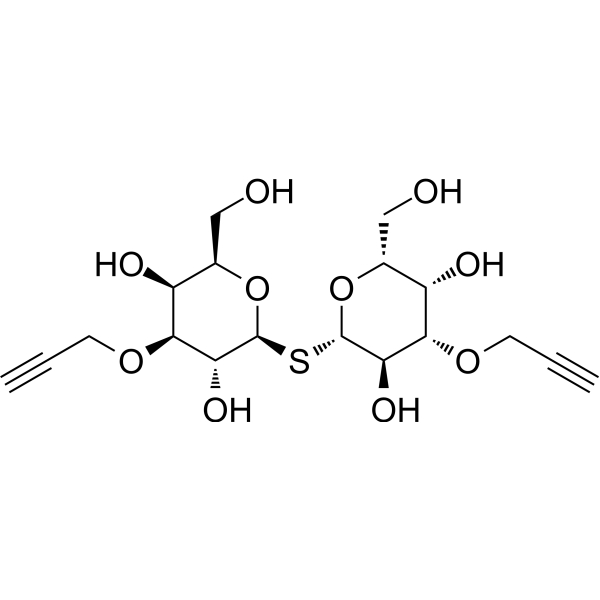 0 ImagesThiobis-β-Galactose-propyne is an effective multivalent galectin-3 (Gal-3) inhibitor. Galectin-3 is involved in many metabolism processes related to cancer. Galectin-3-IN-1 is a click chemistry reagent. It contains an alkyne group that can undergo a copper-catalyzed azide-alkyne cycloaddition (CuAAc) reaction with molecules that have an azide group.
-
DB21, Galectin-1 Antagonist
 0 ImagesCat. No.: HY-P10010CAS No.: 1623027-80-4DB21, Galectin-1 Antagonist is a dibenzofuran conjugated peptidomimetic that acts as an allosteric inhibitor of galectin-1 (GAL1)binding to cell surface glycans. DB21, Galectin-1 Antagonis increases inhibition of angiogenesis and tumour growth in melanoma, lung adenocarcinoma and ovarian cancer models.
-
PST3.1a
 0 ImagesPST3.1a is an orally active and brain-penetrant N-acetylglucosamine glycosyltransferase (MGAT5) inhibitor with a human IC50 of 2 µM. PST3.1a inhibits TGFβR and FAK signaling pathway activity. PST3.1a alters β1,6-GlcNAc N-glycans and microtubule/microfilament integrity, increases OLIG2 expression, and inhibits proliferation, migration, invasiveness, and clonogenic capacities of glioblastoma initiating cells. PST3.1a reduces invasive and proliferative capacity of glioblastoma initiating cells in orthotopic graft models, increases overall survival of orthotopic graft model mice. PST3.1a blunts MGAT5 overexpression, decreases renal fibrosis via collagen 1, collagen 4, and galectin 3 downregulation in a rat chronic kidney disease model. PST3.1a can be used for the research of glioblastoma multiforme and chronic kidney disease.
-
G3-C12 TFA
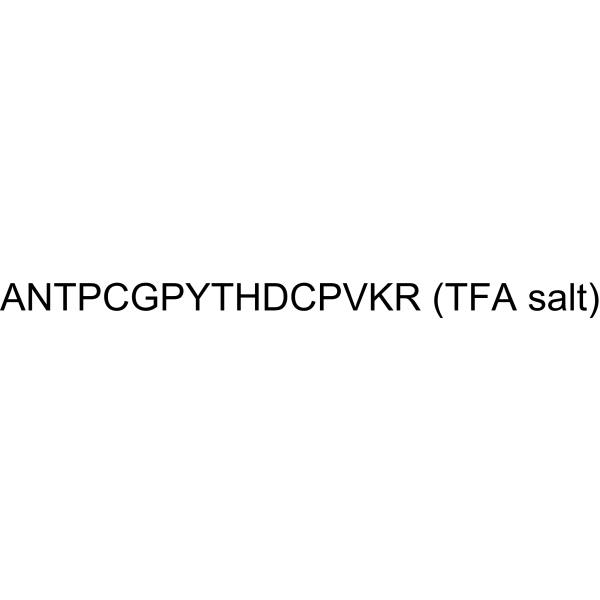 0 ImagesCat. No.: HY-P1592APurity: 99.44%G3-C12 (TFA) is a galectin-3 binding peptide, with Kd of 88 nM, and shows anticancer activity.
-
(2S)-Selvigaltin
 0 ImagesCat. No.: HY-147041APurity: 99.46%Synonyms: (2S)-GB1211(2S)-Selvigaltin is the S-enantiomer of Selvigaltin (HY-147041). Selvigaltin is an orally active galectin-3 (Gal-3) inhibitor.
-
GB1490
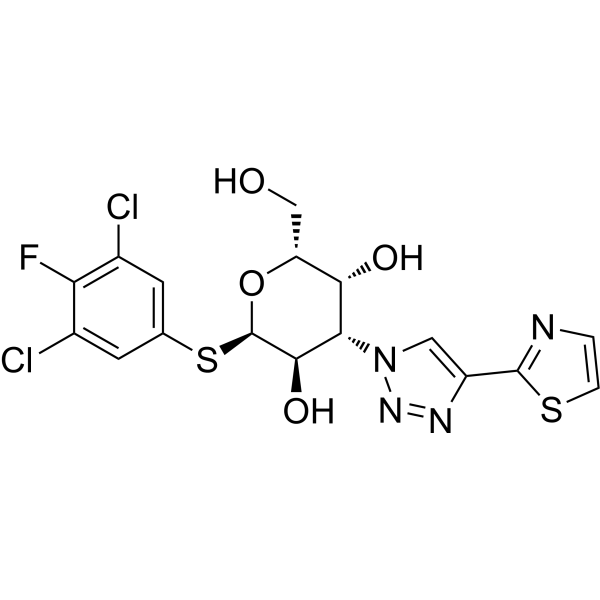 0 ImagesGB1490 is an orally active galectin inhibitor with Kd values of 0.4 μM and 2.7 μM for galectin-1 and galectin-3, respectively.
-
N-Acetyllactosamine (Standard)
 0 ImagesCat. No.: HY-126854RCAS No.: 32181-59-2Synonyms: N-Acetyl-D-lactosamine (Standard)N-Acetyllactosamine (Standard) is the analytical standard of N-Acetyllactosamine. This product is intended for research and analytical applications. N-Acetyllactosamine (N-Acetyl-D-lactosamine), a nitrogen-containing disaccharide, is a galectin-3 inhibitor, which is an important component of various oligosaccharides such as glycoproteins and sialyl Lewis X. N-Acetyllactosamine can be used as the starting material for the synthesis of various oligosaccharides. N-Acetyllactosamine has prebiotic effects[1][2][3][4].
-
Galectin-4-IN-3
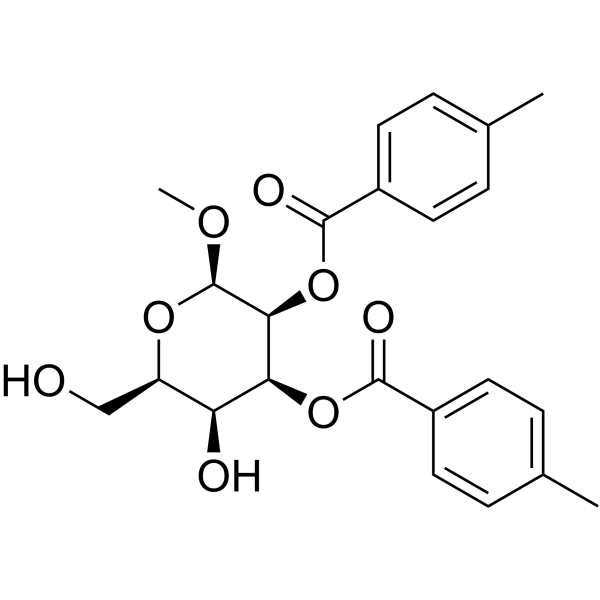 0 ImagesCat. No.: HY-157821CAS No.: 1044566-26-8Galectin-4-IN-3 (Compound 11) is a Galectin 4C inhibitor, with a Kd of 160 μM.
-
Galectin-3/galectin-8-IN-2
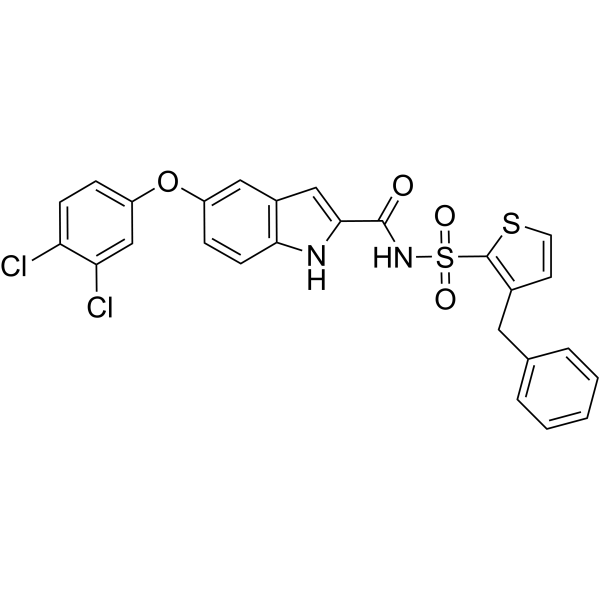 0 ImagesCat. No.: HY-155192Galectin-3/galectin-8-IN-2 (Compound 57) is a dual Galectin-3 and galectin-8 C-terminal domain inhibitor, with Kd values of 12.8 μM and 2.06 μM respectively. Galectin-3/galectin-8-IN-2 inhibits the MRC-5 lung fibroblast cells migration. Galectin-3/galectin-8-IN-2 can be used for research of cancer and tissue fibrosis.
-
Galectin-8-IN-2
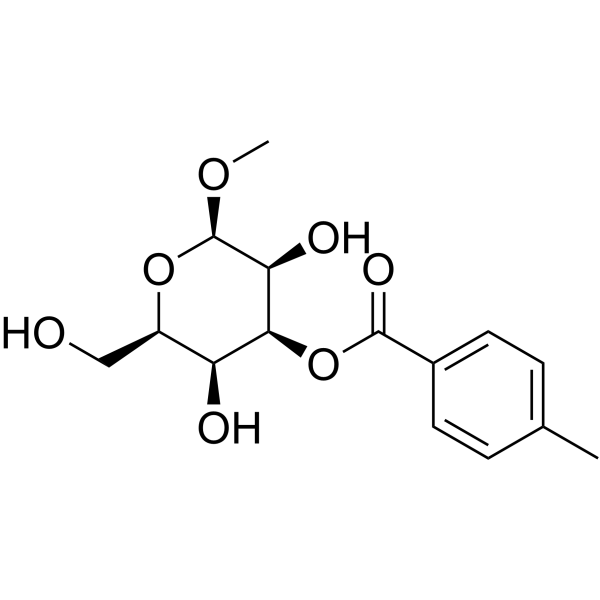 0 ImagesCat. No.: HY-157822CAS No.: 1044566-24-6Galectin-8-IN-2 (Compound 10) is a galectin-8N inhibitor.
-
Dual Galectin-3/EGFR-IN-1
 0 ImagesCat. No.: HY-170543Dual Galectin-3/EGFR-IN-1 (Compound 29) is the dual inhibitor for Galectin-3 and EGFR with the KD of 52.29 μM and 3.31 μM. Dual Galectin-3/EGFR-IN-1 inhibits TGF-β-induced hepatic stellate cell (HSCs) activation, induces apoptosis in LX-2 cell, and exhibits anti-liver fibrotic efficacy.
-
Galectin-3-IN-7
 0 ImagesCat. No.: HY-179410Galectin-3-IN-7 is a selective Galectin-3 inhibitor with a Kd of 5.7 nM and shows 390-fold selectivity over Gal-1. Galectin-3-IN-7 can downregulate profibrotic signaling such as ACTA2, COL1A2, and FN1 in TGFβ-stimulated LX2 hepatic stellate cells. Galectin-3-IN-7 can be used for the research of fibrosis.
-
Galectin-8-IN-1
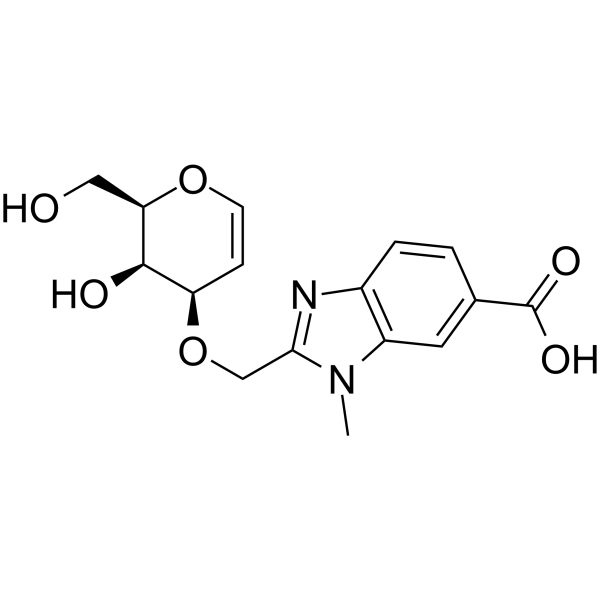 0 ImagesCat. No.: HY-139831CAS No.: 3028946-23-5Galectin-8-IN-1 is a selective ligand for the galectin-8 N-terminal domain (galectin-8N), with a Kd of 48 μM and 15-fold selectivity over galectin-3 and even better selectivity over the other mammalian galectins.
-
Galectin-4-IN-2
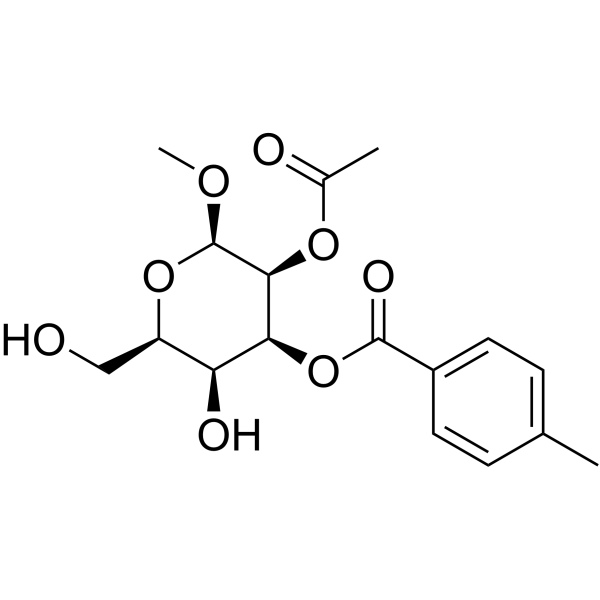 0 ImagesCat. No.: HY-157820CAS No.: 1044566-28-0
-
GB1841
 0 ImagesCat. No.: HY-183582CAS No.: 2573135-33-6GB1841 is an orally active and selective galectin inhibitor with human galectin-1 Kd of 0.027 μM, human galectin-3 Kd of 0.14 μM, mouse galectin-1 Kd of 0.034 μM and mouse galectin-3 Kd of 1.170 μM. GB1841 can be used for the research of lung cancer.
-
Apoptosis inducer 8
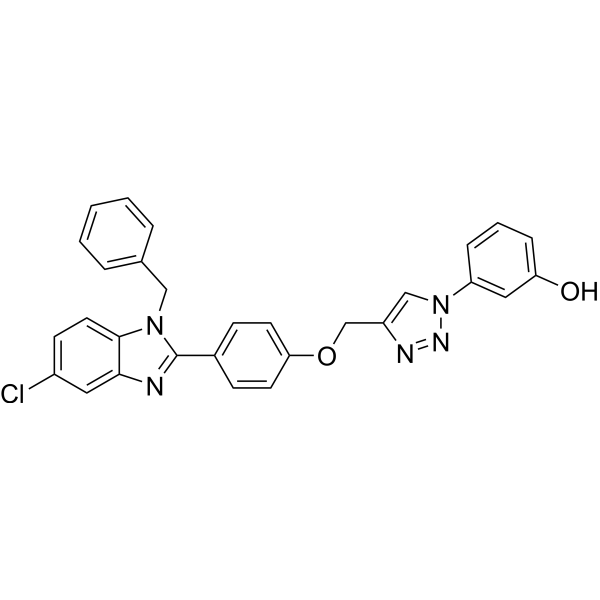 0 ImagesCat. No.: HY-147865CAS No.: 2470024-51-0Apoptosis inducer 8 (Compound 7c) is a galectin-1 (gal-1) mediated apoptosis-inducing agent against global major leading lung cancer burden. Apoptosis inducer 8 significantly reduced the gal-1 protein level. Apoptosis inducer 8 is also a PET imaging agent.
-
Galectin-3-IN-4
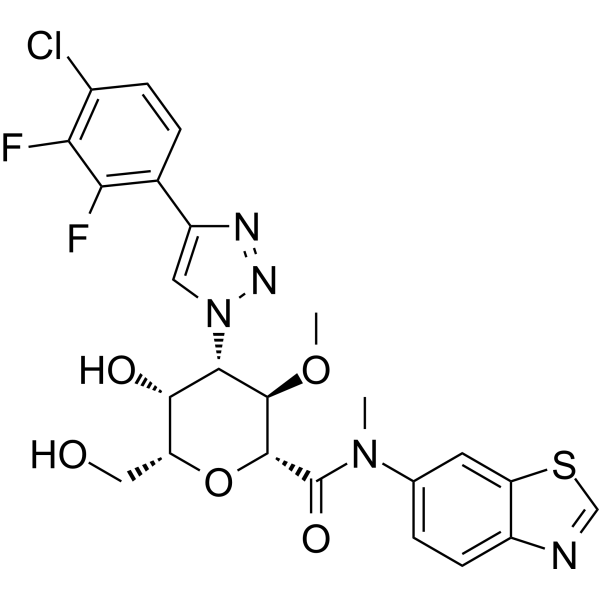 0 ImagesCat. No.: HY-163407CAS No.: 2496515-38-7Galectin-3-IN-4 (compound 5) is a carboxamide analog. Galectin-3-IN-4 is a potent, selective, and orally bioavailable inhibitor of human and mouse galectin-3, with IC50 values of 21 and 167 nM for hGal-3 and mGal-3, respectively. Galectin-3-IN-4 has IC50 values of 1580 and 2750 nM for hGal-1 and hGal-9, respectively.
-
HFB200901
 0 ImagesCat. No.: HY-P992366HFB200901 is a galectin LGALS9 inhibitor and immunostimulant that can be used in studies related to pancreatic adenocarcinoma, pancreatic intraepithelial neoplasia, KRASG12C-mutant colon cancer, and prostate cancer. HFB200901 disrupts the LGALS9/TIM-3 axis, while blocking the internalization and vacuolization of recombinant LGALS9. HFB200901 reduces the proportion of regulatory T cells (Treg) and enhances dendritic cell activation, thereby inducing polyfunctional and memory CD8+ T cell responses. HFB200901 inhibits the progression of pancreatic neoplastic lesions and effectively improves the efficacy of PSMA-based vaccination.




