mAChR
Muscarinic acetylcholine receptor
mAChRs (muscarinic acetylcholine receptors) are acetylcholine receptors that form G protein-receptor complexes in the cell membranes of certainneurons and other cells. They play several roles, including acting as the main end-receptor stimulated by acetylcholine released from postganglionic fibersin the parasympathetic nervous system. mAChRs are named as such because they are more sensitive to muscarine than to nicotine. Their counterparts are nicotinic acetylcholine receptors (nAChRs), receptor ion channels that are also important in the autonomic nervous system. Many drugs and other substances (for example pilocarpineand scopolamine) manipulate these two distinct receptors by acting as selective agonists or antagonists. Acetylcholine (ACh) is a neurotransmitter found extensively in the brain and the autonomic ganglia.
mAChR Isoform Specific Products
All Product Categories
-
mAChR Inhibitors
(115)
View all products
-
mAChR Agonists
(147)
View all products
-
mAChR Antagonists
(320)
View all products
-
mAChR Activators
(20)
View all products
-
mAChR Modulators
(48)
View all products
-
mAChR Inducer
(1)
View all products
-
mAChR Controls
(9)
View all products
-
mAChR Ligands
(10)
View all products
-
mAChR Related Products (722)
Related Products (722)

-
Antibodies (2)
-
mAChR Isoform Comparison
-
Xanomeline-d3
 0 ImagesSynonyms: LY-246708-d3Xanomeline-d3 (LY-246708-d3) is deuterium labeled Xanomeline. Xanomeline, as an effective and selective muscarinic type 1 and type 4 (M1/M4) receptor agonist, increases neuronal excitability. Xanomeline can be used for the research of neurological disorders, such as schizophrenia.
-
Atropine sulfate (Standard)
 0 ImagesSynonyms: Tropine tropate sulfate (Standard); DL-Hyoscyamine sulfate (Standard); Sulfatropinol (Standard)Atropine (sulfate) (Standard) is the analytical standard of Atropine (sulfate). This product is intended for research and analytical applications. Atropine (Tropine tropate) sulfate is a competitive muscarinic acetylcholine receptor (mAChR) antagonist with IC50 values of 0.39 and 0.71 nM for Human mAChR M4 and Chicken mAChR M4, respectively. Atropine sulfate inhibits ACh-induced relaxations in human pulmonary veins. Atropine sulfate can be used for research of anti-myopia and bradycardia.
-
Flavoxate
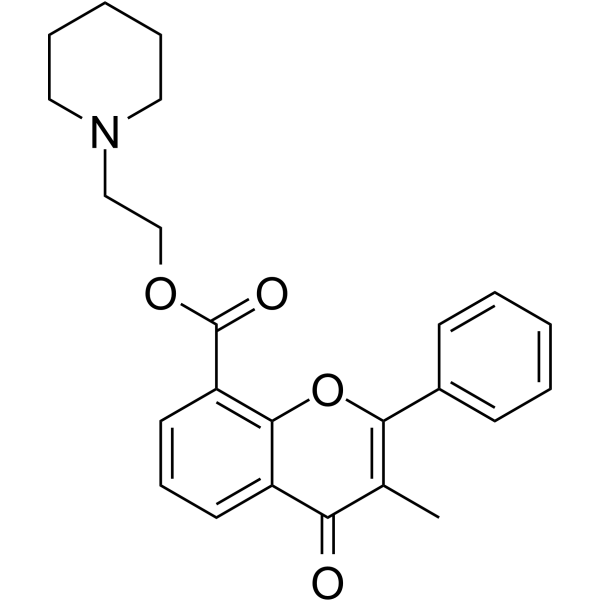 0 ImagesSynonyms: Rec-7-0040 free base; DW61 free baseFlavoxate (Rec-7-0040 free base; DW61 free base) is an orally active L-type Ca2+ channel inhibitor and antispasmodic. Flavoxate inhibits cyclic adenosine monophosphate production by blocking voltage-dependent inward Ba2+ currents, regulating the brainstem micturition center, and stimulating G protein-coupled receptors. Consequently, Flavoxate induces relaxation of bladder smooth muscle and inhibits isovolumetric rhythmic contractions. Flavoxate effectively increases bladder capacity and alleviates symptoms of urgent urination frequency and pollakiuria caused by overactive bladder. Flavoxate can be used in research on overactive bladder and related voiding dysfunctions.
-
BAY-2413555
 0 ImagesCat. No.: HY-162897CAS No.: 2206665-50-9BAY-2413555 is an orally active muscarinic acetylcholine receptor M2 modulator that protects the heart and improve cardiac function. BAY-2413555 is promising for research of heart failure.
-
AD109
 0 ImagesCat. No.: HY-175873AD109 is a combination of the selective norepinephrine reuptake inhibitor Atomoxetine (HY-107370) and the antimuscarinic agent Aroxybutynin (HY-B0267C). AD109 shows orally active significantly and reduces the apnea-hypopnea index.
-
(R)-VU 6008667
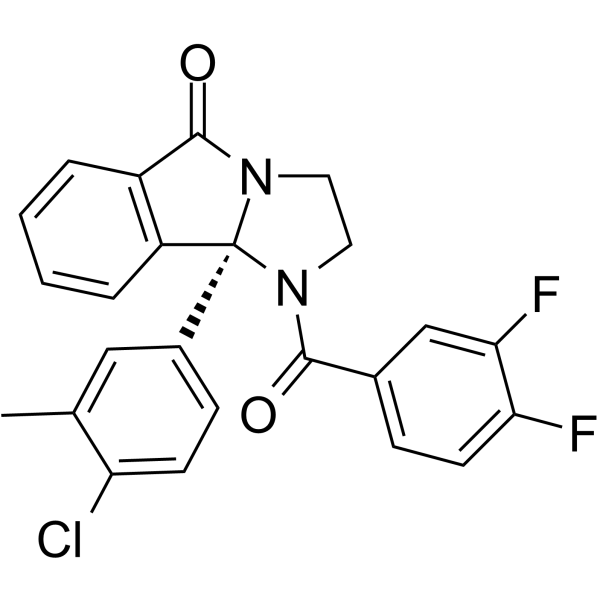 0 Images(R)-VU 6008667, the less active (R)-enantiomer to VU 6008667, is devoid of M5 NAM activity (IC50>10 μM).
-
Direclidine
 0 ImagesCat. No.: HY-159829CAS No.: 1803346-98-6Synonyms: NBI-1117568; HTL-0016878Direclidine (NBI-1117568, HTL-0016878) is a selective orthosteric agonist targeting the muscarinic acetylcholine M4 receptor, exhibiting very low affinity for M1, M2, M3, and M5 receptors. It binds to the orthosteric site of the M4 receptor in a non-covalent, competitive manner. Direclidine specifically activates the M4 receptor, inhibiting the release of acetylcholine from striatal cholinergic interneurons, thereby regulating the balance of the dopaminergic system and reducing psychiatric symptoms associated with excessive dopamine release. Direclidine can improve symptoms associated with neuropsychiatric disorders and is used in research on schizophrenia and other neuropsychiatric disorders.
-
(Rac)-VU 6008667
 0 Images(Rac)-VU 6008667 is a selective negative allosteric modulator of muscarinic acetylcholine receptor subtype 5 (M5 NAM) (IC50=1.8 μM, pIC50= 5.75), has high CNS penetration.
-
Amitriptyline-d3 hydrochloride
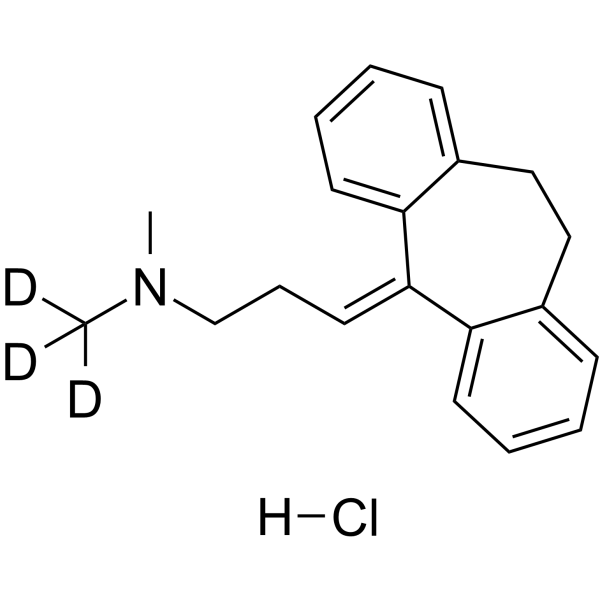 0 ImagesAmitriptyline-d3 hydrochloride is the deuterium labeled Amitriptyline (hydrochloride). Amitriptyline hydrochloride is an inhibitor of serotonin reuptake transporter (SERT) and noradrenaline reuptake transporter (NET), with Kis of 3.45 nM and 13.3 nM for human SERT and NET, respectively. Amitriptyline hydrochloride also weakly binds to dopamine reuptake transporter (DAT) with a Ki of 2.58 μM. Amitriptyline hydrochloride also inhibits adrenergic, muscarinic, histamine and 5-HT receptors. Amitriptyline hydrochloride is a TrkA and TrkB receptors agonist with potent neurotrophic activity. Amitriptyline hydrochloride has antidepressant activity.
-
(Rac)-5-Hydroxymethyl Tolterodine hydrochloride
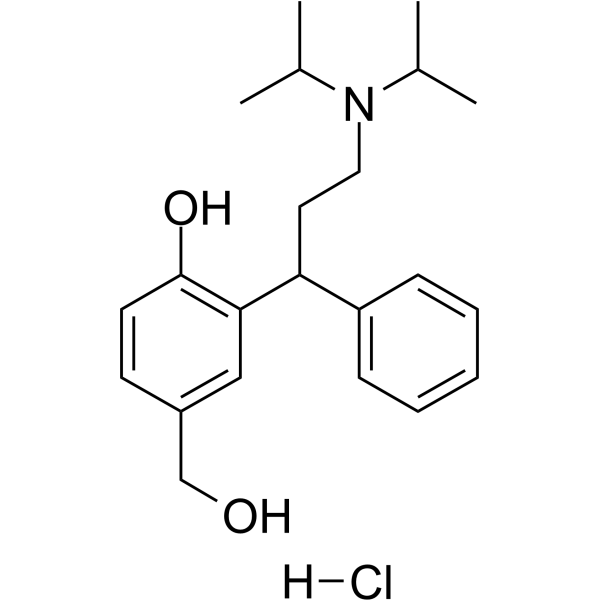 0 ImagesCat. No.: HY-76570ACAS No.: 250214-40-5Synonyms: (Rac)-Desfesoterodine hydrochloride; (Rac)-PNU-200577 hydrochloride(Rac)-5-Hydroxymethyl Tolterodine ((Rac)-Desfesoterodine) hydrochloride, an active metabolite of Tolterodine, is a mAChR antagonist (Ki values of 2.3 nM, 2 nM, 2.5 nM, 2.8 nM, and 2.9 nM for M1, M2, M3, M4, and M5 receptors, respectively). (Rac)-5-Hydroxymethyl Tolterodine hydrochloride can be used for overactive bladder research.
-
W-84 dibromide
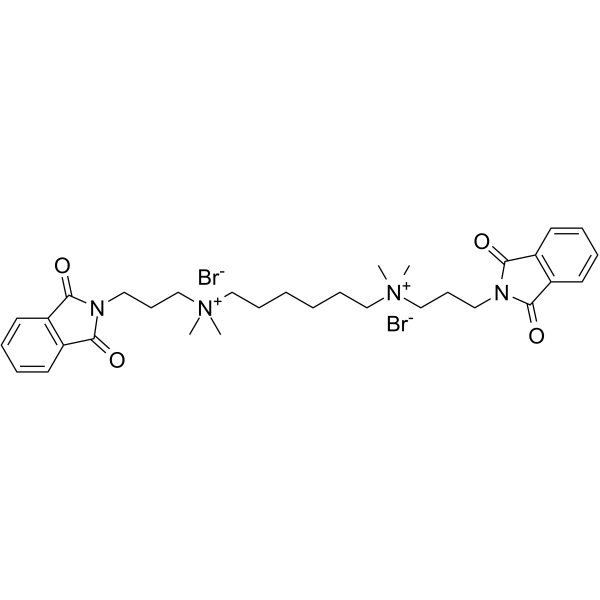 0 ImagesSynonyms: HDMPPAW-84 (dibromide) is a potent allosteric modulator of M2-cholinoceptors, which retards [3H]N-methylscopolamine dissociation. W-84 dibromide can stabilize cholinergic antagonist-receptor complexes. W-84 (dibromide) is a non-competitive muscarinic acetylcholine receptors antagonist with allosteric effects. W-84 (dibromide) protects over additively against an organophosphate-intoxication when applied in combination with atropine.
-
Ipratropium-d3 bromide
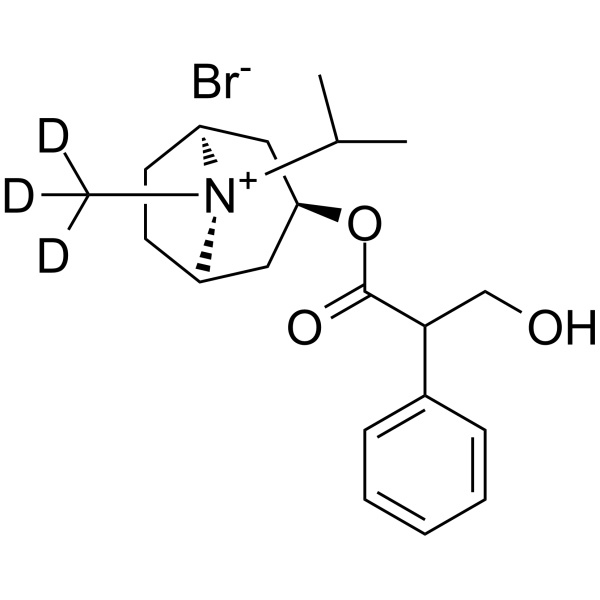 0 ImagesCat. No.: HY-B0241SPurity: 98.0%Synonyms: Sch 1000-d3Ipratropium-d3 (bromide) is the deuterium labeled Ipratropium bromide. Ipratropium bromide (Sch 1000) is a muscarinic receptor antagonist, with binding IC50 values of 2.9 nM, 2 nM, and 1.7 nM for M1, M2, and M3 receptors, respectively. Ipratropium bromide can be used in the research for COPD (chronic obstructive pulmonary disease) and asthma.
-
Atropine-d5
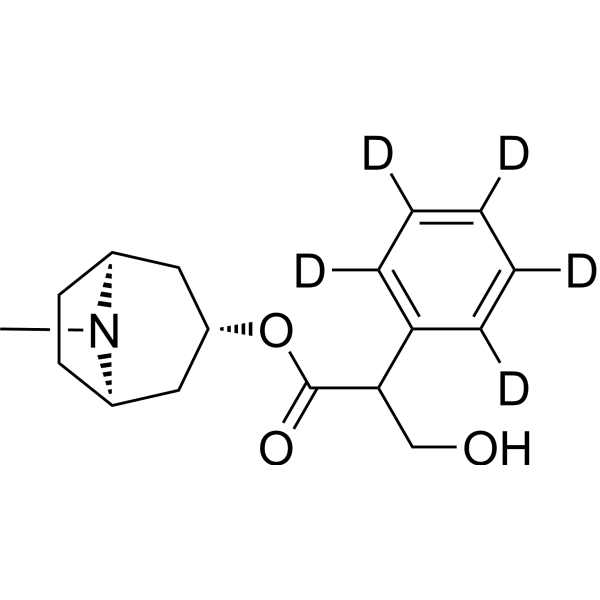 0 ImagesCat. No.: HY-B0394SSynonyms: Tropine tropate-d5; DL-Hyoscyamine-d5Atropine-d5 is the deuterium labeled Atropine (sulfate monohydrate). Atropine (Tropine tropate) sulfate monohydrate is a broad-spectrum and competitive muscarinic acetylcholine receptor (mAChR) antagonist with anti-myopia effect.
-
Clemastine-d5 fumarate
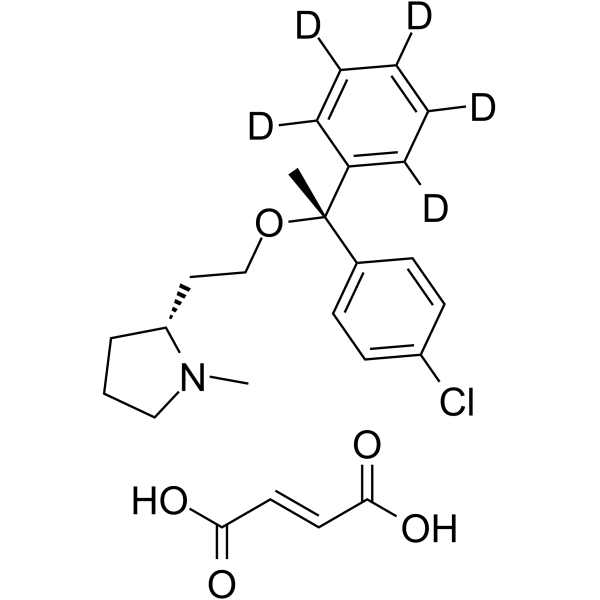 0 ImagesCat. No.: HY-B0298ASPurity: 99.79%Synonyms: HS-592-d5 fumarate; Meclastine-d5 fumarateClemastine (HS-592; Meclastine)-d5 fumarate is the deuterium labeled Clemastine fumarate. Clemastine fumarate is an orally active, blood-brain barrier-permeable H1 histamine receptor (H1 histamine receptor) antagonist with potent antiallergic effects. Clemastine fumarate also antagonizes muscarinic acetylcholine receptors (mAChR), particularly the M1 and M4 subtypes. In addition to antihistamine effects, Clemastine fumarate exhibits multiple pharmacological activities, especially in promoting central nervous system remyelination, activating autophagy and pyroptosis, exerting anti-apoptotic and neuroprotective effects, and suppressing inflammation .
-
Isopteropodine
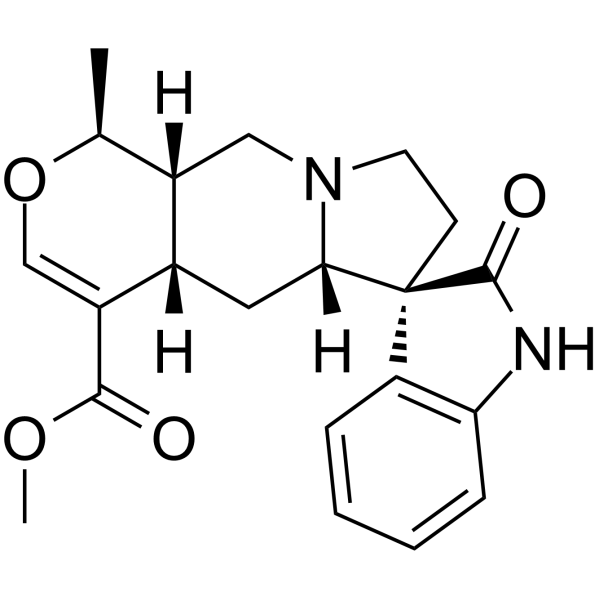 0 ImagesIsopteropodine is a positive modulator that selectively acts on muscarinic M1 and 5-HT2 receptors. Isopteropodine has an EC50 of 9.92 μM for acetylcholine and 14.5 μM for 5-HT. Isopteropodine also has antibacterial activity against Gram-positive bacteria, with MICs of 150 μg/mL and 250 μg/mL for Staphylococcus aureus and Bacillus subtilis, respectively. Isopteropodine enhances receptor function by increasing the affinity of agonists for receptors and can also inhibit the growth of specific Gram-positive bacteria, and can be used in cognitive impairment and antibacterial research.
-
Benzetimide hydrochloride
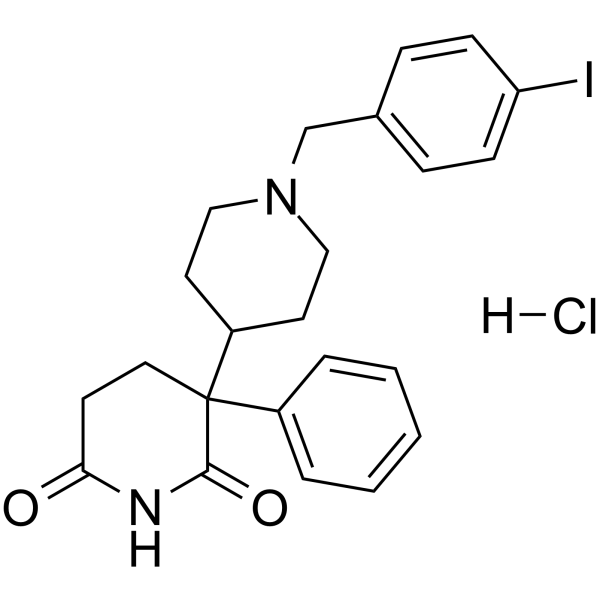
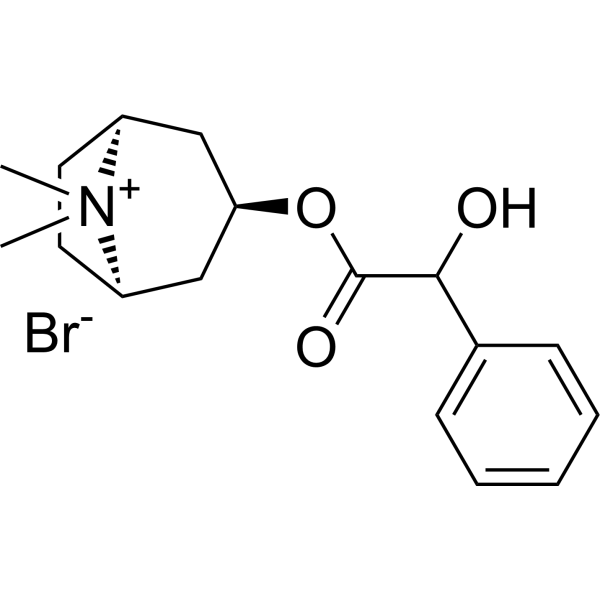
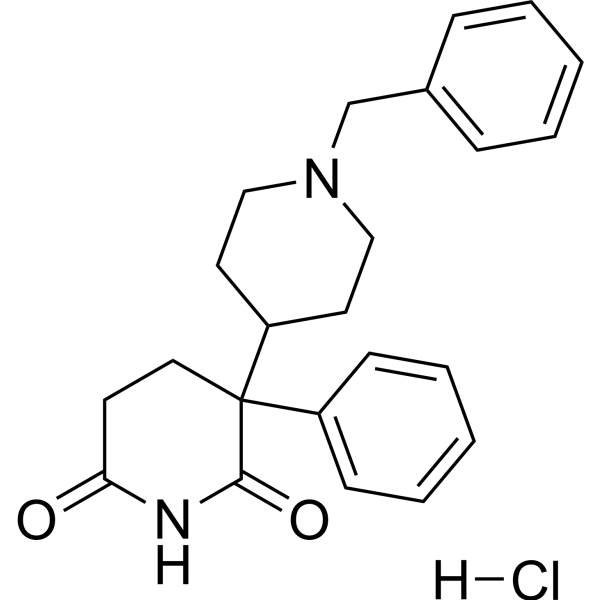 0 ImagesBenzetimide hydrochloride (R4929) is a blood-brain barrier-permeable muscarinic acetylcholine receptor antagonist. Benzetimide hydrochloride blocks cholinergic receptor sites. Benzetimide hydrochloride induces mydriasis, prevents acetylcholine-induced muscle contraction, inhibits pilocarpine (HY-B0726A)-induced parasympathomimetic effects, and exhibits antisecretory activity. Benzetimide hydrochloride can be used in research related to Parkinson's disease.
-
Velufenacin
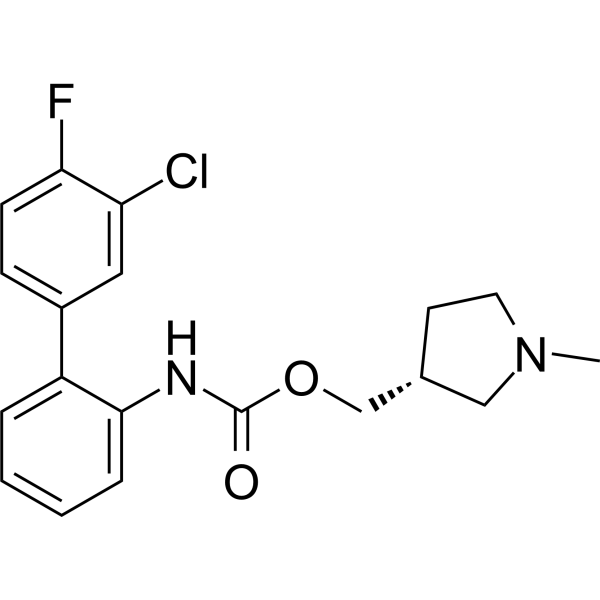 0 ImagesSynonyms: DA-8010Velufenacin is a muscarinic receptor antagonist.