



mAChR2
The M2 muscarinic acetylcholine receptor (mAChR2) functions as a G protein-coupled receptor that regulates acetylcholine signaling in both neuronal and non-neuronal cells[1]. Mechanistically, M2 modulates presynaptic neurotransmitter release via coupling to protein kinase C (PKC) and PDK1, selectively influencing PKCβI and PKCε isoforms and downstream SNARE machinery[2]. In the neuromuscular junction, M2 participates in developmental synapse elimination by regulating activity-dependent acetylcholine release, coordinating with M1/M4 mAChRs and adenosine receptors[3][4]. Beyond the nervous system, M2 receptors control epithelial and immune cell functions, including endocytosis-mediated receptor trafficking and signaling regulation[1]. In cardiac myocytes, M2 activation triggers endothelial nitric oxide synthase (eNOS)-dependent nitration of p190A RhoGAP, enhancing RhoA activity and altering cytoskeletal dynamics[5]. In disease models, down-regulation of M2 adversely affects Alzheimer’s disease-relevant genes, including BACE1, and disrupts amyloid precursor protein processing[5][6]. Compared with related muscarinic isoforms, M2 uniquely suppresses BACE1 expression, whereas M1 activation increases it[6]. Pharmacologically, selective M2 inhibitors, such as methoctramine, can block agonist-induced signaling in smooth muscle and macrophages, providing tools for dissecting M2-specific pathways[7][8]. These characteristics render M2 a critical target for experimental modulation in studies of synaptic plasticity, neurodegeneration, cardiac physiology, and immune regulation[1][2][5].
References:
- [1]. Züchner T, et al. Beta-secretase BACE1 is differentially controlled through muscarinic acetylcholine receptor signaling. J Neurosci Res. 2004 Jul 15;77(2):250-7. [Content Brief]
- [2]. de la Torre E, et al. Muscarinic receptors participation in angiogenic response induced by macrophages from mammary adenocarcinoma-bearing mice. Breast Cancer Res. 2005;7(3):R345-52. [Content Brief]
- [3]. Tsymbalyuk OV, et al. 8-[(4-benzylpiperazin-1-yl)methyl]-3-(2-chlorophenyl)-7-hydroxy-chromen-4-one is an activator of contractile activity of intestinal smooth muscles with reversible M2 cholinomimetic properties. Stud Biol. 2023;17(4):15-36.
- [4]. Ockenga W, et al. Non-neuronal functions of the m2 muscarinic acetylcholine receptor. Genes (Basel). 2013 Apr 2;4(2):171-97. [Content Brief]
- [5]. Nadal L, et al. Presynaptic muscarinic acetylcholine autoreceptors (M1, M2 and M4 subtypes), adenosine receptors (A1 and A2A) and tropomyosin-related kinase B receptor (TrkB) modulate the developmental synapse elimination process at the neuromuscular junction. Mol Brain. 2016 Jun 23;9(1):67. [Content Brief]
- [6]. Cilleros-Mañé V, et al. M1 and M2 mAChRs activate PDK1 and regulate PKC βI and ε and the exocytotic apparatus at the NMJ. FASEB J. 2021 Jul;35(7):e21724. [Content Brief]
- [7]. Zuchner T, et al. Down-regulation of muscarinic acetylcholine receptor M2 adversely affects the expression of Alzheimer's disease-relevant genes and proteins. J Neurochem. 2005 Oct;95(1):20-32. [Content Brief]
- [8]. Levay MK, et al. The Muscarinic Acetylcholine M2 Receptor-Induced Nitration of p190A by eNOS Increases RhoA Activity in Cardiac Myocytes. Cells. 2023 Oct 11;12(20):2432. [Content Brief]
-
mAChR2 Related Products (61)
Related Products (61)

-
Tiotropium Bromide
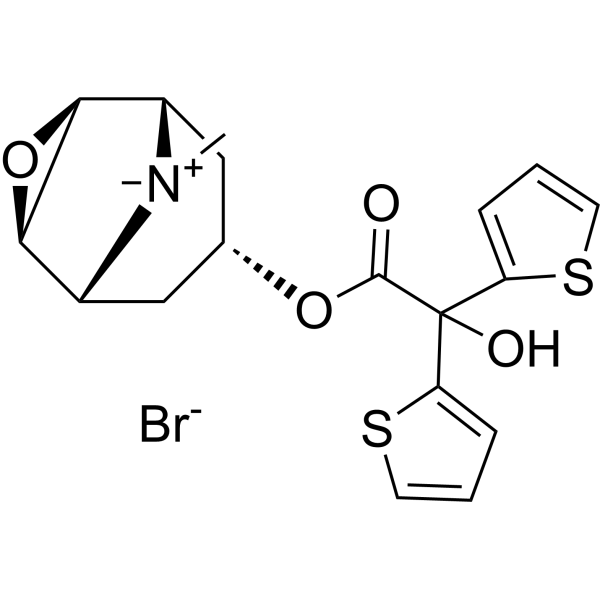 0 ImagesSynonyms: BA679 BRTiotropium bromide (BA-679 BR) is a long-acting anticholinergic bronchodilator. Tiotropium bromide blocks the action of acetylcholine at muscarinic M1, M2, and M3 receptors, prevents bronchoconstriction, and dilates bronchial airways. Tiotropium bromide is applicable to research related to chronic obstructive pulmonary disease and asthma.
-
(S)-(+)-Dimethindene maleate
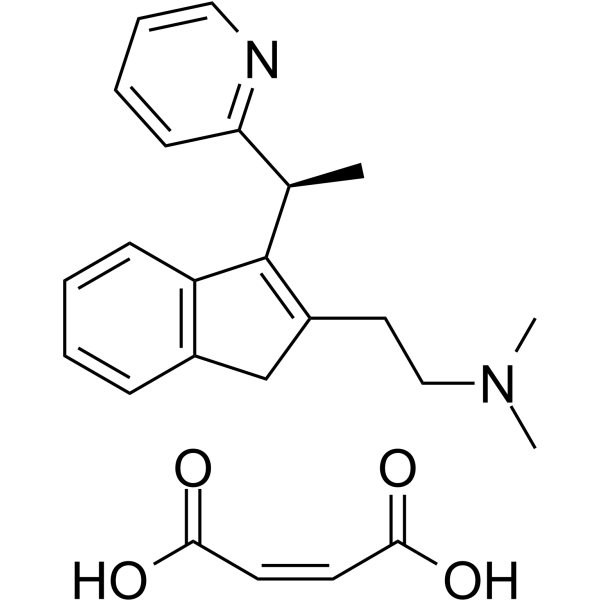 0 Images(S)-(+)-Dimethindene maleate, an enantiomer, is a potent M2-selective muscarinic receptor antagonist (pA2 = 7.86/7.74; pKi = 7.78). (S)-(+)-Dimethindene maleate shows lower affinities for the muscarinic M1 (pA2 = 6.83/6.36; pKi = 7.08), the M3 (pA2 = 6.92/6.96; pKi = 6.70) and the M4 receptors (pKi = 7.00), respectively. (S)-(+)-Dimethindene maleate also is a histamine H1 receptor antagonist (pA2 = 7.48).
-
Iperoxo
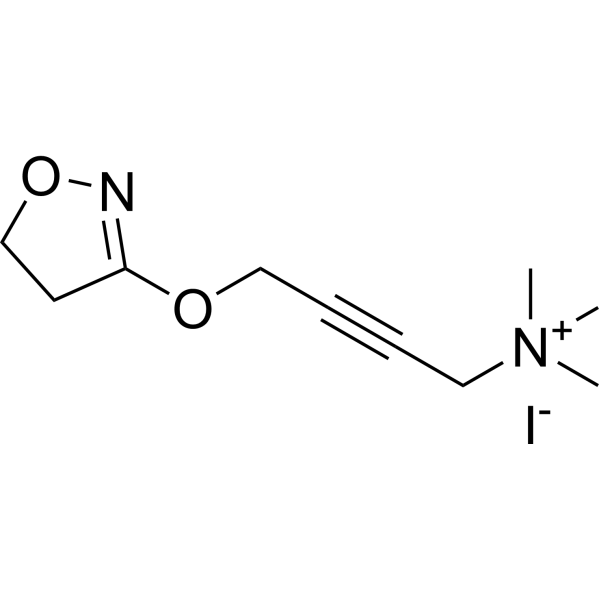 0 ImagesIperoxo is a potent superagonist of muscarinic acetylcholine receptor (mAChR) that activates M1, M2 and M3 receptors with pEC50 of 9.87, 10.1 and 9.78. Iperoxo can be used for direct probing activation-related conformational transitions of muscarinic receptors when labeled with tritium.
-
Otenzepad
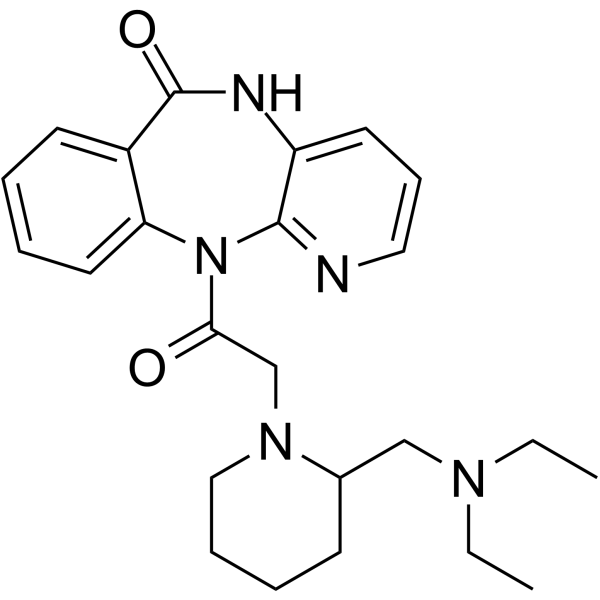 0 ImagesSynonyms: AF-DX 116Otenzepad (AF-DX 116) is a selective and competitive M2 muscarinic acetylcholine receptor antagonist, with IC50 values of 640 nM and 386 nM for rabbit peripheral lung and rat heart, respectively.
-
Trospium chloride
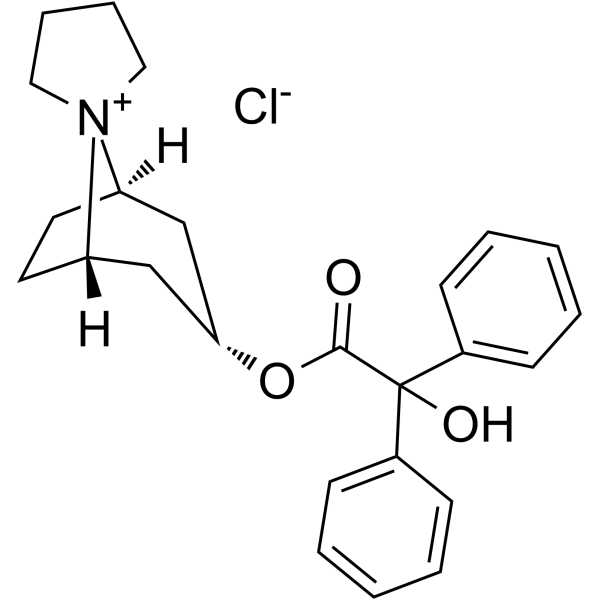 0 ImagesTrospium chloride is an orally active, specific and competitive antagonist of muscarinic cholinergic receptors (mAChRs), with antimuscarinic activity. Trospium chloride binds to muscarinic receptors M1, M2 and M3 with high affinity, but not nicotinic, cholinergic receptors.
-
Hexahydrosiladifenidol
 0 ImagesCat. No.: HY-189031CAS No.: 98299-40-2Hexahydrosiladifenidol is a muscarinic receptor antagonist. Hexahydrosiladifenidol blocks sympathetic ganglion M1 and brainstem M2 muscarinic receptors.
-
AE9C90CB
 0 ImagesCat. No.: HY-134971CAS No.: 893426-98-7AE9C90CB is an M3 muscarinic receptor (mAChR) antagonist and M2 muscarinic receptor ligand (human pKi values of 9.9 and 8.6, respectively). AE9C90CB binds to the M3 receptor and produces an insurmountable antagonism of Carbamoylcholine chloride (HY-B1208)-induced bladder strip contraction, thereby inhibiting the elevation of intravesical pressure and salivation, and exhibits functional selectivity for the bladder relative to the salivary glands. AE9C90CB can be used in the study of overactive bladder.
-
Ipratropium bromide
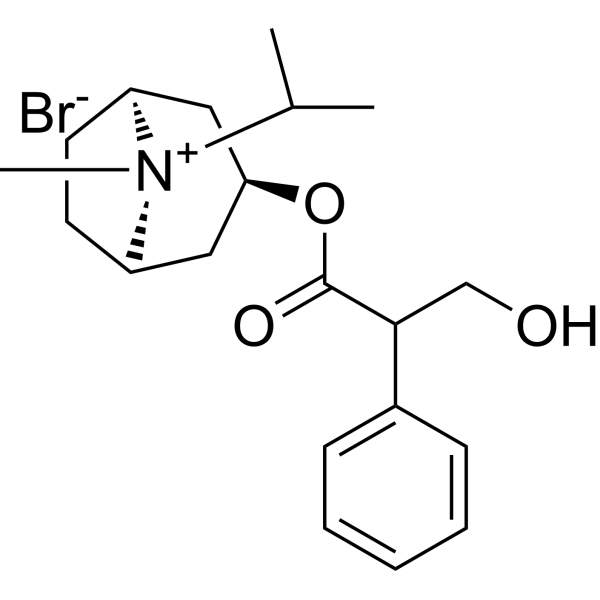 0 ImagesSynonyms: Sch 1000Ipratropium bromide (Sch 1000) is a muscarinic receptor antagonist, with IC50s of 2.9 nM, 2 nM, and 1.7 nM for M1, M2, and M3 receptors, respectively. Ipratropium bromide relaxes smooth muscle, can be used in the research for COPD (chronic obstructive pulmonary disease) and asthma.
-
Diphenidol hydrochloride
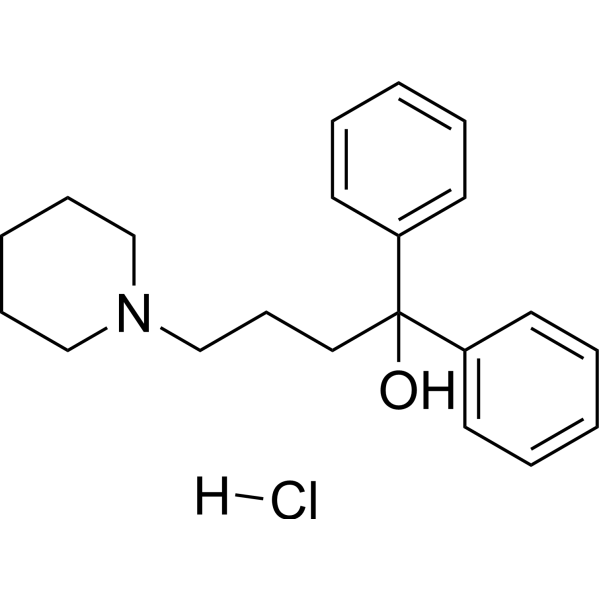 0 ImagesDiphenidol hydrochloride (Difenidol hydrochloride) is a non-selective muscarinic M1-M4 receptor antagonist, has anti-arrhythmic activity. Diphenidol hydrochloride is also a potent non-specific blocker of voltage-gated ion channels (Na+, K+, and Ca2+) in neuronal cells. Diphenidol hydrochloride can be used in the study of antivertigo and antinausea.
-
Solifenacin
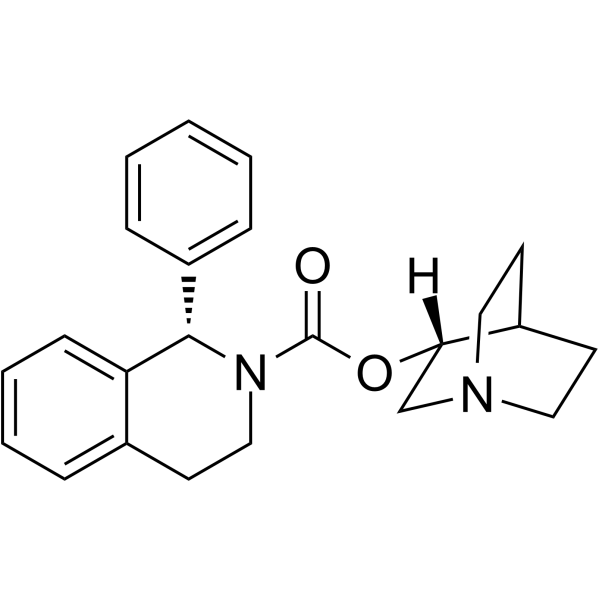 0 ImagesSynonyms: YM905 free baseSolifenacin (YM905 free base) is a novel muscarinic receptor antagonist with pKis of 7.6, 6.9 and 8.0 for M1, M2 and M3 receptors, respectively.
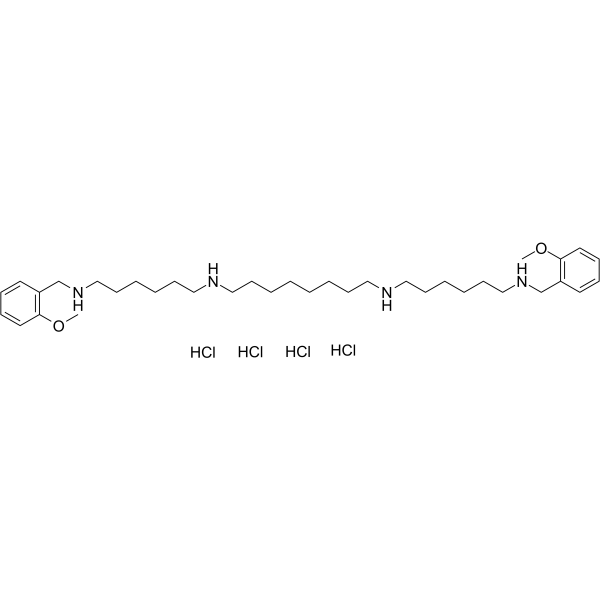
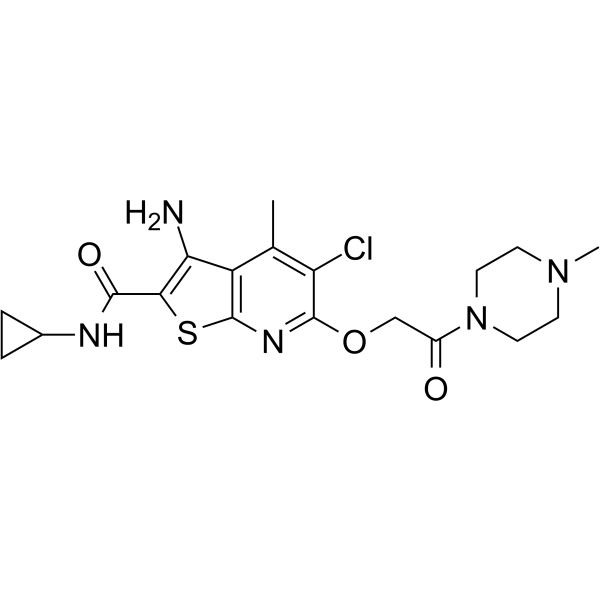
-
Scopolamine butylbromide
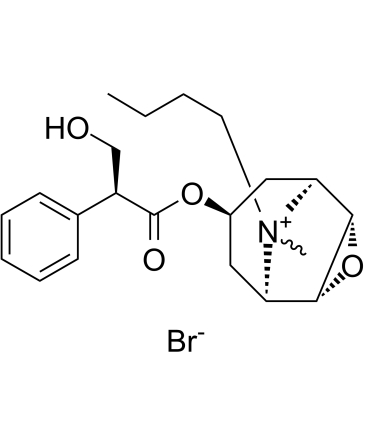 0 ImagesSynonyms: Hyoscine butylbromide; (-)-Scopolamine butylbromide; Butylscopolamine bromideScopolamine butylbromide (Hyoscine butylbromide) is an orally active anticholinergic agent and spasmolytic. Scopolamine butylbromide binds with high affinity to rat cardiac M2 (Ki 83 nmol/L), hM2 (Ki 233 nmol/L), rat intestinal M3 (Ki 290 nmol/L) and hM3 (Ki 643 nmol/L) muscarinic receptors. Scopolamine butylbromide exerts a dose-dependent antagonistic effect on Carbachol-induced gastrointestinal smooth muscle spasm. Scopolamine butylbromide can be used for the research of abdominal colic and pain associated with gastrointestinal spasm, functional abdominal pain, chronic gastropathy and gastric ulcer.
-
Batefenterol
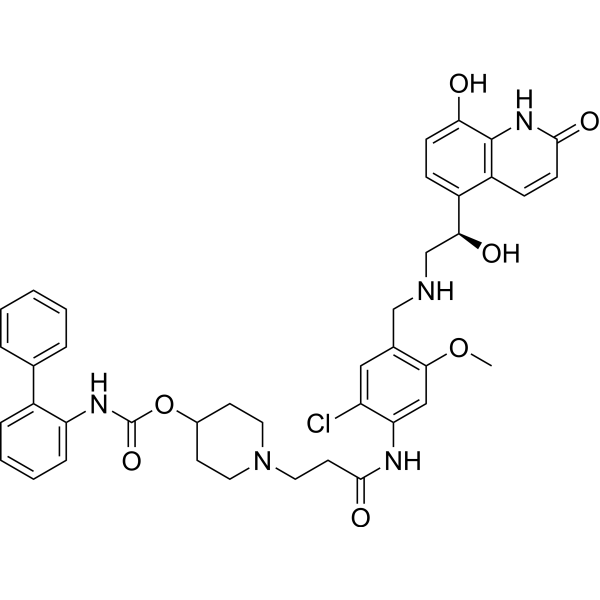 0 ImagesSynonyms: GSK961081; TD-5959Batefenterol (GSK961081;TD-5959) is a novel muscarinic receptor antagonist and β2-adrenoceptor agonist; displays high affinity for hM2, hM3 muscarinic and hβ2-adrenoceptor with Ki values of 1.4, 1.3 and 3.7 nM, respectively.
-
Dicyclomine hydrochloride
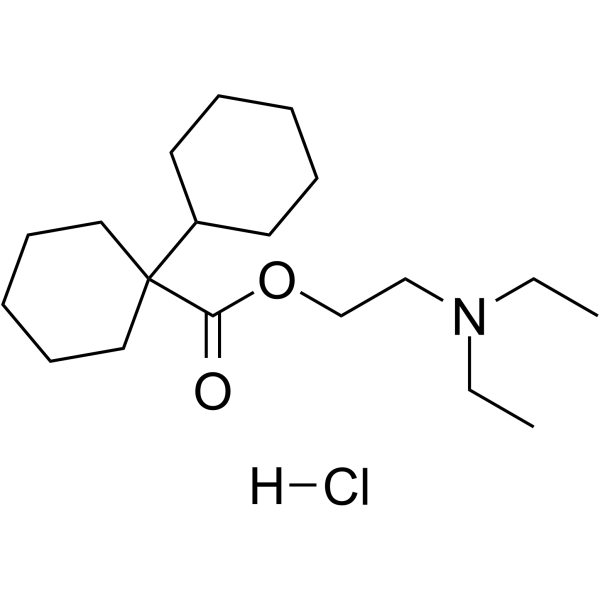 0 ImagesDicyclomine hydrochloride is a potent and orally active muscarinic cholinergic receptors antagonist. Dicyclomine hydrochloride shows high affinity for muscarinic M1 receptor subtype (Ki=5.1 nM) and M2 receptor subtype (Ki=54.6 nM) in brush-border membrane and basal plasma membranes, respectively. Dicyclomine is an antispasmodic agent and relieves smooth muscle spasm of the gastrointestinal tract in vivo.
-
Solifenacin Succinate
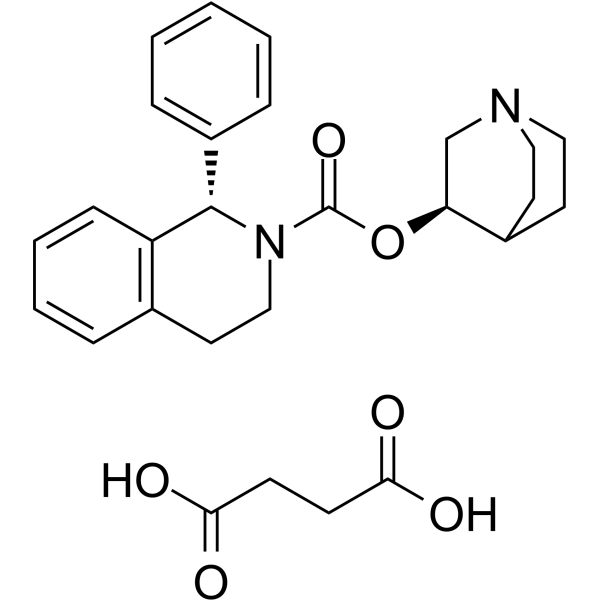 0 ImagesSynonyms: YM905Solifenacin Succinate (YM905) is a novel muscarinic receptor antagonist with pKis of 7.6, 6.9 and 8.0 for M1, M2 and M3 receptors, respectively.
-
Solifenacin hydrochloride
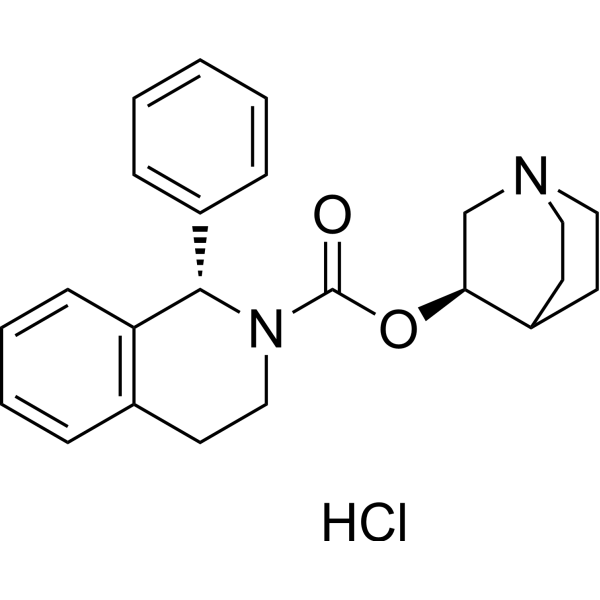 0 ImagesSynonyms: YM905 hydrochlorideSolifenacin hydrochloride (YM905 hydrochloride) is a muscarinic receptor antagonist, with pKis of 7.6, 6.9 and 8.0 for M1, M2 and M3 receptors, respectively.
-
Tiotropium bromide monohydrate
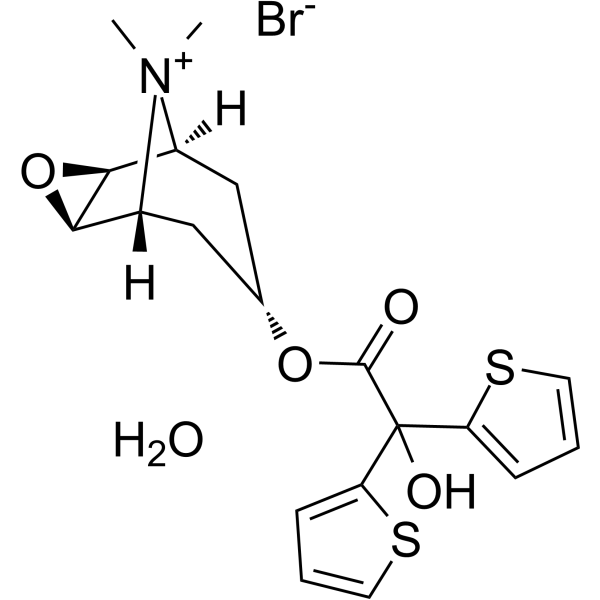 0 ImagesSynonyms: BA-679 BR monohydrateTiotropium bromide monohydrate (BA-679 BR monohydrate) is a long-acting anticholinergic bronchodilator. Tiotropium bromide monohydrate blocks the action of acetylcholine at muscarinic M1, M2, and M3 receptors, prevents bronchoconstriction, and dilates bronchial airways. Tiotropium bromide monohydrate is applicable to research related to chronic obstructive pulmonary disease and asthma.
-
Ipratropium bromide hydrate
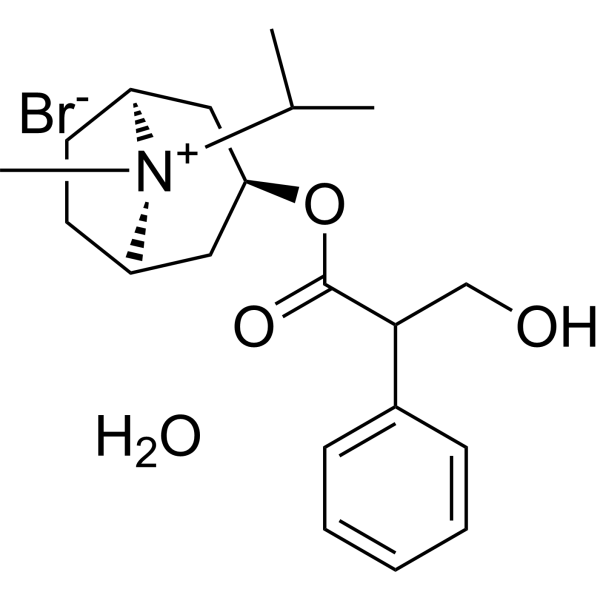 0 ImagesSynonyms: Sch 1000 bromide hydrateIpratropium bromide (Sch 1000) hydrate is a muscarinic receptor antagonist, with IC50s of 2.9 nM, 2 nM, and 1.7 nM for M1, M2, and M3 receptors, respectively. Ipratropium bromide hydrate relaxes smooth muscle, can be used in the research for COPD (chronic obstructive pulmonary disease) and asthma.



