



mAChR2 Antagonist
- 1
- 2
-
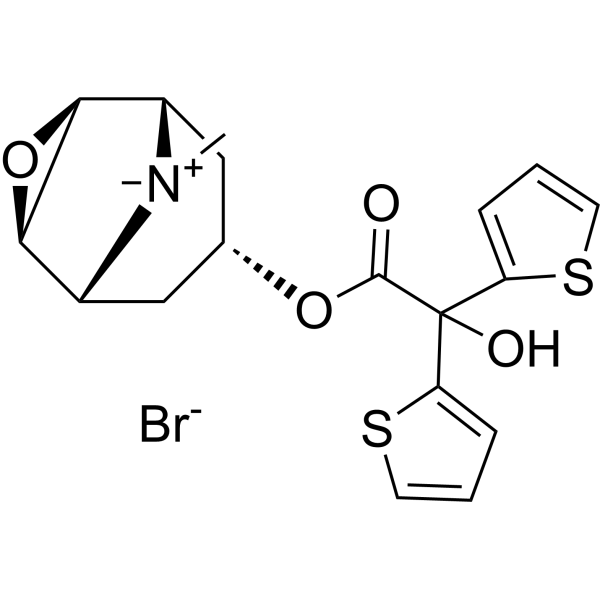
Tiotropium Bromide
 0 ImagesSynonyms: BA679 BR
Tiotropium bromide (BA-679 BR) is a long-acting anticholinergic bronchodilator. Tiotropium bromide blocks the action of acetylcholine at muscarinic M1, M2, and M3 receptors, prevents bronchoconstriction, and dilates bronchial airways. Tiotropium bromide is applicable to research related to chronic obstructive pulmonary disease and asthma.
-
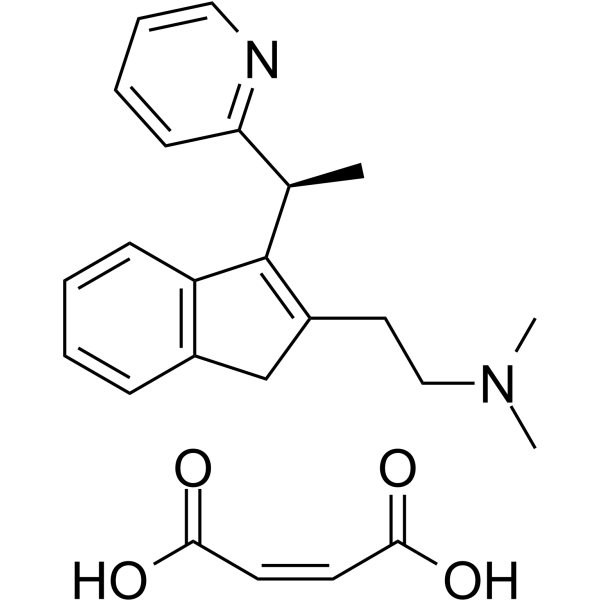
(S)-(+)-Dimethindene maleate
 0 Images
(S)-(+)-Dimethindene maleate, an enantiomer, is a potent M2-selective muscarinic receptor antagonist (pA2 = 7.86/7.74; pKi = 7.78). (S)-(+)-Dimethindene maleate shows lower affinities for the muscarinic M1 (pA2 = 6.83/6.36; pKi = 7.08), the M3 (pA2 = 6.92/6.96; pKi = 6.70) and the M4 receptors (pKi = 7.00), respectively. (S)-(+)-Dimethindene maleate also is a histamine H1 receptor antagonist (pA2 = 7.48).
-
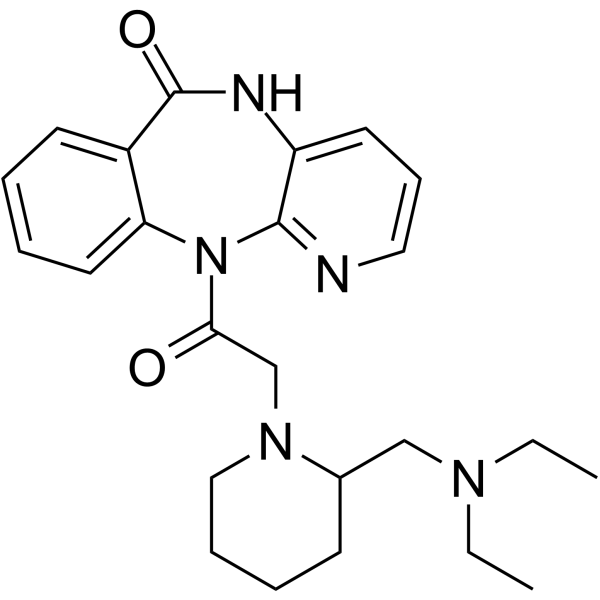
Otenzepad
 0 ImagesSynonyms: AF-DX 116
Otenzepad (AF-DX 116) is a selective and competitive M2 muscarinic acetylcholine receptor antagonist, with IC50 values of 640 nM and 386 nM for rabbit peripheral lung and rat heart, respectively.
-
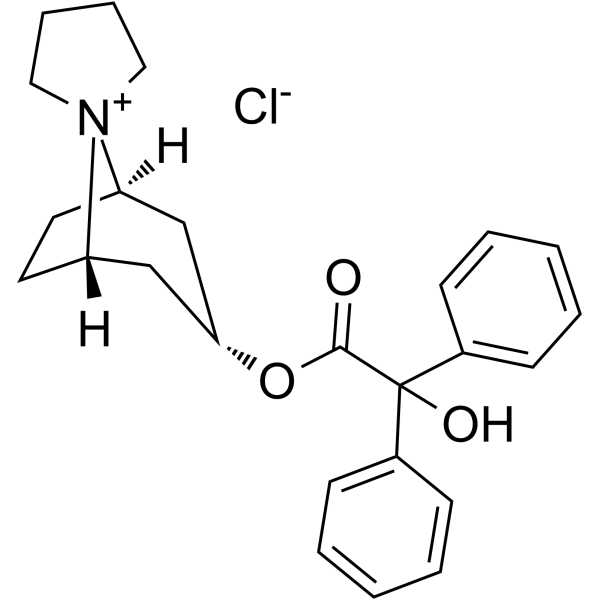
Trospium chloride
 0 Images
Trospium chloride is an orally active, specific and competitive antagonist of muscarinic cholinergic receptors (mAChRs), with antimuscarinic activity. Trospium chloride binds to muscarinic receptors M1, M2 and M3 with high affinity, but not nicotinic, cholinergic receptors.
-
THRX160209
 0 ImagesCat. No.: HY-189013CAS No.: 832082-44-7
THRX160209 is a dual-site antagonist of the M2 muscarinic acetylcholine receptor with M2 receptor subtype selectivity. THRX160209 binds simultaneously to the orthosteric site and a spatially distinct allosteric site, competitively inhibiting receptor activation at the acetylcholine binding pocket. THRX160209 exhibits affinity for all five muscarinic receptor subtypes. THRX160209 can be used in research related to neurological disorders.
-
Ipratropium bromide
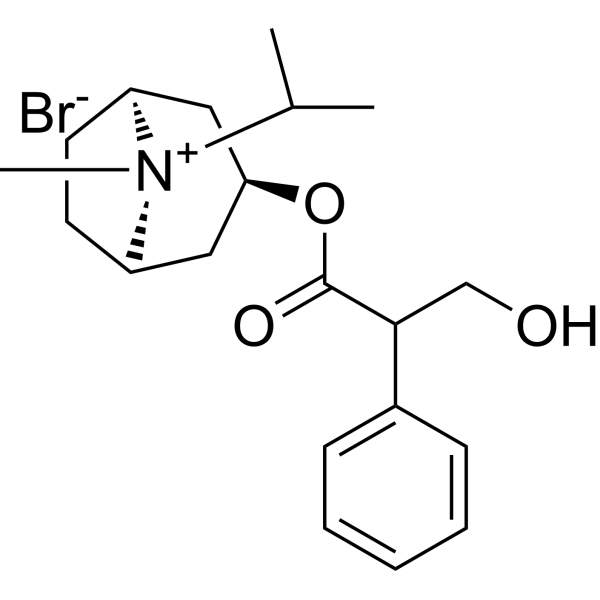 0 ImagesSynonyms: Sch 1000
Ipratropium bromide (Sch 1000) is a muscarinic receptor antagonist, with IC50s of 2.9 nM, 2 nM, and 1.7 nM for M1, M2, and M3 receptors, respectively. Ipratropium bromide relaxes smooth muscle, can be used in the research for COPD (chronic obstructive pulmonary disease) and asthma.
-
Diphenidol hydrochloride
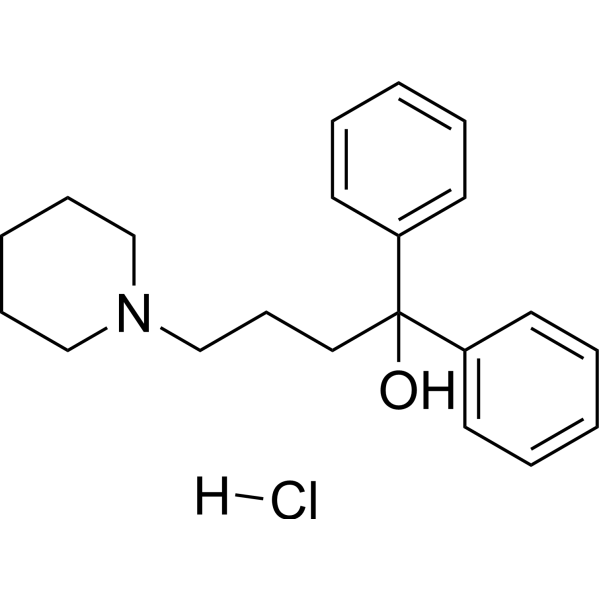 0 Images
Diphenidol hydrochloride (Difenidol hydrochloride) is a non-selective muscarinic M1-M4 receptor antagonist, has anti-arrhythmic activity. Diphenidol hydrochloride is also a potent non-specific blocker of voltage-gated ion channels (Na+, K+, and Ca2+) in neuronal cells. Diphenidol hydrochloride can be used in the study of antivertigo and antinausea.
-
Solifenacin
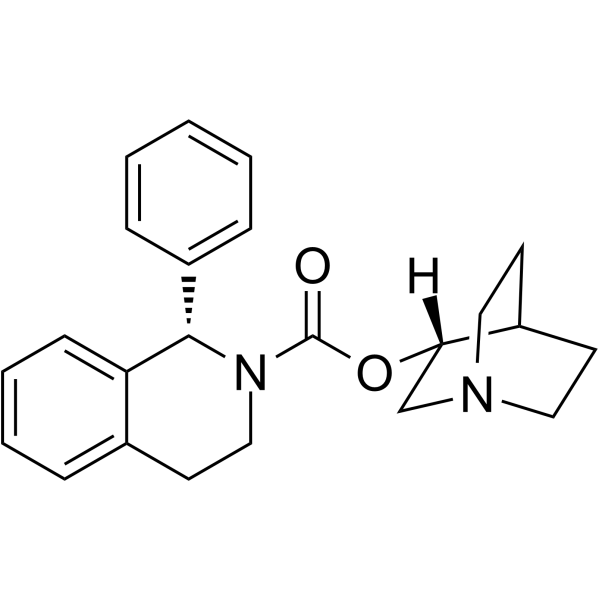 0 ImagesSynonyms: YM905 free base
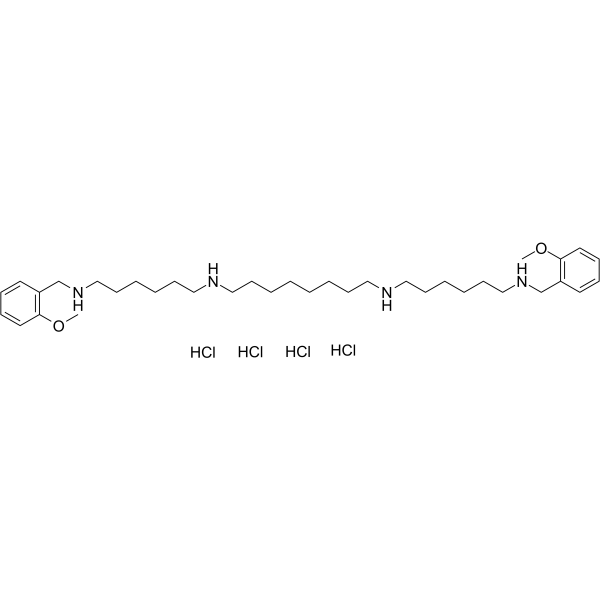
Solifenacin (YM905 free base) is a novel muscarinic receptor antagonist with pKis of 7.6, 6.9 and 8.0 for M1, M2 and M3 receptors, respectively.
-
Scopolamine butylbromide
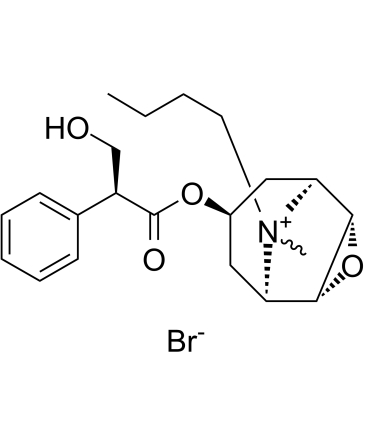 0 ImagesSynonyms: Hyoscine butylbromide; (-)-Scopolamine butylbromide; Butylscopolamine bromide
Scopolamine butylbromide (Hyoscine butylbromide) is an orally active anticholinergic agent and spasmolytic. Scopolamine butylbromide binds with high affinity to rat cardiac M2 (Ki 83 nmol/L), hM2 (Ki 233 nmol/L), rat intestinal M3 (Ki 290 nmol/L) and hM3 (Ki 643 nmol/L) muscarinic receptors. Scopolamine butylbromide exerts a dose-dependent antagonistic effect on Carbachol-induced gastrointestinal smooth muscle spasm. Scopolamine butylbromide can be used for the research of abdominal colic and pain associated with gastrointestinal spasm, functional abdominal pain, chronic gastropathy and gastric ulcer.
-
Batefenterol
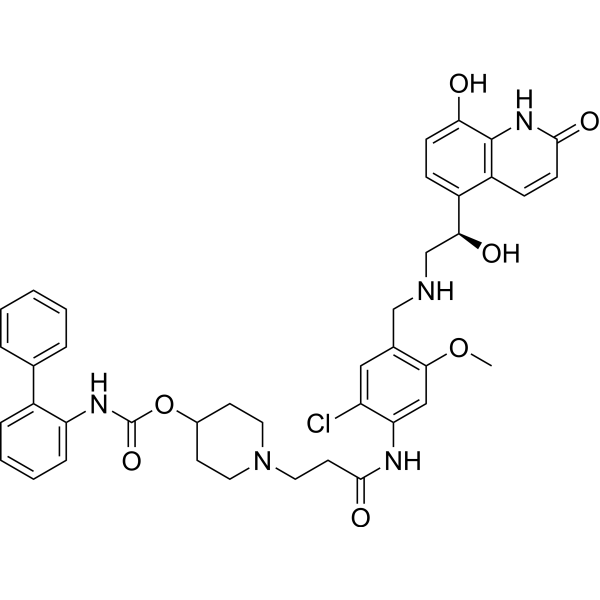 0 ImagesSynonyms: GSK961081; TD-5959
Batefenterol (GSK961081;TD-5959) is a novel muscarinic receptor antagonist and β2-adrenoceptor agonist; displays high affinity for hM2, hM3 muscarinic and hβ2-adrenoceptor with Ki values of 1.4, 1.3 and 3.7 nM, respectively.
-
Solifenacin Succinate
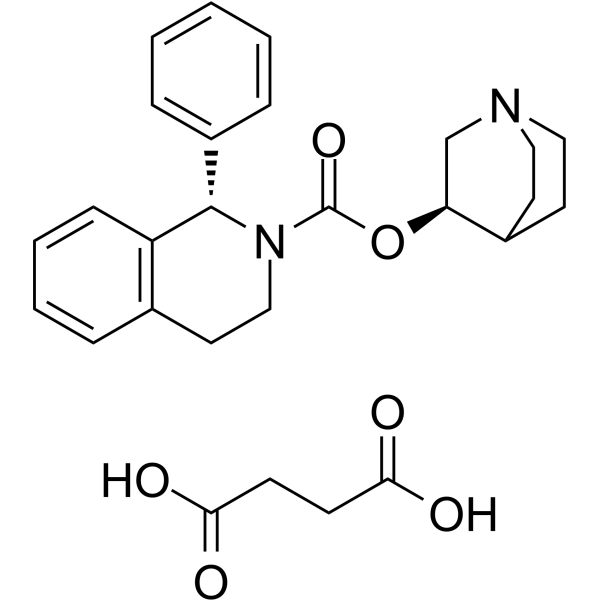 0 ImagesSynonyms: YM905
Solifenacin Succinate (YM905) is a novel muscarinic receptor antagonist with pKis of 7.6, 6.9 and 8.0 for M1, M2 and M3 receptors, respectively.
-
Solifenacin hydrochloride
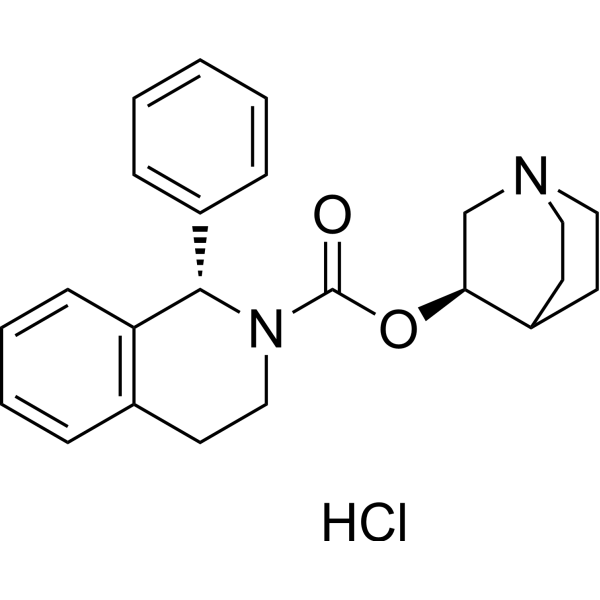 0 ImagesSynonyms: YM905 hydrochloride
Solifenacin hydrochloride (YM905 hydrochloride) is a muscarinic receptor antagonist, with pKis of 7.6, 6.9 and 8.0 for M1, M2 and M3 receptors, respectively.
-
Tiotropium bromide monohydrate
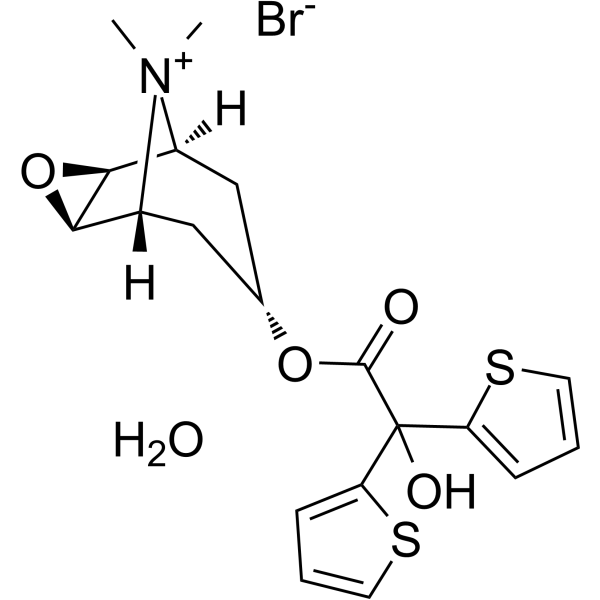 0 ImagesSynonyms: BA-679 BR monohydrate
Tiotropium bromide monohydrate (BA-679 BR monohydrate) is a long-acting anticholinergic bronchodilator. Tiotropium bromide monohydrate blocks the action of acetylcholine at muscarinic M1, M2, and M3 receptors, prevents bronchoconstriction, and dilates bronchial airways. Tiotropium bromide monohydrate is applicable to research related to chronic obstructive pulmonary disease and asthma.
-
Ipratropium bromide hydrate
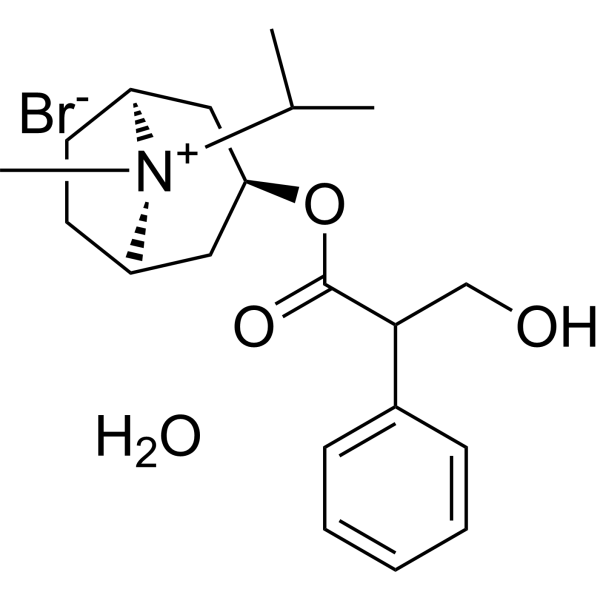 0 ImagesSynonyms: Sch 1000 bromide hydrate
Ipratropium bromide (Sch 1000) hydrate is a muscarinic receptor antagonist, with IC50s of 2.9 nM, 2 nM, and 1.7 nM for M1, M2, and M3 receptors, respectively. Ipratropium bromide hydrate relaxes smooth muscle, can be used in the research for COPD (chronic obstructive pulmonary disease) and asthma.
-
Hexocyclium methylsulfate
 0 Images
Hexocyclium methylsulfate is a potent mAChR antagonist with pKi values of 8.9, 7.7, 8.4, 8.8 for M1, M2, M3, and M4 subtype, respectively. Hexocyclium methylsulfate has the potential for the research of duodenal ulcer and irritable bowel syndrome.
-
Ipratropium-d3 bromide
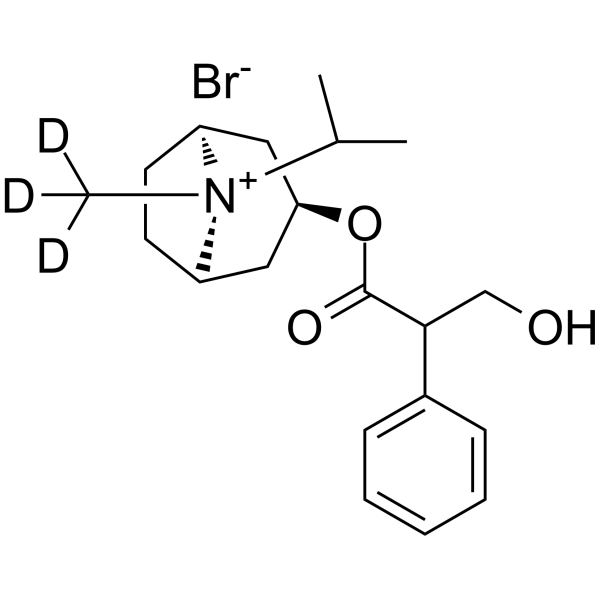 0 ImagesCat. No.: HY-B0241SPurity: 98.0%Synonyms: Sch 1000-d3
Ipratropium-d3 (bromide) is the deuterium labeled Ipratropium bromide. Ipratropium bromide (Sch 1000) is a muscarinic receptor antagonist, with binding IC50 values of 2.9 nM, 2 nM, and 1.7 nM for M1, M2, and M3 receptors, respectively. Ipratropium bromide can be used in the research for COPD (chronic obstructive pulmonary disease) and asthma.
-
p-F-HHSiD hydrochloride
 0 ImagesSynonyms: p-Fluorohexahydrosiladifenidol hydrochloride
p-F-HHSiD (p-Fluorohexahydrosiladifenidol) hydrochloride is a potent and selective M3 mAChR antagonist. p-F-HHSiD hydrochloride has antagonistic effects on other subtypes of the M receptor and the alpha1-adrenoceptor. p-F-HHSiD hydrochloride can be used for the researches of cancer, metabolic, neurological and cardiovascular disease such as, colon cancer, Alzheimer’s disease and diabetes.
-
Trospium-d8 chloride
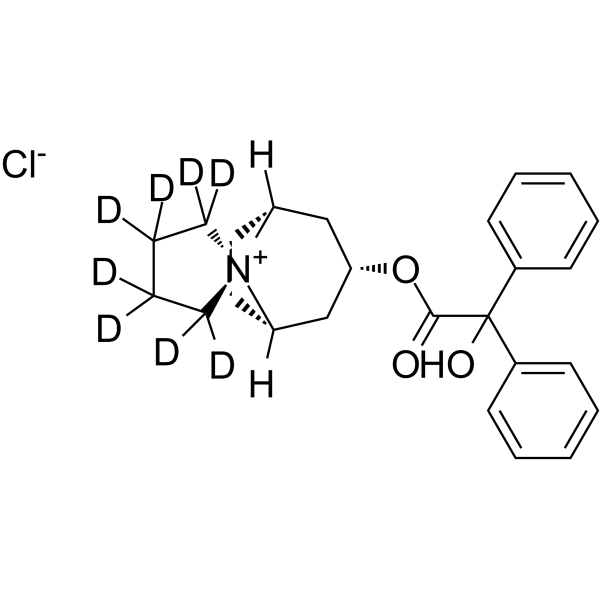 0 ImagesCat. No.: HY-B0461S
Trospium-d8 (chloride) is the deuterium labeled Trospium chloride. Trospium chloride is an orally active, specific and competitive antagonist of muscarinic cholinergic receptors (mAChRs), with antimuscarinic activity. Trospium chloride binds to muscarinic receptors M1, M2 and M3 with high affinity, but not nicotinic, cholinergic receptors.
- 1
- 2



