



mAChR3
The M3 muscarinic acetylcholine receptor (M3-mAChR) is a G protein-coupled receptor that regulates diverse physiological processes, including smooth muscle contraction, glandular secretion, and cardiac function[1][2][3]. Mechanistically, M3-mAChR activation primarily signals through Gq proteins, inducing phospholipase C-β (PLC-β) activation, inositol trisphosphate (InsP3) generation, and intracellular Ca2+ release[4][5]. In airway smooth muscle cells, biased ligands such as PD 102807 mediate AMPK-dependent inhibition of mTORC1, attenuating TGF-β-induced hypercontractile phenotypes, whereas balanced agonists induce calcium-dependent AMPK signaling[2]. In cardiomyocytes, M3-mAChR stimulation delays cardiac aging by suppressing caspase-1/IL-1β signaling and modulating the miR-29b/BACE1 axis, reducing fibrosis and cell proliferation[6][7]. M3-mAChR is also implicated in tumorigenesis, facilitating epithelial-mesenchymal transition, perineural invasion, and angiogenesis via AKT and nitric oxide synthase pathways[8][9]. Compared with other muscarinic receptor isoforms, M3 exhibits unique coupling to multiple G protein families and distinctive regulatory motifs, such as NPxxY, which govern receptor signaling and multiprotein complex formation[1][10]. Functionally, selective agonists like choline and pilocarpine and inhibitors such as 4-DAMP allow experimental modulation of M3-mAChR activity, supporting disease modeling and therapeutic investigations in cardiovascular, respiratory, and oncological contexts[6][9][7][11]. Moreover, M3-mAChR forms microdomains with InsP3 receptors, creating localized Ca2+ signaling junctions critical for wave initiation in smooth muscle cells[5]. These properties distinguish M3-mAChR from other isoforms and facilitate its utility in mechanistic and pharmacological research.
References:
- [1]. Wang S, et al. Activation of M3 Muscarinic Acetylcholine Receptors Delayed Cardiac Aging by Inhibiting the Caspase-1/IL-1β Signaling Pathway. Cell Physiol Biochem. 2018;49(3):1208-1216. [Content Brief]
- [2]. Tompkins E, et al. The biased M3 mAChR ligand PD 102807 mediates qualitatively distinct signaling to regulate airway smooth muscle phenotype. J Biol Chem. 2023 Oct;299(10):105209. [Content Brief]
- [3]. Fiszman GL, et al. Activation of muscarinic cholinergic receptors induces MCF-7 cells proliferation and angiogenesis by stimulating nitric oxide synthase activity. Cancer Biol Ther. 2007 Jul;6(7):1106-13. [Content Brief]
- [4]. Feng Y, et al. M3 muscarinic acetylcholine receptors regulate epithelial-mesenchymal transition, perineural invasion, and migration/metastasis in cholangiocarcinoma through the AKT pathway. Cancer Cell Int. 2018 Nov 6;18:173. [Content Brief]
- [5]. Li W, et al. M3 subtype of muscarinic acetylcholine receptor inhibits cardiac fibrosis via targeting microRNA-29b/beta-site app cleaving enzyme 1 axis. Cardiovasc Diagn Ther. 2024 Feb 15;14(1):143-157. [Content Brief]
- [6]. Nyporko A, et al. Computer-aided design of muscarinic acetylcholine receptor M3 inhibitors: Promising compounds among trifluoromethyl containing hexahydropyrimidinones/thiones. Mol Inform. 2023 Aug;42(8-9):e2300006. [Content Brief]
- [7]. Wang Z, et al. Functional M3 muscarinic acetylcholine receptors in mammalian hearts. Br J Pharmacol. 2004 Jun;142(3):395-408. [Content Brief]
- [8]. Borroto-Escuela DO, et al. Dissecting the conserved NPxxY motif of the M3 muscarinic acetylcholine receptor: critical role of Asp-7.49 for receptor signaling and multiprotein complex formation. Cell Physiol Biochem. 2011;28(5):1009-22. [Content Brief]
- [9]. Olson ML, et al. Microdomains of muscarinic acetylcholine and Ins(1,4,5)P₃ receptors create 'Ins(1,4,5)P₃ junctions' and sites of Ca²+ wave initiation in smooth muscle. J Cell Sci. 2012 Nov 15;125(Pt 22):5315-28. [Content Brief]
- [10]. Smith JS, et al. The M3 Muscarinic Acetylcholine Receptor Can Signal through Multiple G Protein Families. Mol Pharmacol. 2024 May 17;105(6):386-394. [Content Brief]
- [11]. Strassheim D, et al. P2Y2 purinergic and M3 muscarinic acetylcholine receptors activate different phospholipase C-beta isoforms that are uniquely susceptible to protein kinase C-dependent phosphorylation and inactivation. J Biol Chem. 2000 Dec 15;275(50):39767-72. [Content Brief]
-
mAChR3 Related Products (103)
Related Products (103)

-
Clozapine N-oxide
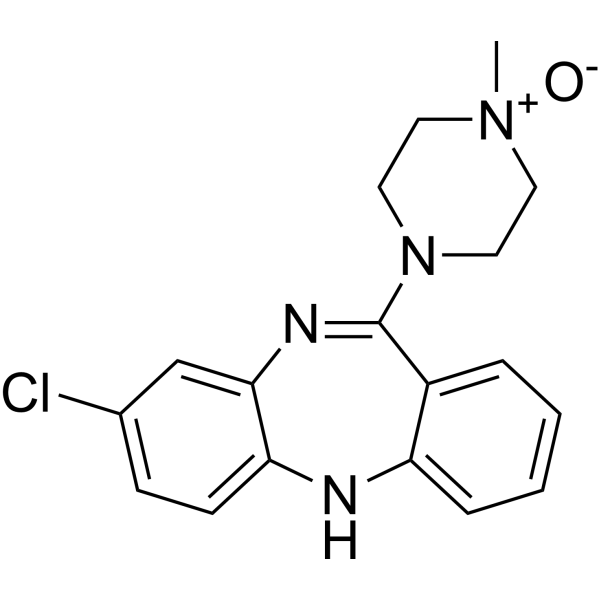 0 ImagesClozapine N-oxide is a major metabolite of Clozapine and a human muscarinic designer receptors (DREADDs) agonist. Clozapine N-oxide activates the DREADD receptor hM3Dq and hM4Di. Clozapine N-oxide can't cross the blood-brain barrier. Clozapine is a potent dopamine antagonist and also a potent and selective muscarinic M4 receptor (EC50=11 nM) agonist.
-
Deschloroclozapine
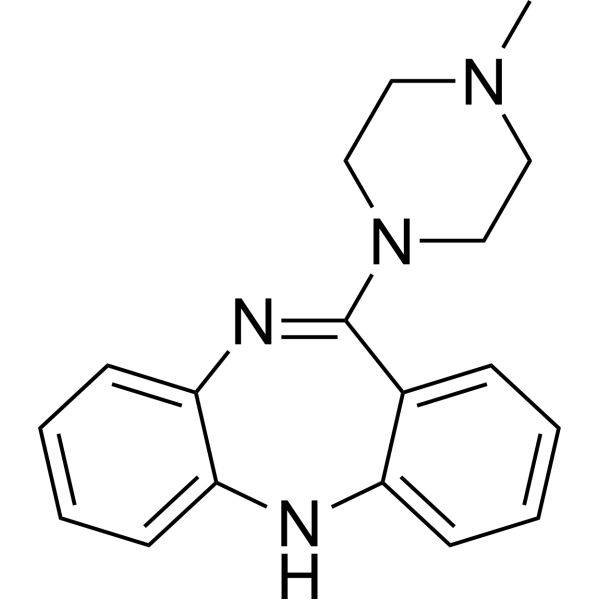 0 ImagesDeschloroclozapine, a metabolite of Clozapine, is a highly potent muscarinic DREADDs agonist, with blood-brain barrier permeability. Deschloroclozapine binds to DREADD receptor subtypes hM3Dq and hM4Di with Ki of 6.3 and 4.2 nM, respectively. [11C]-Deschloroclozapine is developed as a promising PET tracer for DREADD imaging.
-
Pilocarpine Hydrochloride
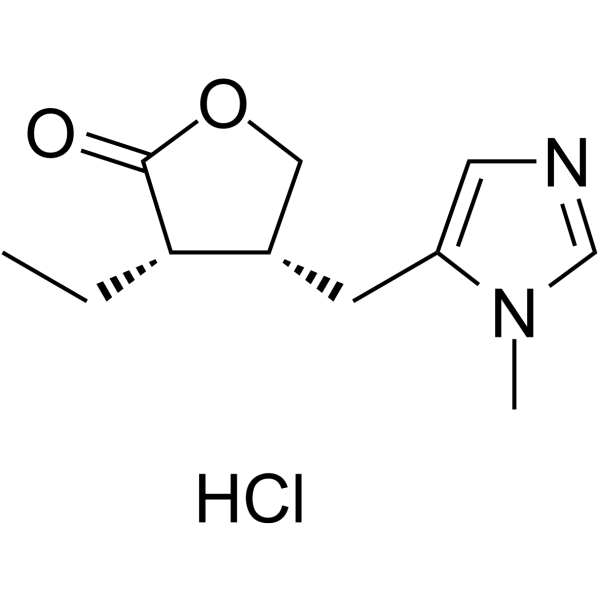 0 ImagesPilocarpine Hydrochloride is an orally active, selective M3 muscarinic acetylcholine receptor agonist. Pilocarpine Hydrochloride can induce seizures and is used in research on conditions such as epilepsy, dry mouth (xerostomia), and elevated intraocular pressure.
-
Clozapine N-oxide dihydrochloride
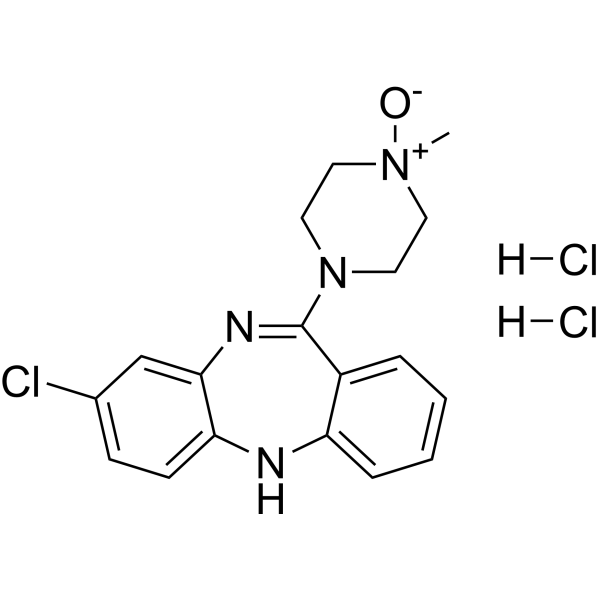 0 ImagesClozapine N-oxide dihydrochloride is a major metabolite of Clozapine and a human muscarinic designer receptors (DREADDs) agonist. Clozapine N-oxide dihydrochloride activates the DREADD receptor hM3Dq and hM4Di. Clozapine N-oxide dihydrochloride cannot cross the blood-brain barrier. Clozapine is a potent dopamine antagonist and also a potent and selective muscarinic M4 receptor (EC50=11 nM) agonist.
-
Pilocarpine
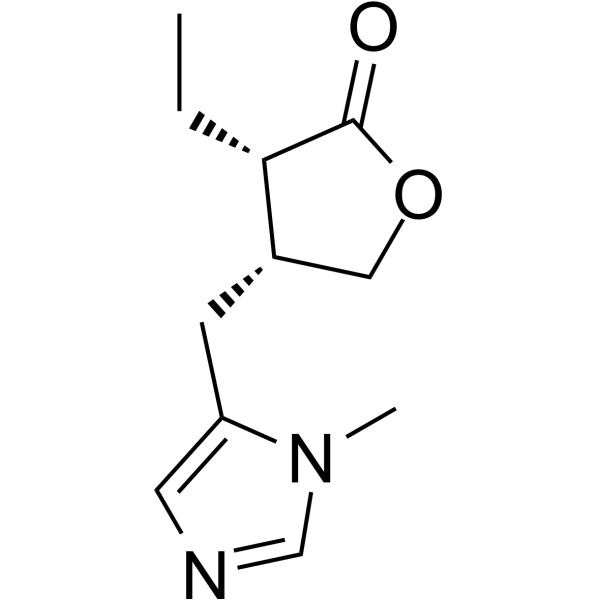 0 ImagesPilocarpine is an orally active, selective M3 muscarinic acetylcholine receptor agonist. Pilocarpine can induce seizures. Pilocarpine is used in research on conditions such as epilepsy, dry mouth (xerostomia), and elevated intraocular pressure.
-
Pilocarpine nitrate
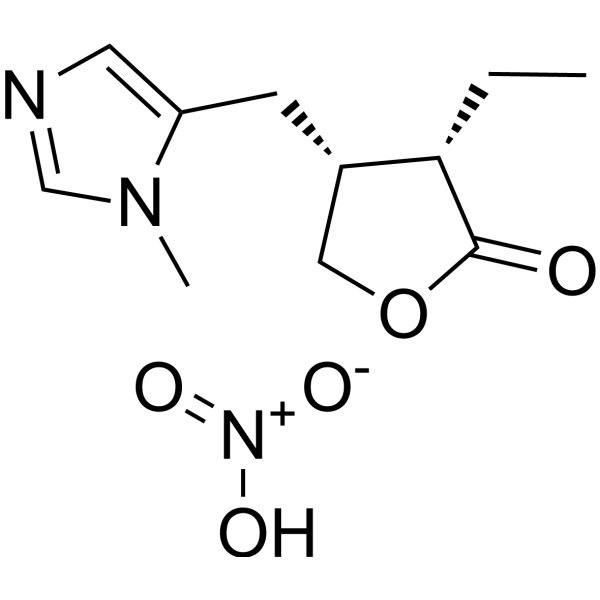 0 ImagesPilocarpine nitrate is an orally active, selective M3 muscarinic acetylcholine receptor agonist. Pilocarpine nitrate can induce seizures and is used in research on conditions such as epilepsy, dry mouth (xerostomia), and elevated intraocular pressure.
-
Deschloroclozapine dihydrochloride
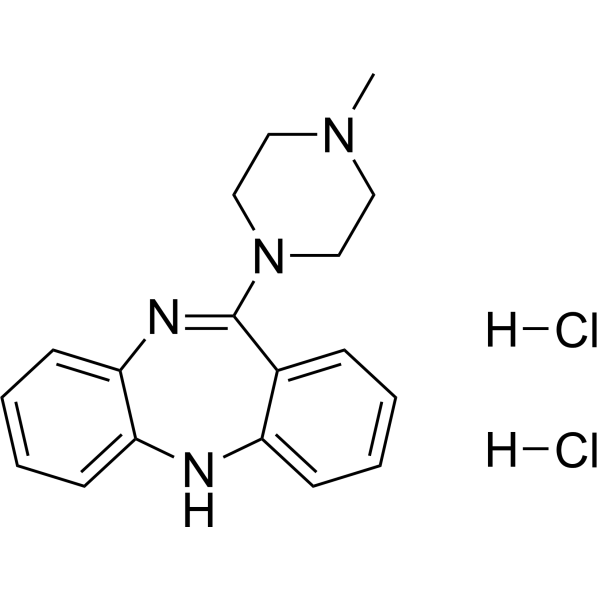 0 ImagesCat. No.: HY-42110APurity: 99.87%Deschloroclozapine dihydrochloride, a metabolite of Clozapine, is a highly potent muscarinic DREADDs agonist, with blood-brain barrier permeability. Deschloroclozapine dihydrochloride binds to DREADD receptor subtypes hM3Dq and hM4Di with Ki of 6.3 and 4.2 nM, respectively. [11C]-Deschloroclozapine dihydrochloride is developed as a promising PET tracer for DREADD imaging.
-
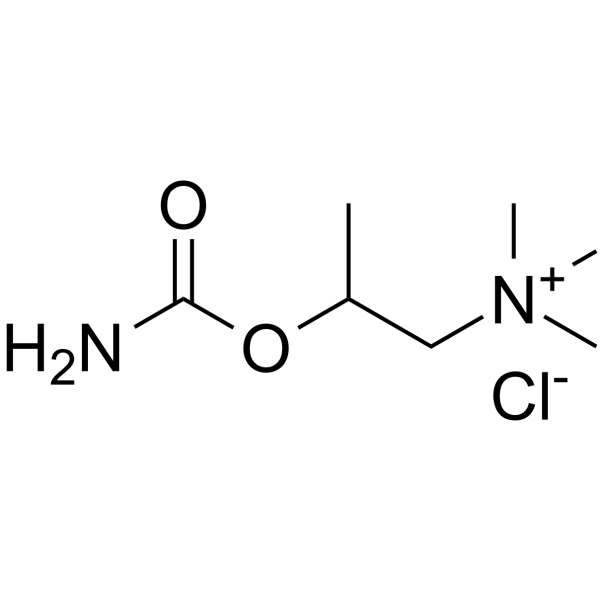
Methacholine chloride
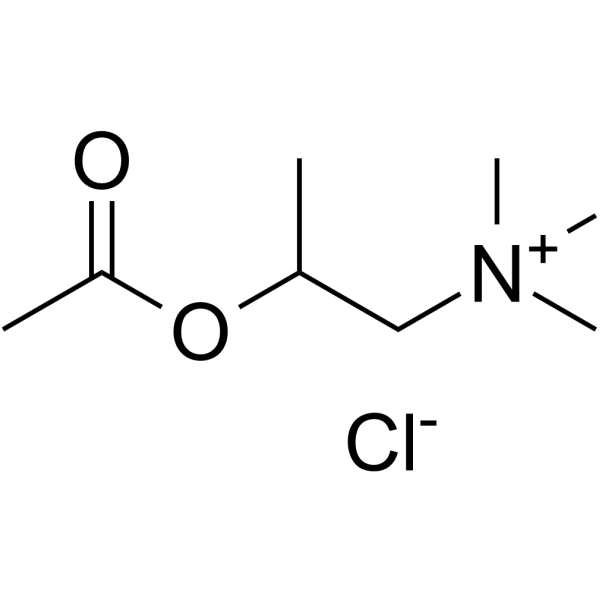 0 ImagesMethacholine (Acetyl-β-methylcholine) choride is a potent muscarinic-3 (M3) agonist. Methacholine choride acts directly on acetylcholine receptors on smooth muscle causing bronchoconstriction and airway narrowing. Methacholine choride shows a high sensitivity to identify bronchial hyperresponsiveness (BHR). Methacholine choride can be used to measure airway hyperresponsiveness (AHR) as a diagnostic aid in the assessment of individuals with asthma-like symptoms and normal resting expiratory flow rates.
-
Darifenacin hydrobromide
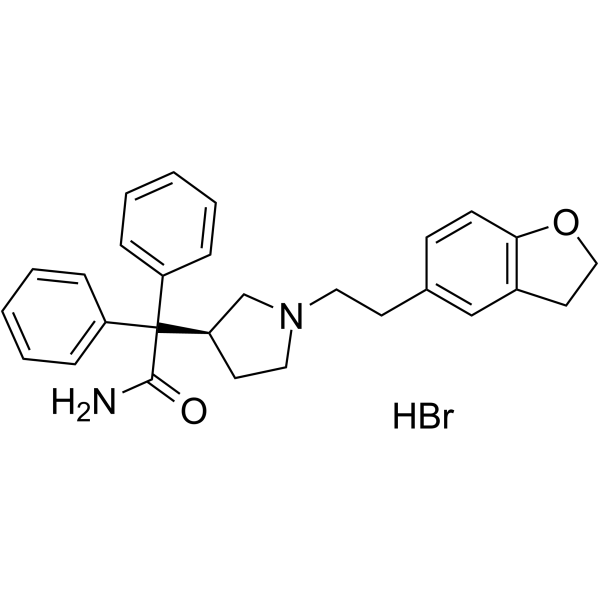 0 ImagesSynonyms: UK-88525 hydrobromideDarifenacin (UK-88525) hydrobromide is a selective and orally active M3 muscarinic receptor (M3R) antagonist with a pKi of 8.9. Darifenacin hydrobromide binds >20-fold more specifically to M3R than to other muscarinic receptors. Darifenacin hydrobromide can be used in the study of urinary incontinence and other symptoms of overactive bladder. Darifenacin hydrobromide inhibits tumor growth in colorectal cancer cells and has anti-tumor effects.
-
Darifenacin
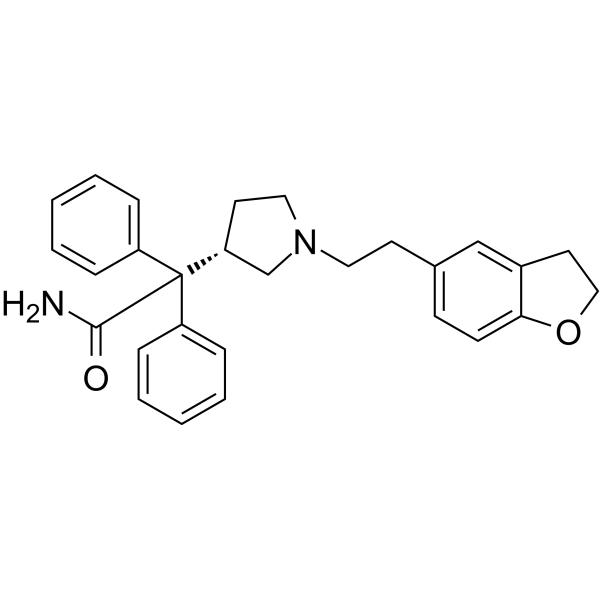 0 ImagesSynonyms: UK-88525Darifenacin (UK-88525) is a selective and orally active M3 muscarinic receptor (M3R) antagonist with a pKi of 8.9. Darifenacin binds >20-fold more specifically to M3R than to other muscarinic receptors. Darifenacin can be used in the study of urinary incontinence and other symptoms of overactive bladder. Darifenacin inhibits tumor growth in colorectal cancer cells and has anti-tumor effects.
-
Tiotropium Bromide
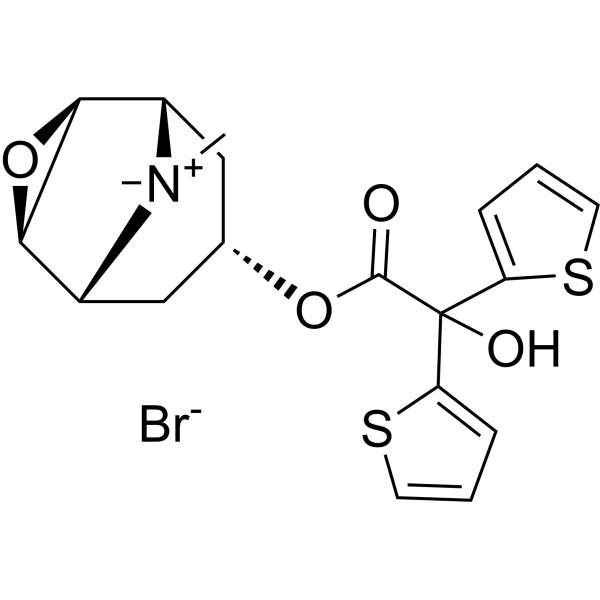 0 ImagesSynonyms: BA679 BRTiotropium bromide (BA-679 BR) is a long-acting anticholinergic bronchodilator. Tiotropium bromide blocks the action of acetylcholine at muscarinic M1, M2, and M3 receptors, prevents bronchoconstriction, and dilates bronchial airways. Tiotropium bromide is applicable to research related to chronic obstructive pulmonary disease and asthma.
-
4-DAMP
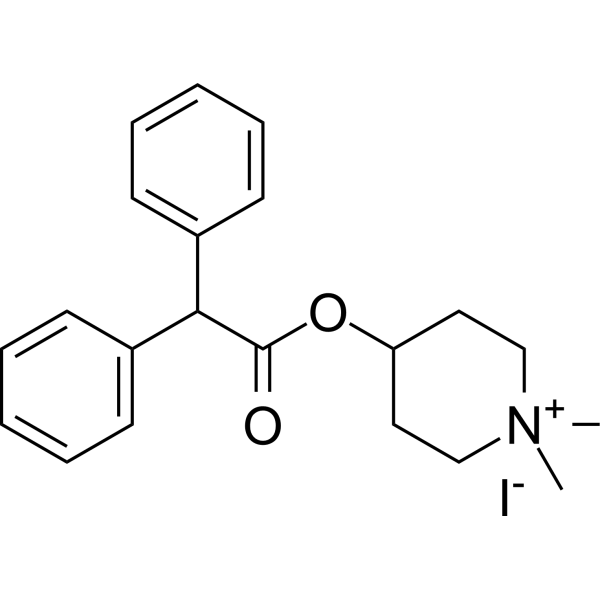 0 Images4-DAMP (4-DAMP methiodide) is a potent and selective antagonist of M3 receptors and also has a high affinity for the closely-related M5 receptors. 4-DAMP combined with 5-Fluorouracil (5-Fu) (HY-90006) could significantly reduce the cell viability and enhance apoptosis in MKN45 and BGC823 gastric cancer cells. 4-DAMP inhibits lipopolysaccharide (LPS)- and tobacco-induced pulmonary inflammation and reduces mucin 5AC (MUC5AC), oligomeric mucus/gel-forming secretion.
-
(S)-(+)-Dimethindene maleate
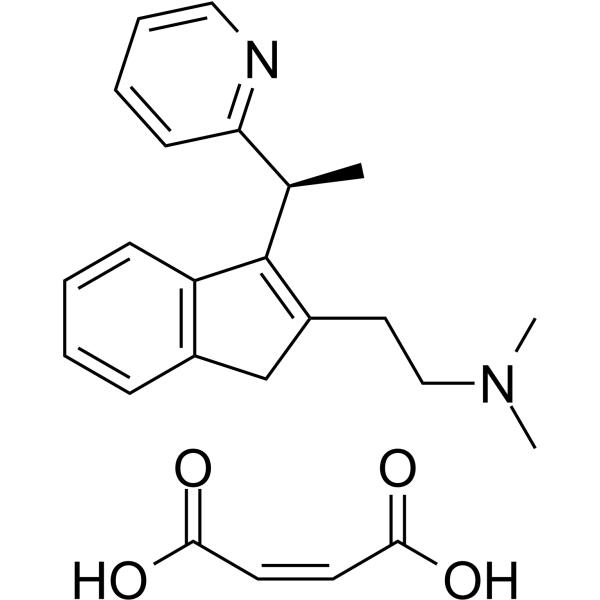 0 Images(S)-(+)-Dimethindene maleate, an enantiomer, is a potent M2-selective muscarinic receptor antagonist (pA2 = 7.86/7.74; pKi = 7.78). (S)-(+)-Dimethindene maleate shows lower affinities for the muscarinic M1 (pA2 = 6.83/6.36; pKi = 7.08), the M3 (pA2 = 6.92/6.96; pKi = 6.70) and the M4 receptors (pKi = 7.00), respectively. (S)-(+)-Dimethindene maleate also is a histamine H1 receptor antagonist (pA2 = 7.48).
-
Iperoxo
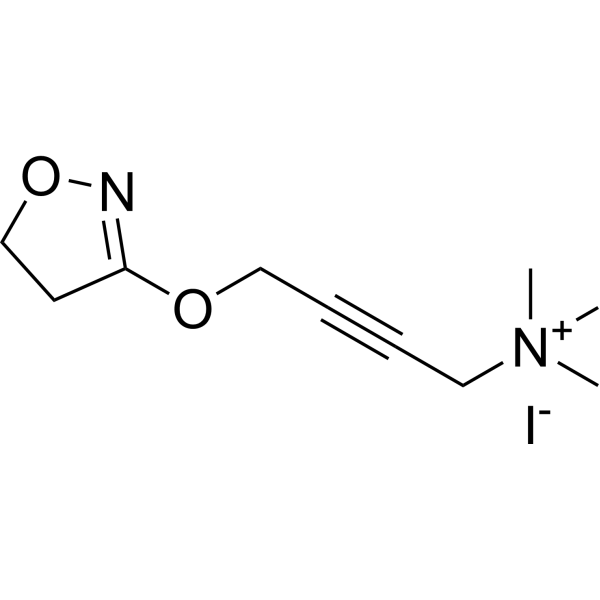 0 ImagesIperoxo is a potent superagonist of muscarinic acetylcholine receptor (mAChR) that activates M1, M2 and M3 receptors with pEC50 of 9.87, 10.1 and 9.78. Iperoxo can be used for direct probing activation-related conformational transitions of muscarinic receptors when labeled with tritium.
-
Cevimeline hydrochloride
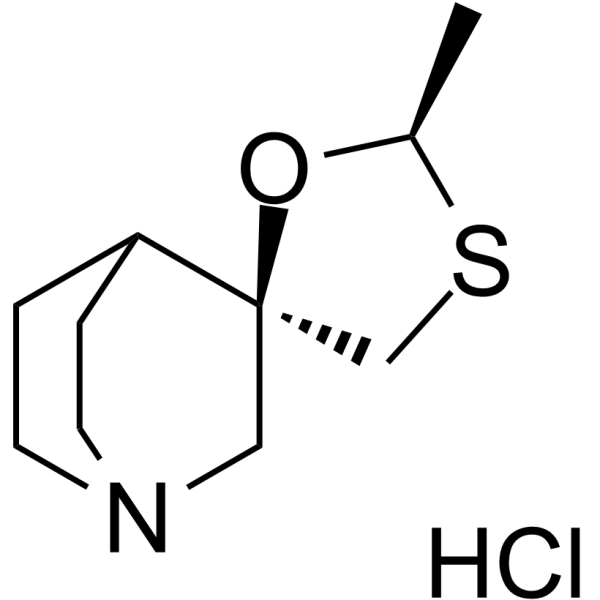 0 ImagesSynonyms: AF102B hydrochlorideCevimeline hydrochloride (AF102B hydrochloride) is a quinuclidine derivative of acetylcholine and a selective and orally active muscarinic M1 and M3 receptor agonist. Cevimeline hydrochloride stimulates secretion by the salivary glands and can be used as a sialogogue for xerostomia. Cevimeline hydrochloride can cross the blood-brain barrier (BBB).
-
DREADD agonist 21 dihydrochloride
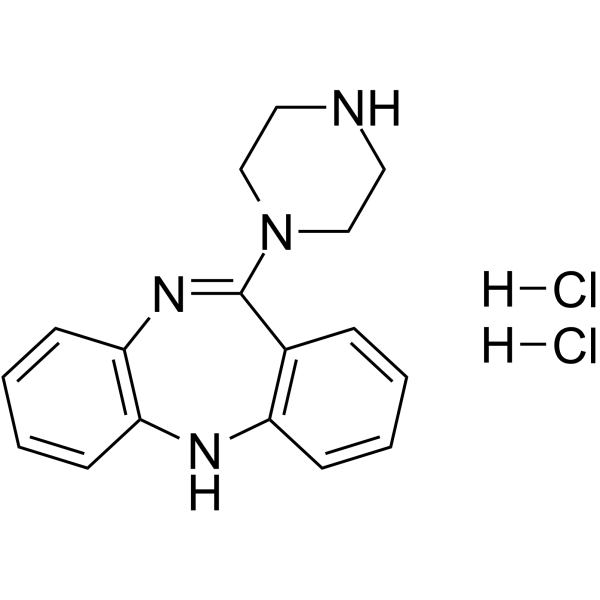 0 ImagesDREADD agonist 21 dihydrochloride is a potent human muscarinic acetylcholine M3 receptors (hM3Dq) agonist (EC50=1.7 nM).
-
Trospium chloride
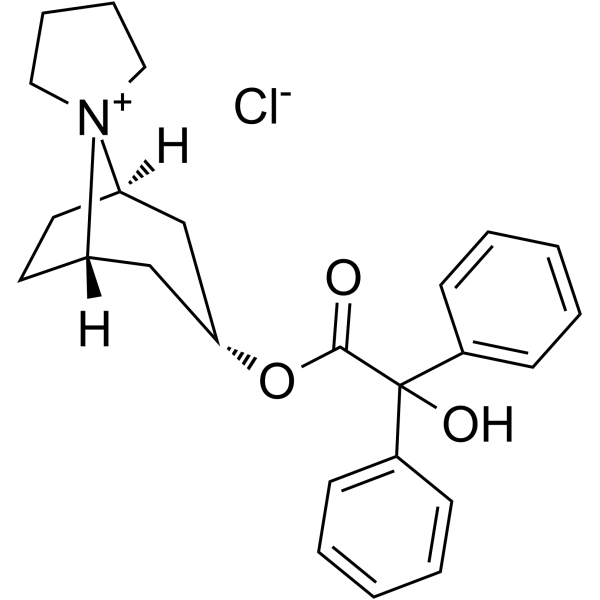 0 ImagesTrospium chloride is an orally active, specific and competitive antagonist of muscarinic cholinergic receptors (mAChRs), with antimuscarinic activity. Trospium chloride binds to muscarinic receptors M1, M2 and M3 with high affinity, but not nicotinic, cholinergic receptors.
-
DREADD agonist 21
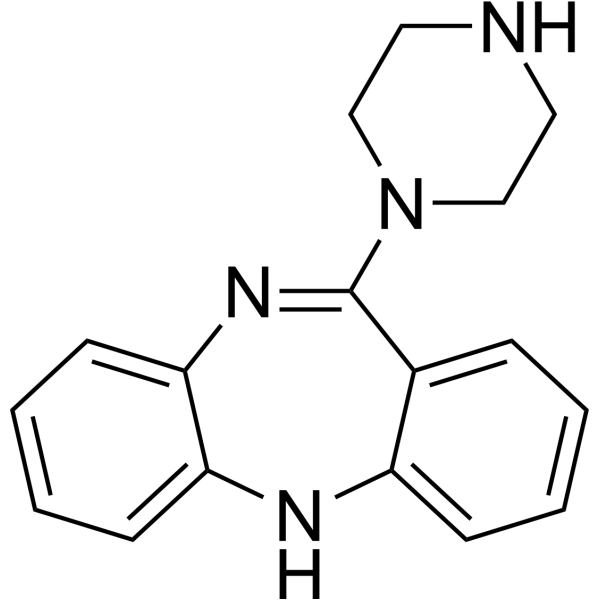 0 ImagesDREADD agonist 21 is a potent human muscarinic acetylcholine M3 receptors (hM3Dq) agonist (EC50=1.7 nM).
-
Fesoterodine fumarate
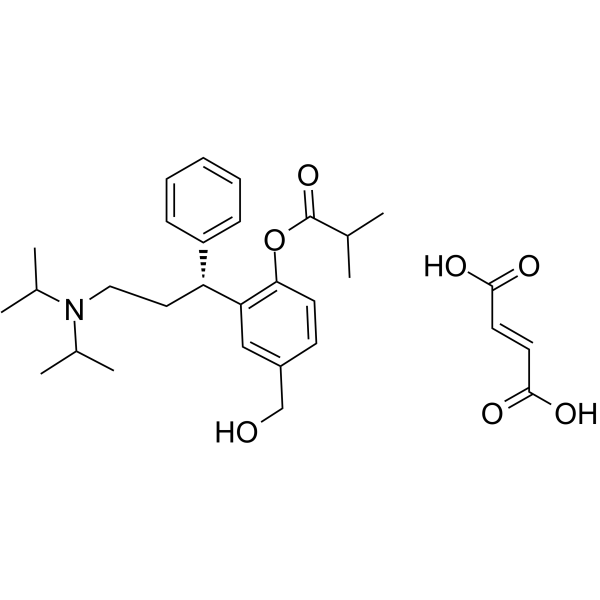 0 ImagesCat. No.: HY-A0030CAS No.: 286930-03-8Fesoterodine Fumarate is an orally active, nonsubtype selective, competitive muscarinic receptor (mAChR) antagonist with pKi values of 8.0, 7.7, 7.4, 7.3, 7.5 for M1, M2, M3, M4, M5 receptors, respectively. Fesoterodine Fumarate is used for the overactive bladder (OAB).



