



Pilocarpine
Based on 48 publication(s) in Google Scholar
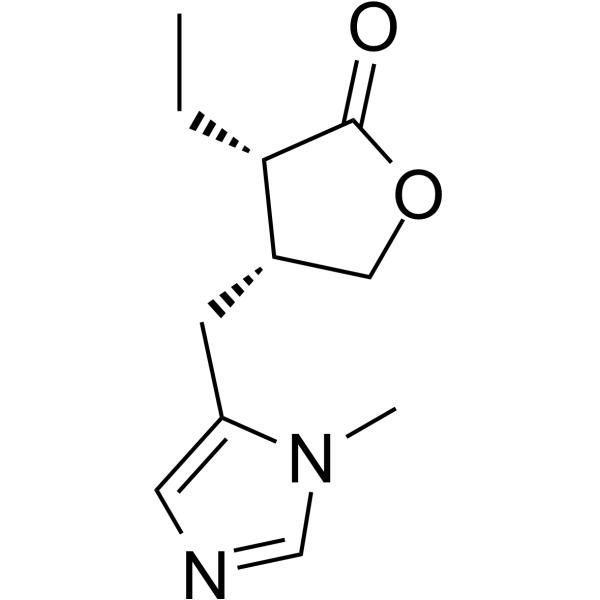
Pilocarpine is an orally active, selective M3 muscarinic acetylcholine receptor agonist. Pilocarpine can induce seizures. Pilocarpine is used in research on conditions such as epilepsy, dry mouth (xerostomia), and elevated intraocular pressure.
For research use only. We do not sell to patients.
- Purity : 99.89%
- CAS No.: 92-13-7
- Formula: C11H16N2O2
- Molecular Weight:208.26
-
Storage:
-20°C, protect from light
* In solvent : -80°C, 6 months; -20°C, 1 month (protect from light)

To place orders, for customer services and technical support, please contact: MedChemExpress USA
Tel: 609-228-6898 E-mail: [email protected] [email protected]


-
 Biological Activity
-
Chemical Information
-
Solvent & Solubility
- Purity & Documentation
- References
-
 Help & FAQs


-

HY-Y0649
Lithium chloride, 99.3%-TBiochemical Reagent -
HY-N2309
Kainic acidNeuroexcitatory Amino Acid Agonist -
HY-B0282
Acetylcholine chlorideCholinergic Agonist -
HY-122743
IperoxomAChR Superagonist -
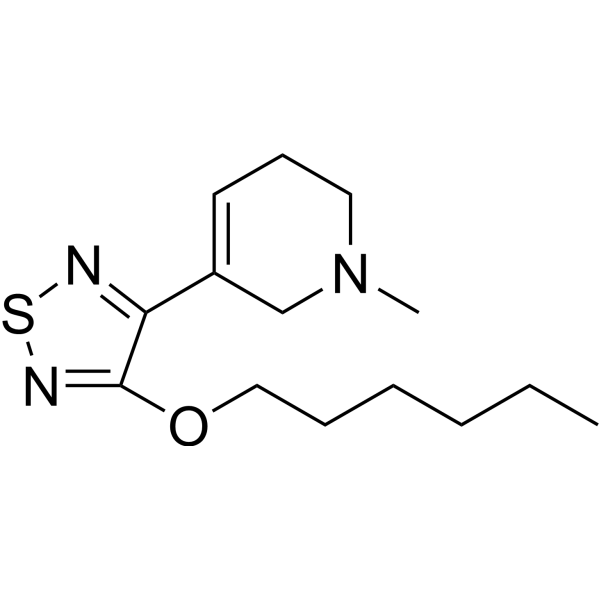
HY-105182
XanomelineM1/M4 receptor Agonist -
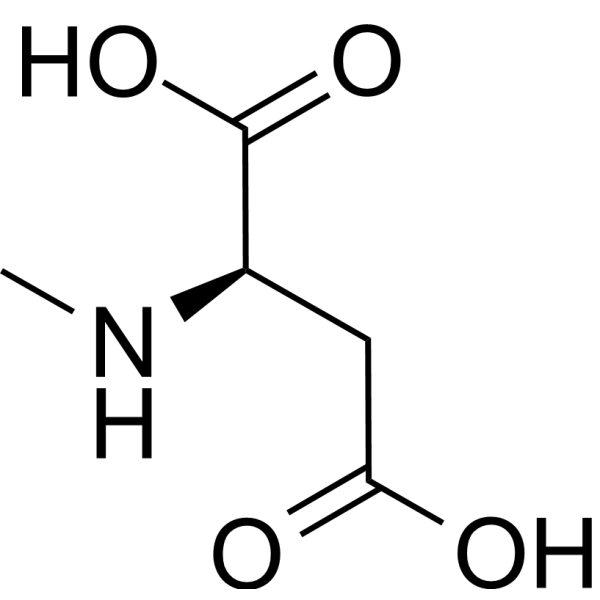
HY-17551
NMDAEndogenous Metabolite -
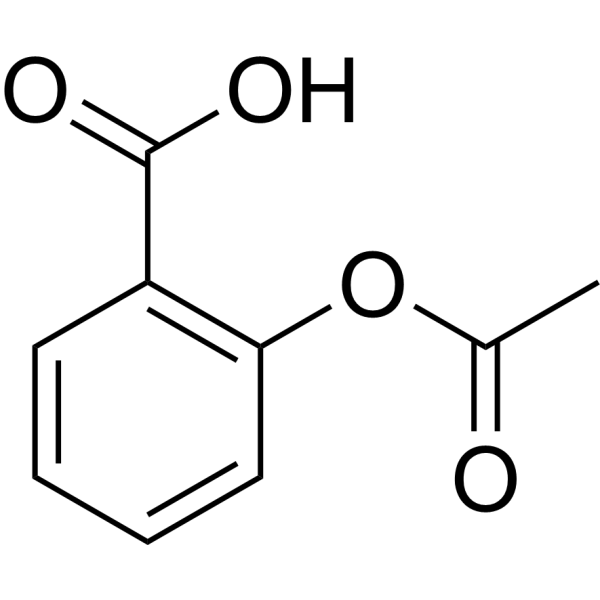
HY-14654
AspirinCOX Inhibitor -
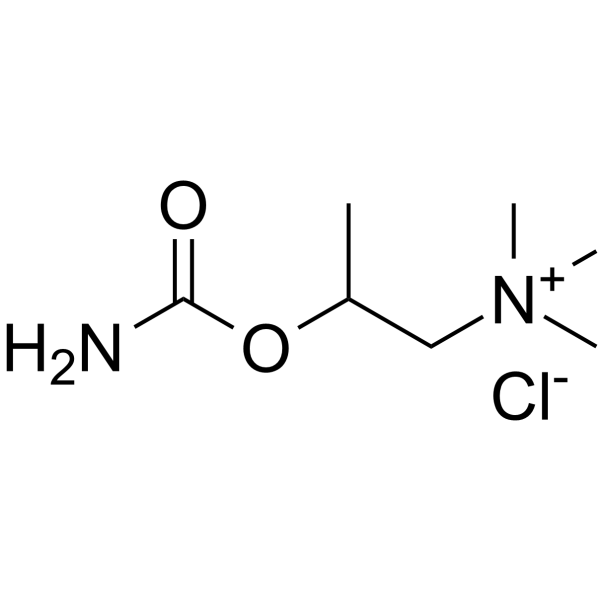
HY-B0406A
Bethanechol chloridemAChR Agonist -
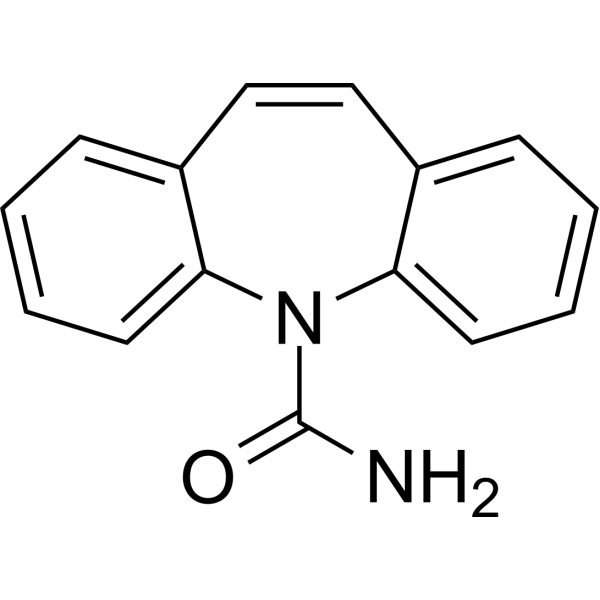
HY-B0246
CarbamazepineAnticonvulsant -

HY-Y0320
Dimethyl sulfoxide, meets analytical specification of Ch.P.Aprotic Solvent -
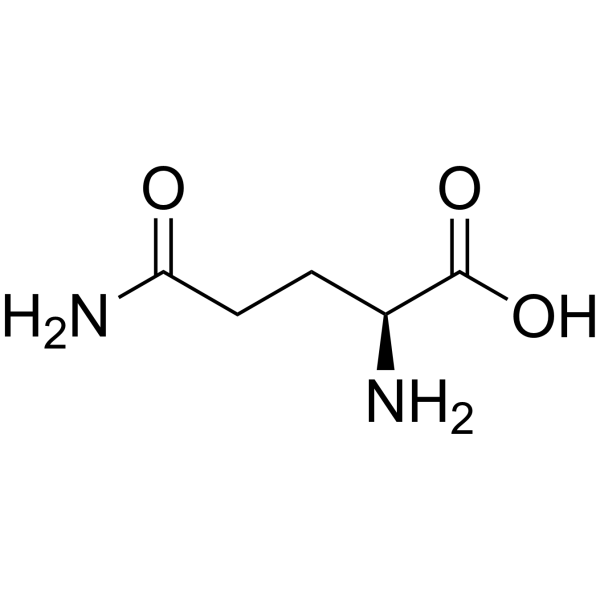
HY-N0390
L-GlutamineEndogenous Metabolite -
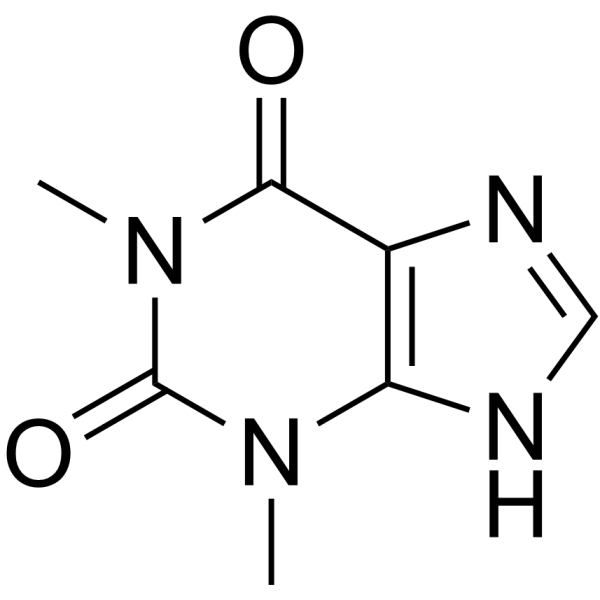
HY-B0809
TheophyllinePDE Inhibitor
Publications Citing Use of MedChemExpress (MCE) Pilocarpine
More- Immunity. 2022 Aug 9;55(8):1466-1482.e9. [Abstract]
- J Nanobiotechnology. 2026 Apr 21;24(1):546. [Abstract]
- J Nanobiotechnology. 2025 May 5;23(1):332. [Abstract]
- J Nanobiotechnology. 2025 Mar 20;23(1):228. [Abstract]
- Adv Sci (Weinh). 2026 Jan 28:e19642. [Abstract]
- Acta Pharmacol Sin. 2026 Aug 17.
- Acta Pharmacol Sin. 2024 Dec;45(12):2611-2624. [Abstract]
- Food Chem. 2022 Nov 30:395:133593. [Abstract]
- Cell Rep. 2025 Feb 23;44(3):115343. [Abstract]
- Cell Rep. 2023 Apr 30;42(5):112456. [Abstract]
- Cell Mol Neurobiol. 2022 Apr;42(3):777-790. [Abstract]
- Ocul Surf. 2024 Oct:34:430-440. [Abstract]
- Life Sci. 2022 Nov 1;308:120942. [Abstract]
- Cells. 2024 Oct 1;13(19):1635. [Abstract]
- Commun Biol. 2026 Jun 25. [Abstract]
- Commun Biol. 2024 Sep 17;7(1):1158. [Abstract]
- Int J Mol Sci. 2024 Sep 27;25(19):10432. [Abstract]
- Int Immunopharmacol. 2024 Feb 15:128:111485. [Abstract]
- Int J Mol Sci. 2023 Apr 16;24(8):7356. [Abstract]
- Int J Mol Sci. 2023 Apr 12;24(8):7171. [Abstract]
- Int Immunopharmacol. 2022 Oct:111:109152. [Abstract]
- Mol Neurobiol. 2025 Dec 1;63(1):232. [Abstract]
- Neurochem Int. 2024 Mar:174:105677. [Abstract]
- Front Pharmacol. 2023 Jun 26:14:1191692. [Abstract]
- Sci Rep. 2025 Jul 15;15(1):25579. [Abstract]
- Cell Signal. 2026 Sep:145:112579. [Abstract]
- Cell Signal. 2026 Aug:144:112553. [Abstract]
- Neuropharmacology. 2017 May 1:117:238-248. [Abstract]
- J Neurochem. 2025 Dec;169(12):e70334. [Abstract]
- Prog Neurobiol. 2022 Oct:217:102335. [Abstract]
- FASEB J. 2024 Aug 15;38(15):e23878. [Abstract]
- ACS Pharmacol Transl Sci. 2025 Jun 6;8(7):2048-2060. [Abstract]
- Mol Immunol. 2024 Jun 19:172:68-75. [Abstract]
- Epilepsia Open. 2025 Aug 28. [Abstract]
- Mol Cell Endocrinol. 2025 Apr 1:599:112464. [Abstract]
- Brain Sci. 2023 Feb 3;13(2):262. [Abstract]
- Neuroscience. 2026 Oct 15:614:150-162.
- Neuroscience. 2026 Sep 28:612:250-261.
- Neuroscience. 2021 Feb 10:455:212-222. [Abstract]
- Brain Res. 2023 Jul 1:1810:148382. [Abstract]
- Exp Eye Res. 2024 Sep:246:110008. [Abstract]
- BMC Immunol. 2024 Feb 12;25(1):16. [Abstract]
- PLoS One. 2026 Mar 20;21(3):e0344387. [Abstract]
- J Mol Neurosci. 2020 Nov;70(11):1858-1870. [Abstract]
- Epilepsy Res. 2018 May:142:45-52. [Abstract]
- Research Square Preprint. 2023 Apr 13.
- Research Square Print. December 16th, 2022.
- Research Square Preprint. 2021 Aug.
 Customer Validation & Images

-
In Vivo Efficacy Study
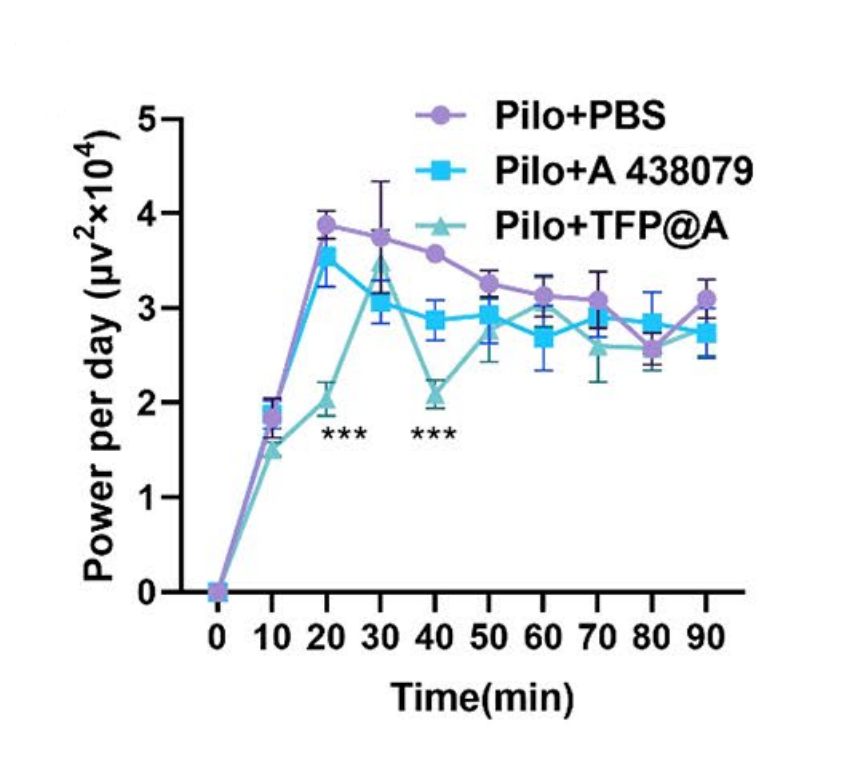
-
In Vivo Efficacy Study
-
IF
-
Histological Imaging/Staining
-
In Vivo Efficacy Study


Biological Activity
Description
IC50 & Target
|
mAChR3 |
Cellular Effect
|
Cell Line

|
Type | Value | Description | References |
|---|---|---|---|---|
| CHO | EC50 |
63 μM
Compound: Pilocarpine
|
Stimulation of cAMP in CHO cells expressing human m2 receptor
Stimulation of cAMP in CHO cells expressing human m2 receptor
|
[PMID: 9873644] |
| HEK293 | EC50 |
0.0175 μM
Compound: Pilocarpine
|
Agonist activity at human m1 muscarinic acetylcholine receptor expressed in HEK293 cells assessed as calcium mobilization by FLIPR assay
Agonist activity at human m1 muscarinic acetylcholine receptor expressed in HEK293 cells assessed as calcium mobilization by FLIPR assay
|
[PMID: 25765911] |
In Vitro
To evaluate the cytotoxicity of Pilocarpine, the morphology and viability of human corneal stromal (HCS) cells are examined by light microscopy and MTT assay, respectively. Morphological observations show that HCS cells exposed to Pilocarpine at a concentration from 0.625 to 20 g/L exhibit dose- and time-dependent proliferation retardation and morphological abnormality such as cellular shrinkage, cytoplasmic vacuolation, detachment from culture matrix, and eventually death, while no obvious difference is observed between those exposed to Pilocarpine below the concentration of 0.625 g/L and controls. Results of MTT assay reveal that the cell viability of HCS cells decrease with time and concentration after exposing to Pilocarpine above the concentration of 0.625 g/L (P<0.01 or 0.05), while that of HCS cells treated with Pilocarpine below the concentration of 0.625 g/L show no significant difference to controls[2]. The partial muscarinic agonist, Pilocarpine, evokes concentration-dependent relaxation with an EC50 of 2.4 mM in isolated segments of rat tail artery that were constricted with Penylephrine (10 to 200 nM)[3].
MedChemExpress (MCE) has not independently confirmed the accuracy of these methods. They are for reference only.
Induced Disease Models
Note:
Please do not refer to only one article to determine the experimental conditions. It is recommended to determine the optimal experimental conditions (animal strain, age, dosage, frequency and cycle, detection time and indicators, etc.) through preliminary experiments before the formal experiment.
Pilocarpine is a cholinergic muscarinic (M) receptor agonist. When used to induce epilepsy, it primarily acts via the central cholinergic system to increase neuronal excitability; this subsequently recruits systems such as the glutamatergic/NMDA pathways, ultimately resulting in status epilepticus (SE)[4].
Administration method: Pilocarpine (250-400 mg/kg) • Intraperitoneal injection, single dose; methscopolamine bromide (HY-B0344) is administered prior to pilocarpine.
(2) The control group must receive the same solvent used for the drug solution to eliminate any effects of the solvent itself.
EEG assessment: Persistent abnormal electrical activity and seizure-related EEG discharges during status epilepticus (SE).
MedChemExpress (MCE) has not independently confirmed the accuracy of these methods. They are for reference only.


Chemical Information
-
CAS No. 92-13-7
-
Appearance <34°C Solid,>34°C Liquid
-
Molecular Weight 208.26
-
Formula C11H16N2O2
-
Color Colorless to light yellow
-
SMILES
O=C1OC[C@H](CC2=CN=CN2C)[C@@H]1CC
-
Shipping
Room temperature in continental US; may vary elsewhere.
-
Storage
-20°C, protect from light
* In solvent : -80°C, 6 months; -20°C, 1 month (protect from light)


Publications (48)
-
Journal Impact Factor
-
Most Recent
-
Immunity
Microglia-derived PDGFB promotes neuronal potassium currents to suppress basal sympathetic tonicity and limit hypertension. [Abstract]2022 Aug 9;55(8):1466-1482.e9. PMID: 35863346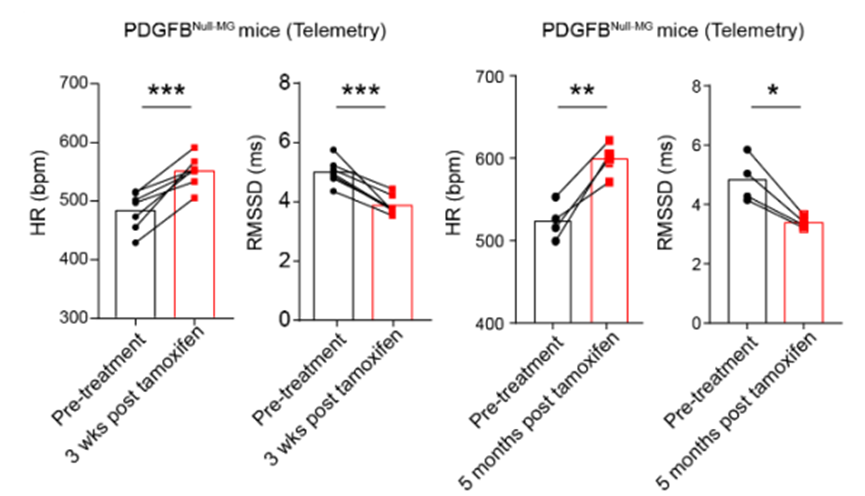
Pilocarpine purchased from MedChemExpress. Usage Cited in: Immunity. 2022 Aug 9;55(8):1466-1482.e9. [Abstract]
The effects of tamoxifen treatment and microglial PDGFB ablation on pilocarpine (100 mg/kg, ip, once every 20 minutes)-induced epilepsy were investigated by implanting telemetry probes into PDGFBNull-MG mice and analyzing their heart rate (HR) and heart rate variability (HRV) before and 3 or 5 weeks after tamoxifen treatment.
-
J Nanobiotechnology
Bioengineered anti-EpCAM-guided exosome nanocarriers delivering Foxp3 agonist butyrate achieve tissue-specific immunomodulation in autoimmune Sjögren's syndrome. [Abstract]2026 Apr 21;24(1):546. PMID: 42015251 -
J Nanobiotechnology
Improving epilepsy management by targeting P2 × 7 receptor with ROS/electric responsive nanomicelles. [Abstract]2025 May 5;23(1):332. PMID: 40325469
Pilocarpine purchased from MedChemExpress. Usage Cited in: J Nanobiotechnology. 2025 May 5;23(1):332. [Abstract]
Seizure scores across different groups of the Pilocarpine (300 mg/kg; i.p.)-induced SE model.
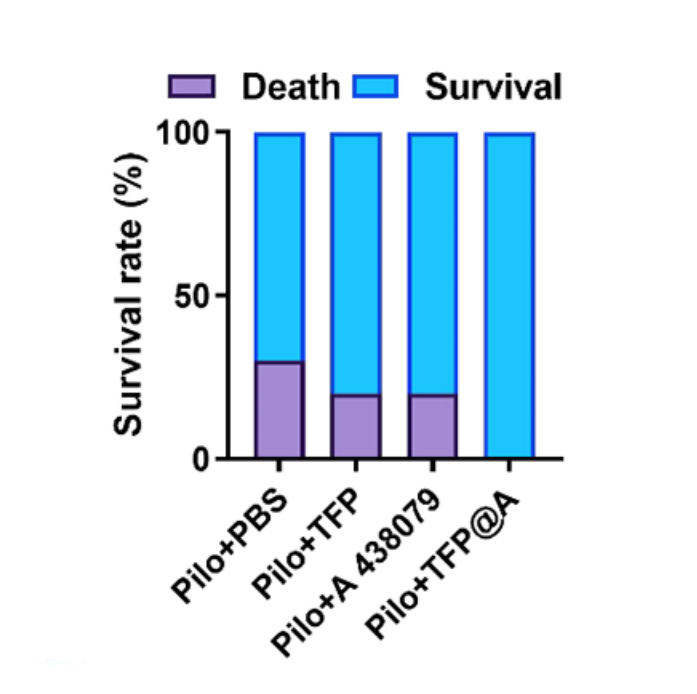
Pilocarpine purchased from MedChemExpress. Usage Cited in: J Nanobiotechnology. 2025 May 5;23(1):332. [Abstract]
Survival rate analysis among groups of the Pilocarpine (300 mg/kg; i.p.)-induced SE model.
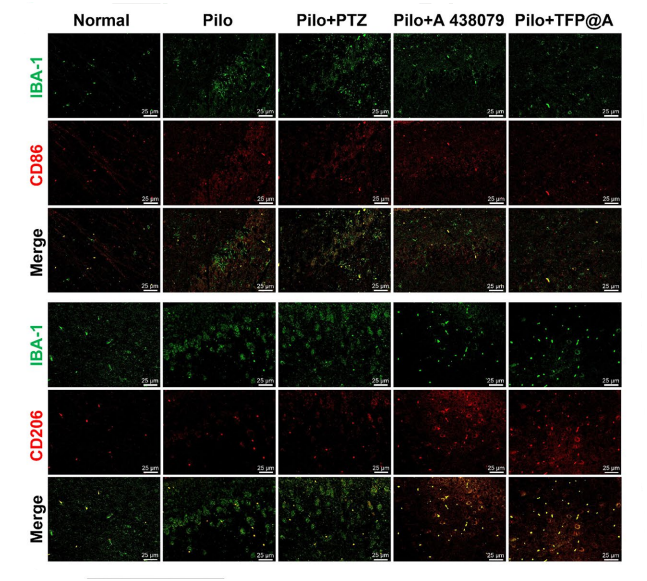
Pilocarpine purchased from MedChemExpress. Usage Cited in: J Nanobiotechnology. 2025 May 5;23(1):332. [Abstract]
Immunofluorescence staining of CD86 (pro-inflammatory) and CD206 (anti-inflammatory) expression in microglia within the hippocampus across groups of the Pilocarpine (300 mg/kg; i.p.)-induced SE model.
-
J Nanobiotechnology
miRNA let-7f-5p-encapsulated labial gland MSC-derived EVs ameliorate experimental Sjögren's syndrome by suppressing Th17 cells via targeting RORC/IL-17A signaling axis. [Abstract]2025 Mar 20;23(1):228. PMID: 40114173 -
Adv Sci (Weinh)
Microglial GPR35 Ameliorates Epileptogenesis and Neuroinflammation via PDGFA Domain 2 Signaling. [Abstract]2026 Jan 28:e19642. PMID: 41604576 -
-
Acta Pharmacol Sin
G protein-coupled receptor kinase 2 as a novel therapeutic target for gland fibrosis of Sjögren's syndrome. [Abstract]2024 Dec;45(12):2611-2624. PMID: 39054339 -
Food Chem
Screening of bioactive flavour compounds targeting muscarinic-3 acetylcholine receptor from Siraitia grosvenorii and evaluation of their synergistic anti-asthmatic activity. [Abstract]2022 Nov 30:395:133593. PMID: 35792488 -
Cell Rep
GPNMB and ATP6V1A interact to mediate microglia phagocytosis of multiple types of pathological particles. [Abstract]2025 Feb 23;44(3):115343. PMID: 39992792 -
Cell Rep
The ribosome-associated protein RACK1 represses Kir4.1 translation in astrocytes and influences neuronal activity. [Abstract]2023 Apr 30;42(5):112456. PMID: 37126448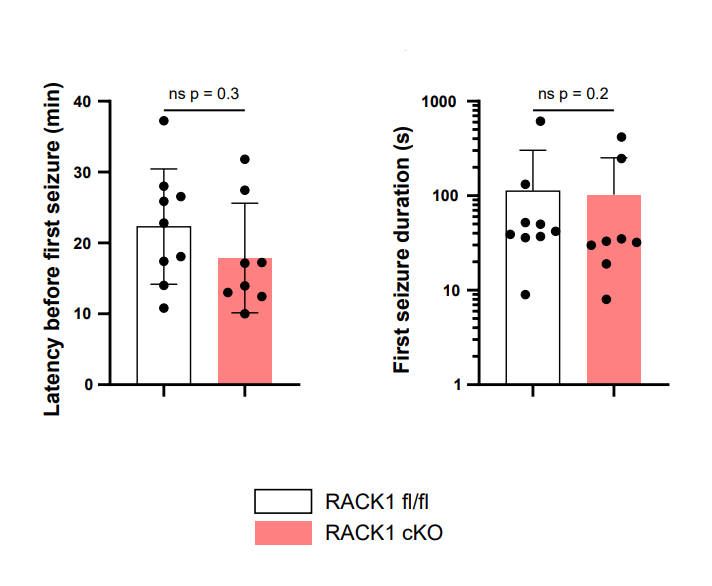
Pilocarpine purchased from MedChemExpress. Usage Cited in: Cell Rep. 2023 Apr 30;42(5):112456. [Abstract]
Latency before the first seizure of PTZ and Pilocarpine ((300 mg/kg; i.p.)-induced seizure tests in RACK1 fl/fl or RACK1 cKO mice.
-
Cell Mol Neurobiol
Expression Pattern of ALOXE3 in Mouse Brain Suggests Its Relationship with Seizure Susceptibility. [Abstract]2022 Apr;42(3):777-790. PMID: 33058074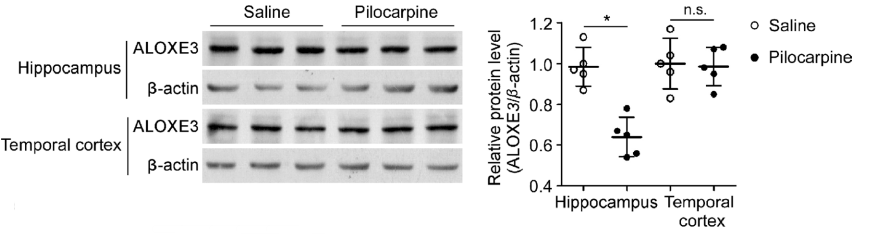
Pilocarpine purchased from MedChemExpress. Usage Cited in: Cell Mol Neurobiol. 2022 Apr;42(3):777-790. [Abstract]
Pilocarpine (325 mg/kg, ip, single dose)-induced status epilepticus (SE) reduced the level of ALOXE3 protein in the hippocampus of mice, but did not reduce it in the temporal lobe cortex.
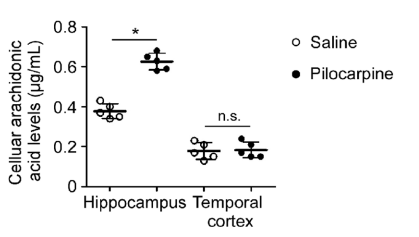
Pilocarpine purchased from MedChemExpress. Usage Cited in: Cell Mol Neurobiol. 2022 Apr;42(3):777-790. [Abstract]
Pilocarpine (325 mg/kg, ip, single dose)-induced status epilepticus (SE) increases AA levels in the hippocampus of mice.
-
Ocul Surf
2024 Oct:34:430-440. PMID: 39343166 -
Life Sci
Soluble epoxide hydrolase inhibitor, t-AUCB, improves salivary gland function by ameliorating endothelial injury. [Abstract]2022 Nov 1;308:120942. PMID: 36096247 -
Cells
2024 Oct 1;13(19):1635. PMID: 39404399
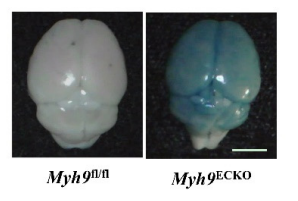
Pilocarpine purchased from MedChemExpress. Usage Cited in: Cells. 2024 Oct 1;13(19):1635. [Abstract]
Mice were intravenously injected with Evans blue or sulfonyl-NHS-biotin tracer, followed by intraperitoneal injection of scopolamine, and finally Pilo (300 mg/kg, ip, single dose) was injected to induce epileptic seizures, with close monitoring. The results indicated increased blood-brain barrier permeability in this Pilo-induced epilepsy model.
Pilocarpine purchased from MedChemExpress. Usage Cited in: Cells. 2024 Oct 1;13(19):1635. [Abstract]
Mice were intravenously injected with Evans blue or sulfonyl-NHS-biotin tracer, followed by intraperitoneal injection of scopolamine, and finally Pilo (300 mg/kg, ip, single dose) was injected to induce epileptic seizures, with close monitoring. The results indicated increased blood-brain barrier permeability in this Pilo-induced epilepsy model.
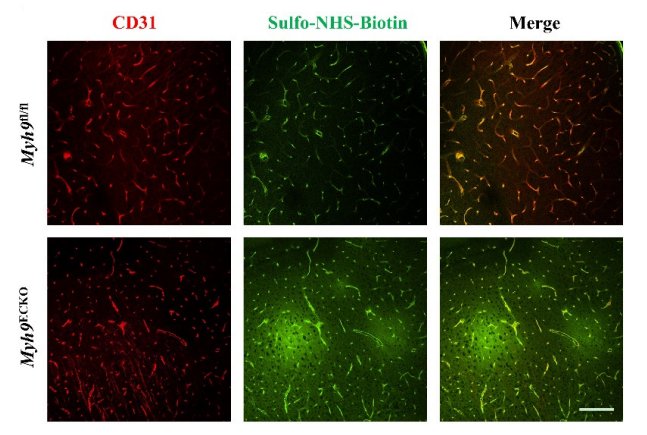
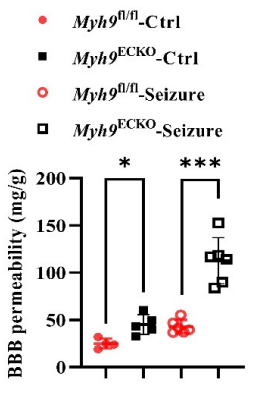
Pilocarpine purchased from MedChemExpress. Usage Cited in: Cells. 2024 Oct 1;13(19):1635. [Abstract]
Mice were intravenously injected with Evans blue or sulfonyl-NHS-biotin tracer, followed by intraperitoneal injection of scopolamine, and finally Pilo (300 mg/kg, ip, single dose) was injected to induce epileptic seizures, with close monitoring. The results indicated increased blood-brain barrier permeability in this Pilo-induced epilepsy model.
-
Commun Biol
Perturbation of the circadian rhythmic transcription contributes to radiotherapy-induced salivary gland hypofunction. [Abstract]2026 Jun 25. PMID: 42350790 -
Commun Biol
An intranasal cationic liposomal polysaccharide vaccine elicits humoral immune responses against Streptococcus pneumoniae. [Abstract]2024 Sep 17;7(1):1158. PMID: 39284859 -
Int J Mol Sci
The Activation of Muscarinic Acetylcholine Receptors Protects against Neuroinflammation in a Mouse Model through Attenuating Microglial Inflammation. [Abstract]2024 Sep 27;25(19):10432. PMID: 39408758 -
Int Immunopharmacol
CFL1 restores the migratory capacity of bone marrow mesenchymal stem cells in primary Sjögren's syndrome by regulating CCR1 expression. [Abstract]2024 Feb 15:128:111485. PMID: 38183912 -
Int J Mol Sci
Structural Insights into M1 Muscarinic Acetylcholine Receptor Signaling Bias between Gαq and β-Arrestin through BRET Assays and Molecular Docking. [Abstract]2023 Apr 16;24(8):7356. PMID: 37108518 -
Int J Mol Sci
Immobilization of M3 Muscarinic Receptor to Rapidly Analyze Drug-Protein Interactions and Bioactive Components in a Natural Plant. [Abstract]2023 Apr 12;24(8):7171. PMID: 37108332 -
Int Immunopharmacol
Mesenchymal stem cell transplantation alleviates Sjögren's syndrome symptoms by modulating Tim-3 expression. [Abstract]2022 Oct:111:109152. PMID: 36007392 -
Mol Neurobiol
2025 Dec 1;63(1):232. PMID: 41324728 -
Neurochem Int
H2S inhibits LiCl/pilocarpine-induced seizures and promotes neuroprotection by regulating TRPV2 expression via the AC3/cAMP/PKA pathway. [Abstract]2024 Mar:174:105677. PMID: 38290616 -
Front Pharmacol
HECT, UBA and WWE domain containing 1 represses cholesterol efflux during CD4+ T cell activation in Sjögren's syndrome. [Abstract]2023 Jun 26:14:1191692. PMID: 37435494 -
Sci Rep
Inhibiting astrocyte calcium dynamics terminates status epilepticus via wireless septal stimulation. [Abstract]2025 Jul 15;15(1):25579. PMID: 40664874 -
Cell Signal
Multi-omics identifies RNF149 as a key molecular marker mediating neuron-glia interaction in temporal lobe epilepsy. [Abstract]2026 Sep:145:112579. PMID: 42114791 -
Cell Signal
Clec7a promotes hippocampal microglial activation in rats with status epilepticus via inducing the TLR4/MyD88/NF-κB signaling pathway. [Abstract]2026 Aug:144:112553. PMID: 42025892 -
Neuropharmacology
A novel GLP-1/GIP dual receptor agonist protects from 6-OHDA lesion in a rat model of Parkinson's disease. [Abstract]2017 May 1:117:238-248. PMID: 28223210 -
J Neurochem
Beta-Arrestin2-Biased Activation by Pilocarpine Suppresses Microglial Inflammatory Response. [Abstract]2025 Dec;169(12):e70334. PMID: 41457680 -
Prog Neurobiol
2022 Oct:217:102335. PMID: 35931355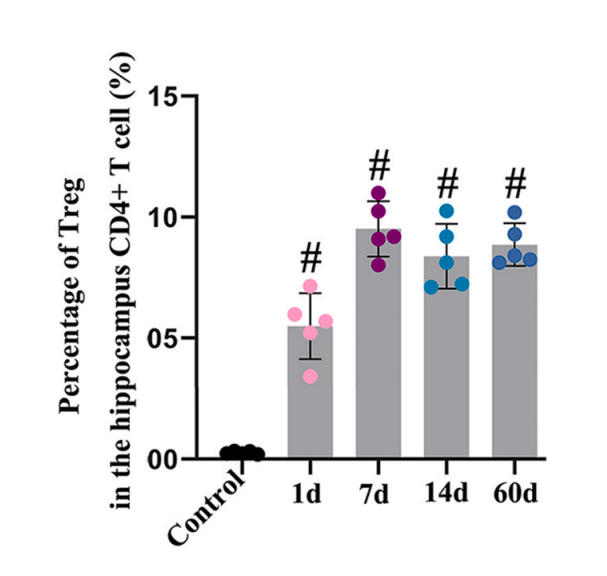
Pilocarpine purchased from MedChemExpress. Usage Cited in: Prog Neurobiol. 2022 Oct:217:102335. [Abstract]
The percentages of Foxp3+ Tregs among CD4+ T cells significantly increased in the hippocampal parenchyma of Pilocarpine(280-300 mg/kg; i.p.)-induced SE mice compared with those in the control group.
Pilocarpine purchased from MedChemExpress. Usage Cited in: Prog Neurobiol. 2022 Oct:217:102335. [Abstract]
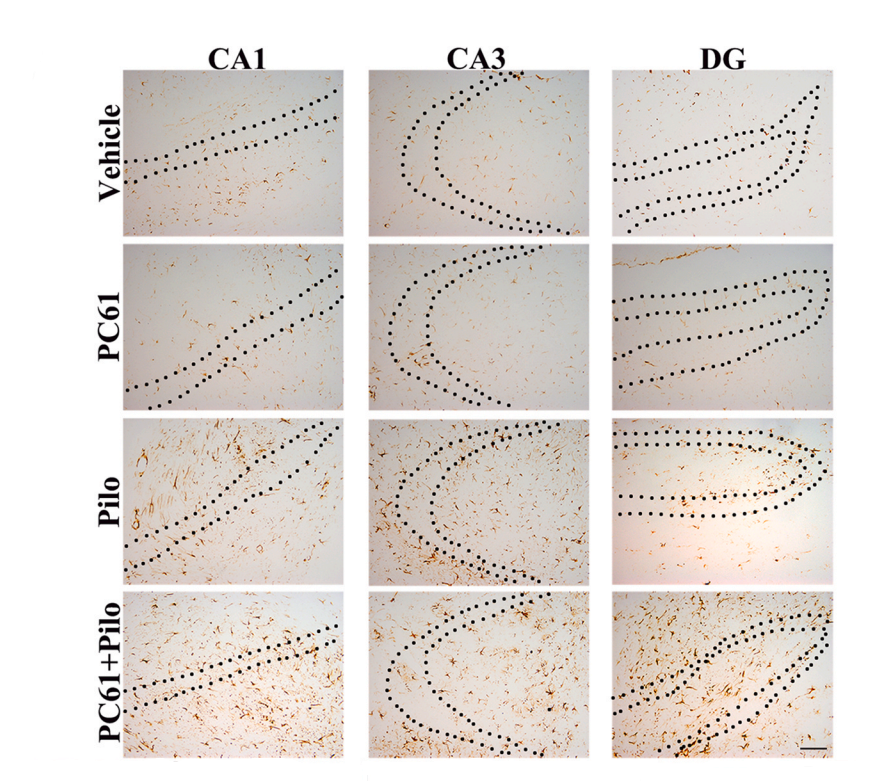
GFAP immunostaining in the CA1, CA3, and DG regions of the hippocampi of vehicle-treated control mice, PC61-treated control mice, vehicle-treated Pilocarpine (280-300 mg/kg; i.p.) mice, and PC61-treated Pilocarpine mice.
-
FASEB J
Pilocarpine mediated excessive calcium accumulation leads to ciliary muscle cell senescence and apoptosis. [Abstract]2024 Aug 15;38(15):e23878. PMID: 39120551 -
ACS Pharmacol Transl Sci
Critical Residues in the Gβ Subunit Mediate Selective Recruitment of the Gαq Heterotrimer to Activated G Protein-Coupled Receptors. [Abstract]2025 Jun 6;8(7):2048-2060. PMID: 40672669 -
Mol Immunol
MiR-23b-3p alleviates Sjögren's syndrome by targeting SOX6 and inhibiting the NF-κB signaling. [Abstract]2024 Jun 19:172:68-75. PMID: 38901181 -
Epilepsia Open
2025 Aug 28. PMID: 40874679 -
Mol Cell Endocrinol
Vagotomy suppresses food intake by increasing GLP-1 secretion via the M3 AChR-AMPKα pathway in mice. [Abstract]2025 Apr 1:599:112464. PMID: 39848433 -
Brain Sci
Microglia PKM2 Mediates Neuroinflammation and Neuron Loss in Mice Epilepsy through the Astrocyte C3-Neuron C3R Signaling Pathway. [Abstract]2023 Feb 3;13(2):262. PMID: 36831807 -
-
-
Neuroscience
Rosiglitazone Prevents Autophagy by Regulating Nrf2-Antioxidant Response Element in a Rat Model of Lithium-pilocarpine-induced Status Epilepticus. [Abstract]2021 Feb 10:455:212-222. PMID: 33197503 -
Brain Res
(+)-Borneol exerts neuroprotective effects via suppressing the NF-κB pathway in the pilocarpine-induced epileptogenesis rat model. [Abstract]2023 Jul 1:1810:148382. PMID: 37127175 -
Exp Eye Res
Long-term high fructose intake reprograms the circadian transcriptome and disrupts homeostasis in mouse extra-orbital lacrimal glands. [Abstract]2024 Sep:246:110008. PMID: 39025460 -
BMC Immunol
Network pharmacology-based strategy to investigate the mechanisms of artemisinin in treating primary Sjögren's syndrome. [Abstract]2024 Feb 12;25(1):16. PMID: 38347480 -
PLoS One
Hippocampal transcriptome profiling reveals status epilepticus-induced early changes in gene expression mainly implicating in neuroinflammation and immune responses linked to microglial dysfunction. [Abstract]2026 Mar 20;21(3):e0344387. PMID: 41860856 -
J Mol Neurosci
2020 Nov;70(11):1858-1870. PMID: 32430868 -
Epilepsy Res
Post-treatment with the GLP-1 analogue liraglutide alleviate chronic inflammation and mitochondrial stress induced by Status epilepticus. [Abstract]2018 May:142:45-52. PMID: 29549796 -
-
-


Solvent & Solubility
In Vitro:
DMSO : 100 mg/mL (480.17 mM; Need ultrasonic; Hygroscopic DMSO has a significant impact on the solubility of product, please use newly opened DMSO)
Please refer to the solubility information to select the appropriate solvent. Once prepared, please aliquot and store the solution to prevent product inactivation from repeated freeze-thaw cycles.
Storage method and period of stock solution: -80°C, 6 months; -20°C, 1 month (protect from light). When stored at -80°C, please use it within 6 months. When stored at -20°C, please use it within 1 month.
Please refer to the solubility information to select the appropriate solvent. Once prepared, please aliquot and store the solution to prevent product inactivation from repeated freeze-thaw cycles.
Storage method and period of stock solution: -80°C, 6 months; -20°C, 1 month (protect from light). When stored at -80°C, please use it within 6 months. When stored at -20°C, please use it within 1 month.
Concentration (start) × Volume (start) = Concentration (final) × Volume (final)
In Vivo:
Select the appropriate dissolution method based on your experimental animal and administration route.
- For the following dissolution methods, please ensure to first prepare a clear stock solution using an In Vitro approach and then sequentially add co-solvents:
- To ensure reliable experimental results, the clarified stock solution can be appropriately stored based on storage conditions. As for the working solution for In Vivo experiments, it is recommended to prepare freshly and use it on the same day.
- The percentages shown for the solvents indicate their volumetric ratio in the final prepared solution. If precipitation or phase separation occurs during preparation, heat and/or sonication can be used to aid dissolution.
Add each solvent one by one: 10% DMSO 40% PEG300 5% Tween-80 45% Saline
Solubility: ≥ 2.5 mg/mL (12.00 mM); Clear solution
This protocol yields a clear solution of ≥ 2.5 mg/mL (saturation unknown).
Taking 1 mL working solution as an example, add 100 μL DMSO stock solution (25.0 mg/mL) to 400 μL PEG300, and mix evenly; then add 50 μL Tween-80 and mix evenly; then add 450 μL Saline to adjust the volume to 1 mL.
Preparation of Saline: Dissolve 0.9 g sodium chloride in ddH₂O and dilute to 100 mL to obtain a clear Saline solution.
Add each solvent one by one: 10% DMSO 90% (20% SBE-β-CD in Saline)
Solubility: ≥ 2.5 mg/mL (12.00 mM); Clear solution
This protocol yields a clear solution of ≥ 2.5 mg/mL (saturation unknown).
Taking 1 mL working solution as an example, add 100 μL DMSO stock solution (25.0 mg/mL) to 900 μL 20% SBE-β-CD in Saline, and mix evenly.
Preparation of 20% SBE-β-CD in Saline (4°C, storage for one week): 2 g SBE-β-CD powder is dissolved in 10 mL Saline, completely dissolve until clear.
In Vivo Dissolution Calculator
Please enter the basic information of animal experiments:
-
-
-
-
Recommended: Prepare an additional quantity of animals to account for potential losses during experiments.
Please enter your animal formula composition:
-
%DMSO +
Recommended: Keep the proportion of DMSO in working solution below 2% if your animal is weak.
-
%+
-
+%Tween-80 + +
-
%Saline +
The co-solvents required include: DMSO, . All of co-solvents are available by MedChemExpress (MCE). , Tween 80. All of co-solvents are available by MedChemExpress (MCE).
Working solution concentration: 0.22 mg/mL
Method for preparing stock solution: mg drug dissolved in μL DMSO. Stock solution concentration: mg/mL. * In solvent : -80°C, 6 months; -20°C, 1 month (protect from light)
1. Take μL DMSO stock solution;
2. Add μL .
μL , mix evenly;
3. Then add μL Tween 80, mix evenly;
4. Then add μL
Please ensure that the stock solution in the first step is dissolved to a clear state, and add co-solvents in sequence. You can use ultrasonic heating (ultrasonic cleaner, recommended frequency 20-40 kHz), vortexing, etc. to assist dissolution.


Purity & Documentation
-
Data Sheet (299 KB)
-
SDS (480 KB)
- English - EN (480 KB)
- Français - FR (480 KB)
- Deutsch - DE (480 KB)
- Norwegian - NO (480 KB)
- Español - ES (480 KB)
- Swedish - SV (480 KB)
- Italian - IT (480 KB)
- Korean - KR (480 KB)
- Portuguese - PT (480 KB)
-
Handling Instructions (2659 KB)
References
[1]. Matsuzaki K, et al. Daily voluntary exercise enhances pilocarpine-induced saliva secretion and aquaporin 1 expression in rat submandibular glands. FEBS Open Bio. 2017 Dec 7;8(1):85-93. [Content Brief]
[2]. Yuan XL, et al. Cytotoxicity of pilocarpine to human corneal stromal cells and its underlying cytotoxic mechanisms. Int J Ophthalmol. 2016 Apr 18;9(4):505-11. [Content Brief]
[3]. Tonta MA, et al. Pilocarpine-induced relaxation of rat tail artery by a non-cholinergic mechanism and in the absence of an intact endothelium. Br J Pharmacol. 1994 Jun;112(2):525-32. [Content Brief]


Complete Stock Solution Preparation Table
Please refer to the solubility information to select the appropriate solvent. Once prepared, please aliquot and store the solution to prevent product inactivation from repeated freeze-thaw cycles.
Storage method and period of stock solution: -80°C, 6 months; -20°C, 1 month (protect from light). When stored at -80°C, please use it within 6 months. When stored at -20°C, please use it within 1 month.
| Optional Solvent | Concentration Solvent Mass | 1 mg | 5 mg | 10 mg | 25 mg |
|---|---|---|---|---|---|
| DMSO | 1 mM | 4.8017 mL | 24.0085 mL | 48.0169 mL | 120.0423 mL |
| 5 mM | 0.9603 mL | 4.8017 mL | 9.6034 mL | 24.0085 mL | |
| 10 mM | 0.4802 mL | 2.4008 mL | 4.8017 mL | 12.0042 mL | |
| 15 mM | 0.3201 mL | 1.6006 mL | 3.2011 mL | 8.0028 mL | |
| 20 mM | 0.2401 mL | 1.2004 mL | 2.4008 mL | 6.0021 mL | |
| 25 mM | 0.1921 mL | 0.9603 mL | 1.9207 mL | 4.8017 mL | |
| 30 mM | 0.1601 mL | 0.8003 mL | 1.6006 mL | 4.0014 mL | |
| 40 mM | 0.1200 mL | 0.6002 mL | 1.2004 mL | 3.0011 mL | |
| 50 mM | 0.0960 mL | 0.4802 mL | 0.9603 mL | 2.4008 mL | |
| 60 mM | 0.0800 mL | 0.4001 mL | 0.8003 mL | 2.0007 mL | |
| 80 mM | 0.0600 mL | 0.3001 mL | 0.6002 mL | 1.5005 mL | |
| 100 mM | 0.0480 mL | 0.2401 mL | 0.4802 mL | 1.2004 mL |


Pilocarpine Related Classifications
HY-B0726A Related Classifications
 Powered by Bioz