



mAChR Antagonist
-
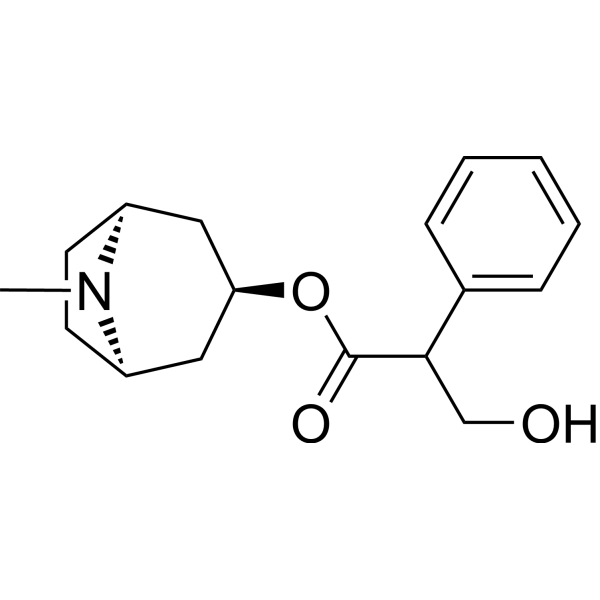
Atropine
 0 Images
Atropine (Tropine tropate) is a competitive muscarinic acetylcholine receptor (mAChR) antagonist with IC50 values of 0.39 and 0.71 nM for Human mAChR M4 and Chicken mAChR M4, respectively. Atropine inhibits ACh-induced relaxations in human pulmonary veins. Atropine can be used for research of anti-myopia and bradycardia.
-
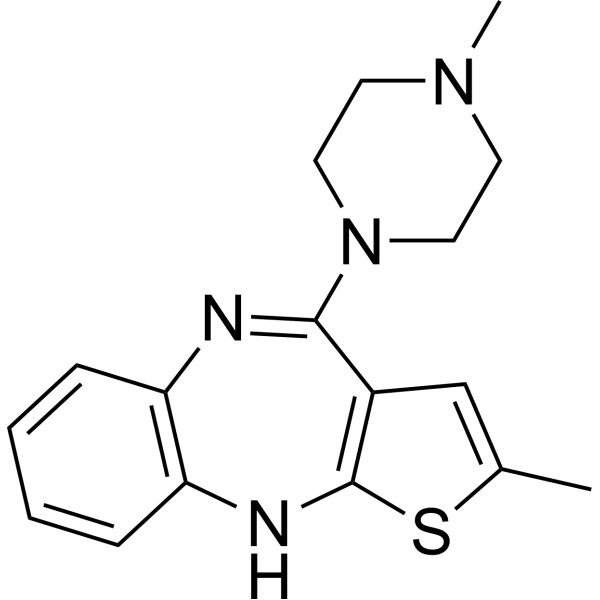
Olanzapine
 0 ImagesSynonyms: LY170053
Olanzapine (LY170053) is a selective, orally active monoaminergic antagonist with high affinity binding to serotonin H1, 5HT2A/2C, 5HT3, 5HT6 (Ki=7, 4, 11, 57, and 5 nM, respectively), dopamine D1-4 (Ki=11 to 31 nM), muscarinic M1-5 (Ki=1.9-25 nM), and adrenergic α1 receptor (Ki=19 nM). Olanzapine is an atypical antipsychotic.
-
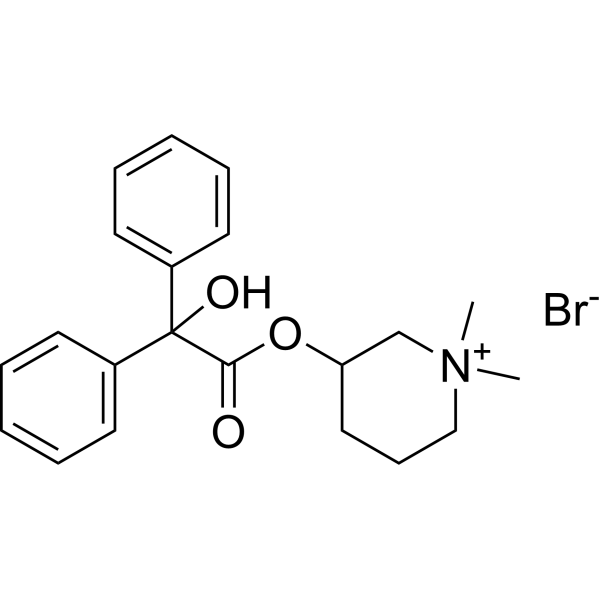
Mepenzolate bromide
 0 Images
Mepenzolate bromide is an orally administered muscarinic receptor antagonist with Kis of 0.68 and 2.6 nM for hM2R and hM3R, respectively. Mepenzolate bromide can be used to suppress the gastrointestinal hypermotility associated with irritable bowel syndrome.Mepenzolate bromide is a GPR109A inhibitor.
-
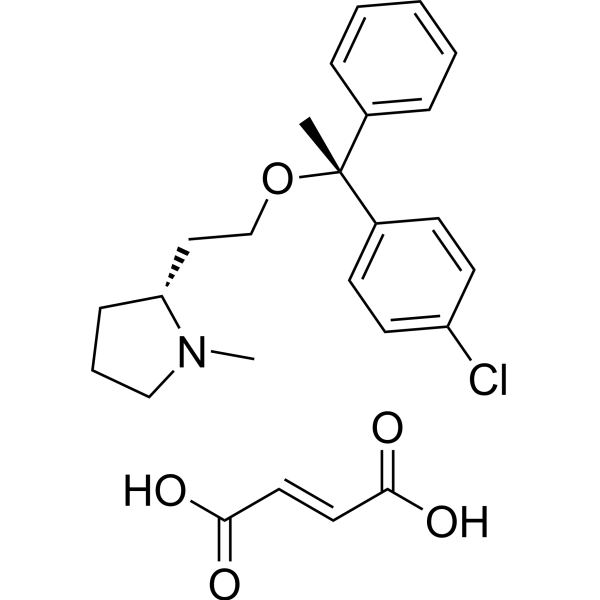
Clemastine fumarate
 0 ImagesSynonyms: HS-592 fumarate; Meclastine fumarate
Clemastine (HS-592; Meclastine) fumarate is an orally active, blood-brain barrier-permeable H1 histamine receptor (H1 histamine receptor) antagonist with potent antiallergic effects. Clemastine fumarate also antagonizes muscarinic acetylcholine receptors (mAChR), particularly the M1 and M4 subtypes. In addition to antihistamine effects, Clemastine fumarate exhibits multiple pharmacological activities, especially in promoting central nervous system remyelination, activating autophagy and pyroptosis, exerting anti-apoptotic and neuroprotective effects, and suppressing inflammation .
-
Arecoline
 0 Images
Arecoline, a naturally brain-penetrant and orally active occurring psychoactive alkaloid, is a partial agonist of nicotinic and muscarinic acetylcholine receptor. Arecoline exhibits stimulation, alertness, anxiolysis and anti-parasitic effects. Arecoline also can induce oxidative stress.
-
Darifenacin hydrobromide
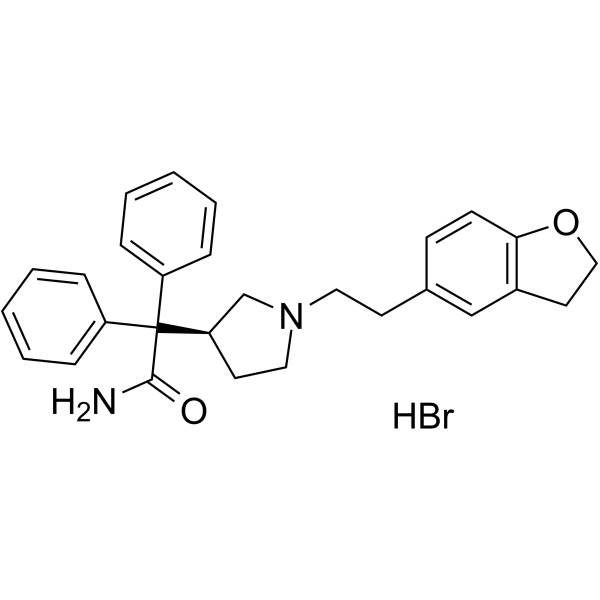 0 ImagesSynonyms: UK-88525 hydrobromide
Darifenacin (UK-88525) hydrobromide is a selective and orally active M3 muscarinic receptor (M3R) antagonist with a pKi of 8.9. Darifenacin hydrobromide binds >20-fold more specifically to M3R than to other muscarinic receptors. Darifenacin hydrobromide can be used in the study of urinary incontinence and other symptoms of overactive bladder. Darifenacin hydrobromide inhibits tumor growth in colorectal cancer cells and has anti-tumor effects.
-
Propantheline bromide
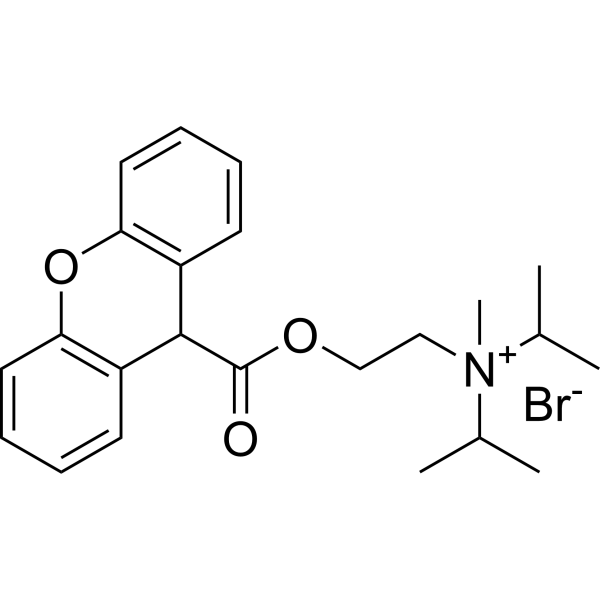 0 Images
Propantheline bromide is an orally active mAChR antagonist. Propantheline bromide can be used in the research of smooth muscle dysfunction, excessive sweating, cramps or spasms of the stomach, intestines or bladder, and involuntary urination. Propantheline bromide can hardly cross the blood-brain barrier.
-
Darifenacin
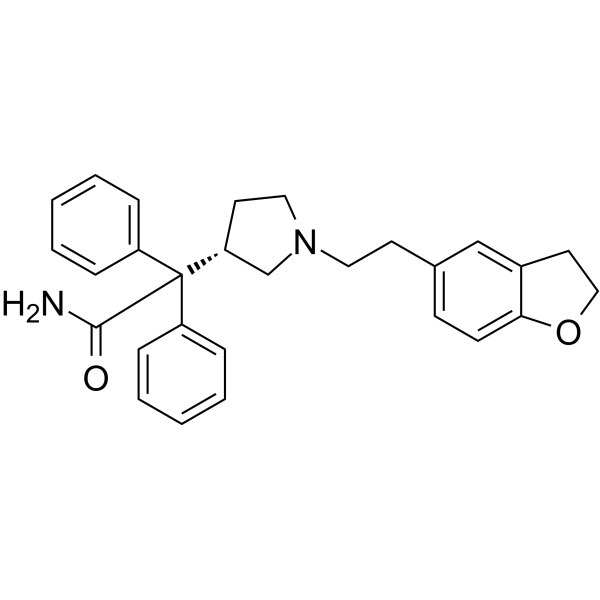 0 ImagesSynonyms: UK-88525
Darifenacin (UK-88525) is a selective and orally active M3 muscarinic receptor (M3R) antagonist with a pKi of 8.9. Darifenacin binds >20-fold more specifically to M3R than to other muscarinic receptors. Darifenacin can be used in the study of urinary incontinence and other symptoms of overactive bladder. Darifenacin inhibits tumor growth in colorectal cancer cells and has anti-tumor effects.
-
Amitriptyline
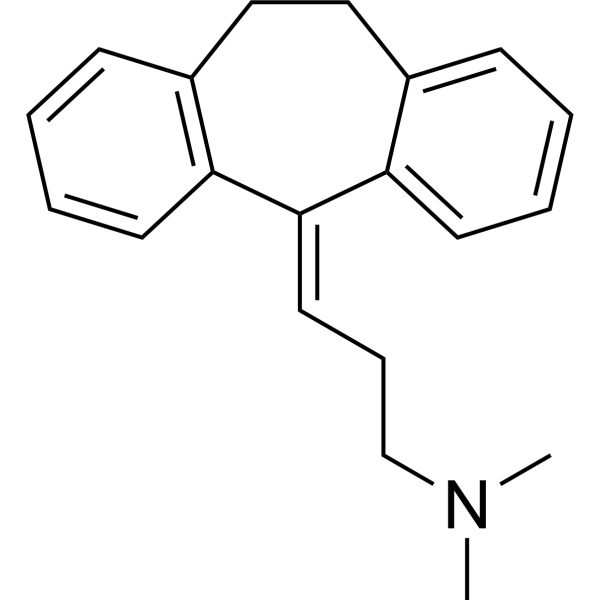 0 Images
Amitriptyline is an orally active tricyclic antidepressant (TCA). Amitriptyline mainly exerts its antidepressant effect by blocking SERT (Ki = 3.45 nM) and NET (Ki = 13.3 nM), thereby increasing the concentrations of 5-hydroxytryptamine (5-HT) and norepinephrine (NE) in the synaptic cleft. Amitriptyline is also an agonist at α2A and TrkA/TrkB receptors, thereby exerting analgesic and neurotrophic activities (inhibiting cell apoptosis). Amitriptyline can reduce inflammation, angiogenesis and fibrosis. Amitriptyline binds to DAT (with Ki = 2.58 μM). Amitriptyline has high affinity for a series of receptors and can antagonize muscarinic cholinergic receptors (M1/M2/M3/M4/M5 receptors) (Ki = 11-24 nM), H1 receptors (Ki = 0.5-1.1 nM), adrenergic α1 receptors (Ki = 4.4 nM), etc., resulting in a series of side effects. Amitriptyline can block sodium channels and hERG potassium channel (IC50 = 4.78 μM) and it has cardiotoxicity.
-
Tiotropium Bromide
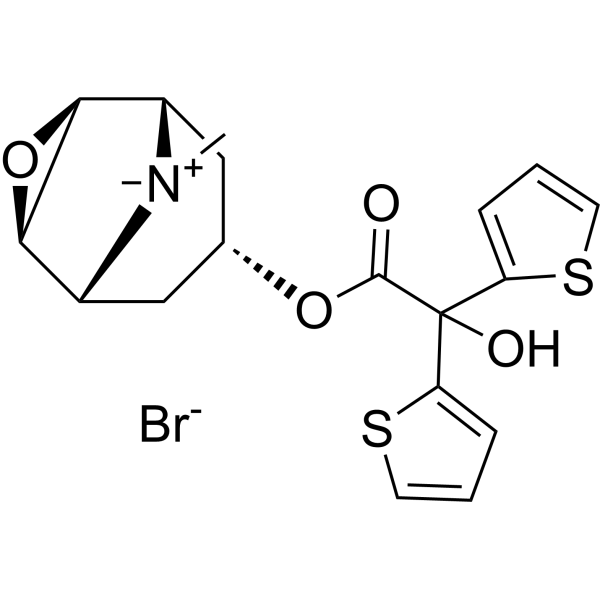 0 ImagesSynonyms: BA679 BR
Tiotropium bromide (BA-679 BR) is a long-acting anticholinergic bronchodilator. Tiotropium bromide blocks the action of acetylcholine at muscarinic M1, M2, and M3 receptors, prevents bronchoconstriction, and dilates bronchial airways. Tiotropium bromide is applicable to research related to chronic obstructive pulmonary disease and asthma.
-
Glycopyrrolate
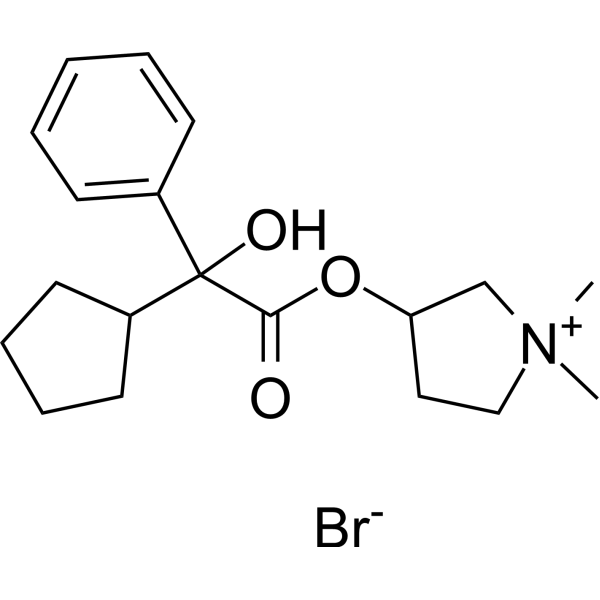 0 ImagesSynonyms: Glycopyrronium bromide; Glycopyrrolate bromide
Glycopyrrolate (Glycopyrronium bromide), a quaternary ammonium derivative, is a muscarinic receptor antagonist. Glycopyrrolate has bronchoprotective effect and produces a beneficial effect on blood pressure. Glycopyrrolate can be used for the research of bronchial diseases.
-
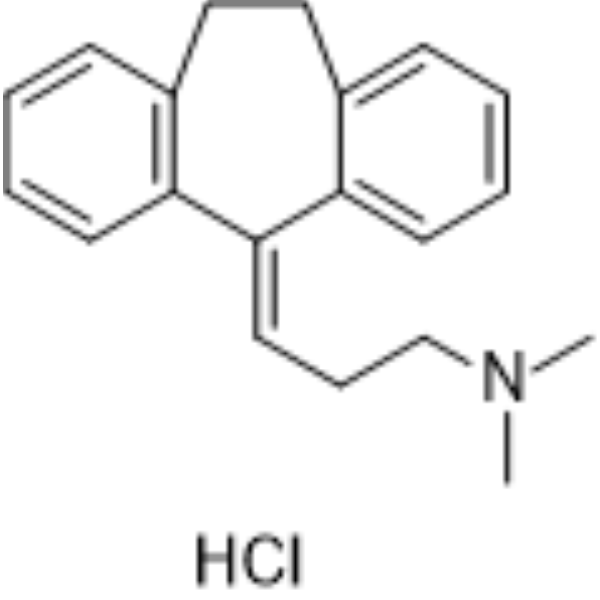
Amitriptyline hydrochloride
 0 Images
Amitriptyline hydrochloride is an orally active tricyclic antidepressant (TCA). Amitriptyline hydrochloride mainly exerts its antidepressant effect by blocking SERT (Ki = 3.45 nM) and NET (Ki = 13.3 nM), thereby increasing the concentrations of 5-hydroxytryptamine (5-HT) and norepinephrine (NE) in the synaptic cleft. Amitriptyline hydrochloride is also an agonist at α2A and TrkA/TrkB receptors, thereby exerting analgesic and neurotrophic activities (inhibiting cell apoptosis). Amitriptyline hydrochloride can reduce inflammation, angiogenesis and fibrosis. Amitriptyline hydrochloride binds to DAT (with Ki = 2.58 μM). Amitriptyline hydrochloride has high affinity for a series of receptors and can antagonize muscarinic cholinergic receptors (M1/M2/M3/M4/M5 receptors) (Ki = 11-24 nM), H1 receptors (Ki = 0.5-1.1 nM), adrenergic α1 receptors (Ki = 4.4 nM), etc., resulting in a series of side effects. Amitriptyline hydrochloride can block sodium channels and hERG potassium channel (IC50 = 4.78 μM) and it has cardiotoxicity.
-
4-DAMP
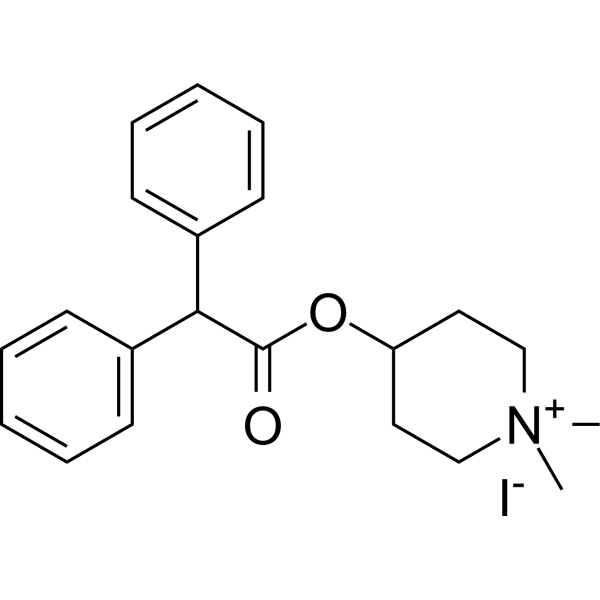 0 Images
4-DAMP (4-DAMP methiodide) is a potent and selective antagonist of M3 receptors and also has a high affinity for the closely-related M5 receptors. 4-DAMP combined with 5-Fluorouracil (5-Fu) (HY-90006) could significantly reduce the cell viability and enhance apoptosis in MKN45 and BGC823 gastric cancer cells. 4-DAMP inhibits lipopolysaccharide (LPS)- and tobacco-induced pulmonary inflammation and reduces mucin 5AC (MUC5AC), oligomeric mucus/gel-forming secretion.
-
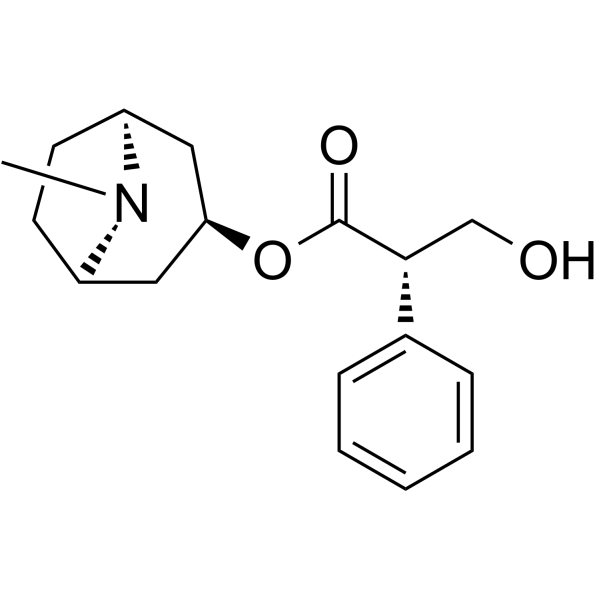
Atropine sulfate
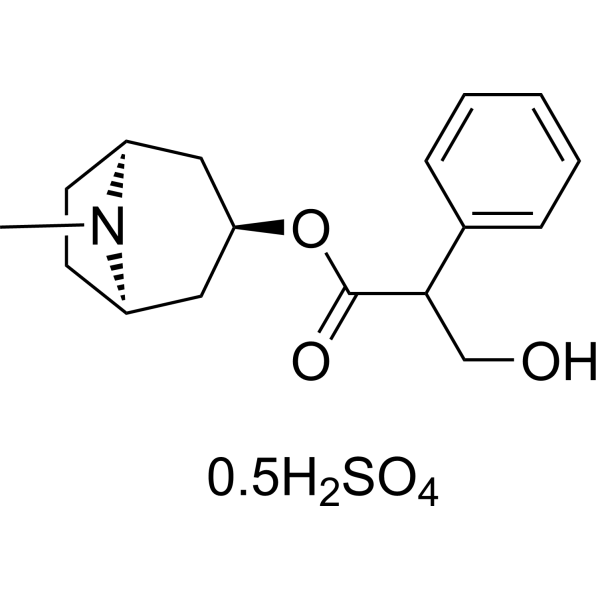 0 ImagesSynonyms: Tropine tropate sulfate; DL-Hyoscyamine sulfate; Sulfatropinol
Atropine (Tropine tropate) sulfate is a competitive muscarinic acetylcholine receptor (mAChR) antagonist with IC50 values of 0.39 and 0.71 nM for Human mAChR M4 and Chicken mAChR M4, respectively. Atropine sulfate inhibits ACh-induced relaxations in human pulmonary veins. Atropine sulfate can be used for research of anti-myopia and bradycardia.
-
(S)-(+)-Dimethindene maleate
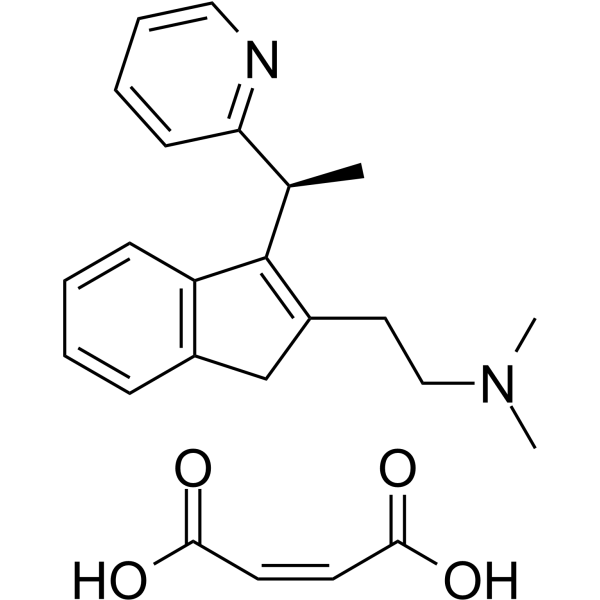 0 Images
(S)-(+)-Dimethindene maleate, an enantiomer, is a potent M2-selective muscarinic receptor antagonist (pA2 = 7.86/7.74; pKi = 7.78). (S)-(+)-Dimethindene maleate shows lower affinities for the muscarinic M1 (pA2 = 6.83/6.36; pKi = 7.08), the M3 (pA2 = 6.92/6.96; pKi = 6.70) and the M4 receptors (pKi = 7.00), respectively. (S)-(+)-Dimethindene maleate also is a histamine H1 receptor antagonist (pA2 = 7.48).
-
Otenzepad
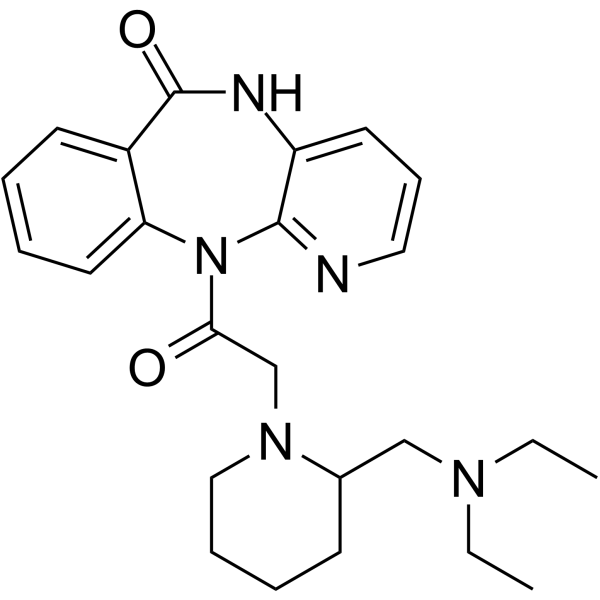 0 ImagesSynonyms: AF-DX 116
Otenzepad (AF-DX 116) is a selective and competitive M2 muscarinic acetylcholine receptor antagonist, with IC50 values of 640 nM and 386 nM for rabbit peripheral lung and rat heart, respectively.
-
Desfesoterodine
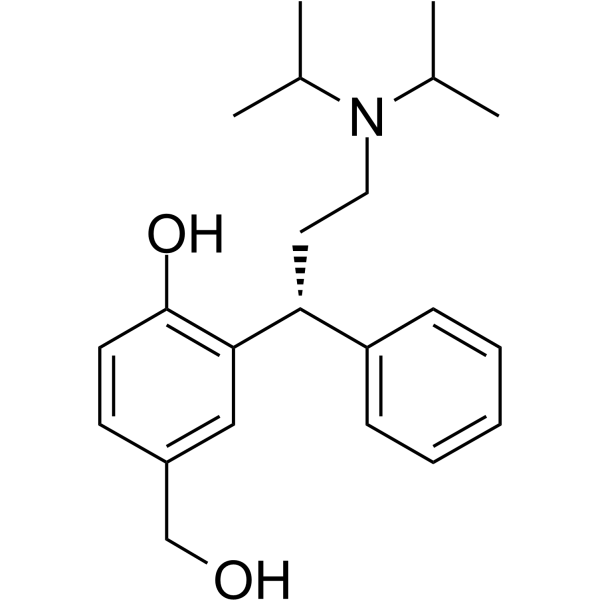 0 ImagesCat. No.: HY-76569CAS No.: 207679-81-0Synonyms: PNU-200577; 5-Hydroxymethyl Tolterodine
Desfesoterodine (PNU-200577) is a potent and selective muscarinic receptor (mAChR) antagonist with a KB and a pA2 of 0.84 nM and 9.14, respectively. Desfesoterodine is a major pharmacologically active metabolite of Tolterodine (PNU-200583; HY-A0024) and Fesoterodine (HY-70053). Desfesoterodine improves cerebral infarction induced detrusor overactivity in rats.
-
VU 0255035
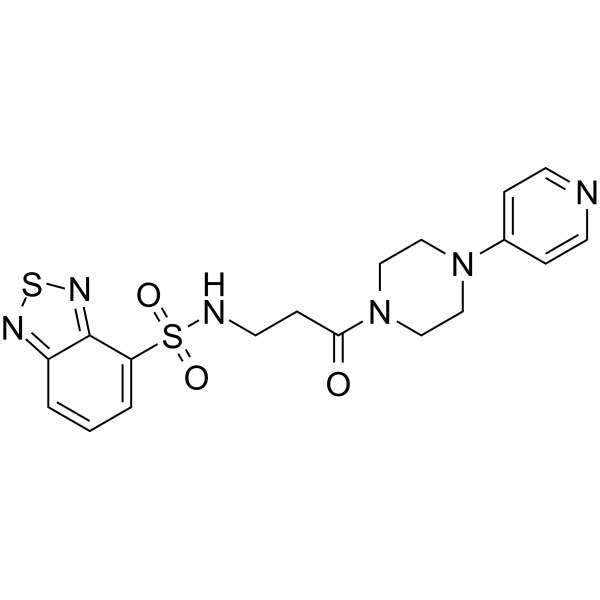 0 ImagesSynonyms: VU 255035
VU0255035 is a highly selective and competitive M1 mAChR antagonist. VU0255035 blocks M1 mAChR signals to reduce epileptic seizures and regulate neuronal membrane potential. VU0255035 can be used in research related to central nervous system diseases, such as epilepsy, Parkinson's disease, and dystonia.
-
Ethopropazine hydrochloride
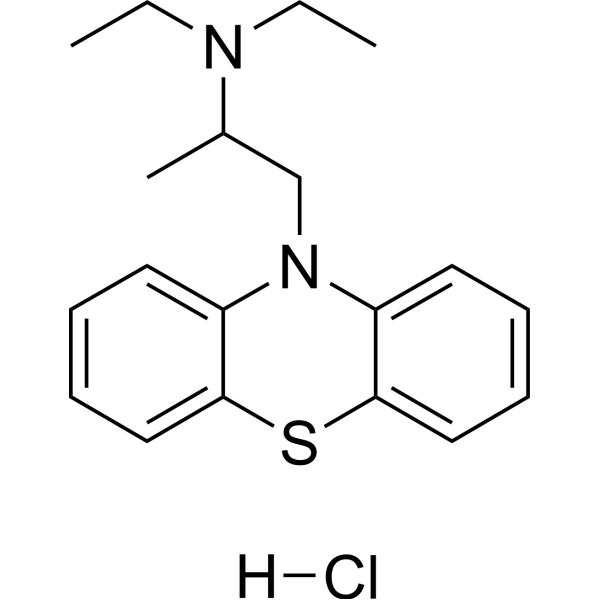 0 Images
Ethopropazine (Isothazine) hydrochloride is a potent and selective BChE inhibitor, a poor AChE inhibitor and a non-selective mAChR and NMDA antagonist. Ethopropazine hydrochloride has anticholinergic, antihistamine, antiadrenergic actions and properties. Ethopropazine hydrochloride alleviates thermal hyperalgesia in a dose dependent manner. Ethopropazine hydrochloride can be used for the research of Parkinson’s disease.



