



mAChR Inhibitor
-
Benztropine mesylate
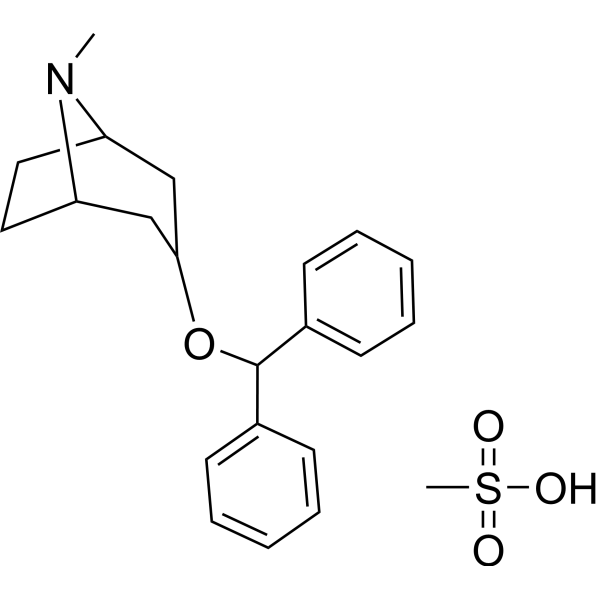 0 ImagesSynonyms: Benzatropine mesylate; Benzotropine mesylate; Benztropine methanesulfonate
Benztropine mesylate (Benzatropine mesylate) is an orally active and BBB-permeable centrally acting anticholinergic agent that can be used for Parkinson's disease research. Benztropine mesylate is an anti-histamine agent and a dopamine re-uptake inhibitor. Benztropine mesylate is also a human D2 dopamine receptor allosteric antagonist. Benztropine mesylate also has anti-CSCs (cancer stem cells) effects.
-
Methscopolamine bromide
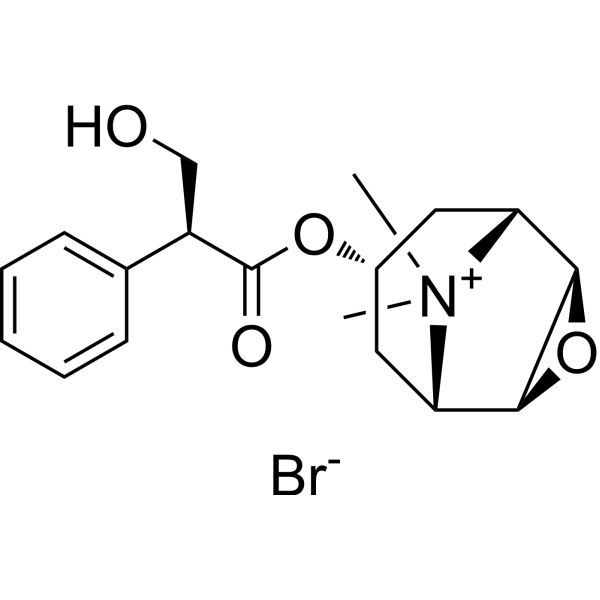 0 ImagesSynonyms: (-)-Scopolamine methyl bromide; Hyoscine methyl bromide
Methscopolamine bromide ((-)-Scopolamine methyl bromide; Hyoscine methyl bromide) is a peripherally acting muscarinic receptor (mAChR) antagonist that cannot cross the blood-brain barrier. Methscopolamine bromide blocks the muscarinic negative feedback regulation of acetylcholine release from striatal cholinergic terminals, thereby increasing acetylcholine release in the striatum of freely moving rats. Methscopolamine bromide does not induce motor excitation in freely moving rats, nor does it alter the duration of ethanol-induced loss of righting reflex in mice. Methscopolamine bromide fails to antagonize the arecoline-mediated reduction in the duration of ethanol-induced loss of righting reflex in mice.
-
Dronedarone
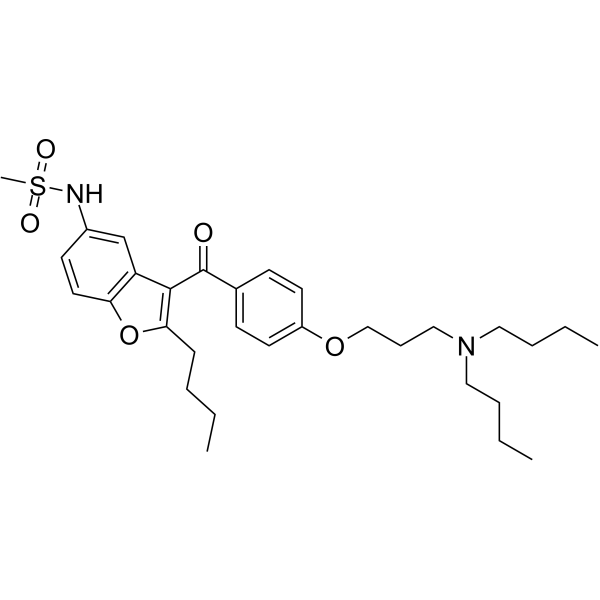 0 ImagesSynonyms: SR 33589
Dronedarone (SR 33589), a derivative of amiodarone (HY-14187), is a class III antiarrhythmic agent for the study of atrial fibrillation (AF) and atrial flutter. Dronedarone is a potent blocker of multiple ion currents, including potassium current, sodium current, and L-type calcium current, and exhibits antiadrenergic effects by noncompetitive binding to β-adrenergic receptors. Dronedarone is a substrate for and a moderate inhibitor of CYP3A4.
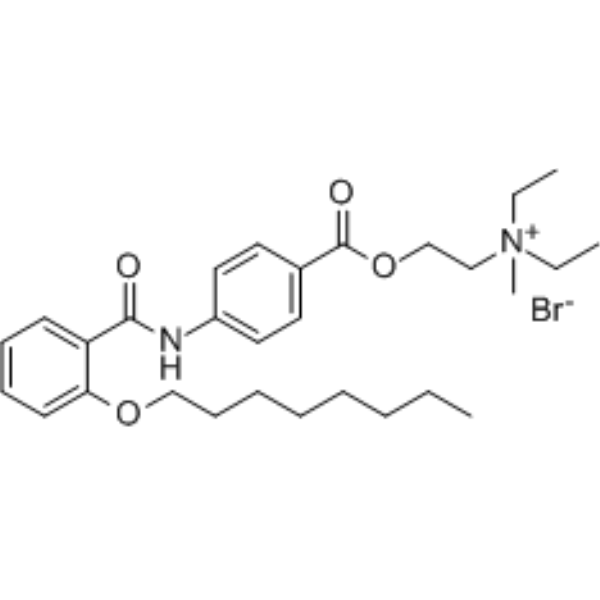
-
(-)-Vesamicol
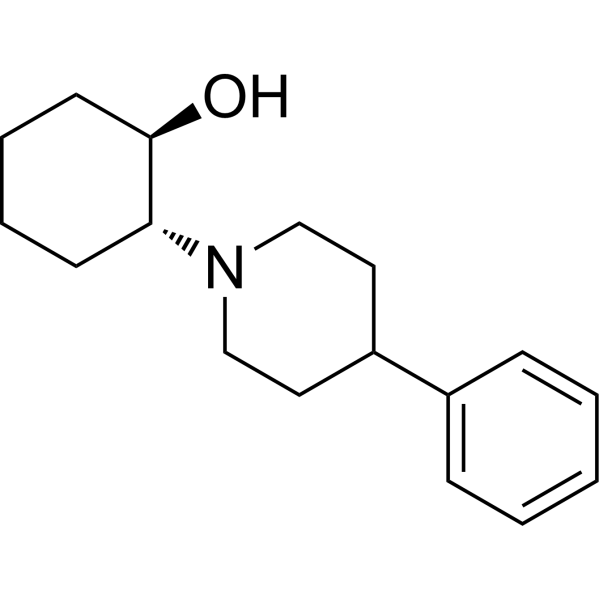 0 ImagesSynonyms: (-)-AH5183
(-)-Vesamicol (AH5183) is a vesicular acetylcholine transporter inhibitor. (-)-Vesamicol reversibly and non-competitively inhibits the transport of acetylcholine into circulating synaptic vesicles and blocks the activity of vesicular acetylcholine transporters in medial amygdala neurons. (-)-Vesamicol is applicable to research related to central precocious puberty.
-
Biperiden
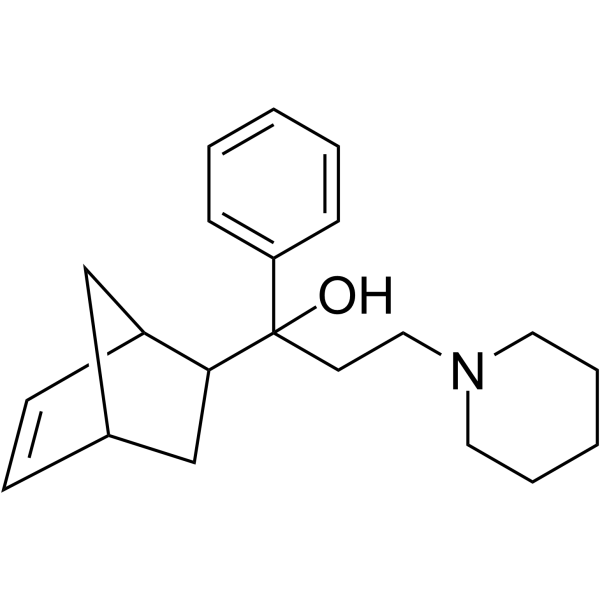 0 Images
Biperiden (KL 373) is a non-selective muscarinic receptor antagonist that competitively binds to M1 muscarinic receptors, thereby inhibiting acetylcholine and enhancing dopamine signaling in the central nervous system. Biperiden has the potential for the research of Parkinson's disease and other related psychiatric disorders.
-
Biperiden hydrochloride
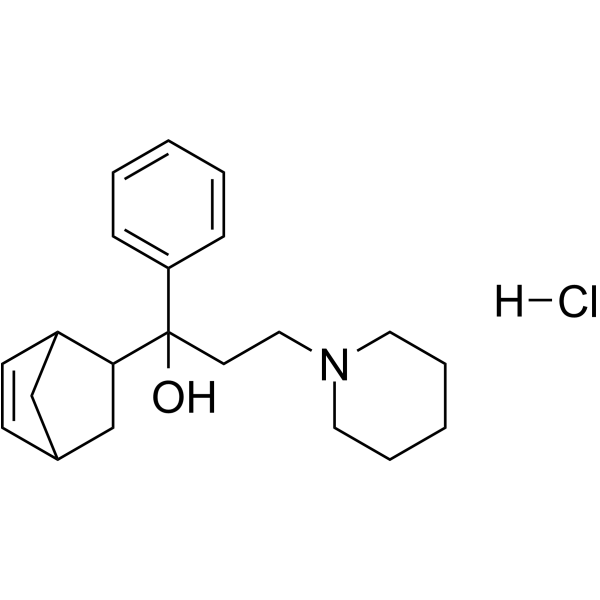 0 Images
Biperiden (KL 373) hydrochloride is a non-selective muscarinic receptor antagonist that competitively binds to M1 muscarinic receptors, thereby inhibiting acetylcholine and enhancing dopamine signaling in the central nervous system. Biperiden hydrochloride has the potential for the research of Parkinson's disease and other related psychiatric disorders.
-
Imidafenacin
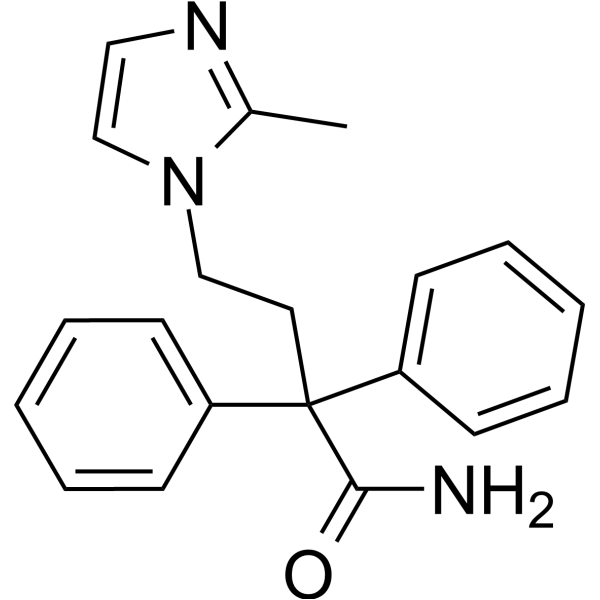 0 ImagesSynonyms: KRP-197; ONO-8025
Imidafenacin (KRP-197; ONO-8025) is an orally active inhibitor of muscarinic (mAChR) M1 and M3 receptors. Imidafenacin potently inhibits bladder contraction in vivo and exerts an antidiuretic effect by enhancing the signaling pathway of vasopressin (antidiuretic hormone). Imidafenacin can be used in research related to overactive bladder.
-
RHC 80267
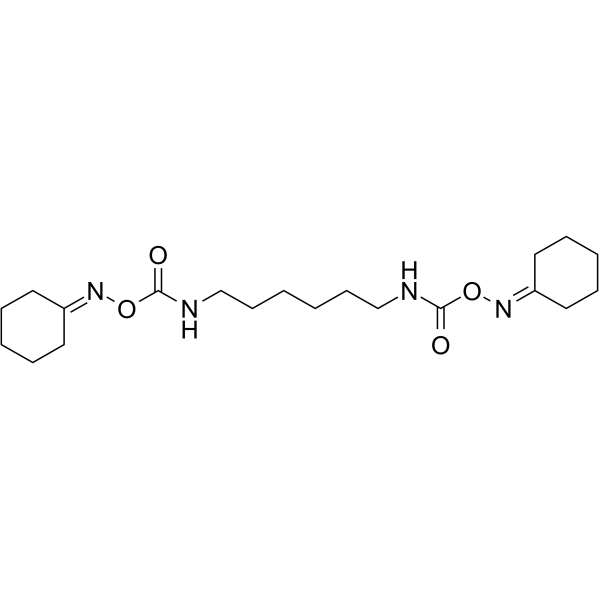 0 ImagesSynonyms: U-57908
RHC 80267 (U-57908) is a potent and selective inhibitor of diacylglycerol lipase (DAGL) (with IC50 of 4 μM in canine platelets). RHC-80267 inhibits cholinesterase activity with an IC50 of 4 μM, thereby enhancing the relaxation evoked by acetylcholine. RHC 80267 also inhibits COX and the hydrolysis of phosphatidylcholine (PC).
-
Dicyclomine hydrochloride
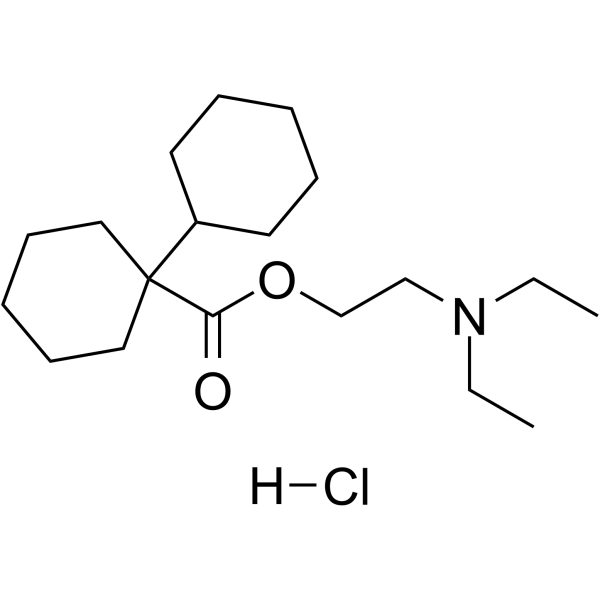 0 Images
Dicyclomine hydrochloride is a potent and orally active muscarinic cholinergic receptors antagonist. Dicyclomine hydrochloride shows high affinity for muscarinic M1 receptor subtype (Ki=5.1 nM) and M2 receptor subtype (Ki=54.6 nM) in brush-border membrane and basal plasma membranes, respectively. Dicyclomine is an antispasmodic agent and relieves smooth muscle spasm of the gastrointestinal tract in vivo.
-
Sofpironium bromide
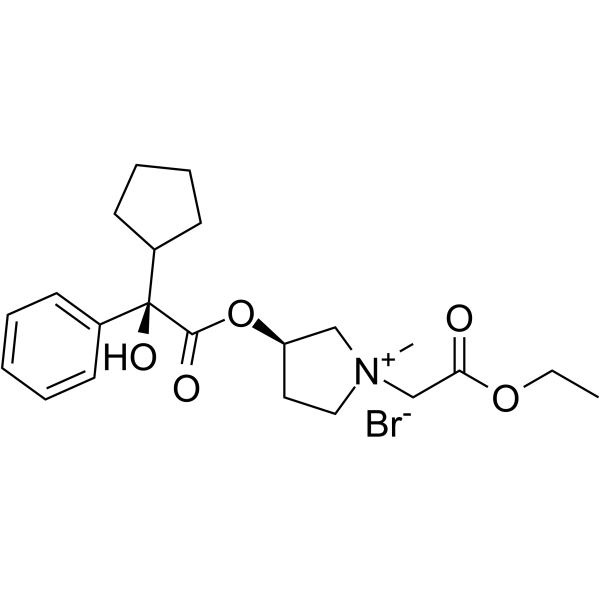 0 ImagesSynonyms: BBI 4000
Sofpironium bromide (BBI 4000) is an anticholinergic agent used in the study of primary axillary hyperhidrosis (PAH). Sofpironium bromide reduces sweating by inhibiting M3 muscarinic receptors in eccrine glands at the application site. Sofpironium bromide also has a high afnity for the M1, M2, M4 and M5 subtypes.
-
Gallamine Triethiodide
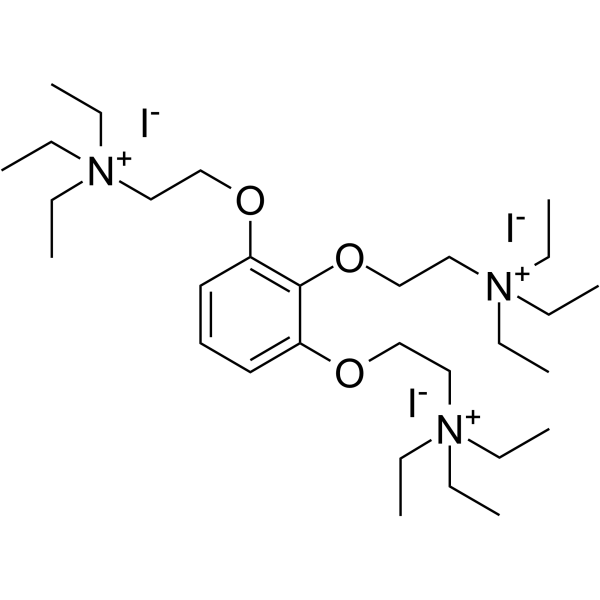 0 Images
Gallamine Triethiodide is a blood-brain barrier-permeable skeletal muscle relaxant. Gallamine Triethiodide induces skeletal muscle paralysis by blocking acetylcholine. Gallamine Triethiodide directly stimulates intracardiac β receptors. Gallamine Triethiodide prolongs the duration of afterdischarge in the cat cerebral cortex. Gallamine Triethiodide can be used in studies related to convulsive disorders.
-
Propiverine hydrochloride
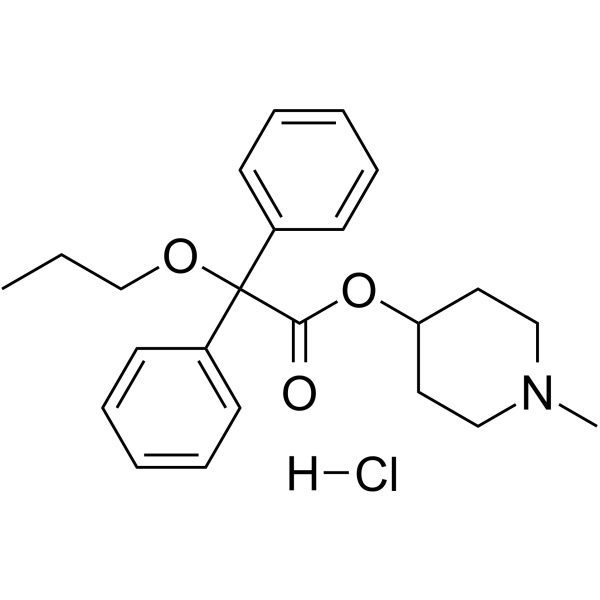 0 Images
Propiverine hydrochloride is a bladder spasmolytic with calcium antagonistic and anticholinergic properties. Propiverine hydrochloride can be used for the research of overactive blaqdder and urinary incontinence.
-
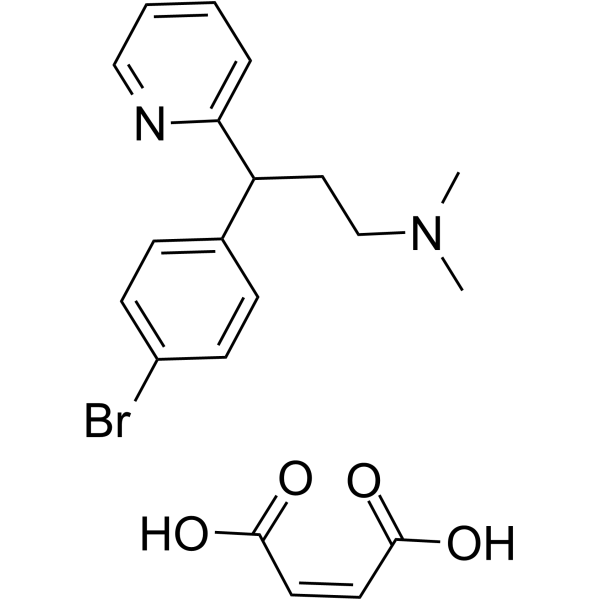
Brompheniramine maleate
 0 Images
Brompheniramine ((±)-Brompheniramine) maleate is a potent and orally active antihistamine of the alkylamine class. Brompheniramine maleate is a selective histamine H1 receptor antagonist with a Kd of 6.06 nM. Brompheniramine maleate can block the hERG channels, calcium channels, and sodium channels with IC50s of 0.90 μM, 16.12 μM and 21.26 μM, respectively. Brompheniramine maleate has anticholinergic, antidepressant and anesthetic properties and can be used for allergic rhinitis research.
-
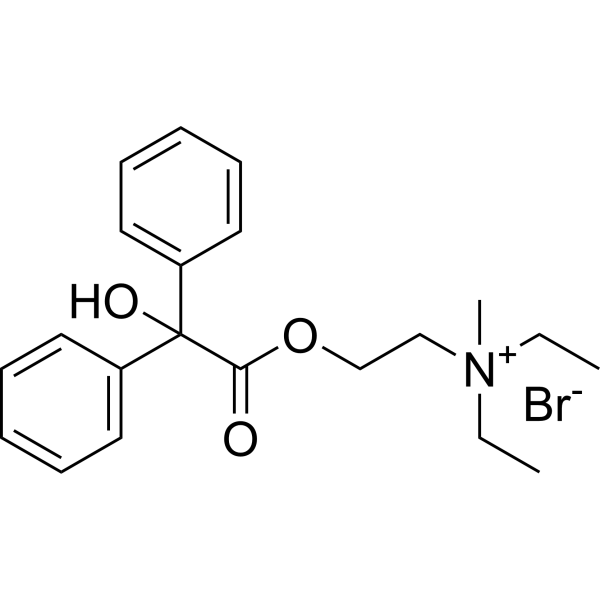
Methylbenactyzium Bromide
 0 Images
Methylbenactyzium Bromide is a muscarinic acetylcholine receptor (mAChR) inhibitor.
-
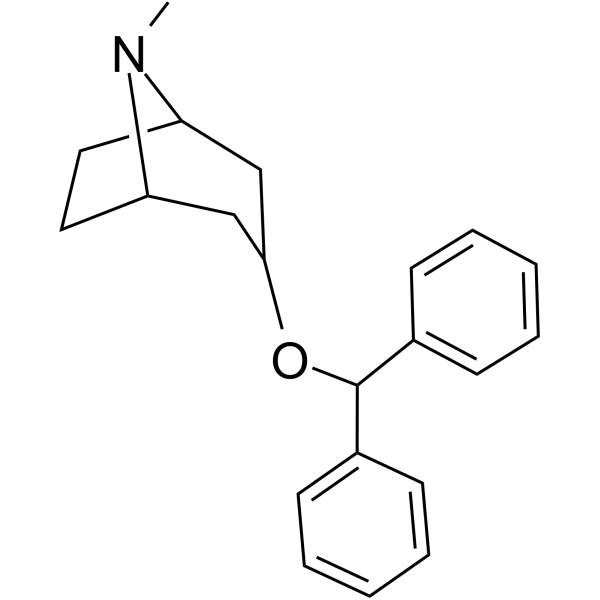
Benztropine
 0 Images
Benztropine (Benzatropine; Benzotropine) is an orally active and BBB-permeable centrally acting anticholinergic agent that can be used for Parkinson's disease research. Benztropine is an anti-histamine agent and a dopamine re-uptake inhibitor. Benztropine is also a human D2 dopamine receptor allosteric antagonist. Benztropine mesylate also has anti-CSCs (cancer stem cells) effects.
-
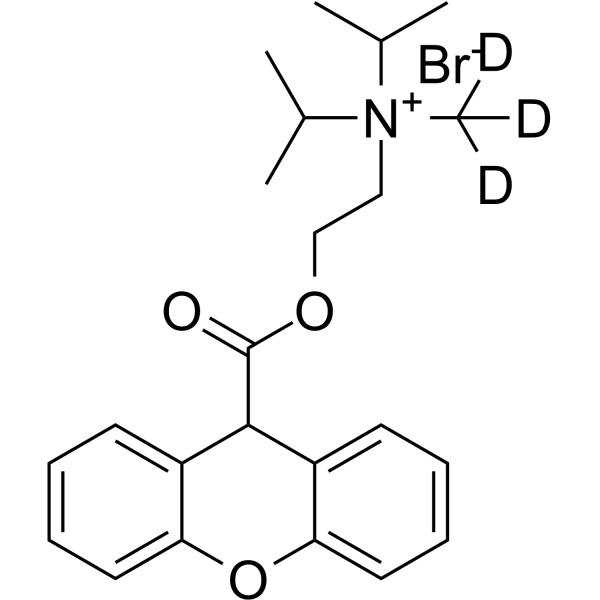
Propantheline-d3 bromide
 0 Images
Propantheline-d3 (bromide) is the deuterium labeled Propantheline bromide. Propantheline bromide is an antimuscarinic agent, used for the treatment of hyperhidrosis, cramps or spasms of the stomach, intestines or bladder, and enuresis.



