



mAChR
-
mAChR Related Products (477)
Related Products (477)

-
Mepenzolate bromide
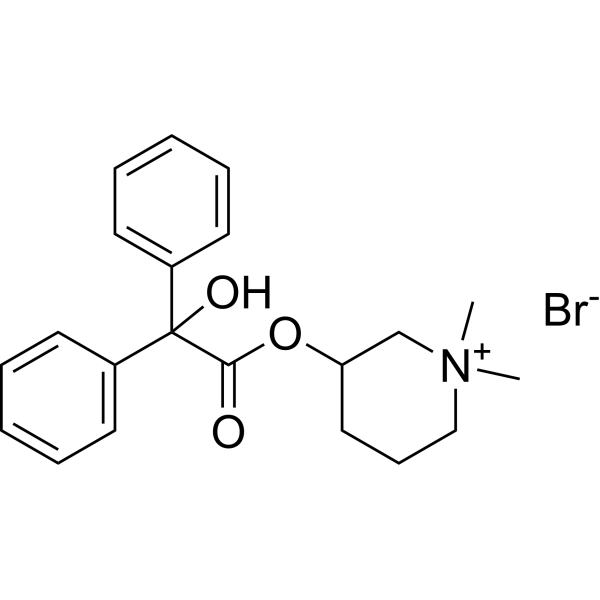 0 ImagesMepenzolate bromide is an orally administered muscarinic receptor antagonist with Kis of 0.68 and 2.6 nM for hM2R and hM3R, respectively. Mepenzolate bromide can be used to suppress the gastrointestinal hypermotility associated with irritable bowel syndrome.Mepenzolate bromide is a GPR109A inhibitor.
-
Arecoline
 0 ImagesArecoline, a naturally brain-penetrant and orally active occurring psychoactive alkaloid, is a partial agonist of nicotinic and muscarinic acetylcholine receptor. Arecoline exhibits stimulation, alertness, anxiolysis and anti-parasitic effects. Arecoline also can induce oxidative stress.
-
Xanomeline tartrate
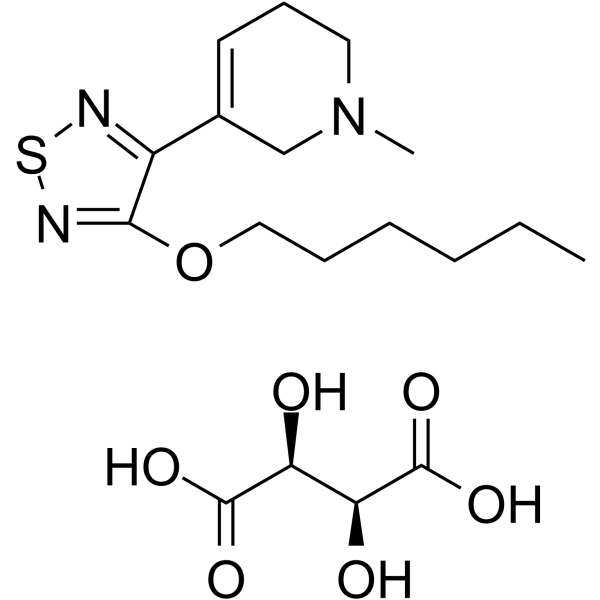 0 ImagesSynonyms: LY 246708 tartrateXanomeline (LY 246708) is the potent agonist of muscarinic M1/M4 receptor with antipsychotic-like activity. Xanomeline (LY 246708) increases neuronal excitability. Xanomeline (LY 246708) can be used for the research of schizophrenia.
-
Propantheline bromide
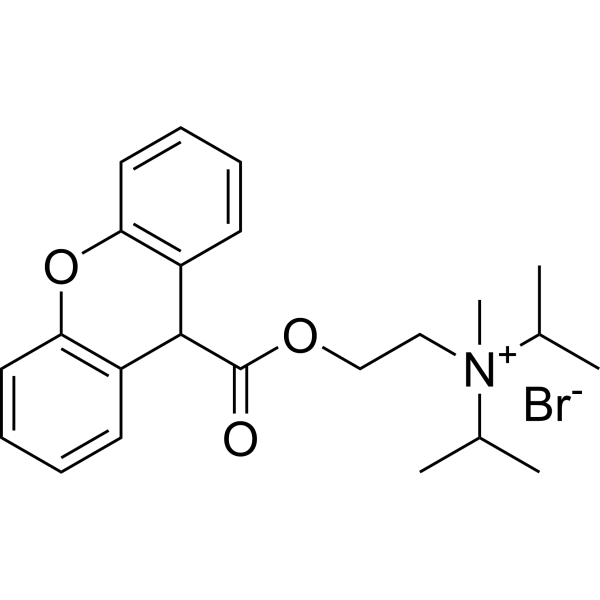 0 ImagesPropantheline bromide is an orally active mAChR antagonist. Propantheline bromide can be used in the research of smooth muscle dysfunction, excessive sweating, cramps or spasms of the stomach, intestines or bladder, and involuntary urination. Propantheline bromide can hardly cross the blood-brain barrier.
-
Arecoline hydrobromide
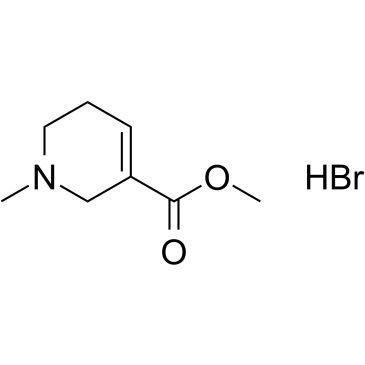 0 ImagesSynonyms: methyl 1,2,5,6-tetrahydro-1-methyl-3-pyridinecarboxylate hydrobromideArecoline hydrobromide, a naturally brain-penetrant and orally active occurring psychoactive alkaloid, is a partial agonist of nicotinic and muscarinic acetylcholine receptor. Arecoline hydrobromide exhibits stimulation, alertness, anxiolysis and anti-parasitic effects. Arecoline hydrobromide also can induce oxidative stress.
-
Racanisodamine
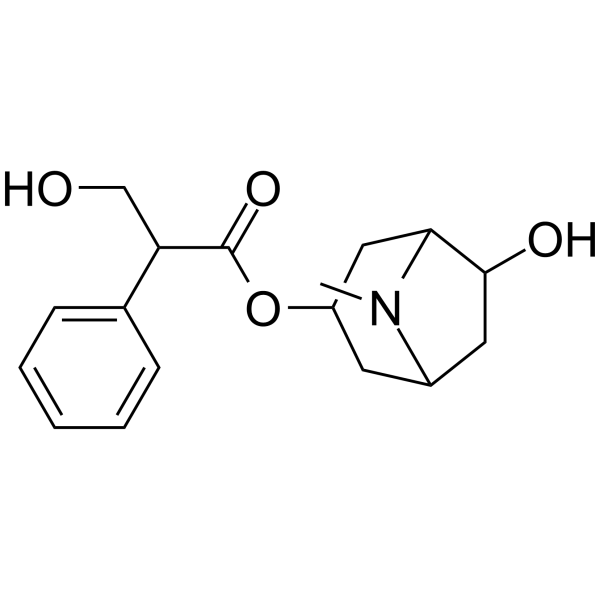 0 ImagesRacanisodamine is an orally active, non-selective Muscarinic Acetylcholine Receptor (mAChR) antagonist. Racanisodamine is a racemate of Anisodamine, and the two share similar pharmacological effects. Racanisodamine is an active ingredient of eye drops for myopia control. Racanisodamine can be used in research on myopia and late dumping syndrome.
-
Tolterodine tartrate
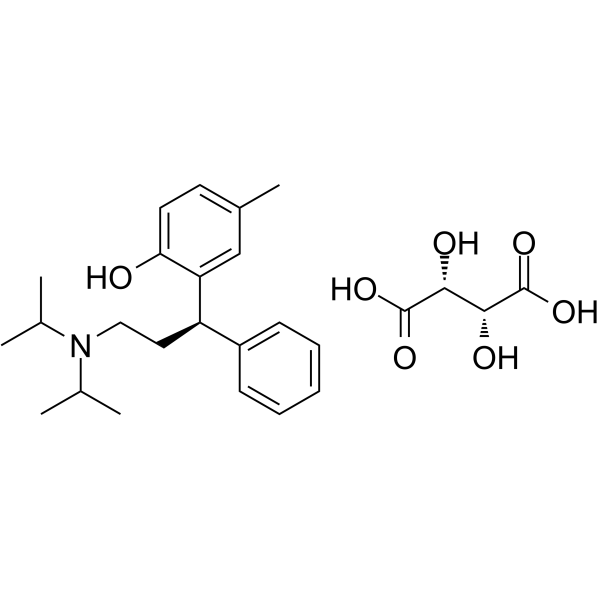 0 ImagesSynonyms: Kabi-2234; PNU-200583ETolterodine tartrate (Kabi-2234) is a mAChR inhibitor and substrate for cytochrome P450 enzymes. Tolterodine tartrate competitively binds acetylcholine, reduces sympathetic excitation, and inhibits involuntary bladder muscle contraction. Tolterodine tartrate restores the Nrf2/NF-κB signaling pathway, mediates protection against inflammatory response and ferroptosis. Tolterodine tartrate ameliorates LPS (HY-D1056)-induced reactive oxygen species production and lipid oxidation. Tolterodine tartrate can be used for the research of urinary tract infections and overactive bladder.
-
Glycopyrrolate
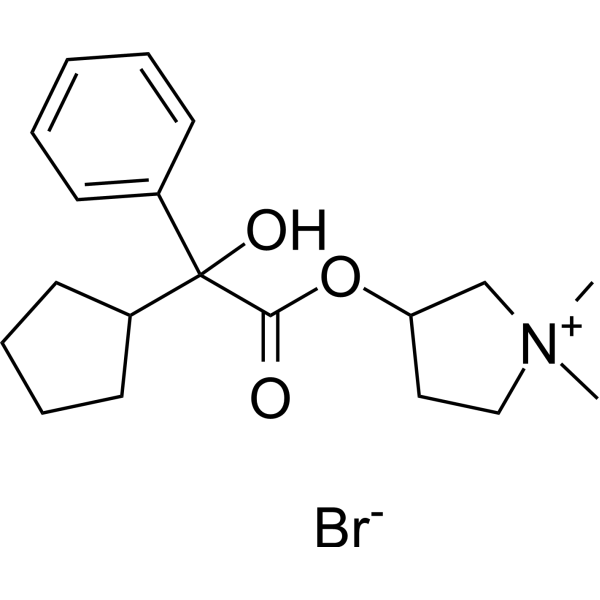 0 ImagesSynonyms: Glycopyrronium bromide; Glycopyrrolate bromideGlycopyrrolate (Glycopyrronium bromide), a quaternary ammonium derivative, is a muscarinic receptor antagonist. Glycopyrrolate has bronchoprotective effect and produces a beneficial effect on blood pressure. Glycopyrrolate can be used for the research of bronchial diseases.
-
Xanomeline oxalate
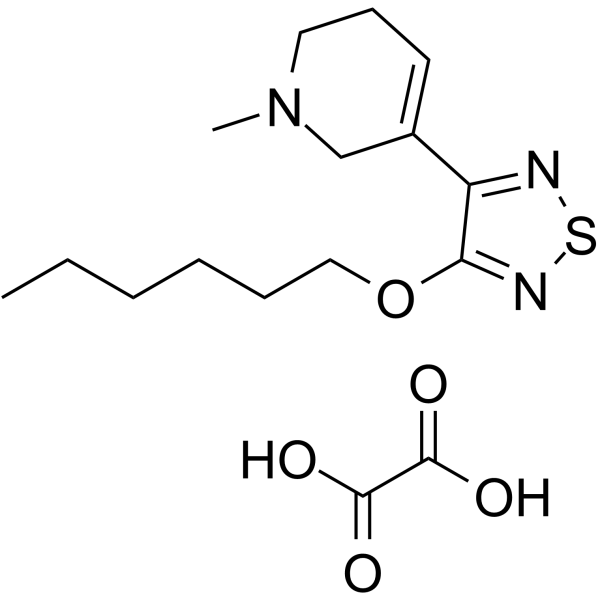 0 ImagesSynonyms: LY246708 oxalateXanomeline oxalate (LY246708 oxalate) is a potent and selective muscarinic receptor agonist (SMRA) and stimulates phosphoinositide hydrolysis in vivo. Xanomeline oxalate can be used for the research of Alzheimer’s disease.
-
Oxotremorine M iodide
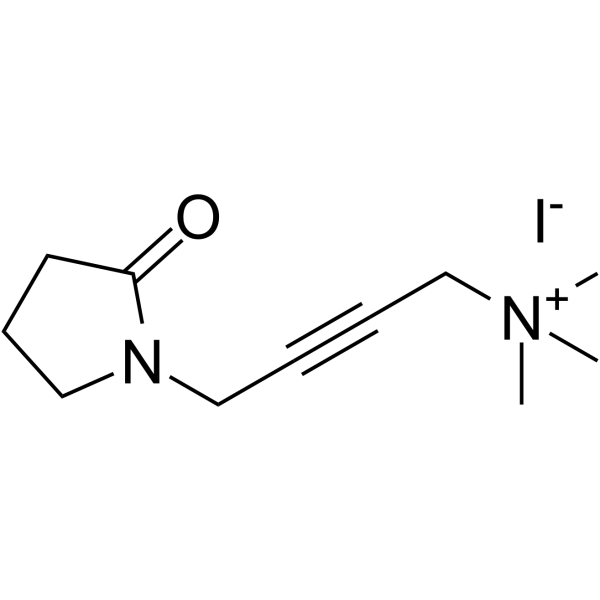 0 ImagesOxotremorine M iodide is a potent and non-selective muscarinic acetylcholine receptor (mAChR) agonist. Oxotremorine M iodide potentiates NMDA receptors by muscarinic receptor dependent and independent mechanisms.
-
Emraclidine
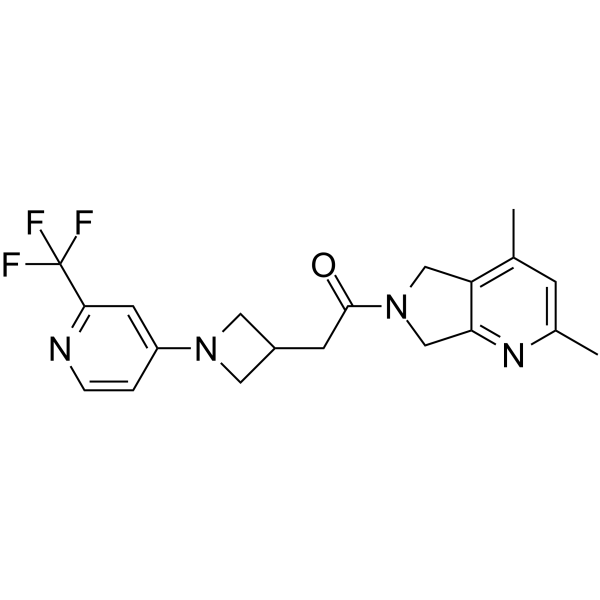 0 ImagesSynonyms: CVL-231Emraclidine (CVL-231) is a muscarinic M4 receptor positive allosteric modulator (WO2018002760, compound 11). Emraclidine can be used for the research of neurological diseases.
-
Methscopolamine bromide
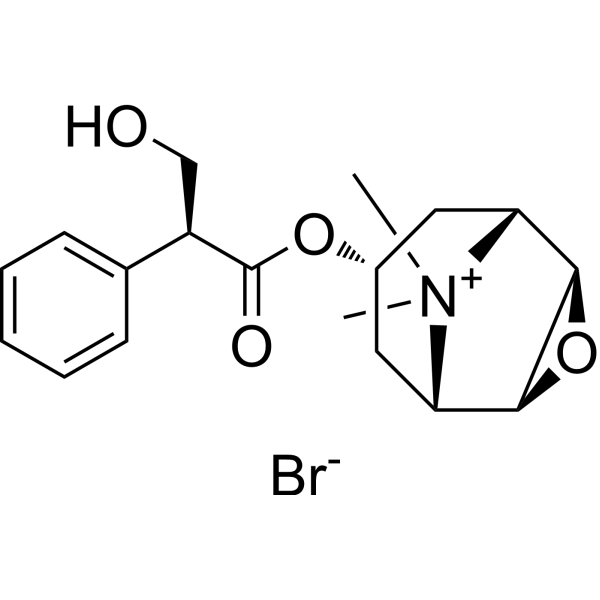 0 ImagesSynonyms: (-)-Scopolamine methyl bromide; Hyoscine methyl bromideMethscopolamine bromide ((-)-Scopolamine methyl bromide; Hyoscine methyl bromide) is a peripherally acting muscarinic receptor (mAChR) antagonist that cannot cross the blood-brain barrier. Methscopolamine bromide blocks the muscarinic negative feedback regulation of acetylcholine release from striatal cholinergic terminals, thereby increasing acetylcholine release in the striatum of freely moving rats. Methscopolamine bromide does not induce motor excitation in freely moving rats, nor does it alter the duration of ethanol-induced loss of righting reflex in mice. Methscopolamine bromide fails to antagonize the arecoline-mediated reduction in the duration of ethanol-induced loss of righting reflex in mice.
-
Desfesoterodine
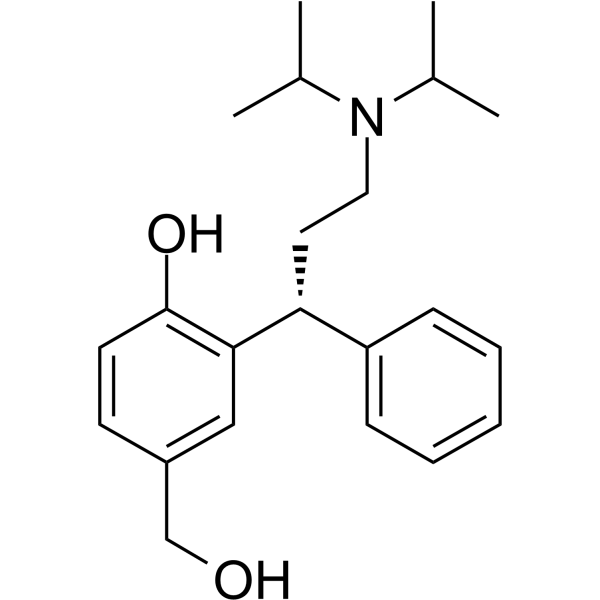 0 ImagesCat. No.: HY-76569CAS No.: 207679-81-0Synonyms: PNU-200577; 5-Hydroxymethyl TolterodineDesfesoterodine (PNU-200577) is a potent and selective muscarinic receptor (mAChR) antagonist with a KB and a pA2 of 0.84 nM and 9.14, respectively. Desfesoterodine is a major pharmacologically active metabolite of Tolterodine (PNU-200583; HY-A0024) and Fesoterodine (HY-70053). Desfesoterodine improves cerebral infarction induced detrusor overactivity in rats.
-
Atropine methyl bromide
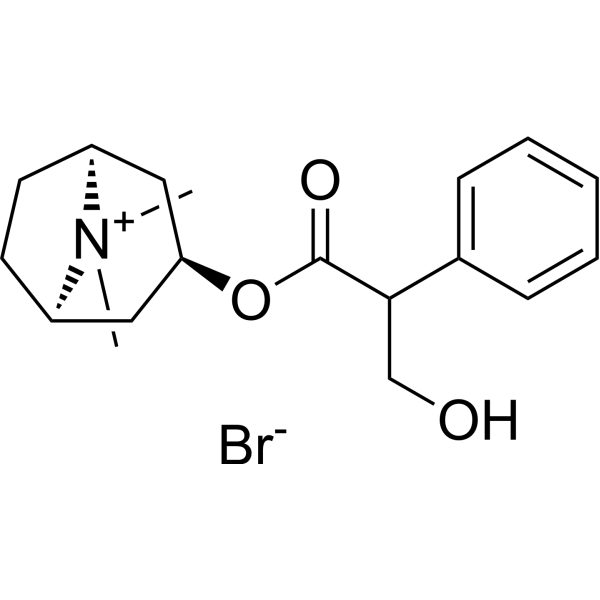 0 ImagesAtropine methyl bromide (Methylatropine bromide), an antagonist of muscarinic acetylcholine receptors (mAChR), is a quaternary ammonium salt of atropine and an active molecule used for pupil dilation during ophthalmic examinations. Due to its high polarity, it is used to relieve pyloric spasm in infants. It is less likely than atropine to cross the central nervous system.
-
Pirenzepine
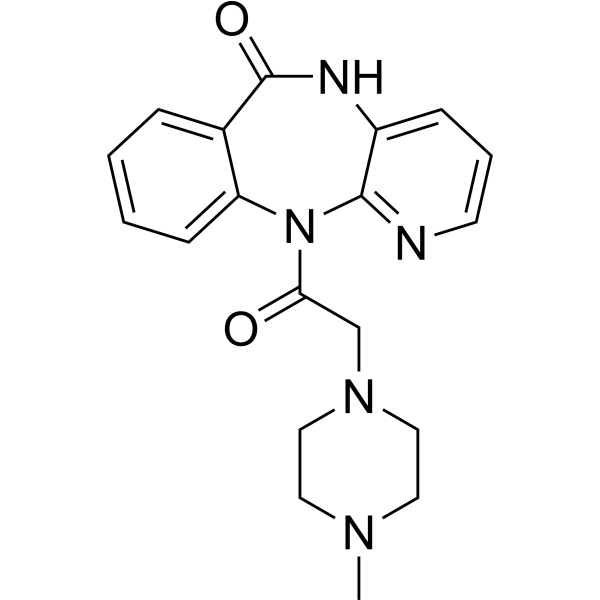 0 ImagesSynonyms: LS 519 free base; Pirenzepin; GastrozepinPirenzepine (LS 519 free base) is a selective M1 mAChR (muscarinic acetylcholine receptor) antagonist, with poor penetration of the blood-brain barrier. Pirenzepine reduces gastric acid secretion and reduces muscle spasm, can be used in peptic ulcers research. Pirenzepine shows anti-proliferative activity to cancer cells.
-
Trihexyphenidyl hydrochloride
 0 ImagesTrihexyphenidyl hydrochloride is a selective and orally active M1 muscarinic receptor antagonist with an IC50 of 3.7 nM for rat cerebral cortex M1 muscarinic receptors. Trihexyphenidyl hydrochloride modulates cholinergic activity, countering acetylcholine supersensitivity in neural pathways. Trihexyphenidyl hydrochloride improves movement disorder, inhibits McN-A-343 (HY-107648)-induced pressor responses, vagally-induced bradycardia and vasodilatation. Trihexyphenidyl hydrochloride can be used for the research of Parkinson's disease..
-
(-)-Vesamicol
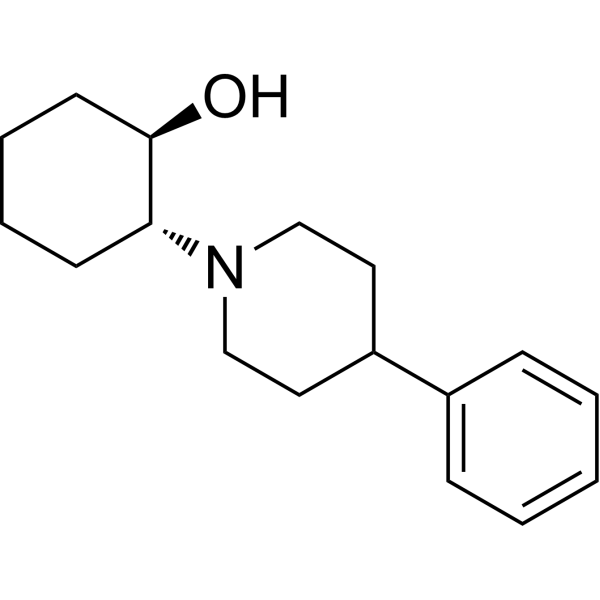 0 ImagesSynonyms: (-)-AH5183(-)-Vesamicol (AH5183) is a vesicular acetylcholine transporter inhibitor. (-)-Vesamicol reversibly and non-competitively inhibits the transport of acetylcholine into circulating synaptic vesicles and blocks the activity of vesicular acetylcholine transporters in medial amygdala neurons. (-)-Vesamicol is applicable to research related to central precocious puberty.



