



mAChR Inhibitor
-
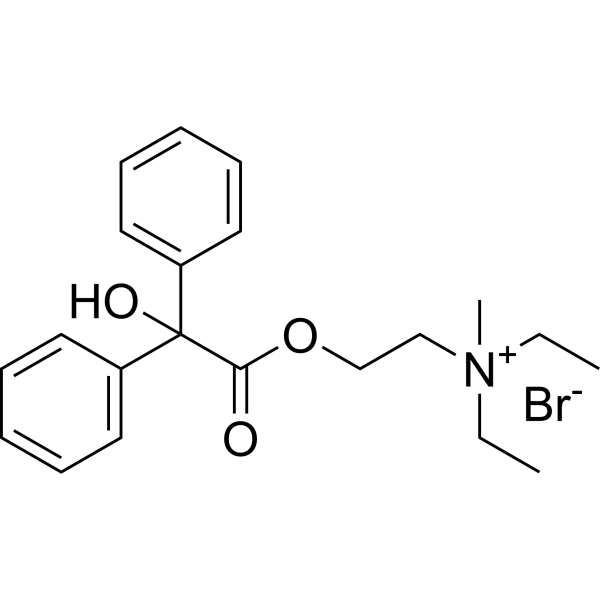
Methylbenactyzium Bromide
 0 Images
Methylbenactyzium Bromide is a muscarinic acetylcholine receptor (mAChR) inhibitor.
-
Methscopolamine bromide
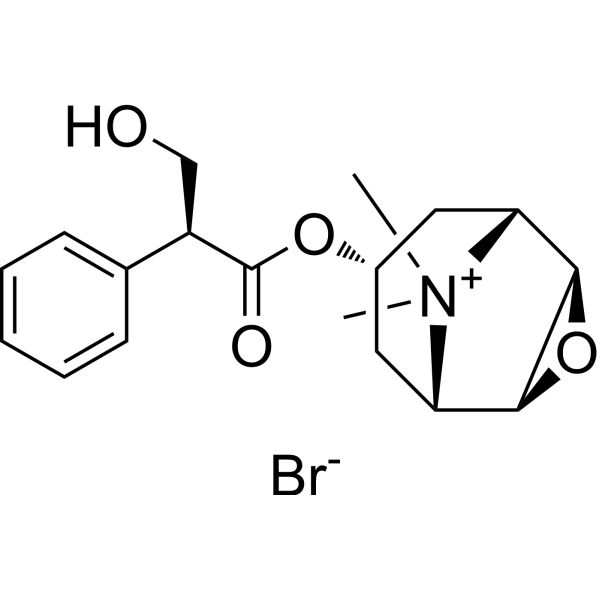 0 ImagesSynonyms: (-)-Scopolamine methyl bromide; Hyoscine methyl bromide
Methscopolamine bromide ((-)-Scopolamine methyl bromide; Hyoscine methyl bromide) is a peripherally acting muscarinic receptor (mAChR) antagonist that cannot cross the blood-brain barrier. Methscopolamine bromide blocks the muscarinic negative feedback regulation of acetylcholine release from striatal cholinergic terminals, thereby increasing acetylcholine release in the striatum of freely moving rats. Methscopolamine bromide does not induce motor excitation in freely moving rats, nor does it alter the duration of ethanol-induced loss of righting reflex in mice. Methscopolamine bromide fails to antagonize the arecoline-mediated reduction in the duration of ethanol-induced loss of righting reflex in mice.
-
(-)-Vesamicol
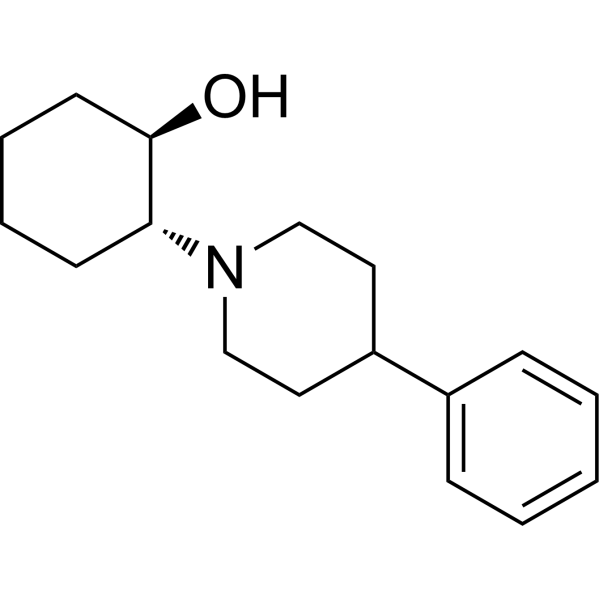 0 ImagesSynonyms: (-)-AH5183
(-)-Vesamicol (AH5183) is a vesicular acetylcholine transporter inhibitor. (-)-Vesamicol reversibly and non-competitively inhibits the transport of acetylcholine into circulating synaptic vesicles and blocks the activity of vesicular acetylcholine transporters in medial amygdala neurons. (-)-Vesamicol is applicable to research related to central precocious puberty.
-
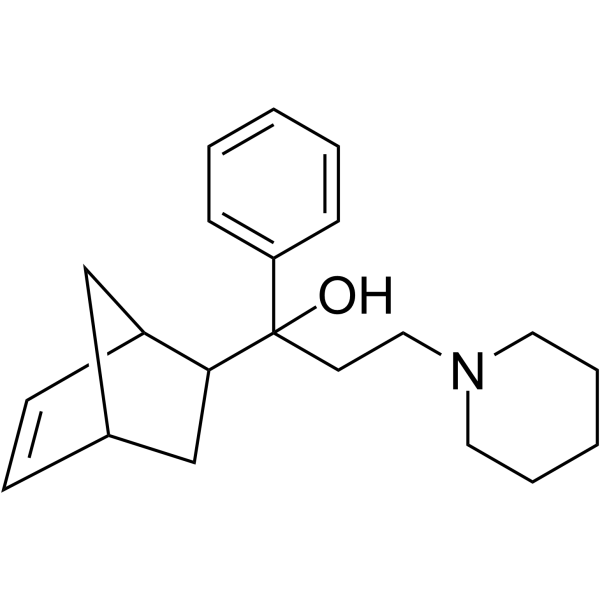
Biperiden
 0 Images
Biperiden (KL 373) is a non-selective muscarinic receptor antagonist that competitively binds to M1 muscarinic receptors, thereby inhibiting acetylcholine and enhancing dopamine signaling in the central nervous system. Biperiden has the potential for the research of Parkinson's disease and other related psychiatric disorders.
-
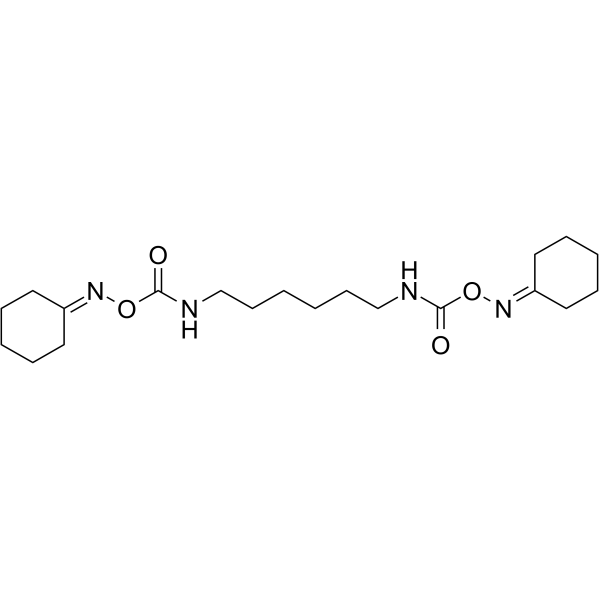
RHC 80267
 0 ImagesSynonyms: U-57908
RHC 80267 (U-57908) is a potent and selective inhibitor of diacylglycerol lipase (DAGL) (with IC50 of 4 μM in canine platelets). RHC-80267 inhibits cholinesterase activity with an IC50 of 4 μM, thereby enhancing the relaxation evoked by acetylcholine. RHC 80267 also inhibits COX and the hydrolysis of phosphatidylcholine (PC).
-
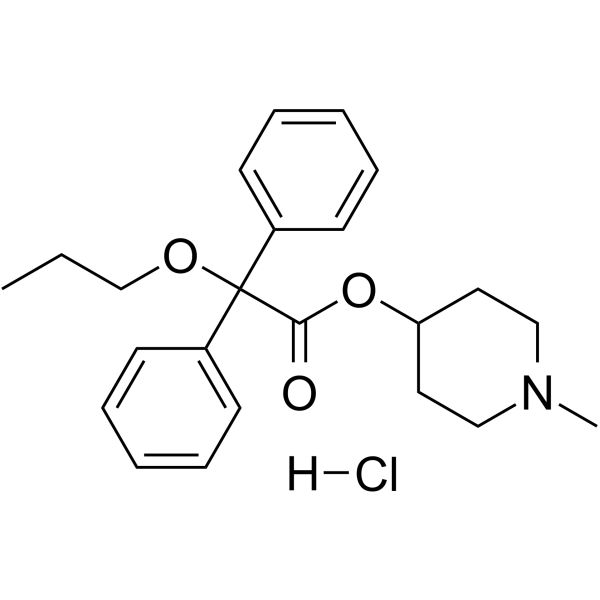
Propiverine hydrochloride
 0 Images
Propiverine hydrochloride is a bladder spasmolytic with calcium antagonistic and anticholinergic properties. Propiverine hydrochloride can be used for the research of overactive blaqdder and urinary incontinence.
-
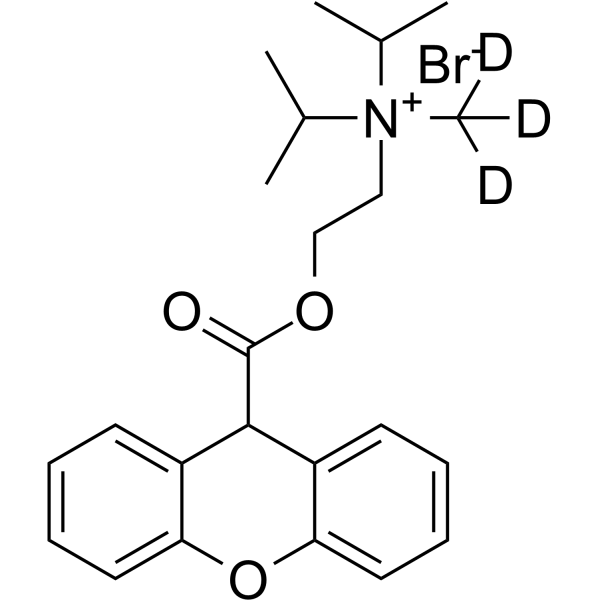
Propantheline-d3 bromide
 0 ImagesCat. No.: HY-B1188SCAS No.: 64717-35-7
Propantheline-d3 (bromide) is the deuterium labeled Propantheline bromide. Propantheline bromide is an antimuscarinic agent, used for the treatment of hyperhidrosis, cramps or spasms of the stomach, intestines or bladder, and enuresis.
-
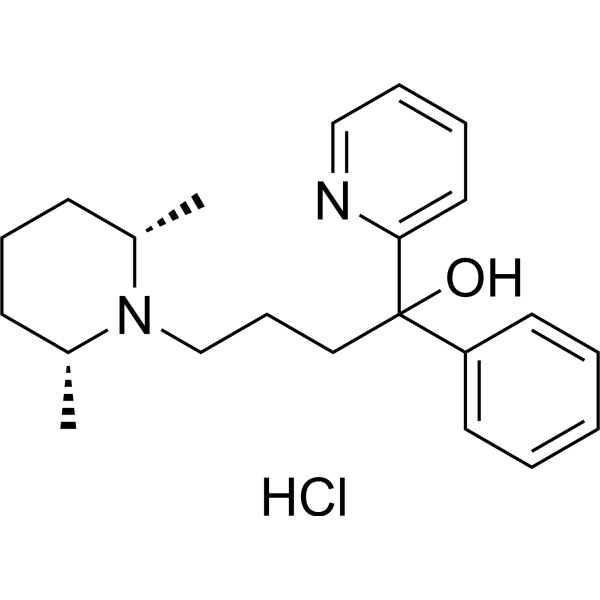
Pirmenol hydrochloride
 0 ImagesSynonyms: (±)-Pirmenol hydrochloride; CI-845
Pirmenol ((±)-Pirmenol) hydrochloride is an orally active antiarrhythmic agent. Pirmenol hydrochloride inhibits IK.ACh (IC50: 0.1 μM) by blocking mAchR. Pirmenol hydrochloride can be used in the research of cardiovascular disease, such as atrial fibrillation.
-
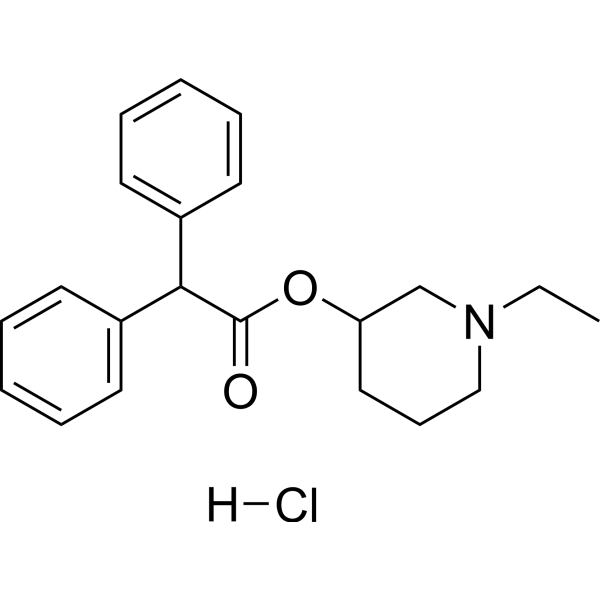
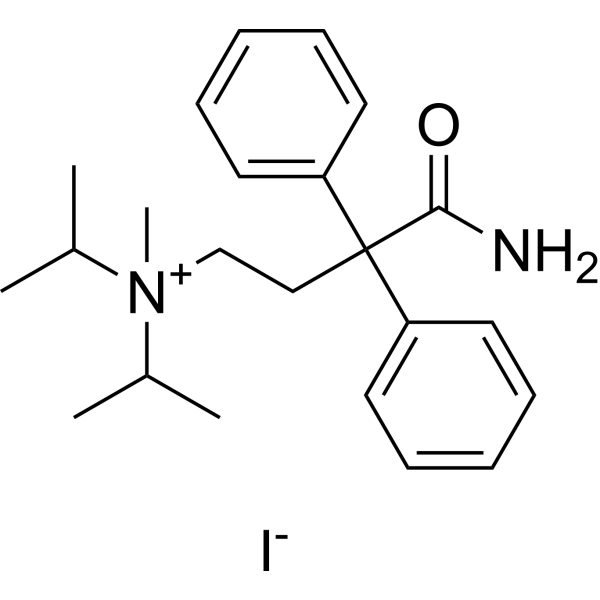
Piperidolate hydrochloride
 0 Images
Piperidolate hydrochloride is a cholinergic antagonist. Piperidolate hydrochloride prevents ventricular fibrillation during hypothermic cardiac manipulations to support cardiac procedures post-preoperative defibrillation. Piperidolate hydrochloride causes dose-dependent cardiac depression. Piperidolate hydrochloride can be used for the research of ventricular fibrillation.
-
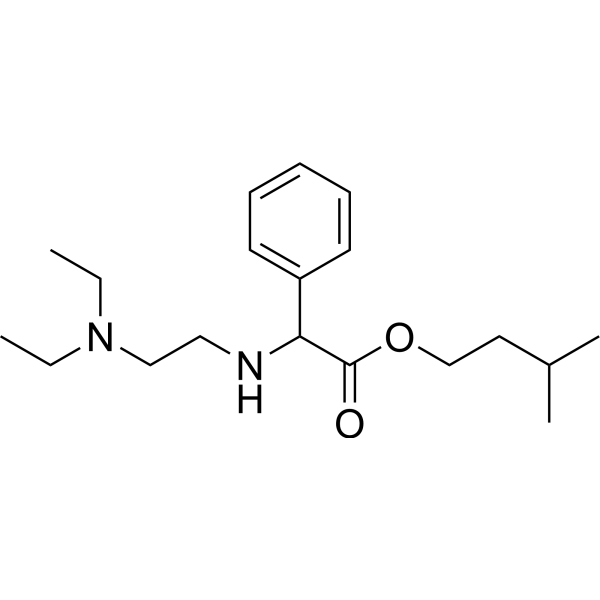
Camylofine
 0 Images
Camylofine is an antispasmodic agent with myogenic and neurogenic effects. Camylofine exhibits mild anticholinergic activity and blocks the M3 receptors on colonic smooth muscle. Camylofine dihydrochloride inhibits phosphodiesterase, elevates intracellular cAMP levels and reduces intracellular Ca2+ levels, thereby promoting smooth muscle relaxation. Camylofine can be used in studies related to antispasmodia, gastrointestinal smooth muscle and ulcerative colitis.
-
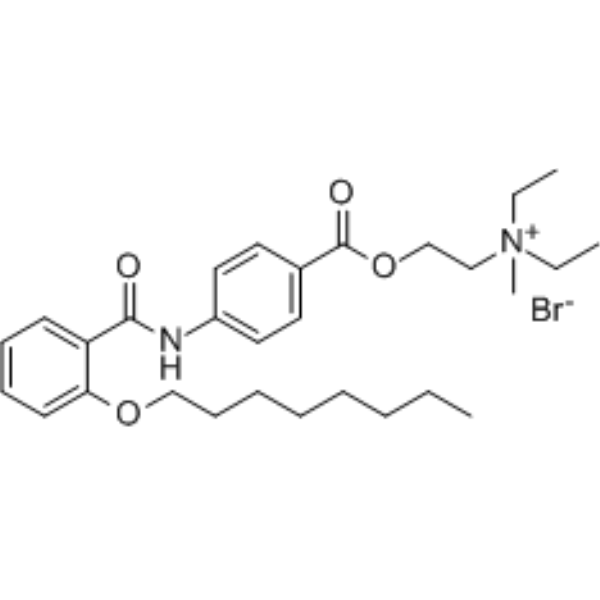
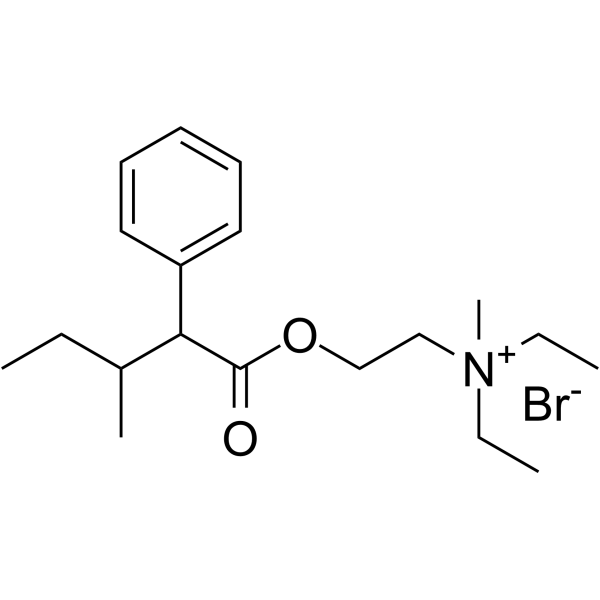
Valethamate bromide
 0 Images
Valethamate bromide is an ester, serving as an effective rapidly acting anticholinergic antispasmodic and muscle relaxant. Valethamate bromide accelerates labor by improving cervical dilation. Valethamate bromide can significantly shorten the labor process and have fewer side effects.
-
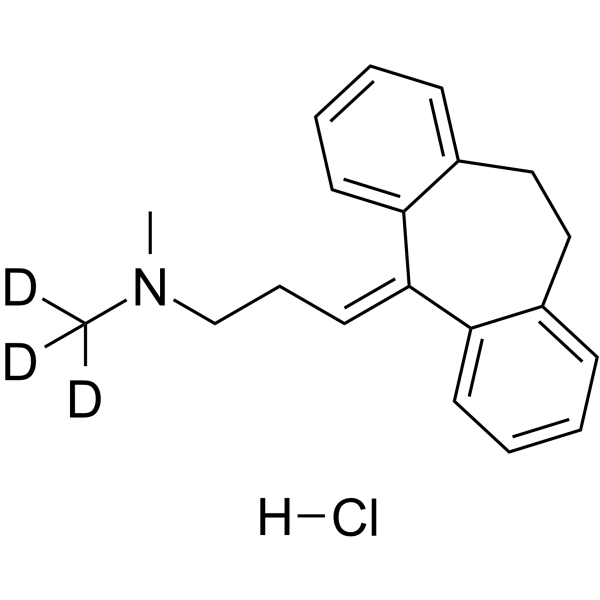
Amitriptyline-d3 hydrochloride
 0 Images
Amitriptyline-d3 hydrochloride is the deuterium labeled Amitriptyline (hydrochloride). Amitriptyline hydrochloride is an inhibitor of serotonin reuptake transporter (SERT) and noradrenaline reuptake transporter (NET), with Kis of 3.45 nM and 13.3 nM for human SERT and NET, respectively. Amitriptyline hydrochloride also weakly binds to dopamine reuptake transporter (DAT) with a Ki of 2.58 μM. Amitriptyline hydrochloride also inhibits adrenergic, muscarinic, histamine and 5-HT receptors. Amitriptyline hydrochloride is a TrkA and TrkB receptors agonist with potent neurotrophic activity. Amitriptyline hydrochloride has antidepressant activity.
-
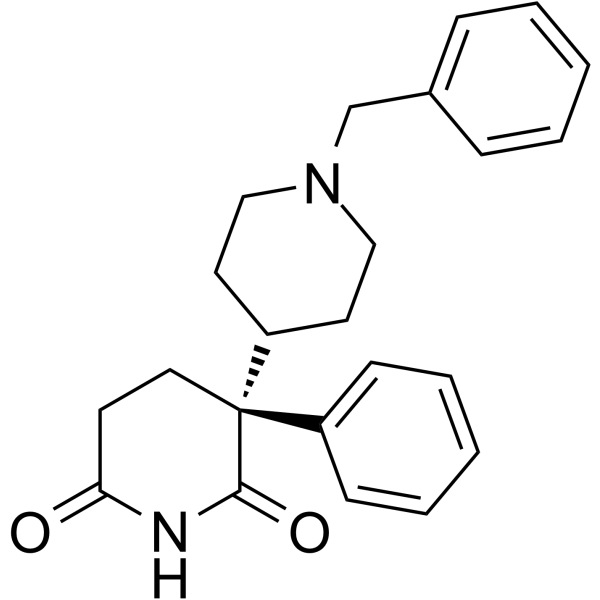
Levetimide
 0 Images
Levetimide is a potent and stereoselective inhibitor of [3H](+)pentazocine binding, with a Ki of 2.2 nM.
-
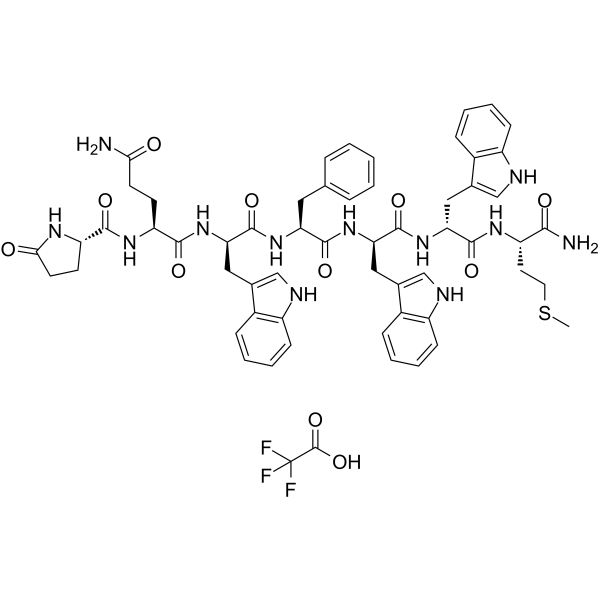
G-Protein antagonist peptide TFA
 0 ImagesCat. No.: HY-P1376A
G-Protein antagonist peptide TFA is a truncated substance P-related peptide, competes with receptor for G protein binding. G-Protein antagonist peptide TFA inhibits the activation of Gi or Go by M2 muscarinic cholinergic receptor (M2 mAChR) or of Gs by beta-adrenergic receptor in the reconstituted phospholipid vesicles, assayed by receptor-promoted GTP hydrolysis.
-
VU6016235
 0 ImagesCat. No.: HY-169178CAS No.: 2344787-70-6
VU6016235 is a highly selective, orally available, positive allosteric modulator of the M4 mAChR with in vivo inhibitory potency in animal models of psychosis..



