



Nur77/NR4A1
Nur77/NR4A1 is an orphan nuclear receptor and immediate-early response transcription factor within the NR4A family that rapidly integrates stress, inflammatory, metabolic, and growth-factor signals into transcriptional programs regulating cellular homeostasis, differentiation, apoptosis, and immune responses[1][2]. Mechanistically, NR4A1 functions through genomic and non-genomic activities; it acts as a nuclear transcription factor by binding NR4A response elements, while stimulus-dependent translocation from the nucleus to mitochondria can trigger apoptotic signaling pathways, highlighting its context-dependent regulatory capacity[2][3][4]. In disease-related settings, NR4A1 participates in inflammation, metabolic regulation, fibrosis, immune-cell function, and multiple cancer models, where it influences cell proliferation, survival, apoptosis, and metabolic reprogramming through pathways linked to glycolysis, mTOR signaling, and cellular stress responses[1][5][6]. Compared with the closely related NR4A family members NR4A2 (Nurr1) and NR4A3 (NOR-1), NR4A1 shares conserved DNA-binding properties but exhibits distinct transcriptional regulation and biological functions determined by differences in its N-terminal regulatory region and cellular context[4][7]. For experimental applications, NR4A1 has attracted considerable interest as a druggable nuclear receptor because several direct-binding ligands have been identified; the natural product cytosporone B functions as an NR4A1 agonist that promotes receptor transactivation and can induce mitochondrial translocation, whereas structurally distinct antagonists have been used to suppress NR4A1-dependent oncogenic pathways in cancer models[3][8].
References:
- [1]. Safe S, et al. Orphan nuclear receptor 4A1 (NR4A1) and novel ligands. Essays Biochem. 2021 Dec 17;65(6):877-886. [Content Brief]
- [2]. Alsharif O, et al. Mechanisms of orphan nuclear receptor Nur77 in liver health, disease, and therapeutic potential: narrative review. npj Gut Liver. 2025;2:24.
- [3]. O'Maille PE, et al. Quantitative exploration of the catalytic landscape separating divergent plant sesquiterpene synthases. Nat Chem Biol. 2008 Oct;4(10):617-23. [Content Brief]
- [4]. Stegh AH, et al. Inactivation of caspase-8 on mitochondria of Bcl-xL-expressing MCF7-Fas cells: role for the bifunctional apoptosis regulator protein. J Biol Chem. 2002 Feb 8;277(6):4351-60. [Content Brief]
- [5]. Deng S, et al. Therapeutic potential of NR4A1 in cancer: Focus on metabolism. Front Oncol. 2022 Aug 16;12:972984. [Content Brief]
- [6]. Lacey A, et al. Nuclear receptor 4A1 (NR4A1) as a drug target for treating rhabdomyosarcoma (RMS). Oncotarget. 2016 May 24;7(21):31257-69. [Content Brief]
- [7]. Jetten AM. Retinoid-related orphan receptors (RORs): critical roles in development, et al. Retinoid-related orphan receptors (RORs): critical roles in development, immunity, circadian rhythm, and cellular metabolism. Nucl Recept Signal. 2009;7:e003. [Content Brief]
- [8]. Lee MJ, et al. Time to HIV rebound after infusion of long-acting broadly neutralising antibodies 3BNC117-LS and 10-1074-LS and analytical treatment interruption (the RIO trial): a double-blind, randomised, placebo-controlled trial. Lancet HIV. 2026 May 27:S2352-3018(26)00059-7. [Content Brief]
All Product Categories
-
Nur77/NR4A1 Inhibitors
(2)
View all products
-
Nur77/NR4A1 Agonists
(4)
View all products
-
Nur77/NR4A1 Antagonists
(6)
View all products
-
Nur77/NR4A1 Activator
(1)
View all products
-
Nur77/NR4A1 Modulators
(4)
View all products
-
Nur77/NR4A1 Inducer
(1)
View all products
-
Nur77/NR4A1 Degraders
(2)
View all products
-
Nur77/NR4A1 Related Products (24)
Related Products (24)

- 1
- 2
-
Celastrol
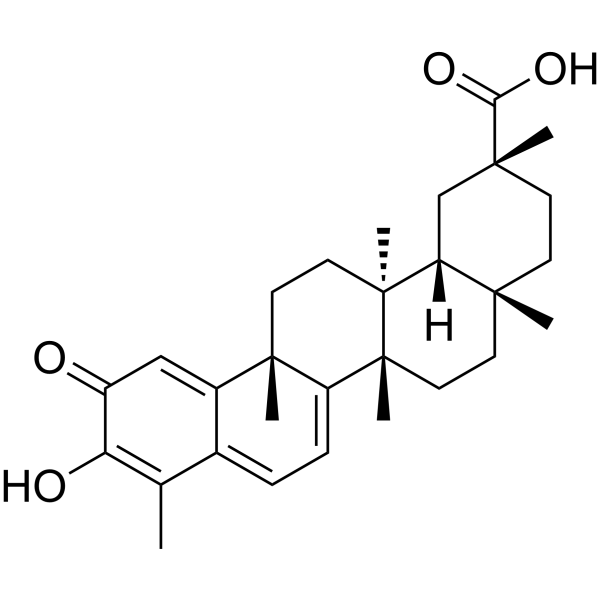 0 ImagesSynonyms: Tripterine; TripterinCelastrol (Tripterine;Tripterin) is a proteasome inhibitor which potently and preferentially inhibits the chymotrypsin-like activity of a purified 20S proteasome with IC50 of 2.5 μM. In addition, Celastrol is also an antibiotic with potent antimicrobial activity against standard and clinical methicillin-resistant Staphylococcus aureus (MRSA) strains, inducing oxidative stress and inhibiting DNA synthesis by binding to P5CDH.
-
Cytosporone B
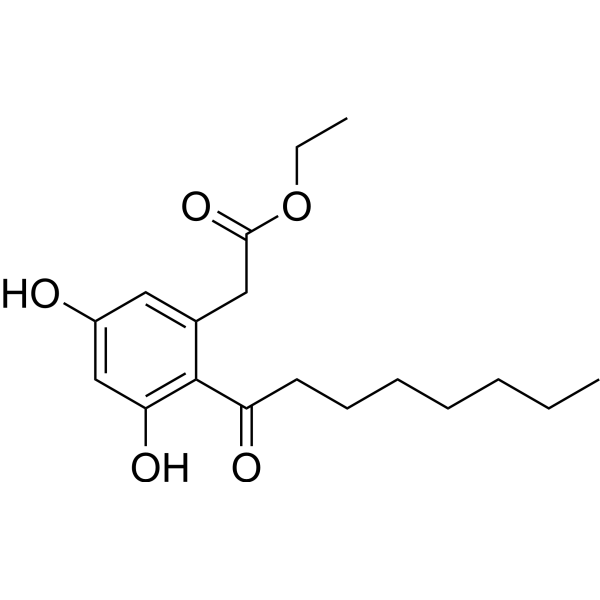 0 ImagesSynonyms: Csn-B; Dothiorelone GCytosporone B (Csn-B; Dothiorelone G) is a naturally occurring nuclear orphan receptor Nur77/NR4A1 agonist with an EC50 of 0.278 nM.
-
Teduglutide
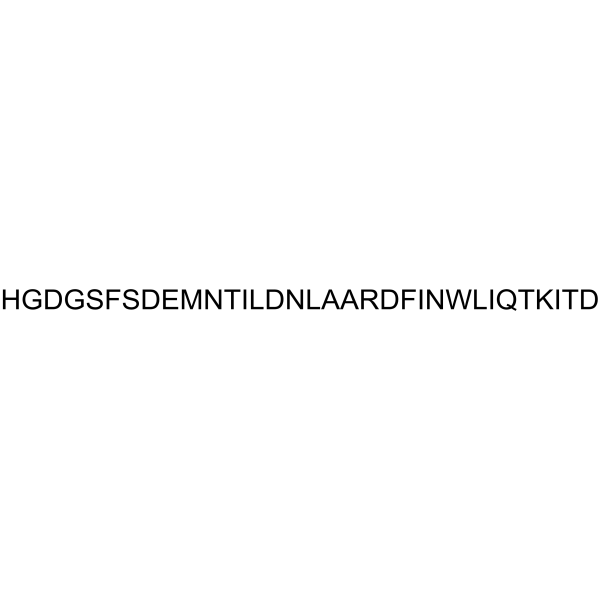 0 ImagesSynonyms: ALX-0600Teduglutide (ALX-0600) is an analog of human glucagon like peptide-2 (GLP-2). Teduglutide can activate the expression of nuclear receptor subfamily 4 group a member 1 (NR4a1)/nur77 and intestinal FXR signaling in human hepatic stellate cells, thereby improving liver inflammation and fibrosis in mice with sclerosing cholangitis. Teduglutide can alleviate intestinal dysfunction in mice, improve lung injury, alleviate obesity related neuroinflammation and cell apoptosis.
-
TMPA
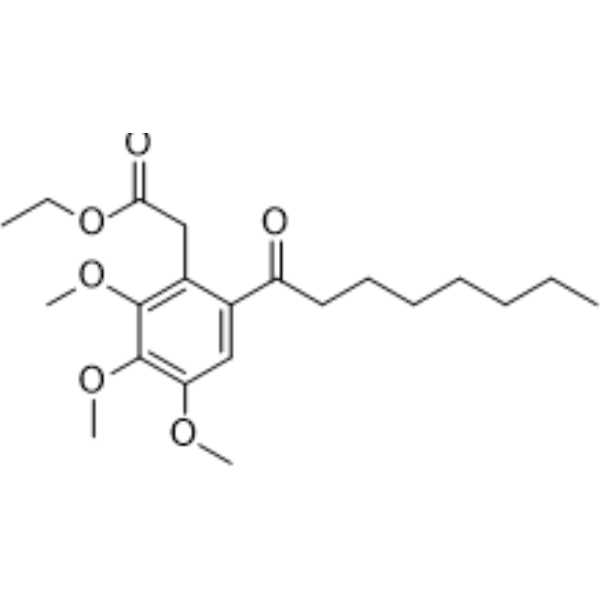 0 ImagesTMPA is a high-affinity Nur77 antagonist that binds to Nur77 leading to the release and shuttling of LKB1 in the cytoplasm to activate AMPKα. TMPA effectively lowers blood glucose and attenuates insulin resistance in type II db/db, high-fat diet and streptozotocin-induced diabetic mice. TMPA reduces RICD (restimulation-induced cell death) in human T cells, can also be used in studies of cancer and T-cell apoptosis dysregulation.
-
Nur77 modulator 5
 0 ImagesCat. No.: HY-183274CAS No.: 3068830-45-2Nur77 modulator 5 is a Nur77 modulator. Nur77 modulator 5 induces lysosomal dysfunction, impaired autophagic flux, and apoptosis with increased PARP cleavage, TUNEL positivity, and Annexin V/PI staining. Nur77 modulator 5 can be used for the research of gastric cancer.
-
Nur77 modulator 6
 0 ImagesCat. No.: HY-183758Nur77 modulator 6 is a Nur77 modulator with a Kd of 0.40 μM. Nur77 modulator 6 functionally modulates Nur77 to induce mitotic arrest and apoptosis in colorectal tumor cells. Nur77 modulator 6 suppresses colorectal cancer cell proliferation via Nur77-dependent mitotic arrest induction. Nur77 modulator 6 exhibits anti-proliferative activity against colorectal tumor cells. Nur77 modulator 6 can be used for the research of colorectal cancer.
-
NR-V04
 0 ImagesNR-V04 is a selective NR4A1 PROTAC degrader. NR-V04 forms a ternary complex with NR4A1 and the VHL E3 ligase, mediates proteasome-dependent degradation of NR4A1. NR-V04 induces tumor-infiltrating B cells and effector memory CD8+ T cells and reduces monocytic myeloid-derived suppressor cells in tumor microenvironments. NR-V04 can be used for the research of melanoma and colon cancer.
-
Glycerol kinase, microorganism
 0 ImagesGlycerol kinase, microorganism (GyK) acts as a NR4A1 inhibitor with enzymatic activity. It directly binds to and inhibits the transcription factor NR4A1, thereby negatively regulating hepatic gluconeogenesis and reducing blood glucose levels. Glycerol kinase, microorganism positively regulates UCP1 expression via partial dependence on the β-adrenergic receptor-cAMP-CREB pathway, promotes browning of white adipose tissue and thermogenesis, and further modulates intracellular fatty acid composition and energy metabolism. In diabetic mouse models, overexpression of Glycerol kinase effectively antagonizes NR4A1-induced hyperglycemia, demonstrating potential for improving glucose homeostasis. Glycerol kinase, microorganism can be used for studies on diabetes and obesity.
-
Triptohypol C
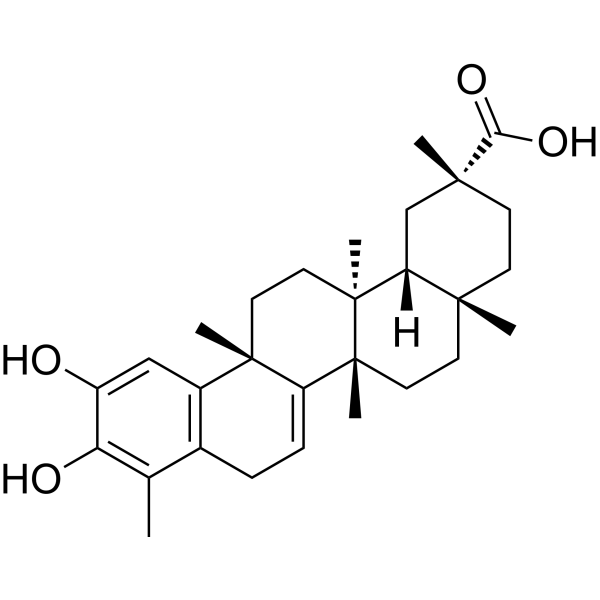 0 ImagesCat. No.: HY-117469CAS No.: 193957-88-9Triptohypol C, a Tripterin (HY-13067) derivative, is a potent Nur77-targeting anti-inflammatory agent with an Kd value of 0.87 μM. Triptohypol C inhibits inflammatory response by promoting the interactions of Nur77 with TRAF2 and p62/SQSTM1.
-
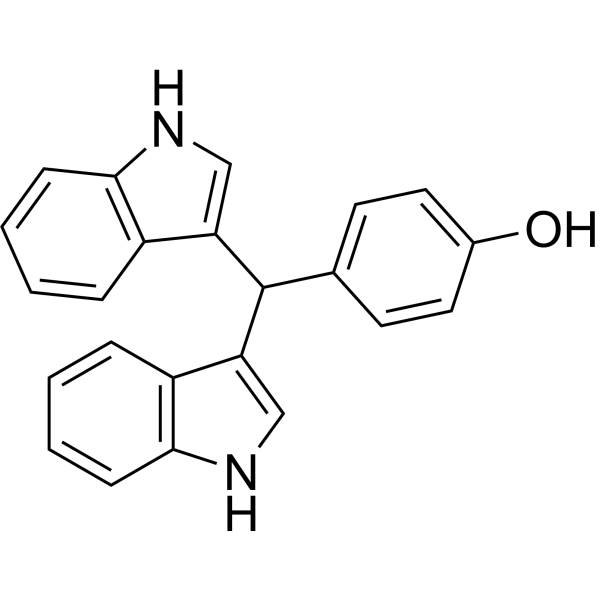
DIM-C-pPhCO2Me
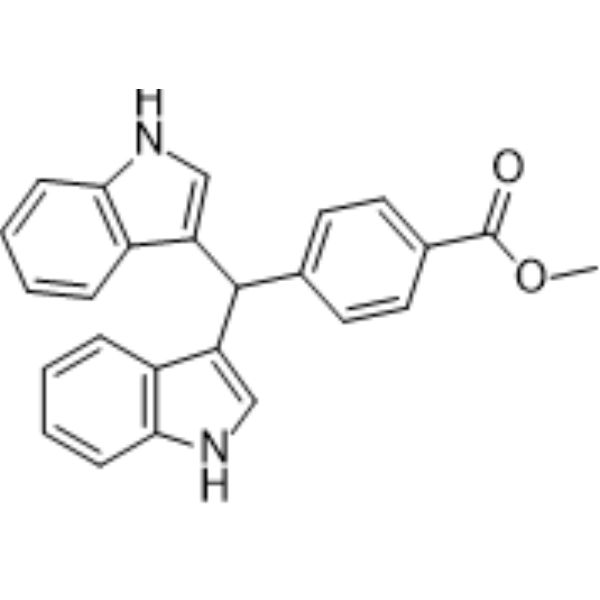 0 ImagesDIM-C-pPhCO2Me is a nuclear receptor 4A1 (NR4A1) antagonist. DIM-C-pPhCO2Me induces Apoptosis. DIM-C-pPhCO2Me decreases PAX3-FOXO1A, N-Myc, Rassf4, MyoD1, Grem1, and DAPK1 proteins. DIM-C-pPhCO2Me decreases expression of TXNDC5 and IDH1, induces markers of ER stress (CHOP, ATF4 and p-PERK). DIM-C-pPhCO2Me inhibits renal cell carcinoma, breast cancer. DIM-C-pPhCO2Me can also be used in rhabdomyosarcoma research.
-
DIM-C-pPhOCH3
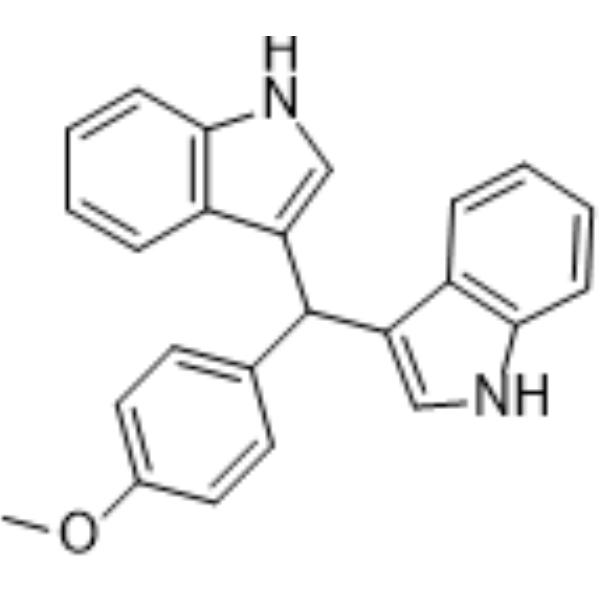 0 ImagesDIM-C-pPhOCH3 is a Nur77 agonist. Nerve growth factor-induced Bα (NGFI-Bα, Nur77) is an orphan nuclear receptor.
-
DIM-3,5-Cl2
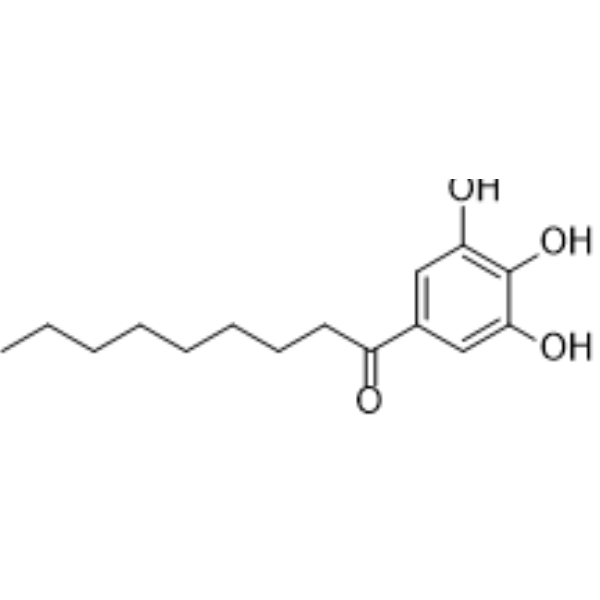
 0 ImagesDIM-3,5-Cl2 is an inverse NR4A1/NR4A2 agonist with KD values of 7.7 μM and 12.0 μM for NR4A1 and NR4A2, respectively. DIM-3,5-Cl2 acts as an inverse agonist to downregulate pro-oncogenic and proendometriotic gene products, and as an agonist to enhance NR4A1/2/Sp1/Sp4-mediated CD71 transactivation. DIM-3,5-Cl2 induces ferroptosis via ROS formation, lipoperoxidation, MDA production, and reduced GPX4, SLC7A11 expression. DIM-3,5-Cl2 induces apoptosis via PARP and caspase-3 cleavage, reduced BCL-2 expression, and inhibits cancer cell viability. DIM-3,5-Cl2 can be used for the research of triple negative breast cancer, endometriosis, and colorectal cancer.
-
4-PQBH
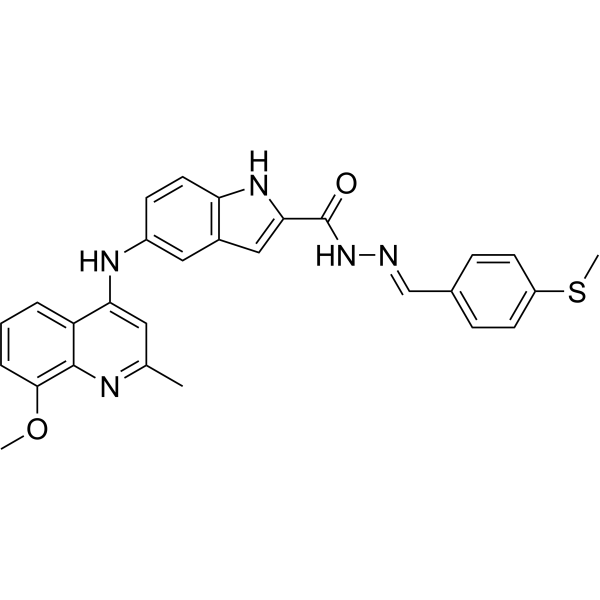
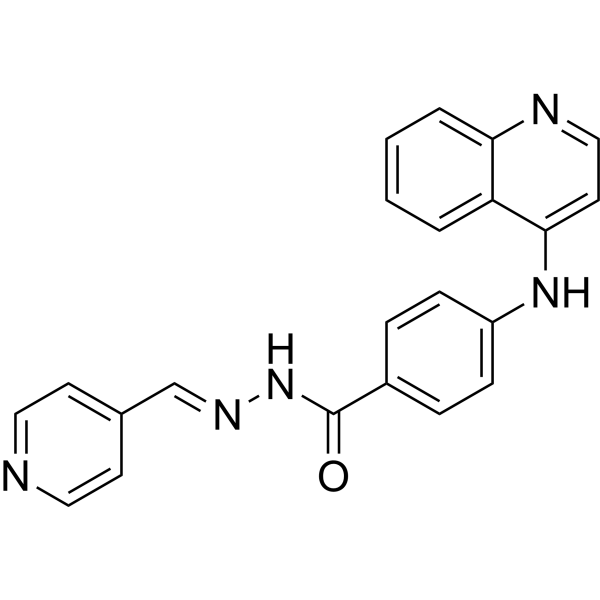 0 Images4-PQBH is a potent Nur77 binder (KD=1.17 μM). 4-PQBH extensively induces caspase-independent cytoplasmic vacuolization and paraptosis through Nur77-mediated ER stress and autophagy. 4-PQBH can be used for cancer research.
-
BI1071
 0 ImagesCat. No.: HY-111837Purity: 98.93%BI1071 is an orally active Nur77-Bcl-2 apoptotic pathway modulator. BI1071 can bind to Nur77-LBD protein with a Kd of 0.17 μM. BI1071 can activate Nur77 signaling and induce apoptosis by translocating to mitochondria where it interacts with Bcl-2. BI1071 can inhibit tumor growth in SW620 xenograft mice model. BI1071 can be used for research of colon cancer.
-
PROTAC IKKβ/NR4A1 degrader-1
 0 ImagesCat. No.: HY-179112CAS No.: 2826215-20-5PROTAC IKKβ/NR4A1 degrader-1 is a highly efficient and effective dual-PROTAC degrader targeting IKKβ and NR4A1. PROTAC IKKβ/NR4A1 degrader-1 can increase the levels of caspase 3 and cleaved caspase 3 proteins, while the necroptosis marker RIP kinase remained unchanged, indicating that it can induce apoptosis. PROTAC IKKβ/NR4A1 degrader-1 can be used for the study of Acute myeloid leukemia (AML). Red: IKKβ/NR4A1 ligand (HY-13067); Blue: E3 ligase CRBN ligand (HY-14658); Black: Linker (HY-79577).
-
Nur77 antagonist 2
 0 ImagesCat. No.: HY-179033Nur77 antagonist 2 (Compound 12b) is an orally active Nur77 antagonist with a KD value of 0.42 μM. Nur77 antagonist 2 exhibits proliferative activity on liver cancer cells. Nur77 antagonist 2 stabilizes Nur77 by inhibiting its ubiquitin-proteasomal degradation, leading to Nur77-dependent apoptosis via the ASK1-JNK/p38 pathway. Nur77 antagonist 2 inhibits tumor growth in the HCCLM3 xenograft model. Nur77 antagonist 2 can be used for the study of hepatocellular carcinoma (HCC).
-
Nur77 modulator 4
 0 ImagesCat. No.: HY-170849Nur77 modulator 4 (Compound 15h) is a Nur77 inducer with a KD of 0.477 μM. Nur77 modulator 4 significantly induces Nur77 expression and apoptosis, showing excellent growth inhibition in HepG2 and MCF-7 cells, with an IC50 of less than 5 μM. Nur77 modulator 4 activates Nur77-mediated ER stress through the PERK-ATF4 and IRE1 signaling pathways, thereby inducing cell apoptosis. Nur77 modulator 4 can be used in cancer research applications .
- 1
- 2



