Search Result
Results for "
peripheral-blood-mononuclear-cells-pbmcs
" in MedChemExpress (MCE) Product Catalog:
-
- HY-100870
-
|
ABX464
|
HIV
|
Infection
|
|
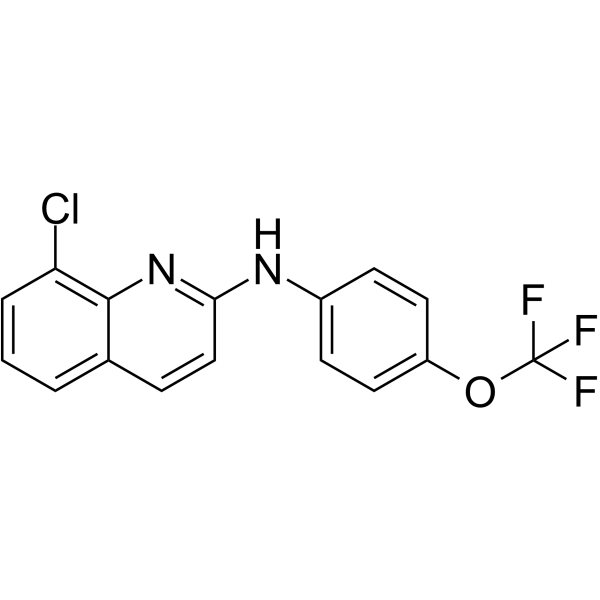
Obefazimod (ABX464) is a potent anti-HIV agent. Obefazimod inhibits HIV-1 replication in stimulated peripheral blood mononuclear cells (PBMCs) with an IC50 ranging between 0.1 μM and 0.5 μM.
|
-
-
- HY-103697
-
|
|
Toll-like Receptor (TLR)
|
Cancer
|
|
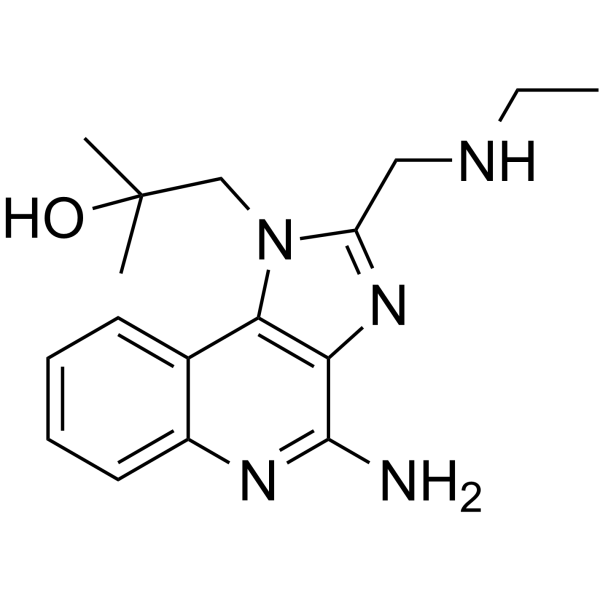
Gardiquimod is an imidazoline TLR7/8 agonist. Gardiquimod inhibits HIV-1 infection of macrophages and activated peripheral blood mononuclear cells (PBMCs). Gardiquimod specifically activates TLR7 at concentrations below 10 μM.
|
-
-
- HY-138568
-
|
|
MAP4K
|
Inflammation/Immunology
|
|
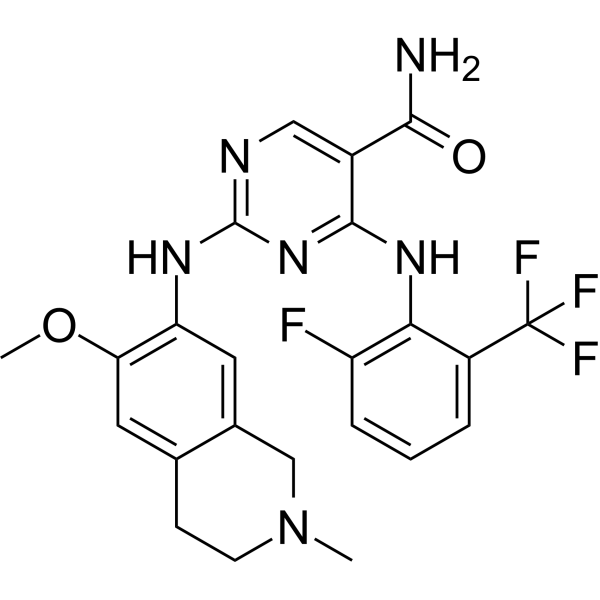
HPK1-IN-3 is a potent and selective ATP-competitive hematopoietic progenitor kinase 1 (HPK1; MAP4K1) inhibitor with an IC50 of 0.25 nM. HPK1-IN-3 has IL-2 cellular potency with an EC50 of 108 nM in human peripheral blood mononuclear cells (PBMCs) .
|
-
-
- HY-113953
-
|
|
Caspase
Apoptosis
|
Inflammation/Immunology
|
|
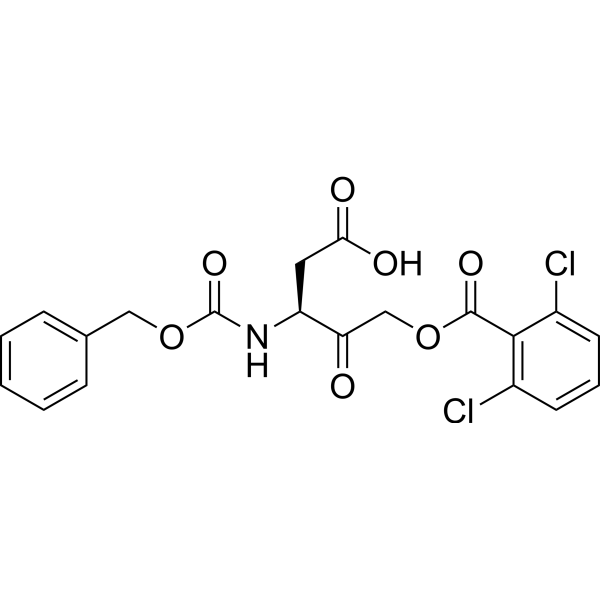
Z-Asp-CH2-DCB is an irreversible broad spectrum caspase inhibitor. Z-Asp-CH2-DCB also inhibits proteases with caspase-like activity. Z-D-CH2-DCB blocks the production of IL-1β, TNF-α, IL-6, and IFN-γ in staphylococcal enterotoxin B (SEB)-stimulated peripheral blood mononuclear cells (PBMC), and reduces SEB-1-stimulated T-cell proliferation in a dose-dependent manner. Z-Asp-CH2-DCB prevents SU5416-induced septal cell apoptosis and emphysema development .
|
-
-
- HY-177338
-
|
|
STING
Cyclic GMP-AMP Synthase
IFNAR
TNF Receptor
Interleukin Related
|
Inflammation/Immunology
Cancer
|
|
STING agonist-45 is a selective STING agonist (EC50 = 0.28 μM). STING agonist-45 activates the innate immune response through the cGAS-STING pathway, upregulating key markers such as p-TBK1 and IRF3. STING agonist-45 exhibits robust STING activation in human peripheral blood mononuclear cells (PBMCs), inducing the production of type I interferons (such as IFN-β) and downstream cytokines (such as TNF-α and IL-6). STING agonist-45 enhances anti-tumor immunity, inhibits tumor growth, and increases CD8 + T cell infiltration in mouse models. STING agonist-45 is promising for the study of STING-related diseases .
|
-

-
- HY-156961
-
|
GLPG3667
|
JAK
|
Inflammation/Immunology
|
|
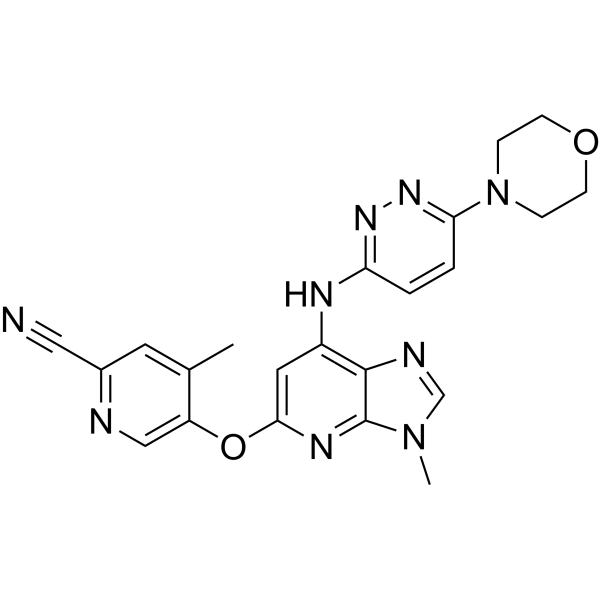
Cadefrecitinib (GLPG3667) is a reversible, ATP-competitive and orally active TYK2 inhibitor with an IC50 of 2.3 nM. Cadefrecitinib inhibits IFNα/pSTAT1, and the IC50 values in human peripheral blood mononuclear cell (PBMC) and whole blood assays are 70 nM and 623 nM, respectively. Cadefrecitinib has the potential for the study of inflammatory and autoimmune diseases .
|
-
-
- HY-13224
-
|
|
Kinesin
Apoptosis
Mitosis
|
Cancer
|
|
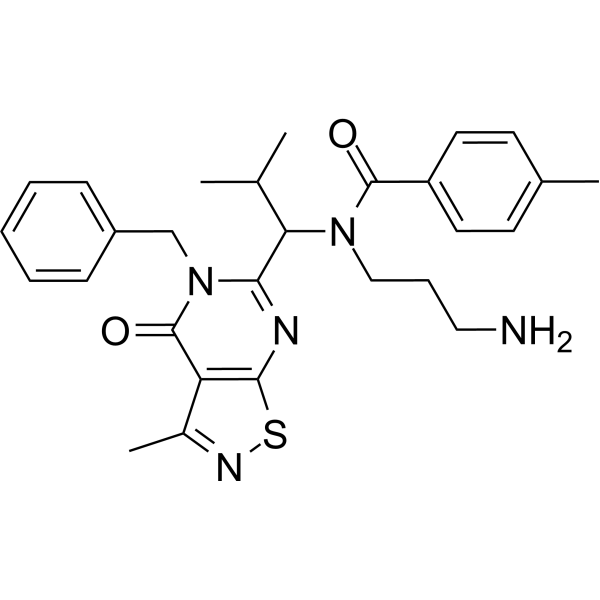
AZD4877 is another isostere to Ispinesib (HY-50759)and also a kinesin spindle protein (Eg5) inhibitor with IC50 of 2 nM.AZD4877 arrests cell mitosis, leads to the formation of the monopolar spindle phenotype and induces apoptosis. AZD4877 inhibits circulating peripheral blood mononuclear cells (PBMCs) and has anti-cancer activity .
|
-
-
- HY-142989
-
|
|
Liposome
HIV
HCV
HBV
|
Infection
Cancer
|
|
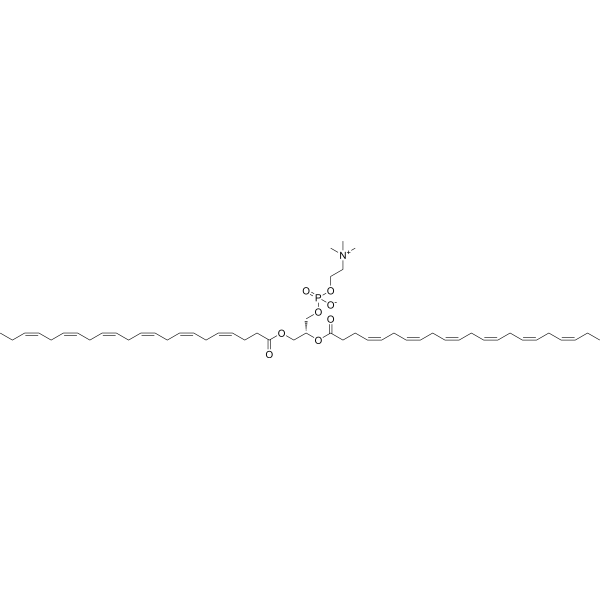
1,2-Didocosahexaenoyl-sn-glycero-3-phosphocholine is a polyunsaturated phospholipid that serves as a component of lipid monolayers and small unilamellar vesicles. 1,2-Didocosahexaenoyl-sn-glycero-3-phosphocholine can be used to prepare endoplasmic reticulum-targeted liposomes (PERLs), which are composed of 1,2-didocosahexaenoyl-sn-glycero-3-phosphoethanolamine, l-α-phosphatidylinositol and l-α-phosphatidylserine at a molar ratio of 1.5:1.5:1:1. PERLs reduce cholesterol levels in human peripheral blood mononuclear cells (PBMCs) and decrease HIV-1 particle secretion from HIV-1-infected PBMCs. Liposomes formed from 1,2-Didocosahexaenoyl-sn-glycero-3-phosphocholine exhibit cytotoxicity against leukemia cells. 1,2-Didocosahexaenoyl-sn-glycero-3-phosphocholine is applicable to studies related to hepatitis C virus infection, HIV infection, hepatitis B virus infection and leukemia .
|
-
-
- HY-103697A
-
|
|
Toll-like Receptor (TLR)
|
Cancer
|
|
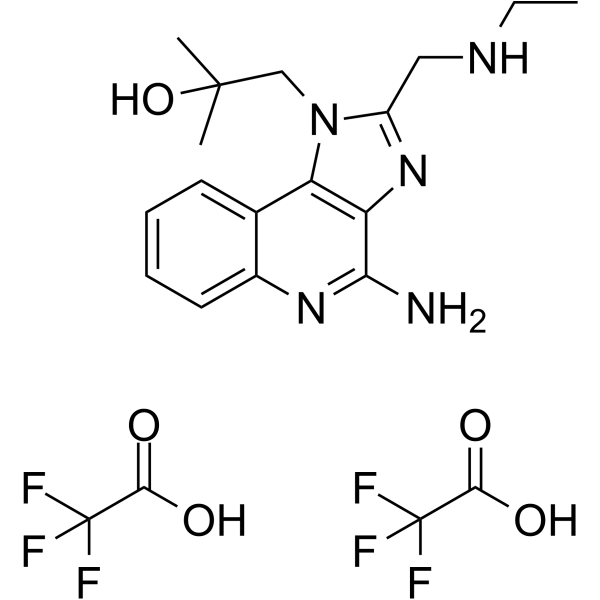
Gardiquimod diTFA is an imidazoline TLR7/8 agonist. Gardiquimod diTFA inhibits HIV-1 infection of macrophages and activated peripheral blood mononuclear cells (PBMCs). Gardiquimod diTFA specifically activates TLR7 at concentrations below 10 μM.
|
-
-
- HY-106850
-
|
AzdU; AzddU; CS-87
|
HIV
|
Infection
|
|
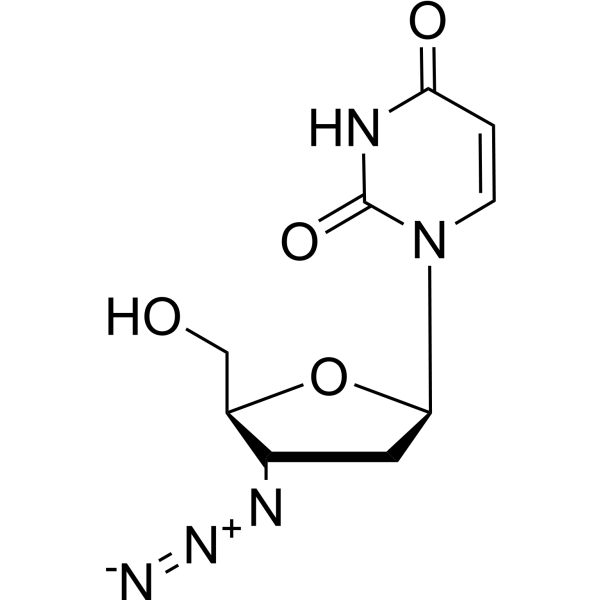
3′-Azido-2′,3′-dideoxyuridine (AzdU) is a nucleoside analog of Zidovudine (HY-17413). 3′-Azido-2′,3′-dideoxyuridine is a potent inhibitor of human immunodeficiency virus (HIV) replication in human peripheral blood mononuclear cells (PBMC) with limited toxicity for human bone marrow cells (BMC) . 3′-Azido-2′,3′-dideoxyuridine is a click chemistry reagent, it contains an Azide group and can undergo copper-catalyzed azide-alkyne cycloaddition reaction (CuAAc) with molecules containing Alkyne groups. It can also undergo strain-promoted alkyne-azide cycloaddition (SPAAC) reactions with molecules containing DBCO or BCN groups.
|
-
-
- HY-W105318
-
|
PBP
|
TGF-beta/Smad
Apoptosis
|
Cancer
|
|
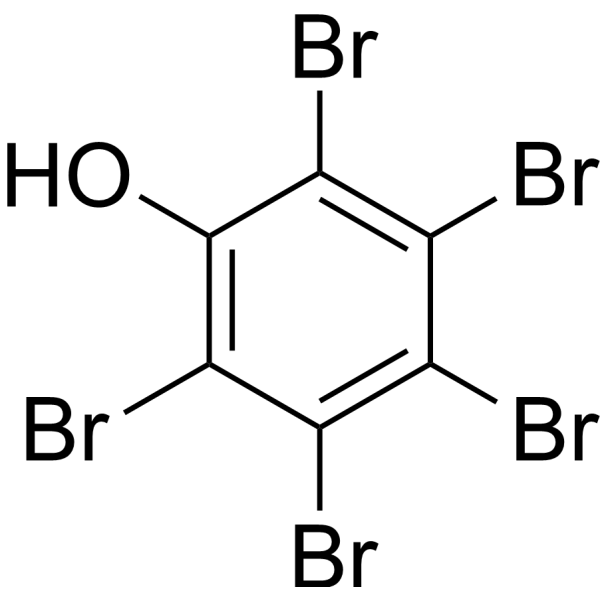
Pentabromophenol (PBP) is a brominated flame retardant (BFR) widely used in various consumer products to reduce the flammability of materials used in different utility items. Pentabromophenol can accelerate the degradation of transforming growth factor-β (TGF-β) receptors by promoting clathrin-mediated endocytosis, thereby inhibiting the TGF-β signaling pathway. Additionally, Pentabromophenol can also induce apoptosis in peripheral blood mononuclear cells (PBMCs) .
|
-
-
- HY-159884
-
|
|
Tim3
TNF Receptor
IFNAR
|
Cancer
|
|
MG-T-19 is an effective TIM-3 inhibitor that can suppress the interaction of TIM-3 with PtdSer, CEACAM1, and Gal-9. MG-T-19 can increase the production of tumor necrosis factor-α (TNF-α) and interferon-γ (IFN-γ) in peripheral blood mononuclear cells (PBMCs) from healthy donors, and enhance the ability of PBMCs to inhibit the proliferation of Kasumi-1 cells (an acute myelogenous leukemia cell line) .
|
-

-
- HY-135382
-
|
|
PROTACs
IRAK
|
Inflammation/Immunology
Cancer
|
|
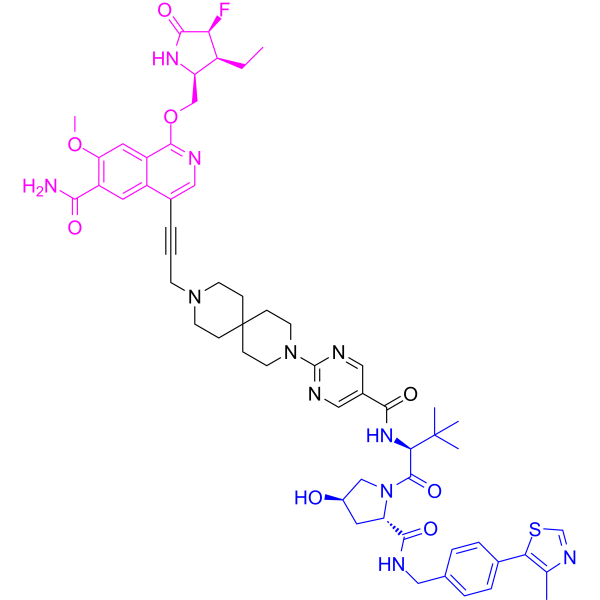
PROTAC IRAK4 degrader-2 (Compound 9) is a PROTAC-based IRAK4 degrader that affords potent IRAK4 degradation with a DC50 in peripheral blood mononuclear cells (PBMCs) cells of 151 nM. PROTAC IRAK4 degrader-2 induce a reduction of IRAK4 protein levels with a DC50 of 36 nM in PBMC cells. PROTAC IRAK4 degrader-2 also leads to the inhibition of multiple cytokines in PBMCs .
|
-
-
- HY-118917
-
|
|
IMPDH
|
Inflammation/Immunology
|
|
VX-148 is an orally active immunosuppressant, which is a non-competitive inosine-5'-monophosphate dehydrogenase (IMPDH) inhibitor with Ki values for IMPDH Ⅱ and IMPDH Ⅰ of 6 and 14 nM respectively. VX-148 can significantly inhibit the proliferation of human peripheral blood mononuclear cells (PBMC) stimulated by T-cell mitogen (PHA) or B-cell mitogen (SPAS). VX-148 has high selectivity for lymphocytes (such as L1210, Jurkat T cells, and Raji B cells), but has no significant toxicity to non-lymphoid cells. VX-148 can inhibit antibody responses in mouse models and significantly prolong the survival time of transplanted skin in allogeneic skin transplantation models. VX-148 can be used in the research of autoimmune diseases (such as rheumatoid arthritis, psoriasis) and organ transplantation anti-rejection .
|
-

-
- HY-148643
-
|
|
STING
|
Inflammation/Immunology
|
|
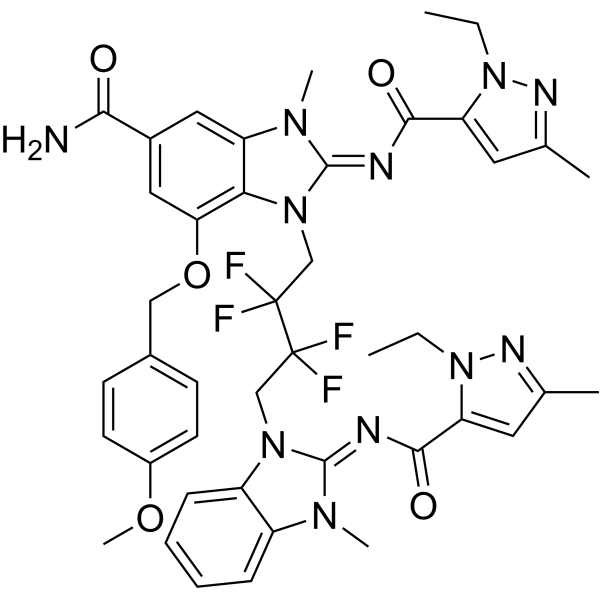
STING modulator-5 (compound 38) is a STING modulator with a pIC50 value of 9.5. STING modulator-5 antagonizes peripheral blood mononuclear cells (PBMC) with a pIC50 value of 8.1. STING modulator-5 is a antagonist of THP-1 cells, it can be used for immunological disease research .
|
-
-
- HY-179009
-
|
|
NOD-like Receptor (NLR)
Interleukin Related
|
Inflammation/Immunology
|
NOD2 agonist 4 (Compound 12b) is a potent NOD2 agonist with an EC50 of 44.1 nM. NOD2 agonist 4 induces cytokine production (MCP-1, IL-6 and IL-8) in peripheral blood mononuclear cells (PBMCs), both alone and in combination with Lipopolysaccharide (LPS) (HY-D1056). NOD2 agonist 4 can be used for the studies of NOD2-targeted immunomodulator or vaccine adjuvant .
|
-

-
- HY-N13236
-
|
|
Others
|
Inflammation/Immunology
|
|
Echinacea Purpurea Extract is an echinacea extract, and its ingredients include: Polyphenols. Echinacea Purpurea Extract is a potential anti-inflammatory agent that can inhibit LPS-induced inflammatory responses in yak peripheral blood mononuclear cells (PBMCs). .
|
-

-
- HY-103697B
-
|
|
HIV
Toll-like Receptor (TLR)
|
Infection
Cancer
|
|
Gardiquimod (hydrochloride) is an imidazoline TLR7/8 agonist. Gardiquimod (hydrochloride) inhibits HIV-1 infection of macrophages and activates peripheral blood mononuclear cells (PBMCs). Gardiquimod (hydrochloride) specifically activates TLR7 at concentrations below 10 μM .
|
-

-
- HY-103697R
-
|
|
Toll-like Receptor (TLR)
Reference Standards
|
Cancer
|
|
Gardiquimod (Standard) is the analytical standard of Gardiquimod. This product is intended for research and analytical applications. Gardiquimod is an imidazoline TLR7/8 agonist. Gardiquimod inhibits HIV-1 infection of macrophages and activated peripheral blood mononuclear cells (PBMCs). Gardiquimod specifically activates TLR7 at concentrations below 10 μM.
|
-

-
- HY-103697AR
-
|
|
Toll-like Receptor (TLR)
Reference Standards
|
Cancer
|
|
Gardiquimod (diTFA) (Standard) is the analytical standard of Gardiquimod (diTFA). This product is intended for research and analytical applications. Gardiquimod diTFA is an imidazoline TLR7/8 agonist. Gardiquimod diTFA inhibits HIV-1 infection of macrophages and activated peripheral blood mononuclear cells (PBMCs). Gardiquimod diTFA specifically activates TLR7 at concentrations below 10 μM.
|
-

-
- HY-149356
-
|
|
PD-1/PD-L1
|
Cancer
|
|
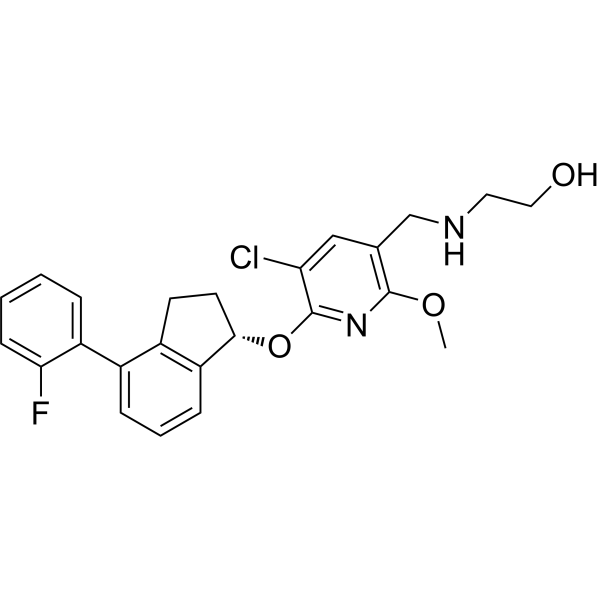
PD-1/PD-L1-IN-31 is a PD-1/PD-L1 inhibitor (IC50=2.2 nM). PD-1/PD-L1-IN-31 promotes secretion of the IFN-γ, and induces immune activity of peripheral blood mononuclear cells (PBMCs) to inhibits tumor cells .
|
-
-
- HY-168074
-
|
|
Amylases
Glycosidase
|
Metabolic Disease
Inflammation/Immunology
|
|
4″-C18 EGCG is a potent inhibitor of α-amylase and α-glucosidase with IC50 values of 3.74 and 0.81 μM, respectively. 4″-C18 EGCG inhibits carbohydrate hydrolases, reduces oxidative stress and inflammation, and exhibits antidiabetic activity. 4″-C18 EGCG also downregulates proinflammatory cytokines and is cytotoxic to primary human peripheral blood mononuclear cells (PBMCs), non-cancer cell lines 3T3-L1, and HEK 293 at 50 μM .
|
-

-
- HY-122566
-
|
ZINC666243
|
Toll-like Receptor (TLR)
TNF Receptor
|
Cancer
|
|
SMU127 is an agonist of the toll-like receptor 1/2 (TLR1/2) heterodimer. It induces NF-κB signaling in cells expressing human TLR2 (EC50=0.55 μM) but not cells expressing human TLR3, -4, -5, -7, or -8 when used at concentrations ranging from 0.1 to 100 μM. SMU127 induces the production of TNF-α in isolated human peripheral blood mononuclear cells (PBMCs) when used at concentrations ranging from 0.01 to 1 μM. In vivo, SMU127 (0.1 mg/animal) reduces tumor volume in a 4T1 murine mammary carcinoma model.
|
-

-
- HY-168384
-
|
|
STING
TNF Receptor
Interleukin Related
CD28
|
Inflammation/Immunology
|
|
M04 is an agonist of STING. It induces the expression of the IFN reporter gene in HEK293T cells expressing wild-type human STING, but does not induce this expression in HEK293T cells expressing the R71H-G230A-R293Q (HAQ) STING variant or in mouse RAW 264.7 cells, indicating that its activity is dependent on allelic and species variations. M04 induces the production of TNF-α, IL-10, IL-1β, and IL-12p70 in human peripheral blood mononuclear cells (PBMCs). At a concentration of 50 µM, M04 stimulates dendritic cells isolated from PBMCs to express the MHC class II cell surface receptor HLA-DR and co-stimulatory molecules CD40, CD80, and CD86, and also enhances their ability to activate T cells in an ex vivo assay. M04 can be used in research on inflammatory immune diseases .
|
-

-
- HY-100870R
-
|
ABX464 (Standard)
|
HIV
Reference Standards
|
Infection
|
|
Obefazimod (Standard) is the analytical standard of Obefazimod (HY-100870). This product is intended for research and analytical applications. Obefazimod (ABX464) is a potent anti-HIV agent. Obefazimod inhibits HIV-1 replication in stimulated peripheral blood mononuclear cells (PBMCs) with an IC50 ranging between 0.1 μM and 0.5 μM.
|
-

-
- HY-N9566
-
|
|
Interleukin Related
TNF Receptor
IFNAR
|
Inflammation/Immunology
|
|
Isopongaflavone is an isoflavone that can be isolated from the seedpods of Tephrosia vogelii with anti-inflammatory effects. Isopongaflavone suppresses the secretion of IL-1β, IFN-γ, granulocyte macrophage-colony stimulating factor (GM-CSF) and TNF-α in LPS (HY-D1056)-stimulated peripheral blood mononuclear cells (PBMCs) .
|
-

-
- HY-175073
-
|
|
Toll-like Receptor (TLR)
Interleukin Related
|
Neurological Disease
Inflammation/Immunology
|
|
Ganglioside GT1b bovine trisodium is a trisialic acid ganglioside. Ganglioside GT1b bovine trisodium binds to botulinum toxin type A (BTxA), BTxA heavy chain, and tetanus toxin with IC50 values of 11, 0.74, and 7.2 μM, respectively. Ganglioside GT1b bovine trisodium acts as a TLR2 agonist, leading to microglial activation, increased expression of pro-inflammatory factors, and increased pain sensitivity in spinal microglia. Ganglioside GT1b bovine trisodium also reduces the production of IL-6, IL-10, IgG, IgM, and IgA in human peripheral blood mononuclear cells (PBMCs). Ganglioside GT1b bovine trisodium increases extracellular glutamate levels in neural cell models. Ganglioside GT1b bovine trisodium has potential applications in research on immune system diseases and nervous system diseases .
|
-

-
- HY-142989
-
|
|
生化学アッセイ試薬
|
|
1,2-Didocosahexaenoyl-sn-glycero-3-phosphocholine is a polyunsaturated phospholipid that serves as a component of lipid monolayers and small unilamellar vesicles. 1,2-Didocosahexaenoyl-sn-glycero-3-phosphocholine can be used to prepare endoplasmic reticulum-targeted liposomes (PERLs), which are composed of 1,2-didocosahexaenoyl-sn-glycero-3-phosphoethanolamine, l-α-phosphatidylinositol and l-α-phosphatidylserine at a molar ratio of 1.5:1.5:1:1. PERLs reduce cholesterol levels in human peripheral blood mononuclear cells (PBMCs) and decrease HIV-1 particle secretion from HIV-1-infected PBMCs. Liposomes formed from 1,2-Didocosahexaenoyl-sn-glycero-3-phosphocholine exhibit cytotoxicity against leukemia cells. 1,2-Didocosahexaenoyl-sn-glycero-3-phosphocholine is applicable to studies related to hepatitis C virus infection, HIV infection, hepatitis B virus infection and leukemia .
|
-
- HY-K0352
-
1 Publications Verification
|
|
MCE Human CD4+ T Cells Negative Selection Kit is designed to isolate CD4+ T cells from human peripheral blood mononuclear cells (PBMCs).
|
-
- HY-K0304
-
|
|
|
MCE Human CD3+ T Cells Negative Selection Kit is designed for the isolation of CD3+ T cells from human peripheral blood mononuclear cells (PBMC).
|
-
- HY-K0351
-
|
|
|
MCE Human CD8+ T Cells Negative Selection Kit is designed to isolate CD8+ T cells from human peripheral blood mononuclear cells (PBMCs).
|
-
- HY-K0305
-
|
|
|
MCE Human CD34+ Cells Negative Selection Kit is designed for the isolation of CD34+ cells from human cord blood mononuclear cells (CBMC) or human peripheral blood mononuclear cells (PBMC).
|
| 製品番号 |
製品名 |
Category |
Target |
構造式 |
-
- HY-106850
-
|
AzdU; AzddU; CS-87
|
|
Azide
|
|
3′-Azido-2′,3′-dideoxyuridine (AzdU) is a nucleoside analog of Zidovudine (HY-17413). 3′-Azido-2′,3′-dideoxyuridine is a potent inhibitor of human immunodeficiency virus (HIV) replication in human peripheral blood mononuclear cells (PBMC) with limited toxicity for human bone marrow cells (BMC) . 3′-Azido-2′,3′-dideoxyuridine is a click chemistry reagent, it contains an Azide group and can undergo copper-catalyzed azide-alkyne cycloaddition reaction (CuAAc) with molecules containing Alkyne groups. It can also undergo strain-promoted alkyne-azide cycloaddition (SPAAC) reactions with molecules containing DBCO or BCN groups.
|
-
- HY-142989
-
|
|
|
Phospholipids
|
|
1,2-Didocosahexaenoyl-sn-glycero-3-phosphocholine is a polyunsaturated phospholipid that serves as a component of lipid monolayers and small unilamellar vesicles. 1,2-Didocosahexaenoyl-sn-glycero-3-phosphocholine can be used to prepare endoplasmic reticulum-targeted liposomes (PERLs), which are composed of 1,2-didocosahexaenoyl-sn-glycero-3-phosphoethanolamine, l-α-phosphatidylinositol and l-α-phosphatidylserine at a molar ratio of 1.5:1.5:1:1. PERLs reduce cholesterol levels in human peripheral blood mononuclear cells (PBMCs) and decrease HIV-1 particle secretion from HIV-1-infected PBMCs. Liposomes formed from 1,2-Didocosahexaenoyl-sn-glycero-3-phosphocholine exhibit cytotoxicity against leukemia cells. 1,2-Didocosahexaenoyl-sn-glycero-3-phosphocholine is applicable to studies related to hepatitis C virus infection, HIV infection, hepatitis B virus infection and leukemia .
|
入力情報は安全に管理されます. ※ 必須入力項目.
Inquiry Information
- 製品名:
- 製品番号:
- 数量:
- MCE 日本正規代理店:





