



Hepatitis C Virus Infection
-
Hepatitis C Virus Infection (375)

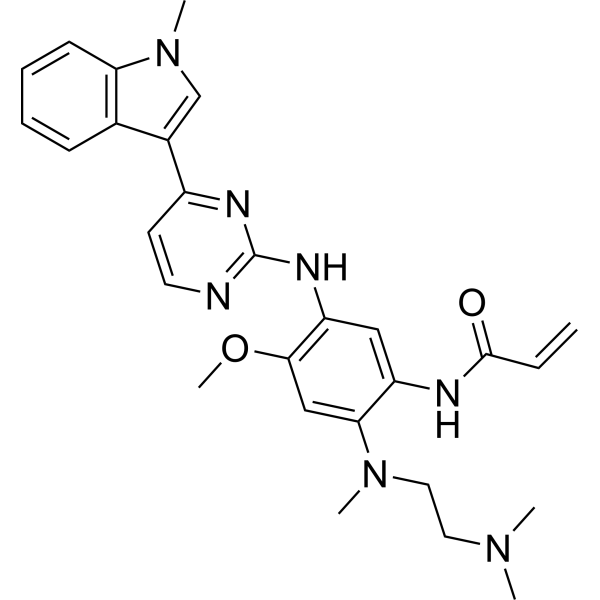
- Formula: C28H33N7O2
- Molecular Weight: 499.61
Osimertinib (AZD9291) is a covalent, orally active, irreversible, and mutant-selective EGFR inhibitor with an apparent IC50 of 12 nM against L858R and 1 nM against L858R/T790M, respectively. Osimertinib overcomes T790M-mediated resistance to EGFR inhibitors in lung cancer.
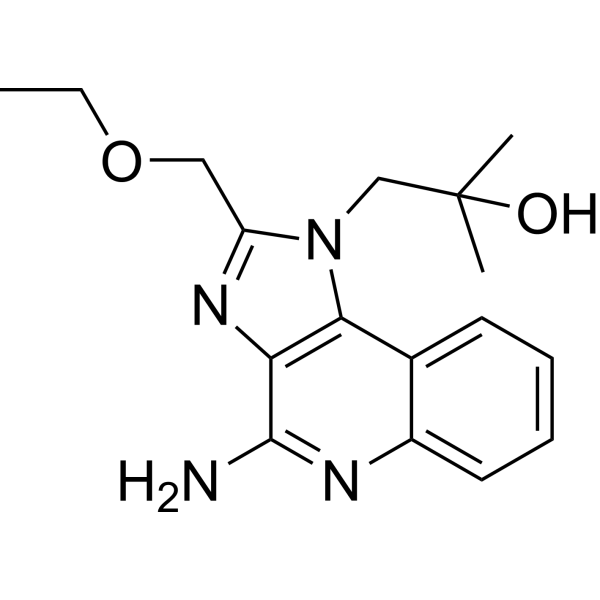
- Formula: C17H22N4O2
- Molecular Weight: 314.39
Resiquimod is a Toll-like receptor 7 and 8 (TLR7/TLR8) agonist that induces the upregulation of cytokines such as TNF-α, IL-6 and IFN-α.
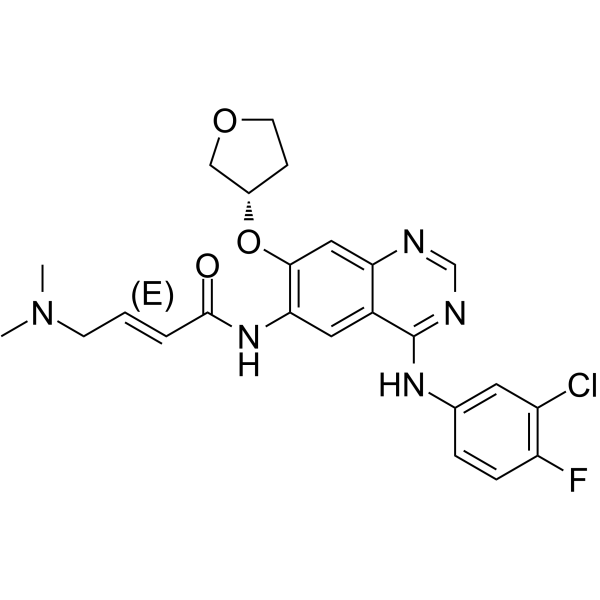
- Formula: C24H25ClFN5O3
- Molecular Weight: 485.94
Afatinib (BIBW 2992) is an orally active, potent and irreversible dual specificity inhibitor of ErbB family (EGFR and HER2), with IC50 values of 0.5 nM, 0.4 nM, 10 nM and 14 nM for EGFRwt, EGFRL858R, EGFRL858R/T790M and HER2, respectively. Afatinib can be used for the research of esophageal squamous cell carcinoma (ESCC), non-small cell lung cancer (NSCLC) and gastric cancer.
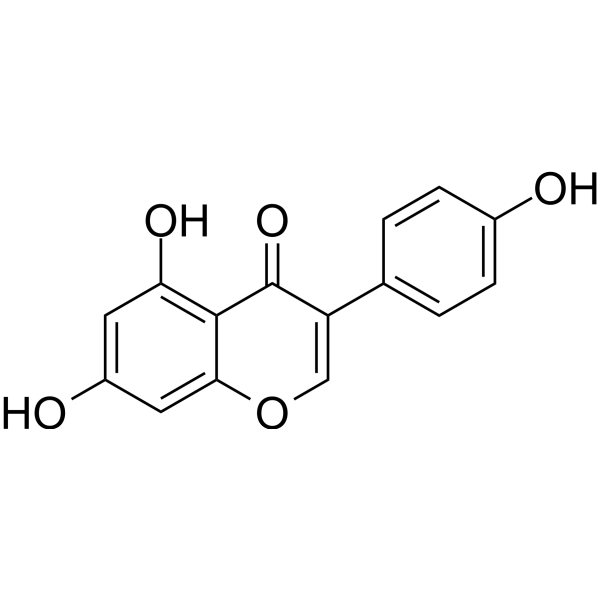
- Formula: C15H10O5
- Molecular Weight: 270.24
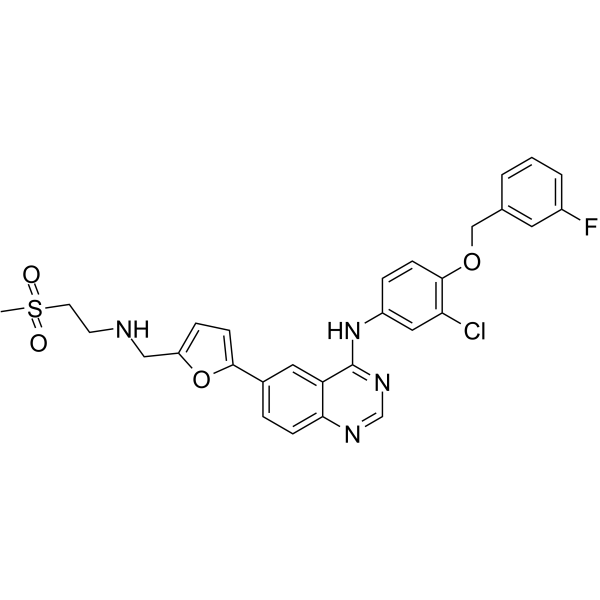
- Formula: C29H26ClFN4O4S
- Molecular Weight: 581.06

- Formula: C5H10O5
- Molecular Weight: 150.13
L-Ribose is the enantiomer of D-ribose (HY-113375). L-Ribose replaces D-ribose to synthesize L-ribonucleic acid in cells, leading to erroneous gene transcription. L-Ribose serves as a starting material for L-nucleoside analogs, glycoconjugates and oligonucleotides. L-Ribose can be used in research related to hepatitis B virus infection, hepatitis C virus infection, hepatitis D virus infection, Epstein-Barr virus infection and cytomegalovirus infection.

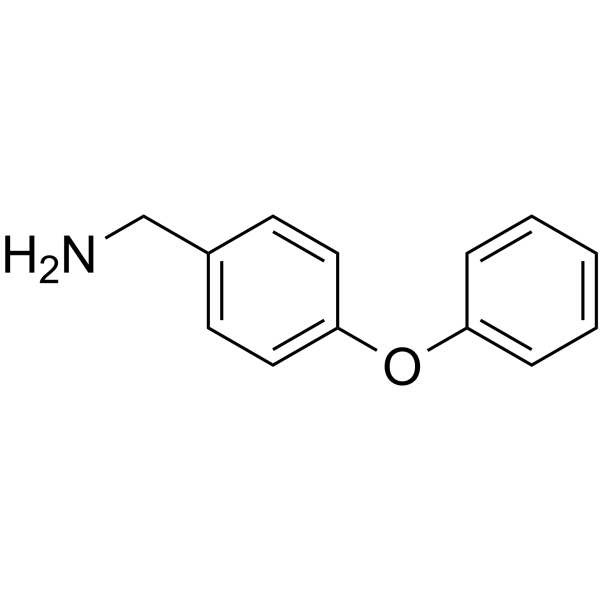
- Formula: C13H13NO
- Molecular Weight: 199.25
4-Phenoxybenzylamine inhibits the function of the NS3 protein by stabilizing an inactive conformation with an IC50 of about 500 μM against FL NS3/4a.
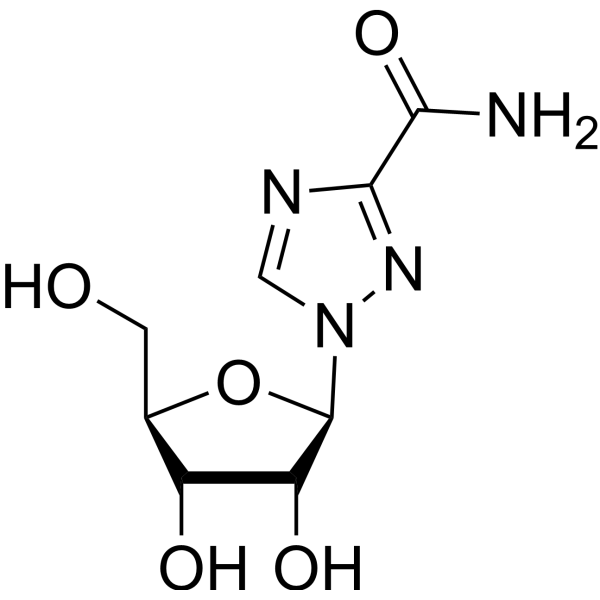
- Formula: C8H12N4O5
- Molecular Weight: 244.20
Ribavirin (ICN-1229) is an antiviral agent against a broad spectrum of viruses including HCV, HIVl, and RSV. Ribavirin also has anti-orthopoxvirus and anti-variola activities.
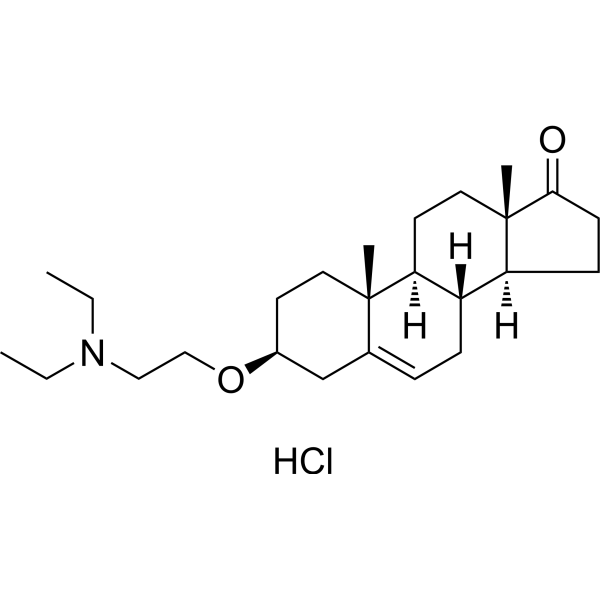
- Formula: C25H42ClNO2
- Molecular Weight: 424.06
U18666A, an intra-cellular cholesterol transport inhibitor, inhibits replication of Ebola virus, dengue virus, and human hepatitis C virus.
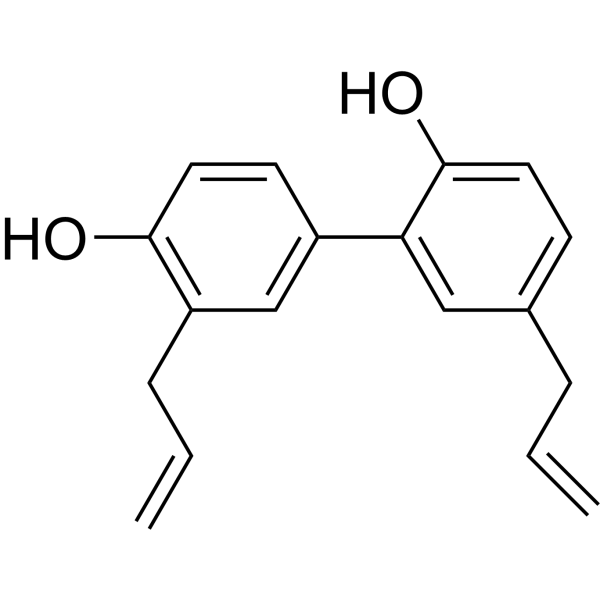
- Formula: C18H18O2
- Molecular Weight: 266.33
Honokiol is a bioactive, biphenolic phytochemical that possesses potent antioxidative, anti-inflammatory, antiangiogenic, and anticancer activities by targeting a variety of signaling molecules. It inhibits the activation of Akt. Honokiol can readily cross the blood brain barrier.
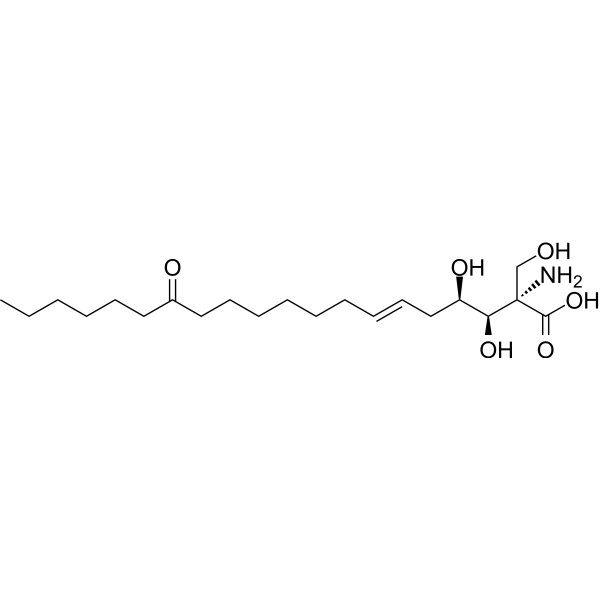
- Formula: C21H39NO6
- Molecular Weight: 401.54
Myriocin (Thermozymocidin), a fungal metabolite could be isolated from Myriococcum albomyces, Isaria sinclairi and Mycelia sterilia, is a potent inhibitor of serine-palmitoyl-transferase (SPT) and a key enzyme in de novo synthesis of sphingolipids. Myriocin suppresses replication of both the subgenomic HCV-1b replicon and the JFH-1 strain of genotype 2a infectious HCV, with an IC50 of 3.5 μg/mL for inhibiting HCV infection.
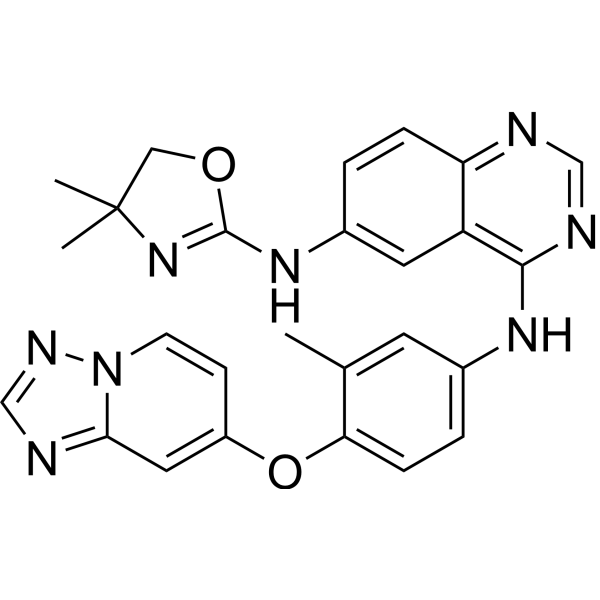
- Formula: C26H24N8O2
- Molecular Weight: 480.52
Tucatinib (Irbinitinib) is a potent, orally active and selective HER2 inhibitor with an IC50 of 8 nM.
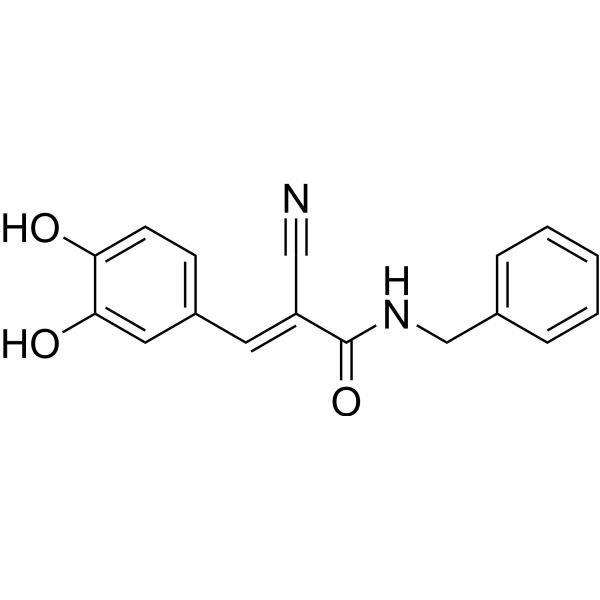
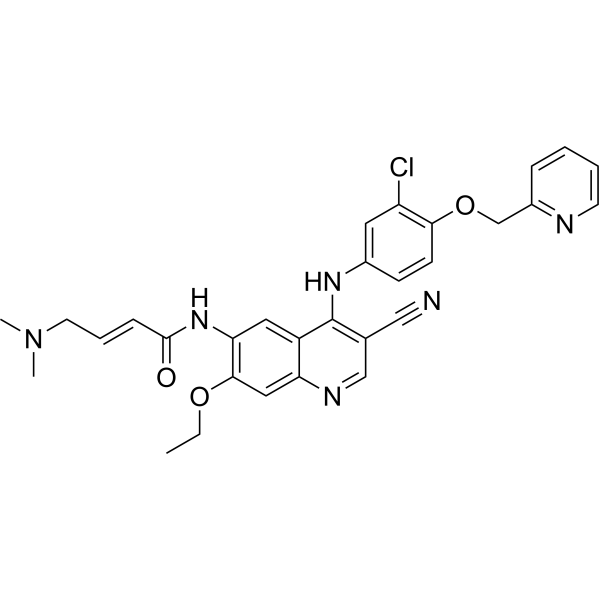
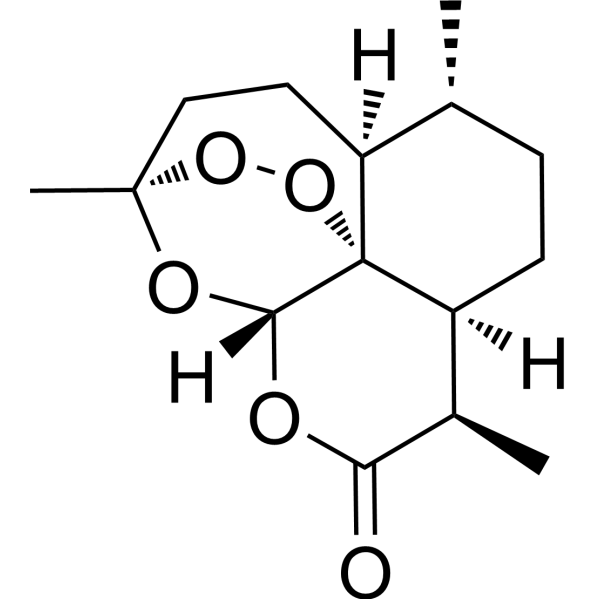
- Formula: C15H22O5
- Molecular Weight: 282.33
Artemisinin (Qinghaosu), a sesquiterpene lactone, is an anti-malarial agent isolated from the aerial parts of Artemisia annua L. plants. Artemisinin inhibits AKT signaling pathway by decreasing pAKT in a dose-dependent manner. Artemisinin reduces cancer cell proliferation, migration, invasion, tumorigenesis and metastasis and has neuroprotective effects.
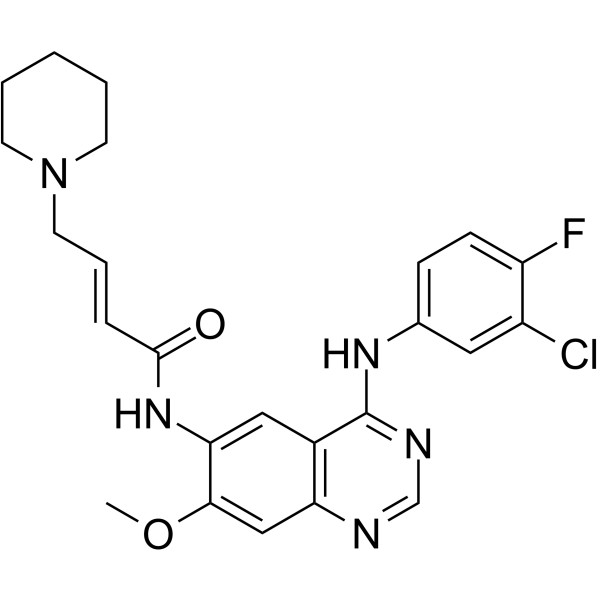
- Formula: C24H25ClFN5O2
- Molecular Weight: 469.94
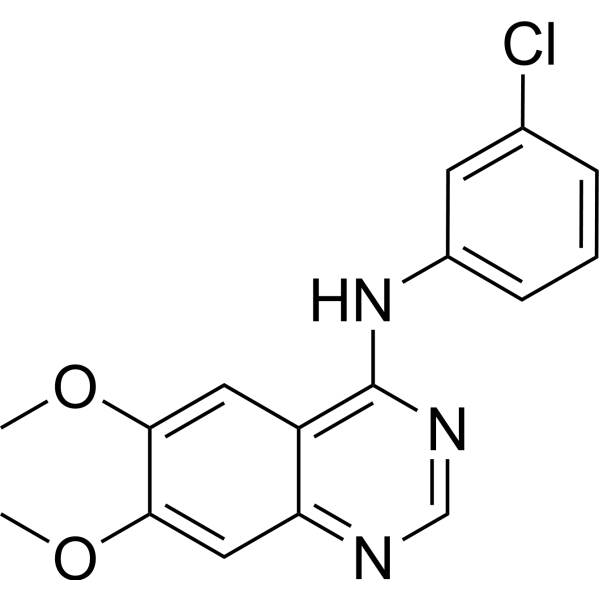
- Formula: C16H14ClN3O2
- Molecular Weight: 315.75
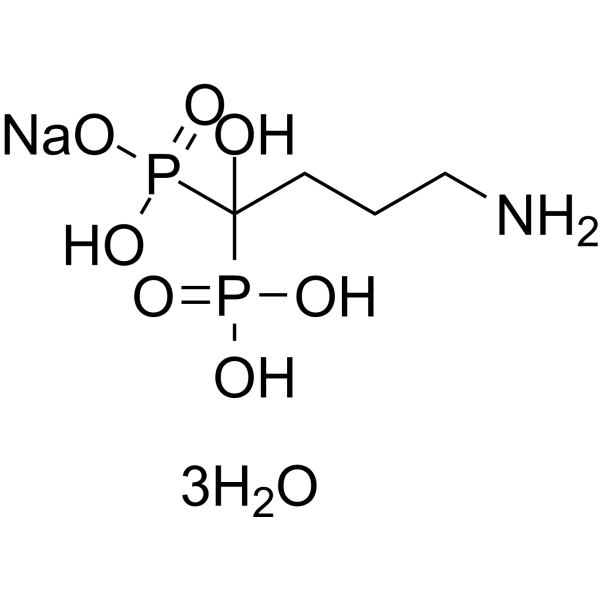
- Formula: C4H18NNaO10P2
- Molecular Weight: 325.12
Alendronate (sodium hydrate) is a farnesyl diphosphate synthase inhibitor with IC50 of 460 nM.
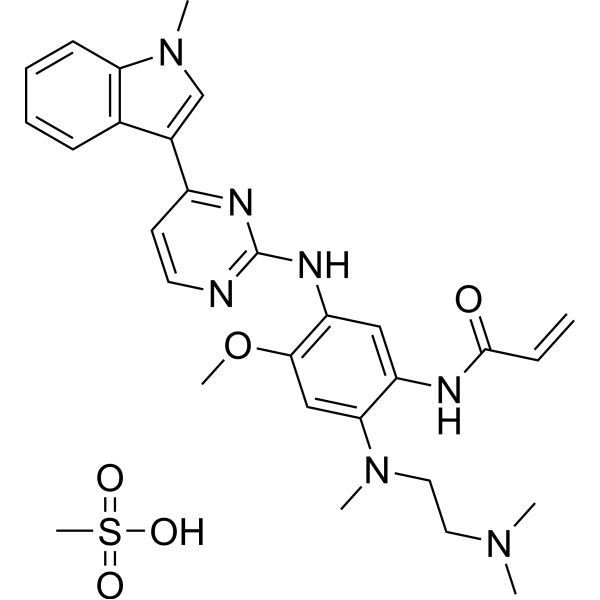
- Formula: C29H37N7O5S
- Molecular Weight: 595.71
Osimertinib mesylate (AZD9291 mesylate) is a covalent, orally active, irreversible, and mutant-selective EGFR inhibitor with an apparent IC50 of 12 nM against L858R and 1 nM against L858R/T790M. Osimertinib overcomes T790M-mediated resistance to EGFR inhibitors in lung cancer.



