



Myriocin
Based on 14 publication(s) in Google Scholar
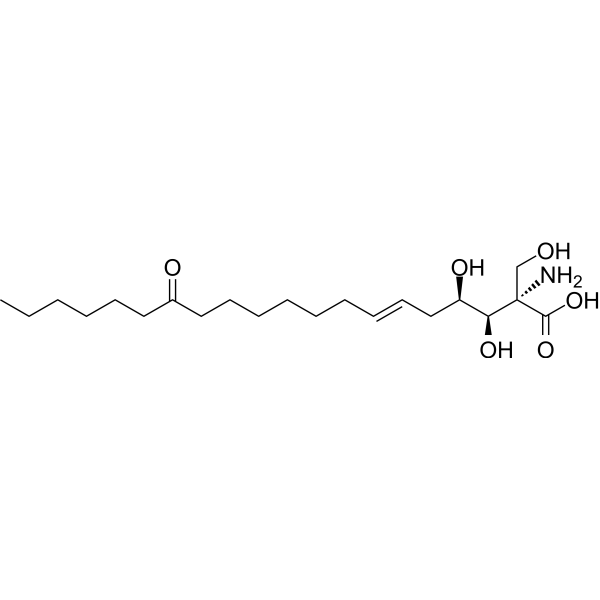
Myriocin (Thermozymocidin), a fungal metabolite could be isolated from Myriococcum albomyces, Isaria sinclairi and Mycelia sterilia, is a potent inhibitor of serine-palmitoyl-transferase (SPT) and a key enzyme in de novo synthesis of sphingolipids. Myriocin suppresses replication of both the subgenomic HCV-1b replicon and the JFH-1 strain of genotype 2a infectious HCV, with an IC50 of 3.5 μg/mL for inhibiting HCV infection.
Nur für Forschungszwecke. Wir verkaufen nicht an Patienten.
- Reinheit : 99.80%
- CAS. Nr.: 35891-70-4
- Formel: C21H39NO6
- Molecular Weight:401.54
-
Speicherung:Powder -20°C, 3 years ; In solvent -80°C, 6 months , -20°C, 1 month

To place orders, for customer services and technical support, please contact: MedChemExpress USA
Tel: 609-228-6898 E-mail: [email protected] [email protected]


-
 Biologische Aktivität
-
Chemical Information
-
Lösungsmittel & Löslichkeit
- Protokoll
- Reinheit & Dokumentation
- Verweise
-
 Help & FAQs


-
HY-N6719
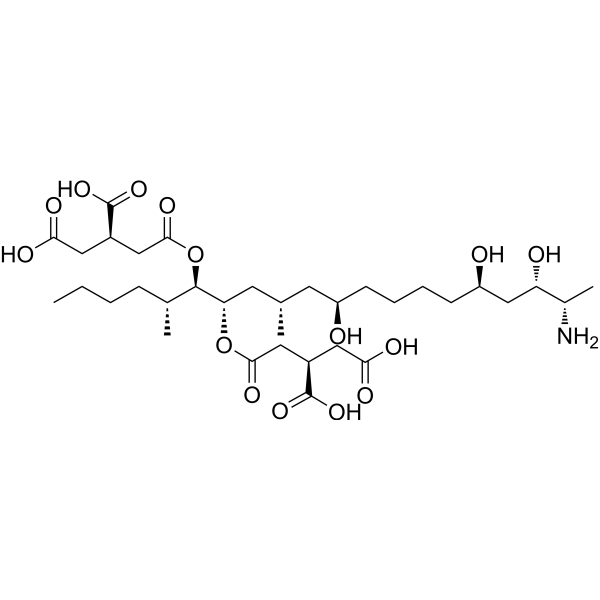
Fumonisin B1Sphingosine N-acyltransferase Inhibitor -
HY-19363
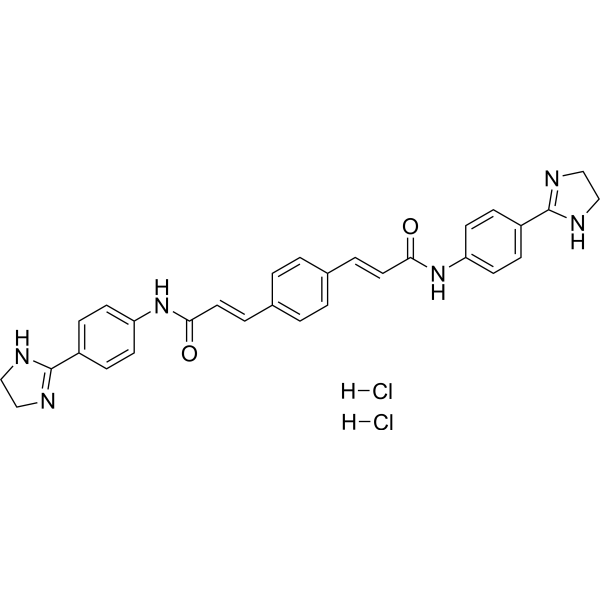
GW4869N-SMase Inhibitor -
HY-15373
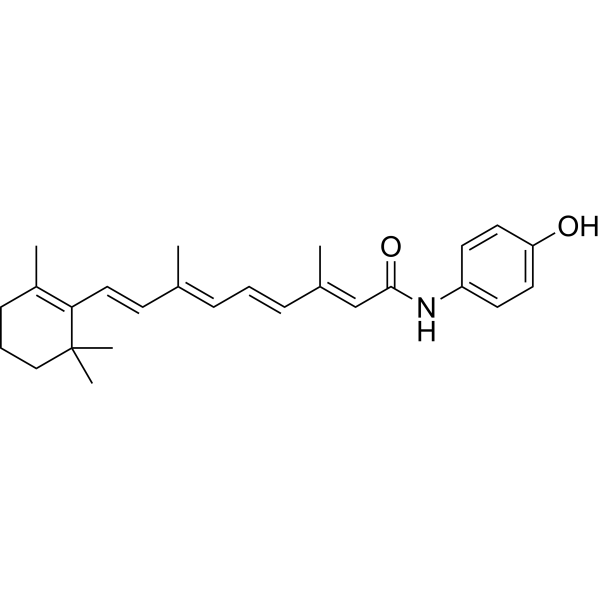
FenretinideAutophagy Inducer -
HY-100354
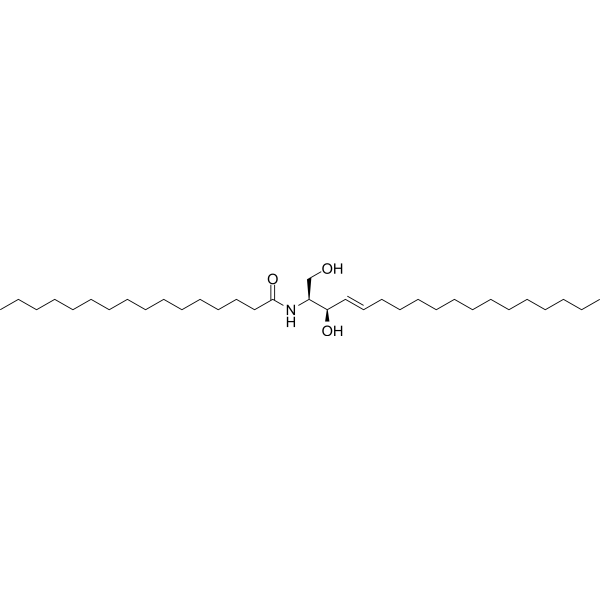
C16-Ceramide (d18:1/16:0)p53 Activator -
HY-100579
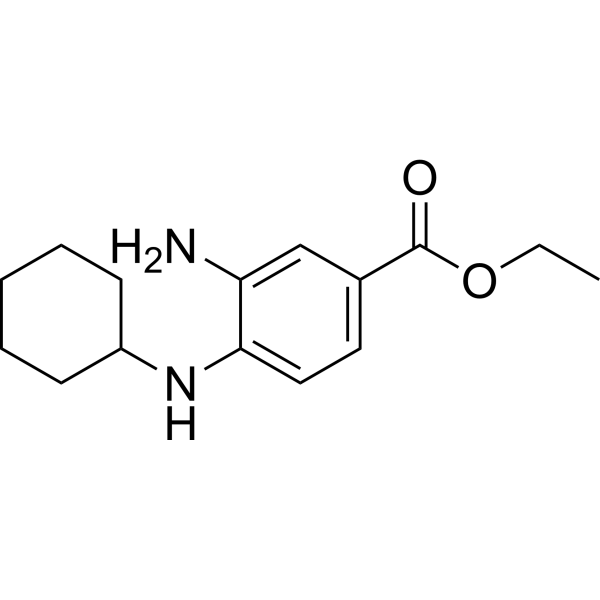
Ferrostatin-1Ferroptosis Inhibitor -
HY-100218A
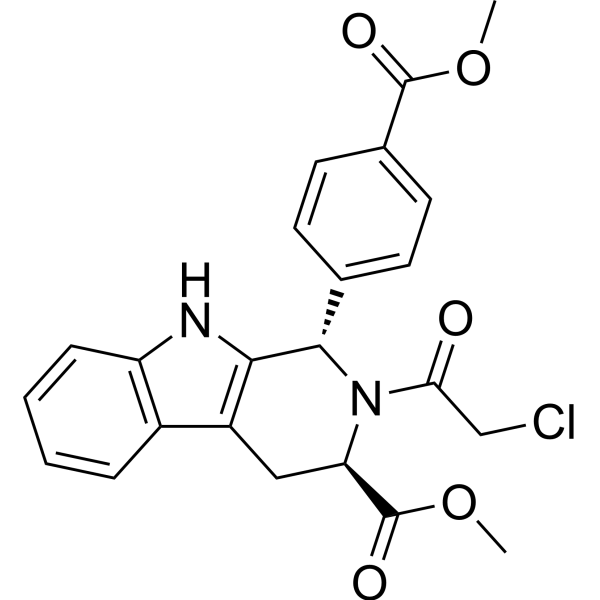
RSL3GPX4 Inhibitor -
HY-B0215
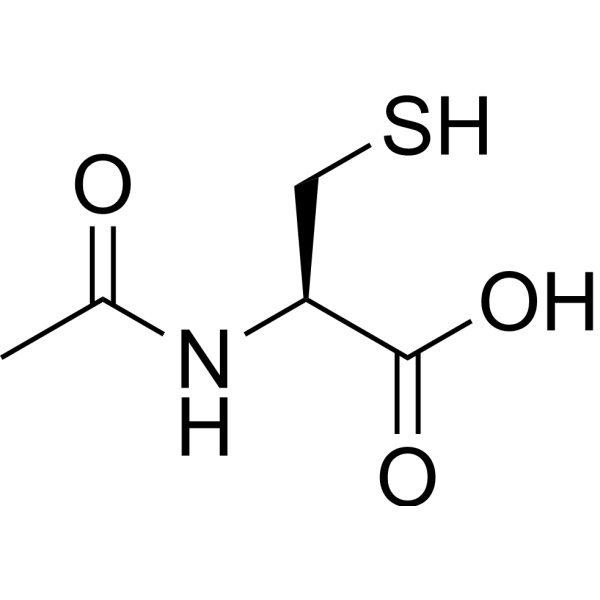
AcetylcysteineMucolytic Agent -
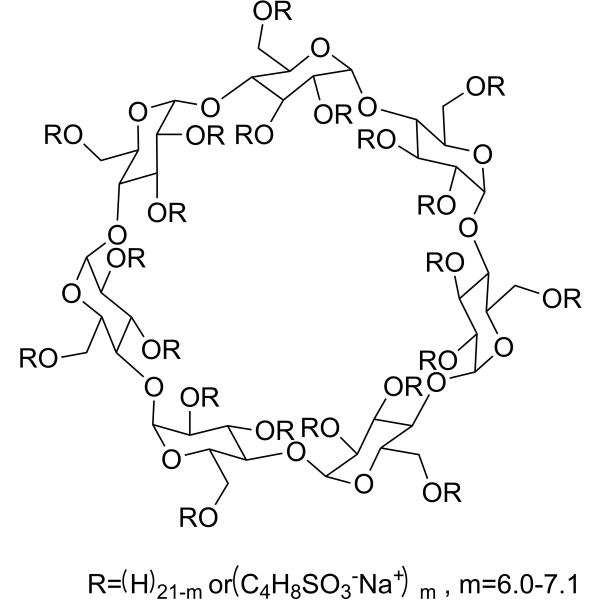
HY-17031
SBE-β-CDExcipient -

HY-113498
SphingomyelinEndogenous Metabolite -
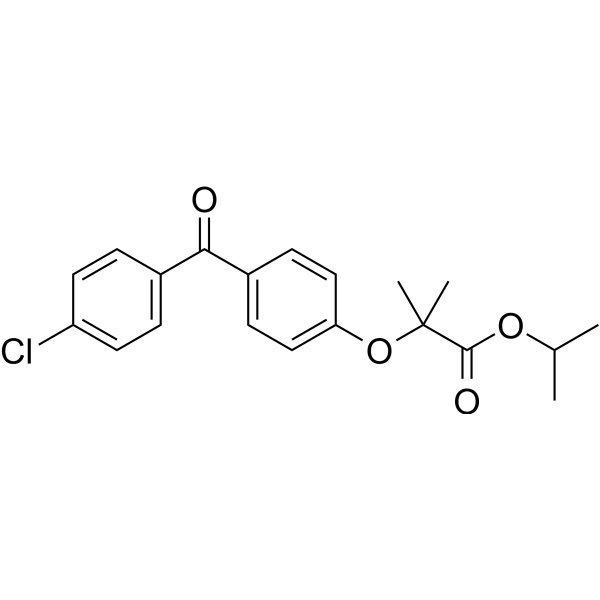
HY-17356
Fenofibrate -
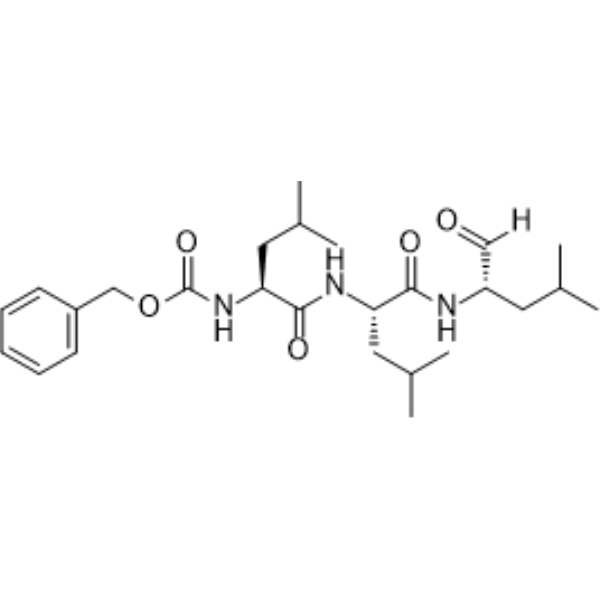
HY-13259
MG-132Proteasome Inhibitor -
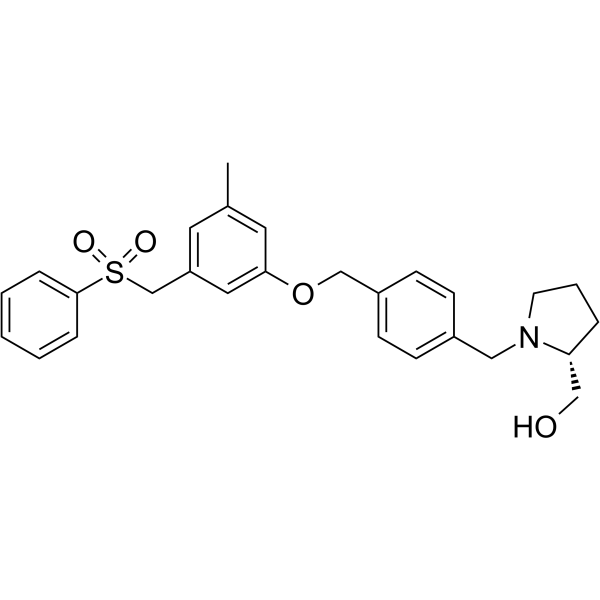
HY-15425
PF-543SPHK1 Inhibitor
Publications Citing Use of MedChemExpress (MCE) Myriocin
More- Adv Sci (Weinh). 2025 Apr;12(16):e2414260. [Abstract]
- Pharmacol Res. 2025 Mar:213:107648. [Abstract]
- J Ethnopharmacol. 2022 Jun 12:291:115126. [Abstract]
- J Agric Food Chem. 2025 Jul 9;73(27):16787-16803. [Abstract]
- Cell Biosci. 2022 Oct 8;12(1):169. [Abstract]
- J Cell Biol. 2025 May 5;224(5):e202405060. [Abstract]
- Commun Biol. 2025 Jul 5;8(1):1009. [Abstract]
- Mbio. 2022 Oct 19;e0227922. [Abstract]
- iScience. 2026 Aug 28;29(9):117251.
- Fish Shellfish Immunol. 2026 Nov:178:111646.
- J Virol. 2026 Mar 24;100(3):e0199125. [Abstract]
- J Invertebr Pathol. 2026 Apr 9:217:108622. [Abstract]
- bioRxiv. 2025 Sep 17.
- bioRxiv. 2023 Oct 25:2023.10.23.563587. [Abstract]
 Customer Validation & Images

-
WB
-
WB
-
Others
-
WB
-
Cell Imaging/Staining
Alle Antibiotic Isoform-spezifische Produkte anzeigen
More

Biologische Aktivität
Beschreibung
IC50 & Target
Serine-palmitoyl-transferase (SPT)[1]
Cellular Effect
|
Cell Line

|
Type | Value | Description | References |
|---|---|---|---|---|
| MCF7 | EC50 |
0.0495 μM
Compound: Myriocin
|
Inhibition of SPT1 in human MCF7 cells assessed as suppression of 14C-serine incorporation into ceramide incubated for 2 hrs in presence of 4-HPR
Inhibition of SPT1 in human MCF7 cells assessed as suppression of 14C-serine incorporation into ceramide incubated for 2 hrs in presence of 4-HPR
|
[PMID: 27213958] |
| T-cell | IC50 |
3 nM
Compound: 2, ISP-1
|
Immunosuppressive activity in BALB/c/C57BL/6 mouse T cells assessed as inhibition of alloantigen-induced cell proliferation after 96 hrs by measuring [3H]thymidine uptake by mixed lymphocyte reaction assay
Immunosuppressive activity in BALB/c/C57BL/6 mouse T cells assessed as inhibition of alloantigen-induced cell proliferation after 96 hrs by measuring [3H]thymidine uptake by mixed lymphocyte reaction assay
|
[PMID: 21456524] |
In Vitro
Myriocin (Thermozymocidin; 0-10000 nM; 96 h; Huh7/Rep-Feo cells) inhibits the replication of a subgenomic hepatitis C virus (HCV) genotype 1b replicon[2].
Myriocin (100 nM; 72 h) decreases in the sphingomyelin content of Huh7 cells[2].
MedChemExpress (MCE) has not independently confirmed the accuracy of these methods. They are for reference only. Further protocols information, click here.
-
Cell Line:Huh7/Rep-Feo cells
-
Concentration:0, 300, and 1000 nM
-
Incubation Time:96 hours
-
Result:Decreased the levels of HCV NS5A in a concentration-dependent manner.
In Vivo
MedChemExpress (MCE) has not independently confirmed the accuracy of these methods. They are for reference only.
-
Animal Model:Male Balb/c mice (22 g, 7-8 weeks old)[1]
-
Dosage:0, 0.1, 0.3, and 1.0 mg/kg
-
Administration:Intraperitoneal injection; daily, for 5 days
-
Result:Altered not significantly the levels of plasma alanine aminotransferase and aspartate aminotransferase.
Decreased free sphinganine in a dose-dependent manner in both the liver and kidney.
Decreased in the activity of liver SPT with a correlation coefficient of -0.76.
Increased the expression of liver c-myc in a dose-dependent manner.


Chemical Information
-
CAS. Nr. 35891-70-4
-
Appearance Solid
-
Molecular Weight 401.54
-
Formel C21H39NO6
-
Color White to off-white
-
SMILES
CCCCCCC(CCCCCC/C=C/C[C@@H](O)[C@H](O)[C@](CO)(N)C(O)=O)=O
-
Synonyms
Thermozymocidin; ISP-I
-
Structure Classification
-
Initial Source
Myriococcum albomyces, Isaria sinclairi, Mycelia sterilia
-
Versand
Room temperature in continental US; may vary elsewhere.
-
Speicherung
Powder -20°C 3 years In solvent -80°C 6 months -20°C 1 month


Publications (14)
-
Journal Impact Factor
-
Most Recent
-
Adv Sci (Weinh)
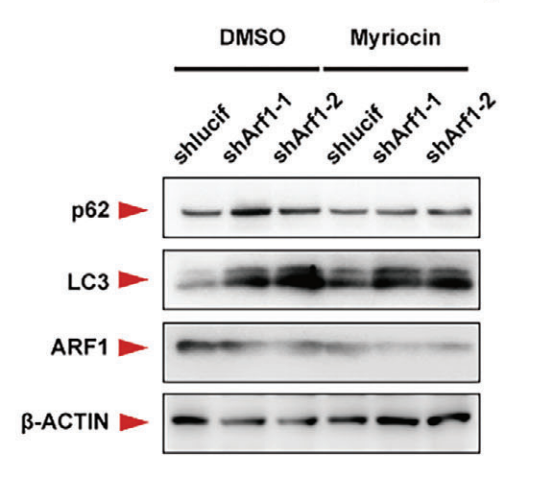
Accumulation of Damaging Lipids in the Arf1-Ablated Neurons Promotes Neurodegeneration through Releasing mtDNA and Activating Inflammatory Pathways in Microglia. [Abstract]2025 Apr;12(16):e2414260. PMID: 40019378
Myriocin purchased from MedChemExpress. Usage Cited in: Adv Sci (Weinh). 2025 Apr;12(16):e2414260. [Abstract]
Western blots of autophagy flux from control or Arf1-deficient N2a cells treated with DMSO or Myriocin.
-
Pharmacol Res
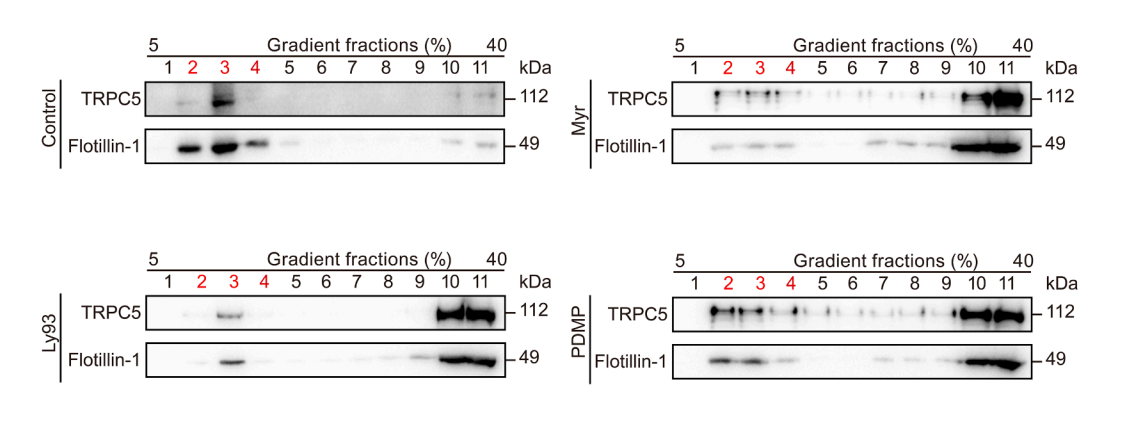
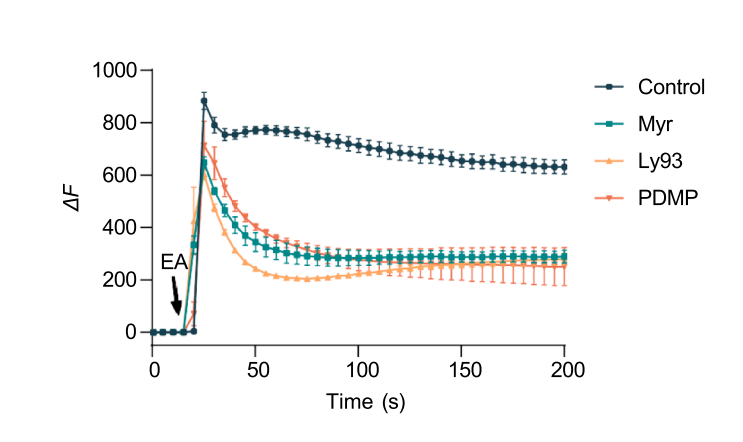
The essential role of sphingolipids in TRPC5 ion channel localization and functionality within lipid rafts. [Abstract]2025 Mar:213:107648. PMID: 39923924
Myriocin purchased from MedChemExpress. Usage Cited in: Pharmacol Res. 2025 Mar:213:107648. [Abstract]
TRPC5 immunoreactivity associates with lipid raft fractions in TRPC5-overexpressing HEK293 cells following treatment with Myriocin (10 μM), Ly93 (1 μM), and PDMP (20 μM).
Myriocin purchased from MedChemExpress. Usage Cited in: Pharmacol Res. 2025 Mar:213:107648. [Abstract]
Average Ca2+ amplitude change evoked by EA in control conditions, and after treatment with Myriocin (10 μM), Ly93 (1 μM), or PDMP (20 μM).
-
J Ethnopharmacol
Preparation of the sphingolipid fraction from mycelia of Cordyceps sinensis and its immunosuppressive activity. [Abstract]2022 Jun 12:291:115126. PMID: 35189280 -
J Agric Food Chem
Transcription Repressor SsGATA2 Regulates Broad-Spectrum Resistance to Fungicides and Pathogenicity in Sclerotinia sclerotiorum. [Abstract]2025 Jul 9;73(27):16787-16803. PMID: 40558024 -
Cell Biosci
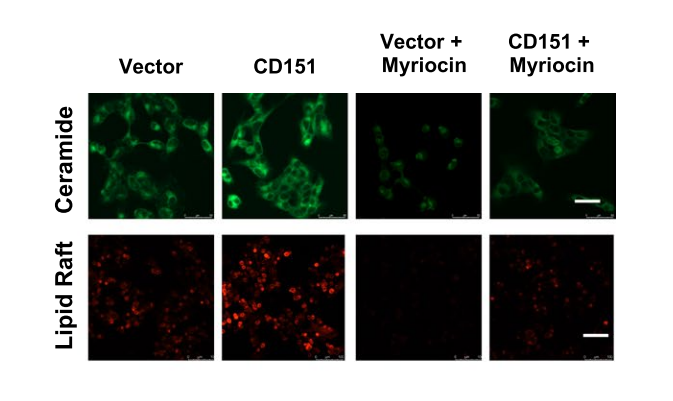
Inhibition of sphingolipid metabolism in osteosarcoma protects against CD151-mediated tumorigenicity. [Abstract]2022 Oct 8;12(1):169. PMID: 36209197
Myriocin purchased from MedChemExpress. Usage Cited in: Cell Biosci. 2022 Oct 8;12(1):169. [Abstract]
The cellular levels of ceramide in WT and CD151 overexpression HOS-MNNG cells with or without Myriocin treatment were analyzed by BODIPY FL-labeled ceramide confocal imaging; The cellular levels of lipid rafts in WT and CD151 overexpression HOS-MNNG cells with or without Myriocin treatment were analyzed by Alexa 555-conjugated CTB confocal imaging.
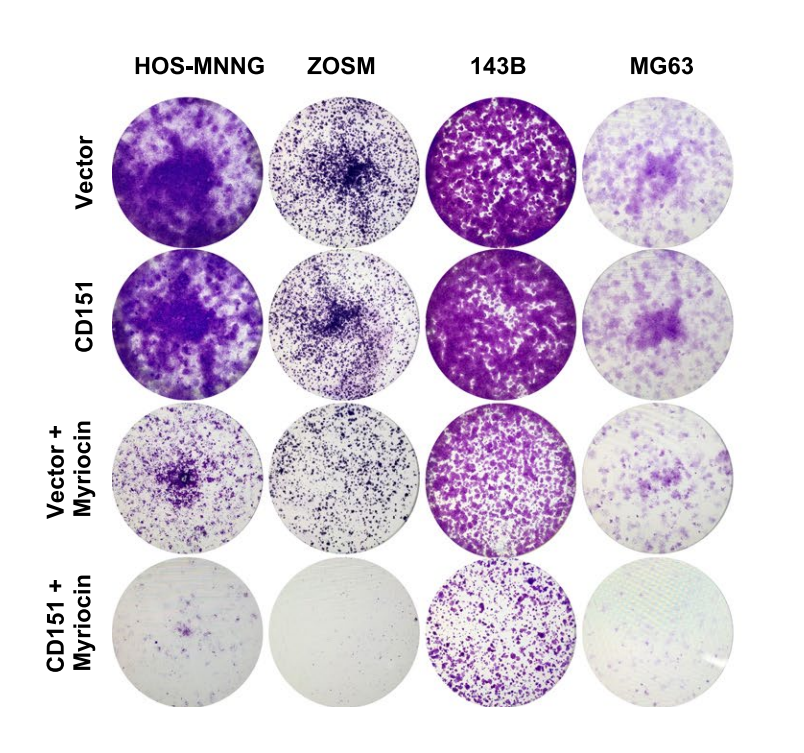
Myriocin purchased from MedChemExpress. Usage Cited in: Cell Biosci. 2022 Oct 8;12(1):169. [Abstract]
Representative images of clonogenic growth in CD151 overexpression cells treated with Myriocin.
-
J Cell Biol
2025 May 5;224(5):e202405060. PMID: 40136051
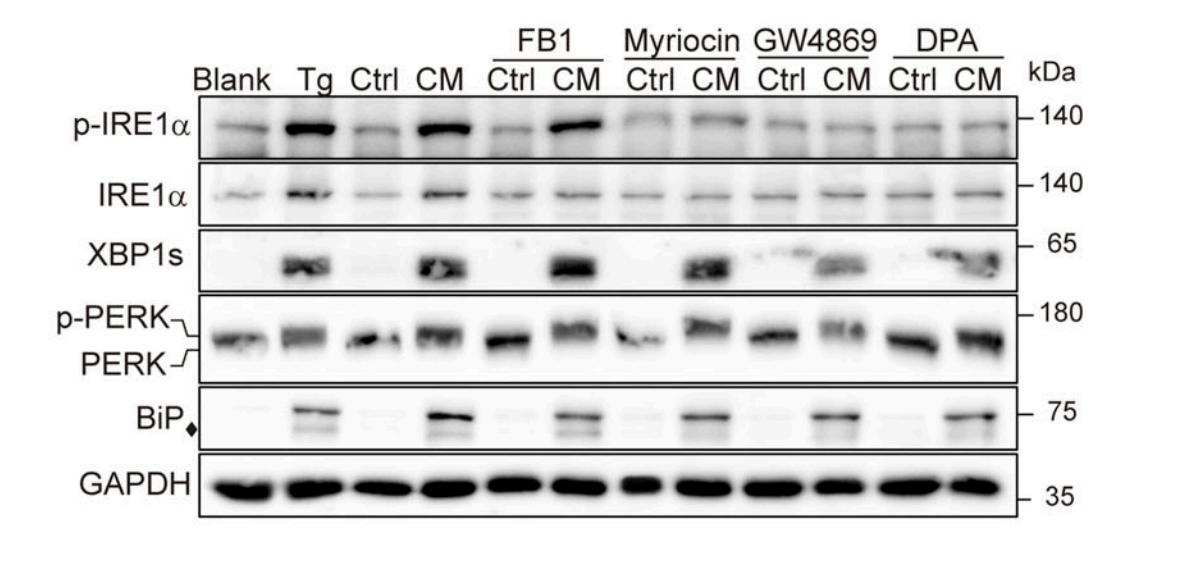
Myriocin purchased from MedChemExpress. Usage Cited in: J Cell Biol. 2025 May 5;224(5):e202405060. [Abstract]
Western blot of p-IRE1α, XBP1s, p-PERK, and BiP in AML12 treated with Ctrl/CM ± inhibitors. The diamond indicates the nonspecific band. Inhibitors are FB1 (10 μM), Myriocin (10 μM), GW4869 (20 μM), and DPA (50 μM).
-
Commun Biol
Ursodeoxycholic acid alleviates aortic aneurysm and dissection through the intestinal farnesoid X receptor/ceramide synthase 2 axis. [Abstract]2025 Jul 5;8(1):1009. PMID: 40617906 -
Mbio
Genome-Wide Analysis of AGC Kinases Reveals that MoFpk1 Is Required for Development, Lipid Metabolism, and Autophagy in Hyperosmotic Stress of the Rice Blast Fungus Magnaporthe oryzae. [Abstract]2022 Oct 19;e0227922. PMID: 36259725 -
-
-
J Virol
2026 Mar 24;100(3):e0199125. PMID: 41728937 -
J Invertebr Pathol
Apolipophorin-III inhibits BmNPV replication by reprogramming sphingolipid metabolism to accumulate ceramide. [Abstract]2026 Apr 9:217:108622. PMID: 41966301 -
-
bioRxiv
2023 Oct 25:2023.10.23.563587. PMID: 37961352


Lösungsmittel & Löslichkeit
In Vitro:
DMSO : 2 mg/mL (4.98 mM; ultrasonic and warming and heat to 60°C; Hygroscopic DMSO has a significant impact on the solubility of product, please use newly opened DMSO)
Please refer to the solubility information to select the appropriate solvent. Once prepared, please aliquot and store the solution to prevent product inactivation from repeated freeze-thaw cycles.
Storage method and period of stock solution: -80°C, 6 months; -20°C, 1 month. When stored at -80°C, please use it within 6 months. When stored at -20°C, please use it within 1 month.
Please refer to the solubility information to select the appropriate solvent. Once prepared, please aliquot and store the solution to prevent product inactivation from repeated freeze-thaw cycles.
Storage method and period of stock solution: -80°C, 6 months; -20°C, 1 month. When stored at -80°C, please use it within 6 months. When stored at -20°C, please use it within 1 month.
Konzentration (Stammlösung) × Volumen (Stammlösung) = Konzentration (Ziellösung) × Volumen (Ziellösung)
In Vivo:
Select the appropriate dissolution method based on your experimental animal and administration route.
- For the following dissolution methods, please ensure to first prepare a clear stock solution using an In Vitro approach and then sequentially add co-solvents:
- To ensure reliable experimental results, the clarified stock solution can be appropriately stored based on storage conditions. As for the working solution for In Vivo experiments, it is recommended to prepare freshly and use it on the same day.
- The percentages shown for the solvents indicate their volumetric ratio in the final prepared solution. If precipitation or phase separation occurs during preparation, heat and/or sonication can be used to aid dissolution.
Add each solvent one by one: 10% DMSO 90% (20% SBE-β-CD in Saline)
Solubility: ≥ 0.29 mg/mL (0.72 mM); Clear solution
This protocol yields a clear solution of ≥ 0.29 mg/mL (saturation unknown).
Taking 1 mL working solution as an example, add 100 μL DMSO stock solution (2.9 mg/mL) to 900 μL 20% SBE-β-CD in Saline, and mix evenly.
Preparation of 20% SBE-β-CD in Saline (4°C, storage for one week): 2 g SBE-β-CD powder is dissolved in 10 mL Saline, completely dissolve until clear.
For the following dissolution methods, please prepare the working solution directly:
It is recommended to prepare fresh solutions and use them promptly within a short period of time.
The percentages shown for the solvents indicate their volumetric ratio in the final prepared solution. If precipitation or phase separation occurs during preparation, heat and/or sonication can be used to aid dissolution.
Add each solvent one by one: 50% PEG300 50% Saline
Solubility: 5 mg/mL (12.45 mM); Suspended solution; Need ultrasonic
In Vivo Dissolution Calculator
Please enter the basic information of animal experiments:
-
-
-
-
Recommended: Prepare an additional quantity of animals to account for potential losses during experiments.
Please enter your animal formula composition:
-
%DMSO +
Recommended: Keep the proportion of DMSO in working solution below 2% if your animal is weak.
-
%+
-
+%Tween-80 + +
-
%Saline +
The co-solvents required include: DMSO, . All of co-solvents are available by MedChemExpress (MCE). , Tween 80. All of co-solvents are available by MedChemExpress (MCE).
Working solution concentration: 0.22 mg/mL
Method for preparing stock solution: mg drug dissolved in μL DMSO. Stock solution concentration: mg/mL.
1. Take μL DMSO stock solution;
2. Add μL .
μL , mix evenly;
3. Then add μL Tween 80, mix evenly;
4. Then add μL
Please ensure that the stock solution in the first step is dissolved to a clear state, and add co-solvents in sequence. You can use ultrasonic heating (ultrasonic cleaner, recommended frequency 20-40 kHz), vortexing, etc. to assist dissolution.

Protokoll
-
Research Protocol for Infectious Diseases
Infectious-disease experiments test how pathogens interact with host barriers, innate immune receptors, inflammatory signaling, pathogen replication, and tissue injury; pattern-recognition receptors such as TLRs, RIG-I-like receptors, NOD-like receptors, and inflammasomes detect microbial molecules and activate NF-κB, interferon, and cytokine responses. The central hypothesis is that infection severity reflects the balance between pathogen burden and host response: protective inflammation restricts pathogen growth, whereas excessive or mislocalized inflammation contributes to tissue damage and disease phenotype. Unresolved questions include which host pathways are protective versus pathogenic, why some infection models fail to translate to human disease, and which combined readouts best predict clinically relevant infection outcomes.
-
Protocol for Sucrose Preference Test (SPT)
The Sucrose Preference Test is a rodent two-bottle choice assay used to estimate reward-related behavior by measuring preference for a sweet sucrose solution over water. Reduced sucrose preference is commonly interpreted as an anhedonia-like phenotype in stress-based depression models, but it can also be affected by thirst, hunger, body weight, learning, motivation, and general fluid intake.


Reinheit & Dokumentation
-
Data Sheet (273 KB)
-
SDS (480 KB)
- English - EN (480 KB)
- Français - FR (480 KB)
- Deutsch - DE (480 KB)
- Norwegian - NO (480 KB)
- Español - ES (480 KB)
- Swedish - SV (480 KB)
- Italian - IT (480 KB)
- Korean - KR (480 KB)
- Portuguese - PT (480 KB)
-
Handling Instructions (2659 KB)
Verweise
[1]. He Q, et, al. Inhibition of serine palmitoyltransferase by myriocin, a natural mycotoxin, causes induction of c-myc in mouse liver. Mycopathologia. 2004 Apr;157(3):339-47. [Content Brief]
[2]. Amemiya F, et, al. Targeting lipid metabolism in the treatment of hepatitis C virus infection. J Infect Dis. 2008 Feb 1;197(3):361-70. [Content Brief]
[3]. Ciesek S, et, al. The suppressive effect that myriocin has on hepatitis C virus RNA replication is independent of inhibition of serine palmitoyl transferase. J Infect Dis. 2008 Oct 1;198(7):1091-3. [Content Brief]


Complete Stock Solution Preparation Table
Please refer to the solubility information to select the appropriate solvent. Once prepared, please aliquot and store the solution to prevent product inactivation from repeated freeze-thaw cycles.
Storage method and period of stock solution: -80°C, 6 months; -20°C, 1 month. When stored at -80°C, please use it within 6 months. When stored at -20°C, please use it within 1 month.
| Optional Solvent | Concentration Solvent Mass | 1 mg | 5 mg | 10 mg | 25 mg |
|---|---|---|---|---|---|
| DMSO | 1 mM | 2.4904 mL | 12.4521 mL | 24.9041 mL | 62.2603 mL |


Myriocin Related Classifications
HY-N6798 Related Classifications
 Powered by Bioz