



Sphingoid Bases
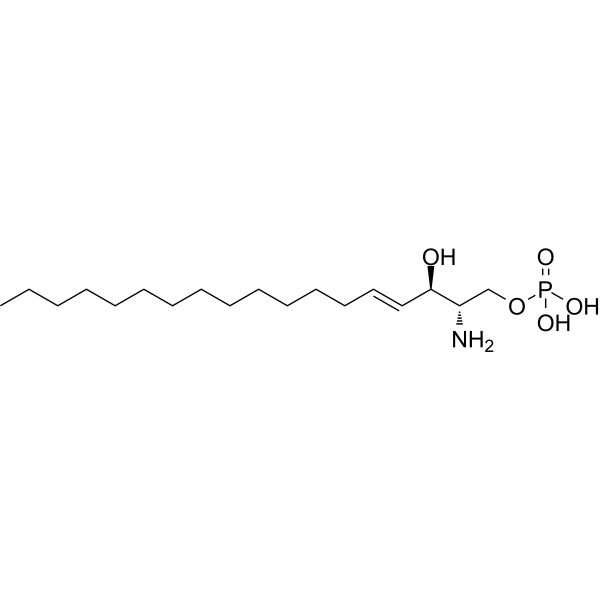
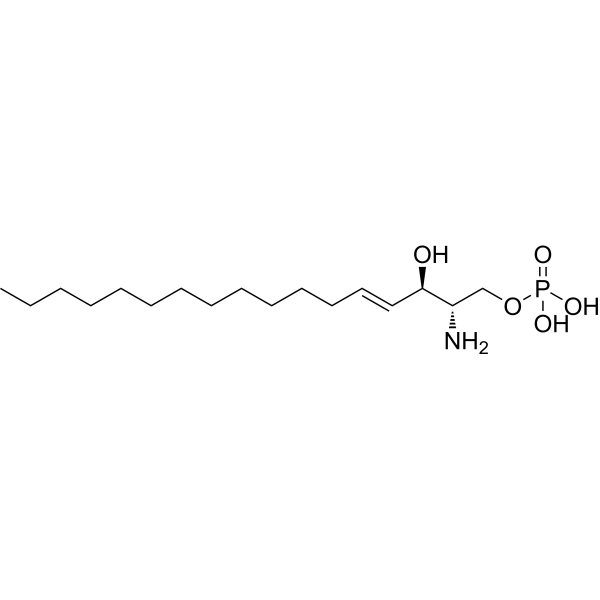
- Fòrmula: C18H38NO5P
- Peso molecular: 379.47
Sphingosine-1-phosphate (S1P) is an agonist of S1P1-5 receptors and a ligand of GPR3, GPR6 and GPR12. Sphingosine-1-phosphate is an intracellular second messenger and mobilizes Ca2+ as an extracellular ligand for G protein-coupled receptors. Sphingosine-1-phosphate is an important lipid mediator generated from Sphingomyelin (HY-113498) or other membrane phospholipids. Sphingosine-1-phosphate stimulates the DNA synthesis, cell proliferation and migration.
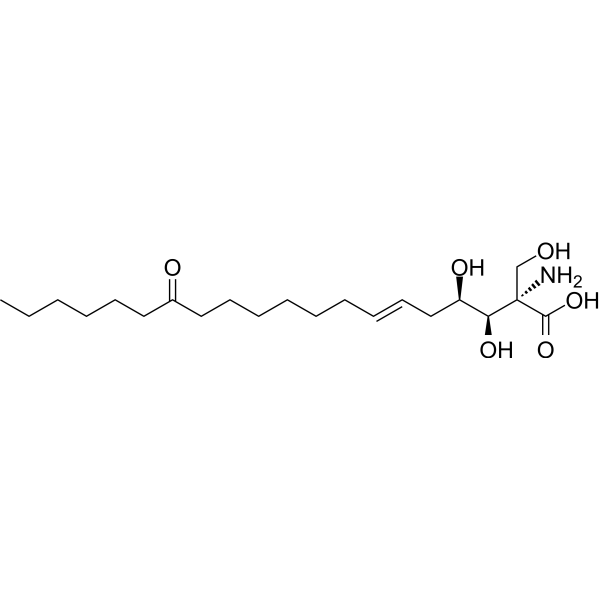
- Fòrmula: C21H39NO6
- Peso molecular: 401.54
Myriocin (Thermozymocidin), a fungal metabolite could be isolated from Myriococcum albomyces, Isaria sinclairi and Mycelia sterilia, is a potent inhibitor of serine-palmitoyl-transferase (SPT) and a key enzyme in de novo synthesis of sphingolipids. Myriocin suppresses replication of both the subgenomic HCV-1b replicon and the JFH-1 strain of genotype 2a infectious HCV, with an IC50 of 3.5 μg/mL for inhibiting HCV infection.
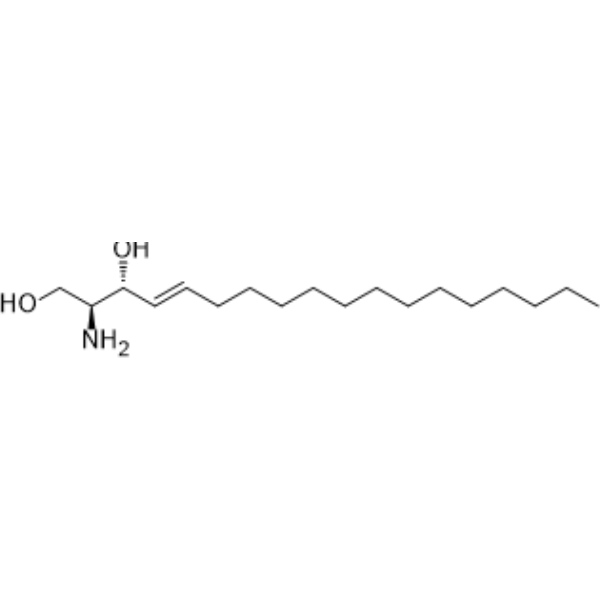
- Fòrmula: C18H37NO2
- Peso molecular: 299.49
D-erythro-Sphingosine (Erythrosphingosine) is a very potent activator of p32-kinase with an EC50 of 8 μM, and inhibits protein kinase C (PKC). D-erythro-Sphingosine (Erythrosphingosine) is also a PP2A activator.
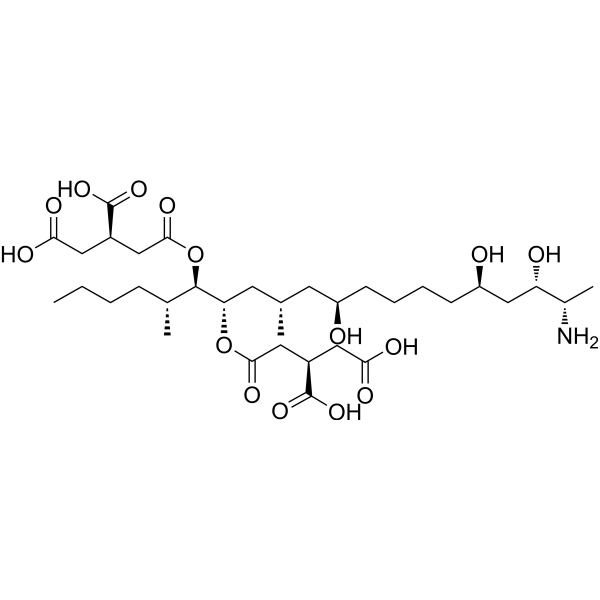
- Fòrmula: C34H59NO15
- Peso molecular: 721.83
Fumonisin B1 is a mycotoxin produced from Fusarium moniliforme. Fumonisin B1 is a potent inhibitor of sphingosine N-acyltransferase (ceramide synthase) and disrupts de novo sphingolipid biosynthesis. Fumonisin B1 is the most abundant and toxic fumonisin.
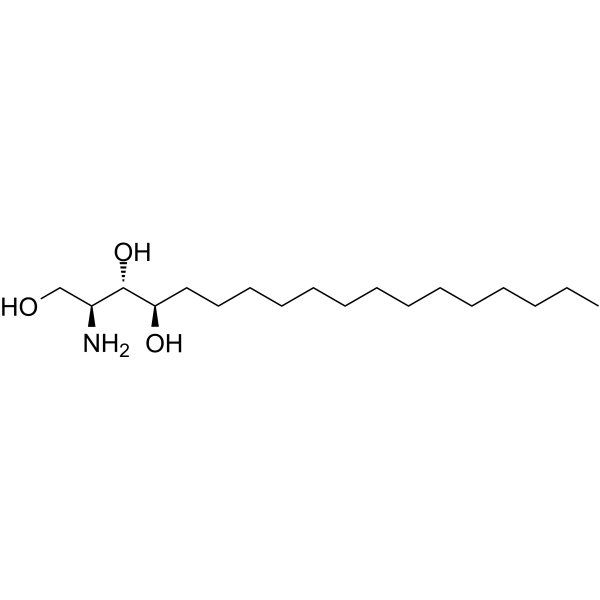
- Fòrmula: C18H39NO3
- Peso molecular: 317.51
Phytosphingosine is a phospholipid with anti-inflammatory, antibacterial, and anti-cancer activities, which can induce apoptosis. Phytosphingosine is an immune regulator and can be used in the study of inflammatory skin diseases. Phytosphingosine is also an activator of GPR120 with an IC50 value of 33.4 μM and can be used in the study of type II diabetes.
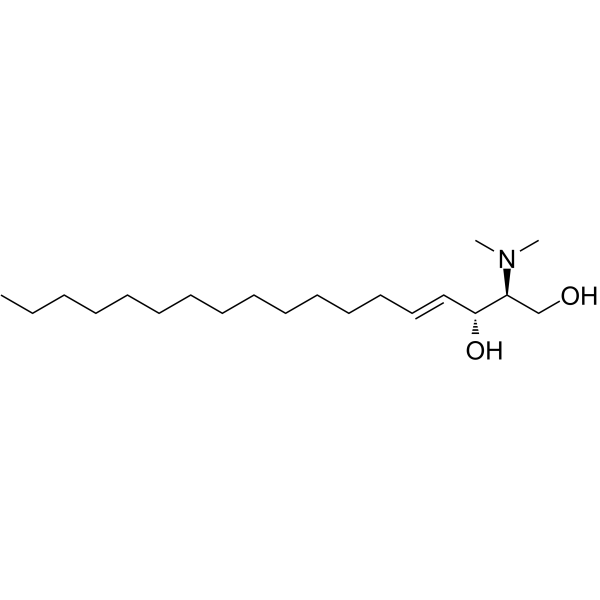
- Fòrmula: C20H41NO2
- Peso molecular: 327.55
N,N-Dimethylsphingosine is a sphingosine kinase inhibitor. N,N-Dimethylsphingosine binds competitively to sphingosine kinase and blocks the conversion of sphingosine to sphingosine-1-phosphate. N,N-Dimethylsphingosine inhibits sphingosine-1-phosphate release and aggregation of platelets, and also exerts pro-apoptotic effects by resetting ceramide/sphingosine-1-phosphate homeostasis. N,N-Dimethylsphingosine can be used in cancer-related research.
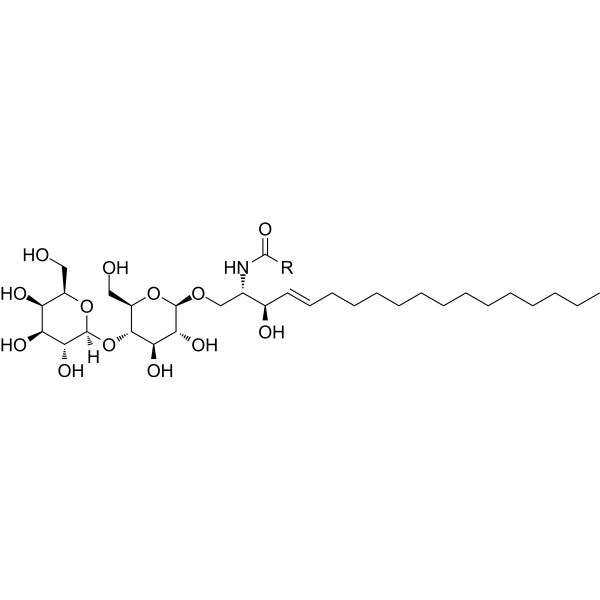
Lactosylceramide (bovine buttermilk) (LacCer (bovine buttermilk)) is a natural lactosylceramide (LacCer) mixture derived from bovine buttermilk, belonging to neutral glycosphingolipids, and composed of a lactose polar head group and a ceramide backbone. LacCer is an important component of cell membrane glycosphingolipids and is associated with processes such as signal transduction, cell recognition, cell adhesion, and cell growth. LacCer derived from bovine buttermilk contains multiple molecular species composed of different long-chain bases and fatty acyl groups. Lactosylceramide (bovine buttermilk) can be used for research related to lactosylceramide and glycosphingolipids.

- Fòrmula: C16H33NO2
- Peso molecular: 271.44
(2S,3R,E)-2-Aminohexadec-4-ene-1,3-diol is an ester product.
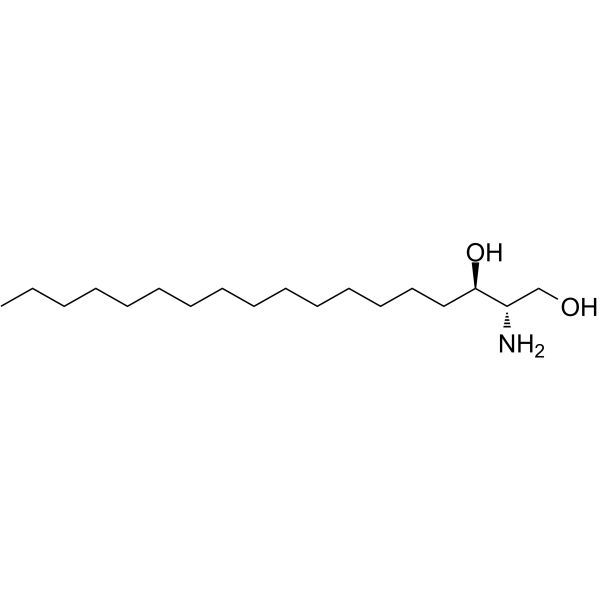
- Fòrmula: C18H39NO2
- Peso molecular: 301.51
D-Erythro-dihydrosphingosin directly inhibits cytosolic phospholipase A2α (cPLA2α) activity.
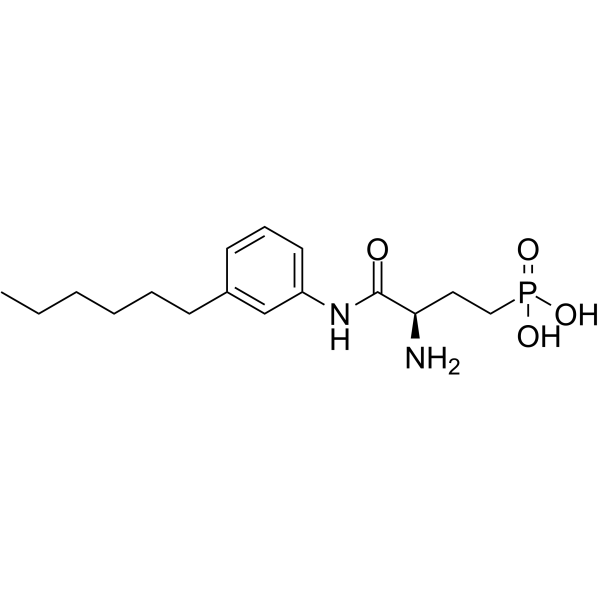
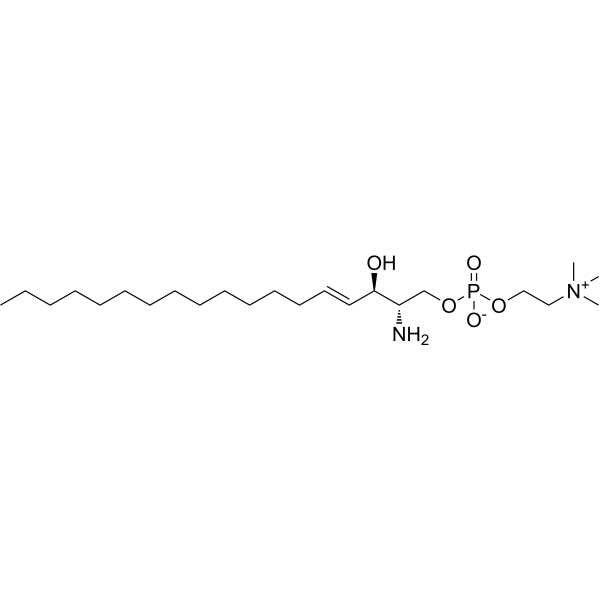
- Fòrmula: C23H49N2O5P
- Peso molecular: 464.62
Sphingosylphosphorylcholine is a bioactive lipid and a major component of plasma high-density lipoprotein that binds to OGR1 with a Kd of 33.3 nM. Sphingosylphosphorylcholine triggers delayed phosphorylation of Smad2, upregulates α-SMA expression, and activates TRPM3. Sphingosylphosphorylcholine reduces Apoptosis and upregulates the expression of uPA and its receptor uPA-R. Sphingosylphosphorylcholine exerts anti-apoptotic, anti-cardiac hypertrophy and pro-wound healing effects. Sphingosylphosphorylcholine induces scratching behavior in mice. Sphingosylphosphorylcholine is used in studies related to atopic dermatitis, promyelocytic leukemia, heart failure, myocardial ischemia/reperfusion injury, ovarian cancer, breast cancer, pancreatic cancer, and skin wound healing disorders in genetically impaired healing diabetes.
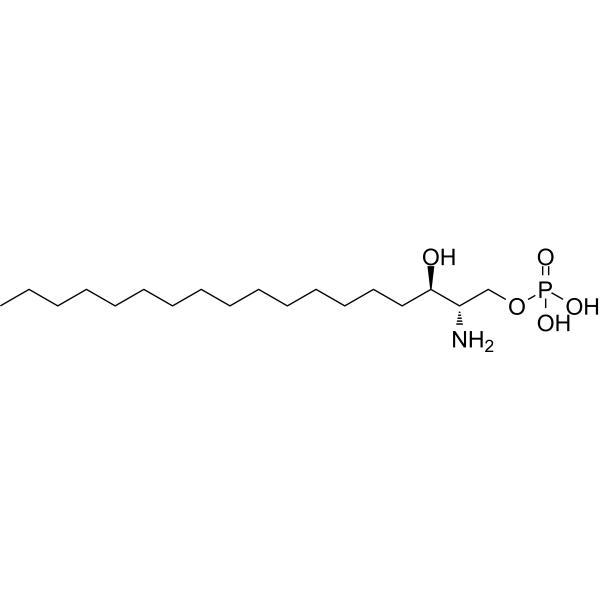
- Fòrmula: C18H40NO5P
- Peso molecular: 381.49
Sphinganine 1-phosphate (D-erythro-Dihydrosphingosine 1-phosphate) is a polar sphingolipid metabolite that regulates cell migration, differentiation, survival and complex physiological processes.
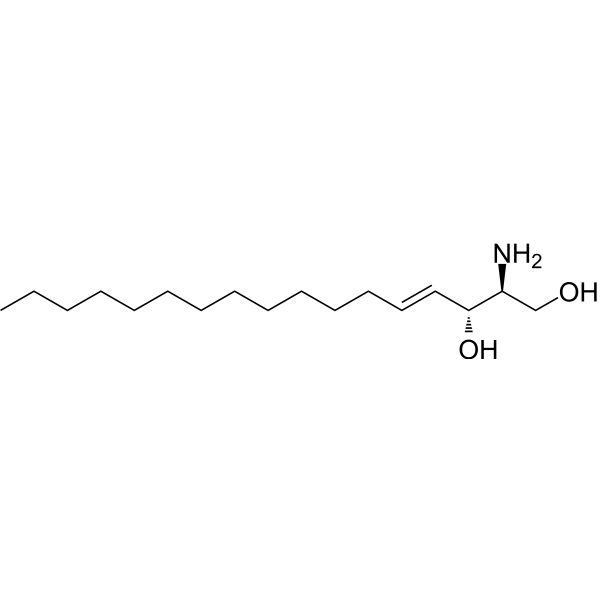
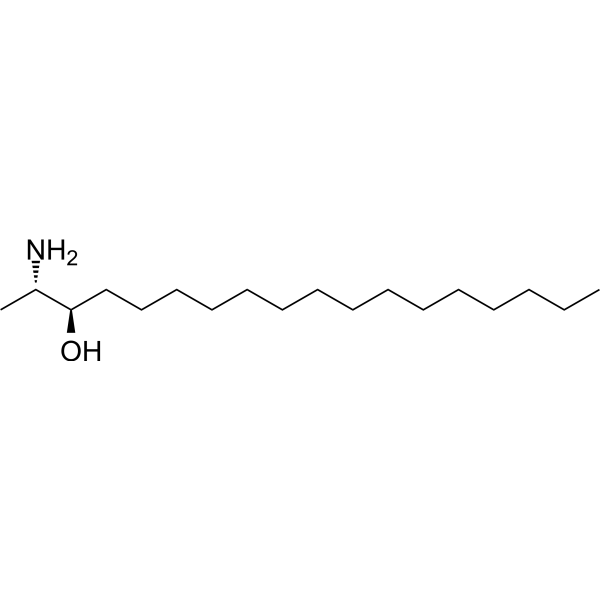
- Fòrmula: C18H39NO
- Peso molecular: 285.51
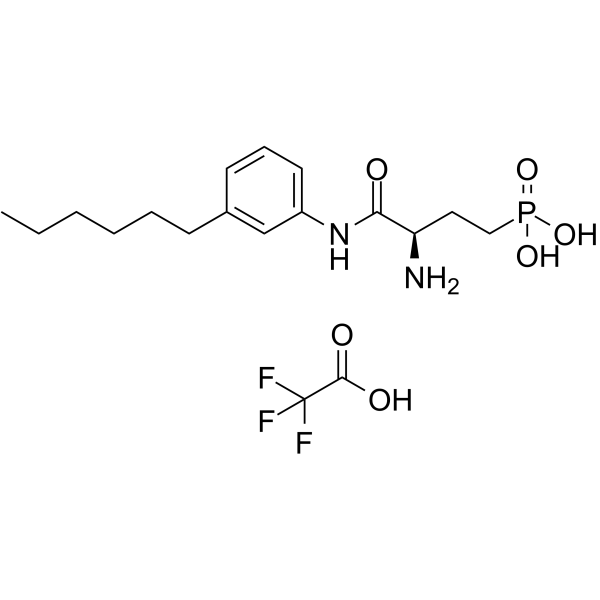
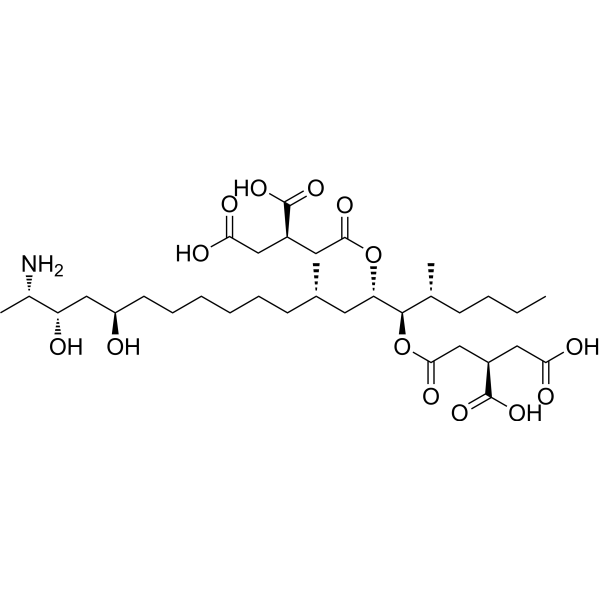
- Fòrmula: C34H59NO14
- Peso molecular: 705.83
Fumonisin B2 is a selective ceramide synthase inhibitor and carcinogenic mycotoxin with toxicity comparable to that of Fumonisin B1 (HY-N6719). Fumonisin B2 inhibits de novo sphingolipid biosynthesis by blocking the amide bond formation between fatty acids and dihydrosphingosine, which leads to a massive intracellular accumulation of free dihydrosphingosine, altered sphingosine levels, subsequent inhibition of cell proliferation, and induction of cell death. Fumonisin B2 is used to investigate the pathogenesis of diseases associated with Fusarium verticillioides contamination, including equine leukoencephalomalacia, porcine pulmonary edema syndrome, human esophageal cancer, and rat hepatocellular carcinoma.
- Fòrmula: C17H36NO5P
- Peso molecular: 365.45
Sphingosine-1-phosphate d17:1 (D-erythro-Sphingosine-C17-1-phosphate) is a derivative of ceramide. Sphingosine-1-phosphate d17:1 can be used for the research of cancer.

- Fòrmula: C17H37NO2
- Peso molecular: 287.48
Sphinganine-C17 (Heptadecasphinganine) is a synthetic bioactive sphingolipid and an isomer of sphinganine. Sphinganine-C17 inhibits the growth of Candida glabrata and Candida albicans with a minimum bactericidal concentration (MBC) of 0.5 μg/mL for both. Sphinganine-C17 can be used as an internal standard for the chromatographic analysis of sphingosine compounds.

- Fòrmula: C26H47NO7
- Peso molecular: 485.65
Tetraacetylphytosphingosine is a sphingolipid metabolite produced by phytosphingosine acetylation. Tetraacetylphytosphingosine exerts its inhibitory action on angiogenesis through the inhibition of MAPK activation and intracellular calcium increase. Tetraacetylphytosphingosine induces apoptosis in HaCaT cells.

- Fòrmula: C16H35NO2
- Peso molecular: 273.45
DL-Erythro/threo Sphinganine (d16:0) is an ester product.



