



Phytosphingosine
Based on 4 publication(s) in Google Scholar
Phytosphingosine is a phospholipid with anti-inflammatory, antibacterial, and anti-cancer activities, which can induce apoptosis. Phytosphingosine is an immune regulator and can be used in the study of inflammatory skin diseases. Phytosphingosine is also an activator of GPR120 with an IC50 value of 33.4 μM and can be used in the study of type II diabetes.
Nur für Forschungszwecke. Wir verkaufen nicht an Patienten.
- Reinheit : 99.85%
- CAS. Nr.: 554-62-1
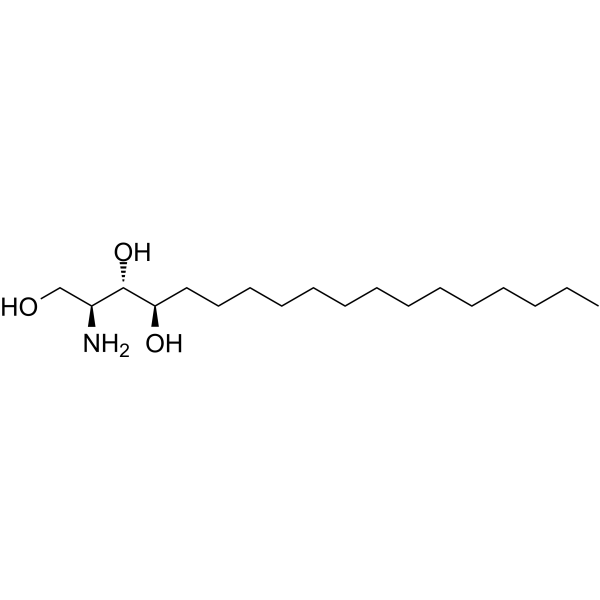
- Formel: C18H39NO3
- Molecular Weight:317.51
-
Speicherung:Powder -20°C, 3 years , 4°C, 2 years ; In solvent -80°C, 6 months , -20°C, 1 month

To place orders, for customer services and technical support, please contact: MedChemExpress USA
Tel: 609-228-6898 E-mail: [email protected] [email protected]


-
 Biologische Aktivität
-
Chemical Information
-
Lösungsmittel & Löslichkeit
- Protokoll
- Reinheit & Dokumentation
- Verweise
-
 Help & FAQs


-
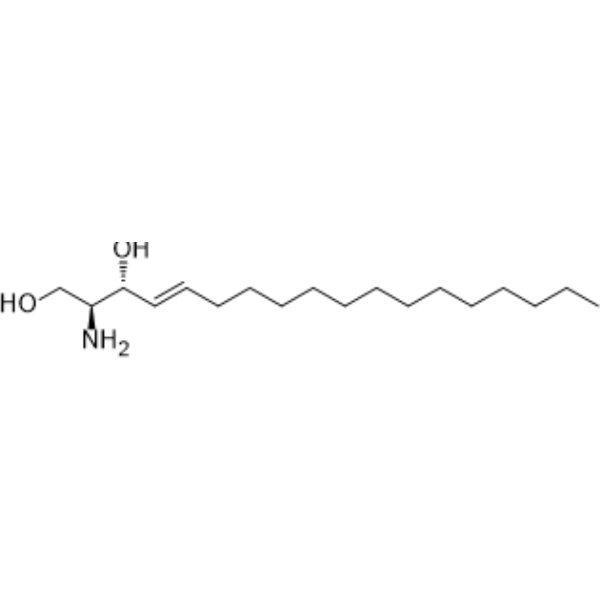
HY-101047
D-erythro-SphingosinePKC Inhibitor -
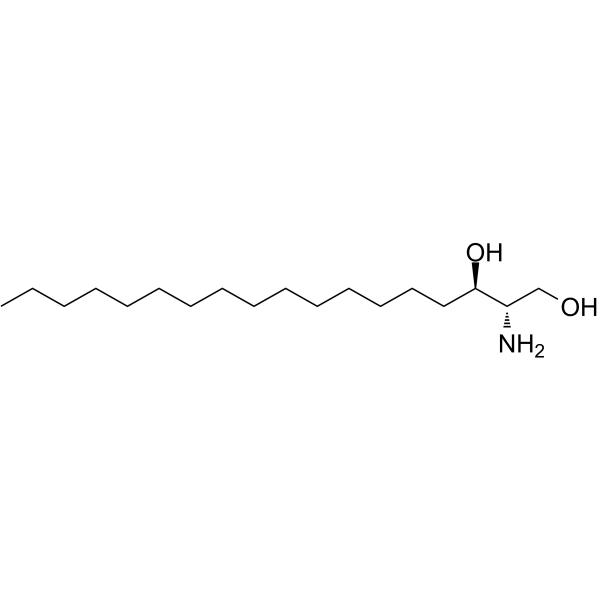
HY-W019838
D-Erythro-dihydrosphingosine -
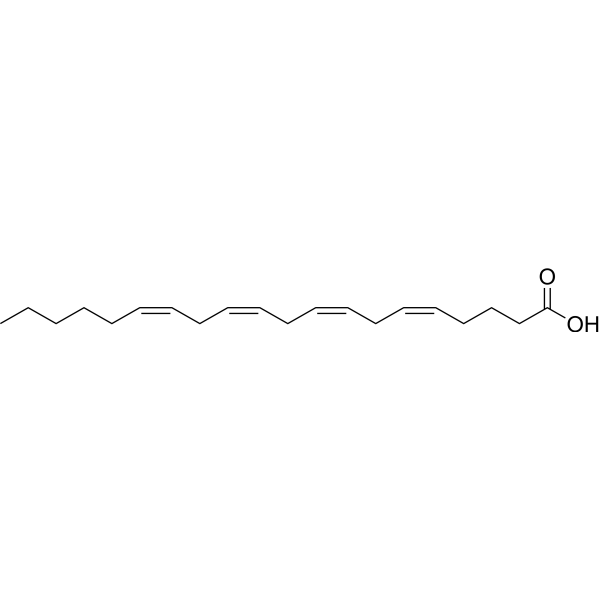
HY-109590
Arachidonic acidPolyunsaturated Fatty Acid -
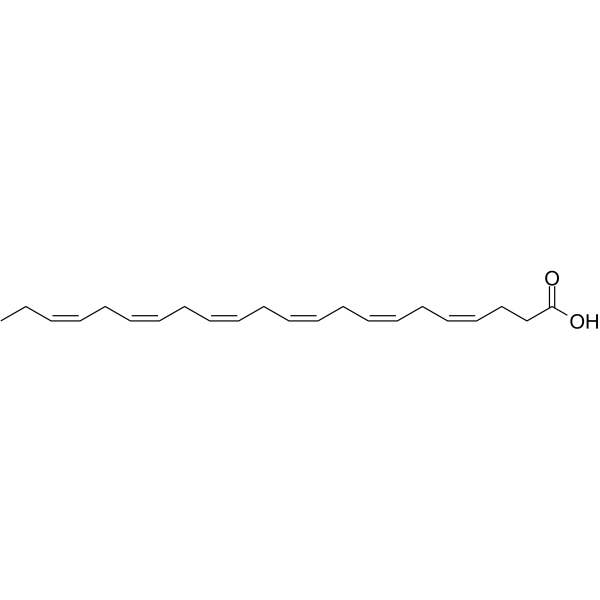
HY-B2167
Docosahexaenoic acidomega-3 Fatty Acid -
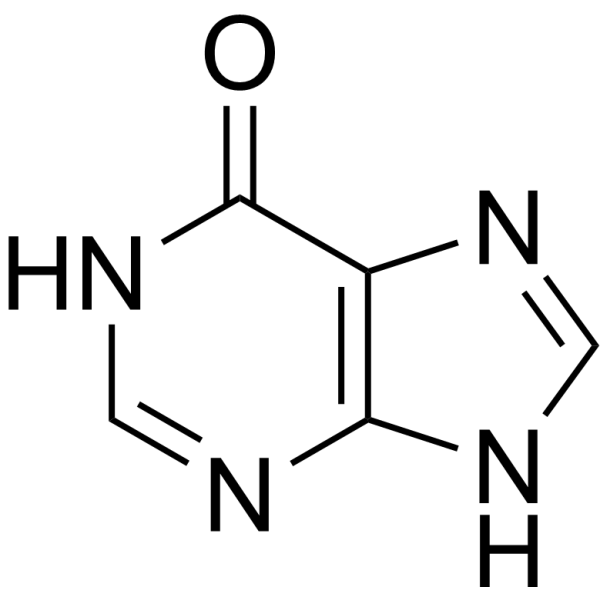
HY-N0091
HypoxanthineEndogenous Metabolite -
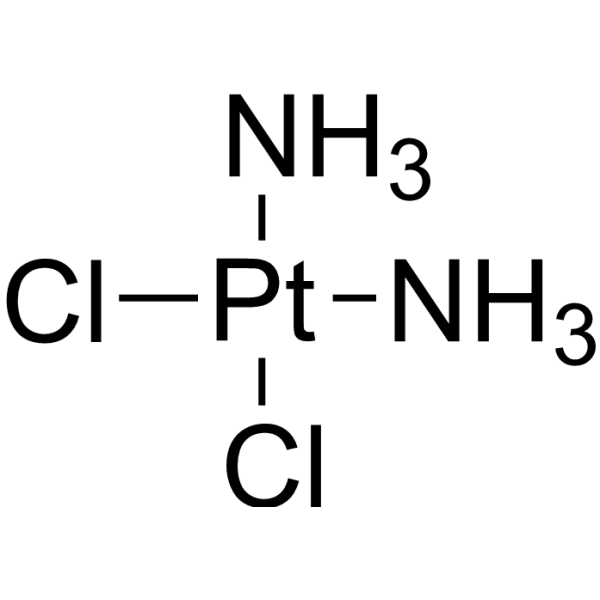
HY-17394
CisplatinDNA Alkylator -
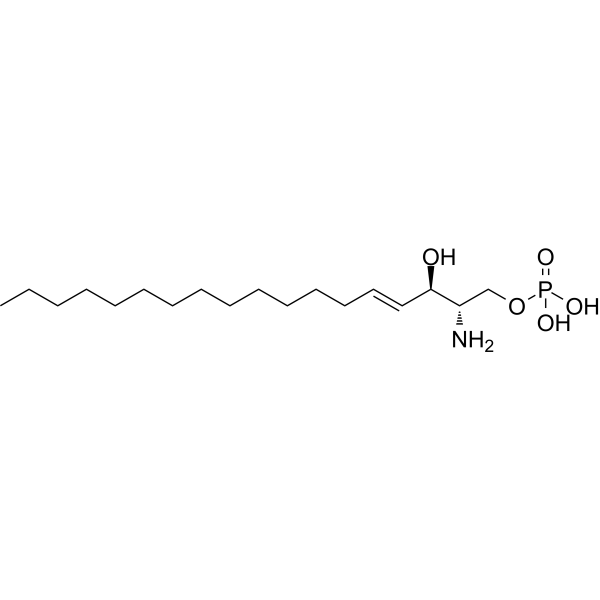
HY-108496
Sphingosine-1-phosphateS1PR Agonist -
HY-W016562
Hippuric acidMetabolite -
HY-113219
Hydroxyphenyllactic acidEndogenous Metabolite -
HY-N0391
L-CitrullineEndogenous Metabolite -
HY-13318
Oseltamivir acidOseltamivir phosphate Metabolite -
HY-100881
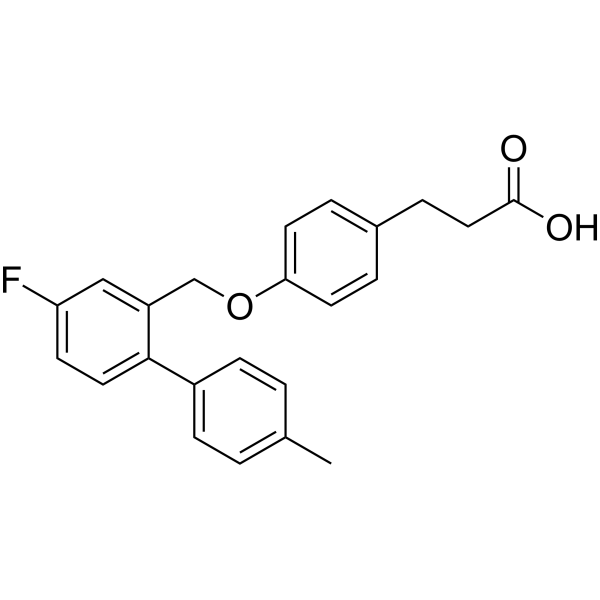
TUG-891FFA4/GPR120 Agonist
Publications Citing Use of MedChemExpress (MCE) Phytosphingosine
More Customer Validation & Images

-
ELISA
-
Histological Imaging/Staining
-
Cell Imaging/Staining
-
WB
-
IF
Alle Endogenous Metabolite Isoform-spezifische Produkte anzeigen
More

Biologische Aktivität
Beschreibung
IC50 & Target
|
Human Endogenous Metabolite |
Cellular Effect
|
Cell Line

|
Type | Value | Description | References |
|---|---|---|---|---|
| Jurkat | IC50 |
3.75 μM
Compound: Phytosphingosine
|
Inhibition of wild type human Jurkat cells after 18 hrs by MTT assay
Inhibition of wild type human Jurkat cells after 18 hrs by MTT assay
|
[PMID: 17400555] |
| Jurkat | IC50 |
4.12 μM
Compound: Phytosphingosine
|
Inhibition of human 2-amino-4-(4-heptyloxyphenyl)-2-methylbutanol-resistant human Jurkat SBR3 mutant cells proliferation after 18 hrs by MTT assay
Inhibition of human 2-amino-4-(4-heptyloxyphenyl)-2-methylbutanol-resistant human Jurkat SBR3 mutant cells proliferation after 18 hrs by MTT assay
|
[PMID: 17400555] |
| Jurkat | IC50 |
5.29 μM
Compound: Phytosphingosine
|
Inhibition of 2-amino-4-(4-heptyloxyphenyl)-2-methylbutanol-resistant human Jurkat SBR2 mutant cells proliferation after 18 hrs by MTT assay
Inhibition of 2-amino-4-(4-heptyloxyphenyl)-2-methylbutanol-resistant human Jurkat SBR2 mutant cells proliferation after 18 hrs by MTT assay
|
[PMID: 17400555] |
| Jurkat | IC50 |
6.57 μM
Compound: Phytosphingosine
|
Inhibition of 2-amino-4-(4-heptyloxyphenyl)-2-methylbutanol-resistant human Jurkat SBR1 mutant cells proliferation after 18 hrs by MTT assay
Inhibition of 2-amino-4-(4-heptyloxyphenyl)-2-methylbutanol-resistant human Jurkat SBR1 mutant cells proliferation after 18 hrs by MTT assay
|
[PMID: 17400555] |
In Vitro
Phytosphingosine (200-400 μg/mL; 60-240 min) can inhibit the growth of Gram-positive and Gram-negative bacteria, yeast, and molds, and significantly inhibit the release of IL-1a, exhibiting anti-inflammatory activity[1].
Phytosphingosine (1-5 μg/mL; 24-48 h) inhibits lung adenoma cell proliferation by inducing G2/M phase arrest, apoptosis and mitochondria-dependent pathway cell death in A549 and LLC cells, with IC50 values of 4.3 μg/mL and 4.5μg/mL, respectively[2].
Phytosphingosine (80 μM; 1-10 days) has antibacterial activity and can inhibit the growth ofS. sclerotiorum, S. indica and V. longisporum[3].
MedChemExpress (MCE) has not independently confirmed the accuracy of these methods. They are for reference only.
-
Cell Line:A549, LLC, BEAS-2B
-
Concentration:1 μg/mL, 2 μg/mL, 3 μg/mL, 4 μg/mL, 5 μg/mL
-
Incubation Time:24 h, 48 h
-
Result:Significantly inhibited cell proliferation in a concentration- and time-dependent manner.
-
Cell Line:A549
-
Concentration:1 μg/mL, 3 μg/mL, 5 μg/mL
-
Incubation Time:24 h
-
Result:Significantly increased the proportion of G2/M phase cells.
-
Cell Line:A549
-
Concentration:1 μg/mL, 3 μg/mL, 5 μg/mL
-
Incubation Time:24 h
-
Result:Up-regulated the pro-apoptotic factor Bax protein level and down-regulated the anti-apoptotic factor Bcl-2 protein level.
Promoted the release of cytochrome c to up-regulate caspase 9 and caspase 3 levels, leading to PARP cleavage.
In Vivo
MedChemExpress (MCE) has not independently confirmed the accuracy of these methods. They are for reference only.


Chemical Information
-
CAS. Nr. 554-62-1
-
Appearance Solid
-
Molecular Weight 317.51
-
Formel C18H39NO3
-
Color White to off-white
-
SMILES
CCCCCCCCCCCCCC[C@@H](O)[C@@H](O)[C@@H](N)CO
-
Synonyms
4-Hydroxysphinganine
-
Structure Classification
-
Initial Source
-
Versand
Room temperature in continental US; may vary elsewhere.
-
Speicherung
Powder -20°C 3 years 4°C 2 years In solvent -80°C 6 months -20°C 1 month


Publications (4)
-
Journal Impact Factor
-
Most Recent
-
MedComm (2020)
Phytosphingosine Alleviates Cigarette Smoke-Induced Bronchial Epithelial Cell Senescence in Chronic Obstructive Pulmonary Disease by Targeting the Free Fatty Acid Receptor 4. [Abstract]2025 Aug 29;6(9):e70345. PMID: 40895192
Phytosphingosine purchased from MedChemExpress. Usage Cited in: MedComm (2020). 2025 Aug 29;6(9):e70345. [Abstract]
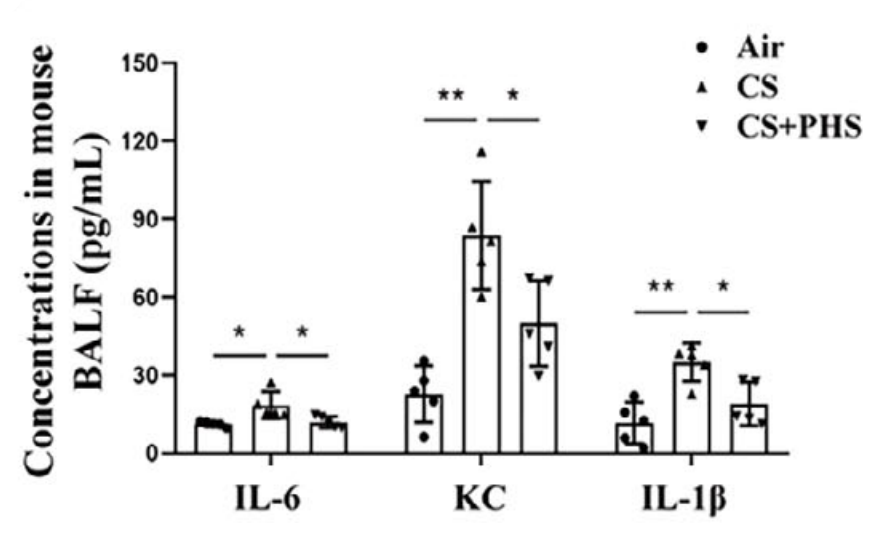
Phytosphingosine (PHS) (25 mg/kg; p.o.; once daily for 3 weeks) significantly decreased the levels of IL-6, KC, and IL-1β in CS-exposed mice.
Phytosphingosine purchased from MedChemExpress. Usage Cited in: MedComm (2020). 2025 Aug 29;6(9):e70345. [Abstract]
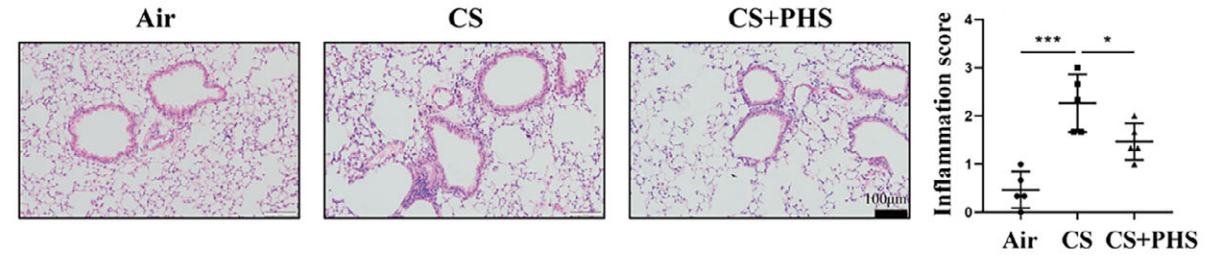
Phytosphingosine (PHS) (25 mg/kg; p.o.; once daily for 3 weeks) reduced infiltration of inflammatory cells around the airways in CS-exposed mice and inflammation scores.
Phytosphingosine purchased from MedChemExpress. Usage Cited in: MedComm (2020). 2025 Aug 29;6(9):e70345. [Abstract]
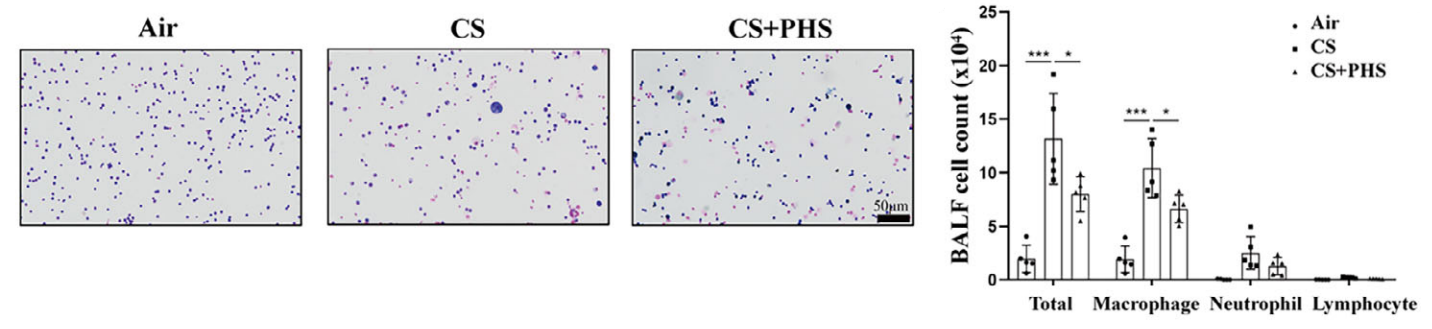
Phytosphingosine (PHS) (25 mg/kg; p.o.; once daily for 3 weeks) significantly decreased total and various inflammatory cell counts, particularly macrophages, in bronchoalveolar lavage fluid (BALF) of CS-exposed mice.
Phytosphingosine purchased from MedChemExpress. Usage Cited in: MedComm (2020). 2025 Aug 29;6(9):e70345. [Abstract]
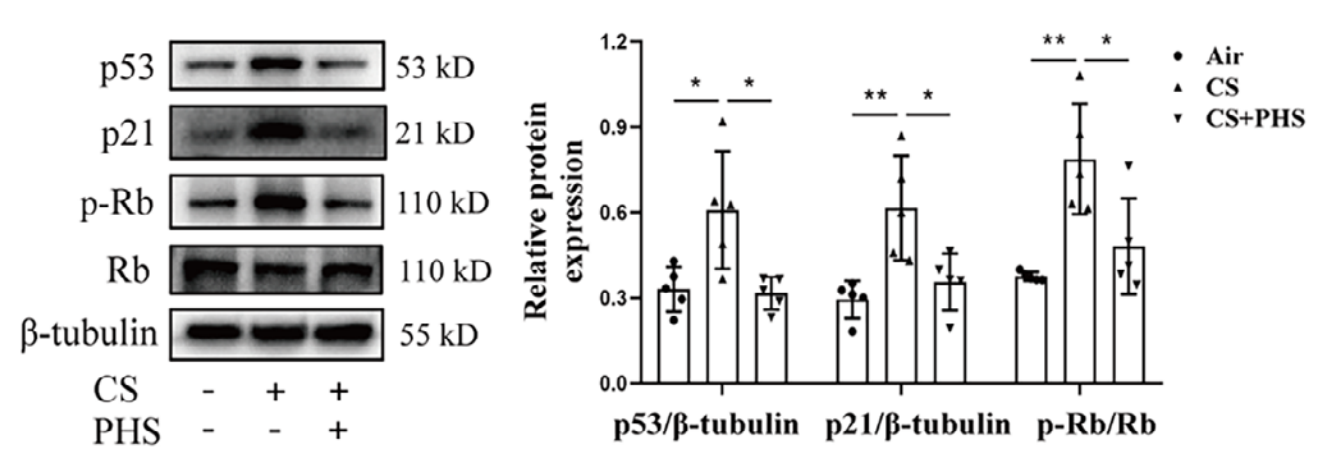
Phytosphingosine (PHS) (25 mg/kg; p.o.; once daily for 3 weeks) significantly downregulated p53, p21, and p-Rb in CS-exposed mice.
Phytosphingosine purchased from MedChemExpress. Usage Cited in: MedComm (2020). 2025 Aug 29;6(9):e70345. [Abstract]
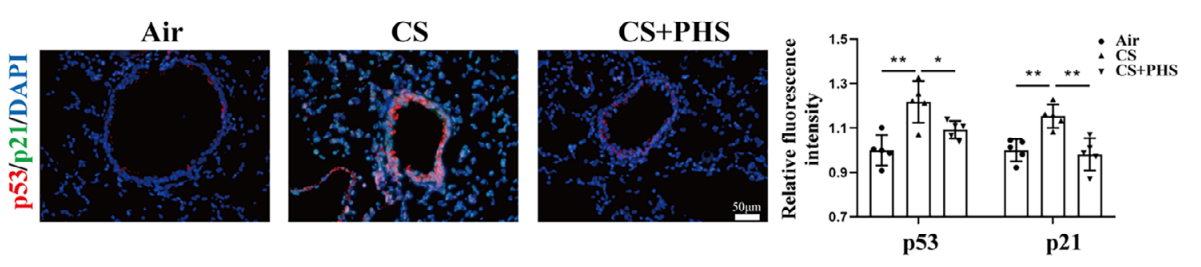
Co-immunofluorescence targeting p53 and p21 revealed that PHS treatment reduced the expression of senescent proteins in the airway epithelium of CS-exposed mice.
-
Chem Biol Interact
Phytosphingosine suppresses gastric cancer through SFRP4/β-catenin axis-mediated Wnt signaling pathway inhibition. [Abstract]2025 Sep 20:111749. PMID: 40983245 -
Molecules
Untargeted Metabolomics Using UHPLC-HRMS Reveals Metabolic Changes of Fresh-Cut Potato during Browning Process. [Abstract]2023 Apr 11;28(8):3375. PMID: 37110608 -


Lösungsmittel & Löslichkeit
In Vitro:
DMSO : 5 mg/mL (15.75 mM; ultrasonic and warming and heat to 60°C; Hygroscopic DMSO has a significant impact on the solubility of product, please use newly opened DMSO)
Please refer to the solubility information to select the appropriate solvent. Once prepared, please aliquot and store the solution to prevent product inactivation from repeated freeze-thaw cycles.
Storage method and period of stock solution: -80°C, 6 months; -20°C, 1 month. When stored at -80°C, please use it within 6 months. When stored at -20°C, please use it within 1 month.
Please refer to the solubility information to select the appropriate solvent. Once prepared, please aliquot and store the solution to prevent product inactivation from repeated freeze-thaw cycles.
Storage method and period of stock solution: -80°C, 6 months; -20°C, 1 month. When stored at -80°C, please use it within 6 months. When stored at -20°C, please use it within 1 month.
Konzentration (Stammlösung) × Volumen (Stammlösung) = Konzentration (Ziellösung) × Volumen (Ziellösung)
In Vivo:
Select the appropriate dissolution method based on your experimental animal and administration route.
- For the following dissolution methods, please ensure to first prepare a clear stock solution using an In Vitro approach and then sequentially add co-solvents:
- To ensure reliable experimental results, the clarified stock solution can be appropriately stored based on storage conditions. As for the working solution for In Vivo experiments, it is recommended to prepare freshly and use it on the same day.
- The percentages shown for the solvents indicate their volumetric ratio in the final prepared solution. If precipitation or phase separation occurs during preparation, heat and/or sonication can be used to aid dissolution.
Add each solvent one by one: 10% DMSO 40% PEG300 5% Tween-80 45% Saline
Solubility: ≥ 2.5 mg/mL (7.87 mM); Clear solution
This protocol yields a clear solution of ≥ 2.5 mg/mL (saturation unknown).
Taking 1 mL working solution as an example, add 100 μL DMSO stock solution (25.0 mg/mL) to 400 μL PEG300, and mix evenly; then add 50 μL Tween-80 and mix evenly; then add 450 μL Saline to adjust the volume to 1 mL.
Preparation of Saline: Dissolve 0.9 g sodium chloride in ddH₂O and dilute to 100 mL to obtain a clear Saline solution.
Add each solvent one by one: 10% DMSO 90% (20% SBE-β-CD in Saline)
Solubility: ≥ 2.5 mg/mL (7.87 mM); Clear solution
This protocol yields a clear solution of ≥ 2.5 mg/mL (saturation unknown).
Taking 1 mL working solution as an example, add 100 μL DMSO stock solution (25.0 mg/mL) to 900 μL 20% SBE-β-CD in Saline, and mix evenly.
Preparation of 20% SBE-β-CD in Saline (4°C, storage for one week): 2 g SBE-β-CD powder is dissolved in 10 mL Saline, completely dissolve until clear.
For the following dissolution methods, please prepare the working solution directly:
It is recommended to prepare fresh solutions and use them promptly within a short period of time.
The percentages shown for the solvents indicate their volumetric ratio in the final prepared solution. If precipitation or phase separation occurs during preparation, heat and/or sonication can be used to aid dissolution.
Add each solvent one by one: 50% PEG300 50% Saline
Solubility: 3.33 mg/mL (10.49 mM); Suspended solution; Need ultrasonic
In Vivo Dissolution Calculator
Please enter the basic information of animal experiments:
-
-
-
-
Recommended: Prepare an additional quantity of animals to account for potential losses during experiments.
Please enter your animal formula composition:
-
%DMSO +
Recommended: Keep the proportion of DMSO in working solution below 2% if your animal is weak.
-
%+
-
+%Tween-80 + +
-
%Saline +
The co-solvents required include: DMSO, . All of co-solvents are available by MedChemExpress (MCE). , Tween 80. All of co-solvents are available by MedChemExpress (MCE).
Working solution concentration: 0.22 mg/mL
Method for preparing stock solution: mg drug dissolved in μL DMSO. Stock solution concentration: mg/mL.
1. Take μL DMSO stock solution;
2. Add μL .
μL , mix evenly;
3. Then add μL Tween 80, mix evenly;
4. Then add μL
Please ensure that the stock solution in the first step is dissolved to a clear state, and add co-solvents in sequence. You can use ultrasonic heating (ultrasonic cleaner, recommended frequency 20-40 kHz), vortexing, etc. to assist dissolution.


Reinheit & Dokumentation
-
Data Sheet (274 KB)
-
SDS (620 KB)
- English - EN (620 KB)
- Français - FR (620 KB)
- Deutsch - DE (620 KB)
- Norwegian - NO (620 KB)
- Español - ES (620 KB)
- Swedish - SV (620 KB)
- Italian - IT (620 KB)
- Korean - KR (620 KB)
- Portuguese - PT (620 KB)
-
Handling Instructions (2659 KB)
Verweise
[1]. 1. Pavicic T, Wollenweber U, Farwick M, et al. Anti‐microbial and‐inflammatory activity and efficacy of phytosphingosine: an in vitro and in vivo study addressing acne vulgaris[J]. International journal of cosmetic science, 2007, 29(3): 181-190. [Content Brief]
[2]. Cai Q, et al. Phytosphingosine inhibits the growth of lung adenocarcinoma cells by inducing G2/M-phase arrest, apoptosis, and mitochondria-dependent pathway cell death in vitro and in vivo. Chem Biol Interact. 2024 Jan 5;387:110795. [Content Brief]
[3]. Glenz R, et al. The major plant sphingolipid long chain base phytosphingosine inhibits growth of bacterial and fungal plant pathogens. Sci Rep. 2022 Jan 20;12(1):1081. [Content Brief]
[4]. Nagasawa T, et al. Phytosphingosine is a novel activator of GPR120. J Biochem. 2018 Jul 1;164(1):27-32. [Content Brief]


Complete Stock Solution Preparation Table
Please refer to the solubility information to select the appropriate solvent. Once prepared, please aliquot and store the solution to prevent product inactivation from repeated freeze-thaw cycles.
Storage method and period of stock solution: -80°C, 6 months; -20°C, 1 month. When stored at -80°C, please use it within 6 months. When stored at -20°C, please use it within 1 month.
| Optional Solvent | Concentration Solvent Mass | 1 mg | 5 mg | 10 mg | 25 mg |
|---|---|---|---|---|---|
| DMSO | 1 mM | 3.1495 mL | 15.7475 mL | 31.4951 mL | 78.7377 mL |
| 5 mM | 0.6299 mL | 3.1495 mL | 6.2990 mL | 15.7475 mL | |
| 10 mM | 0.3150 mL | 1.5748 mL | 3.1495 mL | 7.8738 mL | |
| 15 mM | 0.2100 mL | 1.0498 mL | 2.0997 mL | 5.2492 mL |


Phytosphingosine Related Classifications
HY-W011303 Related Classifications
 Powered by Bioz