



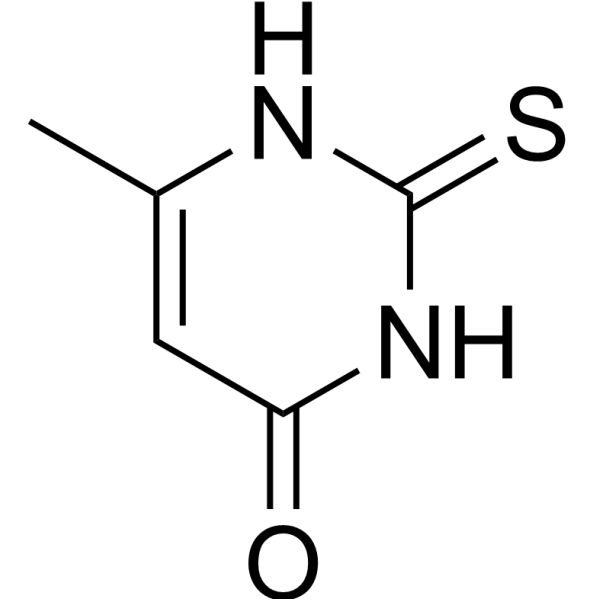
Methylthiouracil
Based on 2 publication(s) in Google Scholar
Methylthiouracil is an antithyroid agent. Methylthiouracil suppresses the production TNF-α and IL-6, and the activation of NF-κB and ERK1/2.
For research use only. We do not sell to patients.
- Purity : 98.0%
- CAS No.: 56-04-2
- Formula: C5H6N2OS
- Molecular Weight:142.18
-
Storage:Powder -20°C, 3 years , 4°C, 2 years ; In solvent -80°C, 2 years , -20°C, 1 year

To place orders, for customer services and technical support, please contact: MedChemExpress USA
Tel: 609-228-6898 E-mail: [email protected] [email protected]


-
 Biological Activity
-
Chemical Information
-
Solvent & Solubility
- Protocols
- Purity & Documentation
- References
-
 Help & FAQs


-
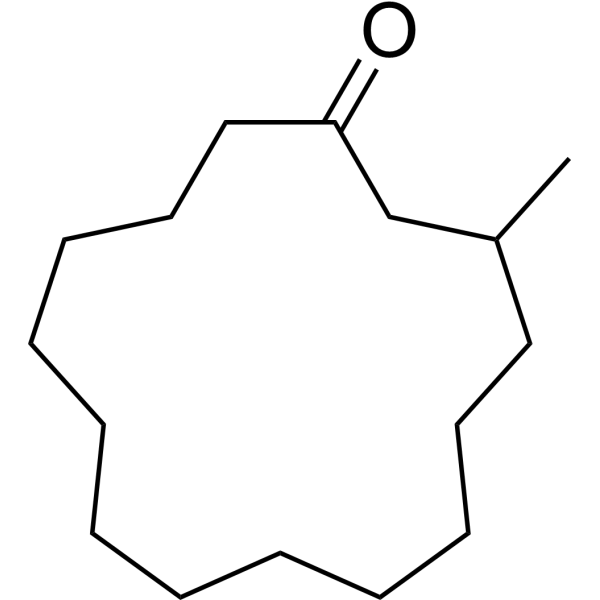
HY-N0633
MusconeTNF Receptor Inhibitor -
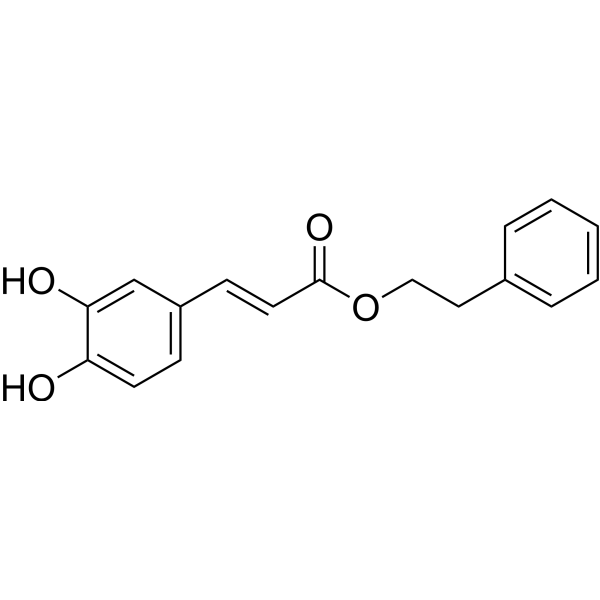
HY-N0274
Caffeic acid phenethyl esterApoptosis Inducer -
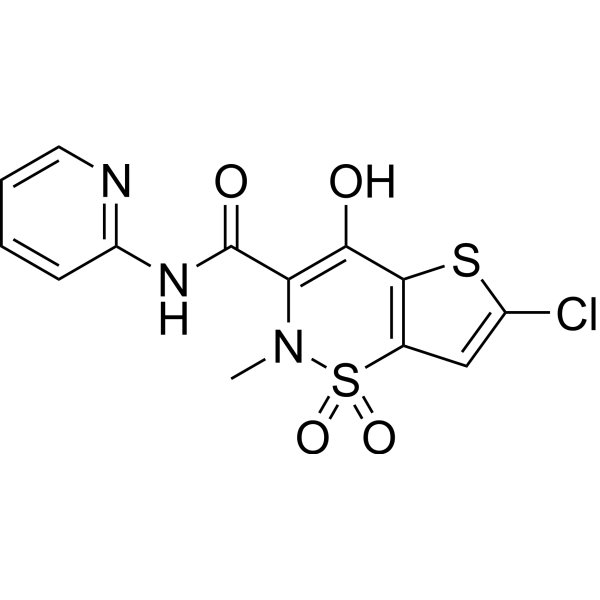
HY-B0367
LornoxicamCOX Inhibitor -
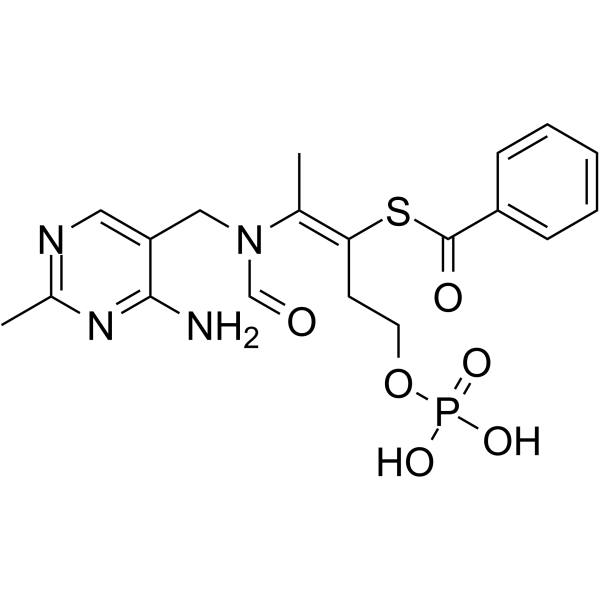
HY-17374
BenfotiamineAnti-Anflammatory Agent -
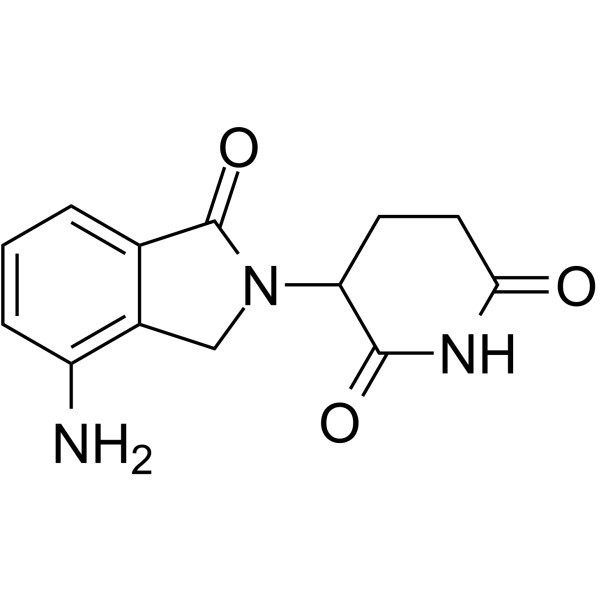
HY-A0003
LenalidomideImmunomodulator -
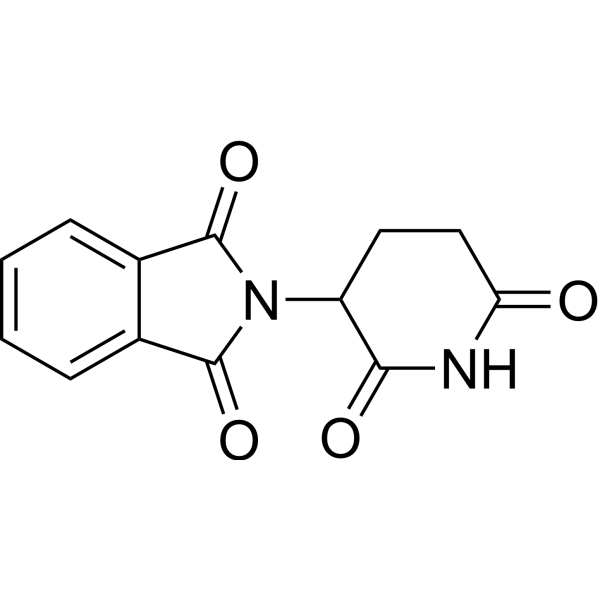
HY-14658
ThalidomideCereblon Inhibitor -

HY-B0513R
Methylthiouracil (Standard)TNF Receptor Inhibitor -
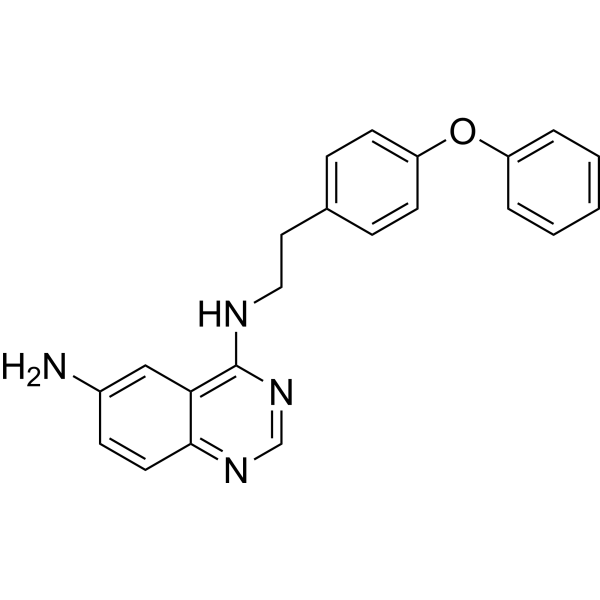
HY-13812
QNZTNF Receptor Inhibitor -
HY-Y0337
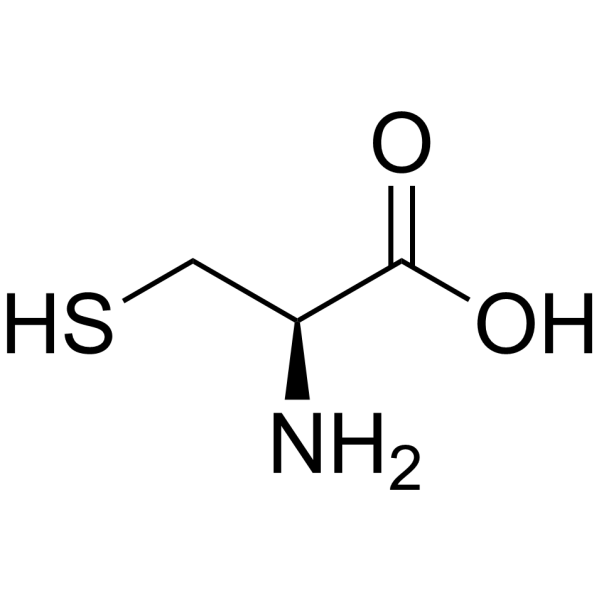
L-CysteineAnorectic Agent -
HY-15760
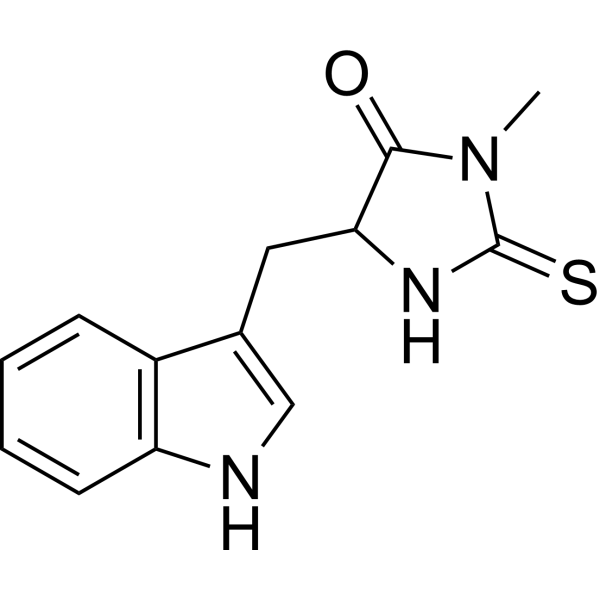
Necrostatin-1RIPK1 Inhibitor -

HY-A0003R
Lenalidomide (Standard)Reference Standard -

HY-14658R
Thalidomide (Standard)Cereblon Inhibitor
Publications Citing Use of MedChemExpress (MCE) Methylthiouracil
More Customer Validation & Images

-
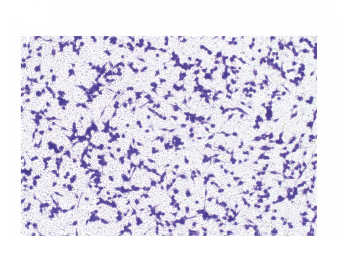
Cell Migration/Invasion Assay


Biological Activity
Description
IC50 & Target
[1]|
NF-κB |
IL-6 |
ERK1 |
ERK2 |
In Vitro
HUVECs are treated with various concentrations of MTU (0-20 μM) for 6 h after the addition of LPS (100 ng/mL) for 4 h. MTU inhibits LPS-mediated hyperpermeability in endothelial cells, with the optimal effect occurring at a concentration above 5 μM. The effects of MTU are examined on HUVEC actin cytoskeletal arrangement by immunofluorescence staining of HUVEC monolayers with F-actin labeled fluorescein phalloidin. Control HUVECs exhibit a random distribution of F-actin throughout the cells, with some localization of actin filament bundles at the cell boundaries. Barrier disruption by LPS (100 ng/mL) is manifested by the formation of paracellular gaps in HUVECs. In addition, post-treatment with MTU (10 or 20 μM) results in inhibited formation of LPS-induced paracellular gaps with the formation of dense F-actin rings. To test the cytotoxicity of MTU, cellular viability assays are performed in HUVECs treated with MTU for 24 h. At concentrations up to 20 μM, MTU does not affect cell viability[1].
MedChemExpress (MCE) has not independently confirmed the accuracy of these methods. They are for reference only. Further protocols information, click here.
Induced Disease Models
Please do not refer to only one article to determine the experimental conditions. It is recommended to determine the optimal experimental conditions (animal strain, age, dosage, frequency and cycle, detection time and indicators, etc.) through preliminary experiments before the formal experiment.
Methylthiouracil can be used to model neurological defects. Methylthiouracil can significantly inhibit LPS-induced peritoneal dye leakage. In the mouse model, the average circulating blood volume was 72 mL/kg (average mouse weight 27 g) and the average blood volume was about 2 mL. After injection of Methylthiouracil (142 or 284 μg/kg), the dye concentration in peripheral blood reached a maximum of 10 or 20 μM, respectively. In dairy cows, after oral administration, Methylthiouracil rapidly appears in plasma, urine, and milk, and accumulates selectively in the thyroid gland. Its excretion follows a biphasic pattern. At the beginning of treatment, the level of Methylthiouracil drops rapidly within 4 days, and then the excretion rate slows down by 15-30 times. Long-term use of Methylthiouracil results in significant residues that can still be detected in the thyroid gland, muscle tissue, urine, and plasma one month after stopping administration[1][2][3].
Administration: 0.05-0.2 mL • sc • once daily, details of the dosing method are provided in the note
(1). From 0-10 days after birth, 0.05 mL of the suspension is administered via subcutaneous injection;
(2). From 10-20 days after birth, 0.1 mL of the suspension is administered via subcutaneous injection;
(3). From 20-24 days after birth, 0.2 mL of the suspension is administered via subcutaneous injection.
Histological Changes: In the cerebral cortex of the rats, the volume of pyramidal cells decreased, their number increased, and the supportive or structural substance (intercellular matrix) between neurons in the cerebral cortex decreased during the rats' development.
MedChemExpress (MCE) has not independently confirmed the accuracy of these methods. They are for reference only.


Chemical Information
-
CAS No. 56-04-2
-
Appearance Solid
-
Molecular Weight 142.18
-
Formula C5H6N2OS
-
Color White to off-white
-
SMILES
O=C(C=C(C)N1)NC1=S
-
Synonyms
MTU
-
Shipping
Room temperature in continental US; may vary elsewhere.
-
Storage
Powder -20°C 3 years 4°C 2 years In solvent -80°C 2 years -20°C 1 year


Publications (2)
-
Journal Impact Factor
-
Most Recent
-
Adv Sci (Weinh)
Porcine Deltacoronavirus M Protein Binds NLRP3 to Promote Inflammasome Assembly via Competition with TRIM31. [Abstract]2026 Jun 30:e76393. PMID: 42378650 -
Hepatol Commun
Proteomics-based identification of the role of osteosarcoma amplified-9 in hepatocellular carcinoma recurrence. [Abstract]2022 Aug;6(8):2182-2197. PMID: 35429130
Methylthiouracil purchased from MedChemExpress. Usage Cited in: Hepatol Commun. 2022 Aug;6(8):2182-2197. [Abstract]
Effect of OS-9 overexpression group treated with TNFα inhibitor (Methylthiouracil, 20 μM) on SMMC-7721 cell migration capacity is assessed.


Solvent & Solubility
In Vitro:
DMSO : ≥ 50 mg/mL (351.67 mM; Hygroscopic DMSO has a significant impact on the solubility of product, please use newly opened DMSO)
* "≥" means soluble, but saturation unknown.
Please refer to the solubility information to select the appropriate solvent. Once prepared, please aliquot and store the solution to prevent product inactivation from repeated freeze-thaw cycles.
Storage method and period of stock solution: -80°C, 2 years; -20°C, 1 year. When stored at -80°C, please use it within 2 years. When stored at -20°C, please use it within 1 year.
Please refer to the solubility information to select the appropriate solvent. Once prepared, please aliquot and store the solution to prevent product inactivation from repeated freeze-thaw cycles.
Storage method and period of stock solution: -80°C, 2 years; -20°C, 1 year. When stored at -80°C, please use it within 2 years. When stored at -20°C, please use it within 1 year.
Concentration (start) × Volume (start) = Concentration (final) × Volume (final)
In Vivo:
Select the appropriate dissolution method based on your experimental animal and administration route.
- For the following dissolution methods, please ensure to first prepare a clear stock solution using an In Vitro approach and then sequentially add co-solvents:
- To ensure reliable experimental results, the clarified stock solution can be appropriately stored based on storage conditions. As for the working solution for In Vivo experiments, it is recommended to prepare freshly and use it on the same day.
- The percentages shown for the solvents indicate their volumetric ratio in the final prepared solution. If precipitation or phase separation occurs during preparation, heat and/or sonication can be used to aid dissolution.
Add each solvent one by one: 10% DMSO 40% PEG300 5% Tween-80 45% Saline
Solubility: ≥ 2.5 mg/mL (17.58 mM); Clear solution
This protocol yields a clear solution of ≥ 2.5 mg/mL (saturation unknown).
Taking 1 mL working solution as an example, add 100 μL DMSO stock solution (25.0 mg/mL) to 400 μL PEG300, and mix evenly; then add 50 μL Tween-80 and mix evenly; then add 450 μL Saline to adjust the volume to 1 mL.
Preparation of Saline: Dissolve 0.9 g sodium chloride in ddH₂O and dilute to 100 mL to obtain a clear Saline solution.
In Vivo Dissolution Calculator
Please enter the basic information of animal experiments:
-
-
-
-
Recommended: Prepare an additional quantity of animals to account for potential losses during experiments.
Please enter your animal formula composition:
-
%DMSO +
Recommended: Keep the proportion of DMSO in working solution below 2% if your animal is weak.
-
%+
-
+%Tween-80 + +
-
%Saline +
The co-solvents required include: DMSO, . All of co-solvents are available by MedChemExpress (MCE). , Tween 80. All of co-solvents are available by MedChemExpress (MCE).
Working solution concentration: 0.22 mg/mL
Method for preparing stock solution: mg drug dissolved in μL DMSO. Stock solution concentration: mg/mL.
1. Take μL DMSO stock solution;
2. Add μL .
μL , mix evenly;
3. Then add μL Tween 80, mix evenly;
4. Then add μL
Please ensure that the stock solution in the first step is dissolved to a clear state, and add co-solvents in sequence. You can use ultrasonic heating (ultrasonic cleaner, recommended frequency 20-40 kHz), vortexing, etc. to assist dissolution.

Protocols
-
Research Protocol for Inflammation-related Diseases
The NLRP3 inflammasome is a cytosolic innate immune signaling platform that integrates priming signals and danger-signal activation to promote caspase-1 activation, maturation of IL-1β and IL-18, and gasdermin D-mediated pyroptotic cell death. The core experimental logic is to determine whether inflammatory disease phenotypes are driven by increased NLRP3 expression, ASC-containing inflammasome assembly, caspase-1 cleavage, GSDMD cleavage, and extracellular release of IL-1β/IL-18 rather than by nonspecific cell injury alone. The pathway is strongly linked to inflammation-related disease phenotypes because monosodium urate crystals activate NALP3/NLRP3 inflammasome signaling in gout-like crystal inflammation, cholesterol crystals activate NLRP3 inflammasomes in atherogenesis models, and DSS-induced intestinal inflammation has been reported to involve NLRP3 inflammasome activity. However, experimental colitis studies also show context-dependent protective effects of NLRP3 inflammasome co


Purity & Documentation
-
Data Sheet (286 KB)
-
SDS (617 KB)
- English - EN (617 KB)
- Français - FR (617 KB)
- Deutsch - DE (617 KB)
- Norwegian - NO (617 KB)
- Español - ES (617 KB)
- Swedish - SV (617 KB)
- Italian - IT (617 KB)
- Korean - KR (617 KB)
- Portuguese - PT (617 KB)
-
Handling Instructions (2659 KB)
References
[1]. Ku SK, et al. Anti-inflammatory effects of methylthiouracil in vitro and in vivo. Toxicol Appl Pharmacol. 2015 Nov 1;288(3):374-86. [Content Brief]
[2]. Heeremans A, et al. Elimination profile of methylthiouracil in cows after oral administration. Analyst. 1998 Dec;123(12):2629-32. [Content Brief]
[3]. EAYRS JT, et al. The effect of thyroid deficiency induced by methyl thiouracil on the maturation of the central nervous system. J Anat. 1951 Oct;85(4):350-8. [Content Brief]
[4]. Coda AR, et al. In vivo imaging of CNS microglial activation/macrophage infiltration with combined [18F]DPA-714-PET and SPIO-MRI in a mouse model of relapsing remitting experimental autoimmune encephalomyelitis. Eur J Nucl Med Mol Imaging. 2021 Jan;48(1):40-52. [Content Brief]
[5]. Hofstetter HH, et al. Kinetics and organ distribution of IL-17-producing CD4 cells in proteolipid protein 139-151 peptide-induced experimental autoimmune encephalomyelitis of SJL mice. J Immunol. 2007 Feb 1;178(3):1372-8. [Content Brief]


Complete Stock Solution Preparation Table
Please refer to the solubility information to select the appropriate solvent. Once prepared, please aliquot and store the solution to prevent product inactivation from repeated freeze-thaw cycles.
Storage method and period of stock solution: -80°C, 2 years; -20°C, 1 year. When stored at -80°C, please use it within 2 years. When stored at -20°C, please use it within 1 year.
| Optional Solvent | Concentration Solvent Mass | 1 mg | 5 mg | 10 mg | 25 mg |
|---|---|---|---|---|---|
| DMSO | 1 mM | 7.0333 mL | 35.1667 mL | 70.3334 mL | 175.8335 mL |
| 5 mM | 1.4067 mL | 7.0333 mL | 14.0667 mL | 35.1667 mL | |
| 10 mM | 0.7033 mL | 3.5167 mL | 7.0333 mL | 17.5833 mL | |
| 15 mM | 0.4689 mL | 2.3444 mL | 4.6889 mL | 11.7222 mL | |
| 20 mM | 0.3517 mL | 1.7583 mL | 3.5167 mL | 8.7917 mL | |
| 25 mM | 0.2813 mL | 1.4067 mL | 2.8133 mL | 7.0333 mL | |
| 30 mM | 0.2344 mL | 1.1722 mL | 2.3444 mL | 5.8611 mL | |
| 40 mM | 0.1758 mL | 0.8792 mL | 1.7583 mL | 4.3958 mL | |
| 50 mM | 0.1407 mL | 0.7033 mL | 1.4067 mL | 3.5167 mL | |
| 60 mM | 0.1172 mL | 0.5861 mL | 1.1722 mL | 2.9306 mL | |
| 80 mM | 0.0879 mL | 0.4396 mL | 0.8792 mL | 2.1979 mL | |
| 100 mM | 0.0703 mL | 0.3517 mL | 0.7033 mL | 1.7583 mL |


Methylthiouracil Related Classifications
HY-B0513 Related Classifications
 Powered by Bioz