1. Search Result
Search Result
Results for "

BBB penetration

" in MedChemExpress (MCE) Product Catalog:

33

Inhibitors & Agonists

1

Fluorescent Dyes

1

Peptides

2

Natural
Products

1

Isotope-Labeled Compounds

1

Click Chemistry

Cat. No. Product Name Target Research Areas Chemical Structure
  • HY-13318
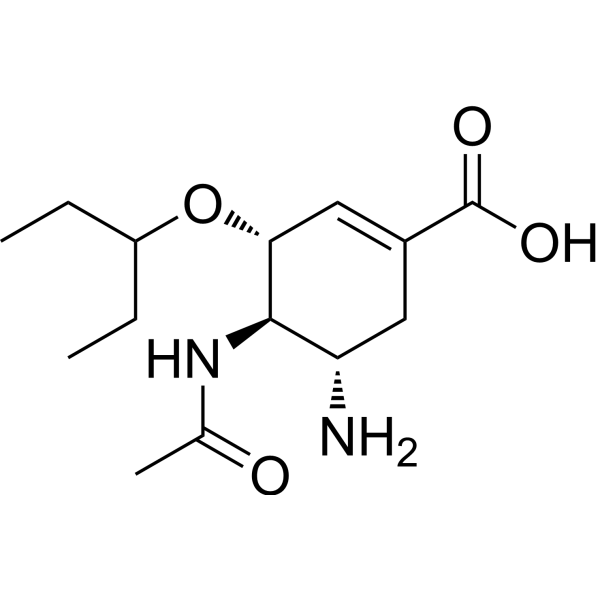
    Oseltamivir acid
    Maximum Cited Publications
    75 Publications Verification

    GS 4071; Ro 64-0802; Oseltamivir carboxylate

    Influenza Virus Drug Metabolite Infection Neurological Disease
    Oseltamivir acid (GS 4071), the active metabolite of Oseltamivir phosphate, is an orally bioavailable, potent and selective inhibitor of influenza virus neuraminidase (IC50=2 nM) with activity against both influenza A and B viruses. Oseltamivir acid has an extremely weak ability to penetrate the BBB under normal physiological conditions, but its blood-brain barrier penetration is significantly enhanced under inflammatory conditions .
    Oseltamivir acid
  • HY-130795
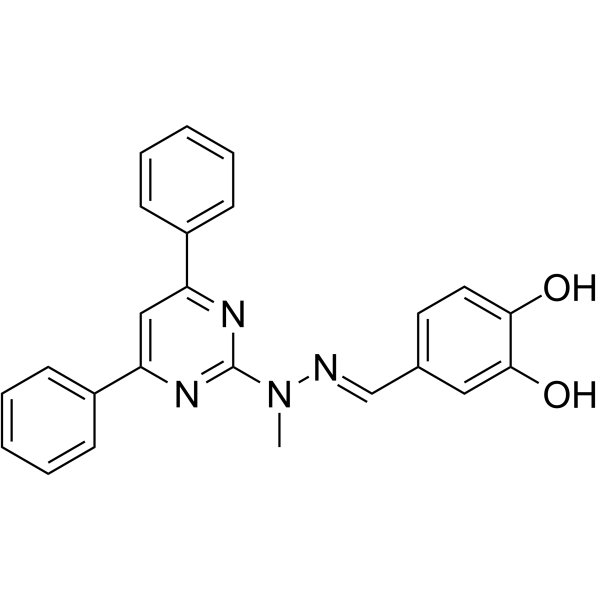
    GSK-3β inhibitor 2
    1 Publications Verification

    GSK-3 Neurological Disease
    GSK-3β inhibitor 2 (Compound 3) is a potent, selective and orally active GSK-3β inhibitor with an IC50 of 1.1 nM. GSK-3β inhibitor 2 can cross the blood-brain barrier. GSK-3β inhibitor 2 has the potential for Alzheimer's disease .
    GSK-3β inhibitor 2
  • HY-137207
    MK-28
    5+ Cited Publications

    PERK Neurological Disease
    MK-28 is a potent and selective PERK activator. MK-28 exhibits remarkable pharmacokinetic properties and high BBB penetration in mice .
    MK-28
  • HY-108625
    SHA 68
    1 Publications Verification

    Neuropeptide S Receptor Neurological Disease
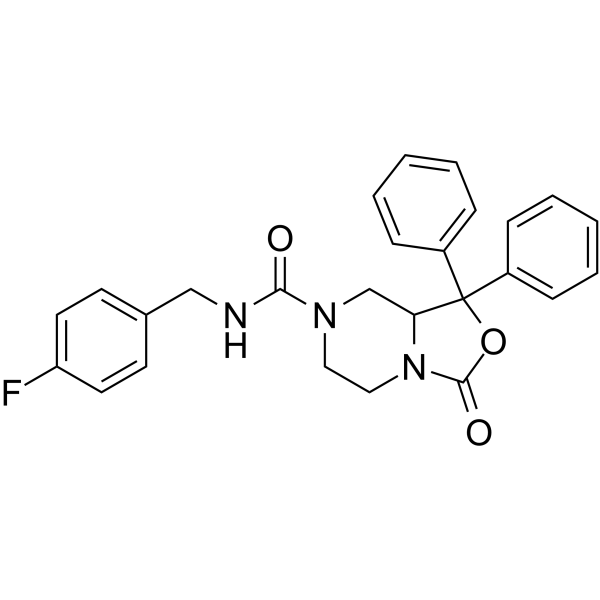
    SHA 68 is a potent and selective non-peptide neuropeptide S receptor (NPSR) antagonist with IC50s of 22.0 and 23.8 nM for NPSR Asn 107 and NPSR Ile 107, respectively. SHA 68 has limited the blood-brain barrier (BBB) penetration and the activity in neuralgia .
    SHA 68
  • HY-13788
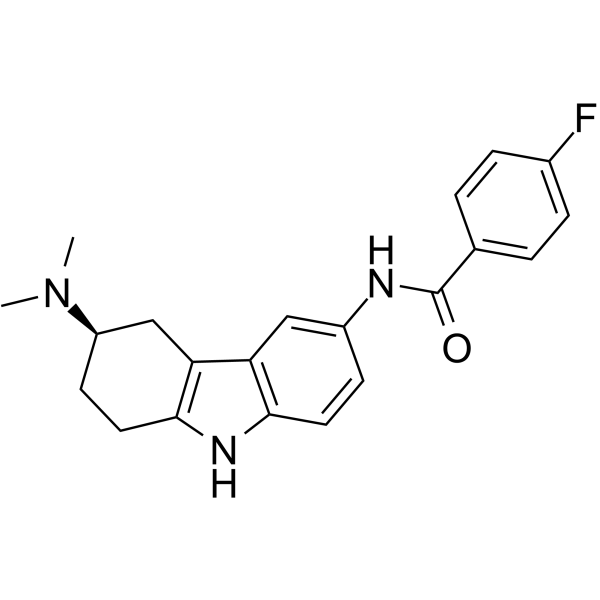
    LY 344864
    2 Publications Verification

    5-HT Receptor Adrenergic Receptor Neurological Disease
    LY 344864 is a selective, orally active 5-HT1F receptor agonist with a Ki of 6 nM. LY 344864 is a full agonist producing an effect similar in magnitude to serotonin itself. LY 344864 can cross the blood brain barrier to some extent .
    LY 344864
  • HY-122559

    mGluR Neurological Disease
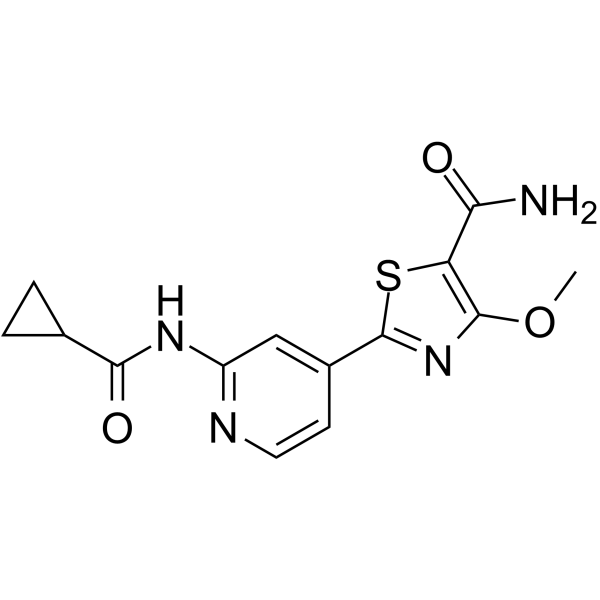
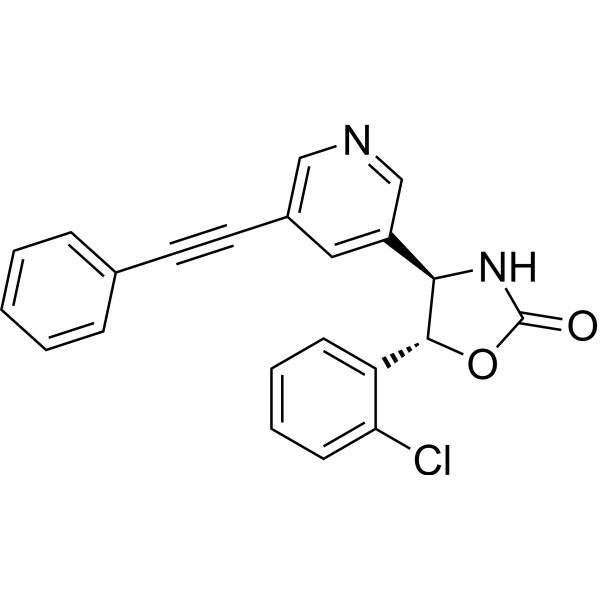
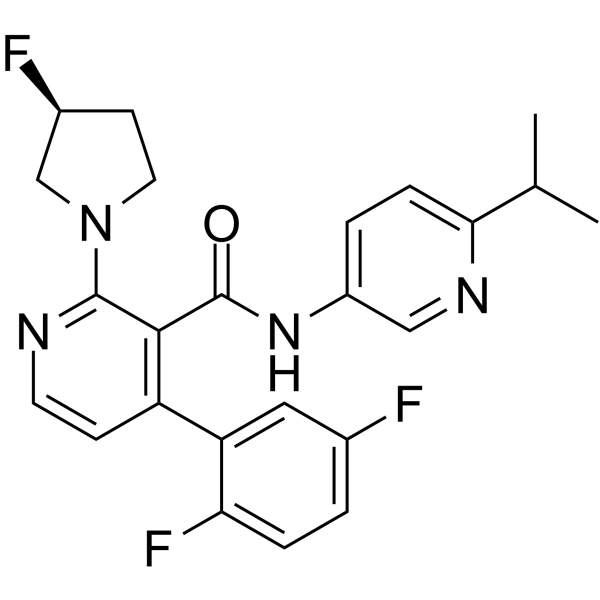
    BMS-984923, a potent mGluR5 silent allosteric modulator (SAM), with exquisite binding affinity (Ki = 0.6 nM), exhibits good oral bioavailability and BBB penetration. BMS-984923 potently inhibits the PrPC-mGluR5 interaction and prevents pathological Aβo signaling without affecting physiological glutamate signaling .
    BMS-984923
  • HY-13318S

    GS 4071-d3; Ro 64-0802-d3; Oseltamivir carboxylate-d3

    Isotope-Labeled Compounds Influenza Virus Drug Metabolite Infection
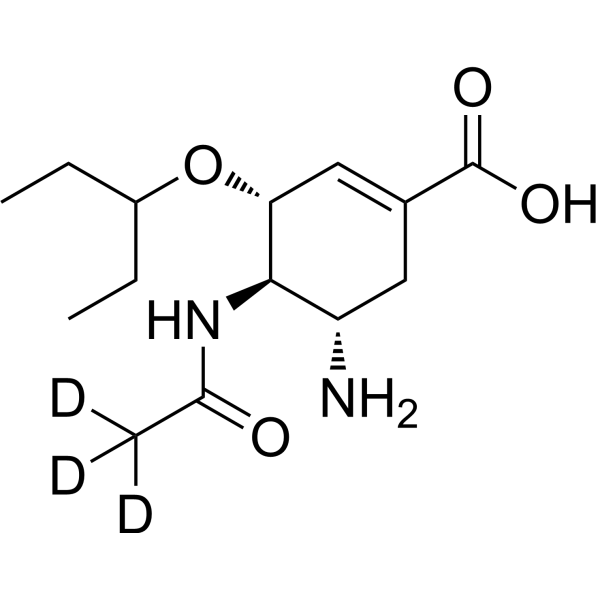
    Oseltamivir acid-d3 is a deuterium labeled Oseltamivir acid (HY-13318). Oseltamivir acid, the active metabolite of Oseltamivir phosphate, is an orally bioavailable, potent and selective inhibitor of influenza virus neuraminidase (IC50=2 nM) with activity against both influenza A and B viruses. Oseltamivir acid has an extremely weak ability to penetrate the BBB under normal physiological conditions, but its blood-brain barrier penetration is significantly enhanced under inflammatory conditions .
    Oseltamivir acid-d3
  • HY-N4134

    NO Synthase Inflammation/Immunology
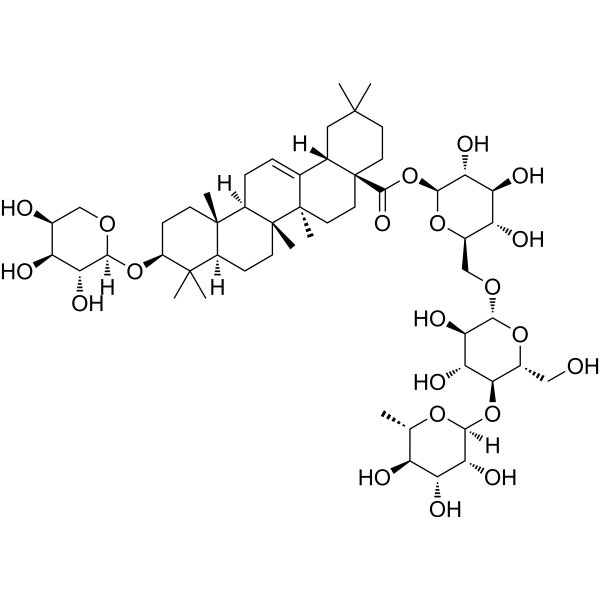
    Ciwujianoside C3, an orally active and brain penetrated compound, is isolated the leaves of Acanthopanax henryi Harms. Ciwujianoside C3 has anti-inflammatory effect and can reinforces object recognition memory .
    Ciwujianoside C3
  • HY-P11195

    Drug Derivative Neurological Disease
    Angiopep-2 azide is a peptide derivative of Angiopep-2 (HY-P2341) bearing a side chain azide (N3) group. Angiopep-2 exhibits high blood-brain barrier (BBB) penetration capability and can be used for brain compound delivery .
    Angiopep-2 azide
  • HY-10096

    GSK-3 Neurological Disease
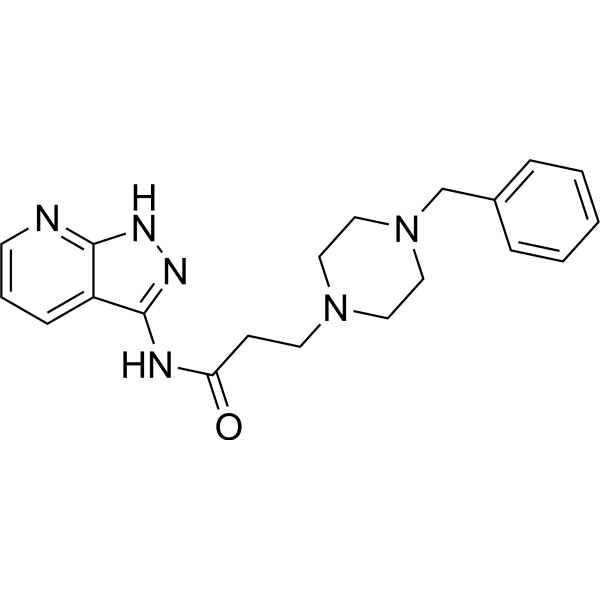
    TCS2002 (Compound 9b) is a highly selective, orally bioavailable and potent GSK-3β inhibitor with the IC50 of 35 nM. TCS2002 shows good pharmacokinetic profiles including favorable BBB penetration. TCS2002 can be used for the research of Alzheimer’s disease .
    TCS2002
  • HY-126429

    Sodium Channel Neurological Disease
    Nav1.1 activator 1 (compound 4), a highly potent Nav1.1 activator with BBB penetration, increases decay time constant τ of Nav1.1 currents at 0.03 μM along with significant selectivity against Nav1.2, Nav1.5, and Nav1.6 .
    Nav1.1 activator 1
  • HY-144389

    Cholinesterase (ChE) Amyloid-β Neurological Disease
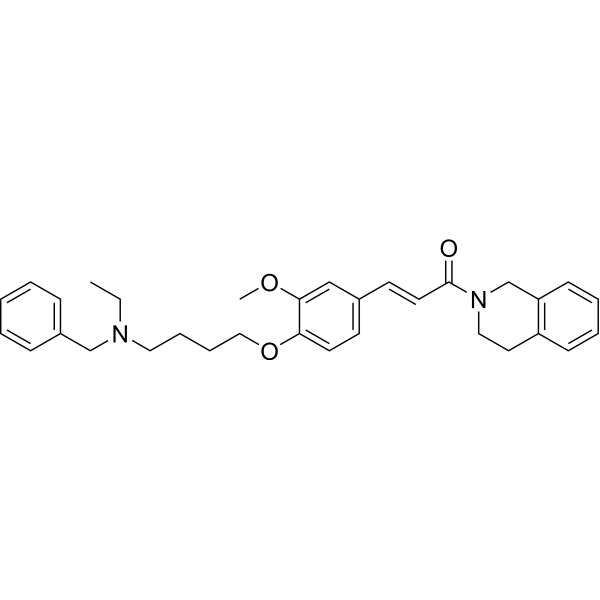
    hAChE/Aβ1-42-IN-1 (Compound 16) is a potent inhibitor of hAChE and Aβ1-42 aggregation. hAChE/Aβ1-42-IN-1 shows acceptable relative safety upon hepG2 cell line and excellent BBB penetration with wide safety margin. hAChE/Aβ1-42-IN-1 has the potential for the research of Alzheimer disease (AD) .
    hAChE/Aβ1-42-IN-1
  • HY-168563

    Cholinesterase (ChE) FAAH Neurological Disease
    BuChE-IN-15 (compound D12) is a selective BuChE/FAAH dual inhibitor with and show IC50 values of 81 and 400 nM for hBuChE and hFFAH, respectively. BuChE-IN-15 possesses good BBB penetration, and shows neuroprotection.BuChE-IN-15 can be used for study of Alzheimer .
    BuChE-IN-15
  • HY-114320

    TM-10

    Cholinesterase (ChE) Neurological Disease
    BuChE-IN-TM-10 (TM-10) is a potent butyrylcholinesterase (BuChE) inhibitor, with an IC50 of 8.9 nM. BuChE inhibitor 1 inhibits and disaggregates self-induced Aβ aggregation, exhibiting potent antioxidant activity and good blood-brain barrier (BBB) penetration. Has potential to treat Alzheimer’s disease .
    BuChE-IN-TM-10
  • HY-106768

    CB 10-375; NSC 283162

    DNA Alkylator/Crosslinker Cancer
    Trimelamol (CB10-375; NSC283162) is a highly efficient acid-catalyzed DNA interstrand crosslinker with low neurotoxicity due to its limited BBB penetration. Trimelamol exhibits anti-tumor activity and overcomes platinum resistance. Trimelamol is investigated for lung and ovarian cancer research [1][2][3][4][5].
    Trimelamol
  • HY-N4190

    1,6-O,O-Diacetylbritannilactone; Di-O-acetylbritannilactone

    NO Synthase Neurological Disease Inflammation/Immunology
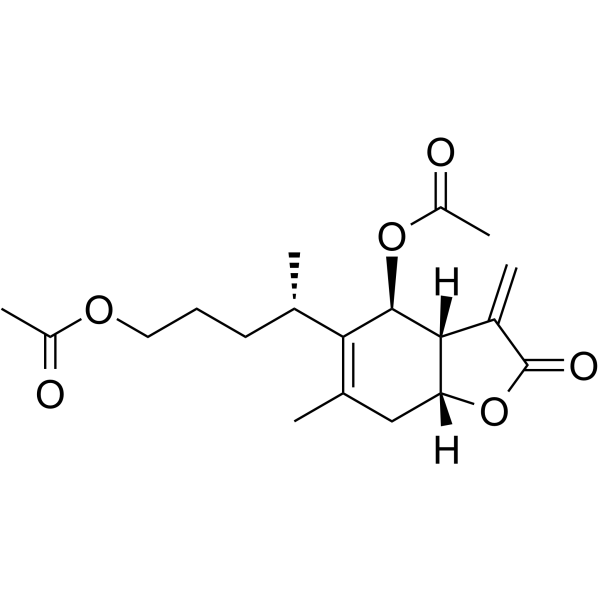
    Britannilactone diacetate (1,6-O,O-Diacetylbritannilactone; Compound 2) exhibits potential NO inhibition effect. Britannilactone diacetate exhibits activity against NO production induced by LPS in BV-2 microglial cells with the EC50 value of 6.3 μM. Britannilactone diacetate exhibits a favorable blood-brain barriers (BBB) penetration and absorption, distribution, metabolism, excretion, and toxicity (ADMET) property .
    Britannilactone diacetate
  • HY-175675

    P2Y Receptor Keap1-Nrf2 Cardiovascular Disease Neurological Disease
    P2Y1 antagonist 4 is a selective P2Y1 receptor antagonist with excellent blood-brain barrier (BBB) penetration. P2Y1 antagonist 4 inhibits P2Y1 receptor-mediated cytosolic Ca 2+ increase (IC50 = 1.95 μM) and platelet aggregation (IC50 = 3.24 μM) induced by ADP in rabbit washed platelets. P2Y1 antagonist 4 significantly upregulates the level of nuclear Nrf2 protein in H2O2-treated HT22 cells. P2Y1 antagonist 4 reduces myocardial infarct size in a mouse acute myocardial infarction (MI) model. P2Y1 antagonist 4 can be used for the study of ischemic stroke and myocardial infarction .
    P2Y1 antagonist 4
  • HY-144388

    Cholinesterase (ChE) Amyloid-β Neurological Disease
    ChE/Aβ1-42-IN-1 (compound 28) is a potent ChE and 1-42 aggregation inhibitor with IC50s of 0.062, 0.767 and 1.227 µM for AChE, BuChE and Aβ1-42 aggregation, respectively. ChE/β1-42-IN-1 shows excellent BBB penetration. ChE/Aβ1-42-IN-1 is a potent multi-targeted anti-Alzheimer's agent .
    ChE/Aβ1-42-IN-1
  • HY-147821

    Cannabinoid Receptor Metabolic Disease
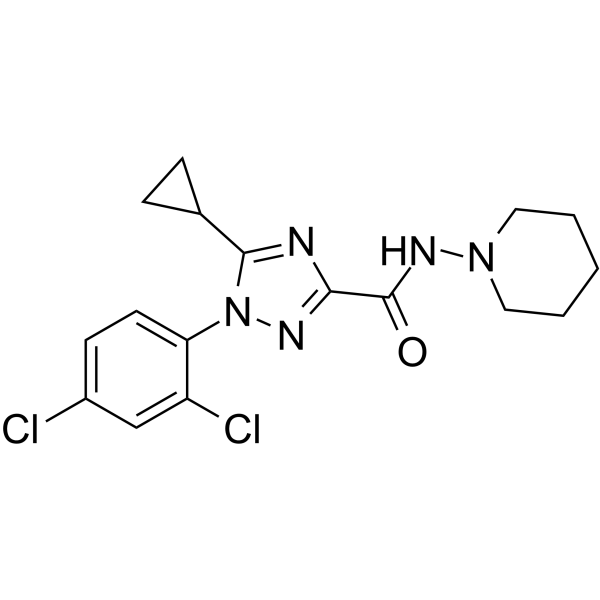
    CB1-IN-2 (Compound 4g) is a selective CB1 inhibitor with an IC50 of 0.644 μM. CB1-IN-2 can penetrates BBB and might cause CNS side effect similar with Rimonabant .
    CB1-IN-2
  • HY-147151

    Biochemical Assay Reagents Others
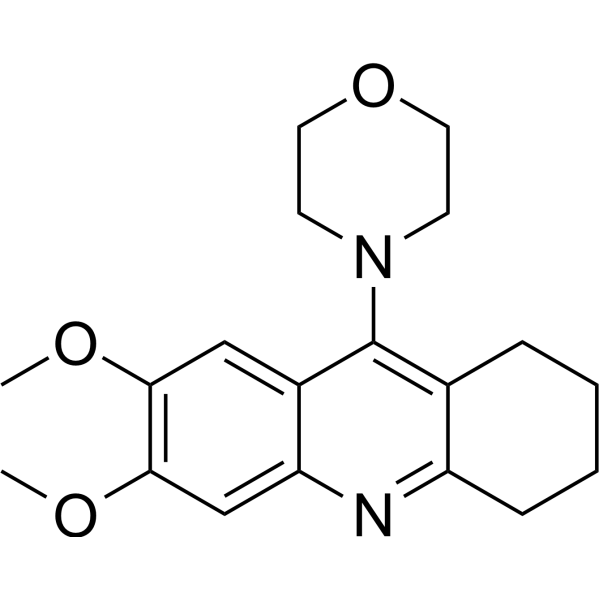
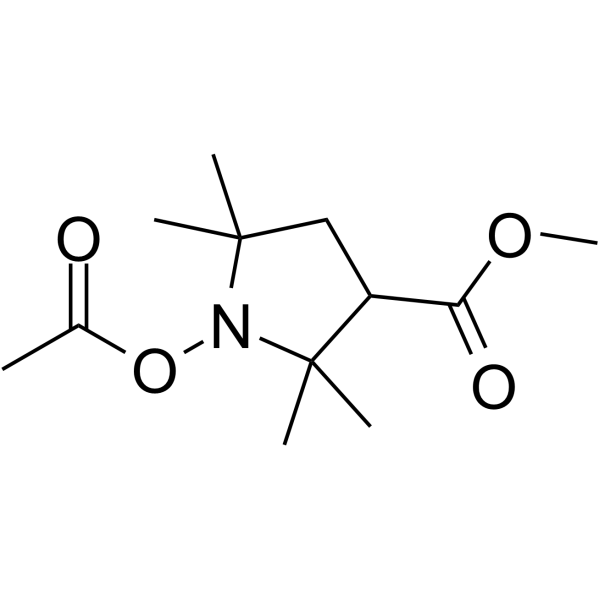
    AMCPy is a potent electron paramagnetic resonance (EPR) brain imaging agent, possessing excellent lipophilicity for blood brain barrier (BBB) penetration .
    AMCPy
  • HY-150972

    Fungal Infection
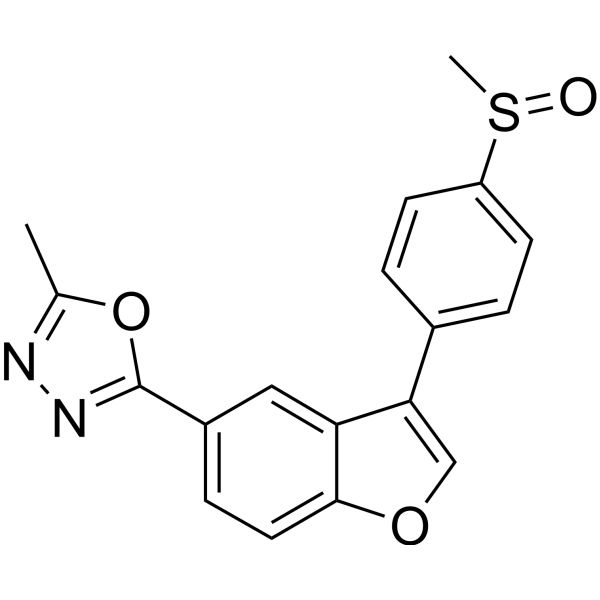
    P163-0892 is a potent and selective antifungal agent against Cryptococcus species. P163-0892 is predicted to show medium BBB penetration .
    P163-0892
  • HY-169287

    Apoptosis Ferroptosis Neurological Disease Cancer
    TriPEX-ClO4 is a cationic fluorescent anticancer agent capable of BBB penetration. TriPEX-ClO4 can induces apoptosis and ferroptosis and can be used for study of cancer and brain diseases .
    TriPEX-ClO4
  • HY-13788B

    5-HT Receptor Adrenergic Receptor Neurological Disease
    LY 344864 hydrochloride is a selective, orally active 5-HT1F receptor agonist with a Ki of 6 nM. LY 344864 hydrochloride is a full agonist producing an effect similar in magnitude to serotonin itself. LY 344864 hydrochloride can cross the blood brain barrier to some extent .
    LY 344864 hydrochloride
  • HY-161029

    Cholinesterase (ChE) Neurological Disease
    T14-A24 is an orally active, reversible, competitive, and selective AChE inhibitor (Ki=22 nM, IC50=6 nM). T14-A24 has benign BBB penetration, remarkable neuroprotective effect, and safe toxicological profile .
    T14-A24
  • HY-168241

    Cholinesterase (ChE) 5-HT Receptor Infection
    Flucopride (Compound 4a) is an AChE inhibitor (IC50: 24 nM), and a partial 5-HT4R agonist (Ki: 9.6 nM for (h)5-HT4R). Flucopride promotes the non-amyloidogenic processing of APP in COS-7 transiently expressing (h)5-HT4R (EC50: 23.0 nM). Flucopride may has good gastrointestinal track (GIT) penetration, and blood-brain barrier (BBB) cross-membrane penetration (PAMPA assay) .
    Flucopride
  • HY-143413

    Amyloid-β Neurological Disease Inflammation/Immunology
    BuChE-IN-2 is an excellent butyrylcholinesterase (BuChE) inhibitor (IC50s of 1.28 μM and 0.67 μM for BuChE and NO). BuChE-IN-2 can inhibit the aggregation of Aβ, ROS formation and chelate Cu 2+, exhibiting proper blood-brain barrier (BBB) penetration. BuChE-IN-2 has potential to research Alzheimer’s disease .
    BuChE-IN-2
  • HY-D2343

    Biochemical Assay Reagents Neurological Disease
    PB0822 can be used for in vivo PET imaging when labeled with [ 18F]fluoride. [ 18F]PB0822 is a PET radioligand. [ 18F]PB0822 has a cLogP value of 1.54, which is a good predictive index for BBB penetration. [ 18F]PB0822 can be used for Alzheimer’s Disease research .
    PB0822
  • HY-108625R

    Neuropeptide S Receptor Neurological Disease
    SHA 68 (Standard) is the analytical standard of SHA 68. This product is intended for research and analytical applications. SHA 68 is a potent and selective non-peptide neuropeptide S receptor (NPSR) antagonist with IC50s of 22.0 and 23.8 nM for NPSR Asn107 and NPSR Ile107, respectively. SHA 68 has limited the blood-brain barrier (BBB) penetration and the activity in neuralgia .
    SHA 68 (Standard)
  • HY-175670

    GABA Receptor Neurological Disease
    GABAA receptor modulator-10 is an orally active, potent positive allosteric modulator (PAM) of the α1β2γ2 GABAA receptor with favorable blood-brain barrier (BBB) penetration. GABAA receptor modulator-10 enhances α1β2γ2 GABAA receptor function and potentiates GABA-evoked currents. GABAA receptor modulator-10 demonstrates potent antiepileptic efficacy in both the Pentetrazol (PTZ)- and Kainic Acid (KA) (HY-N2309)-induced mice epilepsy models. GABAA receptor modulator-10 can be used for the study of epilepsy .
    GABAA receptor modulator-10
  • HY-164512

    Drug Intermediate Neurological Disease
    NRMA-I is the amide produrg of the small molecule nuclear receptor modulator. NRMA-I exhibits a higher exposure in the brain, indicating that a good blood-brain barrier (BBB) penetration. NRMA-I can be used for research of central nervous system diseases related to nuclear receptors, such as Alzheimer's disease and Parkinson's disease .
    NRMA-I
  • HY-164505

    Drug Intermediate Neurological Disease
    NRMA-9 is the amide produrg of the small molecule nuclear receptor modulator. NRMA-9 exhibits a higher exposure in the brain, indicating that a good blood-brain barrier (BBB) penetration. NRMA-9 can be used for research of central nervous system diseases related to nuclear receptors, such as Alzheimer's disease and Parkinson's disease .
    NRMA-9
  • HY-181711

    NO Synthase Neurological Disease Cancer
    nNOS-IN-6 is a human neuronal nitric oxide synthase (hnNOS) inhibitor with a human hnNOS Ki of 16 nM, ~1800-fold selectivity over human eNOS, ~2900-fold selectivity over human iNOS, and a rat nNOS Ki of 34 nM.nNOS-IN-6 exhibits high effective permeability in PAMPA-BBB assays, crosses the blood-brain barrier, and shows sustained systemic exposure, low clearance, and robust brain penetration in mouse in vivo pharmacokinetic studies.nNOS-IN-6 can be used for the research of neurodegenerative diseases, melanoma .
    nNOS-IN-6
  • HY-181047

    Dopamine Receptor Neurological Disease
    FMJ-01-042 is a blood-brain barrier-permeable, low-efficacy partial agonist with high affinity (Kᵢ = 4.33 nM) and exceptional subtype selectivity for the dopamine D4 receptor. FMJ-01-042 exhibits good metabolic stability and is suitable for research on neurological and psychiatric disorders .
    FMJ-01-042

Inquiry Online

Your information is safe with us. * Required Fields.

Salutation


Country or Region *

Applicant Name *


Organization Name *

Department *


Email Address *


Product Name *

Cat. No.


Requested quantity *

Phone Number *


Remarks

Inquiry Online

Inquiry Information

Product Name:
Cat. No.:
Quantity:
MCE Japan Authorized Agent:

