
1. Search Result
Search Result
Pathways Recommended: Metabolic Enzyme/Protease
Results for "

Lipid metabolic disorders

" in MedChemExpress (MCE) Product Catalog:

24

Inhibitors & Agonists

4

Peptides

6

Natural
Products

Cat. No. Product Name Target Research Areas Chemical Structure
  • HY-B1268
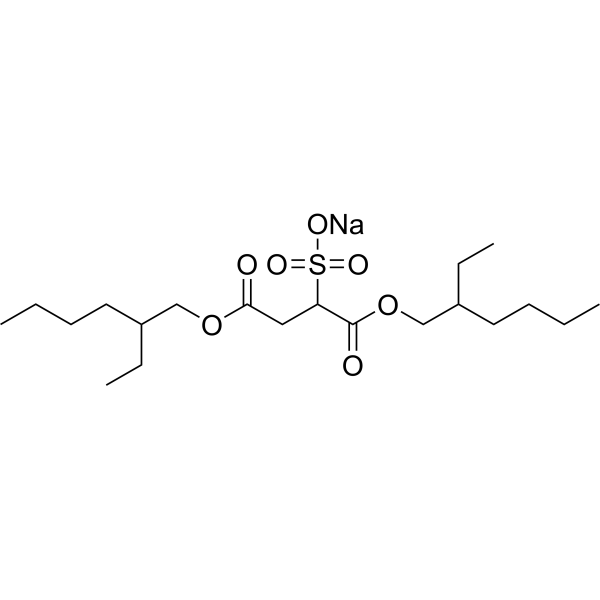
    Docusate Sodium
    2 Publications Verification

    Dioctyl sulfosuccinate sodium salt

    Environmental Pollutants HSV Others
    Docusate Sodium (Dioctyl sulfosuccinate sodium salt) is one of the main components in stool softeners. Docusate Sodium is a sulfated surfactant and may inactivate viral pathogens by disrupting viral envelopes and/or denaturing/disassociating proteins. Docusate Sodium is effective in vitro against wild type and drug-resistant strains of HSV type 1 and 2. Docusate Sodium is an obesogen. Docusate Sodium with developmental exposure leads to increased adult adiposity, inflammation, metabolic disorder and dyslipidemia in offspring fed a standard diet in mice .
    Docusate Sodium
  • HY-N9933
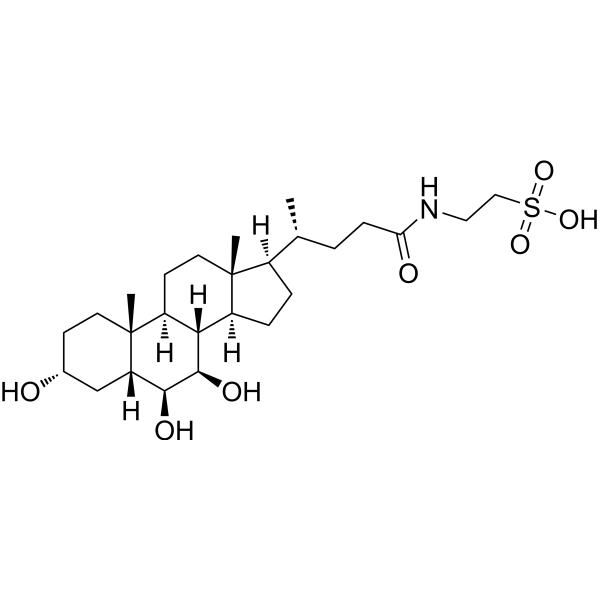
    Tauro-β-muricholic acid
    4 Publications Verification

    TβMCA

    FXR Apoptosis Neurological Disease Metabolic Disease Inflammation/Immunology Cancer
    Tauro-β-muricholic acid (TβMCA) is an orally active trihydroxylated bile acid and a competitive, reversible FXR antagonist (IC50=40 μM). Tauro-β-muricholic acid inhibits bile acid-induced hepatocyte apoptosis by maintaining mitochondrial membrane potential, while simultaneously inhibiting intestinal FXR signaling, affecting bile acid synthesis, hepatic lipid metabolism, and insulin sensitivity. Accumulation of tauro-β-muricholic acid disrupts metabolic homeostasis, promoting cancer stem cell proliferation and tumor progression. The mechanisms of tauro-β-muricholic acid involve two aspects: first, inhibiting the translocation of the pro-apoptotic protein Bax to mitochondria and maintaining mitochondrial membrane potential (MMP); and second, blocking the FXR signaling pathway to regulate bile acid metabolism, reduce serum ceramide production, and downregulate the hepatic SREBP1C/CIDEA pathway. Tauro-β-muricholic acid possesses anti-hepatocyte apoptosis, bile acid homeostasis regulation, and liver fat accumulation reduction properties, and also functions as a biomarker, making it useful in the study of diseases such as bile acid metabolism disorders, non-alcoholic fatty liver disease, colorectal cancer, and liver fibrosis .
    Tauro-β-muricholic acid
  • HY-154918

    Drug Metabolite Metabolic Disease
    LysoPE (18:2/0:0) is a lysophosphatidylethanolamine implicated in phospholipid metabolism. LysoPE (18:2/0:0) shows significantly altered serum levels in mice exposed to a combination of DEHP (HY-B1945) and Aroclor 1254, which is associated with disturbed phospholipid metabolism. LysoPE (18:2/0:0) can be used for the research of endocrine-disrupting compound-induced metabolic disorders and lipid metabolism disturbance. LysoPE (18:2/0:0) is identified as a potential biomarker for the combined toxicity of DEHP and Aroclor 1254 .
    LysoPE(18:2/0:0)
  • HY-P2048
    MOTS-c (human)
    1 Publications Verification

    Apoptosis GLUT AMPK Neurological Disease Metabolic Disease Inflammation/Immunology Endocrinology
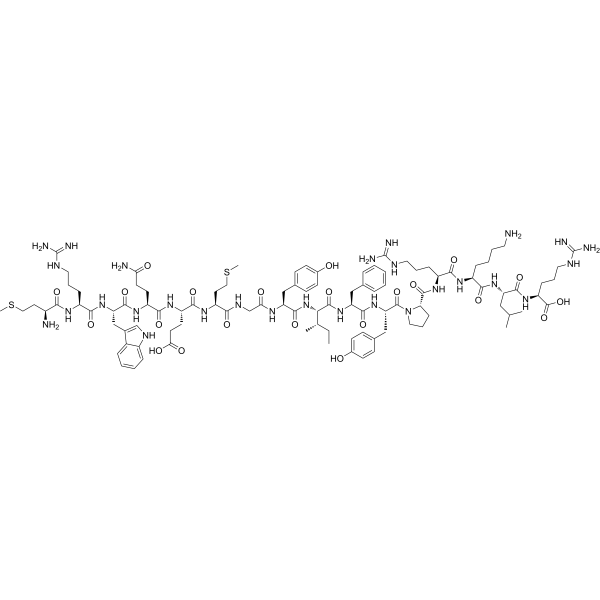
    MOTS-c (human) is a blood-brain barrier-penetrating, mitochondrial-derived peptide that modulates the AMPK/PGC-1α pathway to enhance insulin sensitivity. MOTS-c (human) inhibits the folate cycle and de novo purine synthesis, increases AICAR levels to activate AMPK, and then regulates the Nrf2/Keap1 antioxidant pathway and inhibits the NF-κB inflammatory pathway, while promoting mitochondrial biogenesis and energy metabolism. MOTS-c (human) has the effects of improving glucose and lipid metabolism, anti-oxidative stress, anti-inflammatory and neuroprotection, and can be used in the study of type 2 diabetes, traumatic brain injury, inflammatory diseases and aging-related metabolic disorders .
    MOTS-c (human)
  • HY-101036
    Choline bitartrate
    4 Publications Verification

    mAChR Endogenous Metabolite Neurological Disease Cancer
    Choline bitartrate is a vitamin-like essential nutrient, can affect diseases such as liver disease, atherosclerosis and neurological disorders . Choline bitartrate is a precursor for the neurotransmitter acetylcholine, as a methyl donor in various metabolic processes, and in lipid metabolism .
    Choline bitartrate
  • HY-P1723
    Spexin
    2 Publications Verification

    Neuropeptide Q

    Neuropeptide Y Receptor Apoptosis Ferroptosis Autophagy Cardiovascular Disease Neurological Disease
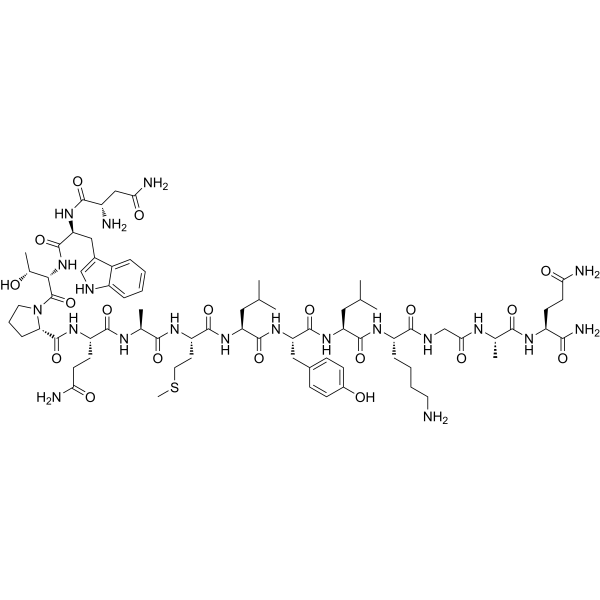
    Spexin (Neuropeptide Q) is a selective agonist of galanin receptors GAL2 and GAL3, and is a conserved peptide that functions as a neurotransmitter/neuromodulator and endocrine factor. Spexin can function through both central and peripheral actions. Spexin upregulates Beclin 1 to inhibit ferroptosis induced by excessive autophagy, reduces the uptake of long-chain fatty acids by adipocytes, and regulates energy metabolism by increasing lipid oxidation (e.g., reducing the respiratory exchange ratio in rodents). Spexin improves cardiac function in the Doxorubicin hydrochloride (HY-15142)-induced cardiotoxicity model, protects mitochondrial membrane potential, and reduces iron accumulation and lipid peroxidation. Spexin can be used to study obesity and its related metabolic disorders, cardiovascular diseases (e.g., cardioprotection), and side effects of tumor chemotherapy .
    Spexin
  • HY-P2048A
    MOTS-c(human) acetate
    1 Publications Verification

    AMPK GLUT Neurological Disease Metabolic Disease Inflammation/Immunology Endocrinology
    MOTS-c (human) acetate is a blood-brain barrier-penetrating, mitochondrial-derived peptide that modulates the AMPK/PGC-1α pathway to enhance insulin sensitivity. MOTS-c (human) acetate inhibits the folate cycle and de novo purine synthesis, increases AICAR levels to activate AMPK, and then regulates the Nrf2/Keap1 antioxidant pathway and inhibits the NF-κB inflammatory pathway, while promoting mitochondrial biogenesis and energy metabolism. MOTS-c (human) acetate has the effects of improving glucose and lipid metabolism, anti-oxidative stress, anti-inflammatory and neuroprotection, and can be used in the study of type 2 diabetes, traumatic brain injury, inflammatory diseases and aging-related metabolic disorders .
    MOTS-c(human) acetate
  • HY-B1268R

    Dioctyl sulfosuccinate sodium salt (Standard)

    Reference Standards HSV Others
    Docusate (Sodium) (Standard) is the analytical standard of Docusate (Sodium). This product is intended for research and analytical applications. Docusate Sodium (Dioctyl sulfosuccinate sodium salt) is one of the main components in stool softeners. Docusate Sodium is a sulfated surfactant and may inactivate viral pathogens by disrupting viral envelopes and/or denaturing/disassociating proteins. Docusate Sodium is effective in vitro against wild type and drug-resistant strains of HSV type 1 and 2. Docusate Sodium is an obesogen. Docusate Sodium with developmental exposure leads to increased adult adiposity, inflammation, metabolic disorder and dyslipidemia in offspring fed a standard diet in mice .
    Docusate Sodium (Standard)
  • HY-163436

    FXR Cytochrome P450 RAR/RXR PPAR ROR Metabolic Disease
    F44-A13 is an orally active and highly selective farnesoid X receptor (FXR) antagonist with an IC50 value of 1.1 μM. F44-A13 can optimize cholesterol metabolism and reduce its activity by inducing CYP7A1 expression. F44-A13 reduces levels of cholesterol, triglycerides, and low-density lipoprotein cholesterol (LDL-C) in mouse models. F44-A13 can be used in the study of metabolic diseases associated with lipid disorders .
    F44-A13
  • HY-101036R

    Reference Standards mAChR Endogenous Metabolite Neurological Disease Cancer
    Choline (bitartrate) (Standard) is the analytical standard of Choline (bitartrate). This product is intended for research and analytical applications. Choline bitartrate is a vitamin-like essential nutrient, can affect diseases such as liver disease, atherosclerosis and neurological disorders . Choline bitartrate is a precursor for the neurotransmitter acetylcholine, as a methyl donor in various metabolic processes, and in lipid metabolism .
    Choline bitartrate (Standard)
  • HY-178794

    PGE synthase Inflammation/Immunology
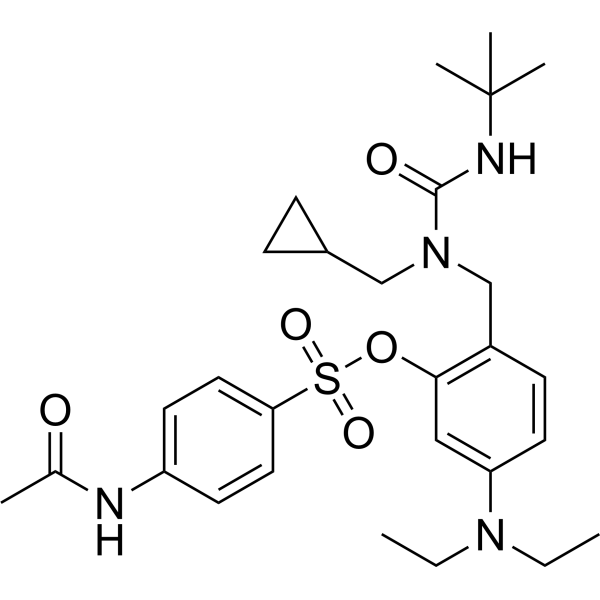
    AGU661 is a Microsomal prostaglandin E2 synthase 1 (mPGES-1) inhibitor with an IC50 of 0.22  nM. AGU661 lowers PGE2 formation in human pro-inflammatory M1 macrophages and activated monocytes without affecting other lipid mediator pathways. AGU661 has unfavorable physicochemical properties with poor metabolic stability and strong plasma protein binding tendencies. AGU661 into PLGA-based NPs significantly enhances its bioactivity. AGU661 can be used for inflammatory disorders research .
    AGU661
  • HY-N8466

    Reactive Oxygen Species (ROS) Metabolic Disease
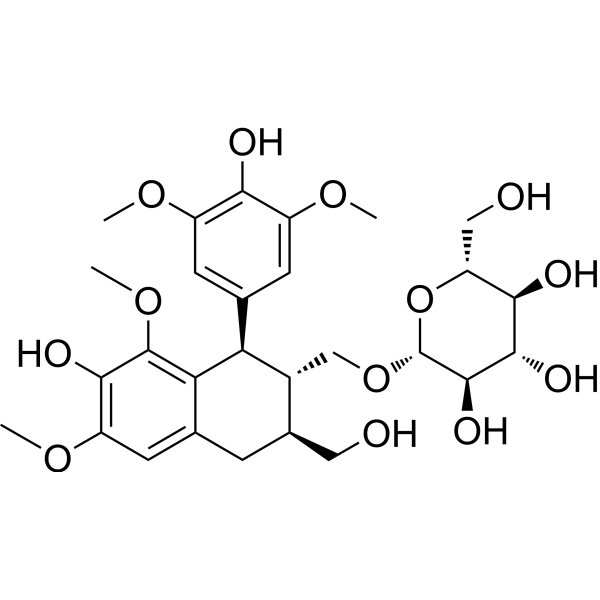
    (-)-Lyoniresinol 9'-O-glucoside is an inhibitor of ROS. (-)-Lyoniresinol 9'-O-glucoside reduces lipid accumulation and lipid metabolic disorders in FFAs-exposed HepG2 cells. (-)-Lyoniresinol 9'-O-glucoside inhibits high glucose-induced reactive oxygen species production .
    (-)-Lyoniresinol 9'-O-glucoside
  • HY-P1723A

    Neuropeptide Q TFA

    Neuropeptide Y Receptor Apoptosis Ferroptosis Autophagy Cardiovascular Disease Metabolic Disease
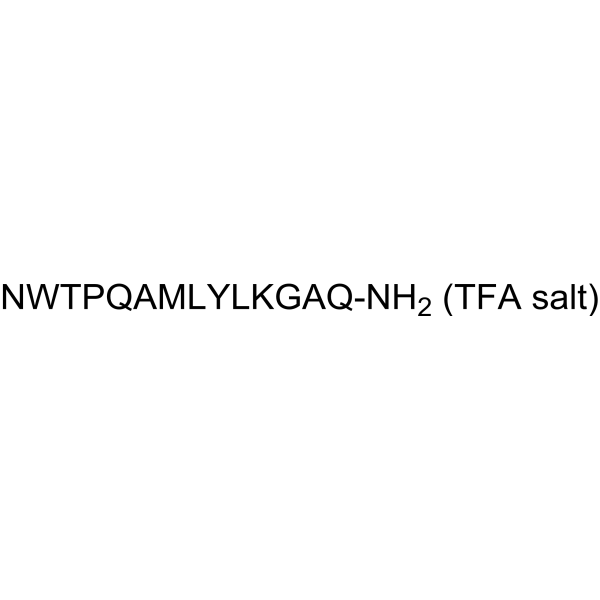
    Spexin (Neuropeptide Q) TFA is a selective agonist of galanin receptors GAL2 and GAL3, and is a conserved peptide that functions as a neurotransmitter/neuromodulator and endocrine factor. Spexin TFA can function through both central and peripheral actions. Spexin TFA upregulates Beclin 1 to inhibit ferroptosis induced by excessive autophagy, reduces the uptake of long-chain fatty acids by adipocytes, and regulates energy metabolism by increasing lipid oxidation (e.g., reducing the respiratory exchange ratio in rodents). Spexin TFA improves cardiac function in the Doxorubicin hydrochloride (HY-15142)-induced cardiotoxicity model, protects mitochondrial membrane potential, and reduces iron accumulation and lipid peroxidation. Spexin TFA can be used to study obesity and its related metabolic disorders, cardiovascular diseases (e.g., cardioprotection), and side effects of tumor chemotherapy .
    Spexin TFA
  • HY-111327

    Glycosidase Metabolic Disease
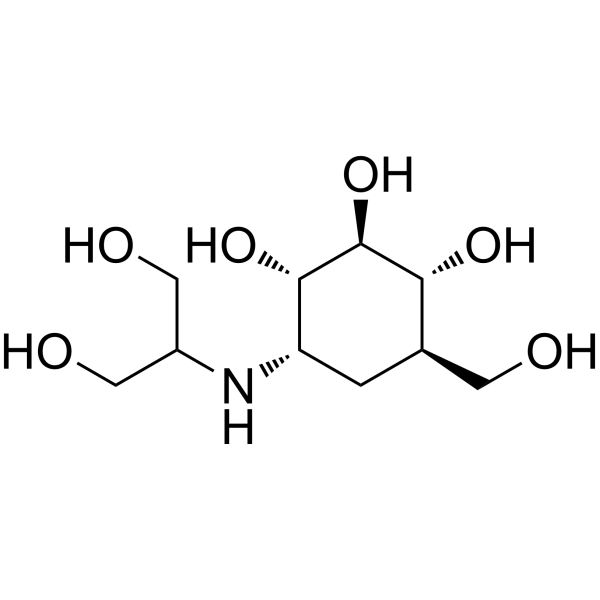
    Valibose is analpha-glucosidaseinhibitor, and ameliorates the metabolic disorder of glucose and lipids and the nephropathy in Streptozotocin (HY-13753)-induced diabetic rats .
    Valibose
  • HY-139175

    PPAR Others
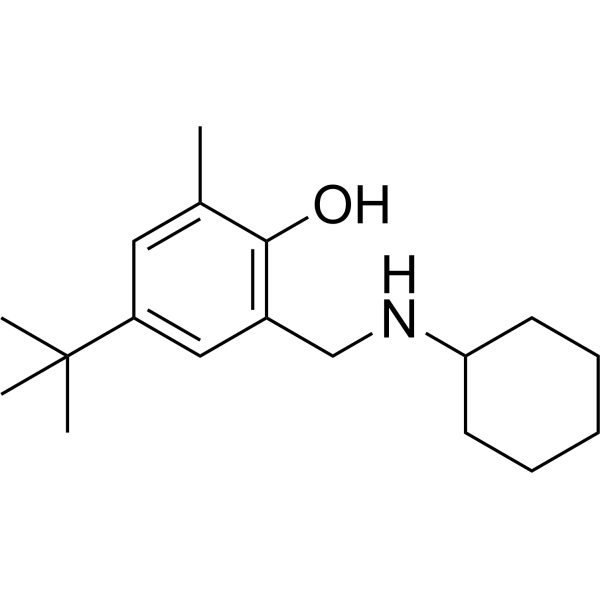
    ZLY032 is a dual FFA1/PPARδ agonist with the activity of improving glucose and lipid metabolism, alleviating liver fibrosis, and potentially inhibiting metabolic disorders.
    ZLY032
  • HY-156328

    Apoptosis Cancer
    NSC 48160 inhibits the growth of the pancreatic cancer cells with IC50s of 84.3 μM for CPFAC-1 and 94.5 μM for BxPC-3. NSC 48160 also induces pancreatic cancer cell apoptosis. NSC 48160 can improve metabolic syndromes, such as NASH, obesity and lipid metabolism disorders .
    NSC 48160
  • HY-N13198

    Endogenous Metabolite Metabolic Disease
    4-(4-Hydroxyphenyl)-2-butanone 4'-O-β-D-(2-O-galloyl-6-O-cinnamoyl)glucopyranoside is a pancreatic lipase inhibitor, with an IC50 value of 2.91 μM. 4-(4-Hydroxyphenyl)-2-butanone 4'-O-β-D-(2-O-galloyl-6-O-cinnamoyl)glucopyranoside can effectively reduce lipid absorption and regulate obesity-related metabolic disorders, making it useful for research on obesity .
    4-(4-Hydroxyphenyl)-2-butanone 4'-O-β-D-(2-O-galloyl-6-O-cinnamoyl)glucopyranoside
  • HY-N11507

    TKV

    PPAR Metabolic Disease
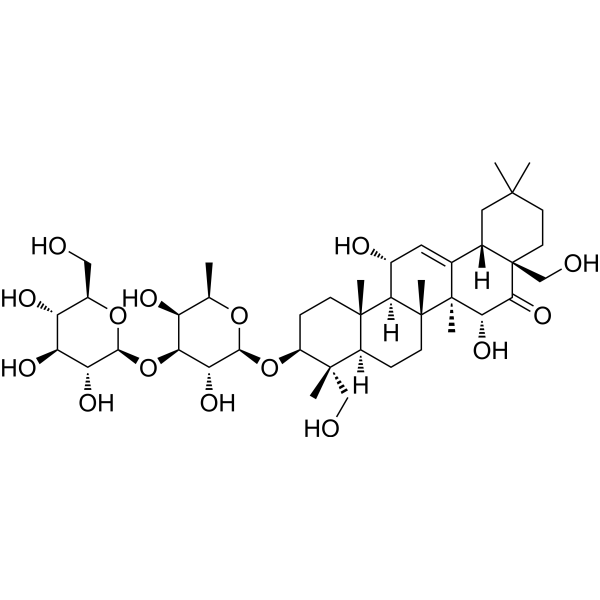
    Tibesaikosaponin V (TKV) is a triterpene diglycoside, which can be isolated from the methanol extract of the roots of Bupleurum chinense DC.. Tibesaikosaponin V inhibits lipid accumulation and triacylglycerol content occurred without cytotoxicity to adipocytes. Tibesaikosaponin V suppresses the mRNA expression of nuclear transcription factors, such as peroxisome proliferator-activated receptor γ (PPARγ) and CCAAT/enhancer binding protein α (C/EBPα). Tibesaikosaponin V inhibits 3T3-L1 preadipocyte differentiation. Tibesaikosaponin V can be used fro research of obesity and its associated metabolic disorders .
    Tibesaikosaponin V
  • HY-W002852

    3-Amino-3-(4-methylphenyl)propanoic acid

    Free Fatty Acid Receptor Metabolic Disease Inflammation/Immunology
    3-Amino-3-(p-tolyl) propionic acid (3-Amino-3-(4-methylphenyl) propanoic acid) is a GPR40 agonist. 3-Amino-3-(p-tolyl) propionic acid is used for research on type 2 diabetes, obesity, metabolic syndrome and lipid disorders .
    3-Amino-3-(p-tolyl)propionic acid
  • HY-119875

    FABP Metabolic Disease
    BMS-480404 is an inhibitor of keratinocyte fatty acid-binding protein (kFABP) and adipocyte lipid-binding protein (aP2). BMS-480404 has a Ki value of 33 nM for kFABP. BMS-480404 can be used in the research of metabolic disorders .
    BMS-480404
  • HY-107387

    PI3K Metabolic Disease Inflammation/Immunology
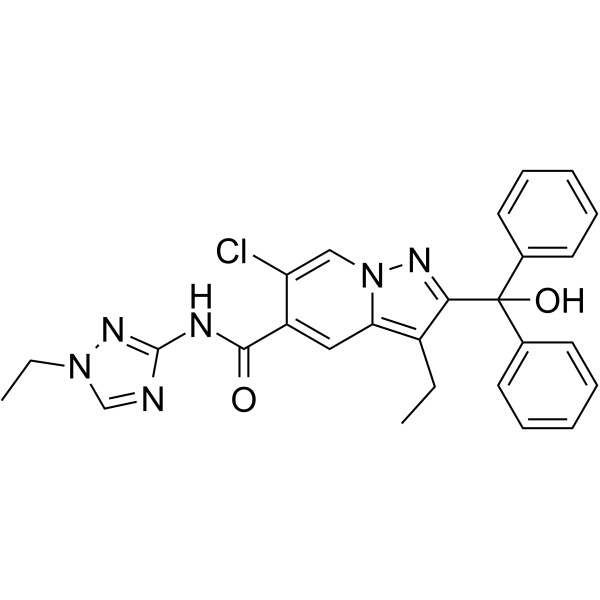
    PF-376304 is an orally active non-specific class I phosphoinositide 3-kinase (PI3K) inhibitor with an IC50 of 0.197 μM against PI3Kγ. PF-376304 induces dose-dependent glucose and lipid metabolic disorders in rats, causes rapid death at high doses, and leads to metabolic abnormalities that are self-reversible at low doses. PF-376304 is applicable to the research of metabolic and inflammatory diseases .
    PF-376304
  • HY-180549

    11β-HSD AMPK Metabolic Disease
    11β-HSD1-IN-25 is a selective and orally active 11β-HSD1 inhibitor. 11β-HSD1-IN-25 effectively reduces glucocorticoid levels in vitro and serum, and diminishes lipid accumulation in both vitro and vivo. 11β-HSD1-IN-25 modulates lipid metabolism through dual mechanisms: inhibition of 11β-HSD1 and activation of the AMP-activated protein kinase (AMPK) signaling pathway. 11β-HSD1-IN-25 can be used for obesity and related metabolic disorders research .
    11β-HSD1-IN-25
  • HY-160631

    Free Fatty Acid Receptor Metabolic Disease
    GPR40 agonist 9 (Example 21) is a G protein-coupled receptor 40 (GPR40) agonist with an EC50 of 0.21 nM. GPR40 agonist 9 is applicable to research related to type 2 diabetes, obesity, and other associated conditions .
    GPR40 agonist 9
  • HY-181876

    FXR Metabolic Disease
    F44-S101 is an orally active, potent, and selective gut-restricted FXR antagonist with an IC50 of 0.48 μM and lipid-lowering activity. F44-S101 selectively antagonizes intestinal FXR, feedback-activates hepatic FXR, promotes cholesterol metabolism and reduces lipid accumulation. F44-S101 decreases total cholesterol, triglyceride and low-density lipoprotein cholesterol levels. F44-S101 can be used in studies related to hyperlipidemia .
    F44-S101

Inquiry Online

Your information is safe with us. * Required Fields.

Salutation


Country or Region *

Applicant Name *


Organization Name *

Department *


Email Address *


Product Name *

Cat. No.


Requested quantity *

Phone Number *


Remarks

Inquiry Online

Inquiry Information

Product Name:
Cat. No.:
Quantity:
MCE Japan Authorized Agent:

