From 11:00 pm to 12:00 pm EST ( 8:00 pm to 9:00 pm PST ) on January 6th, the website will be under maintenance. We are sorry for the inconvenience. Please arrange your schedule properly.
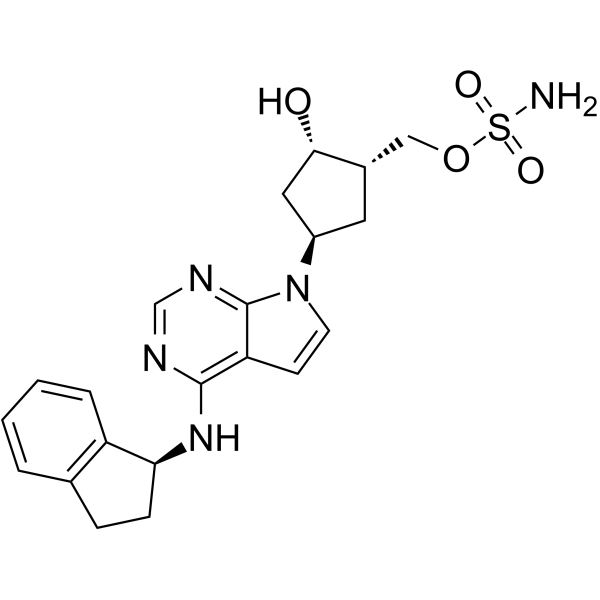
Pevonedistat (MLN4924) is a potent and selective NEDD8-activating enzyme (NAE) inhibitor with an IC50 of 4.7 nM. Pevonedistat induces the deregulation of S-phase DNA synthesis, thereby disrupting protein turnover mediated by cullin-RING ligase, leading to apoptosis of human tumor cells. Pevonedistat suppresses the growth of human tumour xenografts in mice .
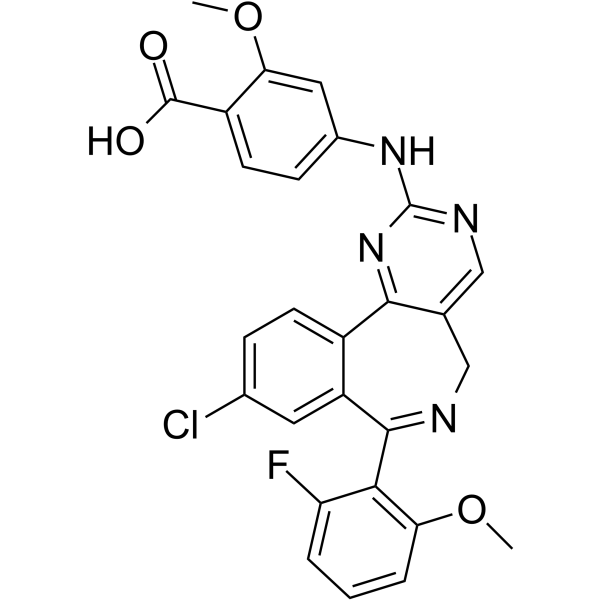
Alisertib (MLN 8237) is an orally active and selective Aurora A kinase inhibitor (IC50=1.2 nM), which binds to Aurora A kinase resulting in mitotic spindle abnormalities, mitotic accumulation. Alisertib (MLN 8237) induces apoptosis and autophagy through targeting the AKT/mTOR/AMPK/p38 pathway in leukemic cells. Antitumor activity .
TAK-243 (MLN7243) is a first-in-class, selective ubiquitin activating enzyme, UAE (UBA1) inhibitor (IC50=1 nM), which blocks ubiquitin conjugation, disrupting monoubiquitin signaling as well as global protein ubiquitination. TAK-243 (MLN7243) induces endoplasmic reticulum (ER) stress, abrogates NF-κB pathway activation and promotes apoptosis .
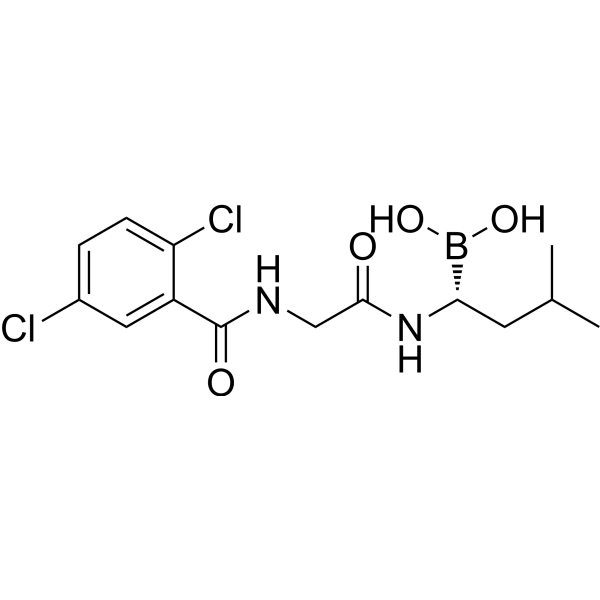
Ixazomib (MLN2238) is a selective, potent, and reversible proteasome inhibitor, which inhibits the chymotrypsin-like proteolytic (β5) site of the 20S proteasome with an IC50 of 3.4 nM (Ki of 0.93 nM).
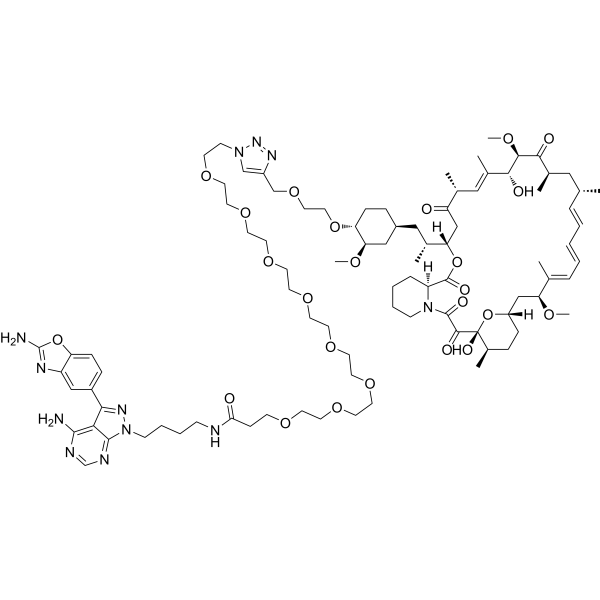
RapaLink-1, the third-generation bivalent mTOR inhibitor, combines Rapamycin (HY-10219) with MLN0128 (HY-13328, a second-generation mTOR kinase inhibitor) by an inert chemical linker. RapaLink-1 shows better efficacy than Rapamycin or mTOR kinase inhibitors (TORKi), potently blocking cancer-derived, activating mutants of mTOR. RapaLink-1 can cross the blood-brain barrier. RapaLink-1 binding to FKBP12 results in targeted and durable inhibition of mTORC1. RapaLink-1 plays an antithrombotic role in antiphospholipid syndrome by improving autophagy. Anticancer activity .
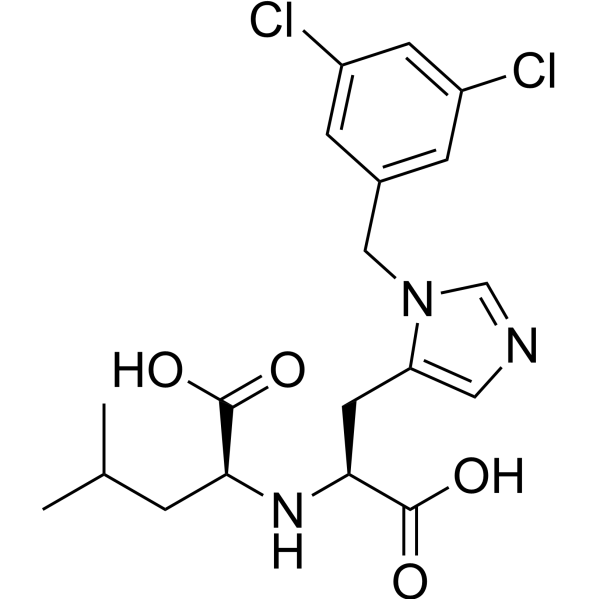
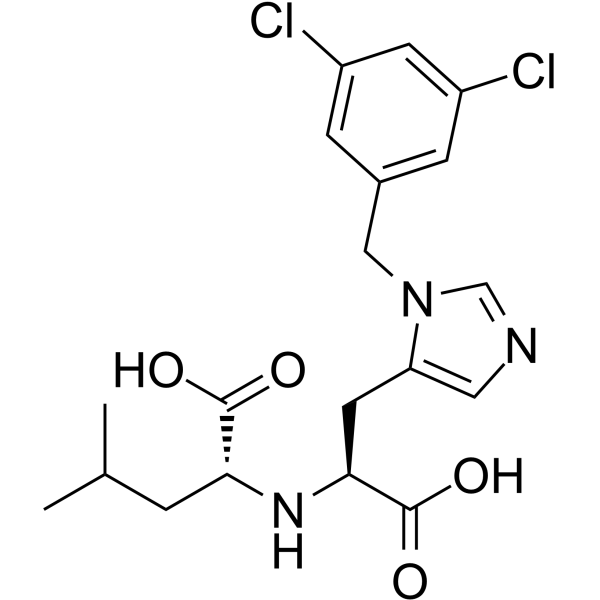
MLN-4760 is a potent and selective human ACE2 inhibitor (IC50, 0.44 nM), with excellent selectivity (>5000-fold) versus related enzymes including human testicular ACE (IC50, >100 μM) and bovine carboxypeptidase A (CPDA; IC50, 27 μM).
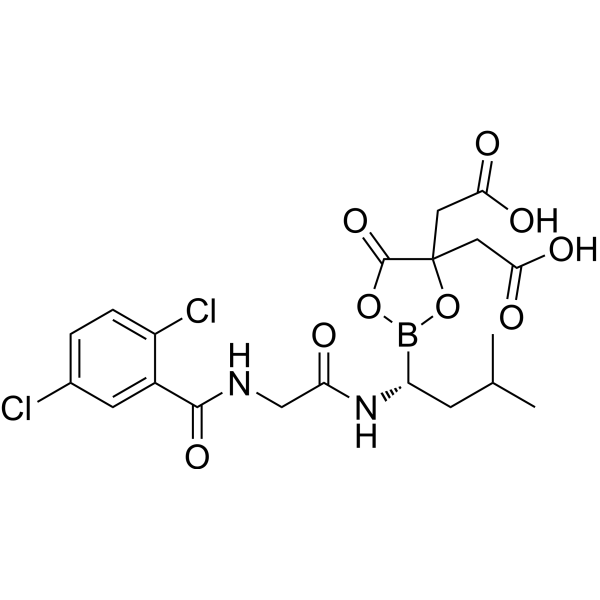
Ixazomib citrate (MLN9708) is a selective, orally active, second-generation proteasome inhibitor. Ixazomib citrate can be used for the study of a broad range of human malignancies .
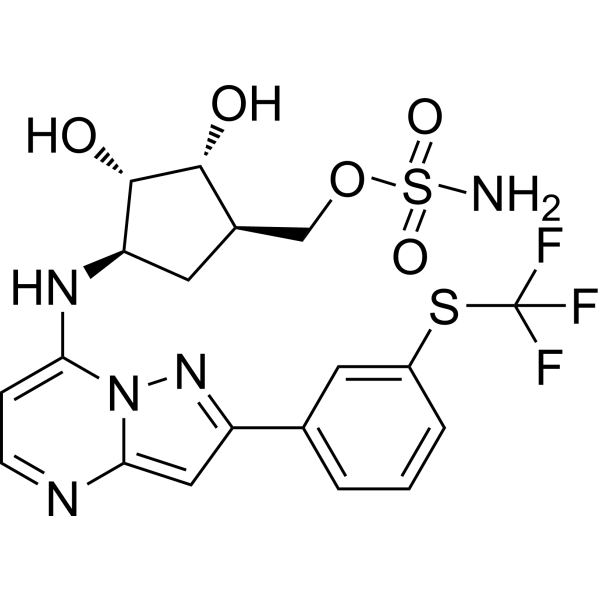
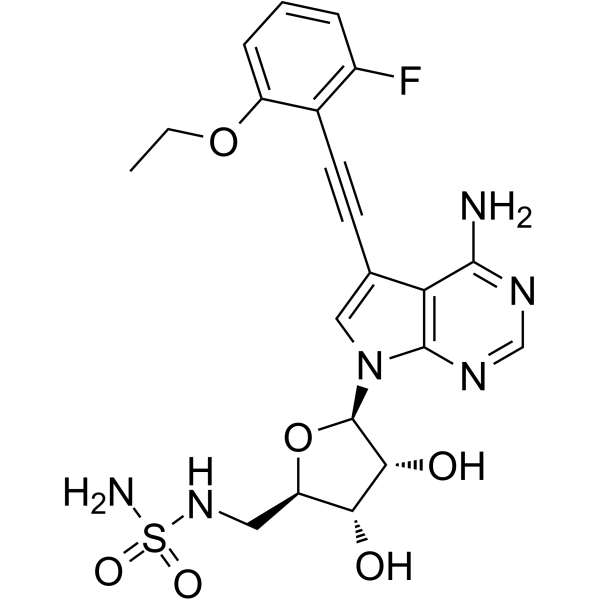
TAS4464 is a long-acting, highly selective covalent inhibitor targeting NEDD8-activating enzyme (NAE) (IC50=0.955 nM), and also inhibits CAII with an IC50 of 0.73 μM, which is less potent than MLN4924 (HY-70062). The IC50 values of TAS4464 against other E1 enzymes UAE and SAE are 449 nM and 1280 nM, respectively. TAS4464 targets NEDD8 in an ATP-dependent manner to inhibit NAE, blocks the neddylation pathway, causes accumulation of CRL ubiquitin ligase substrates (such as CDT1, p27, phosphorylated IκBα), and further induces tumor cell apoptosis. TAS4464 exhibits antiproliferative and cytotoxic effects, and has broad-spectrum antitumor activity against various hematologic and solid tumor cell lines as well as patient-derived tumor cells. TAS4464 has a wide selcetive window, without obvious toxicity. TAS4464 can be used in the research of hematologic malignancies (leukemia, lymphoma, multiple myeloma, etc.) and solid tumors (small cell lung cancer, colorectal cancer, sarcoma, endometrial cancer, ovarian cancer, etc.) .
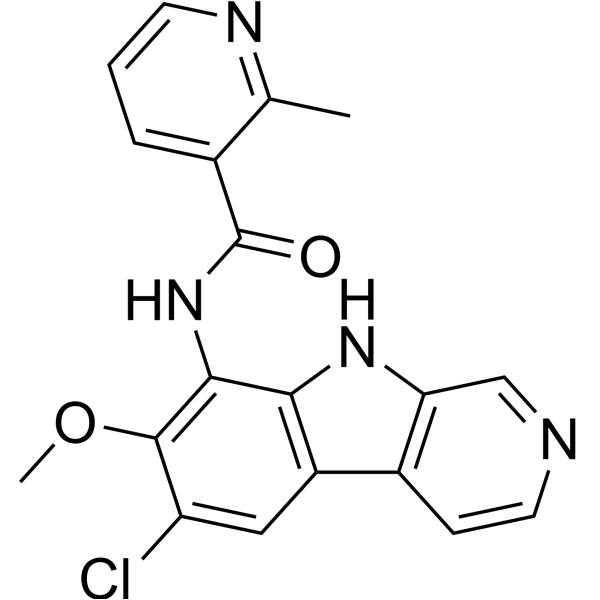
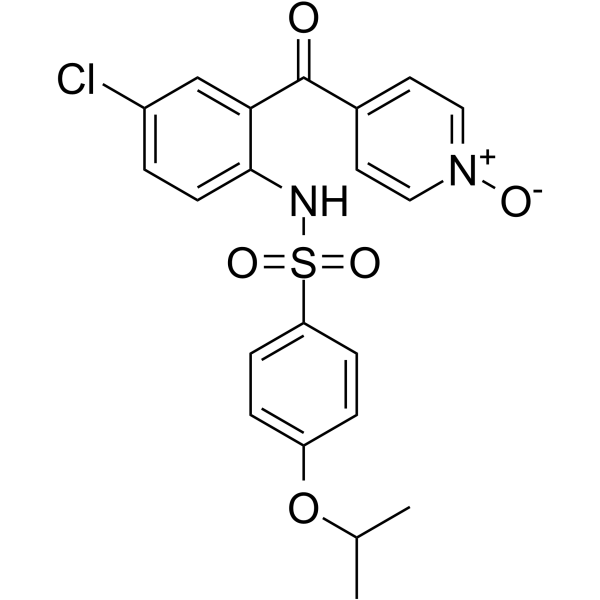
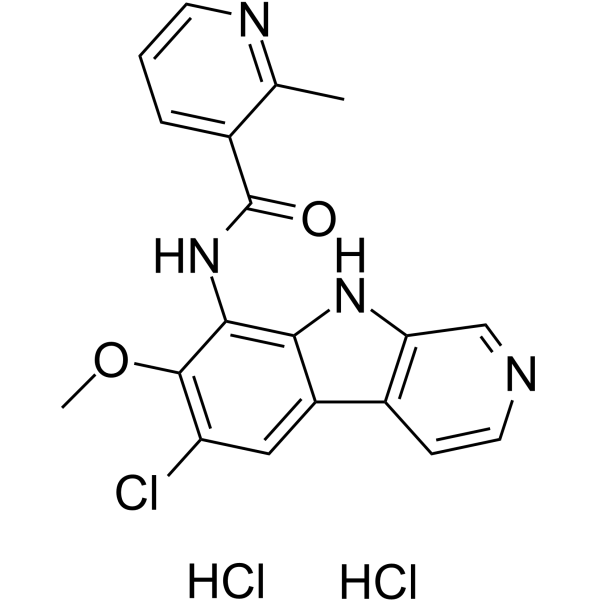
MLN120B (ML120B) is a potent, ATP competitive, and orally active inhibitor of IKKβ with an IC50 of 60 nM. MLN120B inhibits multiple myeloma cell growth in vitro and in vivo and also can be used for the research of rheumatoid arthritis .
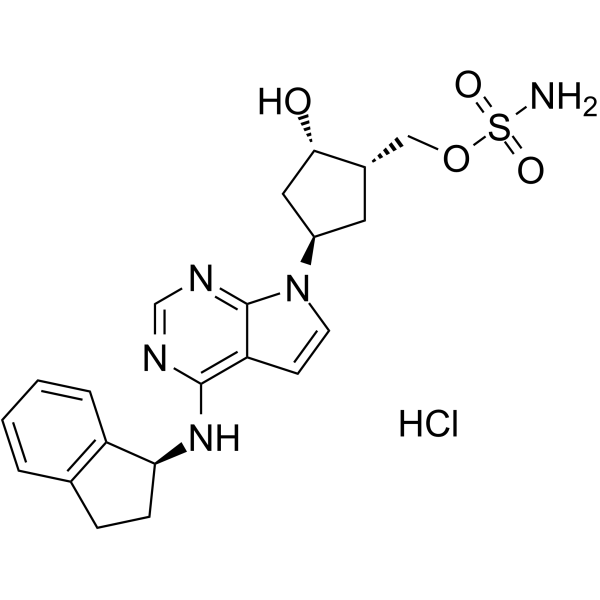
Pevonedistat (MLN4924) hydrochloride is a potent and selective NEDD8-activating enzyme (NAE) inhibitor, with an IC50 of 4.7 nM. Pevonedistat hydrochloride induces the deregulation of S-phase DNA synthesis, thereby disrupting protein turnover mediated by cullin-RING ligase, leading to apoptosis of human tumor cells. Pevonedistat hydrochloride suppresses the growth of human tumour xenografts in mice .
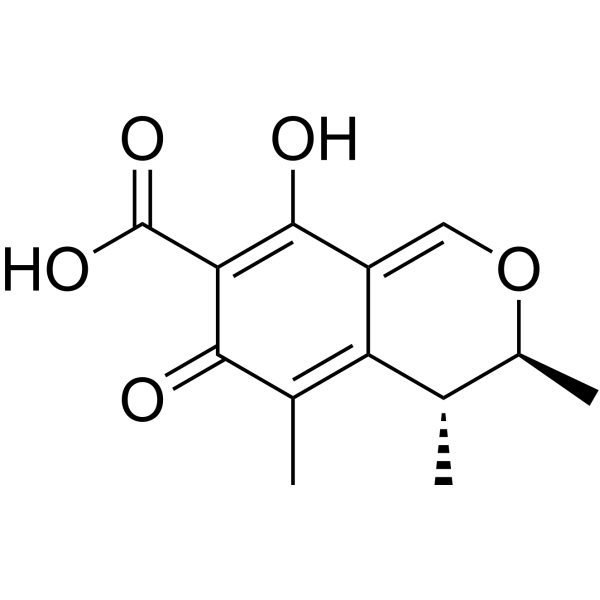
Citrinin (NSC 186) is a mycotoxin that causes food contamination and has different toxic effects. Citrinin is an effective oral anticancer agent. Citrinin has various regulatory effects on mouse immune system, including regulating the number of immune cells, inducing apoptosis and autophagy of immune cells, altering toll-like receptor expression and cytokine production. Citrinin can induce oxidative stress and lead to early apoptosis of oocytes. Low doses of Citrinin have neuroprotective effects against glutamate-induced excitotoxicity in rat cortical neurons. In addition, Citrinin also has antibacterial activity .
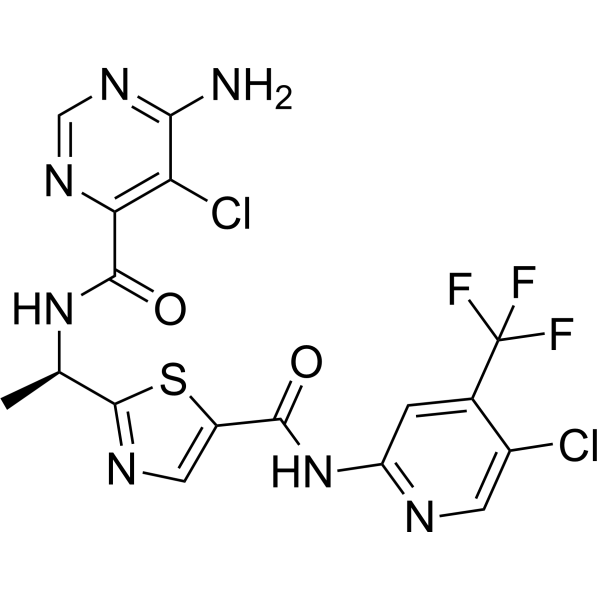
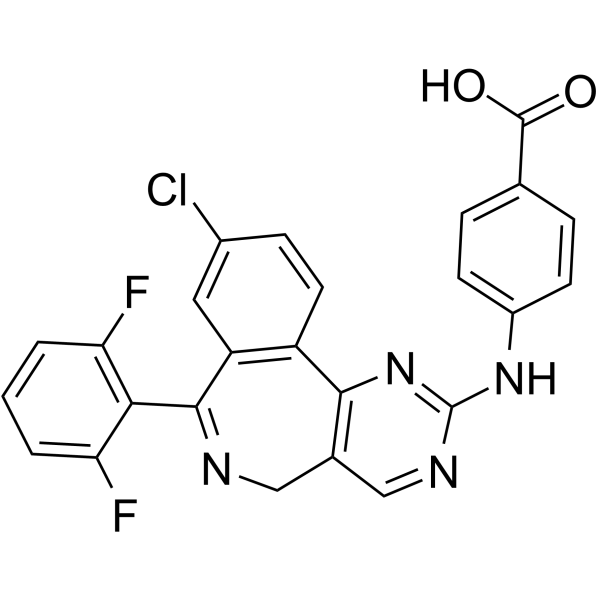
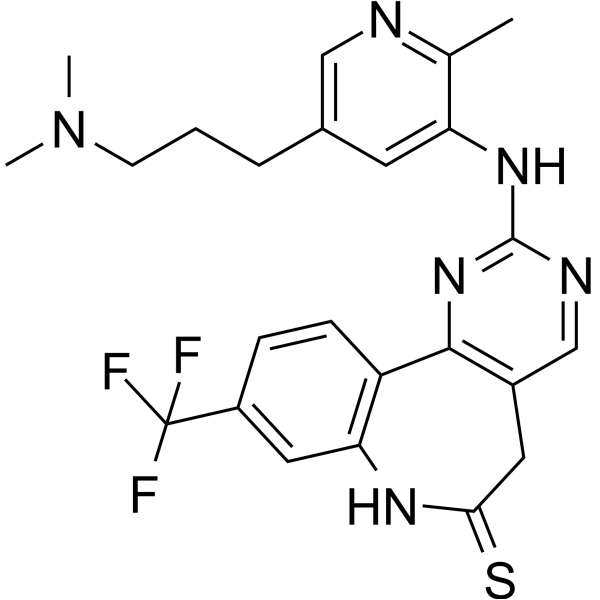
MLN0905 is a potent, orally active Polo-like kinase 1 (PLK1) inhibitor. MLN0905 has inhibitory potency against PLK1 with an IC50 value of 2 nM. MLN0905 can be used for the research of cancer .
Plozalizumab (MLN-1202) is a humanized anti-CCR2 IgG1 monoclonal antibody. Plozalizumab blocks the recruitment of myeloid cells to the tumor microenvironment by inhibiting the CCL2/CCR2 axis. In addition, Plozalizumab also ameliorates synovial inflammation in rheumatoid arthritis. Plozalizumab can be used in the research of malignant melanoma and bone metastasis-related cancers. Recommended isotype control: Human IgG1 kappa, Isotype Control (HY-P99001) .
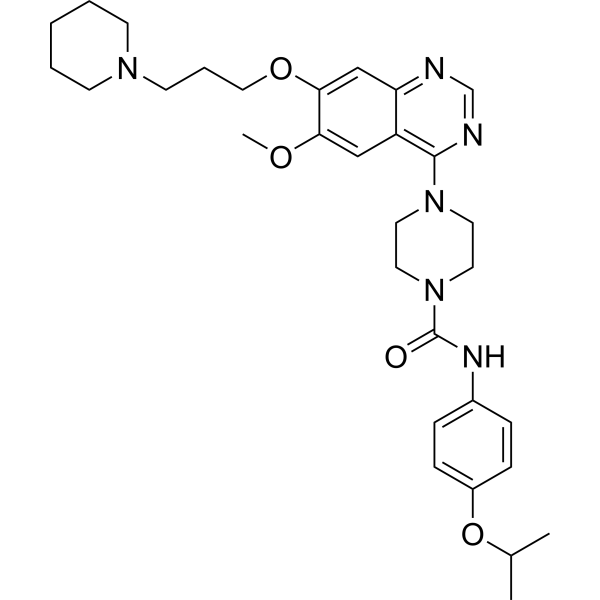
Tandutinib (MLN518) is a potent and selective inhibitor of the FLT3 with an IC50 of 0.22 μM, and also inhibits c-Kit and PDGFR with IC50s of 0.17 μM and 0.20 μM, respectively. Tandutinib can be used for acute myelogenous leukemia (AML) . Tandutinib has the ability to cross the blood-brain barrier .
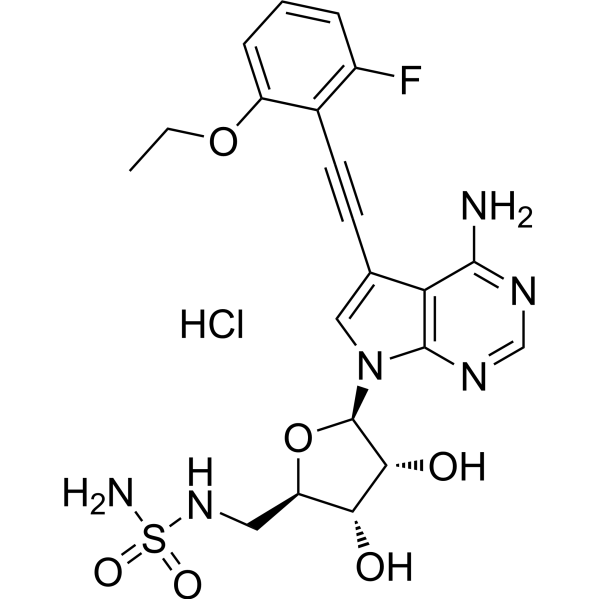
TAS4464 hydrochloride is a long-acting, highly selective covalent inhibitor targeting NEDD8-activating enzyme (NAE) (IC50=0.955 nM), and also inhibits CAII with an IC50 of 0.73 μM, which is less potent than MLN4924 (HY-70062). The IC50 values of TAS4464 hydrochloride against other E1 enzymes UAE and SAE are 449 nM and 1280 nM, respectively. TAS4464 hydrochloride targets NEDD8 in an ATP-dependent manner to inhibit NAE, blocks the neddylation pathway, causes accumulation of CRL ubiquitin ligase substrates (such as CDT1, p27, phosphorylated IκBα), and further induces tumor cell apoptosis. TAS4464 hydrochloride exhibits antiproliferative and cytotoxic effects, and has broad-spectrum antitumor activity against various hematologic and solid tumor cell lines as well as patient-derived tumor cells. TAS4464 hydrochloride has a wide therapeutic window, without obvious toxicity. TAS4464 hydrochloride can be used in the research of hematologic malignancies (leukemia, lymphoma, multiple myeloma, etc.) and solid tumors (small cell lung cancer, colorectal cancer, sarcoma, endometrial cancer, ovarian cancer, etc.) .
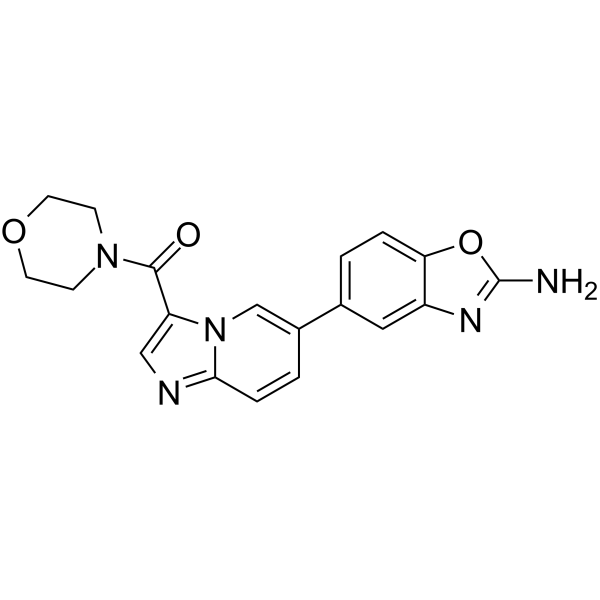
MLN3126 is an orally active and potent CCR9 antagonist. MLN3126 inhibits CCL25-induced calcium mobilization and chemotaxis of mouse primary thymocytes, wiht an IC50 value of 6.3 nM for calcium influx .
Indusatumab vedotin (MLN-0264; AKT-264) is an antibody-drug conjugate (ADC) consisting of the human anti-guanylate cyclaseC (GCC) antibody linked to a microtubule-disruptor Monomethyl auristatin (HY-15162). Indusatumab vedotin has anti-proliferative effects on pancreas cancer cell lines. Indusatumab vedotin arrests cell cycle at G2/M phase, and induces apoptosis .
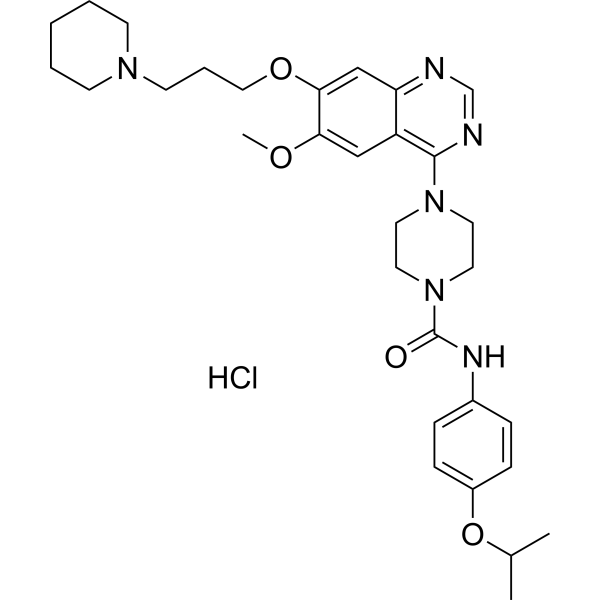
Tandutinib hydrochloride (MLN518 hydrochloride) is a potent and selective inhibitor of the FLT3 with an IC50 of 0.22 μM, and also inhibits c-Kit and PDGFR with IC50s of 0.17 μM and 0.20 μM, respectively. Tandutinib hydrochloride can be used for acute myelogenous leukemia (AML) . Tandutinib hydrochloride has the ability to cross the blood-brain barrier .
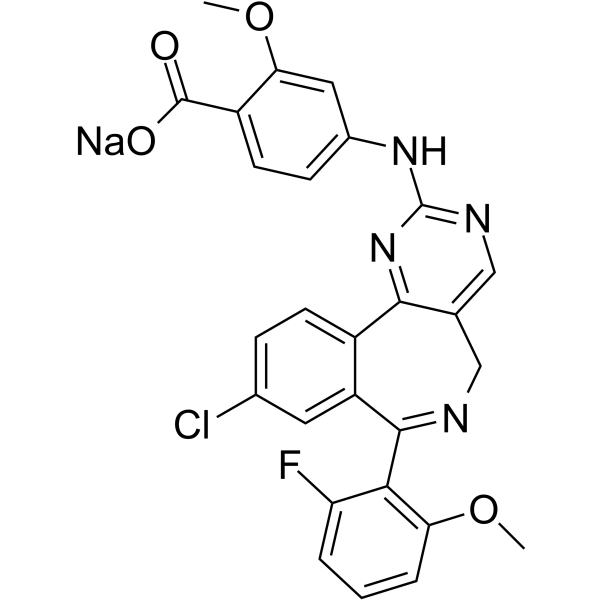
Alisertib (MLN 8237) sodium is an orally active and selective Aurora A kinase inhibitor (IC50=1.2 nM), which binds to Aurora A kinase resulting in mitotic spindle abnormalities, mitotic accumulation. Alisertib sodium induces apoptosis and autophagy through targeting the AKT/mTOR/AMPK/p38 pathway in leukemic cells. Antitumor activity .
MLN0905 (Standard) is the analytical standard of MLN0905. This product is intended for research and analytical applications. MLN0905 is a potent, orally active Polo-like kinase 1 (PLK1) inhibitor. MLN0905 has inhibitory potency against PLK1 with an IC50 value of 2 nM. MLN0905 can be used for the research of cancer .
MLN120B dihydrochloride (ML120B dihydrochloride) is a potent, ATP competitive, and orally active inhibitor of IKKβ with an IC50 of 60 nM. MLN120B inhibits multiple myeloma cell growth in vitro and in vivo and also can be used for the research of rheumatoid arthritis .
Ixazomib (Standard) is the analytical standard of Ixazomib. This product is intended for research and analytical applications. Ixazomib (MLN2238) is a selective, potent, and reversible proteasome inhibitor, which inhibits the chymotrypsin-like proteolytic (β5) site of the 20S proteasome with an IC50 of 3.4 nM (Ki of 0.93 nM).
Pevonedistat (Standard) is the analytical standard of Pevonedistat. This product is intended for research and analytical applications. Pevonedistat (MLN4924) is a potent and selective NEDD8-activating enzyme (NAE) inhibitor with an IC50 of 4.7 nM. Pevonedistat induces the deregulation of S-phase DNA synthesis, thereby disrupting protein turnover mediated by cullin-RING ligase, leading to apoptosis of human tumor cells. Pevonedistat suppresses the growth of human tumour xenografts in mice .
Tandutinib (hydrochloride) (Standard) is the analytical standard of Tandutinib (hydrochloride). This product is intended for research and analytical applications. Tandutinib hydrochloride (MLN518 hydrochloride) is a potent and selective inhibitor of the FLT3 with an IC50 of 0.22 μM, and also inhibits c-Kit and PDGFR with IC50s of 0.17 μM and 0.20 μM, respectively. Tandutinib hydrochloride can be used for acute myelogenous leukemia (AML) . Tandutinib hydrochloride has the ability to cross the blood-brain barrier .
Tandutinib (Standard) is the analytical standard of Tandutinib. This product is intended for research and analytical applications. Tandutinib (MLN518) is a potent and selective inhibitor of the FLT3 with an IC50 of 0.22 μM, and also inhibits c-Kit and PDGFR with IC50s of 0.17 μM and 0.20 μM, respectively. Tandutinib can be used for acute myelogenous leukemia (AML) . Tandutinib has the ability to cross the blood-brain barrier .
Tandutinib (MLN518) sulfate is a potent and selective inhibitor of the FLT3 with an IC50 of 0.22 μM, and also inhibits c-Kit and PDGFR with IC50s of 0.17 μM and 0.20 μM, respectively. Tandutinib sulfate can be used for acute myelogenous leukemia (AML) . Tandutinib sulfate has the ability to cross the blood-brain barrier .
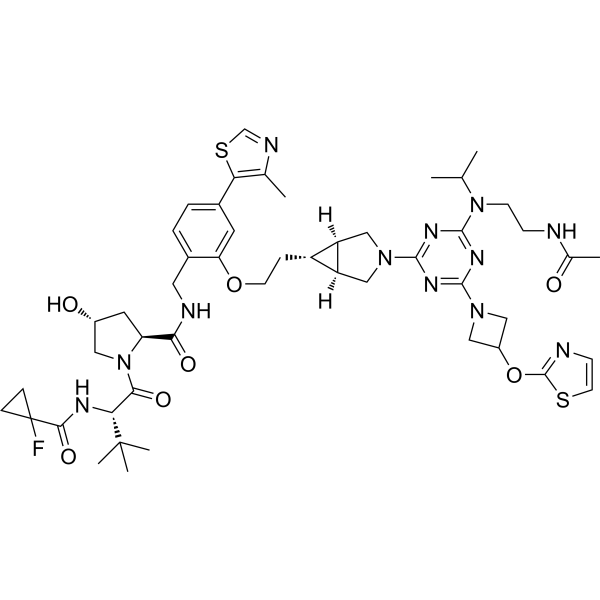
BRD9 c-1 (Compound 13-7) is a PROTACBRD9 degrader . BRD9 Degrader-1 has a micromolar binding affinity for BRD9 and a nanomolar affinity for the BRD9-VCB ternary complex. BRD9 Degrader-1 induces BRD9 proteasome degradation in HEK293T cells, which can be reversed by MLN4924 (HY-70062). (Blue: VH032-cyclopropane-F (HY-125905); Black: linker (HY-W763939); Pink: HY-168695) .
MLN8054 (Standard) is the analytical standard of MLN8054. This product is intended for research and analytical applications. MLN8054 is a potent, selective and orally available aurora A kinase inhibitor with an IC50 of 4 nM.
MLN8054 sodium is an Aurora A inhibitor with radiosensitivity-enhancing activity. MLN8054 sodium can activate the DNA double-strand break reaction of prostate cancer cells in in vitro experiments. The application of MLN8054 sodium is closely related to accumulation in the G2/M phase of the cell cycle and polyploid formation. In vivo experiments show that MLN8054 sodium can significantly delay the growth of prostate cancer tumors and promote tumor cell apoptosis when used in combination with radiotherapy .
MLN Human Pre-designed siRNA Set A contains three designed siRNAs for MLN gene (Human), as well as a negative control, a positive control, and a FAM-labeled negative control.
Mln Rat Pre-designed siRNA Set A contains three designed siRNAs for Mln gene (Rat), as well as a negative control, a positive control, and a FAM-labeled negative control.
Alisertib (Standard) is the analytical standard of Alisertib. This product is intended for research and analytical applications. Alisertib (MLN 8237) is an orally active and selective Aurora A kinase inhibitor (IC50=1.2 nM), which binds to Aurora A kinase resulting in mitotic spindle abnormalities, mitotic accumulation. Alisertib (MLN 8237) induces apoptosis and autophagy through targeting the AKT/mTOR/AMPK/p38 pathway in leukemic cells. Antitumor activity .
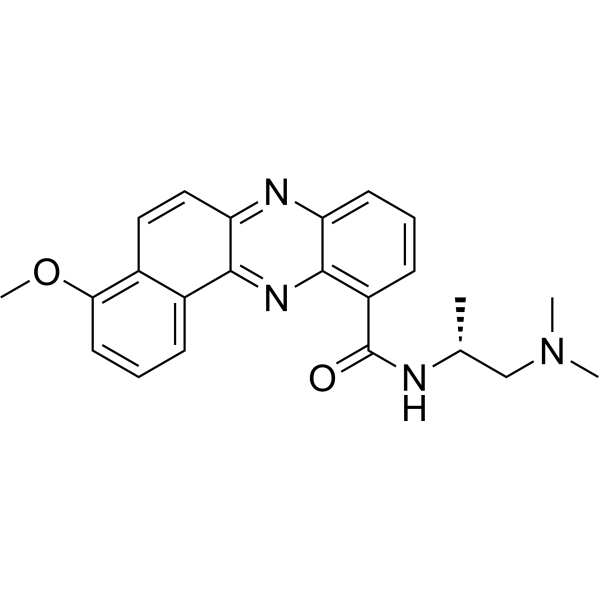
XR11576 (MLN576) is an orally active inhibitor of topoisomerase I and II. XR11576 shows cytotoxicity against human and murine tumor cell lines (IC50: 6-47 nM) .
Myoregulin (MLN peptide) is a member of the regulin family. Myoregulin regulates muscle performance by modulating intracellular calcium handling. Myoregulin interactes directly with sarcoplasmic reticulum Ca 2+-ATPase (SERCA) and impedinf Ca 2+ uptake into the sarcoplasmic reticulum .
Myoregulin (MLN peptide) TFA is a member of the regulin family. Myoregulin TFA regulates muscle performance by modulating intracellular calcium handling. Myoregulin TFA interactes directly with sarcoplasmic reticulum Ca 2+-ATPase (SERCA) and impedinf Ca 2+ uptake into the sarcoplasmic reticulum .
Sapanisertib (Standard) is the analytical standard of Sapanisertib. This product is intended for research and analytical applications. Sapanisertib (INK-128; MLN0128; TAK-228) is an orally available, ATP-dependent mTOR1/2 inhibitor with an IC50 of 1 nM for mTOR kinase.
MRLN Human Pre-designed siRNA Set A contains three designed siRNAs for MRLN gene (Human), as well as a negative control, a positive control, and a FAM-labeled negative control.
Citrinin (Standard) is the analytical standard of Citrinin. This product is intended for research and analytical applications. Citrinin (NSC 186) is a mycotoxin that causes food contamination and has different toxic effects. Citrinin is an effective oral anticancer agent. Citrinin has various regulatory effects on mouse immune system, including regulating the number of immune cells, inducing apoptosis and autophagy of immune cells, altering toll-like receptor expression and cytokine production. Citrinin can induce oxidative stress and lead to early apoptosis of oocytes. Low doses of Citrinin have neuroprotective effects against glutamate-induced excitotoxicity in rat cortical neurons. In addition, Citrinin also has antibacterial activity .
Ixazomib- 13C2, 15N is 13C and 15N labeled Ixazomib. Ixazomib (MLN2238) is a selective, potent, and reversible proteasome inhibitor, which inhibits the chymotrypsin-like proteolytic (β5) site of the 20S proteasome with an IC50 of 3.4 nM (Ki of 0.93 nM) .
MLN2201 is a humanized monoclonal antibody inhibitor, targeting Integrin β2. MLN2201 inhibits the reperfusion injury after stroke and can be used for inflammatory diseases like ischemic stroke research .
TAK-243 (Standard) is the analytical standard of TAK-243 (HY-100487). This product is intended for research and analytical applications. TAK-243 (MLN7243) is a first-in-class, selective ubiquitin activating enzyme, UAE (UBA1) inhibitor (IC50=1 nM), which blocks ubiquitin conjugation, disrupting monoubiquitin signaling as well as global protein ubiquitination. TAK-243 (MLN7243) induces endoplasmic reticulum (ER) stress, abrogates NF-κB pathway activation and promotes apoptosis .
Ixazomib citrate (Standard) is the analytical standard of Ixazomib citrate (HY-10452). This product is intended for research and analytical applications. Ixazomib citrate (MLN9708) is a selective, orally active, second-generation proteasome inhibitor. Ixazomib citrate can be used for the study of a broad range of human malignancies .
Pevonedistat hydrochloride (Standard) is the analytical standard of Pevonedistat hydrochloride (HY-10484). This product is intended for research and analytical applications. Pevonedistat (MLN4924) hydrochloride is a potent and selective NEDD8-activating enzyme (NAE) inhibitor, with an IC50 of 4.7 nM. Pevonedistat hydrochloride induces the deregulation of S-phase DNA synthesis, thereby disrupting protein turnover mediated by cullin-RING ligase, leading to apoptosis of human tumor cells. Pevonedistat hydrochloride suppresses the growth of human tumour xenografts in mice .
Ixazomib-d7 is the deuterium labeled Ixazomib (HY-10453). Ixazomib (MLN2238) is a selective, potent, and reversible proteasome inhibitor, which inhibits the chymotrypsin-like proteolytic (β5) site of the 20S proteasome with an IC50 of 3.4 nM (Ki of 0.93 nM) .
Myoregulin (MLN peptide) is a member of the regulin family. Myoregulin regulates muscle performance by modulating intracellular calcium handling. Myoregulin interactes directly with sarcoplasmic reticulum Ca 2+-ATPase (SERCA) and impedinf Ca 2+ uptake into the sarcoplasmic reticulum .
Myoregulin (MLN peptide) TFA is a member of the regulin family. Myoregulin TFA regulates muscle performance by modulating intracellular calcium handling. Myoregulin TFA interactes directly with sarcoplasmic reticulum Ca 2+-ATPase (SERCA) and impedinf Ca 2+ uptake into the sarcoplasmic reticulum .
Plozalizumab (MLN-1202) is a humanized anti-CCR2 IgG1 monoclonal antibody. Plozalizumab blocks the recruitment of myeloid cells to the tumor microenvironment by inhibiting the CCL2/CCR2 axis. In addition, Plozalizumab also ameliorates synovial inflammation in rheumatoid arthritis. Plozalizumab can be used in the research of malignant melanoma and bone metastasis-related cancers. Recommended isotype control: Human IgG1 kappa, Isotype Control (HY-P99001) .
Indusatumab vedotin (MLN-0264; AKT-264) is an antibody-drug conjugate (ADC) consisting of the human anti-guanylate cyclaseC (GCC) antibody linked to a microtubule-disruptor Monomethyl auristatin (HY-15162). Indusatumab vedotin has anti-proliferative effects on pancreas cancer cell lines. Indusatumab vedotin arrests cell cycle at G2/M phase, and induces apoptosis .
MLN2201 is a humanized monoclonal antibody inhibitor, targeting Integrin β2. MLN2201 inhibits the reperfusion injury after stroke and can be used for inflammatory diseases like ischemic stroke research .
Citrinin (NSC 186) is a mycotoxin that causes food contamination and has different toxic effects. Citrinin is an effective oral anticancer agent. Citrinin has various regulatory effects on mouse immune system, including regulating the number of immune cells, inducing apoptosis and autophagy of immune cells, altering toll-like receptor expression and cytokine production. Citrinin can induce oxidative stress and lead to early apoptosis of oocytes. Low doses of Citrinin have neuroprotective effects against glutamate-induced excitotoxicity in rat cortical neurons. In addition, Citrinin also has antibacterial activity .
Citrinin (Standard) is the analytical standard of Citrinin. This product is intended for research and analytical applications. Citrinin (NSC 186) is a mycotoxin that causes food contamination and has different toxic effects. Citrinin is an effective oral anticancer agent. Citrinin has various regulatory effects on mouse immune system, including regulating the number of immune cells, inducing apoptosis and autophagy of immune cells, altering toll-like receptor expression and cytokine production. Citrinin can induce oxidative stress and lead to early apoptosis of oocytes. Low doses of Citrinin have neuroprotective effects against glutamate-induced excitotoxicity in rat cortical neurons. In addition, Citrinin also has antibacterial activity .
Promotilin/MLN Protein orchestrates the regulation of interdigestive gastrointestinal motility, inducing rhythmic contractions in the duodenum and colon. As a key player in coordinating gastrointestinal motility, Promotilin/MLN facilitates dynamic movements essential for effective digestive processes. Promotilin/MLN Protein, Human (HEK293, His) is the recombinant human-derived Promotilin/MLN protein, expressed by HEK293 , with C-6*His labeled tag.
S100A11 Protein facilitates keratinocyte differentiation and cornification, forming homodimers via disulfide linkages. S100A11 Protein, Human is the recombinant human-derived S100A11 protein, expressed by E. coli , with tag free.
The S100A6 protein binds calcium and zinc ions and acts as a multifunctional regulator. Its presence in the extracellular matrix suggests its involvement in extracellular processes. S100A6 Protein, Mouse is the recombinant mouse-derived S100A6 protein, expressed by E. coli , with tag free.
Erb-b2 receptor tyrosine kinase 2 is a member of EGFR family. Erb-b2 receptor tyrosine kinase 2 is over-expressed in the tumors of many types of cancers. Erb-b2 receptor tyrosine kinase 2 enables ATP binding and transmembrane receptor protein tyrosine kinase activity. HER2/CD340 Protein, Cynomolgus (Biotinylated, HEK293, His) is the recombinant cynomolgus-derived HER2/CD340 protein, expressed by HEK293 , with C-His labeled tag.
The HER2/CD340 protein is a dynamic tyrosine kinase that is essential in the neuregulin receptor complex and regulates microtubule dynamics. Upon activation, it triggers the MEMO1-RHOA-DIAPH1 pathway, inhibits GSK3B and promotes the association of APC and CLASP2 on the cell membrane to achieve microtubule stabilization. HER2/CD340 Protein, Human (HEK293) is the recombinant human-derived HER2/CD340 protein, expressed by HEK293 , with tag free.
The HER2/CD340 Protein is a member of the receptor tyrosine kinase family.HER2/CD340 Protein participates in the PI3K/Akt signaling pathway to regulate the differentiation and apoptosis of neural stem cells in the cochlear nucleus.HER2/CD340 Protein is an overexpressed oncogenic factor in bladder cancer that activates the oncogenic signaling pathway, thereby promoting tumor cell survival/proliferation.HER2/CD340 Protein, Rat (HEK293) is the recombinant rat-derived HER2/CD340 protein, expressed by HEK293 , with tag free.
The HER2/CD340 protein is a multifunctional tyrosine kinase that is a component of the neuregulin receptor complex and regulates microtubule dynamics. Activated HER2/CD340 triggers the MEMO1-RHOA-DIAPH1 pathway, inhibits GSK3B on the cell membrane and promotes the binding of APC and CLASP2, which is critical for microtubule stability. HER2/CD340 Protein, Mouse (HEK293, His) is the recombinant mouse-derived HER2/CD340 protein, expressed by HEK293 , with C-10*His labeled tag.
The HER2/CD340 protein is a multifunctional tyrosine kinase that is a component of the neuregulin receptor complex and regulates microtubule dynamics.Activated HER2/CD340 triggers the MEMO1-RHOA-DIAPH1 pathway, inhibits GSK3B on the cell membrane and promotes the binding of APC and CLASP2, which is critical for microtubule stability.HER2/CD340 Protein, Rat (HEK293, His) is the recombinant rat-derived HER2/CD340 protein, expressed by HEK293 , with C-10*His labeled tag.
The HER2/CD340 Protein is a member of the receptor tyrosine kinase family. HER2/CD340 Protein participates in the PI3K/Akt signaling pathway to regulate the differentiation and apoptosis of neural stem cells in the cochlear nucleus. HER2/CD340 Protein is an overexpressed oncogenic factor in bladder cancer that activates the oncogenic signaling pathway, thereby promoting tumor cell survival/proliferation. HER2/CD340 Protein, Canine (HEK293, His) is the recombinant canine-derived HER2/CD340 protein, expressed by HEK293 , with C-His labeled tag.
The HER2/CD340 protein is a multifunctional tyrosine kinase that is a component of the neuregulin receptor complex and regulates microtubule dynamics. Activated HER2/CD340 triggers the MEMO1-RHOA-DIAPH1 pathway, inhibits GSK3B on the cell membrane and promotes the binding of APC and CLASP2, which is critical for microtubule stability. HER2/CD340 Protein, Mouse (HEK293, Fc) is the recombinant mouse-derived HER2/CD340 protein, expressed by HEK293 , with C-hFc labeled tag.
The HER2/CD340 protein is a multifunctional tyrosine kinase that is a component of the neuregulin receptor complex and regulates microtubule dynamics.Activated HER2/CD340 triggers the MEMO1-RHOA-DIAPH1 pathway, inhibits GSK3B on the cell membrane and promotes the binding of APC and CLASP2, which is critical for microtubule stability.HER2/CD340 Protein, Rat (HEK293, Fc) is the recombinant rat-derived HER2/CD340 protein, expressed by HEK293 , with C-hFc labeled tag.
The HER2/CD340 protein is a multifunctional tyrosine kinase that is a component of the neuregulin receptor complex and regulates microtubule dynamics. Activated HER2/CD340 triggers the MEMO1-RHOA-DIAPH1 pathway, inhibits GSK3B on the cell membrane and promotes the binding of APC and CLASP2, which is critical for microtubule stability. HER2/CD340 Protein, Mouse (HEK293, N-His) is the recombinant mouse-derived HER2/CD340 protein, expressed by HEK293 , with N-His labeled tag.
The HER2/CD340 protein is a dynamic tyrosine kinase that is essential in the neuregulin receptor complex and regulates microtubule dynamics. Upon activation, it triggers the MEMO1-RHOA-DIAPH1 pathway, inhibits GSK3B and promotes the association of APC and CLASP2 on the cell membrane to achieve microtubule stabilization. HER2/CD340 Protein, Human (Biotinylated, HEK293, Fc) is the recombinant human-derived HER2/CD340 protein, expressed by HEK293 , with C-hFc labeled tag.
The HER2/CD340 protein is a dynamic tyrosine kinase that is essential in the neuregulin receptor complex and regulates microtubule dynamics. Upon activation, it triggers the MEMO1-RHOA-DIAPH1 pathway, inhibits GSK3B and promotes the association of APC and CLASP2 on the cell membrane to achieve microtubule stabilization. HER2/CD340 Protein, Human (142a.a, HEK293, His) is the recombinant human-derived HER2/CD340 protein, expressed by HEK293 , with C-His labeled tag.
The HER2/CD340 protein is a dynamic tyrosine kinase that is essential in the neuregulin receptor complex and regulates microtubule dynamics. Upon activation, it triggers the MEMO1-RHOA-DIAPH1 pathway, inhibits GSK3B and promotes the association of APC and CLASP2 on the cell membrane to achieve microtubule stabilization. FITC-Labeled HER2/CD340 Protein, Human (HEK293, His) is the recombinant human-derived FITC-Labeled HER2/CD340 protein, expressed by HEK293 , with C-His labeled tag.
The HER2/CD340 protein is a dynamic tyrosine kinase that is essential in the neuregulin receptor complex and regulates microtubule dynamics. Upon activation, it triggers the MEMO1-RHOA-DIAPH1 pathway, inhibits GSK3B and promotes the association of APC and CLASP2 on the cell membrane to achieve microtubule stabilization. HER2/CD340 Protein, Human (Biotinylated, Domain 4, HEK293, His-Avi) is the recombinant human-derived HER2/CD340 protein, expressed by HEK293 , with C-His-Avi labeled tag.
The HER2/CD340 protein is a dynamic tyrosine kinase that is essential in the neuregulin receptor complex and regulates microtubule dynamics. Upon activation, it triggers the MEMO1-RHOA-DIAPH1 pathway, inhibits GSK3B and promotes the association of APC and CLASP2 on the cell membrane to achieve microtubule stabilization. HER2/CD340 Protein, Human (Biotinylated, 173a.a, HEK293, His) is the recombinant human-derived HER2/CD340 protein, expressed by HEK293 , with C-His labeled tag.
The HER2/CD340 protein is a dynamic tyrosine kinase that is essential in the neuregulin receptor complex and regulates microtubule dynamics. Upon activation, it triggers the MEMO1-RHOA-DIAPH1 pathway, inhibits GSK3B and promotes the association of APC and CLASP2 on the cell membrane to achieve microtubule stabilization. HER2/CD340 Protein, Human (Biotinylated, HEK293, His-Avi) is the recombinant human-derived HER2/CD340 protein, expressed by HEK293 , with C-Avi, C-His labeled tag.
The HER2/CD340 protein is a dynamic tyrosine kinase that is essential in the neuregulin receptor complex and regulates microtubule dynamics. Upon activation, it triggers the MEMO1-RHOA-DIAPH1 pathway, inhibits GSK3B and promotes the association of APC and CLASP2 on the cell membrane to achieve microtubule stabilization. HER2/CD340 Protein, Human (HEK293, His-Avi) is the recombinant human-derived HER2/CD340 protein, expressed by HEK293 , with C-Avi, C-His labeled tag.
S100A6; Protein S100-A6; Calcyclin; Growth factor-inducible protein 2A9; MLN 4; Prolactin receptor-associated protein; PRA; S100 calcium-binding protein A6; CACY
The S100A6 protein is a key calcium sensor that actively promotes cellular calcium signaling and is involved in multiple processes, including actin cytoskeletal reorganization and cell motility. As a homodimer binding two calcium ions, it interacts with TPR-containing proteins, CACYBP, ANXA2, ANXA11, SUGT1, tropomyosin, TP53, PPP5C, and TPPP. S100A6 Protein, Human (His) is the recombinant human-derived S100A6 protein, expressed by E. coli , with N-6*His labeled tag.
S100A6; Protein S100-A6; Calcyclin; Growth factor-inducible protein 2A9; MLN 4; Prolactin receptor-associated protein; PRA; S100 calcium-binding protein A6; CACY
The HER2/CD340 protein is a dynamic tyrosine kinase that is essential in the neuregulin receptor complex and regulates microtubule dynamics. Upon activation, it triggers the MEMO1-RHOA-DIAPH1 pathway, inhibits GSK3B and promotes the association of APC and CLASP2 on the cell membrane to achieve microtubule stabilization. HER2/CD340 Protein, Human (Biotinylated, HEK293, His) is the recombinant human-derived Her2/CD340 protein, expressed by HEK293 , with C-His labeled tag.
Erb-b2 receptor tyrosine kinase 2 is a member of EGFR family. Erb-b2 receptor tyrosine kinase 2 is over-expressed in the tumors of many types of cancers. Erb-b2 receptor tyrosine kinase 2 enables ATP binding and transmembrane receptor protein tyrosine kinase activity. HER2/CD340 Protein, Cynomolgus (Biotinylated, HEK293, His-Avi) is the recombinant cynomolgus-derived HER2/CD340 protein, expressed by HEK293 , with C-Avi, C-His labeled tag. The total length of HER2/CD340 Protein, Cynomolgus (Biotinylated, HEK293, His-Avi) is 630 a.a., with molecular weight of 90-105 kDa.
FITC-Labeled HER2/CD340 Protein, Human (HEK293, Fc) is a dynamic tyrosine kinase that is essential in the neuregulin receptor complex and regulates microtubule dynamics. Upon activation, it triggers the MEMO1-RHOA-DIAPH1 pathway, inhibits GSK3B and promotes the association of APC and CLASP2 on the cell membrane to achieve microtubule stabilization. FITC-Labeled HER2/CD340 Protein, Human (HEK293, Fc), expressed by HEK293 , with Fc labeled tag.
The HER2/CD340 protein is a dynamic tyrosine kinase that is essential in the neuregulin receptor complex and regulates microtubule dynamics. Upon activation, it triggers the MEMO1-RHOA-DIAPH1 pathway, inhibits GSK3B and promotes the association of APC and CLASP2 on the cell membrane to achieve microtubule stabilization. HER2/CD340 Protein, Human (Biotinylated, HEK293, Fc-Avi) is the recombinant human-derived HER2/CD340 protein, expressed by HEK293 , with C-Avi, C-hFc labeled tag.
The HER2/CD340 protein is a dynamic tyrosine kinase that is essential in the neuregulin receptor complex and regulates microtubule dynamics. Upon activation, it triggers the MEMO1-RHOA-DIAPH1 pathway, inhibits GSK3B and promotes the association of APC and CLASP2 on the cell membrane to achieve microtubule stabilization. HER2/CD340 Protein, Human (S310Y, HEK293, His) is the recombinant human-derived HER2/CD340 protein, expressed by HEK293 , with C-10*His labeled tag and S310Y mutation.
The HER2/CD340 protein is a dynamic tyrosine kinase that is essential in the neuregulin receptor complex and regulates microtubule dynamics. Upon activation, it triggers the MEMO1-RHOA-DIAPH1 pathway, inhibits GSK3B and promotes the association of APC and CLASP2 on the cell membrane to achieve microtubule stabilization. HER2/CD340 Protein, Human (S310F, HEK293, His) is the recombinant human-derived HER2/CD340 protein, expressed by HEK293 , with C-His labeled tag and S310F, , , , mutation.
HER2/CD340 Protein, Human (HEK293, Fc) is a dynamic tyrosine kinase that is essential in the neuregulin receptor complex and regulates microtubule dynamics. Upon activation, it triggers the MEMO1-RHOA-DIAPH1 pathway, inhibits GSK3B and promotes the association of APC and CLASP2 on the cell membrane to achieve microtubule stabilization. HER2/CD340 Protein, Human (HEK293, Fc) is the recombinant human-derived HER2/CD340 protein, expressed by HEK293 , with C-hFc labeled tag.
The HER2/CD340 protein is a dynamic tyrosine kinase that is essential in the neuregulin receptor complex and regulates microtubule dynamics. Upon activation, it triggers the MEMO1-RHOA-DIAPH1 pathway, inhibits GSK3B and promotes the association of APC and CLASP2 on the cell membrane to achieve microtubule stabilization. HER2/CD340 Protein, Human (HEK293, His) is the recombinant human-derived HER2/CD340 protein, expressed by HEK293 , with C-6*His labeled tag.
The HER2/CD340 protein is a dynamic tyrosine kinase that is essential in the neuregulin receptor complex and regulates microtubule dynamics. Upon activation, it triggers the MEMO1-RHOA-DIAPH1 pathway, inhibits GSK3B and promotes the association of APC and CLASP2 on the cell membrane to achieve microtubule stabilization. HER2/CD340 Protein, Human (HEK293, mFc) is the recombinant human-derived HER2/CD340 protein, expressed by HEK293, with C-mFc labeled tag.
The HER2/CD340 protein is a dynamic tyrosine kinase that is essential in the neuregulin receptor complex and regulates microtubule dynamics. Upon activation, it triggers the MEMO1-RHOA-DIAPH1 pathway, inhibits GSK3B and promotes the association of APC and CLASP2 on the cell membrane to achieve microtubule stabilization. HER2/CD340 Protein, Human (HEK293, Twin Strep) is the recombinant human-derived HER2/CD340 protein, expressed by HEK293, with C-Twin-Strep labeled tag.
The HER2/CD340 protein is a dynamic tyrosine kinase that is essential in the neuregulin receptor complex and regulates microtubule dynamics. Upon activation, it triggers the MEMO1-RHOA-DIAPH1 pathway, inhibits GSK3B and promotes the association of APC and CLASP2 on the cell membrane to achieve microtubule stabilization. HER2/CD340 Protein, Human (151a.a, HEK293, His) is the recombinant human-derived HER2/CD340 protein, expressed by HEK293, with C-His labeled tag.
The HER2/CD340 protein is a dynamic tyrosine kinase that is essential in the neuregulin receptor complex and regulates microtubule dynamics. Upon activation, it triggers the MEMO1-RHOA-DIAPH1 pathway, inhibits GSK3B and promotes the association of APC and CLASP2 on the cell membrane to achieve microtubule stabilization. HER2/CD340 Protein, Human (488a.a, HEK293, His) is the recombinant human-derived HER2/CD340 protein, expressed by HEK293, with C-His labeled tag.
Ixazomib- 13C2, 15N is 13C and 15N labeled Ixazomib. Ixazomib (MLN2238) is a selective, potent, and reversible proteasome inhibitor, which inhibits the chymotrypsin-like proteolytic (β5) site of the 20S proteasome with an IC50 of 3.4 nM (Ki of 0.93 nM) .
Ixazomib-d7 is the deuterium labeled Ixazomib (HY-10453). Ixazomib (MLN2238) is a selective, potent, and reversible proteasome inhibitor, which inhibits the chymotrypsin-like proteolytic (β5) site of the 20S proteasome with an IC50 of 3.4 nM (Ki of 0.93 nM) .
TRAF4; CART1; MLN62; RNF83; TNF receptor-associated factor 4; Cysteine-rich domain associated with RING and Traf domains protein 1; Metastatic lymph node gene 62 protein; MLN 62; RING finger protein 83
WB, ICC/IF, FC
Human, Mouse
TRAF4 Antibody (YA2808) is a Rabbit-derived and non-conjugated IgG monoclonal antibody, targeting to TRAF4.
Phospho-C-erbB-2/HER2(Tyr1221/Tyr1222) Antibody is a Rabbit-derived and non-conjugated IgG polyclonal antibody, targeting to Phospho-C-erbB-2/HER2(Tyr1221/Tyr1222).
Phospho-HER2 / ErbB2 (Thr686) Antibody (YA9918) is a Mouse-derived and non-conjugated IgG1 Monoclonal antibody, targeting to Phospho-HER2 / ErbB2 (Thr686).
Phospho-C-erbB-2/HER2(Tyr1221/Tyr1222) Antibody (YA5858) is a Rabbit-derived and non-conjugated IgG monoclonal antibody, targeting to Phospho-C-erbB-2/HER2(Tyr1221/Tyr1222).
MLN Human Pre-designed siRNA Set A contains three designed siRNAs for MLN gene (Human), as well as a negative control, a positive control, and a FAM-labeled negative control.
Mln Rat Pre-designed siRNA Set A contains three designed siRNAs for Mln gene (Rat), as well as a negative control, a positive control, and a FAM-labeled negative control.
MRLN Human Pre-designed siRNA Set A contains three designed siRNAs for MRLN gene (Human), as well as a negative control, a positive control, and a FAM-labeled negative control.
Inquiry Online
Your information is safe with us. * Required Fields.
Western blot analysis of extracts from THP-1(lane 2(20μg), Jurkat (lane 3(20μg) and NIH3T3(lane 4(20μg) using FOXO1A (HY-P80132) Rabbit mAb. Proteins were transferred
to a PVDF membrane and blocked with 5% non-fat milk in TBST for 2 hour at room temperature. The primary antibody (1/1000) and Loading control antibody (Beta Actin, HY-P80438, 1/10000) was
used in 5% non-fat milk in TBST at 4°C overnight. Goat Anti-Mouse/Rabbit IgG-HRP Secondary Antibody (1/10000) was used for 1 hour at room temperature.
Western blot analysis of extracts from THP-1(lane 2(20μg), Jurkat (lane 3(20μg) and NIH3T3(lane 4(20μg) using FOXO1A (HY-P80132) Rabbit mAb. Proteins were transferred
to a PVDF membrane and blocked with 5% non-fat milk in TBST for 2 hour at room temperature. The primary antibody (1/1000) and Loading control antibody (Beta Actin, HY-P80438, 1/10000) was
used in 5% non-fat milk in TBST at 4°C overnight. Goat Anti-Mouse/Rabbit IgG-HRP Secondary Antibody (1/10000) was used for 1 hour at room temperature.
Western blot analysis of extracts from THP-1(lane 2(20μg), Jurkat (lane 3(20μg) and NIH3T3(lane 4(20μg) using FOXO1A (HY-P80132) Rabbit mAb. Proteins were transferred
to a PVDF membrane and blocked with 5% non-fat milk in TBST for 2 hour at room temperature. The primary antibody (1/1000) and Loading control antibody (Beta Actin, HY-P80438, 1/10000) was
used in 5% non-fat milk in TBST at 4°C overnight. Goat Anti-Mouse/Rabbit IgG-HRP Secondary Antibody (1/10000) was used for 1 hour at room temperature.
Western blot analysis of extracts from THP-1(lane 2(20μg), Jurkat (lane 3(20μg) and NIH3T3(lane 4(20μg) using FOXO1A (HY-P80132) Rabbit mAb. Proteins were transferred
to a PVDF membrane and blocked with 5% non-fat milk in TBST for 2 hour at room temperature. The primary antibody (1/1000) and Loading control antibody (Beta Actin, HY-P80438, 1/10000) was
MedchemExpress Validation 03
Western blot analysis of extracts from THP-1(lane 2(20μg), Jurkat (lane 3(20μg) and NIH3T3(lane 4(20μg) using FOXO1A (HY-P80132) Rabbit mAb. Proteins were transferred
MedchemExpress Validation 04
Western blot analysis of extracts from THP-1(lane 2(20μg), Jurkat (lane 3(20μg) and NIH3T3(lane 4(20μg) using FOXO1A (HY-P80132) Rabbit mAb. Proteins were transferred
to a PVDF membrane and blocked with 5% non-fat milk in TBST for 2 hour at room temperature. The primary antibody (1/1000) and Loading control antibody (Beta Actin, HY-P80438, 1/10000) was
used in 5% non-fat milk in TBST at 4°C overnight. Goat Anti-Mouse/Rabbit IgG-HRP Secondary Antibody (1/10000) was used for 1 hour at room temperature.
MedchemExpress Validation
Western blot analysis of extracts from THP-1(lane 2(20μg), Jurkat (lane 3(20μg) and NIH3T3(lane 4(20μg) using FOXO1A (HY-P80132) Rabbit mAb. Proteins were transferred
to a PVDF membrane and blocked with 5% non-fat milk in TBST for 2 hour at room temperature. The primary antibody (1/1000) and Loading control antibody (Beta Actin, HY-P80438, 1/10000) was
used in 5% non-fat milk in TBST at 4°C overnight. Goat Anti-Mouse/Rabbit IgG-HRP Secondary Antibody (1/10000) was used for 1 hour at room temperature.
Western blot analysis of extracts from THP-1(lane 2(20μg), Jurkat (lane 3(20μg) and NIH3T3(lane 4(20μg) using FOXO1A (HY-P80132) Rabbit mAb. Proteins were transferred
to a PVDF membrane and blocked with 5% non-fat milk in TBST for 2 hour at room temperature. The primary antibody (1/1000) and Loading control antibody (Beta Actin, HY-P80438, 1/10000) was
used in 5% non-fat milk in TBST at 4°C overnight. Goat Anti-Mouse/Rabbit IgG-HRP Secondary Antibody (1/10000) was used for 1 hour at room temperature.
MedchemExpress Validation
Western blot analysis of extracts from THP-1(lane 2(20μg), Jurkat (lane 3(20μg) and NIH3T3(lane 4(20μg) using FOXO1A (HY-P80132) Rabbit mAb. Proteins were transferred
to a PVDF membrane and blocked with 5% non-fat milk in TBST for 2 hour at room temperature. The primary antibody (1/1000) and Loading control antibody (Beta Actin, HY-P80438, 1/10000) was
used in 5% non-fat milk in TBST at 4°C overnight. Goat Anti-Mouse/Rabbit IgG-HRP Secondary Antibody (1/10000) was used for 1 hour at room temperature.
MedchemExpress Validation
Western blot analysis of extracts from THP-1(lane 2(20μg), Jurkat (lane 3(20μg) and NIH3T3(lane 4(20μg) using FOXO1A (HY-P80132) Rabbit mAb. Proteins were transferred
to a PVDF membrane and blocked with 5% non-fat milk in TBST for 2 hour at room temperature. The primary antibody (1/1000) and Loading control antibody (Beta Actin, HY-P80438, 1/10000) was
used in 5% non-fat milk in TBST at 4°C overnight. Goat Anti-Mouse/Rabbit IgG-HRP Secondary Antibody (1/10000) was used for 1 hour at room temperature.
MedchemExpress Validation
Western blot analysis of extracts from THP-1(lane 2(20μg), Jurkat (lane 3(20μg) and NIH3T3(lane 4(20μg) using FOXO1A (HY-P80132) Rabbit mAb. Proteins were transferred
to a PVDF membrane and blocked with 5% non-fat milk in TBST for 2 hour at room temperature. The primary antibody (1/1000) and Loading control antibody (Beta Actin, HY-P80438, 1/10000) was
used in 5% non-fat milk in TBST at 4°C overnight. Goat Anti-Mouse/Rabbit IgG-HRP Secondary Antibody (1/10000) was used for 1 hour at room temperature.
MedchemExpress Validation
Western blot analysis of extracts from THP-1(lane 2(20μg), Jurkat (lane 3(20μg) and NIH3T3(lane 4(20μg) using FOXO1A (HY-P80132) Rabbit mAb. Proteins were transferred
to a PVDF membrane and blocked with 5% non-fat milk in TBST for 2 hour at room temperature. The primary antibody (1/1000) and Loading control antibody (Beta Actin, HY-P80438, 1/10000) was
used in 5% non-fat milk in TBST at 4°C overnight. Goat Anti-Mouse/Rabbit IgG-HRP Secondary Antibody (1/10000) was used for 1 hour at room temperature.
MedchemExpress Validation
Western blot analysis of extracts from THP-1(lane 2(20μg), Jurkat (lane 3(20μg) and NIH3T3(lane 4(20μg) using FOXO1A (HY-P80132) Rabbit mAb. Proteins were transferred
to a PVDF membrane and blocked with 5% non-fat milk in TBST for 2 hour at room temperature. The primary antibody (1/1000) and Loading control antibody (Beta Actin, HY-P80438, 1/10000) was
used in 5% non-fat milk in TBST at 4°C overnight. Goat Anti-Mouse/Rabbit IgG-HRP Secondary Antibody (1/10000) was used for 1 hour at room temperature.
MedchemExpress Validation
Western blot analysis of extracts from THP-1(lane 2(20μg), Jurkat (lane 3(20μg) and NIH3T3(lane 4(20μg) using FOXO1A (HY-P80132) Rabbit mAb. Proteins were transferred
to a PVDF membrane and blocked with 5% non-fat milk in TBST for 2 hour at room temperature. The primary antibody (1/1000) and Loading control antibody (Beta Actin, HY-P80438, 1/10000) was
used in 5% non-fat milk in TBST at 4°C overnight. Goat Anti-Mouse/Rabbit IgG-HRP Secondary Antibody (1/10000) was used for 1 hour at room temperature.
MedChemExpress values your privacy and your trust is important to us. We use cookies to enhance your website experience. Some cookies are necessary to run the website.
Privacy and Cookie Policy