Search Result
Results for "
Proteasome inhibition
" in MedChemExpress (MCE) Product Catalog:
| Cat. No. |
상품명 |
Target |
연구분야 |
Chemical Structure |
-
- HY-P9915
-
|
Anti-Human CD38, Human Antibody; HuMax-CD38; JNJ-54767414
|
CD38
ADC Antibody
|
Inflammation/Immunology
Cancer
|
|
Daratumumab (Anti-Human CD38) is the first-in-class human-specific anti-CD38 monoclonal antibody (IgG1). Daratumumab has anti-multiple myeloma (MM) effect. Daratumumab impairs MM cell adhesion, which results in an increased sensitivity of MM to proteasome inhibition .
|
-

-
- HY-159607
-
|
|
PROTACs
SWI/SNF Complex
|
Cancer
|
|
PRT3789 is a selective SMARCA2 PROTAC degrader (DC50 in HeLa cell: 0.72 nM for SMARCA2, 14 nM for SMARCA4). PRT3789 forms a stable ternary complex with Von Hippel-Lindau (VHL) E3 ligase, induces polyubiquitination at SMARCA2-specific lysine residues, and drives proteasome-dependent SMARCA2 degradation. PRT3789 disrupts SWI/SNF chromatin remodeling complex integrity, induces dissociation of specific subunits, suppresses oncogenic gene expression, reduces chromatin accessibility, and upregulates antigen processing/presentation-related gene expression. PRT3789 induces synthetic lethality, inhibits proliferation and colony formation, and drives tumor growth inhibition and regression in SMARCA4-deficient contexts. PRT3789 can be used for the research of SMARCA4-mutated solid tumors, non-small cell lung cancer, endometrial cancer, colorectal cancer, bladder cancer, esophageal cancer, ovarian cancer, and gastric cancer .
|
-

-
- HY-P9915A
-
|
Anti-Human CD38, Human Antibody (PBS)
|
ADC Antibody
CD38
|
Cancer
|
|
Daratumumab (PBS) (Anti-Human CD38) is the first-in-class human-specific anti-CD38 monoclonal antibody (IgG1). Daratumumab (PBS) has anti-multiple myeloma (MM) effect. Daratumumab (PBS) impairs MM cell adhesion, which results in an increased sensitivity of MM to proteasome inhibition .
|
-

-
- HY-N7056
-
|
|
Oxidative Phosphorylation
Proteasome
|
Inflammation/Immunology
Cancer
|
|
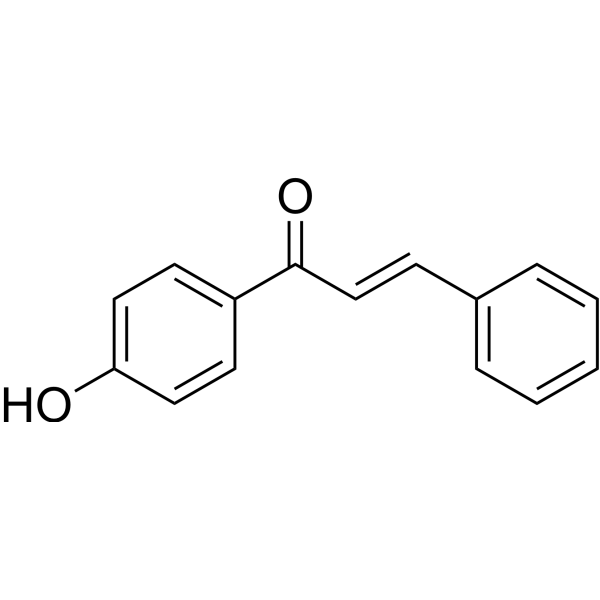
4'-Hydroxychalcone is a chalcone isolated from licorice root, with hepatoprotective activity. 4'-Hydroxychalcone inhibits TNFα-induced NF-κB activation via proteasome inhibition. 4'-Hydroxychalcone induces a rapid potassium release from mitochondrial vesicles and causes deterioration of respiratory control and oxidative phosphorylation of isolated rat liver mitochondria .
|
-
-
- HY-19934
-
|
TAS-117
|
Akt
Apoptosis
Autophagy
|
Cancer
|
|
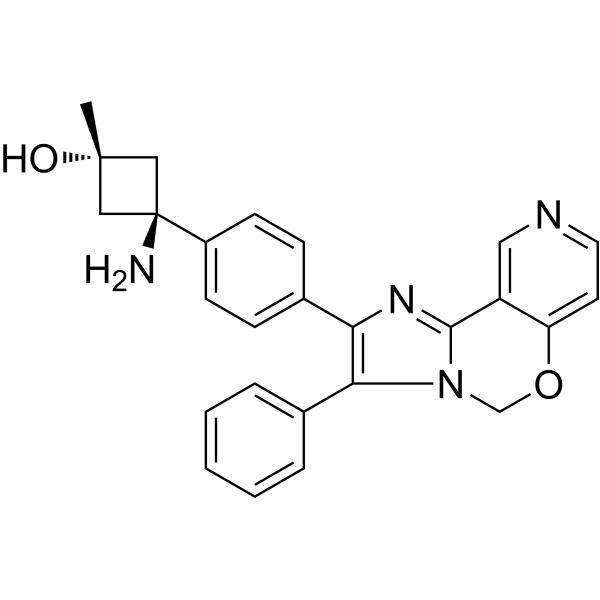
Pifusertib (TAS-117) is a potent, selective, orally active allosteric Akt inhibitor (with IC50s of 4.8, 1.6, and 44 nM for Akt1, 2, and 3, respectively). Pifusertib triggers anti-myeloma activities and enhances fatal endoplasmic reticulum (ER) stress induced by proteasome inhibition. Pifusertib induces apoptosis and autophagy .
|
-
-
- HY-19934A
-
|
TAS-117 hydrochloride
|
Akt
Apoptosis
Autophagy
|
Cancer
|
|
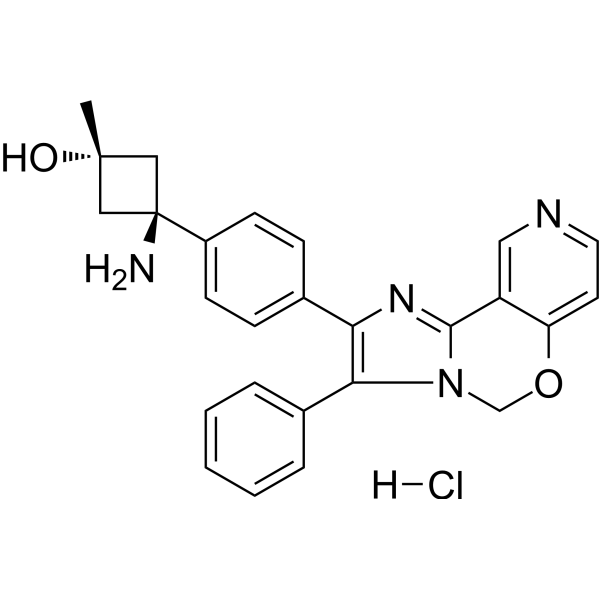
Pifusertib (TAS-117) hydrochloride is a potent, selective, orally active allosteric Akt inhibitor (with IC50s of 4.8, 1.6, and 44 nM for Akt1, 2, and 3, respectively). Pifusertib hydrochloride triggers anti-myeloma activities and enhances fatal endoplasmic reticulum (ER) stress induced by proteasome inhibition. Pifusertib hydrochloride induces apoptosis and autophagy .
|
-
-
- HY-P2483B
-
|
|
Bacterial
Proteasome
|
Infection
Inflammation/Immunology
Cancer
|
|
Octaarginine acetate is a cell-penetrating peptide and proteasome inhibitor. Octaarginine acetate exhibits mixed-type inhibition against 20S proteasome chymotrypsin-like, caspase-like, and trypsin-like activities, and inhibits 26S proteasome activity with decreased efficiency. Octaarginine acetate induces ubiquitin-conjugated protein accumulation, mediates HSPG-dependent cellular internalization via macropinocytosis, enhances liposomal cargo uptake and gene delivery. Octaarginine acetate can be used for the research of cervix carcinoma, collagen antibody-induced arthritis, and bacterial infections .
|
-

-
- HY-P2483
-
|
|
Proteasome
Bacterial
|
Infection
Inflammation/Immunology
Cancer
|
|
Octaarginine is a cell-penetrating peptide and proteasome inhibitor. Octaarginine exhibits mixed-type inhibition against 20S proteasome chymotrypsin-like, caspase-like, and trypsin-like activities, and inhibits 26S proteasome activity with decreased efficiency. Octaarginine induces ubiquitin-conjugated protein accumulation, mediates HSPG-dependent cellular internalization via macropinocytosis, enhances liposomal cargo uptake and gene delivery. Octaarginine can be used for the research of cervix carcinoma, collagen antibody-induced arthritis, and bacterial infections .
|
-

-
- HY-119288
-
|
NSC 45382
|
Proteasome
|
Cancer
|
|
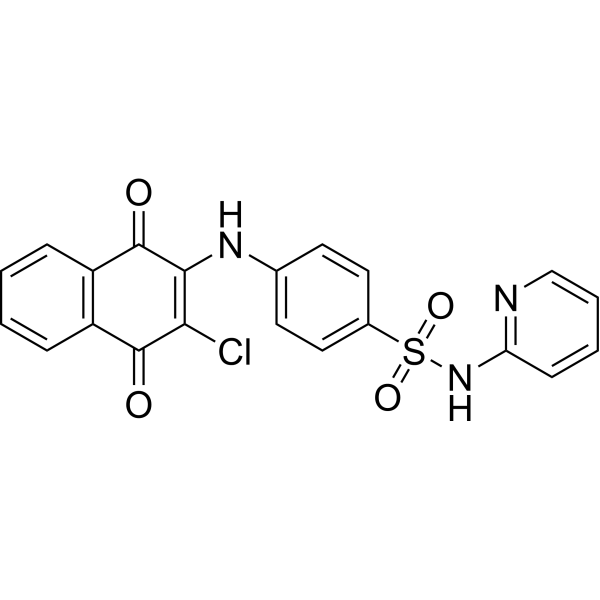
BC-23 (NSC 45382) is a proteasome inhibitor. BC-23 exhibits good inhibition of CT-L activity of the proteasome and is selective for malignant over normal cells .
|
-
-
- HY-P11331
-
|
|
Proteasome
|
Others
|
|
Az-NC-002 is a Proteasome trypsin-like site (β2) and immunoproteasome β2i-specific active probe. Az-NC-002 has weak off-target effects with no significant inhibition for Cathepsin D (HY-P2750), but this inhibition reacts outside of the active site or influence on a small fraction of the enzyme .
|
-

-
- HY-161180
-
|
|
NAMPT
|
Cancer
|
|
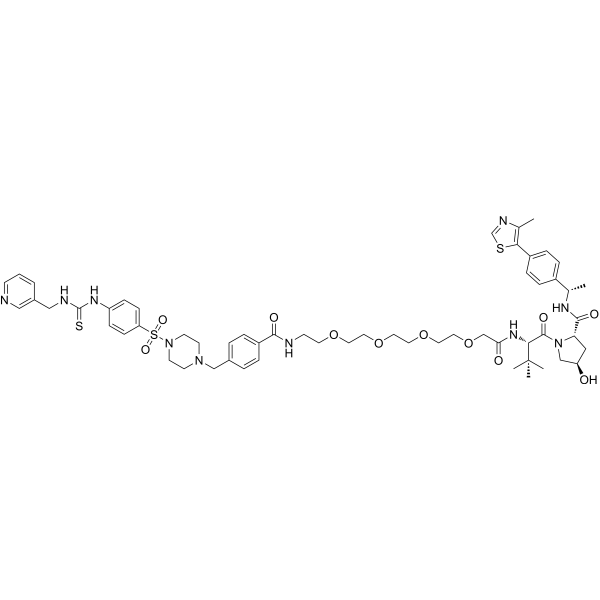
Antitumor Agent-136 (Compound 17) is a potent broad-spectrum antitumor agent and a NAMPT inhibitor with an IC50 of 9.5 nM. Antitumor Agent-136 can reduce the levels of intracellular and extracellular NAMPT protein through the ubiquitin proteasome pathway, thus achieving tumor inhibition .
|
-
-
- HY-137281
-
|
|
Ser/Thr Protease
|
Others
|
|
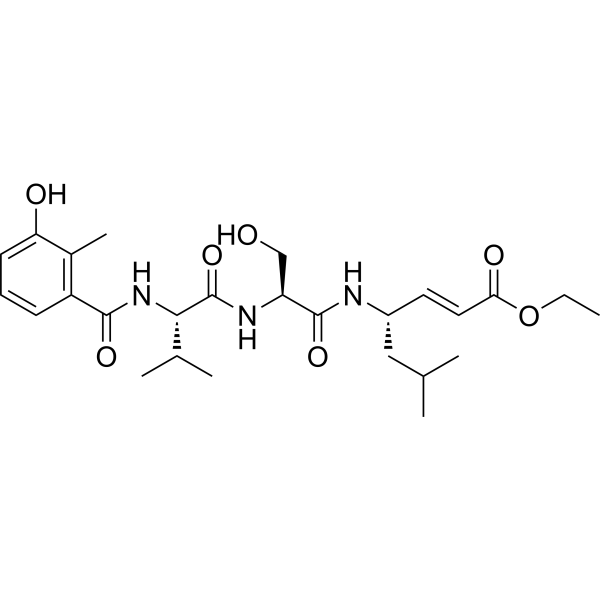
HMB-Val-Ser-Leu-VE is a prototype vinyl ester inhibitor. HMB-Val-Ser-Leu-VE is against trypsin-like (T-L) proteasome activity with an IC50 of 0.033 μM .
|
-
-
- HY-108553
-
|
|
Proteasome
Apoptosis
|
Cancer
|
|
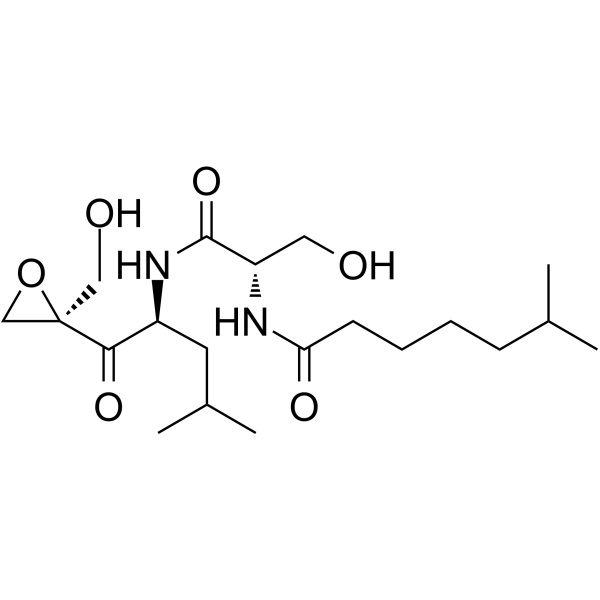
Dihydroeponemycin, an analogue of the antitumor and antiangiogenic natural product eponemycin, selectively targets the 20S proteasome. Dihydroeponemycin covalently modifies a subset of catalytic proteasomal subunits, binding preferentially to the IFN-gamma-inducible subunits LMP2 and LMP7. Dihydroeponemycin-mediated proteasome inhibition induces a spindle-like cellular morphological change and apoptosis .
|
-
-
- HY-164689
-
|
|
Proteasome
|
Cancer
|
|
Cadmium pyrithione is a metal compound that inhibits protein deubiquitinase activity. Cadmium pyrithione treatment results in significant accumulation of ubiquitinated proteins in cancer cells and primary leukemia cells. Cadmium pyrithione strongly inhibits the activity of proteasome deubiquitinase (such as USP14 and UCHL5), but has a smaller inhibitory effect on 20S proteasome activity. The anticancer activity of Cadmium pyrithione is associated with the induction of apoptosis through caspase activation. Furthermore, Cadmium pyrithione inhibition inhibited proteasome function and suppressed tumor growth in animal xenograft models .
|
-

-
- HY-N13904
-
|
|
Proteasome
|
Cancer
|
|
Argyrin A, a cyclical peptide, is a potent antitumoral agent. Argyrin A exerts its effects through a potent inhibition of the proteasome. Argyrin A leads to increased endogenous p27 kip1 levels by preventing protein turnover .
|
-

-
- HY-P2483A
-
|
|
Proteasome
Bacterial
|
Infection
Neurological Disease
Cancer
|
|
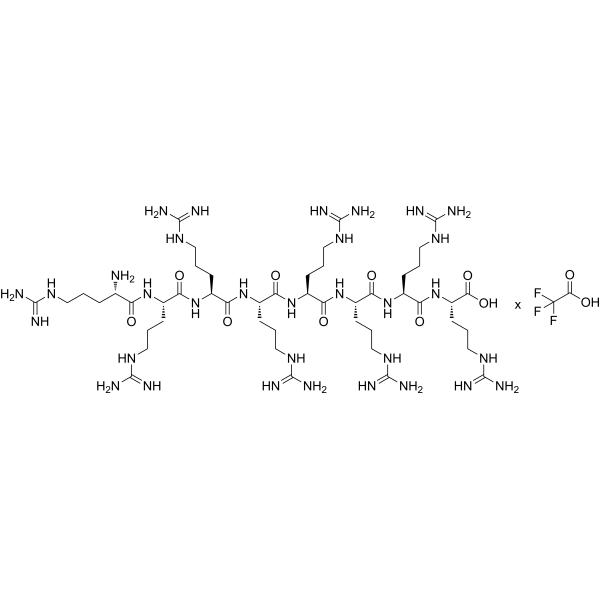
Octaarginine TFA is a cell-penetrating peptide and proteasome inhibitor. Octaarginine TFA exhibits mixed-type inhibition against 20S proteasome chymotrypsin-like, caspase-like, and trypsin-like activities, and inhibits 26S proteasome activity with decreased efficiency. Octaarginine TFA induces ubiquitin-conjugated protein accumulation, mediates HSPG-dependent cellular internalization via macropinocytosis, enhances liposomal cargo uptake and gene delivery. Octaarginine TFA can be used for the research of cervix carcinoma, collagen antibody-induced arthritis, and bacterial infections .
|
-
-
- HY-141543
-
|
|
β-catenin
|
Cancer
|
|
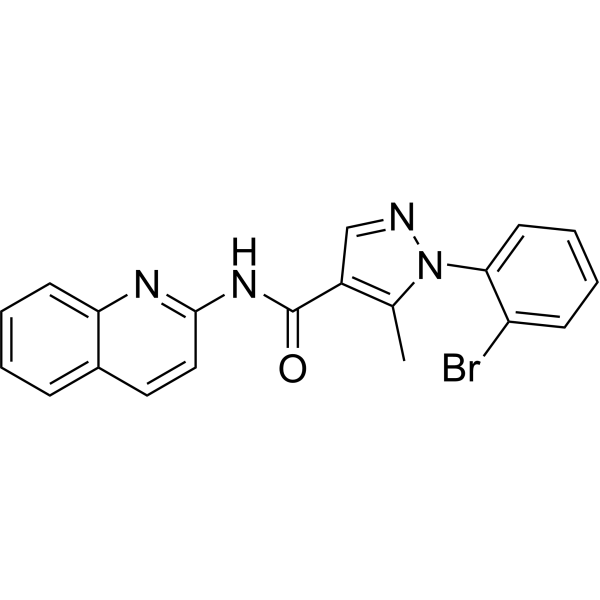
YW2065 is an Axin-1 stabilizer. Axin-1 is a scaffolding protein that regulates proteasome degradation of β-catenin. YW2065 exhibits anti-colorectal cancer effects via dual activities of wnt/β-catenin signaling inhibition and AMPK activation .
|
-
-
- HY-N13917
-
|
|
Proteasome
Bacterial
|
Infection
Cancer
|
|
Argyrin B, a natural product cyclic peptide, is a reversible, non-competitive immunoproteasome inhibitor. Argyrin B shows selective inhibition of the β5i and β1i sites of the immunoproteasome over the β5c and β1c sites of the constitutive proteasome with nearly 20-fold selective inhibition of β1i over the homologous β1c. Argyrin B has antibacterial effects .
|
-

-
- HY-P11311
-
|
|
Proteasome
|
Cancer
|
|
NC-002, a cell-permeable peptide, is a Trypsin-like proteasome inhibitor without inhibition of lysosomal cysteine proteases. NC-002 is the epoxyketone derivative of Leupeptin (HY-18234). NC-002 sensitizes myeloma cells to Bortezomib (HY-10227) and Carfilzomib (HY-10455). NC-002 can be used for cancers research .
|
-

-
- HY-138958
-
|
|
Bacterial
Virus Protease
|
Infection
|
|
HT1171 is a potent and selective inhibitor of mycobacterium tuberculosis proteasome. HT1171 shows strong anti-tuberculosis activity against Mycobacterium tuberculosis H37Rv with an MIC90 of 2 μg/mL and an MIC of 4 μg/mL. When HT1171 concentration is 100 μM, the inhibition rate of human normal hepatocytes L02 is 53.8%. HT1171 can be used in the research of antitubercular agent .
|
-

-
- HY-N7890
-
|
|
Proteasome
|
Cancer
|
|
Isomoreollic acid is a cage xanthonoid. Isomoreollic acid exhibits cytotoxicity against colon cancer cells, with an IC50 > 10 μM for proteasome inhibition. Isomoreollic acid is present in the stem bark of Garcinia lateriflora. Isomoreollic acid can be used in colon cancer research .
|
-

-
- HY-N7056R
-
|
|
Reference Standards
Proteasome
Oxidative Phosphorylation
|
Inflammation/Immunology
Cancer
|
|
4'-Hydroxychalcone (Standard) is the analytical standard of 4'-Hydroxychalcone (HY-N7056). This product is intended for research and analytical applications. 4'-Hydroxychalcone is a chalcone isolated from licorice root, with hepatoprotective activity. 4'-Hydroxychalcone inhibits TNFα-induced NF-κB activation via proteasome inhibition. 4'-Hydroxychalcone induces a rapid potassium release from mitochondrial vesicles and causes deterioration of respiratory control and oxidative phosphorylation of isolated rat liver mitochondria .
|
-

-
- HY-182760
-
|
|
DNA Alkylator/Crosslinker
Bcl-2 Family
Caspase
Apoptosis
Topoisomerase
|
Cancer
|
|
MN33-63 is a Bcl-2 inhibitor, caspase-3 activator and DNA crosslinker with broad-spectrum anticancer activity. MN33-63 improves the water solubility of SN-38 (HY-13704), inhibits tumor growth and proliferation in a dose-dependent manner, and causes no obvious toxicity. MN33-63 relieves the inhibition of the mitochondrial apoptotic pathway, initiates the apoptosis program, inhibits Topo I activity, and promotes its degradation via the ubiquitin-proteasome and autophagy-lysosome pathways. MN33-63 induces DNA crosslinking, G2/M cell cycle arrest, inhibition of cancer cell migration, and cancer cell apoptosis through the mitochondrial pathway. MN33-63 can be used in the research of colorectal cancer, cervical cancer, hepatocellular carcinoma, lung adenocarcinoma and gastric cancer .
|
-

-
- HY-182800
-
|
|
Molecular Glues
Casein Kinase
|
Cancer
|
|
IBA-11 is a selective CRBN-dependented CK1α molecular glue degrader. IBA-11 binds to the canonical tri-tryptophan pocket of CRBN, forming a ternary complex with CK1α to mediate its degradation. IBA-11 induces CRBN-dependent ubiquitin-proteasome system-mediated degradation of CK1α. IBA-11 exhibits cytotoxicity against cancer cells. IBA-11 demonstrates in vitro metabolic stability in rat liver microsomes and minimal hERG inhibition. IBA-11 can be used for the research of cancer, such as acute myeloid leukemia .
|
-

-
- HY-181967
-
|
|
PROTACs
PARP
DNA/RNA Synthesis
PD-1/PD-L1
|
Cancer
|
|
PROTAC PARP1 degrader-5 is a PARP1 PROTAC degrader with a DC50 of 0.12 μM. PROTAC PARP1 degrader-5 hijacks the ubiquitin-proteasome system via catalytic ternary complex formation to drive sustained PARP1 degradation. PROTAC PARP1 degrader-5 induces DNA damage, drives marginal cytosolic double-stranded DNA accumulation in tumor cells, and up-regulates PD-L1 surface expression in tumor cells. PROTAC PARP1 degrader-5 shows tumor growth inhibition activity in murine melanoma models when encapsulated in lipid nanoparticles. PROTAC PARP1 degrader-5 can be used for the research of cancer, such as melanoma .
|
-

-
- HY-180970
-
|
|
PROTACs
Anaplastic lymphoma kinase (ALK)
|
Cancer
|
|
TD-004 is a potent ALK PROTAC degrader. TD-004 exhibits anti-ALK inhibitory activity with an IC50 of 0.11 µM and selectively inhibits the proliferation of SU-DHL-1 and H3122 cells (ALK-positive cancer cells) with IC50s of 0.058 µM and 0.28 µM, respectively. TD-004 induces degradation of ALK fusion proteins (NPM-ALK and EML4-ALK) via recruitment of the VHL E3 ligase and the proteasome pathway. TD-004 demonstrates significant tumor growth inhibition with a favorable safety profile in vivo. TD-004 can be used for the research of anaplastic large cell lymphoma and non-small cell lung cancer .
|
-

-
- HY-182759
-
|
|
DNA Alkylator/Crosslinker
Topoisomerase
Caspase
Bcl-2 Family
Apoptosis
|
Cancer
|
|
MN33-47 is a multi-target anti-tumor compound with broad-spectrum anti-proliferative activity. MN33-47 relieves the inhibition of the mitochondrial apoptosis pathway by downregulating the anti-apoptotic protein Bcl-2, while activating caspase-3 and inhibiting Topoisomerase I activity, thereby promoting its degradation through the ubiquitin-proteasome and autophagy-lysosome pathways. MN33-47 can also induce DNA cross-linking and G2/M cell cycle arrest, inhibit cancer cell migration and activate the mitochondrial apoptosis pathway, thus exerting potent anti-tumor effects. MN33-47 can improve the water solubility of SN-38 (HY-13704), and exhibits dose-dependent tumor growth inhibition effects in CT26 tumor-bearing mouse models without obvious toxic and side effects. MN33-47 can be used in related studies on colorectal adenocarcinoma, cervical adenocarcinoma, hepatocellular carcinoma, alveolar basal epithelial adenocarcinoma, gastric cancer and colon cancer .
|
-

-
- HY-181758
-
|
|
PROTACs
Epigenetic Reader Domain
Histone Acetyltransferase
c-Myc
Apoptosis
|
Cancer
|
|
PROTAC CBP/p300/BRD4 Degrader-1 is a dual-target PROTAC degrader with DC50 values of 8.8 pM (BRD4), 6.55 nM (CBP), and 1.05 nM (p300). PROTAC CBP/p300/BRD4 Degrader-1 induces CRBN- and proteasome-dependent degradation of BRD4 and CBP/p300, downregulates c-Myc and acetyl-H3K27, induces apoptosis. PROTAC CBP/p300/BRD4 Degrader-1 acts as an antiproliferative and antitumor agent, induces tumor growth inhibition in xenograft models. PROTAC CBP/p300/BRD4 Degrader-1 can be used for the research of prostate cancer and colorectal cancer .
|
-

-
- HY-179499
-
|
|
PROTACs
Histone Methyltransferase
Apoptosis
|
Cancer
|
|
PROTAC EZH2 Degrader-9 is orally active EZH2 PROTAC degrader degrading EZH2 via the ubiquitin-proteasome pathway. PROTAC EZH2 Degrader-9 downregulates PRC2 core subunits and potent inhibition of H3K27me3 without affecting common CRBN neosubstrates while it was selective over GSp'T1 and ikZF1/3. PROTAC EZH2 Degrader-9 exhibits potent antiproliferative activity against multiple cancer cell lines by inducing cell cycle and apoptosis. PROTAC EZH2 Degrader-9 reverses PRC2-mediated gene silencing and inhibiting EZH2 non-catalytic target gene activation. PROTAC EZH2 Degrader-9 can be used for leukemia, lymphoma, and non-small cell lung cancer research .
|
-

-
- HY-181907
-
|
|
HyT
Keap1-Nrf2
HSP
|
Inflammation/Immunology
|
NBE5 is an orally active hydrophobic tag-targeting (Hyt) degrader (HyTTD) that targets Keap1. NBE5 mimics protein misfolding and recruits the molecular chaperone Hsp90, while achieving targeted degradation of Keap1 through both the ubiquitin-proteasome system and the autophagy-lysosome system. Consequently, NBE5 relieves the inhibition of the transcription factor Nrf2 by Keap1, potently activates the Nrf2-mediated endogenous antioxidant pathway, and upregulates the expression of downstream antioxidant proteins such as HO-1 and GCLM. NBE5 effectively alleviates oxidative stress and inflammatory damage, and exhibits excellent in vivo activity in a mouse model of acute colitis induced by DSS (HY-116282C) .
NBE5 consists of a hydrophobic tag (HY-W022007), a Keap1-Nrf2 ligand (HY-14909), and a linker (HY-W014831).
|
-

| Cat. No. |
상품명 |
Target |
Research Area |
-
- HY-P2483B
-
|
|
Bacterial
Proteasome
|
Infection
Inflammation/Immunology
Cancer
|
|
Octaarginine acetate is a cell-penetrating peptide and proteasome inhibitor. Octaarginine acetate exhibits mixed-type inhibition against 20S proteasome chymotrypsin-like, caspase-like, and trypsin-like activities, and inhibits 26S proteasome activity with decreased efficiency. Octaarginine acetate induces ubiquitin-conjugated protein accumulation, mediates HSPG-dependent cellular internalization via macropinocytosis, enhances liposomal cargo uptake and gene delivery. Octaarginine acetate can be used for the research of cervix carcinoma, collagen antibody-induced arthritis, and bacterial infections .
|
-
- HY-P2483
-
|
|
Proteasome
Bacterial
|
Infection
Inflammation/Immunology
Cancer
|
|
Octaarginine is a cell-penetrating peptide and proteasome inhibitor. Octaarginine exhibits mixed-type inhibition against 20S proteasome chymotrypsin-like, caspase-like, and trypsin-like activities, and inhibits 26S proteasome activity with decreased efficiency. Octaarginine induces ubiquitin-conjugated protein accumulation, mediates HSPG-dependent cellular internalization via macropinocytosis, enhances liposomal cargo uptake and gene delivery. Octaarginine can be used for the research of cervix carcinoma, collagen antibody-induced arthritis, and bacterial infections .
|
-
- HY-P11331
-
|
|
Proteasome
|
Others
|
|
Az-NC-002 is a Proteasome trypsin-like site (β2) and immunoproteasome β2i-specific active probe. Az-NC-002 has weak off-target effects with no significant inhibition for Cathepsin D (HY-P2750), but this inhibition reacts outside of the active site or influence on a small fraction of the enzyme .
|
-
- HY-137281
-
|
|
Ser/Thr Protease
|
Others
|
|
HMB-Val-Ser-Leu-VE is a prototype vinyl ester inhibitor. HMB-Val-Ser-Leu-VE is against trypsin-like (T-L) proteasome activity with an IC50 of 0.033 μM .
|
-
- HY-P2483A
-
|
|
Proteasome
Bacterial
|
Infection
Neurological Disease
Cancer
|
|
Octaarginine TFA is a cell-penetrating peptide and proteasome inhibitor. Octaarginine TFA exhibits mixed-type inhibition against 20S proteasome chymotrypsin-like, caspase-like, and trypsin-like activities, and inhibits 26S proteasome activity with decreased efficiency. Octaarginine TFA induces ubiquitin-conjugated protein accumulation, mediates HSPG-dependent cellular internalization via macropinocytosis, enhances liposomal cargo uptake and gene delivery. Octaarginine TFA can be used for the research of cervix carcinoma, collagen antibody-induced arthritis, and bacterial infections .
|
-
- HY-P11311
-
|
|
Proteasome
|
Cancer
|
|
NC-002, a cell-permeable peptide, is a Trypsin-like proteasome inhibitor without inhibition of lysosomal cysteine proteases. NC-002 is the epoxyketone derivative of Leupeptin (HY-18234). NC-002 sensitizes myeloma cells to Bortezomib (HY-10227) and Carfilzomib (HY-10455). NC-002 can be used for cancers research .
|
| Cat. No. |
상품명 |
Target |
Research Area |
Image |
-
- HY-P9915
-
|
Anti-Human CD38, Human Antibody; HuMax-CD38; JNJ-54767414
|
CD38
ADC Antibody
|
Inflammation/Immunology
Cancer
|
|
Daratumumab (Anti-Human CD38) is the first-in-class human-specific anti-CD38 monoclonal antibody (IgG1). Daratumumab has anti-multiple myeloma (MM) effect. Daratumumab impairs MM cell adhesion, which results in an increased sensitivity of MM to proteasome inhibition .
|
-

(5)
-
- HY-P9915A
-
|
Anti-Human CD38, Human Antibody (PBS)
|
ADC Antibody
CD38
|
Cancer
|
|
Daratumumab (PBS) (Anti-Human CD38) is the first-in-class human-specific anti-CD38 monoclonal antibody (IgG1). Daratumumab (PBS) has anti-multiple myeloma (MM) effect. Daratumumab (PBS) impairs MM cell adhesion, which results in an increased sensitivity of MM to proteasome inhibition .
|
-
(5)
| Cat. No. |
상품명 |
Category |
Target |
Chemical Structure |
| Cat. No. |
상품명 |
|
Classification |
-
- HY-P11331
-
|
|
|
Azide
|
|
Az-NC-002 is a Proteasome trypsin-like site (β2) and immunoproteasome β2i-specific active probe. Az-NC-002 has weak off-target effects with no significant inhibition for Cathepsin D (HY-P2750), but this inhibition reacts outside of the active site or influence on a small fraction of the enzyme .
|
Your information is safe with us. * Required Fields.
Inquiry Information
- 상품명:
- Cat. No.:
- 수량:
- MCE Japan Authorized Agent:








