42 Results for "

Sterol biosynthesis

" in MedChemExpress (MCE) Product Catalog:
Products (42)

42 Results for "Sterol biosynthesis" in MCE Product Catalog:

10
10 Publications Verification
Cat. No.: HY-107420
CAS No.: 366-93-8
Purity:  99.67%
Target:  

Endogenous Metabolite

Research Areas:  

Metabolic Disease

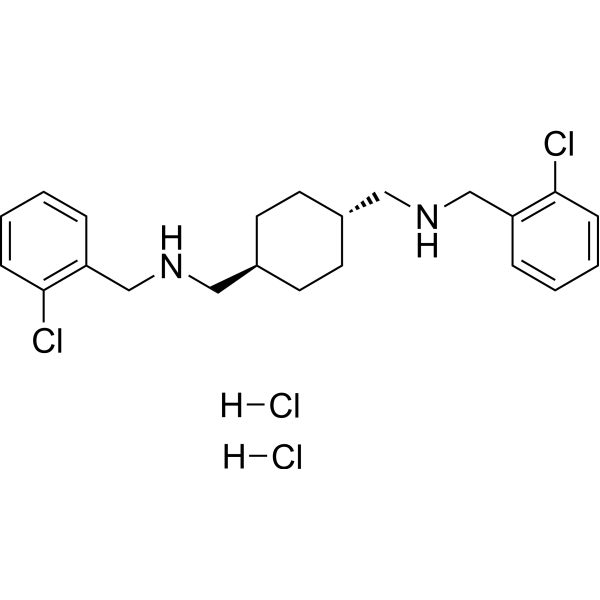
AY 9944 is a specific cholesterol biosynthesis inhibitor. AY 9944 inhibits the 7-dehydro cholesterol Δ7-reductase (DHCR7) enzyme with an IC50 of 13 nM. AY 9944 causes hypocholesterolemia and accumulation of 7DHC. At high doses, AY 9944 inhibits also in cultured embryos sterol Δ7-Δ8 isomerase, which causes the accumulation of cholest-8-en-3β-ol .
loading...
    loading...
2
2 Cited Publications
Cat. No.: HY-N7255
CAS No.: 469-38-5
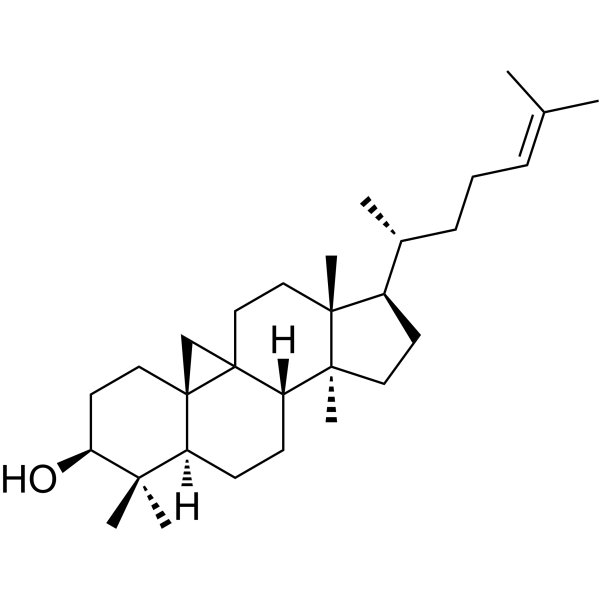
Cycloartenol, a phytosterol compound, is one of the key precusor substances for biosynthesis of numerous sterol compounds. Cycloartenol inhibits the migration of glioma cells and suppresses the phosphorylation of the p38 MAP kinase. Cycloartenol has a variety of pharmacological activities such as anti-inflammatory, anti-tumor, antioxidant, antibiosis and anti-alzheimer's disease. Cycloartenol also plays an important role in the process of plant growth and development .
loading...
    loading...
1
1 Cited Publications
Cat. No.: HY-164561
CAS No.: 1678515-93-9
Research Areas:  

Cancer

TASIN-30 is a selective EBP inhibitor with an EC50 of 0.097 μM. TASIN-30 blocks the production of 7-dehydrocholesterol (7-DHC) and downstream cholesterol biosynthesis processes. TASIN-30 depletes downstream sterols, disrupts the integrity of lipid rafts in tumor cells, accelerates intracellular cholesterol consumption, and inhibits tumor cell proliferation. TASIN-30 induces ferroptosis and apoptosis by reducing 7-DHC levels and increasing phospholipid peroxidation. TASIN-30 achieves tumor suppression in nude mice with osteosarcoma. TASIN-30 can be used in cancer-related research such as colorectal cancer and osteosarcoma .
loading...
    loading...
1
1 Cited Publications
Cat. No.: HY-135761
CAS No.: 66246-88-6
Purity:  98.91%
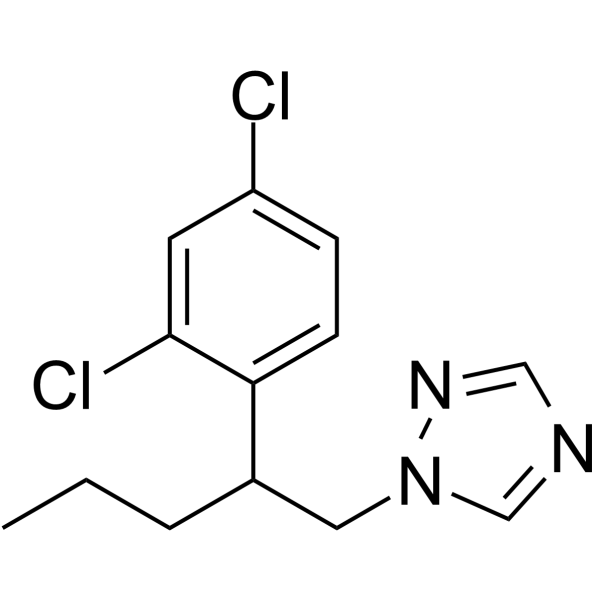
Penconazole is a typical triazole fungicide, and mainly applied on apples, grapes, and vegetables to control powdery mildew. Penconazole inhibits sterol biosynthesis in fungi. Penconazole decrease AChE activity in the cerebrum and cerebellum of rats .
loading...
    loading...
1
1 Cited Publications
Cat. No.: HY-114296
CAS No.: 7200-26-2
Synonyms: Squalene oxide
Research Areas:  

Others

2,3-Oxidosqualene (Squalene oxide) is a sterol biosynthesis precursor intermediate.2,3-Oxidosqualene participates in cyclization pathways that form sterols and triterpenes, and contributes to introduction of their characteristic 3-hydroxyl group.2,3-Oxidosqualene forms metabolically from squalene in rat liver homogenates under sterol synthesis conditions.2,3-Oxidosqualene converts to sterols including cholesterol, lathosterol, and lanost-8-en-3β-ol in rat liver homogenates under anaerobic conditions .
loading...
    loading...
1
1 Cited Publications
Cat. No.: HY-14282
CAS No.: 101530-10-3
Purity:  98.00%
Target:  

Fungal

Research Areas:  

Infection Inflammation/Immunology

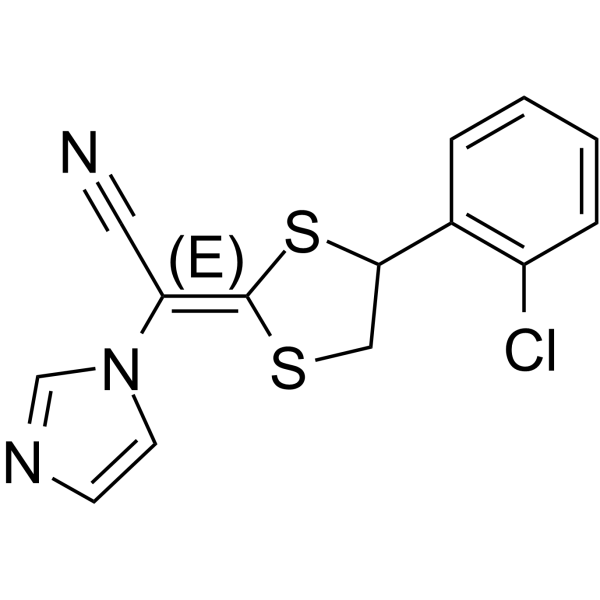
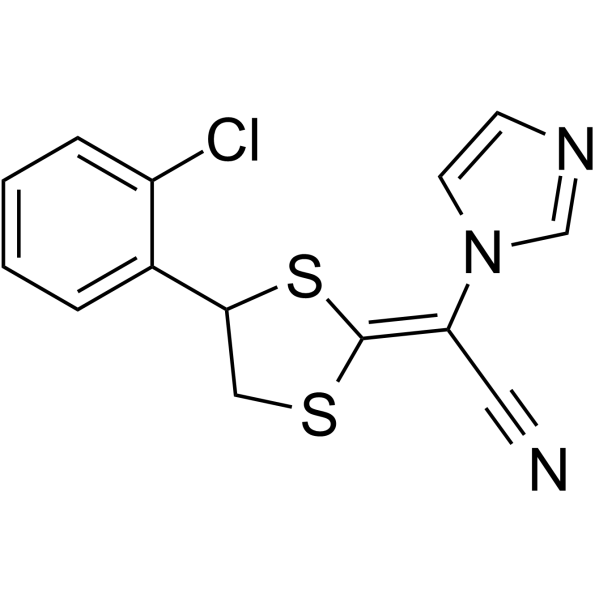
Lanoconazole is a potent and orally active imidazole antifungal agent, shows a broad spectrum of activity against fungi?in vitro?and?in vivo . Lanoconazole interferes with ergosterol biosynthesis by inhibiting sterol 14-alpha demethylase and blocking fungal membrane ergosterol biosynthesis. Lanoconazole can be used for the investigation of dermatophytosis and onychomycosis .
loading...
    loading...
Cat. No.: HY-114295A
CAS No.: 116057-55-7
Purity:  99.06%
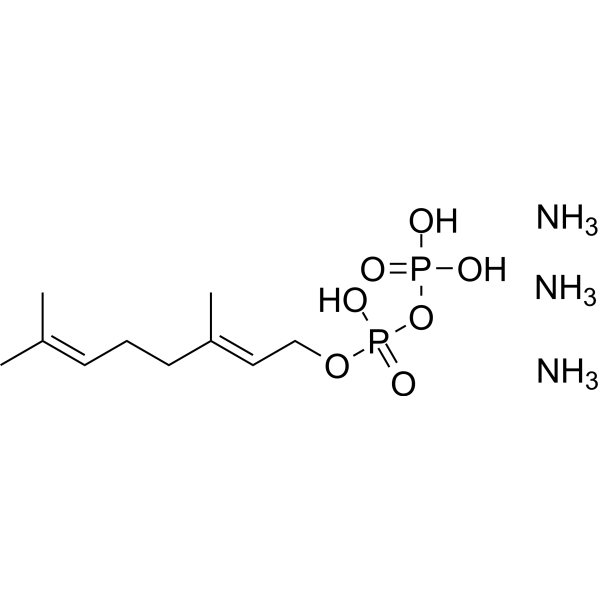
Synonyms: Geranyl pyrophosphate triammonium
Geranyl diphosphate triammonium is a key intermediate in the isoprenoid biosynthesis pathway (IBP). Geranyl diphosphate triammonium plays key roles in cellular metabolism and is responsible for the production of both sterol and non-sterol isoprenoids .
loading...
    loading...
Cat. No.: HY-119847
CAS No.: 129639-79-8
Purity:  99.10%
Synonyms: BAY-W-6341
Target:  

Fungal

Research Areas:  

Infection

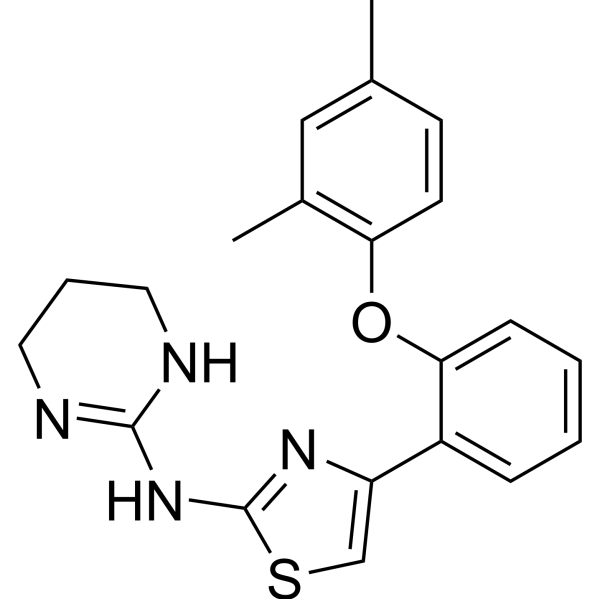
Abafungin (BAY-W-6341) is a broad-spectrum fungicidal arylguanidine compound and a selective inhibitor of sterol-C-24-methyltransferase. Abafungin blocks the transmethylation reaction at the C-24 position of the sterol side chain during the ergosterol biosynthesis pathway. Abafungin directly disrupts fungal cell membrane integrity, and diminishes fungal viability independent of the fungal growth state. Abafungin can be applied to the research of fungal infections, particularly dermatomycoses .
loading...
    loading...
Cat. No.: HY-114295
CAS No.: 763-10-0
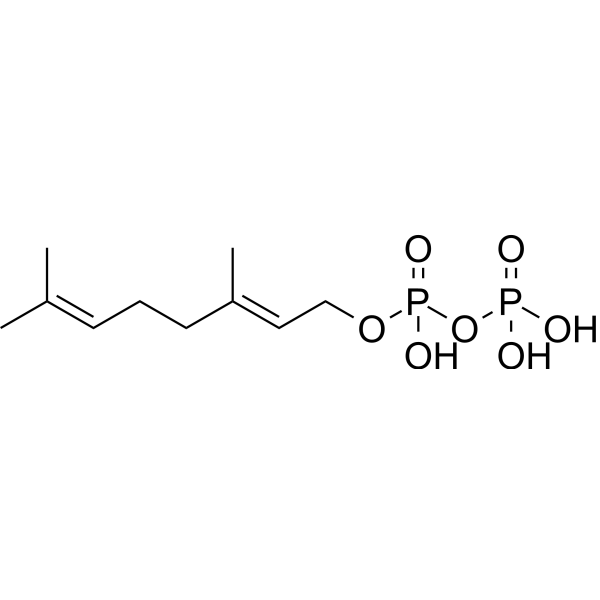
Synonyms: Geranyl pyrophosphate
Geranyl diphosphate is a key intermediate in the isoprenoid biosynthesis pathway (IBP). HY-114295 plays key roles in cellular metabolism and is responsible for the production of both sterol and non-sterol isoprenoids .
loading...
    loading...
Cat. No.: HY-114298
CAS No.: 1715-86-2
Category:  

Lipids

Target:  

Endogenous Metabolite

7-Dehydro desmosterol is a sterol and an intermediate in cholesterol biosynthesis, which is found in the marine diatom Pseudo-nitzschia multistriata and the nervous system of rodents .
loading...
    loading...
Cat. No.: HY-B0846
CAS No.: 110488-70-5
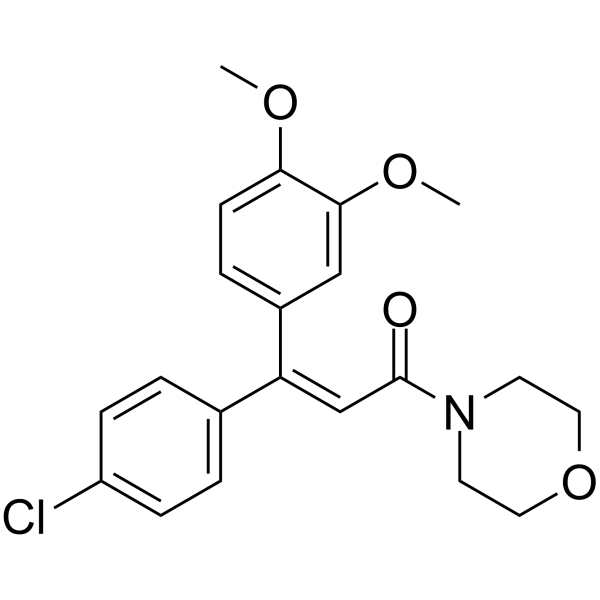
Dimethomorph is a fungicide belongs to the fungicide group of sterol biosynthesis inhibitor. Dimethomorph can inhibit fungal cell wall formation. Dimethomorph also inhibits androgen receptor (AR) activity in MDA-kb2 cells with an IC20 of 0.263 µM .
loading...
    loading...
Cat. No.: HY-118065
CAS No.: 126833-17-8
Purity:  99.60%
Synonyms: KBR 2738
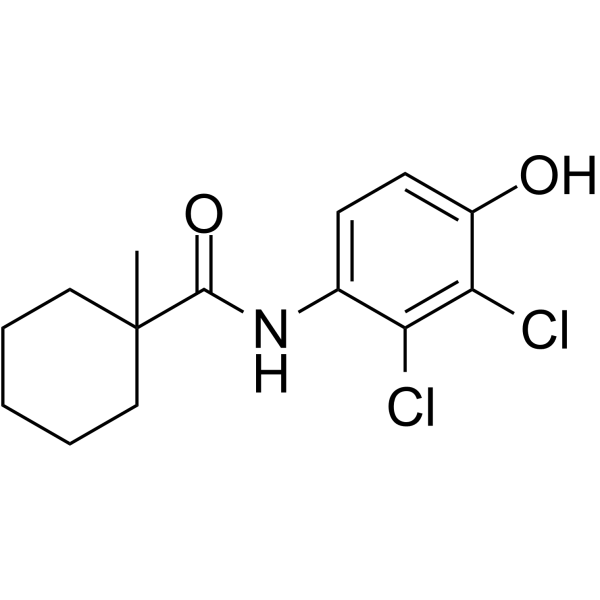
Fenhexamid, a botryticide, is a sterol biosynthesis inhibitor. Fenhexamid shows fungicide efficient against the plant pathogenic fungus Botryotinia fuckeliana (Botrytis cinerea) .
loading...
    loading...
Cat. No.: HY-176497
CAS No.: 1713317-28-2
Synonyms: G297X
Target:  

Cytochrome P450

Research Areas:  

Metabolic Disease Cancer

GW273297X is a selective CYP27A1 inhibitor. GW273297X blocks 27-hydroxycholesterol biosynthesis and sterol product formation in human macrophages. GW273297X reduces cancer cells colonization by inhibiting pro-metastatic effects of 27-hydroxycholesterol. GW273297X can be used for the researches of cancer and metabolic disease, such as breast cancer .
loading...
    loading...
Cat. No.: HY-128033
CAS No.: 67564-91-4
Purity:  98.70%
Research Areas:  

Infection

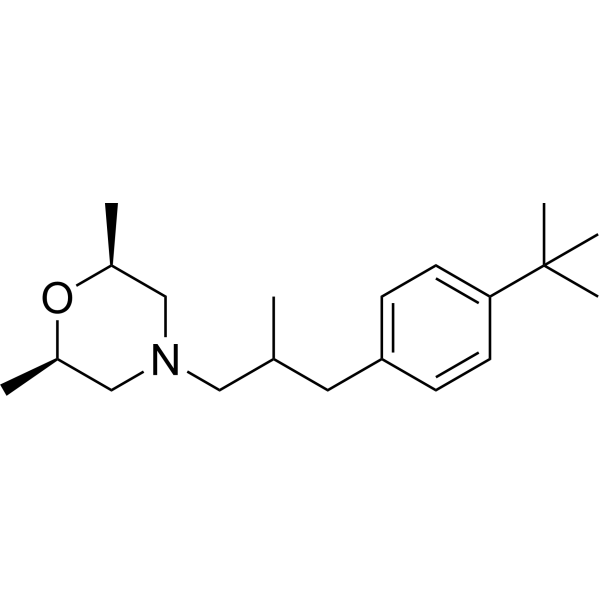
Fenpropimorph is a fungicide that inhibits the sterol pathway. Fenpropimorph inhibits δ8-δ7-sterol isomerase in yeast at low concentrations, with δ14-sterol reductase being blocked at higher levels, preventing the biosynthesis of ergosterol. Fenpropimorph also inhibits sterol synthesis in certain plants and mammalian cells .
loading...
    loading...
Cat. No.: HY-B2097
CAS No.: 138330-18-4
Synonyms: YM 175; Bisphonal
Target:  

Farnesyl Transferase

Research Areas:  

Metabolic Disease

Incadronate disodium (YM 175) is a bisphosphonate with strong inhibitory activity on bone resorption. Incadronate disodium indirectly stimulates renal 25-hydroxyvitamin D-1-hydroxylase by increasing circulating parathyroid hormone. Incadronate disodium, a cholesterol-lowering agent, is a potent inhibitor of rat liver microsomal squalene synthase (Ki=57 nM). Incadronate disodium inhibits sterol biosynthesis in mouse macrophage J774 cells (IC50=64 μM). Incadronate disodium has the potential for malignant tumors research .
loading...
    loading...
Cat. No.: HY-161844
CAS No.: 1794091-10-3
Target:  

SARS-CoV Dengue Virus

Research Areas:  

Infection

Virapinib is a macropinocytosis inhibitor with antiviral activity. Virapinib exhibits broad-spectrum antiviral activity against SARS-CoV-2, monkeypox virus, tick-borne encephalitis virus, and Ebola pseudotyped vesicular stomatitis virus, and it enhances Dengue Virus infection. Virapinib blocks viral entry by inhibiting macropinocytosis, reduces syncytium formation in SARS-CoV-2-infected cells, and impairs cellular entry of SARS-CoV-2 variants. Virapinib upregulates the expression of genes related to sterol biosynthesis. Virapinib can be used in studies related to COVID-19, monkeypox, tick-borne encephalitis, and Ebola virus infection .
loading...
    loading...
Cat. No.: HY-135761R
CAS No.: 66246-88-6
Penconazole (Standard) is the analytical standard of Penconazole. This product is intended for research and analytical applications. Penconazole is a typical triazole fungicide, and mainly applied on apples, grapes, and vegetables to control powdery mildew. Penconazole inhibits sterol biosynthesis in fungi. Penconazole decrease AChE activity in the cerebrum and cerebellum of rats .
loading...
    loading...
Cat. No.: HY-14282A
CAS No.: 101529-65-1
Purity:  99.31%
Target:  

Fungal

Research Areas:  

Infection Inflammation/Immunology

(Z)-Lanoconazole is the Z configuration of Lanoconazole. Lanoconazole is a potent and orally active imidazole antifungal agent, shows a broad spectrum of activity against fungi in vitro and in vivo . Lanoconazole interferes with ergosterol biosynthesis by inhibiting sterol 14-alpha demethylase and blocking fungal membrane ergosterol biosynthesis. Lanoconazole can be used for the investigation of dermatophytosis and onychomycosis .
loading...
    loading...
Cat. No.: HY-114296S
Synonyms: Squalene oxide-d6
2,3-Oxidosqualene-d6 (Squalene oxide-d6) is a deuterium labeled 2,3-Oxidosqualene (HY-114296). 2,3-Oxidosqualene (Squalene oxide) is a sterol biosynthesis precursor intermediate.2,3-Oxidosqualene participates in cyclization pathways that form sterols and triterpenes, and contributes to introduction of their characteristic 3-hydroxyl group.2,3-Oxidosqualene forms metabolically from squalene in rat liver homogenates under sterol synthesis conditions.2,3-Oxidosqualene converts to sterols including cholesterol, lathosterol, and lanost-8-en-3β-ol in rat liver homogenates under anaerobic conditions.
loading...
    loading...
Cat. No.: HY-W740611
CAS No.: 547-96-6
Trihydroxycoprostane (THCP) is a polyhydroxysterane compound with a 5β configuration. ITrihydroxycoprostane acts as a key intermediate in the biosynthesis of bile acids from cholesterol and also serves as an important sterol metabolite generated by host-gut microbiota interactions. Trihydroxycoprostane can be used for mechanistic studies of diseases such as non-alcoholic fatty liver disease, inflammatory bowel disease, and bile acid metabolism disorders .
loading...
    loading...

