Search Result
Results for "
TRβ
" in MedChemExpress (MCE) Product Catalog:
3
Biochemical Assay Reagents
5
Isotope-Labeled Compounds
| Cat. No. |
Product Name |
Target |
Research Areas |
Chemical Structure |
-
- HY-A0070A
-
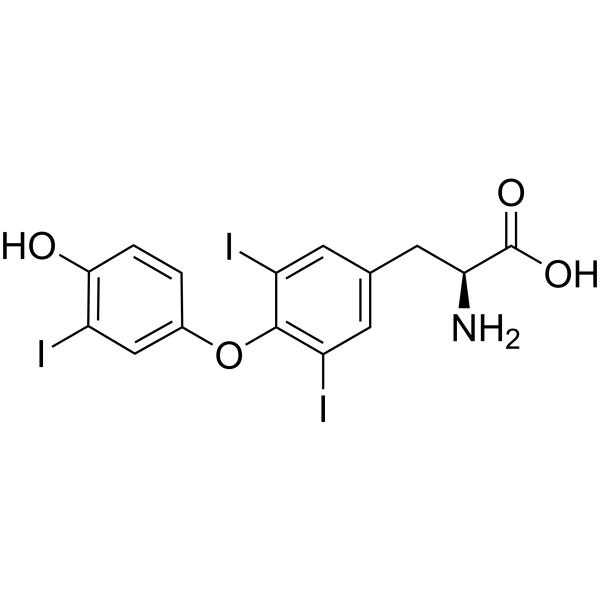
Liothyronine
Maximum Cited Publications
39 Publications Verification
Triiodothyronine; 3,3',5-Triiodo-L-thyronine; T3
|
Thyroid Hormone Receptor
Endogenous Metabolite
|
Endocrinology
Cancer
|
|
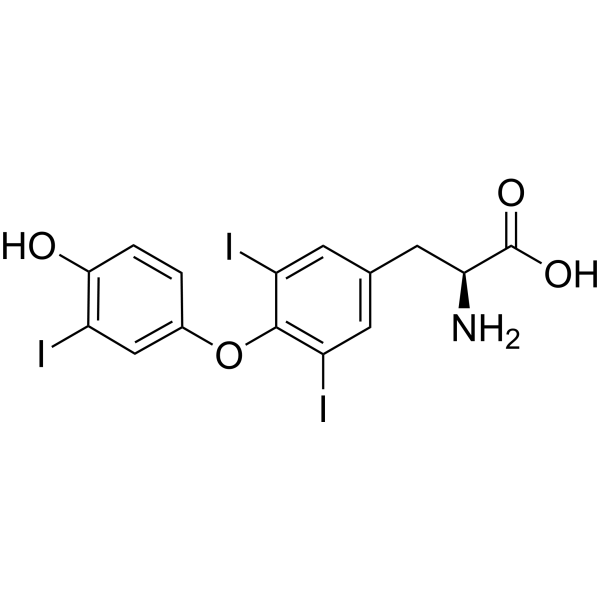
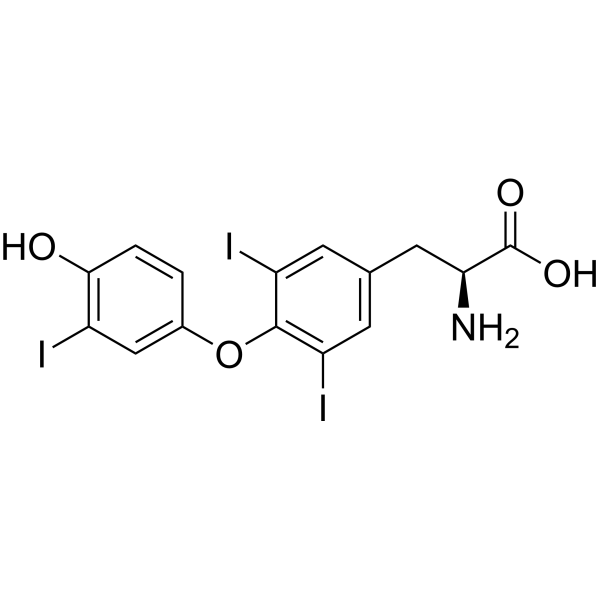
Liothyronine is an active form of thyroid hormone. Liothyronine binds to thyroid hormone receptors TRα and TRβ with Kis of 2.33 and 2.29 nM for hTRα and hTRβ, respectively. Liothyronine also binds to PVR and blocks the interaction of TIGIT/PVR .
|
-
-
- HY-A0070
-
|
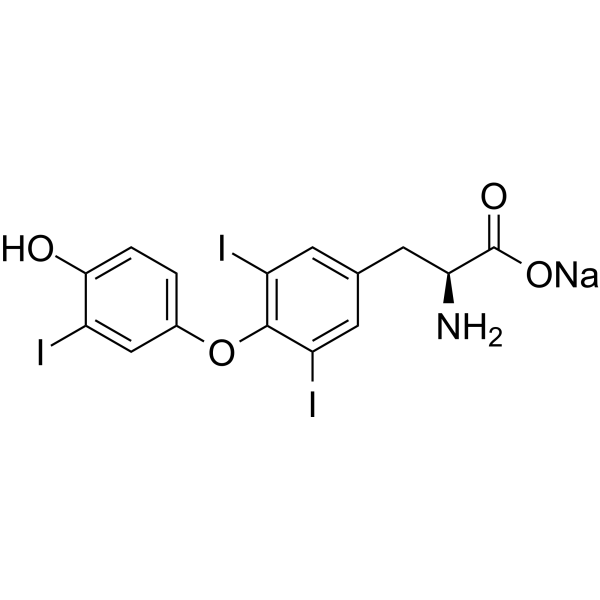
Triiodothyronine sodium; 3,3',5-Triiodo-L-thyronine sodium; T3 sodium
|
Thyroid Hormone Receptor
Endogenous Metabolite
|
Endocrinology
Cancer
|
|
Liothyronine sodium is an active form of thyroid hormone. Liothyronine sodium is a potent thyroid hormone receptors TRα and TRβ agonist with Kis of 2.33 nM for hTRα and hTRβ, respectively .
|
-
-
- HY-A0070B
-
|
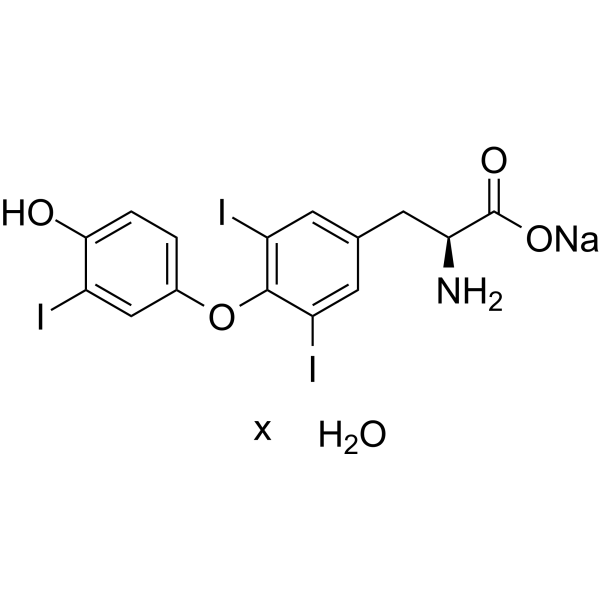
Triiodothyronine sodium hydrate; 3,3',5-Triiodo-L-thyronine sodium hydrate; T3 sodium hydrate
|
Thyroid Hormone Receptor
Endogenous Metabolite
|
Endocrinology
Cancer
|
|
Liothyronine sodium hydrate is an active form of thyroid hormone. Liothyronine sodium hydrate is a potent thyroid hormone receptors TRα and TRβ agonist with Kis of 2.33 nM for hTRα and hTRβ, respectively .
|
-
-
- HY-W011927
-
|
Bisphenol S; Bis(4-hydroxyphenyl) sulfone
|
Estrogen Receptor/ERR
Histone Methyltransferase
Thyroid Hormone Receptor
PI3K
Akt
mTOR
Androgen Receptor
Drug Derivative
|
Cardiovascular Disease
Neurological Disease
Metabolic Disease
Inflammation/Immunology
Cancer
|
|
4,4'-Sulfonyldiphenol (Bisphenol S; Bis(4-hydroxyphenyl) sulfone), a substitute for Bisphenol A (HY-18260), is widely used in industrial and consumer products. 4,4'-Sulfonyldiphenol is an oally ative estrogen receptor (ER) agonist and can competitively bind to thyroid hormone receptors (TR) with IC50 values for TRα and TRβ are 2650 μM and 2294 μM respectively, thereby affecting breast development and reducing the expression of androgen receptor (AR) in fetal testes. 4,4'-Sulfonyldiphenol promotes the progression of glioblastoma by upregulating the EZH2 mediated PI3K/AKT/mTOR pathway. Under chronic exposure, 4,4'-Sulfonyldiphenol can cause significant lipid deposition and dyslipidemia in the mouse liver by upregulating JunB and Atf3, and has a role in causing obesity at low doses. 4,4'-Sulfonyldiphenol induces intestinal inflammation by altering the intestinal microbiome. 4,4'-Sulfonyldiphenol accelerates the progression of atherosclerosis in zebrafish embryo larvae .
|
-
-
- HY-A0070AR
-
|
Triiodothyronine (Standard); 3,3',5-Triiodo-L-thyronine (Standard); T3 (Standard)
|
Thyroid Hormone Receptor
Endogenous Metabolite
Reference Standards
|
Endocrinology
Cancer
|
|
Liothyronine (Standard) is the analytical standard of Liothyronine. This product is intended for research and analytical applications. Liothyronine is an active form of thyroid hormone. Liothyronine is a potent thyroid hormone receptors TRα and TRβ agonist with Kis of 2.33 nM for hTRα and hTRβ, respectively .
|
-
-
- HY-A0070AG
-
|
Triiodothyronine; 3,3',5-Triiodo-L-thyronine; T3
|
Thyroid Hormone Receptor
|
Endocrinology
Cancer
|
|
Liothyronine (Triiodothyronine) (GMP) is the Liothyronine (HY-A0070A) produced by using GMP guidelines. GMP small molecules work appropriately as an auxiliary reagent for cell therapy manufacture. Liothyronine is a potent thyroid hormone receptors TRα and TRβ agonist with Kis of 2.33 nM for hTRα and hTRβ, respectively .
|
-
-
- HY-10473
-
|
KB2115
|
Thyroid Hormone Receptor
|
Metabolic Disease
Endocrinology
|
|
Eprotirome (KB2115) is a liver-selective thyroid hormone receptor (TR) agonist. KB2115 has modestly higher affinity for TRβ than for TRα. Eprotirome reduces low-density lipoprotein (LDL) cholesterol concentrations. Eprotirome can be used for dyslipidemias and obesity research .
|
-
-
- HY-114263
-
NXT629
4 Publications Verification
|
PPAR
|
Cancer
|
|
NXT629 is a potent, selective, and competitive PPAR-α antagonist, with an IC50 of 77 nM for human PPARα, shows high selectivity over other nuclear hormone receptor, such as PPARδ, PPARγ, ERβ, GR and TRβ, IC50s are 6.0, 15, 15.2, 32.5 and >100 μM, respectively . NXT629 has potent anti-tumor activity and inhibits experimental metastasis of cancer cell in animal models .
|
-
-
- HY-160207
-
-
-
- HY-111443
-
-
-
- HY-W011927S
-
|
Bisphenol S (4,4'-Sulfonyldiphenol)-d8
|
Isotope-Labeled Compounds
Estrogen Receptor/ERR
Histone Methyltransferase
Thyroid Hormone Receptor
PI3K
Akt
mTOR
Androgen Receptor
|
Cardiovascular Disease
Metabolic Disease
Inflammation/Immunology
Endocrinology
Cancer
|
|
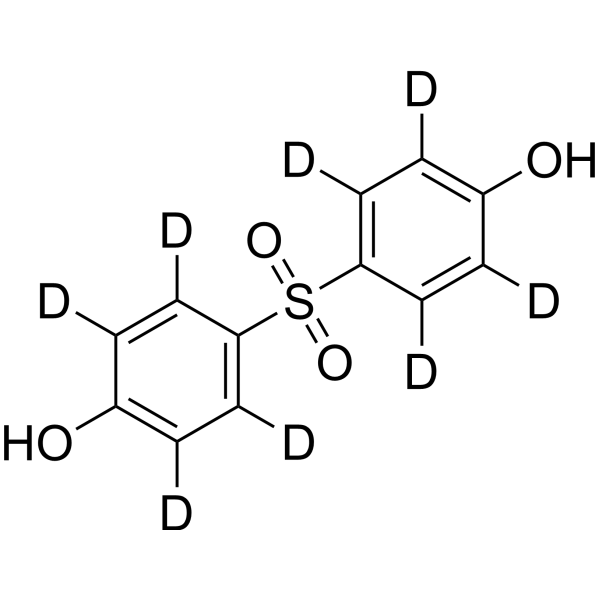
4,4'-Sulfonyldiphenol-d8 (Bisphenol S (4,4'-Sulfonyldiphenol)-d8) is the deuterium labeled 4,4'-Sulfonyldiphenol (HY-W011927).4,4'-Sulfonyldiphenol (Bisphenol S; Bis(4-hydroxyphenyl) sulfone), a substitute for Bisphenol A (HY-18260), is widely used in industrial and consumer products. 4,4'-Sulfonyldiphenol is an estrogen receptor (ER) agonist and can competitively bind to thyroid hormone receptors (TR) with IC50 values for TRα and TRβ are 2650 μM and 2294 μM respectively, thereby affecting breast development and reducing the expression of androgen receptor (AR) in fetal testes. 4,4'-Sulfonyldiphenol promotes the progression of glioblastoma by upregulating the EZH2 mediated PI3K/AKT/mTOR pathway. Under chronic exposure, 4,4'-Sulfonyldiphenol can cause significant lipid deposition and dyslipidemia in the mouse liver by upregulating JunB and Atf3, and has a role in causing obesity at low doses. 4,4'-Sulfonyldiphenol induces intestinal inflammation by altering the intestinal microbiome. 4,4'-Sulfonyldiphenol accelerates the progression of atherosclerosis in zebrafish embryo larvae.
|
-
-
- HY-127024
-
|
|
Thyroid Hormone Receptor
|
Metabolic Disease
|
|
Thyroid hormone receptor antagonist (1-850) is a competitive, selective and high-affinity thyroid hormone receptor (TR) antagonist with an IC50 of 1.5 μM for antagonizing the effect of T3 on TR. Thyroid hormone receptor antagonist (1-850) blocks T3-mediated interaction of TRα and TRβ with nuclear receptor coactivator. Thyroid hormone receptor antagonist (1-850) has no effect on the activity of RARα .
|
-
-
- HY-156679
-
|
|
Thyroid Hormone Receptor
|
Neurological Disease
Cancer
|
|
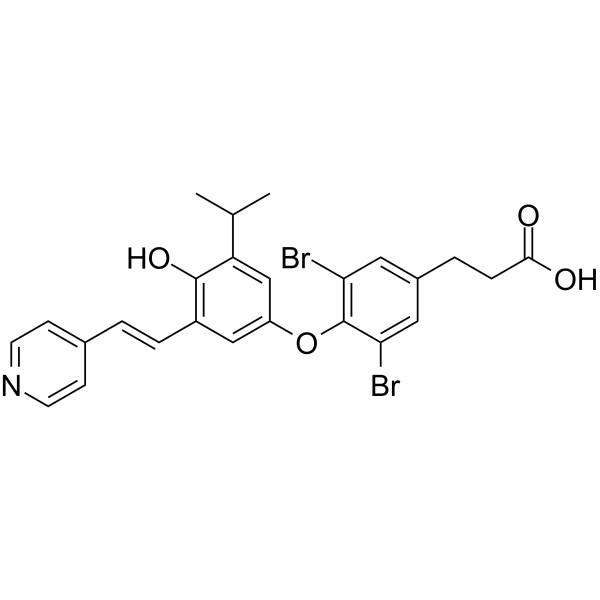
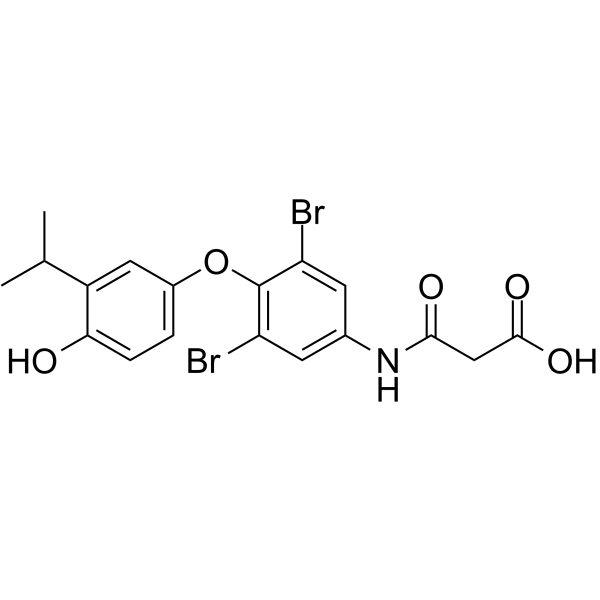
VK-0214 is an agonist of the thyroid β receptor (TRβ). By activating the expression of ABCD2, it can reduce the accumulation of very long-chain fatty acids (VLCFAs) and further alleviate glioblastoma multiforme. VK-0214 has the effect of regulating fatty acid metabolism and can be used in the research of X-linked adrenoleukodystrophy (X-ALD) .
|
-
-
- HY-146997
-
|
|
Thyroid Hormone Receptor
|
Metabolic Disease
|
|
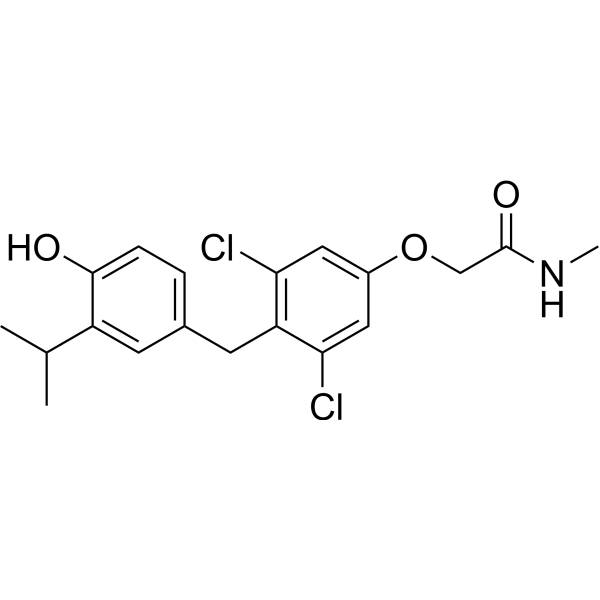
TRβ agonist 1 is a selective and mutation-sensitive thyroid hormone receptor β (TRβ) agonist, with an EC50 value of 21 nM. TRβ agonist 1 can be used for researching dyslipidemia, nonalcoholic steatohepatitis (NASH), and resistance to thyroid hormone (RTH) .
|
-
-
- HY-A0070R
-
|
Triiodothyronine sodium (Standard); 3,3',5-Triiodo-L-thyronine sodium (Standard); T3 sodium (Standard)
|
Reference Standards
Thyroid Hormone Receptor
Endogenous Metabolite
|
Endocrinology
Cancer
|
|
Liothyronine (sodium) (Standard) is the analytical standard of Liothyronine (sodium). This product is intended for research and analytical applications. Liothyronine sodium is an active form of thyroid hormone. Liothyronine sodium is a potent thyroid hormone receptors TRα and TRβ agonist with Kis of 2.33 nM for hTRα and hTRβ, respectively .
|
-
-
- HY-19513
-
-
-
- HY-164495
-
|
|
FAAH
Thyroid Hormone Receptor
|
Inflammation/Immunology
Endocrinology
|
|
Sob-AM2 is a potent substrate (Km=1.3 μM) targeting fatty acid amide hydrolase (FAAH) expressed in the brain and has blood-brain barrier permeability. Sob-AM2 delivers high concentrations of Sobetirome (HY-14823) to the central nervous system with minimal peripheral systemic dose, thereby stimulating central thyroid hormone receptor β (TRβ). In addition, Sob-AM2 can prevent myelin and axon degeneration in experimental autoimmune encephalomyelitis (EAE) mice .
|
-
-
- HY-A0070AS1
-
|
Triiodothyronine-13C9,15N; 3,3',5-Triiodo-L-thyronine-13C9,15N; T3-13C9,15N
|
Thyroid Hormone Receptor
Endogenous Metabolite
|
Cancer
|
|
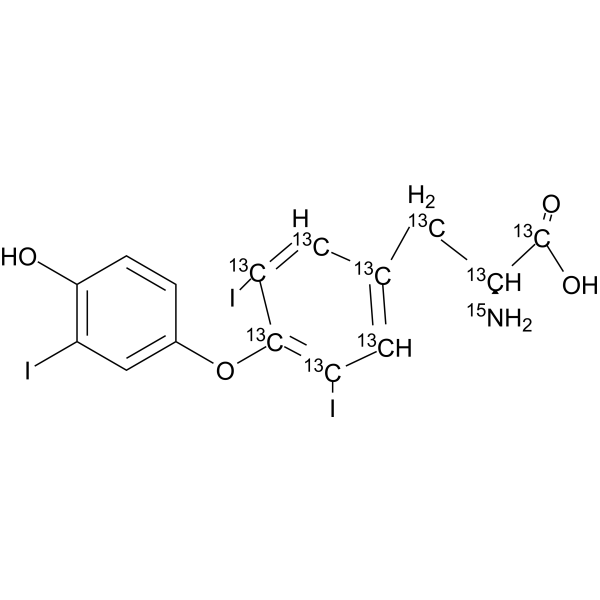
Liothyronine- 13C9, 15N is the 13C and 15N labeled Liothyronine . Liothyronine is an active form of thyroid hormone. Liothyronine is a potent thyroid hormone receptors TRα and TRβ agonist with Kis of 2.33 nM for hTRα and hTRβ, respectively .
|
-
-
- HY-W011927R
-
|
Bisphenol S (Standard); Bis(4-hydroxyphenyl) sulfone (Standard)
|
Reference Standards
Estrogen Receptor/ERR
Histone Methyltransferase
Thyroid Hormone Receptor
PI3K
Akt
mTOR
Androgen Receptor
Drug Derivative
|
Cardiovascular Disease
Metabolic Disease
Inflammation/Immunology
Endocrinology
Cancer
|
|
4,4'-Sulfonyldiphenol (Bisphenol S; Bis(4-hydroxyphenyl) sulfone) (Standard) is the analytical standard of 4,4'-Sulfonyldiphenol (HY-W011927). This product is intended for research and analytical applications. 4,4'-Sulfonyldiphenol, a substitute for Bisphenol A (HY-18260), is widely used in industrial and consumer products. 4,4'-Sulfonyldiphenol is an estrogen receptor (ER) agonist and can competitively bind to thyroid hormone receptors (TR) with IC50 values for TRα and TRβ are 2650 μM and 2294 μM respectively, thereby affecting breast development and reducing the expression of androgen receptor (AR) in fetal testes. 4,4'-Sulfonyldiphenol promotes the progression of glioblastoma by upregulating the EZH2 mediated PI3K/AKT/mTOR pathway. Under chronic exposure, 4,4'-Sulfonyldiphenol can cause significant lipid deposition and dyslipidemia in the mouse liver by upregulating JunB and Atf3, and has a role in causing obesity at low doses. 4,4'-Sulfonyldiphenol induces intestinal inflammation by altering the intestinal microbiome. 4,4'-Sulfonyldiphenol accelerates the progression of atherosclerosis in zebrafish embryo larvae.
|
-
-
- HY-A0070C
-
|
Triiodothyronine hydrochloride; 3,3',5-Triiodo-L-thyronine hydrochloride; T3 hydrochloride
|
Thyroid Hormone Receptor
Endogenous Metabolite
|
Endocrinology
Cancer
|
|
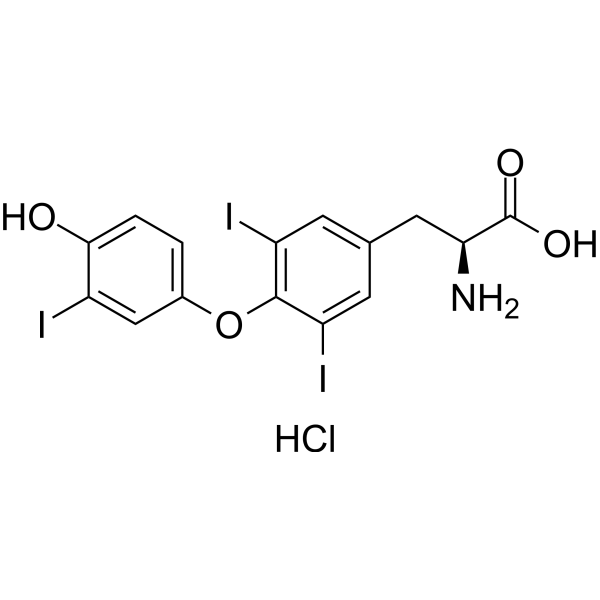
Liothyronine hydrochloride is an active form of thyroid hormone. Liothyronine hydrochloride is a potent thyroid hormone receptors TRα and TRβ agonist with Kis of 2.33 nM for hTRα and hTRβ, respectively .
|
-
-
- HY-147501
-
|
|
Thyroid Hormone Receptor
|
Metabolic Disease
|
|
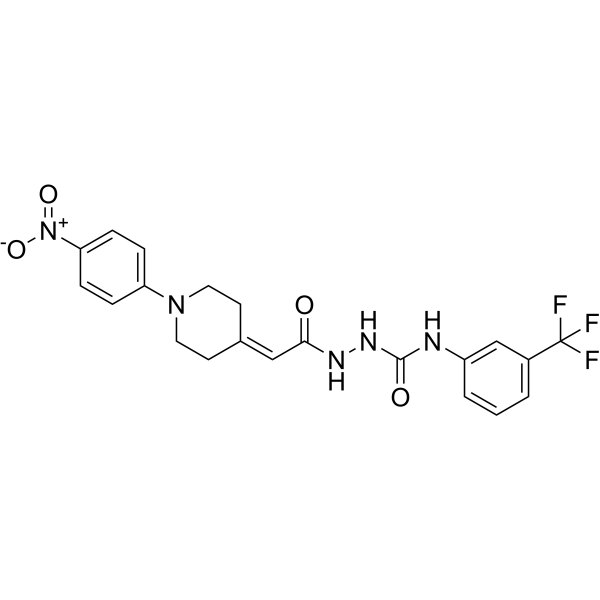
TRβ agonist 3 (Compound 3) is a potent agonist of TRβ. TRβ agonist 3 reduces lipid accumulation in HepG2 and promote lipolysis with comparable effects. TRβ agonist 3 is a new potential TRβ-selective thyromimetics .
|
-
-
- HY-147500
-
|
|
Thyroid Hormone Receptor
|
Metabolic Disease
|
|
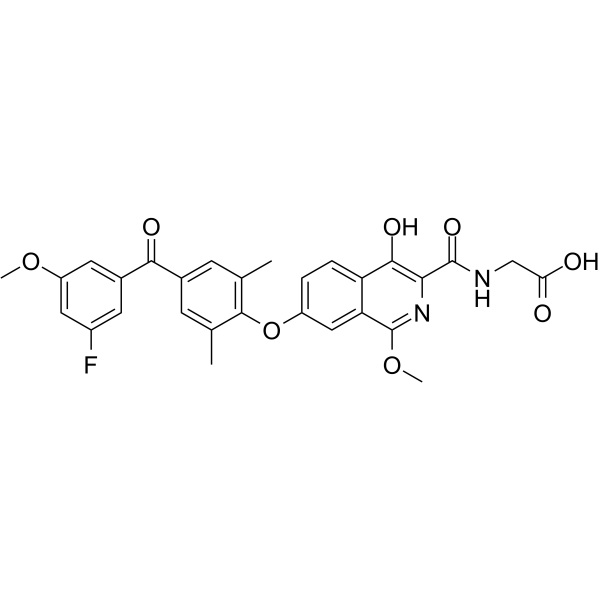
TRβ agonist 2 (Compound 1) is a potent agonist of TRβ. TRβ agonist 2 reduces lipid accumulation in HepG2 and promote lipolysis with comparable effects. TRβ agonist 2 is a new potential TRβ-selective thyromimetics .
|
-
-
- HY-A0070AS3
-
-
-
- HY-19513A
-
|
|
Thyroid Hormone Receptor
|
Metabolic Disease
Endocrinology
|
|
MB-07344 sodium is a potent thyroid hormone receptor (TR)-β agonist with a Ki of 2.17 nM. MB-07344 sodium has additive cholesterol lowering activity in combination with Atorvastatin (HY-B0589) in rabbits, dogs and monkeys .
|
-
-
- HY-A0070AS2
-
|
Triiodothyronine-13C6-1; 3,3',5-Triiodo-L-thyronine-13C6-1; T3-13C6-1
|
Thyroid Hormone Receptor
|
Endocrinology
Cancer
|
|
Liothyronine- 13C6-1 is a 13C-labeled Liothyronine. Liothyronine is a potent thyroid hormone receptors TRα and TRβ agonist with Kis of 2.33 nM for hTRα and hTRβ, respectively .
|
-
-
- HY-117167
-
|
|
Thyroid Hormone Receptor
|
Cancer
|
|
KB-141 is a potent and selective TRβ agonist. The IC50 values are 23.9 nM and 3.3 nM for binding affinities from displacement of T3 from hTRα1 and hTRβ1, respectively. KB-141 has anti-obesity, anti-diabetic, and lipid-lowering effects?and can be used as an anti-cholesteremic agent in vivo .
|
-
-
- HY-A0070AS5
-
|
Triiodothyronine-d4; 3,3',5-Triiodo-L-thyronine-d4; T3-d4
|
Isotope-Labeled Compounds
Thyroid Hormone Receptor
Endogenous Metabolite
|
Endocrinology
Cancer
|
|
Liothyronine-d4 (Triiodothyronine-d4) is the deuterium labeled Liothyronine (HY-A0070A). Liothyronine is an active form of thyroid hormone. Liothyronine binds to thyroid hormone receptors TRα and TRβ with
vs of 2.33 and 2.29 nM for hTRα and hTRβ, respectively. Liothyronine also binds to PVR and blocks the interaction of TIGIT/PVR .
|
-
-
- HY-171013
-
-
-
- HY-125787
-
|
|
Thyroid Hormone Receptor
|
Metabolic Disease
|
|
MLS000389544 is a selective and potent methylsulfonylnitrobenzoate thyroid hormone receptor β (TRβ) antagonist that blocks the association of TRβ with steroid receptor coactivator 2 (SRC2) .
|
-
-
- HY-182769
-
|
|
Thyroid Hormone Receptor
|
Inflammation/Immunology
|
|
TRβ agonist-4 is an orally bioavailable, liver-targeted selective agonist of hTHR-β (EC50=6.0 nM), with a 105.3-fold selectivity over THR-α. TRβ agonist-4 exists in multiple crystal forms, including Form A, Form B, Form C, Form D, Form E, as well as an amorphous form. TRβ agonist-4 can be used for research related to non-alcoholic steatohepatitis (NASH) .
|
-
-
- HY-P10628
-
|
|
Amyloid-β
|
Neurological Disease
|
|
β Amyloid (1-14), human is a peptide fragment of β-amyloid protein (Aβ), which is obtained by hydrolysis of Aβ1-40 peptide by catalytic antibody light chain #7TR. β Amyloid (1-14), human can be used for Alzheimer's disease research .
|
-
-
- HY-W331198
-
|
|
Insecticide
Ferroptosis
|
Infection
|
|
Tralopyril is an orally active, blood-brain barrier-penetrating antifouling insecticide and endocrine disruptor. By interfering with the thyroid hormone system and mitochondrial oxidative phosphorylation, Tralopyril downregulates the transcription of genes such as TRHR, Nkx2.1, TRα and induces ferroptosis. Tralopyril disrupts amino acid, energy and lipid metabolism, exhibits significant skeletal and reproductive toxicity, and causes developmental damage. Tralopyril has a long half-life in vivo and wide tissue distribution, posing potential risks to aquatic organisms and human health. Tralopyril shows species specificity in in vitro liver microsomal metabolism, exerts lethal effects on target insects and laboratory animals, and is commonly used in studies of chlorfenapyr poisoning and related toxic mechanisms .
|
-
-
- HY-19201
-
|
CGS 26214
|
Thyroid Hormone Receptor
|
Metabolic Disease
|
|
Axitirome (CGS 26214) is a potent, liverselective TRβ receptor agonist and thyromimetic agent. Axitirome has demonstrated cholesterol-lowering activity .
|
-
-
- HY-10473R
-
|
KB2115 (Standard)
|
Reference Standards
Thyroid Hormone Receptor
|
Metabolic Disease
Endocrinology
|
|
Eprotirome (Standard) is the analytical standard of Eprotirome (HY-10473). This product is intended for research and analytical applications. Eprotirome (KB2115) is a liver-selective thyroid hormone receptor (TR) agonist. KB2115 has modestly higher affinity for TRβ than for TRα. Eprotirome reduces low-density lipoprotein (LDL) cholesterol concentrations. Eprotirome can be used for dyslipidemias and obesity research .
|
-
| Cat. No. |
Product Name |
Type |
-
- HY-A0070AG
-
|
Triiodothyronine; 3,3',5-Triiodo-L-thyronine; T3
|
Fluorescent Dyes
|
|
Liothyronine (Triiodothyronine) (GMP) is the Liothyronine (HY-A0070A) produced by using GMP guidelines. GMP small molecules work appropriately as an auxiliary reagent for cell therapy manufacture. Liothyronine is a potent thyroid hormone receptors TRα and TRβ agonist with Kis of 2.33 nM for hTRα and hTRβ, respectively .
|
| Cat. No. |
Product Name |
Type |
-
- HY-W011927
-
|
Bisphenol S; Bis(4-hydroxyphenyl) sulfone
|
Biochemical Assay Reagents
|
|
4,4'-Sulfonyldiphenol (Bisphenol S; Bis(4-hydroxyphenyl) sulfone), a substitute for Bisphenol A (HY-18260), is widely used in industrial and consumer products. 4,4'-Sulfonyldiphenol is an oally ative estrogen receptor (ER) agonist and can competitively bind to thyroid hormone receptors (TR) with IC50 values for TRα and TRβ are 2650 μM and 2294 μM respectively, thereby affecting breast development and reducing the expression of androgen receptor (AR) in fetal testes. 4,4'-Sulfonyldiphenol promotes the progression of glioblastoma by upregulating the EZH2 mediated PI3K/AKT/mTOR pathway. Under chronic exposure, 4,4'-Sulfonyldiphenol can cause significant lipid deposition and dyslipidemia in the mouse liver by upregulating JunB and Atf3, and has a role in causing obesity at low doses. 4,4'-Sulfonyldiphenol induces intestinal inflammation by altering the intestinal microbiome. 4,4'-Sulfonyldiphenol accelerates the progression of atherosclerosis in zebrafish embryo larvae .
|
-
- HY-A0070AG
-
|
Triiodothyronine; 3,3',5-Triiodo-L-thyronine; T3
|
Biochemical Assay Reagents
|
|
Liothyronine (Triiodothyronine) (GMP) is the Liothyronine (HY-A0070A) produced by using GMP guidelines. GMP small molecules work appropriately as an auxiliary reagent for cell therapy manufacture. Liothyronine is a potent thyroid hormone receptors TRα and TRβ agonist with Kis of 2.33 nM for hTRα and hTRβ, respectively .
|
-
- HY-W011927R
-
|
Bisphenol S (Standard); Bis(4-hydroxyphenyl) sulfone (Standard)
|
Biochemical Assay Reagents
|
|
4,4'-Sulfonyldiphenol (Bisphenol S; Bis(4-hydroxyphenyl) sulfone) (Standard) is the analytical standard of 4,4'-Sulfonyldiphenol (HY-W011927). This product is intended for research and analytical applications. 4,4'-Sulfonyldiphenol, a substitute for Bisphenol A (HY-18260), is widely used in industrial and consumer products. 4,4'-Sulfonyldiphenol is an estrogen receptor (ER) agonist and can competitively bind to thyroid hormone receptors (TR) with IC50 values for TRα and TRβ are 2650 μM and 2294 μM respectively, thereby affecting breast development and reducing the expression of androgen receptor (AR) in fetal testes. 4,4'-Sulfonyldiphenol promotes the progression of glioblastoma by upregulating the EZH2 mediated PI3K/AKT/mTOR pathway. Under chronic exposure, 4,4'-Sulfonyldiphenol can cause significant lipid deposition and dyslipidemia in the mouse liver by upregulating JunB and Atf3, and has a role in causing obesity at low doses. 4,4'-Sulfonyldiphenol induces intestinal inflammation by altering the intestinal microbiome. 4,4'-Sulfonyldiphenol accelerates the progression of atherosclerosis in zebrafish embryo larvae.
|
| Cat. No. |
Product Name |
Target |
Research Area |
-
- HY-P10628
-
|
|
Amyloid-β
|
Neurological Disease
|
|
β Amyloid (1-14), human is a peptide fragment of β-amyloid protein (Aβ), which is obtained by hydrolysis of Aβ1-40 peptide by catalytic antibody light chain #7TR. β Amyloid (1-14), human can be used for Alzheimer's disease research .
|
| Cat. No. |
Product Name |
Category |
Target |
Chemical Structure |
| Cat. No. |
Product Name |
Chemical Structure |
-
- HY-W011927S
-
1 Publications Verification
|
|
4,4'-Sulfonyldiphenol-d8 (Bisphenol S (4,4'-Sulfonyldiphenol)-d8) is the deuterium labeled 4,4'-Sulfonyldiphenol (HY-W011927).4,4'-Sulfonyldiphenol (Bisphenol S; Bis(4-hydroxyphenyl) sulfone), a substitute for Bisphenol A (HY-18260), is widely used in industrial and consumer products. 4,4'-Sulfonyldiphenol is an estrogen receptor (ER) agonist and can competitively bind to thyroid hormone receptors (TR) with IC50 values for TRα and TRβ are 2650 μM and 2294 μM respectively, thereby affecting breast development and reducing the expression of androgen receptor (AR) in fetal testes. 4,4'-Sulfonyldiphenol promotes the progression of glioblastoma by upregulating the EZH2 mediated PI3K/AKT/mTOR pathway. Under chronic exposure, 4,4'-Sulfonyldiphenol can cause significant lipid deposition and dyslipidemia in the mouse liver by upregulating JunB and Atf3, and has a role in causing obesity at low doses. 4,4'-Sulfonyldiphenol induces intestinal inflammation by altering the intestinal microbiome. 4,4'-Sulfonyldiphenol accelerates the progression of atherosclerosis in zebrafish embryo larvae.
|
-
-
- HY-A0070AS1
-
|
|
|
Liothyronine- 13C9, 15N is the 13C and 15N labeled Liothyronine . Liothyronine is an active form of thyroid hormone. Liothyronine is a potent thyroid hormone receptors TRα and TRβ agonist with Kis of 2.33 nM for hTRα and hTRβ, respectively .
|
-
-
- HY-A0070AS3
-
|
|
|
Liothyronine-d3 is deuterated labeled Liothyronine (HY-A0070A). Liothyronine is an active form of thyroid hormone. Liothyronine is a potent thyroid hormone receptors TRα and TRβ agonist with Kis of 2.33 nM for hTRα and hTRβ, respectively .
|
-
-
- HY-A0070AS2
-
|
|
|
Liothyronine- 13C6-1 is a 13C-labeled Liothyronine. Liothyronine is a potent thyroid hormone receptors TRα and TRβ agonist with Kis of 2.33 nM for hTRα and hTRβ, respectively .
|
-
-
- HY-A0070AS5
-
|
|
|
Liothyronine-d4 (Triiodothyronine-d4) is the deuterium labeled Liothyronine (HY-A0070A). Liothyronine is an active form of thyroid hormone. Liothyronine binds to thyroid hormone receptors TRα and TRβ with
vs of 2.33 and 2.29 nM for hTRα and hTRβ, respectively. Liothyronine also binds to PVR and blocks the interaction of TIGIT/PVR .
|
-
| Cat. No. |
Product Name |
Target |
Research Areas |
Chemical Structure |
-
- HY-A0070AG
-
|
Triiodothyronine; 3,3',5-Triiodo-L-thyronine; T3
|
Thyroid Hormone Receptor
|
Endocrinology
Cancer
|
|
Liothyronine (Triiodothyronine) (GMP) is the Liothyronine (HY-A0070A) produced by using GMP guidelines. GMP small molecules work appropriately as an auxiliary reagent for cell therapy manufacture. Liothyronine is a potent thyroid hormone receptors TRα and TRβ agonist with Kis of 2.33 nM for hTRα and hTRβ, respectively .
|
-
Your information is safe with us. * Required Fields.
Inquiry Information
- Product Name:
- Cat. No.:
- Quantity:
- MCE Japan Authorized Agent:

