1. Search Result
Search Result
Results for "

bile acid synthesis

" in MedChemExpress (MCE) Product Catalog:

27

Inhibitors & Agonists

1

Biochemical Assay Reagents

11

Natural
Products

4

Isotope-Labeled Compounds

Cat. No. Product Name Target Research Areas Chemical Structure
  • HY-104081
    Cholestyramine
    Maximum Cited Publications
    8 Publications Verification

    Cholestyramine resin; Colestyramine

    LDLR Cardiovascular Disease Cancer
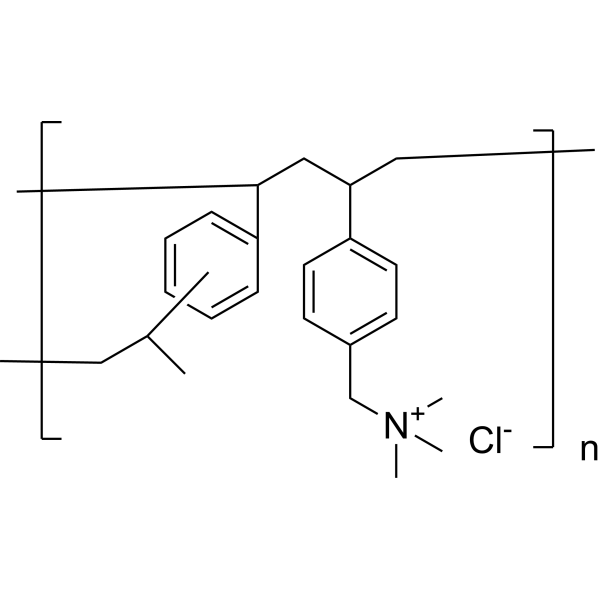
    Cholestyramine (Colestyramine) is a bile acid binding resin and can inhibit intestinal bile acid absorption which results in the increasing bile acid synthesis from cholesterol.
    Cholestyramine
  • HY-113342
    7-Ketocholesterol
    5 Publications Verification

    Endogenous Metabolite p38 MAPK Cardiovascular Disease Metabolic Disease
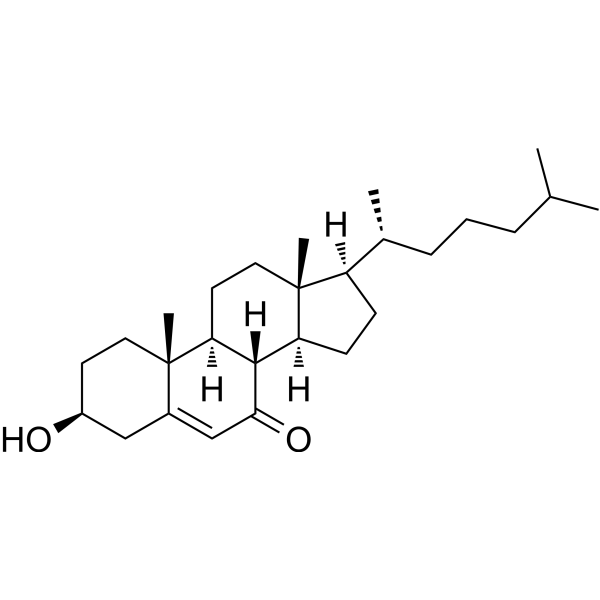
    7-Ketocholesterol is an oxidation product of cholesterol, widely present in atherosclerotic plaques, and has a stronger atherogenic effect than cholesterol. 7-Ketocholesterol can inhibit the rate-limiting enzymes involved in bile acid and cholesterol synthesis, such as cholesterol 7α-hydroxylase and HMG-CoA reductase. 7-Ketocholesterol exhibits pro-inflammatory effects both in vivo and in vitro and can induce cell apoptosis (apoptosis) .
    7-Ketocholesterol
  • HY-N9933
    Tauro-β-muricholic acid
    4 Publications Verification

    TβMCA

    FXR Apoptosis Neurological Disease Metabolic Disease Inflammation/Immunology Cancer
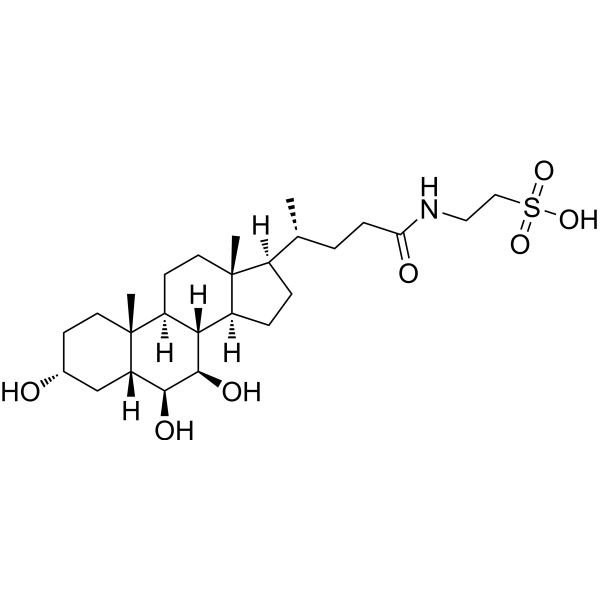
    Tauro-β-muricholic acid (TβMCA) is an orally active trihydroxylated bile acid and a competitive, reversible FXR antagonist (IC50=40 μM). Tauro-β-muricholic acid inhibits bile acid-induced hepatocyte apoptosis by maintaining mitochondrial membrane potential, while simultaneously inhibiting intestinal FXR signaling, affecting bile acid synthesis, hepatic lipid metabolism, and insulin sensitivity. Accumulation of tauro-β-muricholic acid disrupts metabolic homeostasis, promoting cancer stem cell proliferation and tumor progression. The mechanisms of tauro-β-muricholic acid involve two aspects: first, inhibiting the translocation of the pro-apoptotic protein Bax to mitochondria and maintaining mitochondrial membrane potential (MMP); and second, blocking the FXR signaling pathway to regulate bile acid metabolism, reduce serum ceramide production, and downregulate the hepatic SREBP1C/CIDEA pathway. Tauro-β-muricholic acid possesses anti-hepatocyte apoptosis, bile acid homeostasis regulation, and liver fat accumulation reduction properties, and also functions as a biomarker, making it useful in the study of diseases such as bile acid metabolism disorders, non-alcoholic fatty liver disease, colorectal cancer, and liver fibrosis .
    Tauro-β-muricholic acid
  • HY-B1907
    Rifamycin sodium
    2 Publications Verification

    Rifamycin SV sodium

    Antibiotic Bacterial DNA/RNA Synthesis Infection Inflammation/Immunology
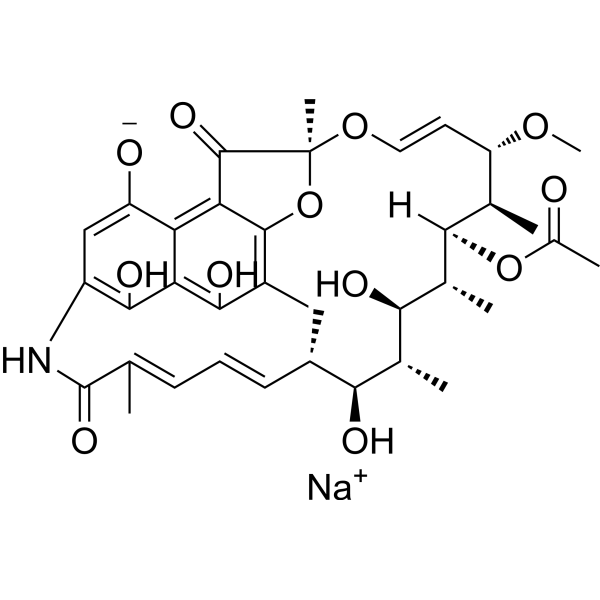
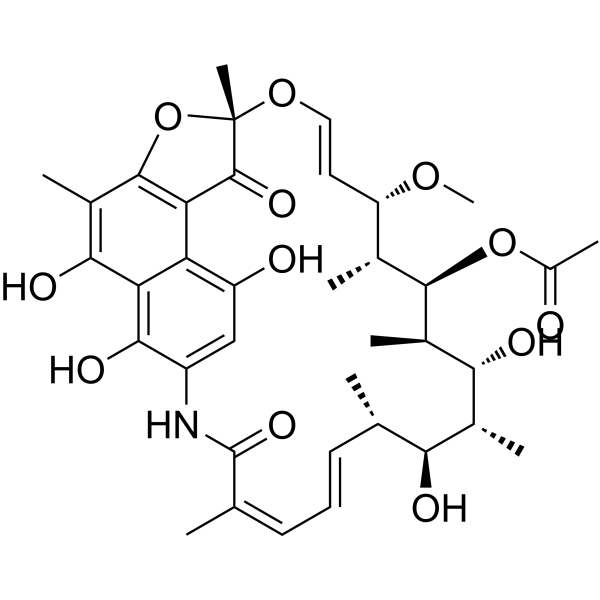
    Rifamycin sodium (Rifamycin SV monosodium) is an orally active ansamycin antibiotic. Rifamycin sodium inhibits DNA-dependent RNA synthesis. Rifamycin sodium has antibacterial activity against Mycobacterium tuberculosis. Rifamycin sodium interferes with hepatic bile acid metabolism. Rifamycin sodium has anti-inflammatory effects. Rifamycin sodium can be used in the study of Mycobacterium tuberculosis, Bacteroides fragilis infection, and Lipopolysaccharide (HY-D1056B3)-induced inflammation .
    Rifamycin sodium
  • HY-124265

    Endogenous Metabolite Metabolic Disease
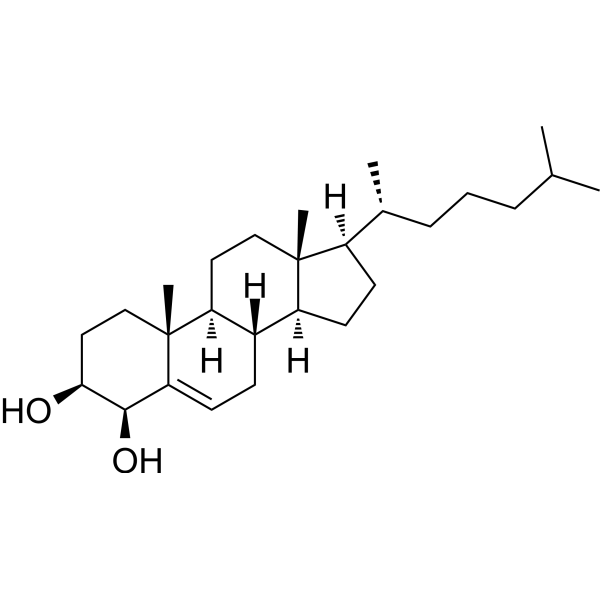
    4β-Hydroxycholesterol is a major Cholesterol (HY-N0322) metabolite and a precursor in the synthesis of bile acids that is found in human circulation .
    4β-Hydroxycholesterol
  • HY-W587530

    6-Ketolithocholic acid

    Endogenous Metabolite Apoptosis Endocrinology
    6-Oxolithocholic acid is a bile acid metabolite derived from Lithocholic acid (HY-B0172). 6-Oxolithocholic acid has high cytotoxicity and can induce apoptosis, especially in hepatocytes. 6-Oxolithocholic acid can participate in the regulation of bile acid metabolism and synthesis and affect the metabolic pathway of cholesterol. 6-Oxolithocholic acid can be used to study the role of bile acids in health and disease, especially in the context of digestive and liver diseases .
    6-Oxolithocholic acid
  • HY-N0468
    Rebaudioside D
    1 Publications Verification

    FXR Acetyl-CoA Carboxylase Metabolic Disease
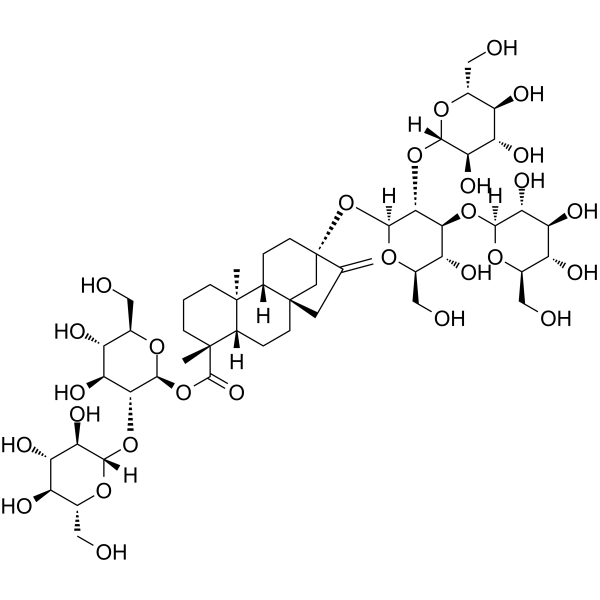
    Rebaudioside D is an orally active sweetener that targets and activates FXR, modulates Acetyl-CoA Carboxylase, and inhibits 3-hydroxy-3-methylglutaryl-CoA reductase. Rebaudioside D regulates bile acid homeostasis and lipid metabolism, reduces the synthesis rates of fatty acids and cholesterol, and exerts multiple effects including anti-adipogenesis, hepatoprotection, anti-steatosis, gut microbiota modulation, enhancement of secondary bile acid metabolism, anti-endotoxin activity, regulation of bile acid transport, and inhibition of bile acid efflux. Rebaudioside D also reduces body weight gain, visceral fat accumulation, hepatic triglyceride and cholesterol accumulation, hepatic lipid peroxidation, and decreases the circulating level of lipopolysaccharide-binding protein. Rebaudioside D additionally enhances the secondary bile acid metabolic pathway of intestinal bacteria, upregulates the gene expression of ileal organic solute transporter α, and downregulates the gene expression of hepatic bile salt export pump. Rebaudioside D does not affect glucose homeostasis, alter total caloric intake or fecal energy excretion, induce weight gain, exacerbate obesity, promote hepatic steatosis, impair brown adipose tissue function, nor change skeletal muscle metabolism-related proteins. Rebaudioside D can be used in diet-induced obesity and obesity-related research .
    Rebaudioside D
  • HY-W073080

    MOFs Others
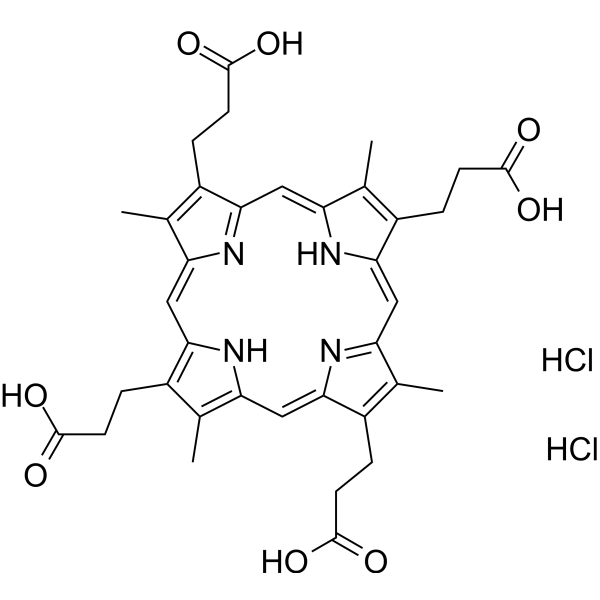
    Coproporphyrin I dihydrochlorideIt is an organic compound belonging to the class of porphyrins. It is a derivative of heme, an iron-containing molecule found in hemoglobin and other proteins. Coproporphyrin I dihydrochlorideOften used as a biomarker in the assessment of certain liver and metabolic diseases, especially those related to bile synthesis and transport. It can also be used as a reference standard for analytical chemistry and pharmacological research.
    Coproporphyrin I dihydrochloride
  • HY-113259

    Endogenous Metabolite Metabolic Disease
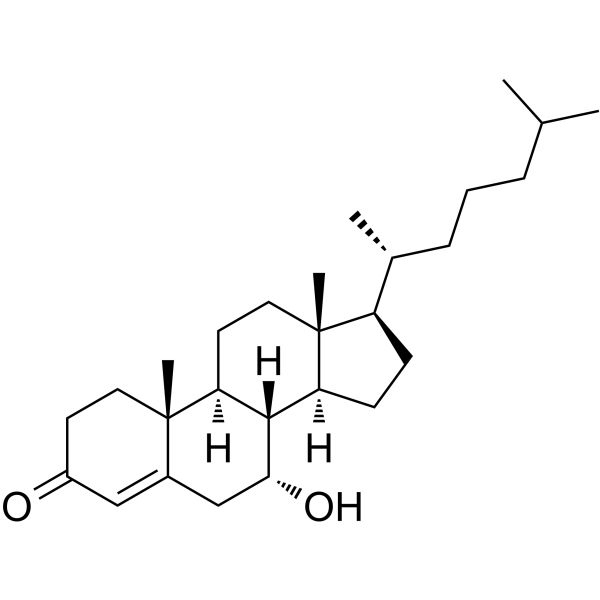
    7α-Hydroxy-4-cholesten-3-one is an intermediate in synthesis of bile acids from cholesterol. 7α-Hydroxy-4-cholesten-3-one is a pregnane X receptor (PXR) agonist. 7α-Hydroxy-cholest-4-en-3-one is a biomarker for bile acid loss, irritable bowel syndrome, and other diseases associated with defective bile acid biosynthesis. 7α-Hydroxy-cholest-4-en-3-one is the physiological substrate for CYP8B1 .
    7α-Hydroxy-4-cholesten-3-one
  • HY-124265S

    Endogenous Metabolite Metabolic Disease
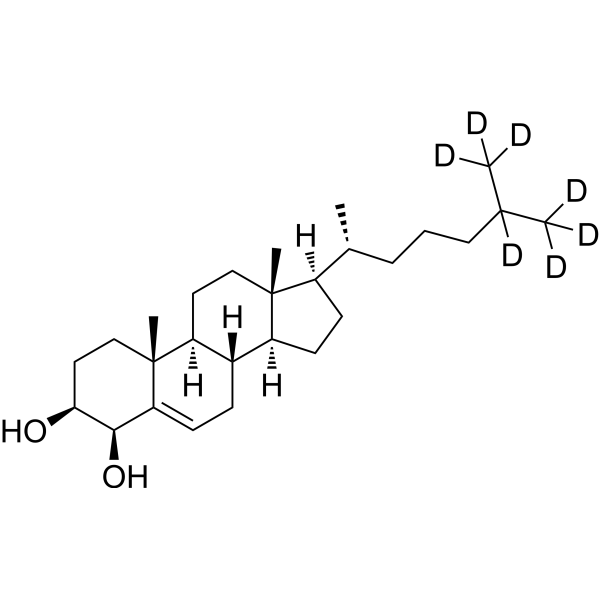
    4β-Hydroxycholesterol-d7 is the deuterium labeled 4β-Hydroxycholesterol (HY-124265). 4β-Hydroxycholesterol is a major Cholesterol (HY-N0322) metabolite and a precursor in the synthesis of bile acids that is found in human circulation .
    4β-Hydroxycholesterol-d7
  • HY-124265S2

    Endogenous Metabolite Metabolic Disease
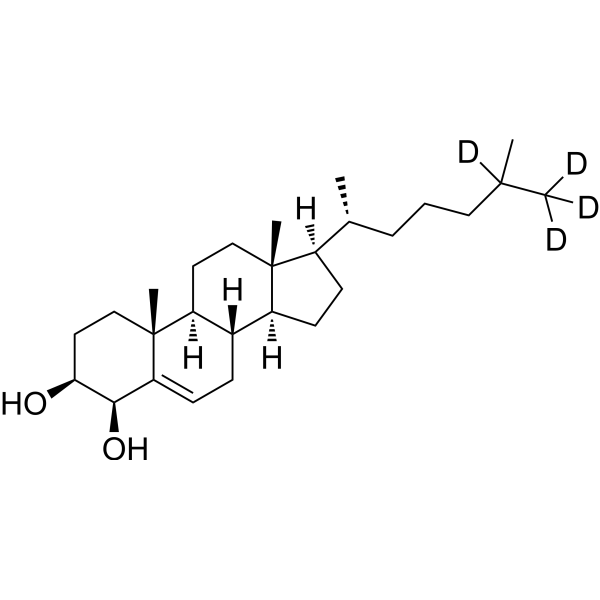
    4β-Hydroxycholesterol-d4 is the deuterium labeled 4β-Hydroxycholesterol (HY-124265) . 4β-Hydroxycholesterol is a major Cholesterol (HY-N0322) metabolite and a precursor in the synthesis of bile acids that is found in human circulation .
    4β-Hydroxycholesterol-d4
  • HY-B1907A
    Rifamycin
    2 Publications Verification

    Rifamycin SV

    Antibiotic Bacterial DNA/RNA Synthesis Infection
    Rifamycin (Rifamycin SV) is an orally active ansamycin antibiotic. Rifamycin inhibits DNA-dependent RNA synthesis. Rifamycin has antibacterial activity against Mycobacterium tuberculosis. Rifamycin interferes with hepatic bile acid metabolism. Rifamycin has anti-inflammatory effects. Rifamycin can be used in the study of Mycobacterium tuberculosis, Bacteroides fragilis infection, and Lipopolysaccharide (HY-D1056B3)-induced inflammation .
    Rifamycin
  • HY-158766

    3-Succinylated cholic acid

    Endogenous Metabolite Bacterial Infection Inflammation/Immunology
    3-sucCA is an orally available bacterial bile acid that exerts anti-MASH effects by promoting the growth of Akkermansia muciniphila. By remodeling the intestinal microbiota and promoting the growth of Akkermansia, 3-sucCA can improve intestinal barrier damage and reduce chronic low-level inflammation, thereby alleviating the progression of metabolic dysfunction-associated steatohepatitis (MASH). 3-sucCA accelerates the synthesis of cell wall peptidoglycan and has in vivo efficacy in the mouse MAFL-MASH model. 3-sucCA levels are low in the MAFLD model and are mainly used in the study of MASH .
    3-sucCA
  • HY-113259S

    Endogenous Metabolite Metabolic Disease
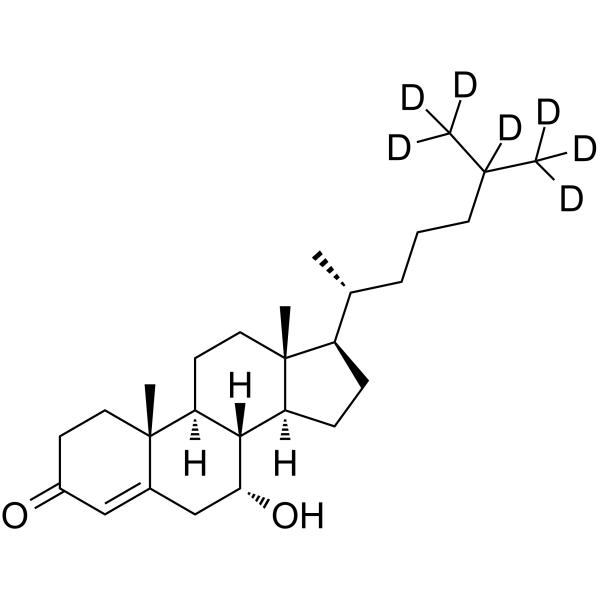
    7α-Hydroxy-4-cholesten-3-one-d7 is the deuterium labeled 7α-Hydroxy-4-cholesten-3-one. 7α-Hydroxy-4-cholesten-3-one is an intermediate in synthesis of bile acids from cholesterol. 7α-Hydroxy-4-cholesten-3-one is a pregnane X receptor (PXR) agonist. 7α-Hydroxy-cholest-4-en-3-one is a biomarker for bile acid loss, irritable bowel syndrome, and other diseases associated with defective bile acid biosynthesis. 7α-Hydroxy-cholest-4-en-3-one is the physiological substrate for CYP8B1 .
    7α-Hydroxy-4-cholesten-3-one-d7
  • HY-E70245

    Cholyl-coenzyme A

    Biochemical Assay Reagents Metabolic Disease
    Cholyl-CoA (Cholyl-coenzyme A) is a biologically active steroidal acyl-coenzyme A intermediate. Cholyl-CoA reacts with taurine in the presence of liver supernatant enzymes to promote the synthesis of taurocholic acid. Cholyl-CoA is formed by the activation of cholic acid with coenzyme A. Cholyl-CoA plays a key role in the biosynthesis, metabolism and conjugation reactions of bile acids .
    Cholyl-CoA
  • HY-175266

    PROTACs Cytochrome P450 Pregnane X Receptor (PXR) Metabolic Disease
    MI1013 is a PROTAC PXR degrader (DC50 = 89 nM, Dmax = 82%). MI1013 degrades PXR in human hepatocellular carcinoma RG cells (HepaRG). MI1013 specifically and safely regulates CYP3A4 promoter activity through PXR degradation. MI1013 affects several key genes involved in sulfate conjugation (e.g., SULT1E1), bile acid synthesis (CYP7A1), gluconeogenesis (PCK1), ketone synthesis (HMGCS20), and hepatocyte proliferation (MKI67). (Pink: PXR ligand 3: HY-175267, Blue: Pomalidomide-propargyl ligand: HY-W410002, Pink + Black: PXR ligand-Linker Conjugate 1: HY-175268) .
    MI1013
  • HY-164799

    FXR Inflammation/Immunology
    FXR agonist 12 (Compound C7) is the orally active agonist for FXR. FXR agonist 12 down-regulates bile acid synthesis-related genes, and up-regulates bile acid transport-related genes in HepG2 cells. FXR agonist 12 improves ANIT-induced cholestasis, ameliorates the liver damage and fibrosis in mouse NASH models .
    FXR agonist 12
  • HY-N0468R

    Reference Standards Acetyl-CoA Carboxylase FXR Metabolic Disease
    Rebaudioside D (Standard) is the analytical standard of Rebaudioside D. This product is intended for research and analytical applications. Rebaudioside D is an orally active sweetener that targets and activates FXR, modulates Acetyl-CoA Carboxylase, and inhibits 3-hydroxy-3-methylglutaryl-CoA reductase. Rebaudioside D regulates bile acid homeostasis and lipid metabolism, reduces the synthesis rates of fatty acids and cholesterol, and exerts multiple effects including anti-adipogenesis, hepatoprotection, anti-steatosis, gut microbiota modulation, enhancement of secondary bile acid metabolism, anti-endotoxin activity, regulation of bile acid transport, and inhibition of bile acid efflux. Rebaudioside D also reduces body weight gain, visceral fat accumulation, hepatic triglyceride and cholesterol accumulation, hepatic lipid peroxidation, and decreases the circulating level of lipopolysaccharide-binding protein. Rebaudioside D additionally enhances the secondary bile acid metabolic pathway of intestinal bacteria, upregulates the gene expression of ileal organic solute transporter α, and downregulates the gene expression of hepatic bile salt export pump. Rebaudioside D does not affect glucose homeostasis, alter total caloric intake or fecal energy excretion, induce weight gain, exacerbate obesity, promote hepatic steatosis, impair brown adipose tissue function, nor change skeletal muscle metabolism-related proteins. Rebaudioside D can be used in diet-induced obesity and obesity-related research .
    Rebaudioside D (Standard)
  • HY-124265S1

    Isotope-Labeled Compounds Endogenous Metabolite Metabolic Disease
    4β-Hydroxycholesterol-d5 is the deuterium labeled 4β-Hydroxycholesterol (HY-124265). 4β-Hydroxycholesterol is a major Cholesterol (HY-N0322) metabolite and a precursor in the synthesis of bile acids that is found in human circulation .
    4β-Hydroxycholesterol-d5
  • HY-124265R

    Reference Standards Endogenous Metabolite Metabolic Disease
    4β-hydroxy Cholesterol (Standard) is the analytical reference standard of 4β-hydroxy Cholesterol (HY-124265). This product is used for research and analytical applications. 4β-Hydroxycholesterol is a major Cholesterol (HY-N0322) metabolite and a precursor in the synthesis of bile acids that is found in human circulation .
    4β-Hydroxycholesterol (Standard)
  • HY-113259R

    Reference Standards Endogenous Metabolite Metabolic Disease
    7α-Hydroxy-4-cholesten-3-one (Standard) is the analytical standard of 7α-Hydroxy-4-cholesten-3-one. This product is intended for research and analytical applications. 7α-Hydroxy-4-cholesten-3-one is an intermediate in synthesis of bile acids from cholesterol. 7α-Hydroxy-4-cholesten-3-one is a pregnane X receptor (PXR) agonist. 7α-Hydroxy-cholest-4-en-3-one is a biomarker for bile acid loss, irritable bowel syndrome, and other diseases associated with defective bile acid biosynthesis. 7α-Hydroxy-cholest-4-en-3-one is the physiological substrate for CYP8B1 .
    7α-Hydroxy-4-cholesten-3-one (Standard)
  • HY-B1734

    16-DPA

    FXR 5 alpha Reductase Cytochrome P450 Drug Intermediate Cardiovascular Disease Cancer
    16-Dehydropregnenolone acetate (16-DPA), a sterols compound, is an orally active 17α-hydroxylase and 5α-reductase inhibitor. 16-Dehydropregnenolone is also a potent bile acid receptor (BAR)/farnesoid X receptor (FXR) antagonist. 16-Dehydropregnenolone hypolipidemic and anticancer effects. 16-Dehydropregnenolone acetate (16-DPA) is the drug intermediate that can be used for synthesis of Dexamethasone (HY-14648) and related other steroidal pharmacophores .
    16-Dehydropregnenolone acetate
  • HY-119449

    Zanchol

    Others Inflammation/Immunology
    Florantyrone (Zanchol) is a bile-promoting agent. Florantyrone increases the volume of bile rather than the content of bile acids. Zanchol can stimulate the synthesis of cholesterol in the liver, significantly raising the plasma cholesterol level, increasing the weight of the liver, but has no significant effect on the synthesis of cholesterol in the intestine. Florantyrone can be used in research on biliary motility disorders .
    Florantyrone
  • HY-113342R

    Endogenous Metabolite p38 MAPK Reference Standards Cardiovascular Disease Metabolic Disease
    7-Ketocholesterol (Standard) is the analytical standard of 7-Ketocholesterol. This product is intended for research and analytical applications. 7-Ketocholesterol is an oxidation product of cholesterol, widely present in atherosclerotic plaques, and has a stronger atherogenic effect than cholesterol. 7-Ketocholesterol can inhibit the rate-limiting enzymes involved in bile acid and cholesterol synthesis, such as cholesterol 7α-hydroxylase and HMG-CoA reductase. 7-Ketocholesterol exhibits pro-inflammatory effects both in vivo and in vitro and can induce cell apoptosis (apoptosis) .
    7-Ketocholesterol (Standard)
  • HY-B1907R

    Rifamycin SV sodium (Standard)

    Reference Standards Bacterial Antibiotic Infection
    Rifamycin (sodium) (Standard) is the analytical standard of Rifamycin (sodium). This product is intended for research and analytical applications. Rifamycin sodium (Rifamycin SV sodium) is an orally active ansamycin antibiotic. Rifamycin sodium inhibits DNA-dependent RNA synthesis. Rifamycin sodium has antibacterial activity against Mycobacterium tuberculosis. Rifamycin sodium interferes with hepatic bile acid metabolism. Rifamycin sodium has anti-inflammatory effects. Rifamycin sodium can be used in the study of Mycobacterium tuberculosis, Bacteroides fragilis infection, and Lipopolysaccharide (HY-D1056B3)-induced inflammation .
    Rifamycin sodium (Standard)
  • HY-P2879D

    Biochemical Assay Reagents Metabolic Disease
    Cholesterol esterase, Candida Rugosa (EC 3.1.1.13), catalyzes the synthesis of sterols and fatty acids from sterol esters. In the presence of bile acids, it aggregates to form a hexamer, which may be the active form of this enzyme.
    Cholesterol esterase, Candida Rugosa
  • HY-183279

    FXR AMPK Metabolic Disease
    FXR antagonist 4 (Compound 4l) is an orally active, selective FXR antagonist with an IC50 of 0.70 μM. FXR antagonist 4 binds to FXR, differentially regulates bile acid and lipid transporter genes, and exerts no effect on gluconeogenesis-related genes. FXR modulator 1 activates the AMPK signaling pathway to inhibit fatty acid synthesis. FXR modulator 1 alleviates hepatic steatosis, ballooning degeneration and fibrosis, and improves dyslipidemia. FXR modulator 1 can be used for research on metabolic dysfunction-associated steatohepatitis .
    FXR antagonist 4

Inquiry Online

Your information is safe with us. * Required Fields.

Salutation


Country or Region *

Applicant Name *


Organization Name *

Department *


Email Address *


Product Name *

Cat. No.


Requested quantity *

Phone Number *


Remarks

Inquiry Online

Inquiry Information

Product Name:
Cat. No.:
Quantity:
MCE Japan Authorized Agent:

