1. Search Result
Search Result
Results for "

biological stain

" in MedChemExpress (MCE) Product Catalog:

30

Inhibitors & Agonists

19

Fluorescent Dyes

10

Biochemical Assay Reagents

1

Natural
Products

4

Oligonucleotides

Targets Recommended:
Cat. No. Product Name Target Research Areas Chemical Structure
  • HY-D1168
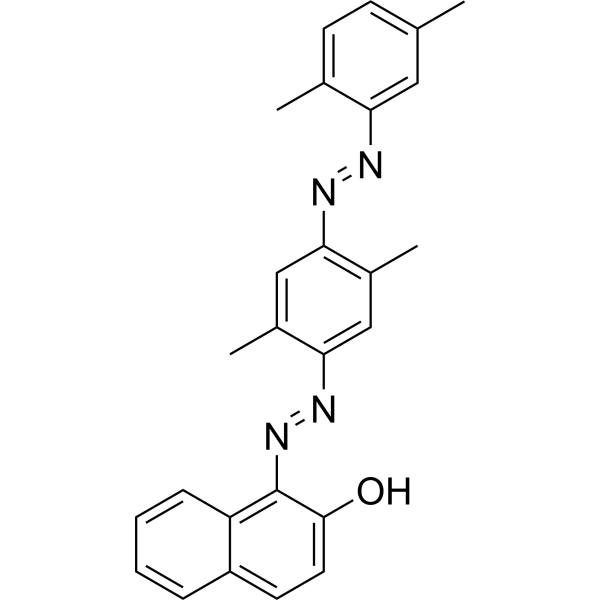
    Oil Red O
    Maximum Cited Publications
    12 Publications Verification

    Environmental Pollutants Fluorescent Dye Metabolic Disease
    Oil Red O is a fat-soluble diazol dye, with a maximum absorption at 518 nm. Oil Red O stains neutral lipids and cholesteryl esters but not biological membranes. Oil Red O can be used for detecting and quantifying hepatic steatosis in mouse liver biopsies. Oil Red O staining efficiently helps to visualize the radical changes that occur in tissues as metabolic disease occurs and progresses .
    Oil Red O
  • HY-D0001
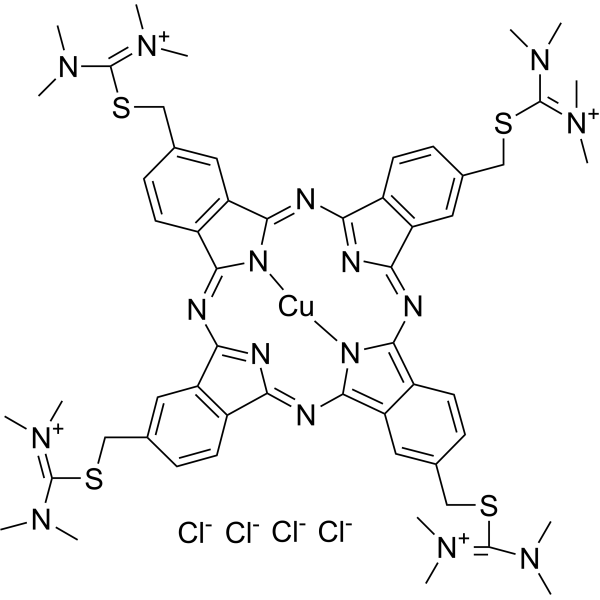
    Alcian Blue 8GX
    4 Publications Verification

    Fluorescent Dye Others
    Alcian Blue 8GX is a commonly used phthalocyanine dye that binds to glycoproteins and glycosaminoglycans. Alcian Blue 8GX has a wide range of applications in biological staining, including proteins in brain tumors and DNA in cells and tissues .
    Alcian Blue 8GX
  • HY-B2235B

    L-α-Phosphatidylcholine (egg yolk, Type XVI-E), 99%, lyophilized powder; 1,2-Diacyl-sn-glycero-3-phosphocholine (egg yolk, Type XVI-E), 99%; egg yolk Lecithins, Type XVI-E, 99%

    Environmental Pollutants Biochemical Assay Reagents Liposome Others
    L-α-Lecithin (egg yolk, Type XVI-E), 99% (L-α-Phosphatidylcholine (egg yolk, Type XVI-E), 99%) is an active biomaterial. L-α-Lecithin (egg yolk, Type XVI-E), 99% forms liposomes with compounds (PF or BA). L-α-Lecithin (egg yolk, Type XVI-E), 99% increases membrane fluidity and affects microemulsion stability and fluorescence intensity stained with Nile red (HY-D0718). L-α-Lecithin (egg yolk, Type XVI-E), 99% It can be used for cell membrane structure research, biological membrane potential research, and liposome research .
    L-α-Lecithin (egg yolk, Type XVI-E), 99%
  • HY-D0955

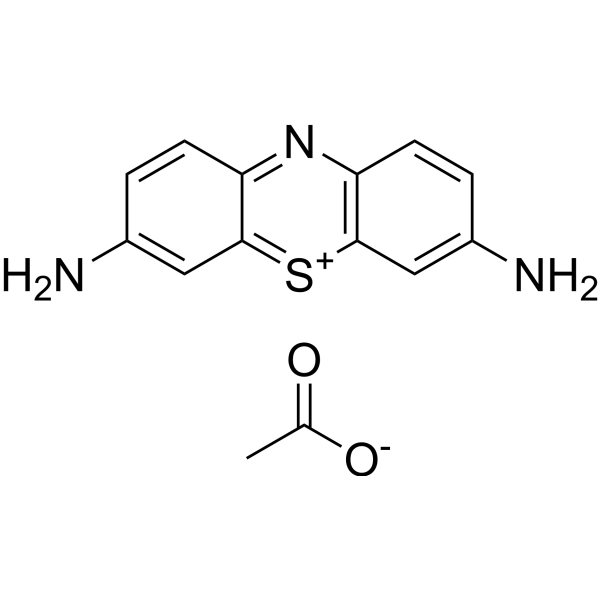
    Thionine acetate

    Biochemical Assay Reagents Bacterial Infection
    Thionin acetate (Thionine acetate) is a compound present in the seeds, stems, roots, and leaves of many plant species with antibacterial activity. Thionin acetate is a metachromatic cationic histological dye widely used in biological staining .
    Thionin acetate
  • HY-D0023
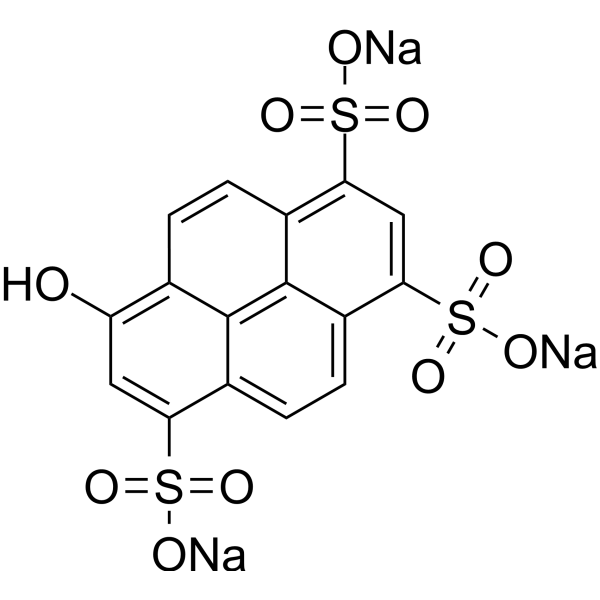
    Pyranine
    2 Publications Verification

    HPTS; Solvent Green 7

    Environmental Pollutants Fluorescent Dye Others
    Pyranine (HPTS; Solvent Green 7) is a cell-impermeant pH-sensitive fluorescent indicator. Pyranine acts as a class of fluorescent chemosensor for the Cu + ion. Pyranine is used as a coloring agent, biological stain, optical detecting reagent, and pH indicator (Ex/Em = 450/510 nm) .
    Pyranine
  • HY-D0286

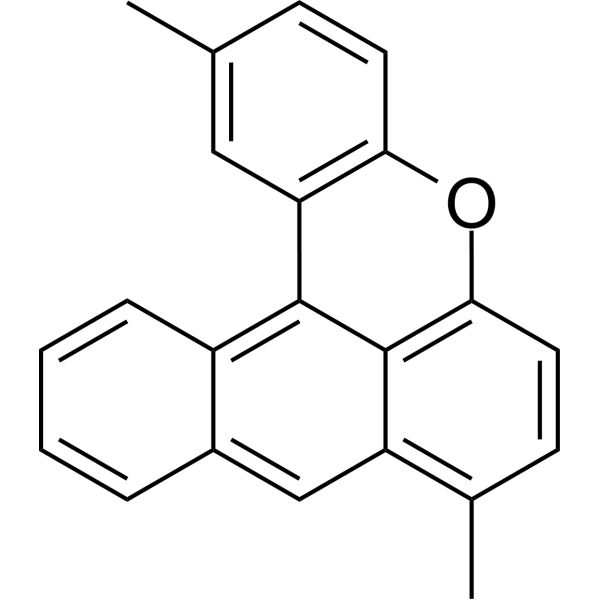
    2,8-Dimethylnaphtho[3,2,1-kl]xanthene

    Fluorescent Dye Others
    Fluorol Yellow 088 is a fluorescent dye that can be used as a biological material or an organic compound for life science research. Fluorol Yellow 088 is suitable for lipid staining in plant tissues, particularly for the fluorescence imaging of suberized cell walls and hydrophobic structures, with an excitation wavelength of 365 nm and an emission wavelength of ≥420 nm .
    Fluorol Yellow 088
  • HY-N0335
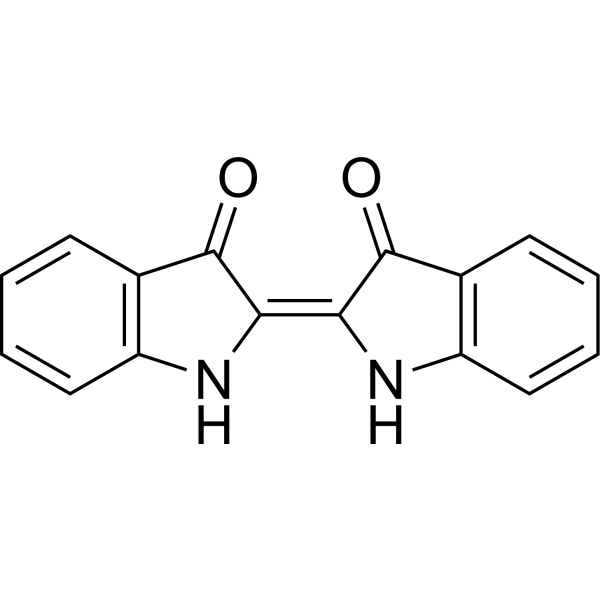
    Indigo
    1 Publications Verification

    Fluorescent Dye Others
    Indigo is a blue dye. Indigo stains cellulose fibers such as cotton. Indigo stains food or biological samples to visualize and quantify the uptake or distribution of substances by organisms .
    Indigo
  • HY-12489A

    Acid Red 112, BS

    Biochemical Assay Reagents Others
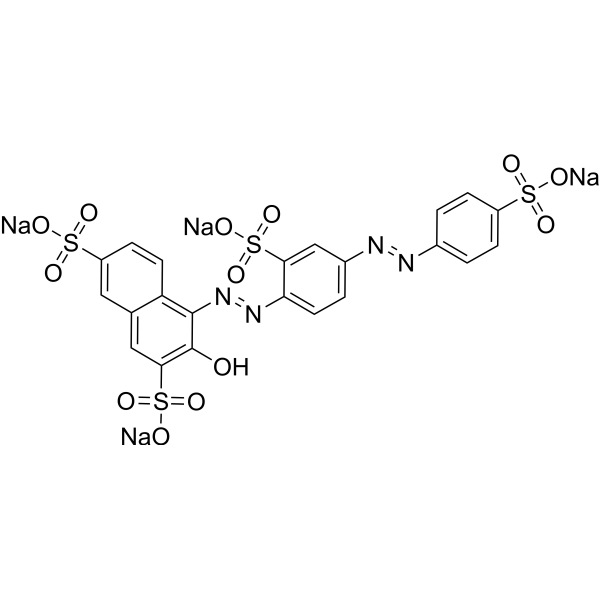
    Both Ponceau S and Ponceau BS are synthetic dyes commonly used in biological research. They are commonly used as protein stains to visualize proteins in western blots and other protein detection analyses. Ponceau S is a red dye, while Ponceau BS is a blue shade of the same dye. Both dyes bind to positively charged amino acid residues in proteins for easy visualization. However, Ponceau S is more commonly used due to its higher sensitivity.
    Ponceau S, BS
  • HY-W127770

    Basic red 9

    Fluorescent Dye Infection
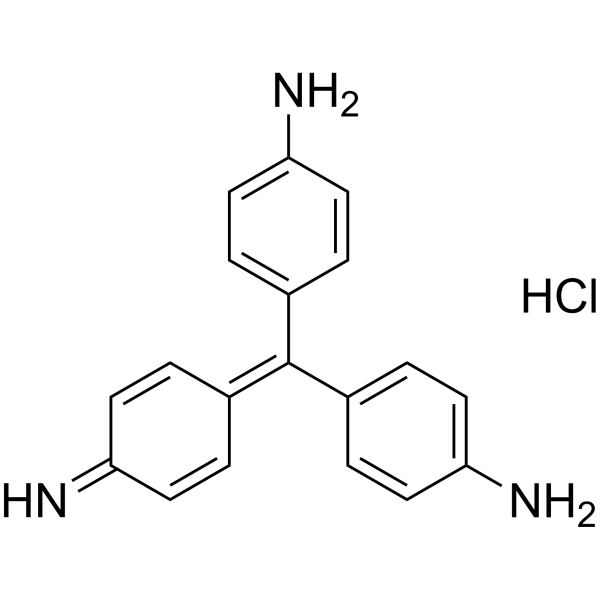
    Pararosaniline hydrochloride (Basic red 9) is a pH-responsive basic dye, as a biological stain to track certain proteins. The pH of the acidified Pararosaniline hydrochloride reagent has a significant effect on the color and the maximum absorption wavelength (λmax) of the reaction system, with its optimum pH 0.48 and a λmax at 549 nm. Pararosaniline hydrochloride is also a strong modifier of RNA splicing. Pararosaniline hydrochloride has been used in the analysis of SO2 and formaldehyde and staining of bacteria or other organisms. Pararosaniline hydrochloride is extensively used in industries like textile, printing, paper, cosmetic, and leather .
    Pararosaniline hydrochloride
  • HY-W133919

    Environmental Pollutants Biochemical Assay Reagents Others
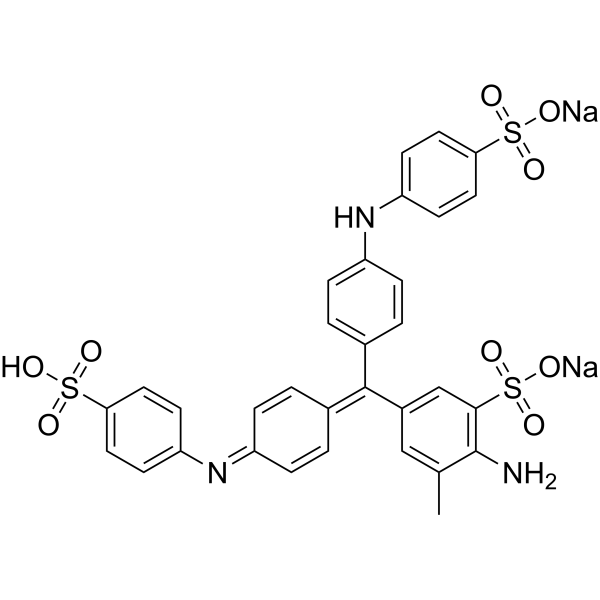
    Aniline Blue sodium is a water-soluble dye commonly used as a biological stain for the detection of nucleic acids and proteins in various laboratory procedures such as electrophoresis and microscopy. Aniline Blue sodium has unique chemical properties that allow it to bind to specific cellular components, producing a color change that facilitates their visualization and analysis.
    Aniline Blue sodium
  • HY-W250147

    Victoria blue B

    Biochemical Assay Reagents Others
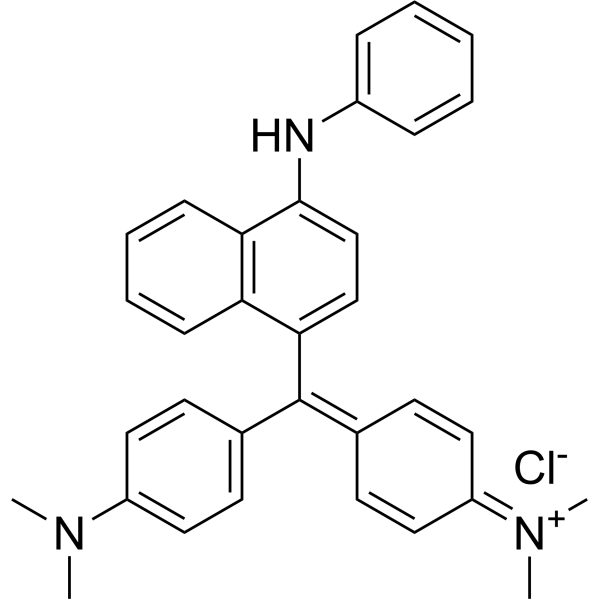
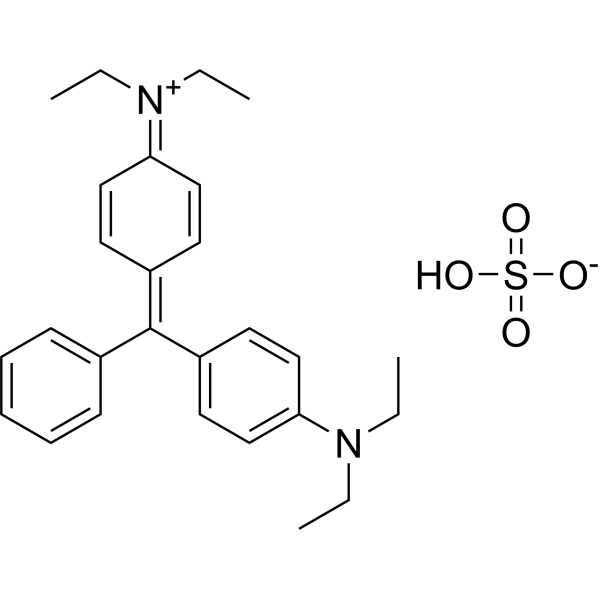
    Basic blue 26 (Victoria blue B) is a synthetic cationic dye belonging to the class of triarylmethane dyes. It has a bright blue color and is commonly used as a colorant for a variety of applications, including textiles, paper and leather. Basic Blue 26 is also used as a biological stain for DNA and protein detection in laboratories. Due to its ability to bind negatively charged materials, it can be used as an indicator of the presence of specific molecules in biological samples. However, Basic blue 26 has been reported to have potentially harmful effects on human health and the environment and its use is regulated in some countries. Proper handling and disposal procedures are necessary to minimize its impact on the environment.
    Basic blue 26
  • HY-W540972

    Primuline

    Fluorescent Dye HCV Dengue Virus Infection
    Primulin is a versatile fluorescent dye and bioactive compound widely used in analytical, biological, botanical and virological studies. Primulin acts as a versatile stain that labels plant cell walls and differentiates live and dead spermatozoa via distinct fluorescence patterns. Primulin exhibits strong albumin‑binding capacity. Primulin acts as a retrograde axonal tracer in neurobiological investigations. Primulin and its derivatives inhibit HCV NS3, block dengue virus NS3-mediated ATP hydrolysis, and disrupt HCV replicase assembly .
    Primulin
  • HY-W440915

    Liposome Inflammation/Immunology
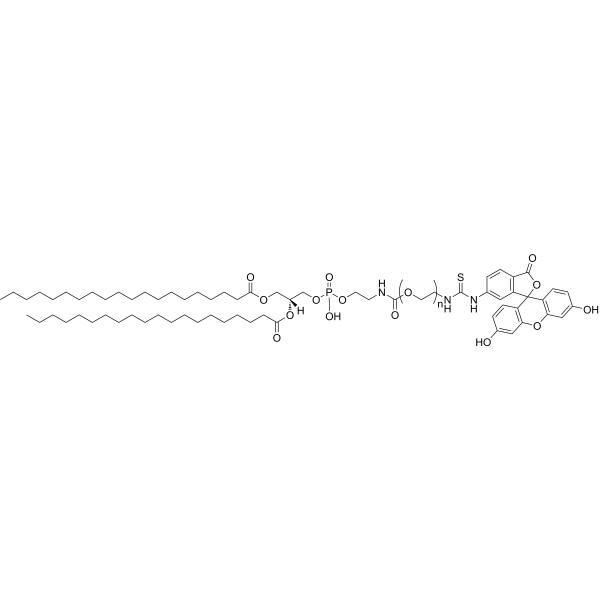
    DSPE-PEG2000-FITC is a PEG lipid conjugated with fluorescein. FITC is a green dye with a peak absorption at 494 nm and a maximum emission at 520 nm, which is used for staining biological samples or nanoparticles. DSPE-PEG2000-FITC spontaneously forms lipid bilayers or micelles in water and can be used to prepare liposomes for delivering substances such as mRNA vaccines .
    DSPE-PEG2000-FITC
  • HY-D0164

    Fluorescent Dye β-glucuronidase Others
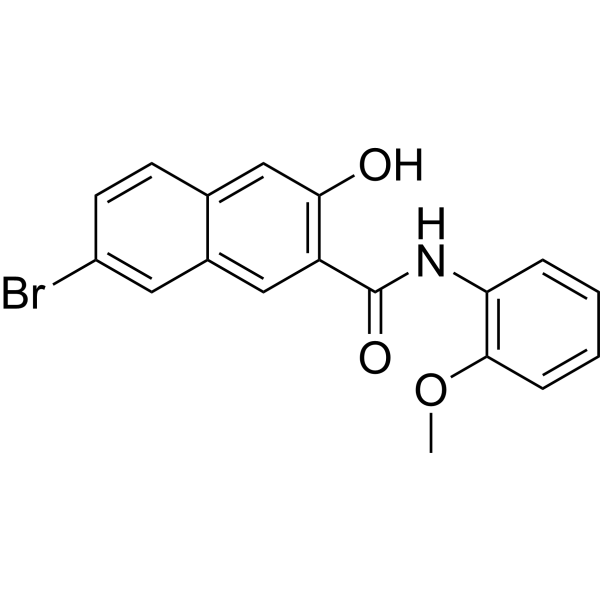
    Naphthol AS-BI is a substrate of β-glucuronidase and produces a bright red effect after staining biological tissues.
    Naphthol AS-BI
  • HY-118320

    Mordant orange 1

    Fluorescent Dye Others
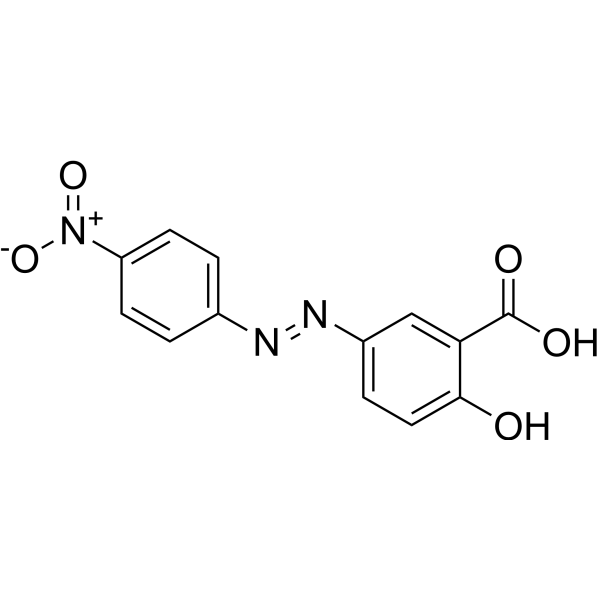
    Alizarine Yellow R (Mordant orange 1), Salicylic acid derivative (HY-B0167), is an azo dye. Alizarine Yellow R is used as a pH indicator and a biological stain in chemical examinations and dyeing industries .
    Alizarine Yellow R
  • HY-W250143

    Biochemical Assay Reagents Others
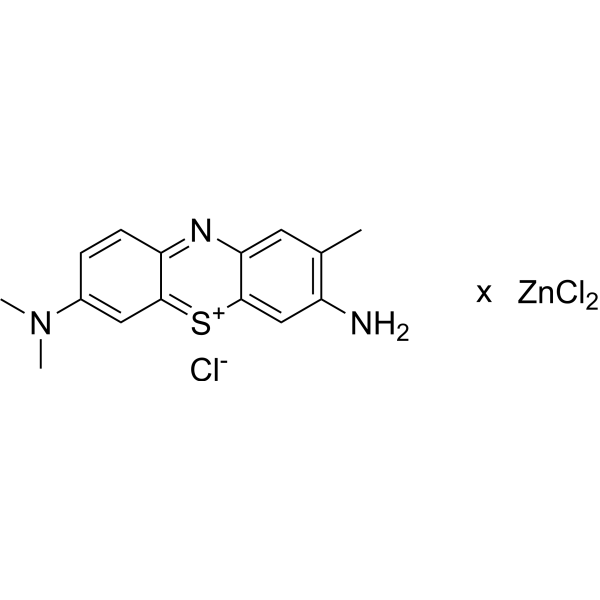
    Toluidine blue (ZnCl2) is a basic thiazine dye commonly used as a biological stain for microscopy. It has a deep bluish-purple color and is commonly used to stain nucleic acids such as DNA and RNA, as well as to stain mast cells, cartilage, and other connective tissues. Toluidine blue (ZnCl2) stains the acidic components of these tissues, such as sulfated or carboxylated mucopolysaccharides. It is frequently used in histology, cytology, and pathology applications to aid in the diagnosis of various diseases and conditions. The dye is usually applied to tissue sections prior to microscopic examination and can be differentiated using an acidic alcohol solution. Toluidine blue (ZnCl2) is a relatively simple and inexpensive stain with good reproducibility, making it a popular choice for many laboratories.
    Toluidine blue (ZnCl2)
  • HY-W440939

    Liposome Others
    Stearic acid-PEG3400-FITC is a PEG lipid which forms micelles in water and can be used for drug delivery applications. The FITC fluorescent can be easily traced by miscroscopy. FITC is a green dye with peak absorption at 494 nm and maximum emission at 520 nm and can be used for staining biological samples or nanoparticles. FITC can be easily traced by fluorescence microscopy.
    Stearic acid-PEG3400-FITC
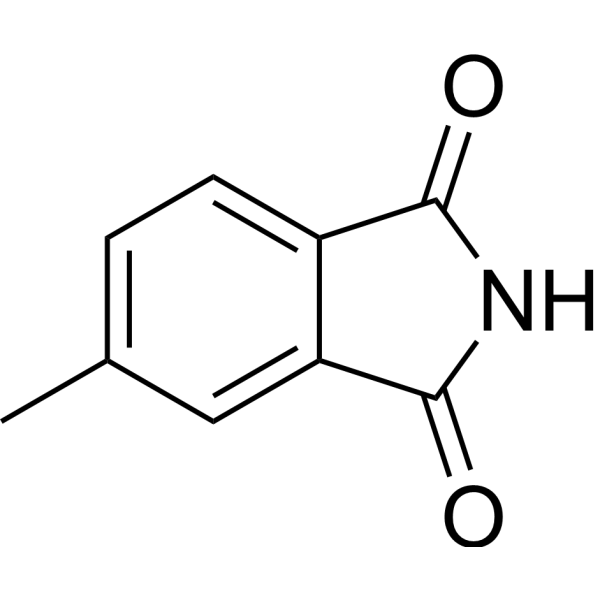
  • HY-W053871

    Fluorescent Dye Cancer
    4-Methylphthalimide is a stain with biological research applications.
    4-Methylphthalimide
  • HY-W342930

    Acid Red 17

    Biochemical Assay Reagents Others
    Bordeaux Red (Acid Red 17) is a redox indicator that can be used for cytoplasm staining, such as spleen, testis, and liver slice staining. Bordeaux Red is a kind of biological materials or organic compounds that are widely used in life science research .
    Bordeaux Red
  • HY-D1074

    3,3'-Dipropyloxacarbocyanine iodide

    Fluorescent Dye Others
    DiOC3(3) (3,3'-Dipropyloxacarbocyanine iodide) is a green fluorescent lipophilic dye with cell membrane permeability. DiOC3(3) can be used to stain cell membranes and other lipid-soluble biological structures .
    DiOC3(3)
  • HY-W341583

    Pontacyl green B

    Biochemical Assay Reagents Others
    Acid green 3 (Pontacyl green B) is an organic compound that can be used as a biological stain. Acid green 3 is a kind of biological materials or organic compounds that are widely used in life science research .
    Acid green 3
  • HY-W441766

    Fluorescent Dye Others
    3-Nitrobenzaldoxime is a stain with biological research applications.
    3-Nitrobenzaldoxime
  • HY-W020211

    Biochemical Assay Reagents Fluorescent Dye Others
    Benzopurpurine 4B is a dis-azo dye. Benzopurpurine 4B Can be used as biological stain .
    Benzo Red Violet 4B
  • HY-D0023A

    HPTS hydrate; Solvent Green 7 hydrate

    Fluorescent Dye Others
    Pyranine (HPTS; Solvent Green 7) hydrate is a cell-impermeant pH-sensitive fluorescent indicator. Pyranine hydrate acts as a class of fluorescent chemosensor for the Cu + ion. Pyranine hydrate is used as a coloring agent, biological stain, optical detecting reagent, and pH indicator (Ex/Em = 450/510 nm) .
    Pyranine hydrate
  • HY-D0116

    HPTS free acid; Solvent Green 7 free acid

    Fluorescent Dye Others
    Pyranine (HPTS; Solvent Green 7) free acid is a pH-sensitive fluorescent indicator. Pyranine free acid acts as a class of fluorescent chemosensor for the Cu + ion. Pyranine free acid is used as a coloring agent, biological stain, optical detecting reagent, and pH indicator (Ex/Em = 450/510 nm) .
    Pyranine free acid
  • HY-W440938

    Liposome Others
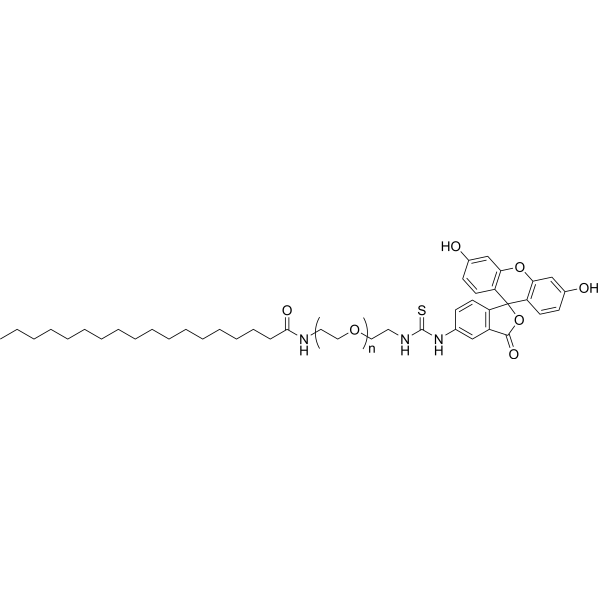
    Stearic acid-PEG2000-FITC is an amphiphatic polyPEG which can self assemble to form micelles in water. The polymer can be used to encapsulate therapeutic agent. FITC is a green dye with peak absorption at 494 nm and maximum emission at 520 nm and can be used for staining biological samples or nanoparticles. FITC can be easily traced by fluorescence microscopy.
    Stearic acid-PEG2000-FITC
  • HY-W440940

    Liposome Others
    Stearic acid-PEG5000-FITC is a PEG lipid which forms micelles in water and can be used for drug delivery applications. The FITC fluorescent can be easily traced by miscroscopy. FITC is a green dye with peak absorption at 494 nm and maximum emission at 520 nm and can be used for staining biological samples or nanoparticles. FITC can be easily traced by fluorescence microscopy.
    Stearic acid-PEG5000-FITC
  • HY-D2639

    Fluorescent Dye Metabolic Disease
    TPE-PY is a fluorescent dye targeting mitochondria, which has cationic and lipophilic characteristics, enabling specific targeting of mitochondria. TPE-PY functions through the aggregation-induced emission (AIE) mechanism. TPE-PY mechanism of action is based on the restriction of intramolecular rotation (RIR), which enhances fluorescence in the aggregated state. TPE-PY is mainly used in the field of biological imaging, especially for the specific staining of mitochondria in living cells, facilitating the observation of the location, morphology, and quantity of mitochondria .
    TPE-PY
  • HY-D0293

    Xylene blue free acid; C.I. Acid blue 1 free acid

    Fluorescent Dye Cancer
    Acid blue 1 free acid (Patent Blue V) is a novel biological dye that can be used as an intraocular dye for retinectomy. Retinectomy refers to the removal of the translucent inner limiting membrane (ILM). The application of appropriate dyes in vitreoretinal surgery can achieve the purpose of complete removal. Acid blue 1 free acid can be used to stain retinal premembranous structures. Spectral analysis shows that Acid blue 1 free acid has strong absorption below 450 nm and above 600 nm, showing a blue-green color. Acid blue 1 free acid is also used as a marker in lymphangiography for resection of neoplastic lymph nodes .
    Acid blue 1 free acid
  • HY-W075283

    1-(4-Aminophenyl)-1,2,2-triphenylethene

    Others
    4-(1,2,2-Triphenylvinyl)aniline (1-(4-Aminophenyl)-1,2,2-triphenylethene) is a tetraphenylethene-based aggregation-induced luminescent molecule. 4-(1,2,2-Triphenylvinyl)aniline exhibits weak or no fluorescence in dilute solution/dispersed state, and strong fluorescence with increased quantum yield when aggregated into nanoparticles .
    4-(1,2,2-Triphenylvinyl)aniline

Inquiry Online

Your information is safe with us. * Required Fields.

Salutation


Country or Region *

Applicant Name *


Organization Name *

Department *


Email Address *


Product Name *

Cat. No.


Requested quantity *

Phone Number *


Remarks

Inquiry Online

Inquiry Information

Product Name:
Cat. No.:
Quantity:
MCE Japan Authorized Agent:

