1. Search Result
Search Result
Results for "

carbon+source

" in MedChemExpress (MCE) Product Catalog:

38

Inhibitors & Agonists

1

Screening Libraries

8

Biochemical Assay Reagents

15

Natural
Products

7

Isotope-Labeled Compounds

2

Oligonucleotides

Cat. No. Product Name Target Research Areas Chemical Structure
  • HY-N2024
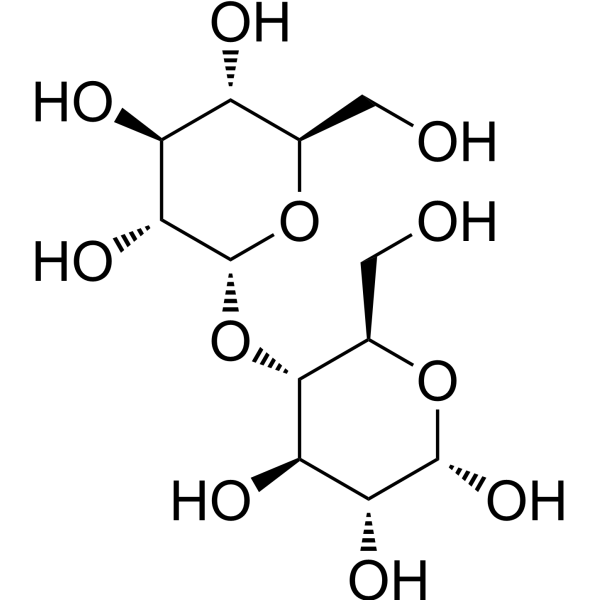
    Maltose
    1 Publications Verification

    Endogenous Metabolite Glycosidase Metabolic Disease
    Maltose is a disaccharide composed of two glucose molecules linked together. Maltose is an endogenous metabolic product in plants, yeast, or bacteria, and it participates in carbon source storage and metabolism. Maltose is a key core metabolite and main transport form in the temporary starch degradation, carbon output, and subsequent sucrose synthesis metabolism of the night chloroplast. In X. dendrorhous, maltose can act as a sugar donor and is converted into isomaltulose by α-glucosidase). Maltose can act as a osmotic agent, supporting continuous capillary ultrafiltration and preventing severe metabolic disorders .
    Maltose
  • HY-N2325

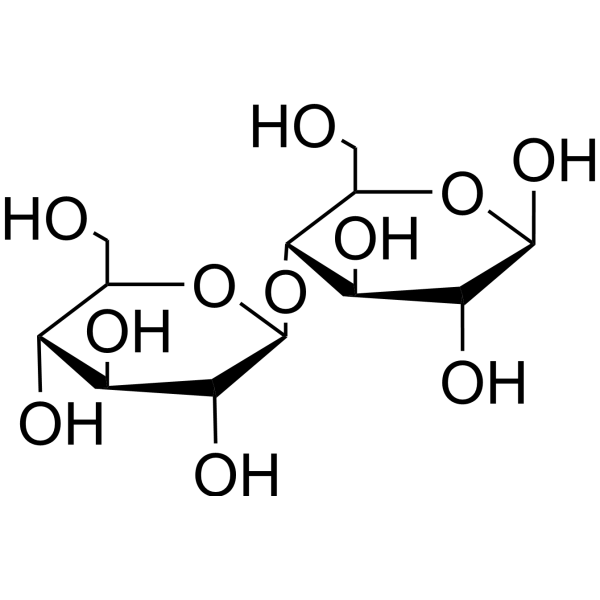
    Endogenous Metabolite Others
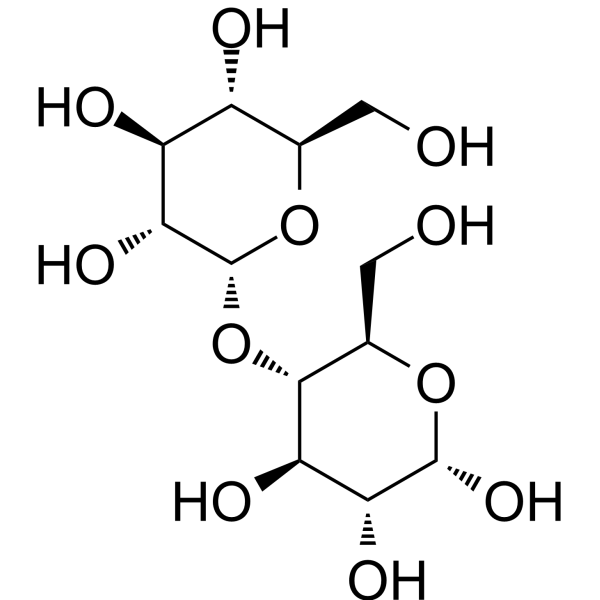
    D-(+)-Cellobiose is a water-soluble disaccharide and an important intermediate product in the degradation process of cellulose and hemicellulose. D-(+)-cellobiose is used as a carbon source by microorganisms in fermentation processes, where it is converted into ethanol or other metabolic products. D-(+)-Cellobiose has significant application value in biofuel production, such as bioethanol .
    D-(+)-Cellobiose
  • HY-N0537
    Xylose
    5 Publications Verification

    D-(+)-Xylose; (+)-Xylose; Wood sugar

    Environmental Pollutants Endogenous Metabolite Metabolic Disease
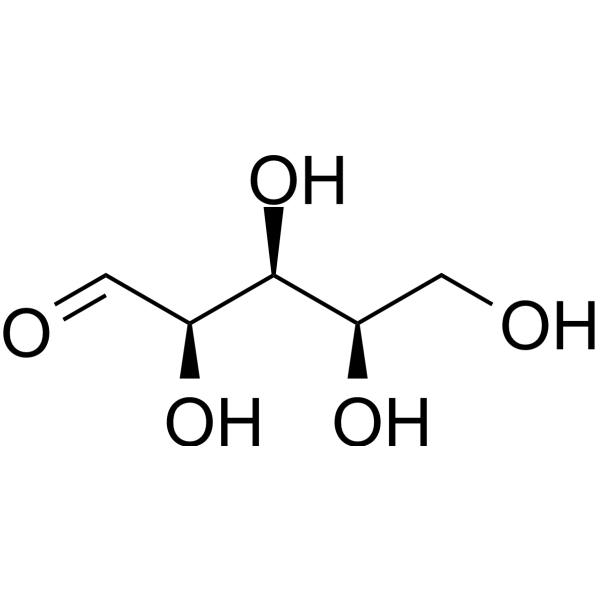
    Xylose (D-(+)-Xylose) is a natural pentose sugar that is catalyzed by xylose isomerase to form xylulose, which is a key step in the anaerobic ethanol fermentation of Xylose. Xylose can be used by microorganisms to produce fuels, chemicals, and bulk industrial enzymes. Xylose provides the substances and energy for cells, as a carbon source for the biosynthesis of high-value chemicals and biofuel. Xylose can be used to fully explore lignocellulose resources and provide a new direction for microbia fermentation .
    Xylose
  • HY-W587486

    Endogenous Metabolite Bacterial Neurological Disease
    N‑acetyltaurine is an orally active endogenous sulfonate that is synthesized from taurine and acetate in the renal cortex. N‑acetyltaurine supports bacterial growth as a sole fixed nitrogen or carbon source. N‑acetyltaurine buffers acetyl moieties of mitochondrial acetyl‑CoA in skeletal muscle. N‑acetyltaurine reduces food intake and body weight in obese and lean wild‑type mice in a GFRAL‑dependent manner. N‑acetyltaurine can be used for the research of diet‑induced obesity, hyperacetatemia and diabetes .
    N-Acetyltaurine
  • HY-N2024A
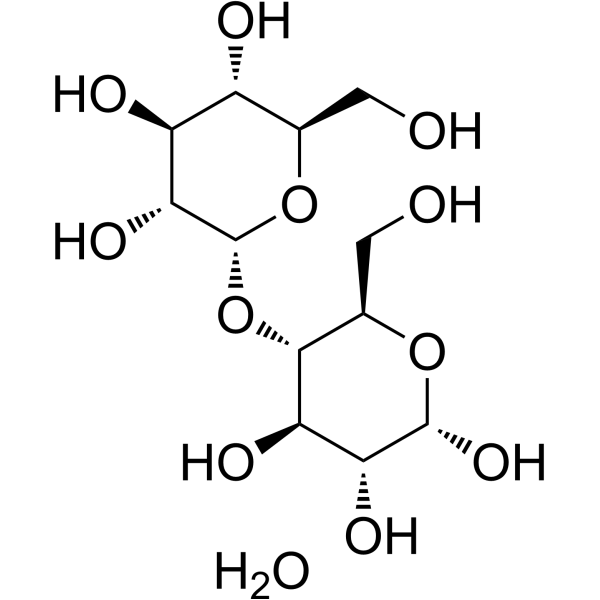
    Maltose monohydrate
    1 Publications Verification

    Endogenous Metabolite Glycosidase Metabolic Disease
    Maltose monohydrate is a disaccharide composed of two glucose molecules linked together. Maltose monohydrate is an endogenous metabolic product in plants, yeast, or bacteria, and it participates in carbon source storage and metabolism. Maltose monohydrate is a key core metabolite and main transport form in the temporary starch degradation, carbon output, and subsequent sucrose synthesis metabolism of the night chloroplast. In X. dendrorhous, maltose can act as a sugar donor and is converted into isomaltulose by α-glucosidase. Maltose monohydrate can act as a osmotic agent, supporting continuous capillary ultrafiltration and preventing severe metabolic disorders .
    Maltose monohydrate
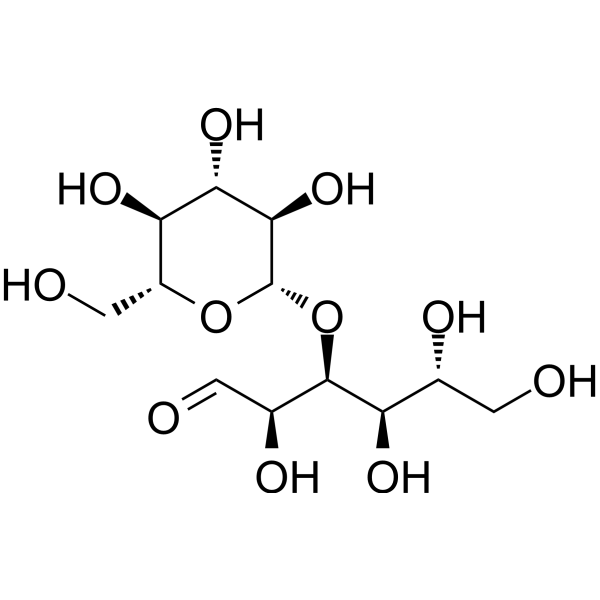
  • HY-W145496

    β-D-Glc-(1-3)-D-Glc

    Biochemical Assay Reagents Others
    Laminaribiose is a disaccharide consisting of two glucose molecules linked by a β-1,3-glycosidic bond. It is ubiquitous in the cell walls of various plants and is a hydrolyzate of the polysaccharide laminarin. Laminaribiose has various applications in biochemical research, especially as a substrate for enzymes involved in carbohydrate metabolism. In addition, it can be used as a carbon source and dietary supplement for certain microorganisms.
    Laminaribiose
  • HY-N2024AS1

    Isotope-Labeled Compounds Endogenous Metabolite Glycosidase Metabolic Disease
    Maltose monohydrate- 13C12 is the 13C labeled isotope of Maltose monohydrate. Maltose monohydrate is a disaccharide composed of two glucose molecules linked together. Maltose monohydrate is an endogenous metabolic product in plants, yeast, or bacteria, and it participates in carbon source storage and metabolism. Maltose monohydrate is a key core metabolite and main transport form in the temporary starch degradation, carbon output, and subsequent sucrose synthesis metabolism of the night chloroplast. In X. dendrorhous, maltose can act as a sugar donor and is converted into isomaltulose by α-glucosidase. Maltose monohydrate can act as a osmotic agent, supporting continuous capillary ultrafiltration and preventing severe metabolic disorders.
    Maltose-13C12 monohydrate
  • HY-P2834

    PGA

    Biochemical Assay Reagents Others
    Penicillin amidase, E. coli (Immobilized) (PGA) is an amidohydrolase commonly used in industrial biocatalysis. Penicillin amidase, E. coli (Immobilized) serves as a starting material in the synthesis of semi-synthetic penicillins. Penicillin amidase, E. coli (Immobilized) promotes the production of semi-synthetic β-lactam antibiotics, participates in peptide synthesis, and catalyzes the formation of chiral compounds. Penicillin amidase, E. coli (Immobilized) is regulated by temperature and phenylacetic acid in E. coli. In free E. coli, it participates in the assimilation of aromatic compounds as a carbon source. Penicillin amidase, E. coli (Immobilized) is hypothesized to act as a scavenging enzyme for phenylacetyl-containing compounds in microbial metabolism and is associated with bacterial quorum sensing .
    Penicillin amidase, E. coli (Immobilized)
  • HY-W010513

    Endogenous Metabolite Bacterial Neurological Disease
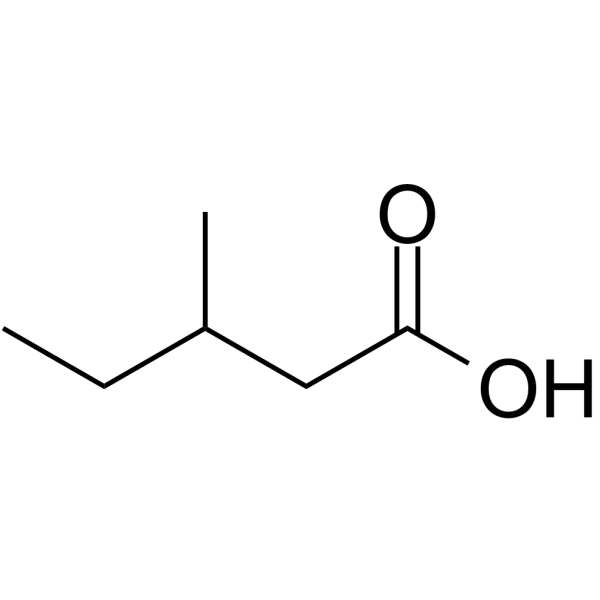
    3-Methylvaleric Acid is a branched alkanoic acid. 3-Methylvaleric Acid can be utilized by Pseudomonas citronettotis as a sole carbon source for its growth. 3-Methylvaleric Acid derivatives exhibit anti-hyperalgesic and anticonvulsant activities .
    3-Methylvaleric Acid
  • HY-130778

    Endogenous Metabolite Cardiovascular Disease Others
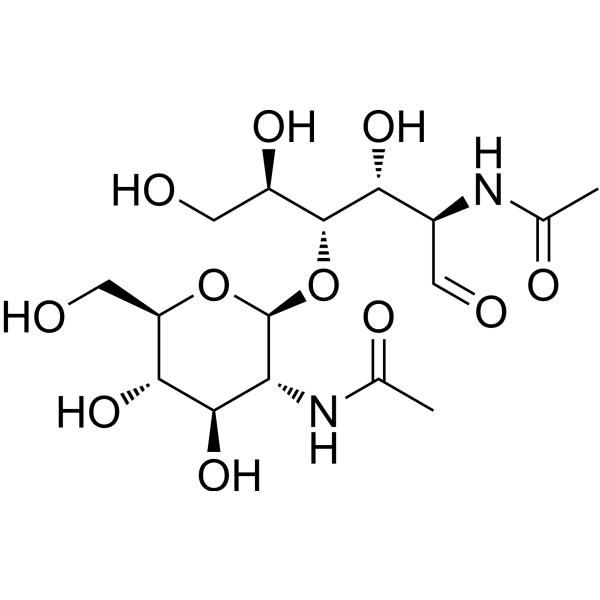
    N,N'-Diacetylchitobiose is a dimer of β(1,4) linked N-acetyl-D glucosamine. N,N'-Diacetylchitobiose is the hydrolysate of chitin and can be used as alternative carbon source by E. coli. N,N'-Diacetylchitobiose also reverses myocardial depression .
    N,N'-Diacetylchitobiose
  • HY-W133891

    Peptones, soybean

    Biochemical Assay Reagents Others
    Peptone from soy (peptones, soybean) is a peptone. Peptone from soy provides nitrogen and carbon sources, as well as other nutrients. Peptone from soy can stimulate/regulate the biosynthesis of cyclic eicosanoids. Peptone from soy induces dose-dependent contraction of guinea pig lung parenchyma. Peptone from soy can be used in microbial and cell culture .
    Peptone from soya
  • HY-N0642

    Drug Derivative Calcium Channel Metabolic Disease
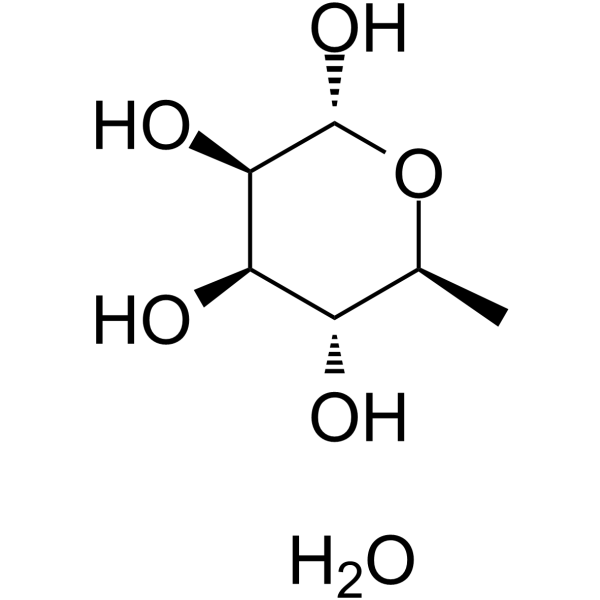
    α-L-Rhamnose monohydrate is a neutral sugar present in plants, animals, viruses and bacteria. α-L-Rhamnose monohydrate is a ligand for α-L-rhamnose-recognizing lectin sites, trigger intracellular signaling pathways. α-L-Rhamnose monohydrate induces rhaE and rhaA expression as a specific carbon source in Aspergillus nidulans, while glucose inhibits its cellular uptake. α-L-Rhamnose monohydrate induces rapid and transient increases in intracellular free Ca 2+ concentration in normal human dermal fibroblasts .
    α-L-Rhamnose monohydrate
  • HY-B1529
    Ammonium citrate dibasic, 99%
    5+ Cited Publications

    Ammonium hydrogencitrate, 99%; Diammonium hydrogen citrate, 99%

    Environmental Pollutants Endogenous Metabolite Biochemical Assay Reagents Apoptosis Others
    Ammonium citrate dibasic, 99% (Ammonium hydrogencitrate, 99%) can be used as the carbon source to prepare carbon quantum dots (CDs). Ammonium citrate dibasic, 99% is a buffering agent .
    Ammonium citrate dibasic, 99%
  • HY-B0400B

    Sorbito, for cell culture; D-Glucitol, for cell culture

    Environmental Pollutants Biochemical Assay Reagents Others
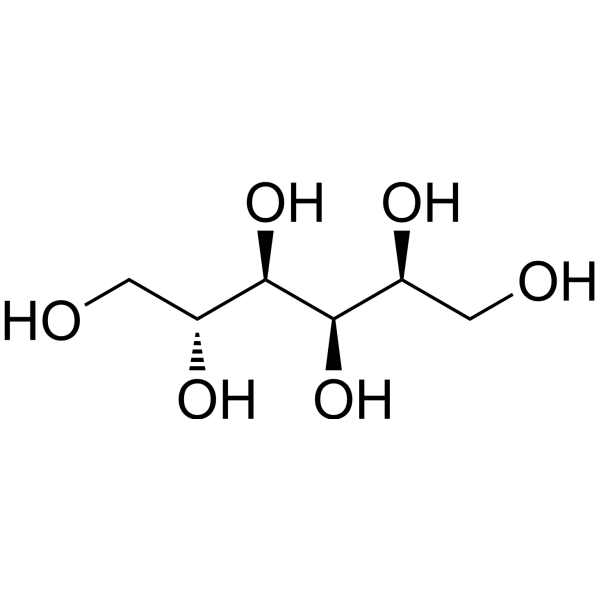
    D-Sorbitol (D-Glucitol), for cell culture is a six-carbon sugar alcohol that can be used as a sugar substitute. D-Sorbitol, for cell culture serves as an osmotic regulator, cryoprotectant and carbon source in various plant and microbial cell culture media .
    D-Sorbitol, for cell culture
  • HY-B1529A
    Citric acid triammonium
    5+ Cited Publications

    Triammonium citrate

    Apoptosis Endogenous Metabolite Bacterial Others Cancer
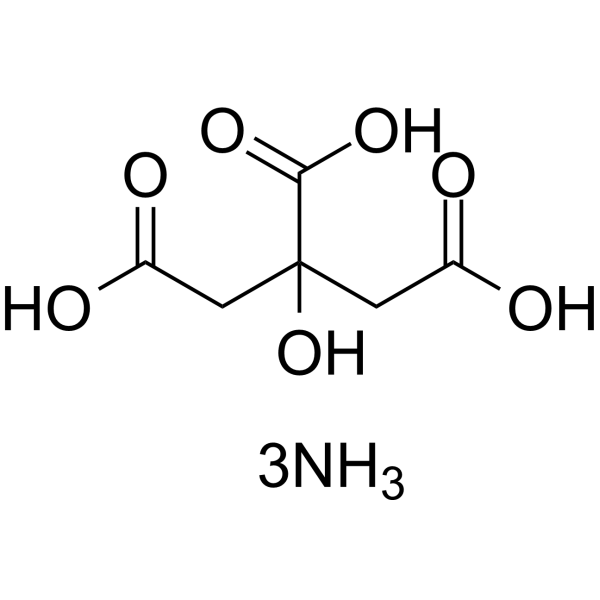
    Citric acid triammonium (Triammonium citrate) is formed by Citric acid (HY-N1428) reacting with ammonia in a molar ratio of 1:3. Citric acid triammonium can be used as the carbon source to prepare carbon quantum dots (CDs). Citric acid triammonium with higher nitrogen components might promote the nitrogen-based functional groups in CDs, leading to a more efficient emission-color tunability .
    Citric acid triammonium
  • HY-121370

    Drug Isomer Others
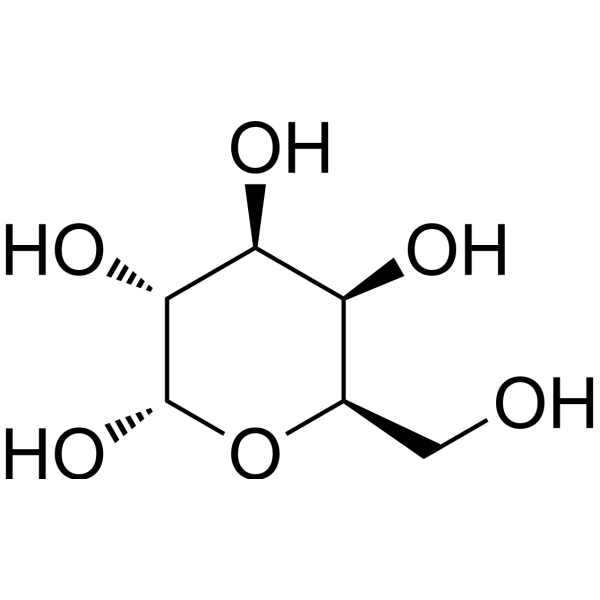
    α-D-Galactose is a isomer of D-galactose (HY-N0210). α-D-Galactose is a polysaccharide and can be used as a carbon source .
    α-D-Galactose
  • HY-W779019

    D-(+)-Xylose-13C5; (+)-Xylose-13C5; Wood sugar-13C5

    Isotope-Labeled Compounds Endogenous Metabolite Metabolic Disease
    Xylose- 13C5 (D-(+)-Xylose- 13C5) is 13C labeled Xylose. Xylose (D-(+)-Xylose) is a natural pentose sugar that is catalyzed by xylose isomerase to form xylulose, which is a key step in the anaerobic ethanol fermentation of Xylose. Xylose can be used by microorganisms to produce fuels, chemicals, and bulk industrial enzymes. Xylose provides the substances and energy for cells, as a carbon source for the biosynthesis of high-value chemicals and biofuel. Xylose can be used to fully explore lignocellulose resources and provide a new direction for microbia fermentation .
    Xylose-13C5
  • HY-N2024R

    Reference Standards Endogenous Metabolite Glycosidase Metabolic Disease
    Maltose (Standard) is the analytical standard of Maltose. This product is intended for research and analytical applications. Maltose is a disaccharide composed of two glucose molecules linked together. Maltose is an endogenous metabolic product in plants, yeast, or bacteria, and it participates in carbon source storage and metabolism. Maltose is a key core metabolite and main transport form in the temporary starch degradation, carbon output, and subsequent sucrose synthesis metabolism of the night chloroplast. In X. dendrorhous, maltose can act as a sugar donor and is converted into isomaltulose by α-glucosidase (α-Glucosidase). Maltose can act as a osmotic agent, supporting continuous capillary ultrafiltration and preventing severe metabolic disorders.
    Maltose (Standard)
  • HY-N0537R

    D-(+)-Xylose (Standard); (+)-Xylose (Standard); Wood sugar (Standard)

    Reference Standards Endogenous Metabolite Metabolic Disease
    Xylose (Standard) (D-(+)-Xylose (Standard)) is the analytical standard of Xylose (HY-N0537). This product is intended for research and analytical applications. Xylose (D-(+)-Xylose) is a natural pentose sugar that is catalyzed by xylose isomerase to form xylulose, which is a key step in the anaerobic ethanol fermentation of Xylose. Xylose can be used by microorganisms to produce fuels, chemicals, and bulk industrial enzymes. Xylose provides the substances and energy for cells, as a carbon source for the biosynthesis of high-value chemicals and biofuel. Xylose can be used to fully explore lignocellulose resources and provide a new direction for microbia fermentation.
    Xylose (Standard)
  • HY-N0537S3

    D-(+)-Xylose-2-13C; (+)-Xylose-2-13C; Wood sugar-2-13C

    Isotope-Labeled Compounds Endogenous Metabolite Metabolic Disease
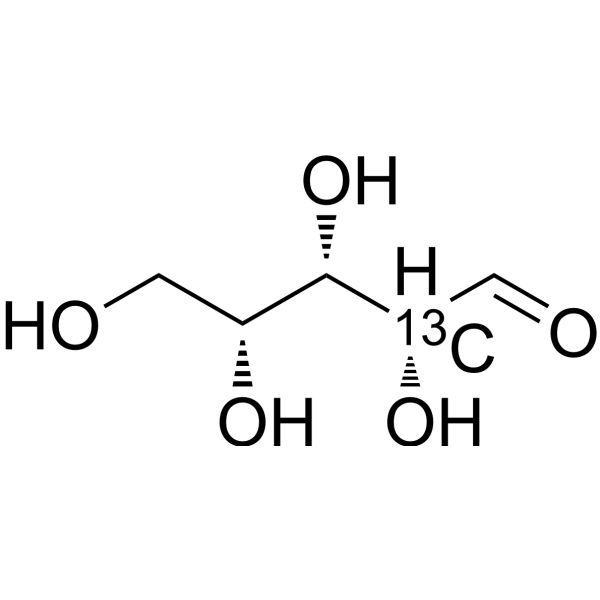
    Xylose-2- 13C (D-(+)-Xylose-2- 13C) is the 13C labeled Xylose (HY-N0537). Xylose (D-(+)-Xylose) is a natural pentose sugar that is catalyzed by xylose isomerase to form xylulose, which is a key step in the anaerobic ethanol fermentation of Xylose. Xylose can be used by microorganisms to produce fuels, chemicals, and bulk industrial enzymes. Xylose provides the substances and energy for cells, as a carbon source for the biosynthesis of high-value chemicals and biofuel. Xylose can be used to fully explore lignocellulose resources and provide a new direction for microbia fermentation .
    Xylose-2-13C
  • HY-W587486R

    Reference Standards Endogenous Metabolite Bacterial Neurological Disease
    N-Acetyltaurine (Standard) is the analytical standard of N-Acetyltaurine (HY-W587486). This product is intended for research and analytical applications. N‑acetyltaurine is an orally active endogenous sulfonate that is synthesized from taurine and acetate in the renal cortex. N‑acetyltaurine supports bacterial growth as a sole fixed nitrogen or carbon source. N‑acetyltaurine buffers acetyl moieties of mitochondrial acetyl‑CoA in skeletal muscle. N‑acetyltaurine reduces food intake and body weight in obese and lean wild‑type mice in a GFRAL‑dependent manner. N‑acetyltaurine can be used for the research of diet‑induced obesity, hyperacetatemia and diabetes .
    N-Acetyltaurine (Standard)
  • HY-Y0403

    m-Chlorobenzoic acid

    Endogenous Metabolite Bacterial Infection
    3-Chlorobenzoic acid (m-Chlorobenzoic acid) is the only carbon source for the bacterium .
    3-Chlorobenzoic acid
  • HY-N2024AS

    Isotope-Labeled Compounds Endogenous Metabolite Glycosidase Metabolic Disease
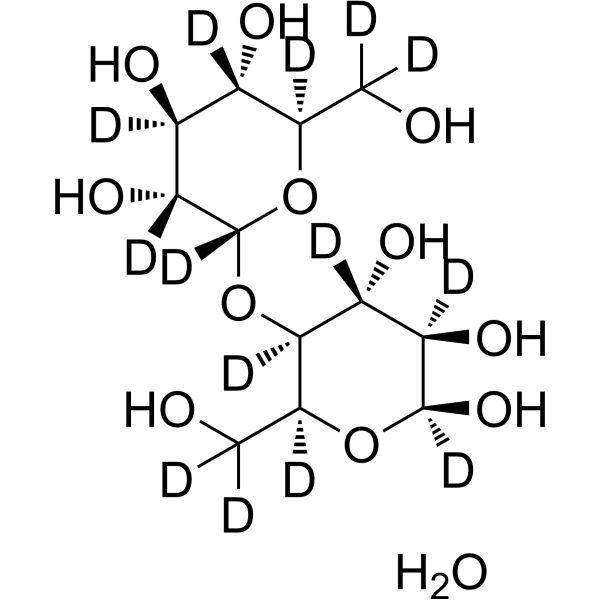
    Maltose monohydrate-d14 is the deuterium labeled Maltose monohydrate. Maltose monohydrate is a disaccharide composed of two glucose molecules linked together. Maltose monohydrate is an endogenous metabolic product in plants, yeast, or bacteria, and it participates in carbon source storage and metabolism. Maltose monohydrate is a key core metabolite and main transport form in the temporary starch degradation, carbon output, and subsequent sucrose synthesis metabolism of the night chloroplast. In X. dendrorhous, maltose can act as a sugar donor and is converted into isomaltulose by α-glucosidase. Maltose monohydrate can act as a osmotic agent, supporting continuous capillary ultrafiltration and preventing severe metabolic disorders.
    Maltose monohydrate-d14
  • HY-N2024B

    Endogenous Metabolite Glycosidase Metabolic Disease
    Maltose solution, 20% in H2O is a 20% aqueous maltose solution. Maltose is a disaccharide composed of two glucose molecules linked together. Maltose is an endogenous metabolic product in plants, yeast, or bacteria, and it participates in carbon source storage and metabolism. Maltose is a key core metabolite and main transport form in the temporary starch degradation, carbon output, and subsequent sucrose synthesis metabolism of the night chloroplast. In X. dendrorhous, maltose can act as a sugar donor and is converted into isomaltulose by α-glucosidase. Maltose can act as a osmotic agent, supporting continuous capillary ultrafiltration and preventing severe metabolic disorders .
    Maltose solution, 20% in H2O
  • HY-W010513R

    Reference Standards Biochemical Assay Reagents Others
    3-Methylvaleric acid (Standard) is an analytical standard form of 3-Methylvaleric acid (HY-W010513). This product is intended for research and analytical applications. 3-Methylvaleric Acid is a branched alkanoic acid. 3-Methylvaleric Acid can be utilized by Pseudomonas citronettotis as a sole carbon source for its growth. 3-Methylvaleric Acid derivatives exhibit anti-hyperalgesic and anticonvulsant activities .
    3-Methylvaleric acid (Standard)
  • HY-W016483

    Biochemical Assay Reagents Others
    Ethyl (4-hydroxyphenyl)acetate is a chemical derivative used as a carbon source.
    Ethyl (4-hydroxyphenyl)acetate
  • HY-W750724

    Pigment R

    Endogenous Metabolite Infection
    Spheroidenone is an organic carbon source isolated from the metabolites of aerobic anoxic cells of marine dinoflagellates .
    Spheroidenone
  • HY-W250315

    pectate sodium

    Glycosidase Bacterial Endogenous Metabolite Others
    Polypectate sodium is a major component of cell wall polysaccharides (pectins) and is used as a carbon source and inducer of polygalacturonase. Polypectate sodium can also be used to evaluate alkaline active and alkaline stable pectate lyases from Streptomyces spp. and to study the optimization of polygalacturonase production from Xanthophyllum spp. and reaction conditions .
    Polypectate sodium
  • HY-N5123

    Endogenous Metabolite Metabolic Disease
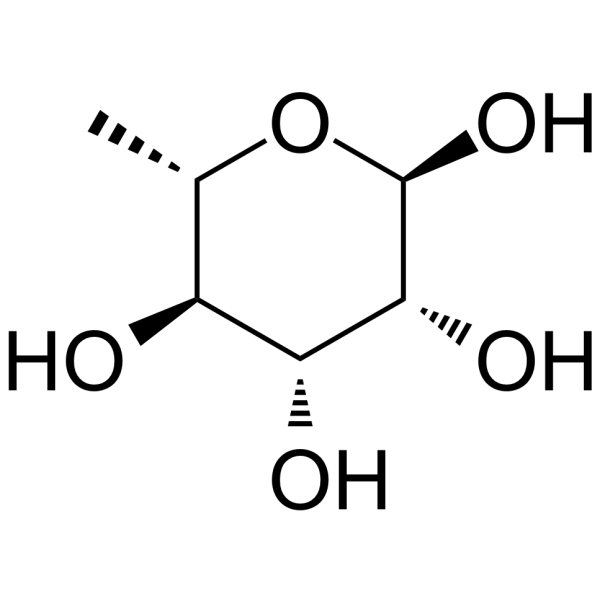
    α-L-Rhamnose is a neutral sugar present in plants, animals, viruses and bacteria. α-L-Rhamnose is a ligand for α-L-rhamnose-recognizing lectin sites, trigger intracellular signaling pathways. α-L-Rhamnose induces rhaE and rhaA expression as a specific carbon source in Aspergillus nidulans, while glucose inhibits its cellular uptake. α-L-Rhamnose induces rapid and transient increases in intracellular free Ca 2+ concentration in normal human dermal fibroblasts .
    α-L-Rhamnose
  • HY-W002114

    Bacterial Infection
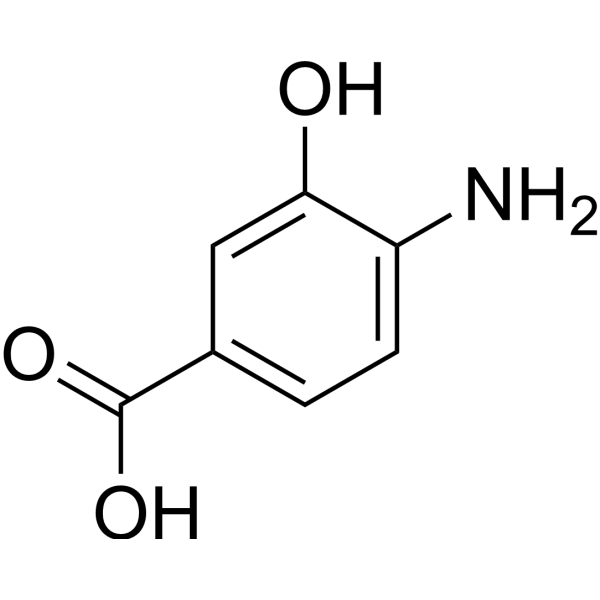
    4-Amino-3-hydroxybenzoic acid is an aromatic substrate degradable by Bordetella sp. strain 10d. 4-Amino-3-hydroxybenzoic acid can serve as a carbon source, nitrogen source and energy source for the growth of Bordetella sp. strain 10d. 4-Amino-3-hydroxybenzoic acid acts as a substrate for 2-amino-5-carboxymuconate-6-semialdehyde deaminase and 4-amino-3-hydroxybenzoate 2,3-dioxygenase .
    4-Amino-3-hydroxybenzoic acid
  • HY-N2024AR

    Reference Standards Endogenous Metabolite Glycosidase Metabolic Disease
    Maltose monohydrate (Standard) is the analytical standard of Maltose monohydrate. This product is intended for research and analytical applications. Maltose monohydrate is a disaccharide composed of two glucose molecules linked together. Maltose monohydrate is an endogenous metabolic product in plants, yeast, or bacteria, and it participates in carbon source storage and metabolism. Maltose monohydrate is a key core metabolite and main transport form in the temporary starch degradation, carbon output, and subsequent sucrose synthesis metabolism of the night chloroplast. In X. dendrorhous, maltose can act as a sugar donor and is converted into isomaltulose by α-glucosidase. Maltose monohydrate can act as a osmotic agent, supporting continuous capillary ultrafiltration and preventing severe metabolic disorders.
    Maltose monohydrate (Standard)
  • HY-Y0403R

    m-Chlorobenzoic acid (Standard)

    Reference Standards Endogenous Metabolite Bacterial Infection
    3-Chlorobenzoic acid (Standard) is the analytical standard of 3-Chlorobenzoic acid. This product is intended for research and analytical applications. 3-Chlorobenzoic acid (m-Chlorobenzoic acid) is the only carbon source for the bacterium .
    3-Chlorobenzoic acid (Standard)
  • HY-130778R

    Endogenous Metabolite Reference Standards Cardiovascular Disease Others
    N,N'-Diacetylchitobiose (Standard) is the analytical standard of N,N'-Diacetylchitobiose. This product is intended for research and analytical applications. N,N'-Diacetylchitobiose is a dimer of β(1,4) linked N-acetyl-D glucosamine. N,N'-Diacetylchitobiose is the hydrolysate of chitin and can be used as alternative carbon source by E. coli. N,N'-Diacetylchitobiose also reverses myocardial depression .
    N,N'-Diacetylchitobiose (Standard)
  • HY-N2024AS2

    Isotope-Labeled Compounds Endogenous Metabolite Glycosidase Metabolic Disease
    Maltose monohydrate- 13C is the 13C labeled isotope of Maltose monohydrate. Maltose monohydrate is a disaccharide composed of two glucose molecules linked together. Maltose monohydrate is an endogenous metabolic product in plants, yeast, or bacteria, and it participates in carbon source storage and metabolism. Maltose monohydrate is a key core metabolite and main transport form in the temporary starch degradation, carbon output, and subsequent sucrose synthesis metabolism of the night chloroplast. In X. dendrorhous, maltose can act as a sugar donor and is converted into isomaltulose by α-glucosidase. Maltose monohydrate can act as a osmotic agent, supporting continuous capillary ultrafiltration and preventing severe metabolic disorders.
    Maltose monohydrate-13C
  • HY-W708332

    Isotope-Labeled Compounds Bacterial Endogenous Metabolite Neurological Disease
    3-Methylvaleric acid-d11 is the deuterium labeled 3-Methylvaleric Acid (HY-W010513). 3-Methylvaleric Acid is a branched alkanoic acid. 3-Methylvaleric Acid can be utilized by Pseudomonas citronettotis as a sole carbon source for its growth. 3-Methylvaleric Acid derivatives exhibit anti-hyperalgesic and anticonvulsant activities .
    3-Methylvaleric acid-d11
  • HY-W415856

    Beta-D-galactose

    Drug Derivative Others
    β-D-galactose (Beta-D-galactose) is one of the two anomers of D-Galactose (HY-N0210). β-D-galactose efficiently binds to and inhibits the galactose repressor (GalR), thereby inducing the expression of the gal regulon. β-D-galactose acts as a persistent induction signal to trigger the synthesis of UDP-galactose for the biosynthetic glycosylation pathway, rather than serving as a carbon source in Yersinia pestis with inactivated GalM .
    β-D-galactose
  • HY-179649

    Bacterial Infection
    sALT629 is an orally active antitubercular agent with potent intramacrophage activity (EC50 = 1.5 μM). sALT629 shows broad-spectrum anti-Mycobacterium tuberculosis (Mtb) activities across four carbon sources, equipotent efficacy against drug-resistant Mtb, and activity against both slow-replicating and nonreplicating Mtb. sALT629 exhibits synergistic activity when combined with oxazolidinone drugs, such as Linezolid (HY-10394) and Sutezolid (HY-10392). sALT629 can be used for the research of tuberculosis .
    sALT629
  • HY-W779018

    D-(+)-Xylose-13C2; (+)-Xylose-13C2; Wood sugar-13C2

    Isotope-Labeled Compounds Endogenous Metabolite Metabolic Disease
    Xylose- 13C2 (D-(+)-Xylose- 13C2) is the 13C-labeled Xylose. Xylose (D-(+)-Xylose) is a natural pentose sugar that is catalyzed by xylose isomerase to form xylulose, which is a key step in the anaerobic ethanol fermentation of Xylose. Xylose can be used by microorganisms to produce fuels, chemicals, and bulk industrial enzymes. Xylose provides the substances and energy for cells, as a carbon source for the biosynthesis of high-value chemicals and biofuel. Xylose can be used to fully explore lignocellulose resources and provide a new direction for microbia fermentation .
    Xylose-13C2

Inquiry Online

Your information is safe with us. * Required Fields.

Salutation


Country or Region *

Applicant Name *


Organization Name *

Department *


Email Address *


Product Name *

Cat. No.


Requested quantity *

Phone Number *


Remarks

Inquiry Online

Inquiry Information

Product Name:
Cat. No.:
Quantity:
MCE Japan Authorized Agent: