



Maltose solution, 20% in H2O
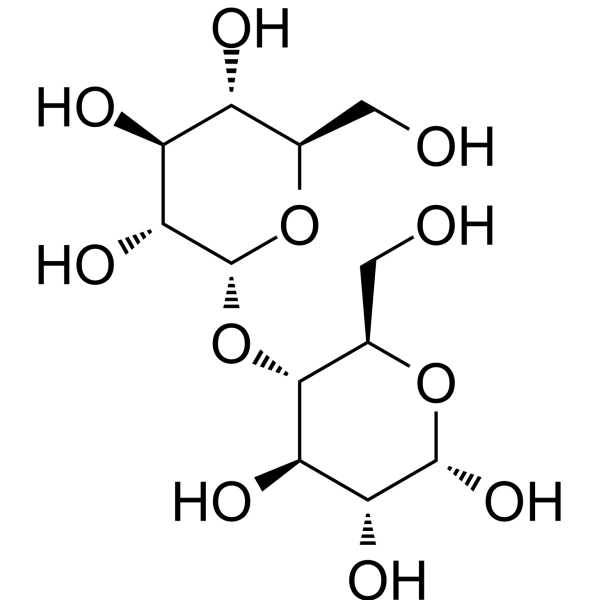
Maltose solution, 20% in H2O is a 20% aqueous maltose solution. Maltose is a disaccharide composed of two glucose molecules linked together. Maltose is an endogenous metabolic product in plants, yeast, or bacteria, and it participates in carbon source storage and metabolism. Maltose is a key core metabolite and main transport form in the temporary starch degradation, carbon output, and subsequent sucrose synthesis metabolism of the night chloroplast. In X. dendrorhous, maltose can act as a sugar donor and is converted into isomaltulose by α-glucosidase. Maltose can act as a osmotic agent, supporting continuous capillary ultrafiltration and preventing severe metabolic disorders.
For research use only. We do not sell to patients.
- CAS No.: 69-79-4
- Formula: C12H22O11
- Molecular Weight:342.30
-
Storage:
Please store the product under the recommended conditions in the Certificate of Analysis.

To place orders, for customer services and technical support, please contact: MedChemExpress USA
Tel: 609-228-6898 E-mail: [email protected] [email protected]


-
 Biological Activity
-
Chemical Information
- Purity & Documentation
- References
-
 Help & FAQs


-
HY-N2024
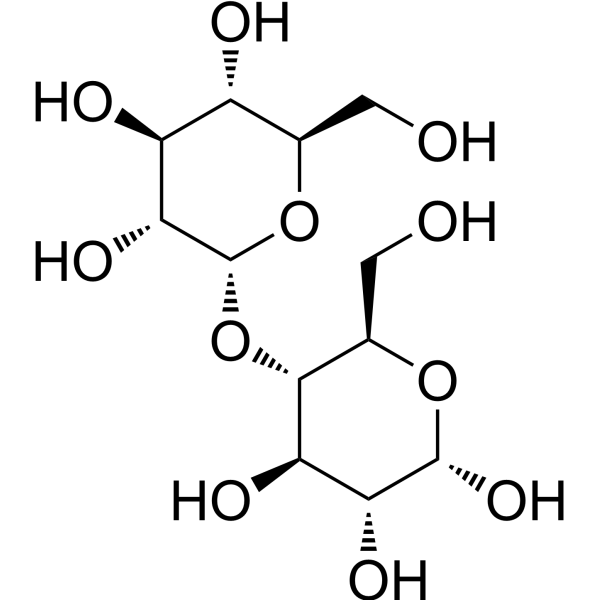
MaltoseDisaccharide -

HY-N2024R
Maltose (Standard)Standard of Maltose -
HY-N3018
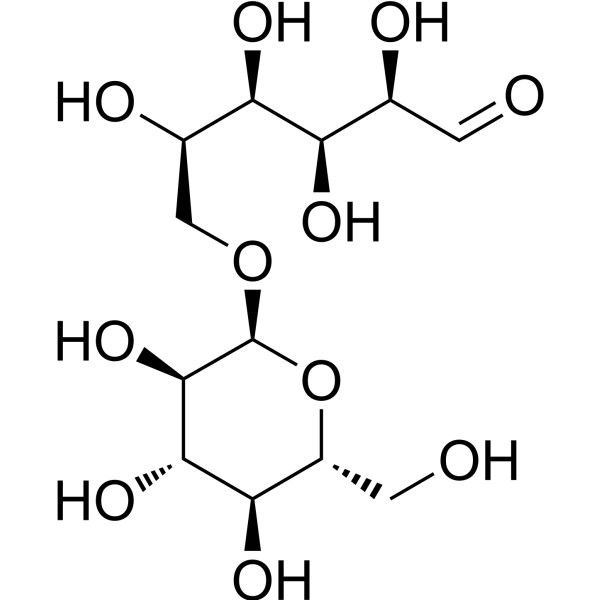
IsomaltoseGlucose Disaccharide -
HY-B1779
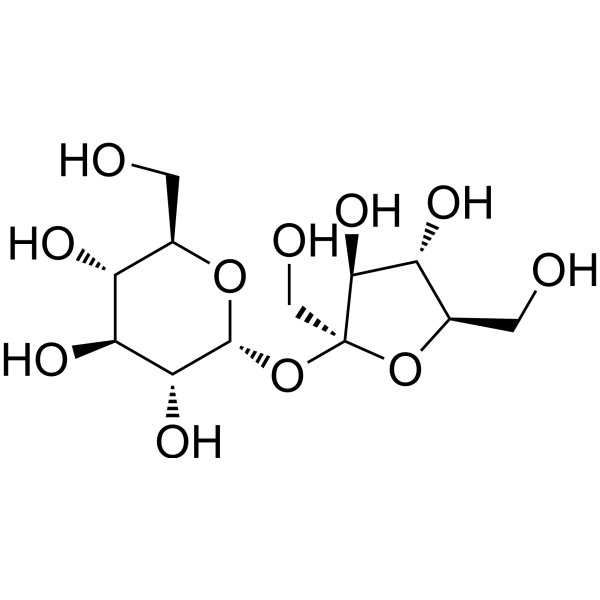
SucroseDisaccharide -
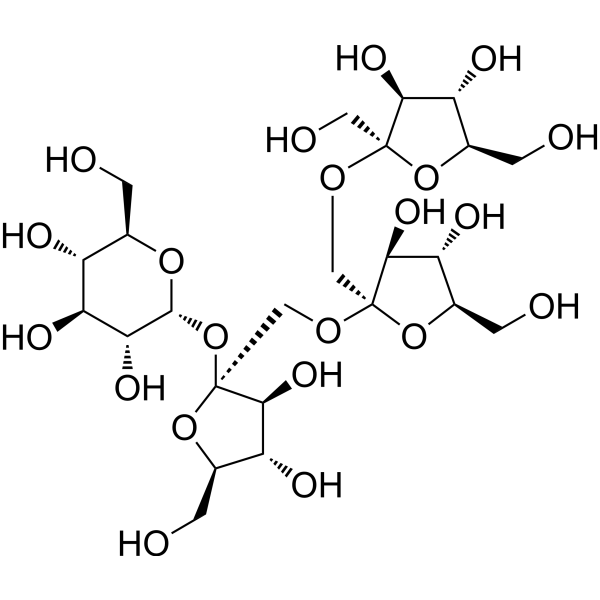
HY-N1499
NystoseTetrasaccharide -
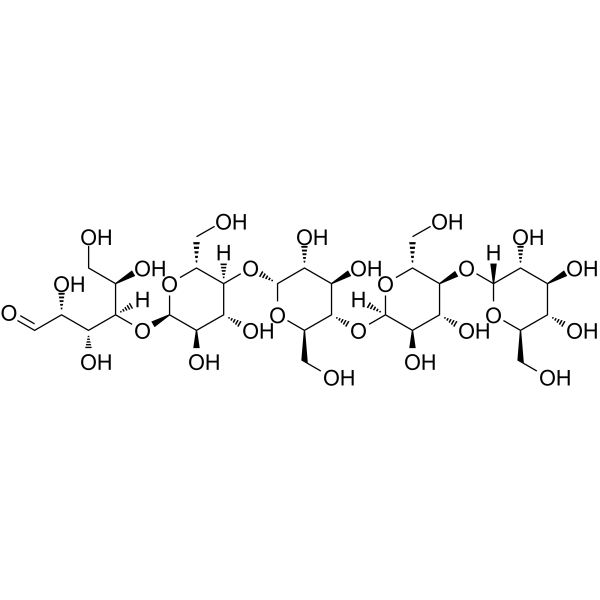
HY-N1495
Maltopentaoseα-amylases Substrate -
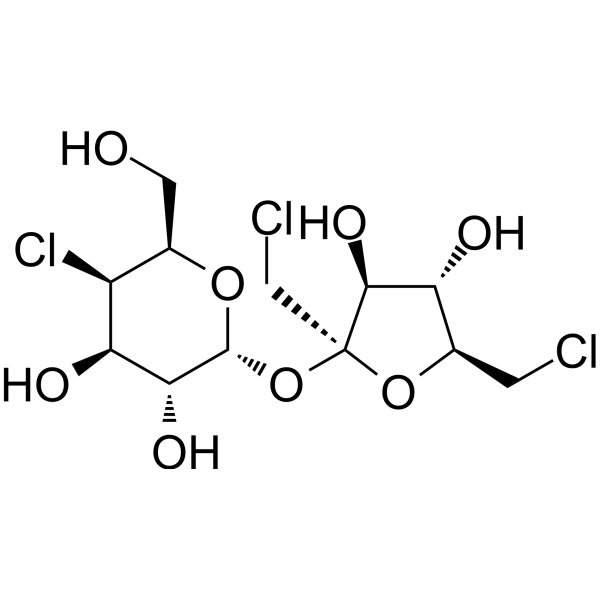
HY-N0614
SucraloseNon-Nutritive Sweetener -
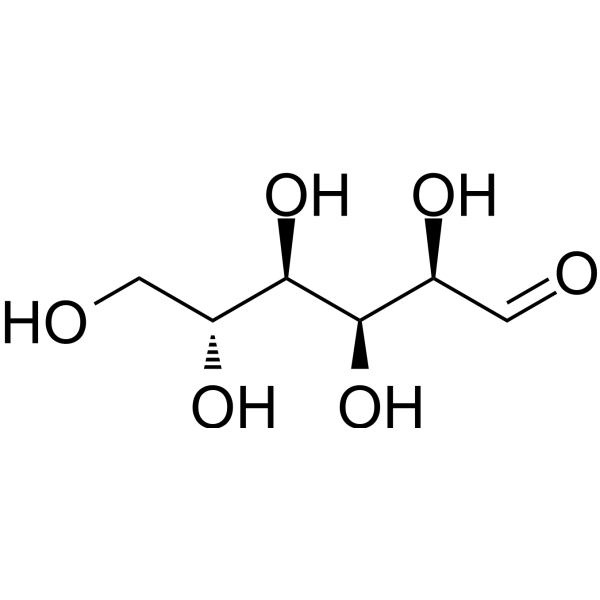
HY-B0389
D-GlucoseMonosaccharide -
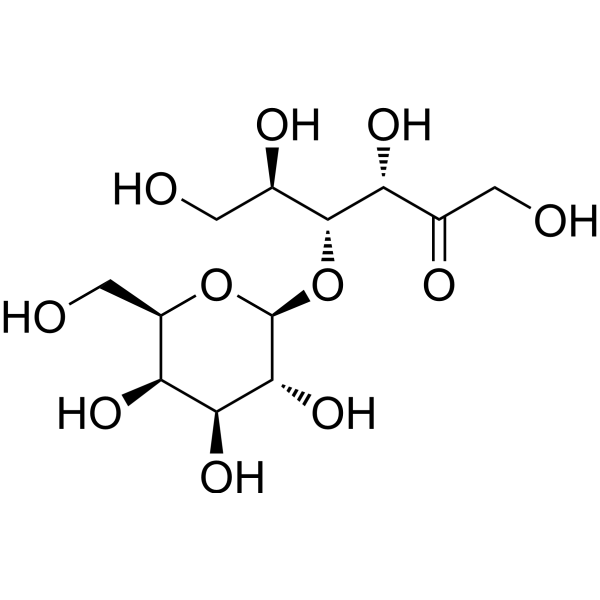
HY-B1172
LactuloseAnti-inflammatory Agent -
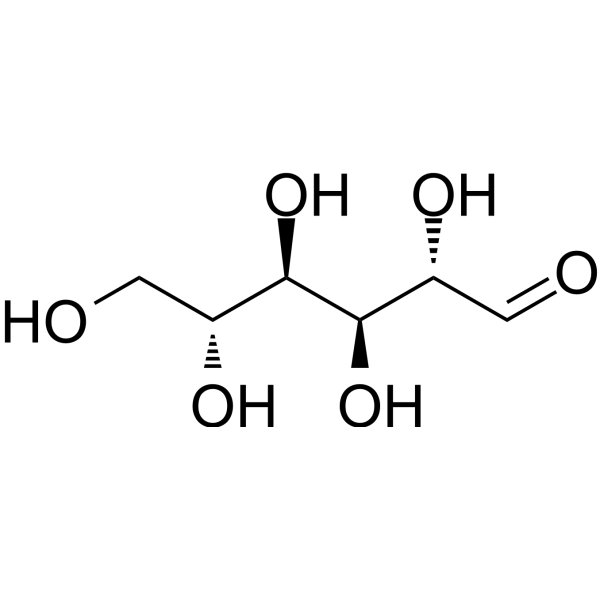
HY-N0379
D-MannoseEndogenous Metabolite -

HY-N1499R
Nystose (Standard)Tetrasaccharide -
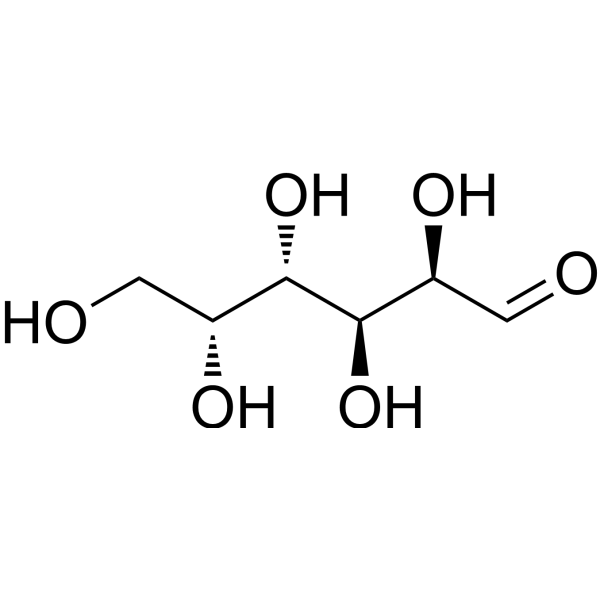
HY-N0210
D-GalactoseEndogenous Metabolite
All Endogenous Metabolite Isoforms
More

Biological Activity
Description
In Vitro
Maltose solution can be used as a peritoneal dialysis osmotic agent. When administered intraperitoneally, it can benefit from the low enzyme activity environment within the peritoneal cavity, resulting in slow absorption and metabolism, thereby preventing a sudden increase in blood sugar[1].
Maltose can be efficiently converted into isomalt oligosaccharides characterized by trisaccharides, tetrasaccharides and α-(1→6) bonds under the catalysis of α-glucosidase in X. dendrorhous. These products possess potential prebiotic properties (not degraded by the upper digestive tract and can be fermented by beneficial bacteria in the colon)[2].
Maltose is the dominant product of carbon output by chloroplasts during the night, and maltose and glucose together account for 85% of the total carbon metabolites output by chloroplasts[3].
MedChemExpress (MCE) has not independently confirmed the accuracy of these methods. They are for reference only. .


Chemical Information
-
CAS No. 69-79-4
-
Molecular Weight 342.30
-
Formula C12H22O11
-
SMILES
O[C@H]1[C@H](O)[C@@H](O)[C@@H](O[C@H]2[C@H](O)[C@@H](O)[C@@H](O)O[C@@H]2CO)O[C@@H]1CO
-
Shipping
Room temperature in continental US; may vary elsewhere.
-
Storage
Please store the product under the recommended conditions in the Certificate of Analysis.


Purity & Documentation
References

Calculators
Concentration (start) × Volume (start) = Concentration (final) × Volume (final)


Maltose solution, 20% in H2O Related Classifications
HY-N2024B Related Classifications
 Powered by Bioz