
1. Search Result
Search Result
Results for "

hepatic gene

" in MedChemExpress (MCE) Product Catalog:

20

Inhibitors & Agonists

1

Screening Libraries

1

Biochemical Assay Reagents

3

Natural
Products

1

Isotope-Labeled Compounds

2

Oligonucleotides

Cat. No. Product Name Target Research Areas Chemical Structure
  • HY-132588

    ALN-G01

    Small Interfering RNA (siRNA) Glycolate Oxidase Metabolic Disease
    Lumasiran (ALN-G01), a siRNA product, reduces hepatic oxalate production by targeting glycolate oxidase. By silencing the gene encoding glycolate oxidase, Lumasiran depletes glycolate oxidase and thereby inhibits the synthesis of oxalate, which is the toxic metabolite that is directly associated with the clinical manifestations of Primary hyperoxaluria type 1 (PH1) .
    Lumasiran
  • HY-14414
    GSK4112
    10+ Cited Publications

    SR6452

    REV-ERB Apoptosis Metabolic Disease
    GSK4112 (SR6452) is a Rev-erbα agonist with an EC50 value of 0.4 μM. GSK4112 can be used as a chemical tool to probe the function of Rev-erbα in transcriptional repression, regulation of circadian biology, and metabolic pathways .
    GSK4112
  • HY-N0468
    Rebaudioside D
    1 Publications Verification

    FXR Acetyl-CoA Carboxylase Metabolic Disease
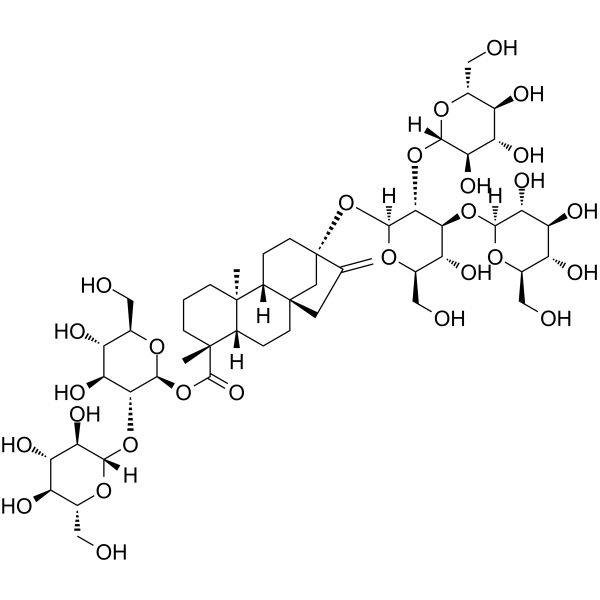
    Rebaudioside D is an orally active sweetener that targets and activates FXR, modulates Acetyl-CoA Carboxylase, and inhibits 3-hydroxy-3-methylglutaryl-CoA reductase. Rebaudioside D regulates bile acid homeostasis and lipid metabolism, reduces the synthesis rates of fatty acids and cholesterol, and exerts multiple effects including anti-adipogenesis, hepatoprotection, anti-steatosis, gut microbiota modulation, enhancement of secondary bile acid metabolism, anti-endotoxin activity, regulation of bile acid transport, and inhibition of bile acid efflux. Rebaudioside D also reduces body weight gain, visceral fat accumulation, hepatic triglyceride and cholesterol accumulation, hepatic lipid peroxidation, and decreases the circulating level of lipopolysaccharide-binding protein. Rebaudioside D additionally enhances the secondary bile acid metabolic pathway of intestinal bacteria, upregulates the gene expression of ileal organic solute transporter α, and downregulates the gene expression of hepatic bile salt export pump. Rebaudioside D does not affect glucose homeostasis, alter total caloric intake or fecal energy excretion, induce weight gain, exacerbate obesity, promote hepatic steatosis, impair brown adipose tissue function, nor change skeletal muscle metabolism-related proteins. Rebaudioside D can be used in diet-induced obesity and obesity-related research .
    Rebaudioside D
  • HY-47888

    Integrin Inflammation/Immunology
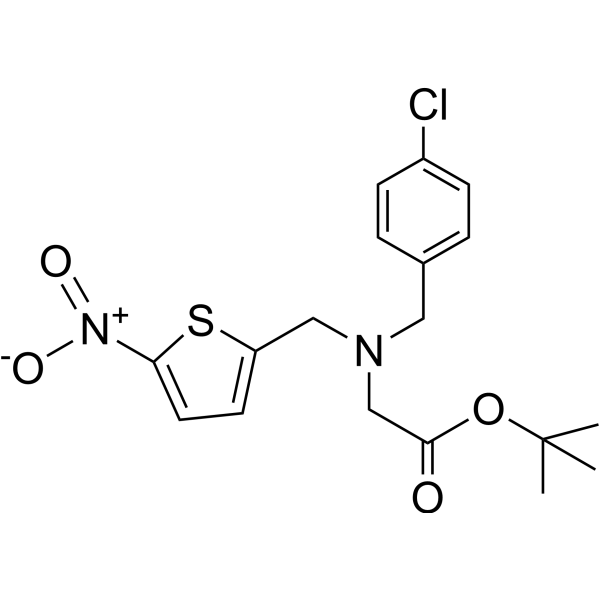
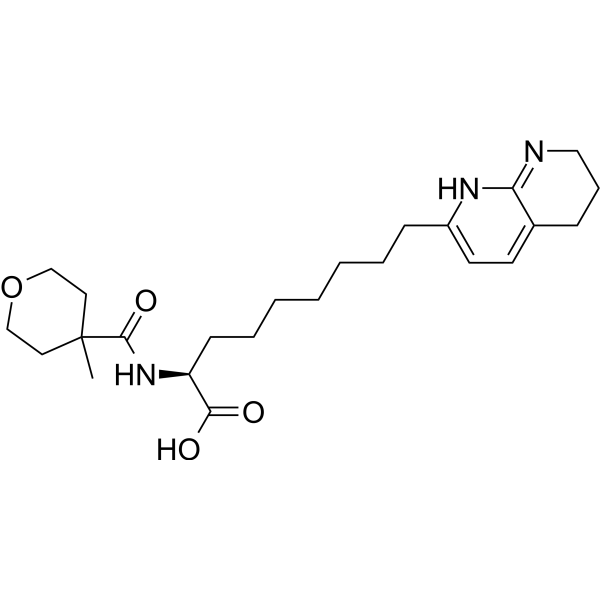
    PLN-1474 (compound 1) is an orally active and selective ανβ1 integrin inhibitor with an IC50 value of <50 nM. PLN-1474 reduces levels of pSMAD3/SMAD3 in liver, hepatic collagen gene expression and hepatic OHP concentration in liver fibrosis mouse model. PLN-1474 can be used for the research of preventing, delaying or researching a fibrotic or cirrhotic disease or disorder.
    PLN-1474
  • HY-156259

    Acyltransferase Inflammation/Immunology
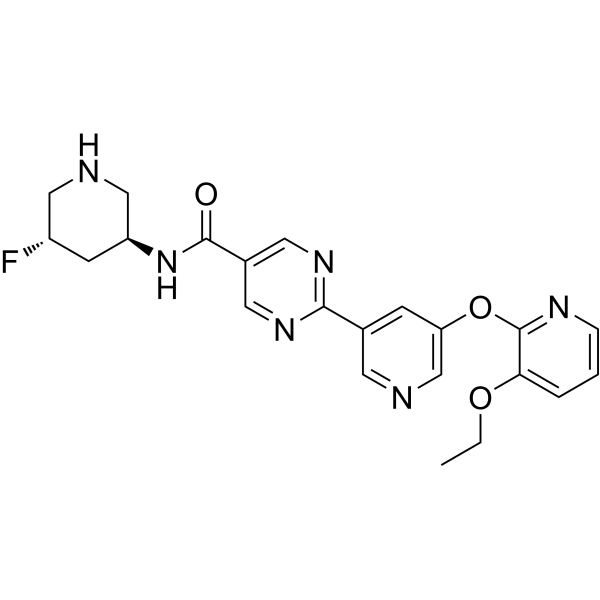
    PF-07202954 is an orally active, highly selective DGAT2 inhibitor with an IC50 of 10 nM against human DGAT2 and an IC50 of 17 nM against rat DGAT2. PF-07202954 reduces triglyceride synthesis, decreases hepatic triglyceride content and plasma triglyceride levels, inhibits de novo lipogenesis, and suppresses the hepatic SREBP signaling pathway as well as the expression of SREBP target genes. PF-07202954 is applicable to research related to non-alcoholic steatohepatitis .
    PF-07202954
  • HY-139040

    PPAR Metabolic Disease
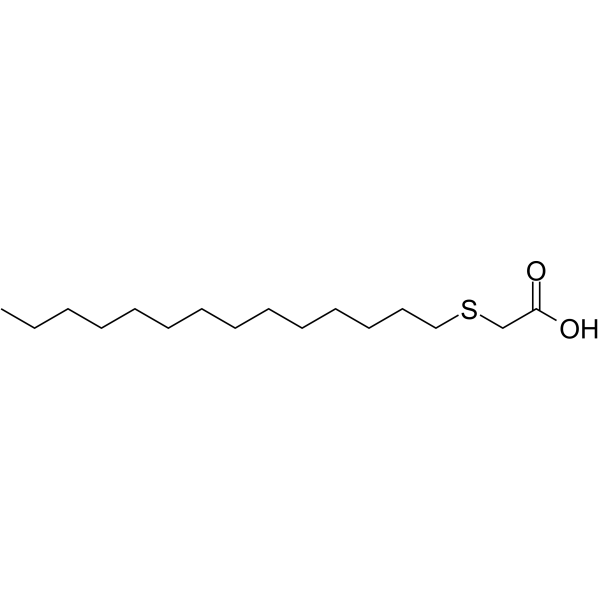
    2-Tetradecylthio acetic acid is a pan-peroxisome proliferator activated receptor (pan-PPAR) activator. 2-Tetradecylthio acetic acid induces hypolipidemia. 2-Tetradecylthio acetic acid reduces plasma lipids and enhances hepatic fatty acid oxidation in rodents. 2-Tetradecylthio acetic acid increases the expression of genes involved in fatty acid uptake, activation, accumulation, and oxidation .
    2-(Tetradecylthio)acetic acid
  • HY-141439

    Keap1-Nrf2 Quinone Reductase Glutathione S-transferase Apoptosis TNF Receptor Inflammation/Immunology Cancer
    TBE 31 is an orally active Keap1/Nrf2 pathway activator and NQO1 inducer with a Dm value of 1.1 nM for NQO1. TBE 31 binds to cysteine residues of Keap1, inhibits ubiquitination and degradation of Nrf2, thereby activating the expression of ARE-dependent genes. TBE 31 induces cytoprotective enzymes including NQO1 and GST isoforms, promotes Nrf2 accumulation, and upregulates Nrf2-regulated genes related to antioxidation and lipid metabolism. TBE 31 inhibits pro-inflammatory responses, formation of AFB1-DNA adducts, endoplasmic reticulum stress, cell apoptosis (apoptosis), hepatic fibrosis, oxidative stress, and the expression of ChREBP. TBE 31 reduces the number of tumors in a mouse model of ultraviolet-induced skin carcinogenesis. TBE 31 enhances nerve growth factor-induced neurite outgrowth. TBE 31 attenuates LPS-induced serum TNF-α levels and immobility time in mice. TBE 31 can be used in research related to liver cancer, skin cancer, inflammation-related depression, and non-alcoholic steatohepatitis .
    TBE 31
  • HY-145649A

    AD-85481 sodium; ALN-AGT sodium

    Small Interfering RNA (siRNA) Asialoglycoprotein Receptor (ASGPR) Cardiovascular Disease
    Zilebesiran (AD-85481; ALN-AGT) sodium is a long-acting liver-targeted small interfering RNA (siRNA) antihypertensive agent. Zilebesiran sodium binds to the hepatic asialoglycoprotein receptor (ASGPR), activates the RNA-induced silencing complex to degrade hepatic angiotensinogen mRNA, thereby inhibiting the gene expression and synthesis of angiotensinogen. Zilebesiran sodium dose-dependently reduces serum angiotensinogen levels and 24-hour ambulatory blood pressure, with its effect persisting throughout the circadian cycle. Zilebesiran sodium is applicable to research related to hypertension .
    Zilebesiran sodium
  • HY-N0468R

    Reference Standards Acetyl-CoA Carboxylase FXR Metabolic Disease
    Rebaudioside D (Standard) is the analytical standard of Rebaudioside D. This product is intended for research and analytical applications. Rebaudioside D is an orally active sweetener that targets and activates FXR, modulates Acetyl-CoA Carboxylase, and inhibits 3-hydroxy-3-methylglutaryl-CoA reductase. Rebaudioside D regulates bile acid homeostasis and lipid metabolism, reduces the synthesis rates of fatty acids and cholesterol, and exerts multiple effects including anti-adipogenesis, hepatoprotection, anti-steatosis, gut microbiota modulation, enhancement of secondary bile acid metabolism, anti-endotoxin activity, regulation of bile acid transport, and inhibition of bile acid efflux. Rebaudioside D also reduces body weight gain, visceral fat accumulation, hepatic triglyceride and cholesterol accumulation, hepatic lipid peroxidation, and decreases the circulating level of lipopolysaccharide-binding protein. Rebaudioside D additionally enhances the secondary bile acid metabolic pathway of intestinal bacteria, upregulates the gene expression of ileal organic solute transporter α, and downregulates the gene expression of hepatic bile salt export pump. Rebaudioside D does not affect glucose homeostasis, alter total caloric intake or fecal energy excretion, induce weight gain, exacerbate obesity, promote hepatic steatosis, impair brown adipose tissue function, nor change skeletal muscle metabolism-related proteins. Rebaudioside D can be used in diet-induced obesity and obesity-related research .
    Rebaudioside D (Standard)
  • HY-W001288

    NF-κB Metabolic Disease
    Indole-4-carboxaldehyde is an ergot alkaloid precursor. Indole-4-carboxaldehyde attenuates the methylglyoxal (MGO)-induced expression of inflammatory-related genes, such asTNF-α and IFN-γ by activating NF-κB without toxicity in HepG2 cells. Indole-4-carboxaldehyde reduces the MGO-induced AGE formation and the expression of the receptor for AGE (RAGE). Indole-4-carboxaldehyde can be used for the study of hepatic steatosis .
    Indole-4-carboxaldehyde
  • HY-178328

    VD/VDR Collagen TGF-beta/Smad MMP JAK Metabolic Disease Inflammation/Immunology Endocrinology
    VDR agonist 4 is an orally active potent VDR agonist. VDR agonist 4 exerts VDR-dependent antifibrotic activity by regulating multiple fibrosis-related genes to suppress α-SMA and collagen I production, thereby inhibiting hepatic stellate cell (HSC) activation. VDR agonist 4 improves CCl4 (HY-RS16594)-induced hepatic fibrosis in mice. VDR agonist 4 can be used for liver fibrosis research .
    VDR agonist 4
  • HY-125129

    Keap1-Nrf2 Others
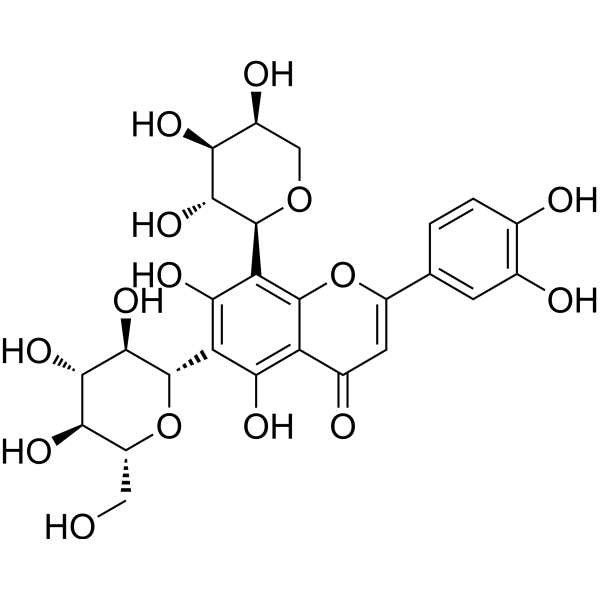
    Carlinoside is a flavone glycoside with hepatoprotective efficiency. Carlinoside reduces hepatic bilirubin accumulation by stimulating bilirubin-UGT activity through Nrf2 gene expression. Carlinoside has the potential to intervene hyperbilirubinemia due to liver dysfunction .
    Carlinoside
  • HY-172105

    PPAR Metabolic Disease Inflammation/Immunology
    Anti-NASH agent 2 (compound 21) is an inhibitor of de novo adipogenesis activity and α-SMA gene expression. Anti-NASH agent 2 improves hepatic steatosis, edema, inflammatory infiltrates, and liver fibrosis in NASH mouse models .
    Anti-NASH agent 2
  • HY-133180

    Wnt β-catenin Metabolic Disease
    YW1128 (compound 3a) is a potent Wnt/β-Catenin inhibitor. YW1128 induces the proteasome degradation of β-catenin and subsequent inhibits the Wnt/β-catenin signaling in cells. YW1128 significantly decreases hepatic lipid accumulation. YW1128 improves glucose tolerance of high fat diet-fed mice without noticeable toxicity. YW1128 down regulates the genes involved in the glucose and fatty acid anabolism .
    YW1128
  • HY-139040R

    Tetradecylthioacetic acid (Standard)

    PPAR Reference Standards Metabolic Disease
    2-(Tetradecylthio)acetic acid (Standard) is the analytical standard of 2-(Tetradecylthio)acetic acid. This product is intended for research and analytical applications. 2-Tetradecylthio acetic acid is a pan-peroxisome proliferator activated receptor (pan-PPAR) activator. 2-Tetradecylthio acetic acid induces hypolipidemia. 2-Tetradecylthio acetic acid reduces plasma lipids and enhances hepatic fatty acid oxidation in rodents. 2-Tetradecylthio acetic acid increases the expression of genes involved in fatty acid uptake, activation, accumulation, and oxidation .
    2-(Tetradecylthio)acetic acid (Standard)
  • HY-185504

    Others Others
    Nexiguran is one component of Nexiguran ziclumeran and also an sgRNA targeting the human TTR gene. Nexiguran ziclumeran (NTLA-2001) is a CRISPR gene-editing therapy that targets hepatic TTR, and it can also be used for research on transthyretin amyloidosis .
    Nexiguran
  • HY-182795

    MMP Interleukin Related TGF-beta/Smad Metabolic Disease
    Colchicine derivative-1 is a colchicine derivative. Colchicine derivative-1 exhibits cytotoxicity against various cells. Colchicine derivative-1 arrests cancer cells at the G2/M phase of the cell cycle. Colchicine derivative-1 increases the levels of MMP-2, MMP-8, MMP-9, IL-2, IL-6, IL-17A, IL-22, IL-4, and IL-5 in the blood, inhibits the gene expression of hepatic fibrinogen α, β, γ and TGF-β1, and alleviates hepatic fibrosis symptoms in mice. Colchicine derivative-1 has antifibrotic activity and can be used in studies related to hepatic fibrosis .
    Colchicine derivative-1
  • HY-183279

    FXR AMPK Metabolic Disease
    FXR antagonist 4 (Compound 4l) is an orally active, selective FXR antagonist with an IC50 of 0.70 μM. FXR antagonist 4 binds to FXR, differentially regulates bile acid and lipid transporter genes, and exerts no effect on gluconeogenesis-related genes. FXR modulator 1 activates the AMPK signaling pathway to inhibit fatty acid synthesis. FXR modulator 1 alleviates hepatic steatosis, ballooning degeneration and fibrosis, and improves dyslipidemia. FXR modulator 1 can be used for research on metabolic dysfunction-associated steatohepatitis .
    FXR antagonist 4
  • HY-182014

    LXR Cardiovascular Disease Metabolic Disease
    TLC-2716 is an orally available, gut- and liver-restricted inhibitor against LXRα and LXRβ, with EC50 values of 7 nM and 15 nM, respectively. TLC-2716 represses LXRα/β transcriptional activity, downregulates genes involved in lipogenesis, lipid absorption and lipoprotein metabolism, and preserves peripheral reverse cholesterol transport. TLC-2716 reduces lipid accumulation, suppresses inflammation and fibrotic gene expression, enhances triglyceride-rich lipoprotein clearance, and improves glucose homeostasis and insulin sensitivity. TLC-2716 lowers serum and hepatic triglycerides, plasma cholesterol and other atherogenic lipid profiles in experimental models and humanized liver mice. TLC-2716 can be used for the research of dyslipidemia and related cardiometabolic disorders .
    TLC-2716
  • HY-W001288S

    Isotope-Labeled Compounds NF-κB Metabolic Disease
    Indole-4-carboxaldehyde- 13C is the 13C-labeled Indole-4-carboxaldehyde (HY-W001288). Indole-4-carboxaldehyde is an ergot alkaloid precursor. Indole-4-carboxaldehyde attenuates the methylglyoxal (MGO)-induced expression of inflammatory-related genes, such asTNF-α and IFN-γ by activating NF-κB without toxicity in HepG2 cells. Indole-4-carboxaldehyde reduces the MGO-induced AGE formation and the expression of the receptor for AGE (RAGE). Indole-4-carboxaldehyde can be used for the study of hepatic steatosis .
    Indole-4-carboxaldehyde-13C

Inquiry Online

Your information is safe with us. * Required Fields.

Salutation


Country or Region *

Applicant Name *


Organization Name *

Department *


Email Address *


Product Name *

Cat. No.


Requested quantity *

Phone Number *


Remarks

Inquiry Online

Inquiry Information

Product Name:
Cat. No.:
Quantity:
MCE Japan Authorized Agent:

