Search Result
Results for "
human CD4 T cells
" in MedChemExpress (MCE) Product Catalog:
| Cat. No. |
Product Name |
Target |
Research Areas |
Chemical Structure |
-
- HY-139780
-
|
|
ROR
|
Inflammation/Immunology
|
|
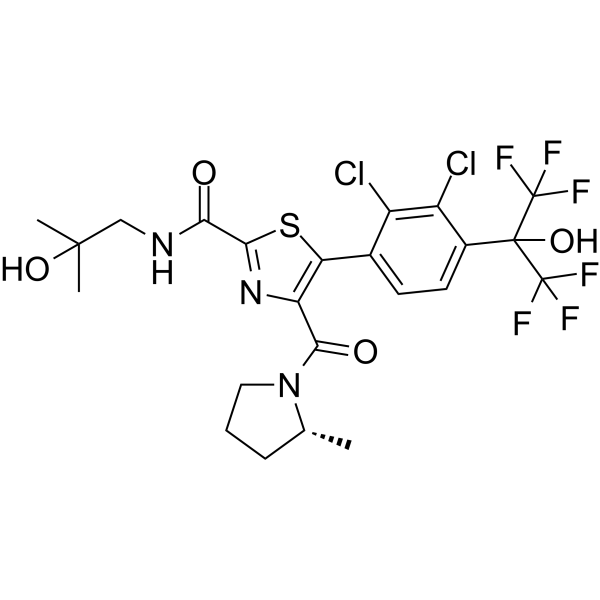
JNJ-61803534 is a potent and orally active RORγt inverse agonist with an IC50 of 9.6 nM. JNJ-61803534 has anti-inflammatory activity. JNJ-61803534 inhibits IL-17A production in human CD4+ T cells under Th17 differentiation conditions .
|
-
-
- HY-P99159
-
|
|
Interleukin Related
|
Cancer
|
|
Ivuxolimab is a fully human IgG2 agonist targeting OX40 (CD134), which selectively binds to the OX40 receptor on the surface of activated CD4 + and CD8 + T cells without inducing antibody-dependent cytotoxicity. Ivuxolimab can promote T cell proliferation, survival and cytokine (such as IFN-γ, IL-2) secretion, inhibit regulatory T cell function, and enhance anti-tumor immune response. Ivuxolimab can be used in the study of melanoma, hepatocellular carcinoma, head and neck squamous cell carcinoma, etc .
|
-

-
- HY-108136A
-
|
BIM-X hydrochloride; Ro31-8425 hydrochloride
|
PKC
CDK
|
Cardiovascular Disease
Inflammation/Immunology
Cancer
|
|
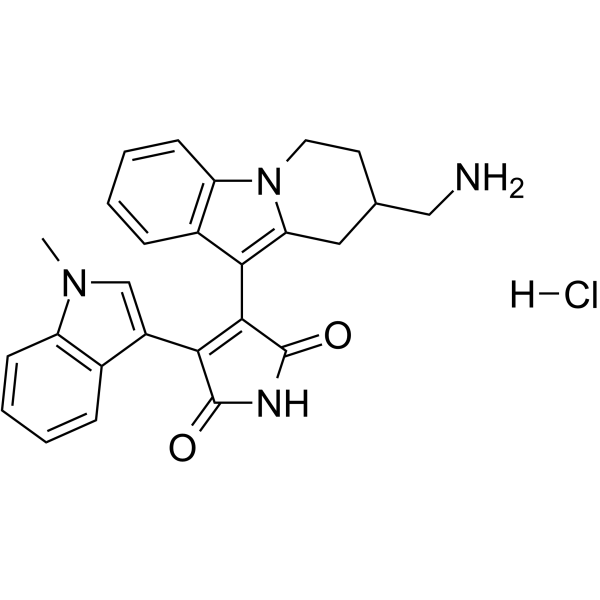
Bisindolylmaleimide X hydrochloride(Ro 31-8425 hydrochloride, BIM-X hydrochloride) is a cell-penetrating PKC inhibitor. Bisindolylmaleimide X hydrochloride is a potent cyclin-dependent kinase 2 (CDK2) antagonist with an IC50 of 200 nM. Bisindolylmaleimide X hydrochloride inhibits the proliferation of CD4 T cells in vitro. Bisindolylmaleimide X hydrochloride inhibits eNOS-Ser1177 phosphorylation in human embryonic vein endothelial cells. Bisindolylmaleimide X hydrochloride can be used for research on the immune system and cardiovascular diseases .
|
-
-
- HY-P991424
-
|
|
Interleukin Related
STAT
|
Inflammation/Immunology
|
|
GSK2618960 is a human monoclonal antibody (mAb) targeting IL-7Ra/CD127. GSK2618960 inhibits IL-7-induced STAT5 phosphorylation. GSK2618960 enhances CD4 T cell proliferation response and increases CD83, CD86, and CD209 expression in PBMCs. GSK2618960 can be used for the research of autoimmune and allergic inflammatory diseases. Recommended isotype control: Human IgG1 kappa, Isotype Control (HY-P99001) .
|
-

-
- HY-P99266
-
|
Anti-human CD4 Recombinant Antibody
|
Transmembrane Glycoprotein
|
Inflammation/Immunology
Cancer
|
|
Zanolimumab (Anti-Human CD4 Recombinant Antibody) is a fully human monoclonal antibody targets CD4. Zanolimumab effectively inhibits T-cell receptor (TCR) signal transduction. Zanolimumab can be used for the research of heumatoid arthritis, psoriasis, melanoma, cutaneous and peripheral T-cell lymphoma .
|
-

-
- HY-P9998
-
|
UB421
|
HIV
|
Cancer
|
|
Semzuvolimab is a human IgG1κ antibody, targeting to p55, T cell surface antigen T4/Leu-3 (CD4). Human CD4 antibodies can neutralize HIV infection and have the potential to inhibit HAART stable HIV infection .
|
-

-
- HY-P990068
-
|
SRF617
|
NTPDase
|
Inflammation/Immunology
Cancer
|
|
Perenostobart (SRF617) is a human IgG4 antibody with inhibitory activity against CD39 ATPase. Perenostobart inhibits CD39-mediated hydrolysis of extracellular ATP to AMP, with IC50 values of 1.9 nM (HEK293 OE cells), 0.7 nM (MOLP-8 cells), and 1.2 nM (RBC-lysed whole blood). Perenostobart enhances CD4 + T-cell proliferation, promotes dendritic cell maturation, and boosts inflammasome activation in macrophages in the presence of ATP. Perenostobart demonstrates significant single-agent anti-tumor efficacy in MOLP-8 and H520 xenograft models. Perenostobart can be used for the study of cancer .
|
-

-
- HY-148511
-
|
CMP-001
|
Toll-like Receptor (TLR)
IFNAR
PD-1/PD-L1
Indoleamine 2,3-Dioxygenase (IDO)
|
Cancer
|
|
Vidutolimod (CMP-001) is a virus-like particle containing a TLR9 activator . Vidutolimod induces human peripheral blood mononuclear cells to secrete IFNα, and upregulates the gene expression of CXCL10, PDL1, IDO and CD80. Vidutolimod activates TLR9, which in turn triggers plasmacytoid dendritic cell activation, production of IFNγ and TNFα, induction of CXCL10, and recruitment of antitumor T cells. Vidutolimod causes influenza-like symptoms, hypotension and tumor regression, and its activity depends on the presence of anti-Qβ antibodies. Vidutolimod modulates monocyte function, promotes CD4 T cell proliferation, and activates multiple immune cell types in an environment with anti-Qβ antibodies. Vidutolimod prolongs the survival of tumor-bearing mice. Vidutolimod is used in research related to advanced melanoma, head and neck squamous cell carcinoma, and advanced non-small cell lung cancer .
|
-

-
- HY-P5425A
-
|
|
Transmembrane Glycoprotein
|
Cancer
|
|
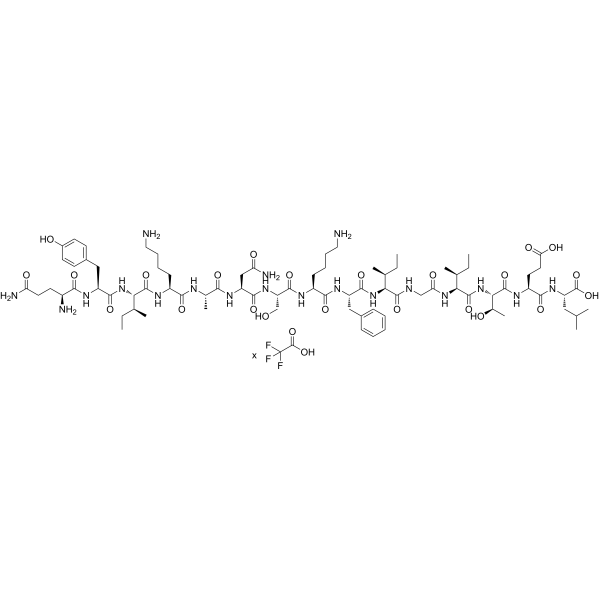
Tetanus Toxin (830–844) TFA is a biological active peptide. (tetanus toxin-derived peptide TT830–844 CD4 + T-cell epitope. This promiscuous CD4 + T-cell epitope can bind to a wide range of HLA–DRB molecules and is thus expected to activate CD4 + T-cell responses in a large part of the human population) .
|
-
-
- HY-160267
-
|
|
HIV
DNA/RNA Synthesis
|
Infection
Neurological Disease
Cancer
|
|
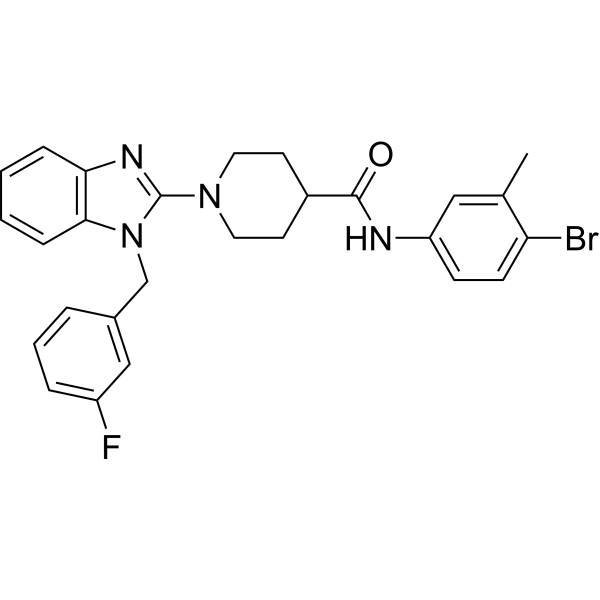
iPAF1C is a inhibitor of the polymerase-associated factor 1 complex (PAF1C) with specific targeting to the PAF1 binding groove of CTR9 (a key subunit of PAF1C). iPAF1C disrupts PAF1C assembly by interfering with the PAF1-CTR9 interaction. iPAF1C selectively impairs BRD4-mediated recruitment of PAF1 to chromatin at hypoxia-responsive genes and inhibits RNA polymerase II (RNAPII) pause release. iPAF1C increases the population of HIV-1 NL4.3 Nef-IRES-GFP infected primary human CD4 +T cells in a dose-dependent manner. PAF1C can be used for the study of infection and diseases associated with abnormal hypoxic adaptation (e.g., cancers, neurological disorders) .
|
-
-
- HY-P990861
-
|
|
Transmembrane Glycoprotein
|
Infection
Inflammation/Immunology
Cancer
|
|
Anti-CD4 Antibody (OKT-4) is a kind of mouse IgG2b κ chimeric antibody inhibitor, targeting to human CD4. Anti-CD4 Antibody (OKT-4) can deplete T cells. Anti-CD4 Antibody (OKT-4) can be used for the researches of cancer, infection and immunology, such as melanoma and adenovirus infection .
|
-

-
- HY-P99680
-
|
SB-210396; IDEC CE9.1
|
Interleukin Related
|
Cancer
|
|
Keliximab (SB-210396) is a chimeric human/macaque IgG1 anti-CD4 monoclonal antibody with a Ki value of 1.0 nM for soluble CD4. Keliximab blocks T cell proliferation and inhibits IL-2 production. Keliximab can be used for cancer research .
|
-

-
- HY-P991455
-
|
|
TNF Receptor
|
Cancer
|
|
PTX-35 is a human IgG monoclonal antibody (mAb) targeting TNFRSF25. PTX-35 reduces the suppressive activity of regulatory T cells and enhances CD4+ T cell effector responses in a mouse melanoma model. PTX-35 can be used in Islet cell transplant rejection and Solid tumours research. Recommended isotype control: Human IgG1 lambda2, Isotype Control (HY-P990096) .
|
-

-
- HY-176280
-
|
|
SARS-CoV
Dihydroorotate Dehydrogenase
DNA/RNA Synthesis
|
Infection
|
|
SARS-CoV-2-IN-115 (Compound 3e) is a SARS-CoV-2 inhibitor. SARS-CoV-2-IN-115 has potent antiviral activity against SARS-CoV-2 in infected Calu-3 cells (EC50: 1.7 μM). SARS-CoV-2-IN-115 effectively inhibits the activity of human dihydroorotate dehydrogenase (HsDHODH) (IC50: 1.5 μM). SARS-CoV-2-IN-115 preserves immune response without antiproliferative effects on CD4 T cells .
|
-

-
- HY-174765
-
|
|
mRNA
|
Inflammation/Immunology
|
|
Human CCL18 mRNA encodes the human C-C motif chemokine ligand 18 (CCL18) protein, a cytokine that displays chemotactic activity for naive T cells, CD4+ and CD8+ T cells and nonactivated lymphocytes, but not for monocytes or granulocytes. CCL18 may play a role in both humoral and cell-mediated immunity responses.
|
-

-
- HY-P991318
-
|
|
Mucin
|
Cancer
|
|
AR20.5 is a human monoclonal antibody (mAb) targeting MUC1. AR20.5 increases the number of activated CD8 T cells, CD3+CD4−CD8−(DN) T cells, and mature dendritic cells in pancreatic tumor-bearing mice. AR20.5 can be used in anti-pancreatic cancer immunity research .
|
-

-
- HY-174754
-
|
|
mRNA
|
Inflammation/Immunology
|
|
Human CCL28 mRNA encodes the human C-C motif chemokine ligand 28 (CCL28) protein, a cytokine that displays chemotactic activity for resting CD4 or CD8 T cells and eosinophils. CCL28 may play a role in the physiology of extracutaneous epithelial tissues, including diverse mucosal organs.
|
-

-
- HY-176273
-
|
|
ROR
Interleukin Related
|
Inflammation/Immunology
|
|
RORγt inverse agonist 35 (Compound 22) is a RORγt inverse agonist with an IC50 of 1.51 μM. RORγt inverse agonist 35 significantly inhibits Th17 differentiation and proinflammatory properties in human CD4 + T cells. RORγt inverse agonist 35 can be used for research of Th17-driven autoimmune diseases, such as psoriasis, multiple sclerosis, and inflammatory bowel disease (IBD) .
|
-

-
- HY-177277
-
|
|
PI3K
|
Inflammation/Immunology
|
|
HM5023507 is an orally active and selective PI3Kδ/γ inhibitor with IC50s of 4 and 5 μM for PI3Kδ and PI3Kγ over PI3Kβ and PI3Kα. HM5023507 attenuates the PI3Kδ/γ signaling in human basophils. HM5023507 also attenuates the activation and function of human B and T cells and cytokine and IgG production during cocultures, and Th17 differentiation of CD4 T cells. HM5023507 inhibited semiestablished collagen-induced arthritic inflammation in the rat models. HM5023507 can be used for inflammatory diseases like rheumatoid arthritis research .
|
-

-
- HY-P992030
-
|
|
Transmembrane Glycoprotein
|
Inflammation/Immunology
|
|
FB102 is an anti-human CD122 (IL-2Rβ) monoclonal antibody with selective activity. FB102 blocks the proliferation and activation of pathogenic NK cells and specific T cell subsets induced by IL-2 and IL-15, without affecting the proliferation of regulatory T cells. FB102 inhibits IL-2/IL-15-induced activation of CD4+ and CD8+ T cells in in vitro disease models. FB102 is applicable to research related to celiac disease .
|
-

-
- HY-108136
-
|
BIM-X; Ro31-8425
|
PKC
CDK
|
Cardiovascular Disease
Inflammation/Immunology
|
|
Bisindolylmaleimide X (Ro 31-8425, BIM-X) is a cell-penetrating PKC inhibitor. Bisindolylmaleimide X is a potent cyclin-dependent kinase 2 (CDK2) antagonist with an IC50 of 200 nM. Bisindolylmaleimide X inhibits the proliferation of CD4 T cells in vitro. Bisindolylmaleimide X inhibits eNOS-Ser1177 phosphorylation in human embryonic vein endothelial cells. Bisindolylmaleimide X can be used for research on the immune system and cardiovascular diseases .
|
-

-
- HY-181841
-
|
|
Toll-like Receptor (TLR)
HIV
|
Infection
|
|
TLR8 agonist 10 is a selective TLR8 agonist with an EC50 of 0.019 μM in humans. TLR8 agonist 10 activates TLR8-mediated signaling pathways. As a latency-reversing agent, TLR8 agonist 10 reactivates latent HIV-1 reservoirs. TLR8 agonist 10 activates innate cytotoxic natural killer cells to target HIV-infected CD4 + T cells. TLR8 agonist 10 is applicable to research related to HIV-1 infection .
|
-

-
- HY-P992056
-
|
|
Autophagy
|
Cancer
|
|
Anti-Human/Mouse LY6E Antibody (9B12) is a high-affinity, multi-target antibody that binds specifically to LY6E. Anti-Human/Mouse LY6E Antibody (9B12) binds specifically to cell-surface LY6E and enters lysosomes via lipid raft-dependent endocytosis, thereby effectively inhibiting the growth of various LY6E-expressing solid tumors (such as breast cancer and lung cancer) in both in vitro and in vivo models. Anti-Human/Mouse LY6E Antibody (9B12) exerts a dual mechanism of action: on one hand, it blocks the interaction between PILRα and CD8α, specifically reduces the survival rate of peripheral CD8 + T cells and induces their activation, breaking the state of cellular quiescence; on the other hand, it recognizes and immunoprecipitates IDE under both non-denaturing and denaturing conditions, which is applicable to studies on the subcellular localization and protein interactions of IDE. The regulatory effect of Anti-Human/Mouse LY6E Antibody (9B12) on CD8 + T cells strictly depends on the presence of PILRα, and it does not affect CD4 + T cells or T cell development in the thymus, exhibiting high specificity .
|
-

-
- HY-183784
-
|
|
P2X Receptor
FAK
MMP
|
Cancer
|
|
P2X7R antagonist-1 is an orally active P2X7 receptor antagonist with an IC50 of 3.57 μM. P2X7R antagonist-1 inhibits the proliferation, invasion and metastasis abilities of cancer cells. P2X7R antagonist-1 downregulates the expression of FAK and MMP-9. P2X7R antagonist-1 suppresses tumor growth and metastasis in a mouse breast cancer model. P2X7R antagonist-1 promotes the activation of CD4 and CD8 T cells. P2X7R antagonist-1 can be used in breast cancer-related research .
|
-

| Cat. No. |
Product Name |
Target |
Research Area |
-
- HY-P5425A
-
|
|
Transmembrane Glycoprotein
|
Cancer
|
|
Tetanus Toxin (830–844) TFA is a biological active peptide. (tetanus toxin-derived peptide TT830–844 CD4 + T-cell epitope. This promiscuous CD4 + T-cell epitope can bind to a wide range of HLA–DRB molecules and is thus expected to activate CD4 + T-cell responses in a large part of the human population) .
|
-
- HY-P5425
-
|
|
Peptides
|
Others
|
|
Tetanus Toxin (830–844) is a biological active peptide. (tetanus toxin-derived peptide TT830–844 CD4+ T-cell epitope. This promiscuous CD4+ T-cell epitope can bind to a wide range of HLA–DRB molecules and is thus expected to activate CD4+ T-cell responses in a large part of the human population)
|
-
- HY-K0352
-
1 Publications Verification
|
|
MCE Human CD4+ T Cells Negative Selection Kit is designed to isolate CD4+ T cells from human peripheral blood mononuclear cells (PBMCs).
|
| Cat. No. |
Product Name |
Target |
Research Area |
Image |
-
- HY-P99159
-
|
|
Interleukin Related
|
Cancer
|
|
Ivuxolimab is a fully human IgG2 agonist targeting OX40 (CD134), which selectively binds to the OX40 receptor on the surface of activated CD4 + and CD8 + T cells without inducing antibody-dependent cytotoxicity. Ivuxolimab can promote T cell proliferation, survival and cytokine (such as IFN-γ, IL-2) secretion, inhibit regulatory T cell function, and enhance anti-tumor immune response. Ivuxolimab can be used in the study of melanoma, hepatocellular carcinoma, head and neck squamous cell carcinoma, etc .
|
-

(5)
-
- HY-P991424
-
|
|
Interleukin Related
STAT
|
Inflammation/Immunology
|
|
GSK2618960 is a human monoclonal antibody (mAb) targeting IL-7Ra/CD127. GSK2618960 inhibits IL-7-induced STAT5 phosphorylation. GSK2618960 enhances CD4 T cell proliferation response and increases CD83, CD86, and CD209 expression in PBMCs. GSK2618960 can be used for the research of autoimmune and allergic inflammatory diseases. Recommended isotype control: Human IgG1 kappa, Isotype Control (HY-P99001) .
|
-
(5)
-
- HY-P99266
-
|
Anti-human CD4 Recombinant Antibody
|
Transmembrane Glycoprotein
|
Inflammation/Immunology
Cancer
|
|
Zanolimumab (Anti-Human CD4 Recombinant Antibody) is a fully human monoclonal antibody targets CD4. Zanolimumab effectively inhibits T-cell receptor (TCR) signal transduction. Zanolimumab can be used for the research of heumatoid arthritis, psoriasis, melanoma, cutaneous and peripheral T-cell lymphoma .
|
-
(5)
-
- HY-P9998
-
|
UB421
|
HIV
|
Cancer
|
|
Semzuvolimab is a human IgG1κ antibody, targeting to p55, T cell surface antigen T4/Leu-3 (CD4). Human CD4 antibodies can neutralize HIV infection and have the potential to inhibit HAART stable HIV infection .
|
-
(5)
-
- HY-P99327
-
|
BT-061
|
Inhibitory Antibodies
|
Inflammation/Immunology
|
|
Tregalizumab is a humanized anti-human CD4 monoclonal antibody (IgG1 type) that selectively activates the suppressive properties of regulatory T cells (Tregs) in vitro. Tregalizumab can be used in the research of autoimmune diseases (resulting from insufficient Treg activity) and allergies .
|
-

(5)
-
- HY-P990068
-
|
SRF617
|
NTPDase
|
Inflammation/Immunology
Cancer
|
|
Perenostobart (SRF617) is a human IgG4 antibody with inhibitory activity against CD39 ATPase. Perenostobart inhibits CD39-mediated hydrolysis of extracellular ATP to AMP, with IC50 values of 1.9 nM (HEK293 OE cells), 0.7 nM (MOLP-8 cells), and 1.2 nM (RBC-lysed whole blood). Perenostobart enhances CD4 + T-cell proliferation, promotes dendritic cell maturation, and boosts inflammasome activation in macrophages in the presence of ATP. Perenostobart demonstrates significant single-agent anti-tumor efficacy in MOLP-8 and H520 xenograft models. Perenostobart can be used for the study of cancer .
|
-
(5)
-
- HY-P990861
-
|
|
Transmembrane Glycoprotein
|
Infection
Inflammation/Immunology
Cancer
|
|
Anti-CD4 Antibody (OKT-4) is a kind of mouse IgG2b κ chimeric antibody inhibitor, targeting to human CD4. Anti-CD4 Antibody (OKT-4) can deplete T cells. Anti-CD4 Antibody (OKT-4) can be used for the researches of cancer, infection and immunology, such as melanoma and adenovirus infection .
|
-
(5)
-
- HY-P99680
-
|
SB-210396; IDEC CE9.1
|
Interleukin Related
|
Cancer
|
|
Keliximab (SB-210396) is a chimeric human/macaque IgG1 anti-CD4 monoclonal antibody with a Ki value of 1.0 nM for soluble CD4. Keliximab blocks T cell proliferation and inhibits IL-2 production. Keliximab can be used for cancer research .
|
-
(5)
-
- HY-P991455
-
|
|
TNF Receptor
|
Cancer
|
|
PTX-35 is a human IgG monoclonal antibody (mAb) targeting TNFRSF25. PTX-35 reduces the suppressive activity of regulatory T cells and enhances CD4+ T cell effector responses in a mouse melanoma model. PTX-35 can be used in Islet cell transplant rejection and Solid tumours research. Recommended isotype control: Human IgG1 lambda2, Isotype Control (HY-P990096) .
|
-
(5)
-
- HY-P991318
-
|
|
Mucin
|
Cancer
|
|
AR20.5 is a human monoclonal antibody (mAb) targeting MUC1. AR20.5 increases the number of activated CD8 T cells, CD3+CD4−CD8−(DN) T cells, and mature dendritic cells in pancreatic tumor-bearing mice. AR20.5 can be used in anti-pancreatic cancer immunity research .
|
-
(5)
-
- HY-P992030
-
|
|
Transmembrane Glycoprotein
|
Inflammation/Immunology
|
|
FB102 is an anti-human CD122 (IL-2Rβ) monoclonal antibody with selective activity. FB102 blocks the proliferation and activation of pathogenic NK cells and specific T cell subsets induced by IL-2 and IL-15, without affecting the proliferation of regulatory T cells. FB102 inhibits IL-2/IL-15-induced activation of CD4+ and CD8+ T cells in in vitro disease models. FB102 is applicable to research related to celiac disease .
|
-
(5)
-
- HY-P992056
-
|
|
Autophagy
|
Cancer
|
|
Anti-Human/Mouse LY6E Antibody (9B12) is a high-affinity, multi-target antibody that binds specifically to LY6E. Anti-Human/Mouse LY6E Antibody (9B12) binds specifically to cell-surface LY6E and enters lysosomes via lipid raft-dependent endocytosis, thereby effectively inhibiting the growth of various LY6E-expressing solid tumors (such as breast cancer and lung cancer) in both in vitro and in vivo models. Anti-Human/Mouse LY6E Antibody (9B12) exerts a dual mechanism of action: on one hand, it blocks the interaction between PILRα and CD8α, specifically reduces the survival rate of peripheral CD8 + T cells and induces their activation, breaking the state of cellular quiescence; on the other hand, it recognizes and immunoprecipitates IDE under both non-denaturing and denaturing conditions, which is applicable to studies on the subcellular localization and protein interactions of IDE. The regulatory effect of Anti-Human/Mouse LY6E Antibody (9B12) on CD8 + T cells strictly depends on the presence of PILRα, and it does not affect CD4 + T cells or T cell development in the thymus, exhibiting high specificity .
|
-
(5)
| Cat. No. |
Product Name |
|
Classification |
-
- HY-148511
-
|
CMP-001
|
|
CpG ODNs
|
|
Vidutolimod (CMP-001) is a virus-like particle containing a TLR9 activator . Vidutolimod induces human peripheral blood mononuclear cells to secrete IFNα, and upregulates the gene expression of CXCL10, PDL1, IDO and CD80. Vidutolimod activates TLR9, which in turn triggers plasmacytoid dendritic cell activation, production of IFNγ and TNFα, induction of CXCL10, and recruitment of antitumor T cells. Vidutolimod causes influenza-like symptoms, hypotension and tumor regression, and its activity depends on the presence of anti-Qβ antibodies. Vidutolimod modulates monocyte function, promotes CD4 T cell proliferation, and activates multiple immune cell types in an environment with anti-Qβ antibodies. Vidutolimod prolongs the survival of tumor-bearing mice. Vidutolimod is used in research related to advanced melanoma, head and neck squamous cell carcinoma, and advanced non-small cell lung cancer .
|
-
- HY-174765
-
|
|
|
mRNA
Chemokine & Receptors
|
|
Human CCL18 mRNA encodes the human C-C motif chemokine ligand 18 (CCL18) protein, a cytokine that displays chemotactic activity for naive T cells, CD4+ and CD8+ T cells and nonactivated lymphocytes, but not for monocytes or granulocytes. CCL18 may play a role in both humoral and cell-mediated immunity responses.
|
-
- HY-174754
-
|
|
|
mRNA
Chemokine & Receptors
|
|
Human CCL28 mRNA encodes the human C-C motif chemokine ligand 28 (CCL28) protein, a cytokine that displays chemotactic activity for resting CD4 or CD8 T cells and eosinophils. CCL28 may play a role in the physiology of extracutaneous epithelial tissues, including diverse mucosal organs.
|
Your information is safe with us. * Required Fields.
Inquiry Information
- Product Name:
- Cat. No.:
- Quantity:
- MCE Japan Authorized Agent:








