1. Search Result
Search Result
Pathways Recommended: Antibody-drug Conjugate/ADC Related
Results for "

hydrophobic drugs

" in MedChemExpress (MCE) Product Catalog:

72

Inhibitors & Agonists

5

Bibliotecas de Screening

2

Fluorescent Dyes

40

Biochemical Assay Reagents

1

Peptides

2

Natural
Products

5

Isotope-Labeled Compounds

27

Click Chemistry

17

Oligonucleotides

1

GMP Molecules

Cat. No. Nombre del producto Target Áreas de investigación Chemical Structure
  • HY-128952
    Tesirine
    Maximum Cited Publications
    7 Publications Verification
    SG3249

    Drug-Linker Conjugates for ADC DNA Alkylator/Crosslinker Cancer
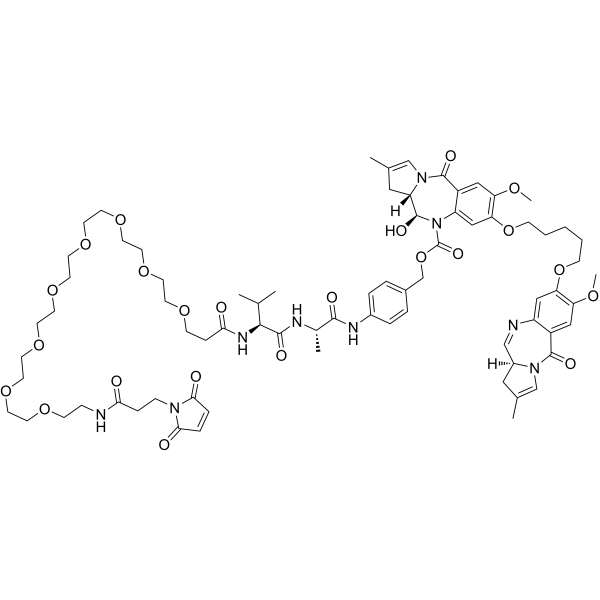
    Tesirine (SG3249) is an antibody-drug conjugate (ADC) pyrrolobenzodiazepine (PBD) dimer payload. Tesirine combines potent antitumor activity with desirable physicochemical properties such as favorable hydrophobicity and improved conjugation characteristics. SG3199 (HY-101161) is the released warhead component of the ADC payload Tesirine. SG3199 retains picomolar activity in a panel of cancer cell lines. PBD dimers are highly efficient DNA minor groove cross-linking agents with potent cytotoxicity .
    Tesirine
  • HY-W020780

    mPEG5000-Maleimide

    Biochemical Assay Reagents Cancer
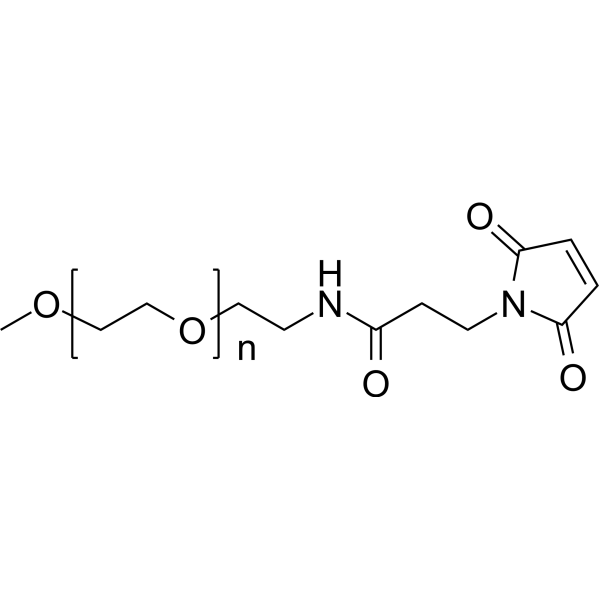
    mPEG5000-Mal (mPEG5000-Maleimide) is a PEG-derived selective covalent binding agent for sulfhydryl groups (RSGs), which can form irreversible thioether bonds with sulfhydryl groups under near-neutral conditions via the maleimide group. The mechanism of action of mPEG5000-Mal can be divided into two categories: firstly, as an enzyme modifier, it binds to target proteins through hydrophobic interactions, hydrogen bonds, and van der Waals forces, altering the protein's secondary structure; secondly, as a nanoparticle surface modifier, it covalently binds to sulfhydryl groups on the surface of red blood cells, changing the surface properties and morphology of the red blood cells, leading to their phagocytosis by macrophages of the reticuloendothelial system. mPEG5000-Mal can react with free cysteine in proteins, increasing the apparent molecular weight of the modified protein by 10-15 kDa for detection purposes. mPEG5000-Mal can enhance the thermal stability and catalytic activity of enzymes, and improve the macrophage targeting of nanoparticles, enabling targeted drug delivery. mPEG5000-Mal can be applied in enzyme engineering research in the food industry and in oncology, assisting radiotherapy by inhibiting tumor-associated macrophage infiltration and enhancing anti-tumor immune responses .
    mPEG5000-Mal
  • HY-W127512
    5β-Cholanic acid
    1 Publications Verification

    Drug Intermediate Others
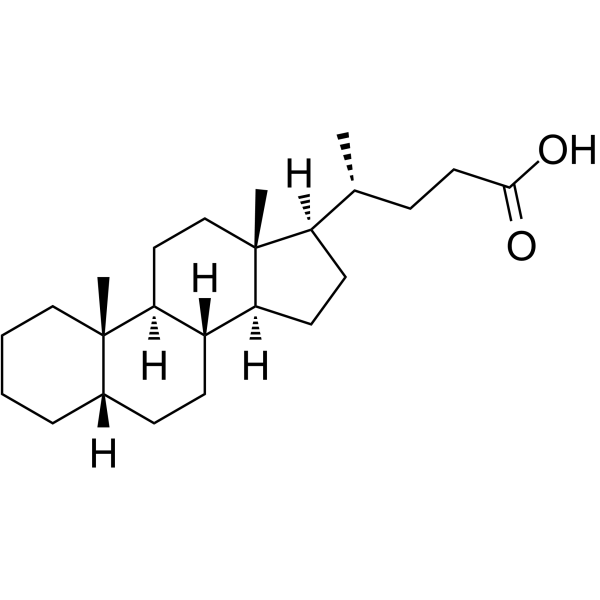
    5β-Cholanic acid is a hydrophobic modifier used to modify polymer carriers. 5β-Cholanic acid can improve the acid stability, cell penetration efficiency and drug sustained release ability of nanocarriers, and optimize the oral effectiveness of delivered molecules. 5β-Cholanic acid can covalently bind to Glycol chitosan (GC) to form a GC-CA conjugate, which optimizes the hydrophobic anchoring ability of nanoparticles and enables them to be stably adsorbed on the surface of PLGA nanoparticles. Such nanoparticles can resist dissociation in the gastric acid environment and maintain positive charge to enhance endocytic uptake by intestinal epithelial cells (such as Caco-2 cells). 5β-Cholanic acid can be used in the development of drug delivery systems .
    5β-Cholanic acid
  • HY-D1005A6

    PEG-PPG-PEG, 2200 (Average)

    Environmental Pollutants Biochemical Assay Reagents Others
    Poloxamer 124 L44 is a block polymer of polyoxyethylene and polyoxypropylene and a hydrophobic surfactant. Poloxamer 124 L44 causes eye irritation and exhibits oral toxicity in albino rats with an LD50 of 5 g/kg. Poloxamer 124 L44 has reversible adverse effects on triglyceride and cholesterol transport in the lymphatic system of rats. Poloxamer 124 L44 can form thermoreversible hydrogels and is used as a food additive and as a drug delivery vehicle in cosmetics, pharmaceuticals, and tissue engineering[1][2][3].
    Poloxamer 124 (L44)
  • HY-142978
    18:0 mPEG2000 PE
    1 Publications Verification

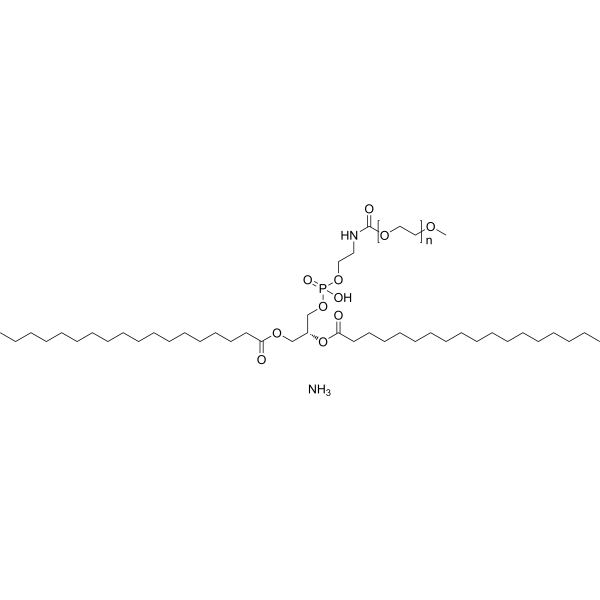
    DSPE-mPEG2000; 1,2-Distearoyl-sn-glycero-3-phosphoethanolamine-N-[methoxy(polyethylene glycol)-2000]

    Liposome Others
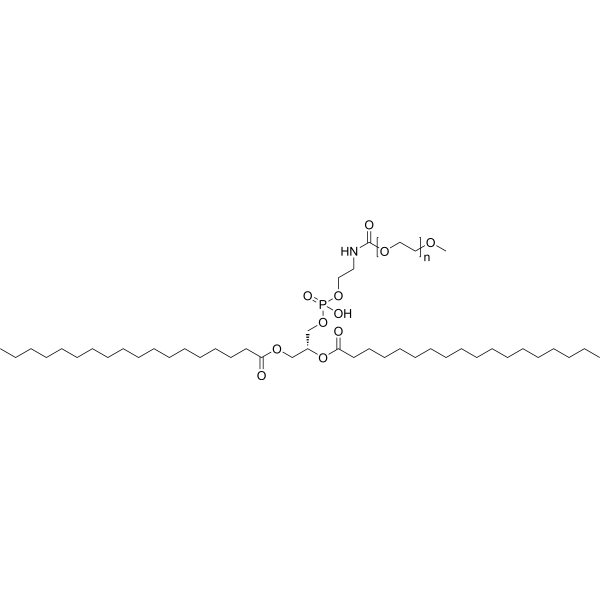
    18:0 mPEG2000 PE (DSPE-mPEG2000) ammonium is a kind of amphiphilic polymer material. 18:0 mPEG2000 PE ammonium combines hydrophobic lipids (18:0 stearic acid chain) with hydrophilic polyethylene glycol (2 kDa) chains to form amphiphilic molecules, which are used to construct stable liposomes/nanoparticles, thereby enhancing drug delivery, prolonging circulation time, and achieving targeted effects through its functional terminal groups (usually biotin or carboxyl groups). 18:0 mPEG2000 PE ammonium can be used for the research of nanoprobes and drug delivery .
    18:0 mPEG2000 PE
  • HY-126663

    ADC Payload Cancer
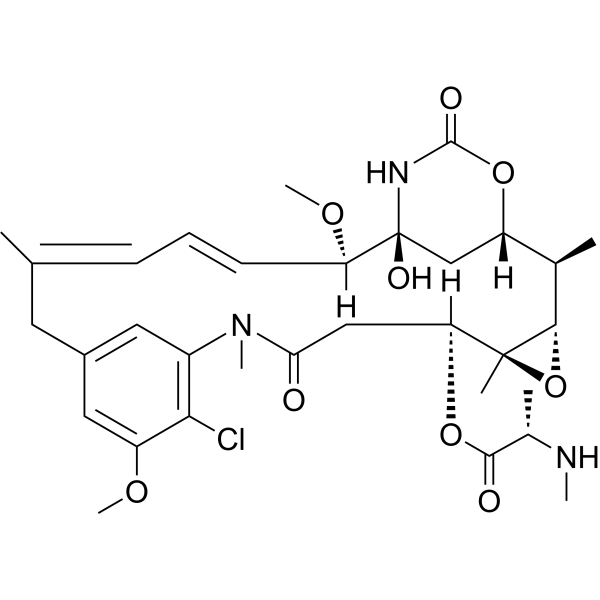
    N-Me-L-Ala-maytansinol is a hydrophobic, cell permeable payload used for making antibody-drug conjugate (ADC) .
    N-Me-L-Ala-maytansinol
  • HY-W440896

    Liposome Others
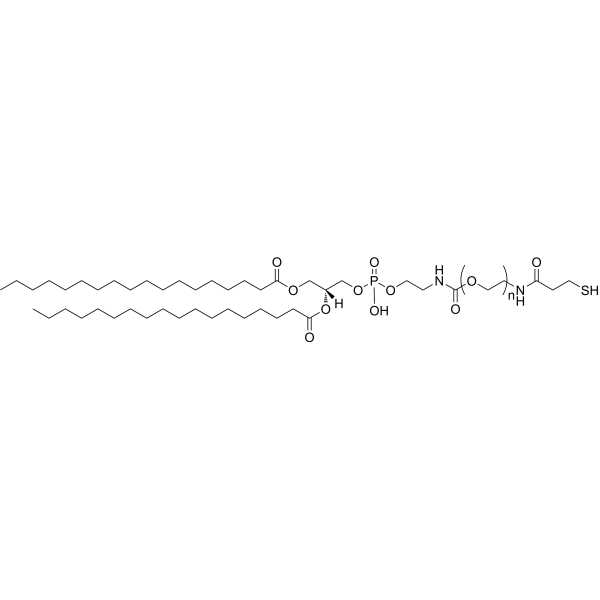
    DSPE-PEG2000-SH is an amphiphilic thiol-functionalized DSPE-PEG molecule. DSPE-PEG2000-SH inserts into extracellular vesicle (EV) bilayer membranes via hydrophobic interactions, displaying surface thiol groups to form EV-SH crosslinkers.DSPE-PEG2000-SH enables crosslinking of EV-SH with 8-arm PEG-norbornene via thiol-ene photochemistry to construct hydrogels, with hydrogel mechanical properties tunable via PEG segment molecular weight variation.DSPE-PEG2000-SH can be used to encapsulate agents for drug delivery system, such as mRNA vaccine .
    DSPE-PEG2000-SH
  • HY-154644

    Environmental Pollutants Biochemical Assay Reagents Cancer
    Soya Lecithin is a phospholipid mixture that can be used as a drug delivery vehicle and is a pharmaceutical excipient. Soya Lecithin can form a lipid bilayer structure through self-assembly, and its binding properties are amphiphilic (hydrophilic head and hydrophobic tail), encapsulating hydrophobic drugs. Soya Lecithin forms stable nanoliposomes or microemulsions, improves the solubility and cellular uptake efficiency of poorly soluble drugs (such as Curcumin (HY-N0005)), and exerts activities such as enhancing drug delivery and regulating cell proliferation .
    Soya Lecithin
  • HY-132180A

    ADC Payload DNA/RNA Synthesis Inflammation/Immunology Cancer
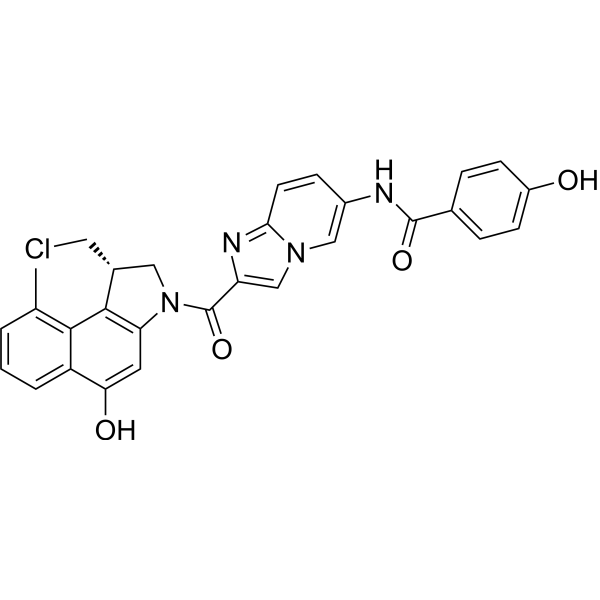
    Seco-DUBA hydrochloride is a DNA-targeting cytotoxic agent. Seco-DUBA hydrochloride binds to the minor groove of A-T-rich DNA regions, alkylates the adenine N3 residue, and undergoes spontaneous spirocyclization to generate active DUBA (HY-160969). Seco-DUBA hydrochloride exerts cytotoxic activity against human cancer cells. The reduced hydrophobicity of Seco-DUBA hydrochloride supports the development of antibody-drug conjugates .
    Seco-DUBA
  • HY-117401

    Fluorescent Dye Others
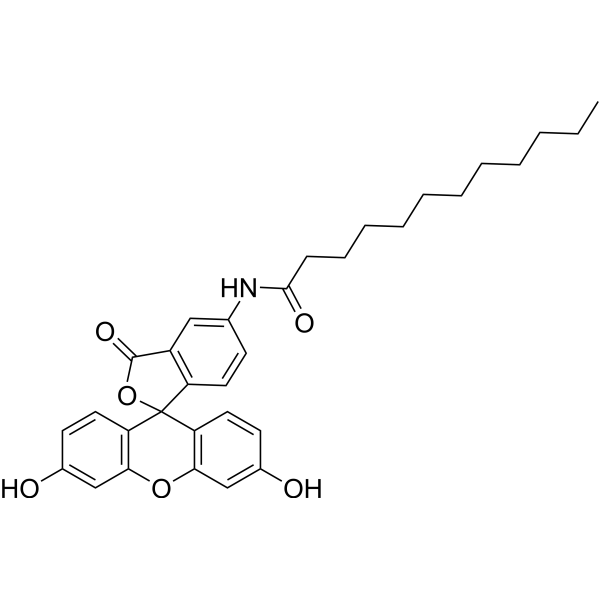
    5-Dodecanoylaminofluorescein is an amphipathic (amphoteric) fluorescent probe (Ex/Em = 485 nm/515-535 nm), which consists of a hydrophilic fluorescein core and a hydrophobic dodecanoyl group (C12 fatty acid chain) linked by an amide bond. 5-Dodecanoylaminofluorescein is mainly used as an interface-localized radical trapping/indicator probe. Dodecanoylaminofluorescein can be used for the determination of the antioxidant properties of emulsions, or can serve as a lipophilic drug model for the study of passive skin penetration when encapsulated in tyrosine-derived nanospheres .
    5-Dodecanoylaminofluorescein
  • HY-101532

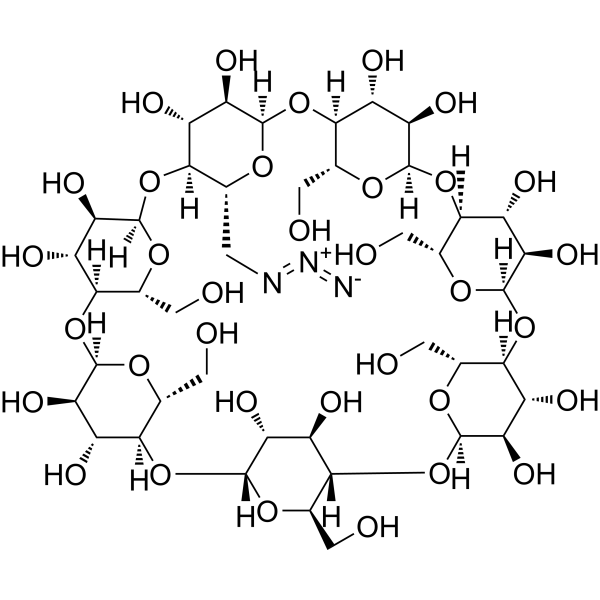
    β-CDN3; 6A-deoxy-6A-azido-β-cyclodextrin

    Biochemical Assay Reagents Others
    6A-Azido-6A-deoxy-β-cyclodextrin (β-CDN3) is a site-specifically modified β-cyclodextrin with a single azido group replacing the hydroxyl group at the C6 position. 6A-Azido-6A-deoxy-β-cyclodextrin forms a host-guest inclusion complex with Dexamethasone (HY-14648), localizing the drug within its hydrophobic cavity, which restricts the rotational mobility of the drug and places Dexamethasone in a less polar environment. 6A-Azido-6A-deoxy-β-cyclodextrin acts as a coupling agent to graft β-cyclodextrin onto thermosensitive nanogels via strain-promoted alkyne-azide cycloaddition (SPAAC). 6A-Azido-6A-deoxy-β-cyclodextrin also serves as a click chemistry reagent. It contains an azide group and undergoes copper-catalyzed azide-alkyne cycloaddition (CuAAc) with molecules bearing an alkyne group. It also undergoes strain-driven alkyne-azide cycloaddition (SPAAC) with molecules containing DBCO or BCN groups .
    6A-Azido-6A-deoxy-β-cyclodextrin
  • HY-144013H

    DSPE-mPEG5000 ammonium; 1,2-Distearoyl-sn-glycero-3-phosphoethanolamine-N-[methoxy(polyethylene glycol)-5000] ammonium

    Liposome Cancer
    18:0 mPEG5000 PE (DSPE-mPEG5000) ammonium is a kind of amphiphilic polymer material. 18:0 mPEG5000 PE ammonium combines hydrophobic lipids (18:0 stearic acid chain) with hydrophilic polyethylene glycol (5 kDa) chains to form amphiphilic molecules, which are used to construct stable liposomes/nanoparticles, thereby enhancing drug delivery, prolonging circulation time, and achieving targeted effects through its functional terminal groups (usually biotin or carboxyl groups). 18:0 mPEG5000 PE ammonium can be used for the research of nanoprobes and drug delivery .
    18:0 mPEG5000 PE ammonium
  • HY-W440690

    Liposome Cancer
    Cholesterol-PEG2000-amine is a pegylated lipids which can be used for preparation of liposome or nanoparticle. The lipophilic moiety can encapsulate hydrophobic drugs whereas the hydrophilic PEG chain helps the overal water solubility of the micelles.
    Cholesterol-PEG2000-amine
  • HY-W130354

    Biochemical Assay Reagents Others
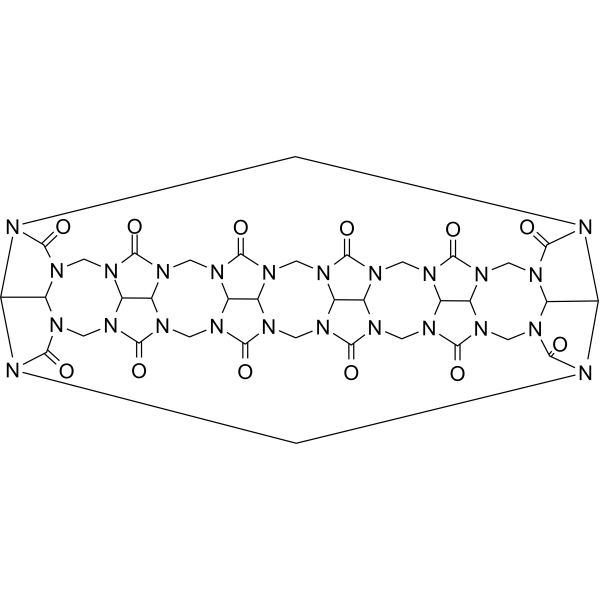
    Cucurbituril is a container molecule resembling a hollow pumpkin, with two identical inlets at each end and a hydrophobic cavity in the middle. Cucurbiturils have unique chemical properties that allow them to selectively encapsulate guest molecules such as drugs or catalysts within their cavities, shielding them from the surrounding environment. Cucurbituril has important potential applications in various fields such as drug delivery, catalysis and materials science.
    Cucurbituril
  • HY-W004260S1

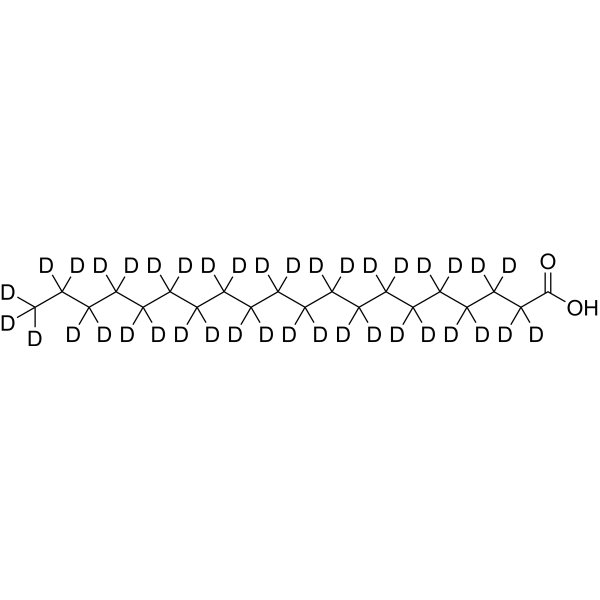
    Icosanoic acid-d39

    Isotope-Labeled Compounds Endogenous Metabolite Others
    Arachidic acid-d39 is the deuterium labeled Arachidic acid (HY-W004260). Arachidic acid (Eicosanoic acid) is a long-chain saturated fatty acid. Arachidic acid can be found in the human organism from the plasma phospholipid, fish, cannabis and other plant oils. Arachidic acid conjugated with Chitosan oligosaccharide (HY-112108) can be used for anti-cancer drug delivery research .
    Arachidic acid-d39
  • HY-W440706

    Liposome Cancer
    Cholesterol-PEG2000-alcohol is a pegylated lipids which can be used for preparation of liposome or nanoparticle. The lipophilic moiety can encapsulate hydrophobic drugs whereas the hydrophilic PEG chain helps the overal water solubility of the micelles. The amine can react with an activated NHS ester to form a stable amide bond.
    Cholesterol-PEG2000-alcohol
  • HY-W440833

    Liposome Others
    DSPE-PEG3400-azide is a polydisperse PEG covalently attached to a phospholipid. The polymer is an amphiphilic molecule with hydrophobic fatty acid chains and hydrophilic PEG head which enables lipid bilayer or micelles formation in water. The phospholipid PEG can be used to prepare liposome or nanoparticles for targeted drug delivery and is reactive with alkyne to form triazole bond.
    DSPE-PEG3400-azide
  • HY-140696C

    mPEG20000-Hydroxy; Polyethylene glycol monomethyl ether 20000

    PROTAC Linkers Cancer
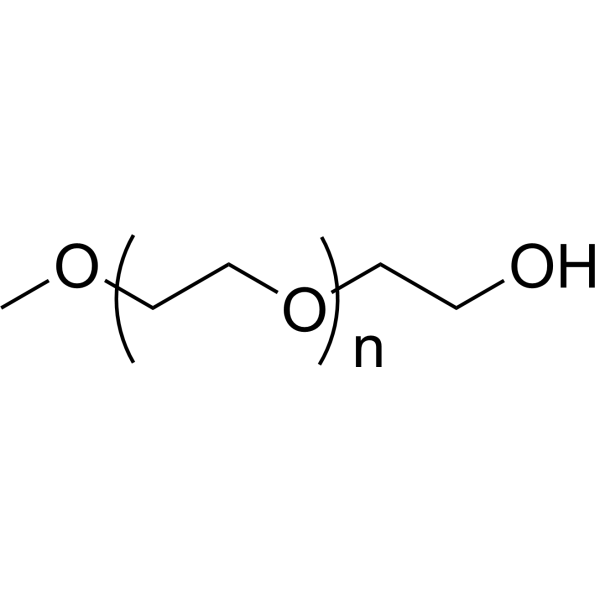
    m-PEG20000-OH can be used as a macroinitiator to participate in the synthesis of amphiphilic block copolymers. Nanoscale micelles can be prepared by using amphiphilic block copolymers to deliver active drugs. Paclitaxel (HY-B0015), a hydrophobic anticancer agent encapsulated in micelles, has stronger activity in killing cancer cells than free Paclitaxel. And it preferentially accumulates in tumor tissue with only limited distribution in healthy organs.
    m-PEG20000-OH
  • HY-175888

    Mc-exo-EVC-Exatecan

    Drug-Linker Conjugates for ADC Cancer
    APL-1082 is a drug-Linker conjugate that can be used for ADC synthesis. APL-1082 contains Exatecan (HY-13631) and Linker (HY-175929). APL-1082 reduces aggregation and hydrophobicity in Trastuzumab (HY-P9907) ADCs, enables production of high-DAR (10) ADCs with homogeneity and defined physicochemical properties. APL-1082 forms a Trastuzumab ADC with enhanced stability, showing greater DAR retention over time. APL-1082 can be used for the research of gastric cancer .
    APL-1082
  • HY-W004260R
    Arachidic acid (Standard)
    3 Publications Verification

    Eicosanoic acid (Standard)

    Reference Standards Endogenous Metabolite Others
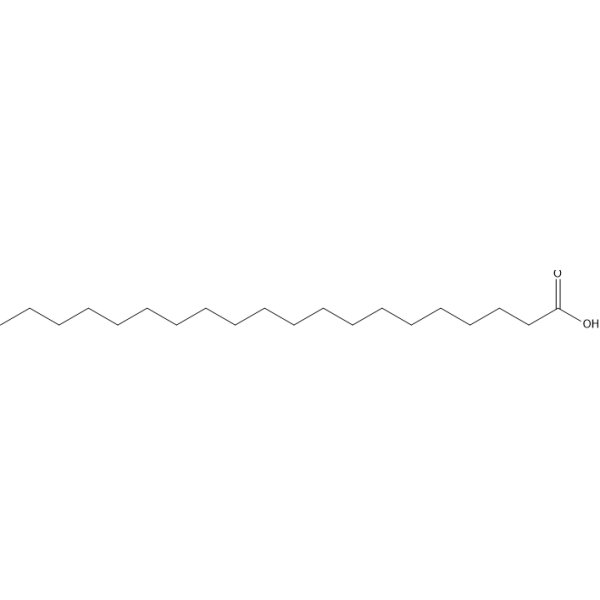
    Arachidic acid (Standard) is the analytical standard of Arachidic acid (HY-W004260). This product is intended for research and analytical applications. Arachidic acid (Eicosanoic acid) is a long-chain saturated fatty acid. Arachidic acid can be found in the human organism from the plasma phospholipid, fish, cannabis and other plant oils. Arachidic acid conjugated with Chitosan oligosaccharide (HY-112108) can be used for anti-cancer drug delivery research .
    Arachidic acid (Standard)
  • HY-164722

    Liposome Others
    DSPE-PEG8000-OH is a hydroxy-terminated phospholipid PEG polymer. The hydrophobic tails that allows the encapsulation and aggregation of other hydrophobic drugs, and the hydroxy-terminated can be further reacted. DSPE-PEG8000-OH can prepare liposomes or lipid nanoparticles, which can be used in drug delivery and promoting drug absorption research .
    DSPE-PEG8000-OH
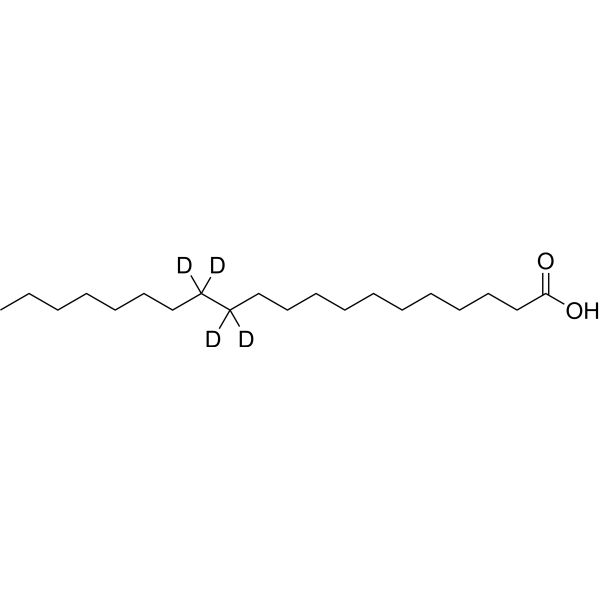
  • HY-W004260S4

    Icosanoic acid-d4

    Isotope-Labeled Compounds Endogenous Metabolite Others
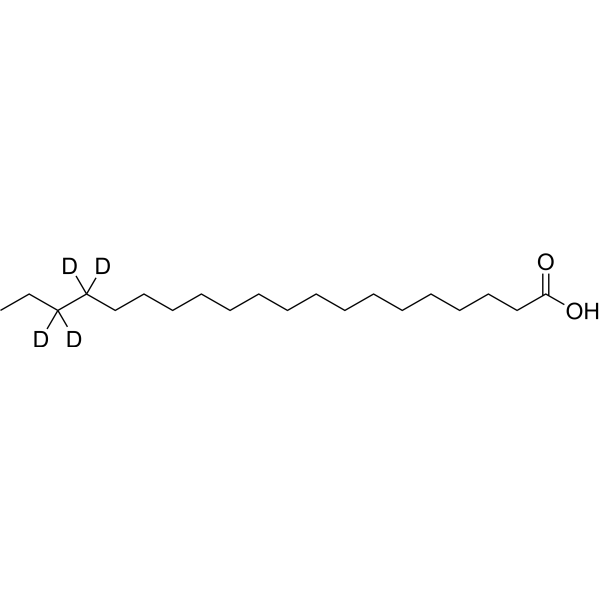
    Arachidic acid-d4 is the deuterium labeled Arachidic acid (HY-W004260). Arachidic acid (Eicosanoic acid) is a long-chain saturated fatty acid. Arachidic acid can be found in the human organism from the plasma phospholipid, fish, cannabis and other plant oils. Arachidic acid conjugated with Chitosan oligosaccharide (HY-112108) can be used for anti-cancer drug delivery research .
    Arachidic acid-d4
  • HY-N15973

    Biochemical Assay Reagents Others
    DSPE PEG2k-OH ammonium is a hydroxyl-terminated PEGylated phospholipid. The hydrophobic tail allows for the encapsulation and aggregation of other hydrophobic drugs, and the hydroxyl terminus is suitable for further reactions. DSPE PEG2k-OH ammonium can be used to prepare liposomes or lipid nanoparticles .
    DSPE PEG2k-OH ammonium
  • HY-158209

    Biochemical Assay Reagents Others
    Block polyoxyethylene-polyoxypropylene is a block copolymer composed of hydrophilic polyoxyethylene (POE) and hydrophobic polyoxypropylene (POP), which can be used to prepare biological materials such as emulsifiers, drug delivery carriers, and stabilizers .
    Block polyoxyethylene-polyoxypropylene
  • HY-128952G

    SG3249

    Drug-Linker Conjugates for ADC DNA Alkylator/Crosslinker Cancer
    Tesirine (GMP) (SG3249 (GMP)) is Tesirine (HY-128952) produced by using GMP guidelines. GMP small molecules works appropriately as an auxiliary reagent for cell therapy manufacture. Tesirine (SG3249) is an antibody-drug conjugate (ADC) pyrrolobenzodiazepine (PBD) dimer payload. Tesirine combines potent antitumor activity with desirable physicochemical properties such as favorable hydrophobicity and improved conjugation characteristics. SG3199 (HY-101161) is the released warhead component of the ADC payload Tesirine. SG3199 retains picomolar activity in a panel of cancer cell lines. PBD dimers are highly efficient DNA minor groove cross-linking agents with potent cytotoxicity .
    Tesirine
  • HY-178466

    Microtubule/Tubulin P-glycoprotein Apoptosis Cancer
    Tubulin polymerization/P-gp-IN-1 is a Tubulin polymerization/P-gp dual inhibitor. Tubulin polymerization/P-gp-IN-1 inhibits tubulin polymerization and induces G2/M arrest and apoptosis. Tubulin polymerization/P-gp-IN-1 reverses MDR by inhibiting P-gp efflux function. Tubulin polymerization/P-gp-IN-1 has dual functions: direct antitumor activity and reversal of P-gp-mediated Cisplatin (HY-17394) resistance. Tubulin polymerization/P-gp-IN-1 stable binds to the tubulin CBS (ΔG = −12.4 kcal/mol) and the P-gp hydrophobic lumen (ΔG = −10.8 kcal/mol). Tubulin polymerization/P-gp-IN-1 can be used for the study of drug-resistant cervical cancer .
    Tubulin polymerization/P-gp-IN-1
  • HY-167445

    Biochemical Assay Reagents Others
    PLLA5000-PEG2000-N3 is a polylactic acid derivative used for encapsulating hydrophobic drugs. PLLA5000-PEG2000-N3 can be used in drug delivery research .
    PLLA5000-PEG2000-N3
  • HY-167449

    Biochemical Assay Reagents Others
    PLLA4000-PEG2000-N3 is a polylactic acid derivative used for encapsulating hydrophobic drugs. PLLA4000-PEG2000-N3 can be used in drug delivery research .
    PLLA4000-PEG2000-N3
  • HY-164720

    Liposome Others
    DSPE-PEG4000-OH is a hydroxy-terminated phospholipid PEG polymer. The hydrophobic tails that allows the encapsulation and aggregation of other hydrophobic drugs, and the hydroxy-terminated can be further reacted. DSPE-PEG4000-OH can prepare liposomes or lipid nanoparticles, which can be used in drug delivery and promoting drug absorption research .
    DSPE-PEG4000-OH
  • HY-164723

    Liposome Others
    DSPE-PEG10000-OH is a hydroxy-terminated phospholipid PEG polymer. The hydrophobic tails that allows the encapsulation and aggregation of other hydrophobic drugs, and the hydroxy-terminated can be further reacted. DSPE-PEG10000-OH can prepare liposomes or lipid nanoparticles, which can be used in drug delivery and promoting drug absorption research .
    DSPE-PEG10000-OH
  • HY-W440891

    Biochemical Assay Reagents Others
    DSPE-PEG1000-OH is a hydroxyl terminated phospholipid PEG polymer. The hydrophobic tails allow for the encapsulation and congregation of other hydrophobic drugs. The polymer can be used to prepare liposomes or lipid nanoparticles. Hydroxyl terminal can further derivatize the compound.
    DSPE-PEG1000-OH
  • HY-117471

    Endogenous Metabolite Neurological Disease
    Antiarrhythmic agent-3 is an antiarrhythmic drug with the activity of enhancing antiarrhythmic efficacy and improving inhibition index. The antiarrhythmic effect of antiarrhythmic agent-3 is related to its hydrophobicity (log P). The central nervous system toxicity of antiarrhythmic agent-3 is related to the combined effect of its hydrophobicity and acid constant (pKa) .
    Antiarrhythmic agent-3
  • HY-134924

    Biochemical Assay Reagents Others
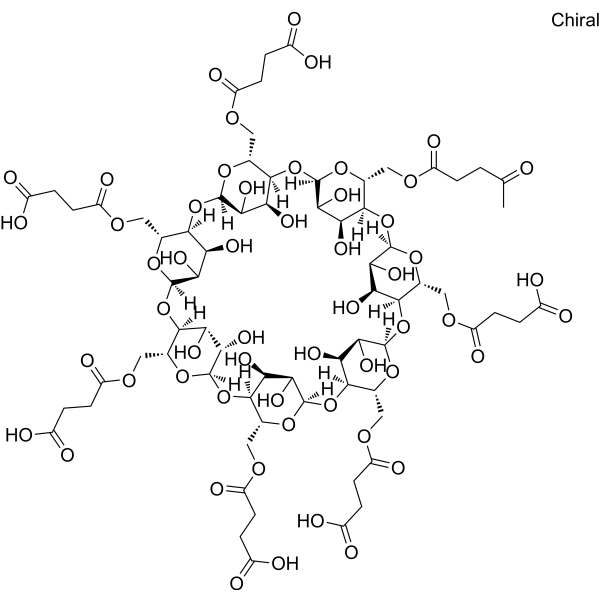
    Succinyl-β-cycloaltrin is a modified cyclodextrin with unique chemical properties that make it an effective solubilizer and stabilizer for various compounds, especially in the pharmaceutical industry. Succinyl-β-cycloaltrin has a hydrophobic interior and a hydrophilic exterior, enabling it to form stable clathrates with hydrophobic molecules such as drugs and nutrients. This increases their solubility and bioavailability, making them more effective for recreational or nutritional purposes.
    Succinyl-β-cycloaltrin
  • HY-W590593

    Liposome Cancer
    mPEG-Cholesterol,MW 2000 is a PEG derivative which self-assembles in water to form micelle-like structure. The cholesterol tail can be used to encapsulate hydrophobic drugs while the PEG chain ehances the water solubility of the micelles.
    mPEG-Cholesterol (MW 2000)
  • HY-W591913

    Liposome Cancer
    Cholesterol-PEG2000-methoxy is a PEG derivative which self-assembles in water to form micelle-like structure. The cholesterol tail can be used to encapsulate hydrophobic drugs while the PEG chain ehances the water solubility of the micelles.
    Cholesterol-PEG2000-methoxy
  • HY-W440898

    Biochemical Assay Reagents Others
    DSPE-PEG5000-SH is a polyPEG attached DSPE molecule. The lipid tails allow formation of lipid bilayer in water and can be used to solubilize hydrophobic drugs while the hydrophilic core can encapsulate therapeutic agents, such as nuclein acid (mRNA/DNA), protein or peptide.
    DSPE-PEG5000-SH
  • HY-130671A

    (R)-1,2-Dipalmitoyl-sn-glycero-3-phosphoglycerol sodium

    Liposome Others
    L-DPPG ((R)-1,2-Dipalmitoyl-sn-glycero-3-phosphoglycerol sodium) is a phospholipid targeting biological membranes. L-DPPG interacts with lipid bilayers through hydrophobic and electrostatic interactions. L-DPPG is used in research on drug delivery systems .
    L-DPPG
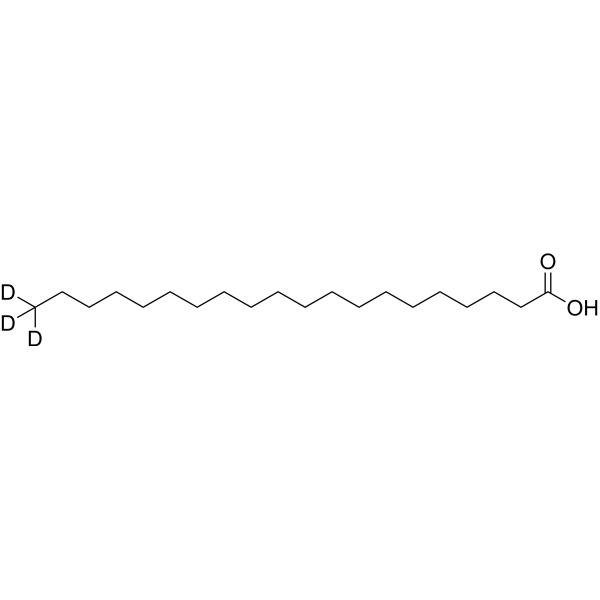
  • HY-W004260S2

    Icosanoic acid-d3

    Isotope-Labeled Compounds Endogenous Metabolite Others
    Arachidic acid-d3 is the deuterium labeled Arachidic acid (HY-W004260). Arachidic acid (Eicosanoic acid) is a long-chain saturated fatty acid. Arachidic acid can be found in the human organism from the plasma phospholipid, fish, cannabis and other plant oils. Arachidic acid conjugated with Chitosan oligosaccharide (HY-112108) can be used for anti-cancer drug delivery research .
    Arachidic acid-d3
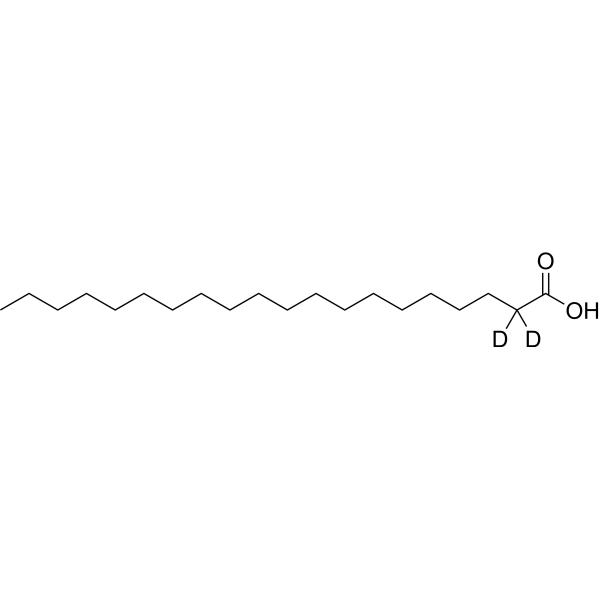
  • HY-W004260S

    Icosanoic acid-d2

    Isotope-Labeled Compounds Endogenous Metabolite Others
    Arachidic acid-d2 is the deuterium labeled Arachidic acid (HY-W004260). Arachidic acid (Eicosanoic acid) is a long-chain saturated fatty acid. Arachidic acid can be found in the human organism from the plasma phospholipid, fish, cannabis and other plant oils. Arachidic acid conjugated with Chitosan oligosaccharide (HY-112108) can be used for anti-cancer drug delivery research .
    Arachidic acid-d2
  • HY-W440991

    DOPE-PEG2000-NH2

    Liposome Cancer
    DOPE-PEG-Amine (MW 2000) is a polydisperse PEG covalently attached to a phospholipid. The polymer is an amphiphilic molecule with hydrophobic fatty acid chains and hydrophilic PEG head which enables lipid bilayer or micelle formation in water. The phospholipid PEG can be used to prepare liposome or nanoparticles for targeted drug delivery and is reactive with alkyne to form a triazole ring.
    DOPE-PEG2000-Amine
  • HY-130671B

    (S,S)-1,2-Dipalmitoyl-sn-glycero-3-phosphoglycerol sodium

    Liposome Others
    (S,S)-DPPG is an enantiomeric isomer of L-DPPG. L-DPPG ((R)-1,2-Dipalmitoyl-sn-glycero-3-phosphoglycerol (sodium)) is a phospholipid targeting biological membranes. L-DPPG interacts with lipid bilayers through hydrophobic and electrostatic interactions. L-DPPG is used in research on drug delivery systems .
    (S,S)-DPPG
  • HY-W440902

    Biochemical Assay Reagents Others
    DSPE-PEG3400-IA is an iodoacetyll PEG lipid. The polymer can form lipid bilayer or micelles spontaneoulsy in water. The lipophilic tails can be used to encapsulate hydrophobic therapeutic agents while the hydrophilic head can be used to encapuslate hydrophilic drugs/nutrient, such as antibody, mRNA/DNA. The iodoacetyl group is reactive with thiol to produce a thioether linkage.
    DSPE-PEG3400-IA
  • HY-W440901

    Liposome Others
    DSPE-PEG5000-SPDP is an amphiphilic polyPEG which forms lipid bilayer in water. It can be used to encapsualte therapeutic agents. The core can encapsulate hydrophilic nutrients, such as protein/peptide and mRNA/DNA/siRNA etc. while the lipid bilayer can solubilize hydrophobic drugs, such as doxorubicin, curcumin etc. The SPDP moiety can react with thiol molecule to form a disulfide bond.
    DSPE-PEG5000-SPDP
  • HY-W250187

    Biochemical Assay Reagents Others
    DDMAB, or didodecyldimethylammonium bromide, is a cationic surfactant commonly used in a variety of industrial and research applications. It belongs to the family of quaternary ammonium compounds and has a positively charged head and a hydrophobic tail, which allows it to be used as a detergent, emulsifier and antimicrobial. Known for its ability to disrupt cell membranes, DDMAB is commonly used in microbiology to selectively isolate and identify bacteria. It is also used in nanotechnology to synthesize metal nanoparticles and other materials. In addition, DDMAB has the ability to interact with and penetrate cell membranes, which has potential applications in drug delivery, gene therapy, and other medical fields.
    DDMAB
  • HY-167462

    Biochemical Assay Reagents Others
    PLLA1000-PEG1000-N3 is a polylactic acid derivative used for encapsulating hydrophobic drugs. PLLA1000-PEG1000-N3 can be used in drug delivery research .
    PLLA1000-PEG1000-N3
  • HY-167459

    Biochemical Assay Reagents Others
    PLLA1000-PEG5000-N3 is a polylactic acid derivative used for encapsulating hydrophobic drugs. PLLA1000-PEG5000-N3 can be used in drug delivery research .
    PLLA1000-PEG5000-N3
  • HY-167451

    Biochemical Assay Reagents Others
    PLLA3000-PEG5000-N3 is a polylactic acid derivative used for encapsulating hydrophobic drugs. PLLA3000-PEG5000-N3 can be used in drug delivery research .
    PLLA3000-PEG5000-N3
  • HY-167447

    Biochemical Assay Reagents Others
    PLLA4000-PEG5000-N3 is a polylactic acid derivative used for encapsulating hydrophobic drugs. PLLA4000-PEG5000-N3 can be used in drug delivery research .
    PLLA4000-PEG5000-N3
  • HY-167453

    Biochemical Assay Reagents Others
    PLLA3000-PEG2000-N3 is a polylactic acid derivative used for encapsulating hydrophobic drugs. PLLA3000-PEG2000-N3 can be used in drug delivery research .
    PLLA3000-PEG2000-N3
  • HY-167464

    Biochemical Assay Reagents Others
    PLLA10000-PEG3000-N3 is a polylactic acid derivative used for encapsulating hydrophobic drugs. PLLA10000-PEG3000-N3 can be used in drug delivery research .
    PLLA10000-PEG3000-N3

Consulta en línea

Your information is safe with us. * Required Fields.

Saludo


Country or Region *

Nombre del solicitante *


Nombre de la Organizaciòn *

Department *


Direcciòn del E-mail *


Nombre del producto *

Cat. No.


Requested quantity *

Número de teléfono *


Observaciones

Consulta en línea

Inquiry Information

Nombre del producto:
Cat. No.:
Cantidad:
MCE Japan Authorized Agent: