

1. Search Result
Search Result
Results for "

muscle fatty acid oxidation

" in MedChemExpress (MCE) Product Catalog:

14

Inhibitors & Agonists

2

Natural
Products

Cat. No. 상품명 Target 연구분야 Chemical Structure
  • HY-15259
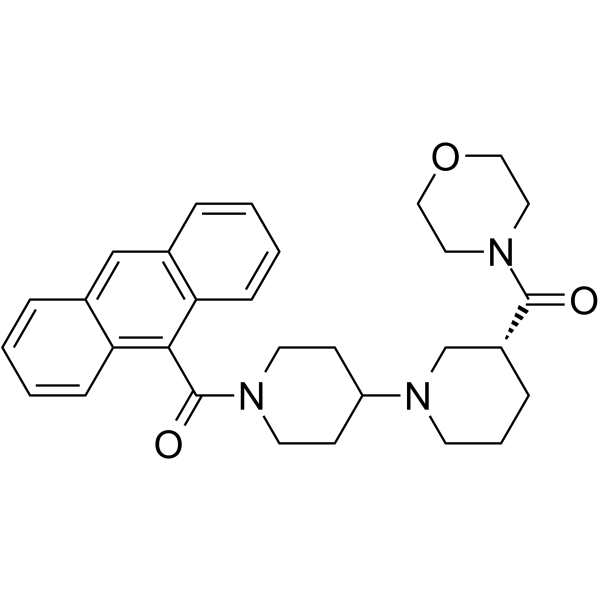
    CP-640186
    5+ Cited Publications

    Acetyl-CoA Carboxylase Metabolic Disease
    CP-640186 is an orally active and cell-permeable Acetyl-CoA carboxylase (ACC) inhibitor with IC50s of 53 nM and 61 nM for rat liver ACC1 and rat skeletal muscle ACC2 respectively. Acetyl-CoA carboxylase (ACC) is a key enzyme of fatty acid metabolism that enables the synthesis of malonyl-CoA. CP-640186 can also stimulate muscle fatty acid oxidation .
    CP-640186
  • HY-W012974

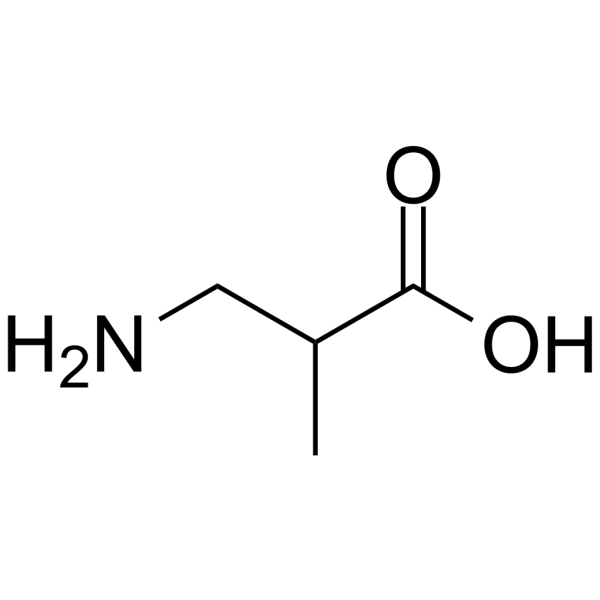
    β-Aminoisobutyric acid; BAIBA

    Endogenous Metabolite Cardiovascular Disease Metabolic Disease
    3-Aminoisobutyric acid (β-Aminoisobutyric acid) has anti-inflammatory and antioxidant effects. 3-Aminoisobutyric acid increases the expression of brown adipocyte-specific genes in white adipose tissue and fatty acid β-oxidation in hepatocytes. 3-Aminoisobutyric acid attenuates insulin resistance and inflammation induced by palmitate or a high fat diet via an AMPK-PPARδ-dependent pathway in mice. 3-Aminoisobutyric acid is a catabolic metabolite of thymine and valine in skeletal muscle .
    3-Aminoisobutyric acid
  • HY-15259A
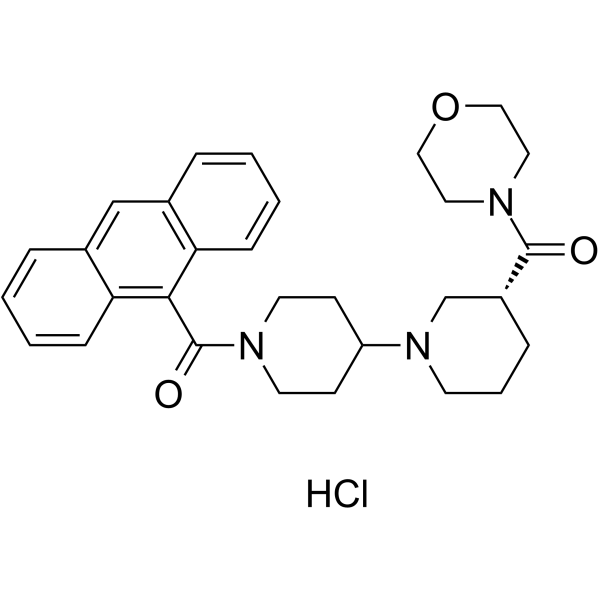
    CP-640186 hydrochloride
    5+ Cited Publications

    Acetyl-CoA Carboxylase Metabolic Disease
    CP-640186 hydrochloride is an orally active and cell-permeable Acetyl-CoA carboxylase (ACC) inhibitor with IC50s of 53 nM and 61 nM for rat liver ACC1 and rat skeletal muscle ACC2 respectively. Acetyl-CoA carboxylase (ACC) is a key enzyme of fatty acid metabolism that enables the synthesis of malonyl-CoA. CP-640186 hydrochloride can also stimulate muscle fatty acid oxidation .
    CP-640186 hydrochloride
  • HY-126015
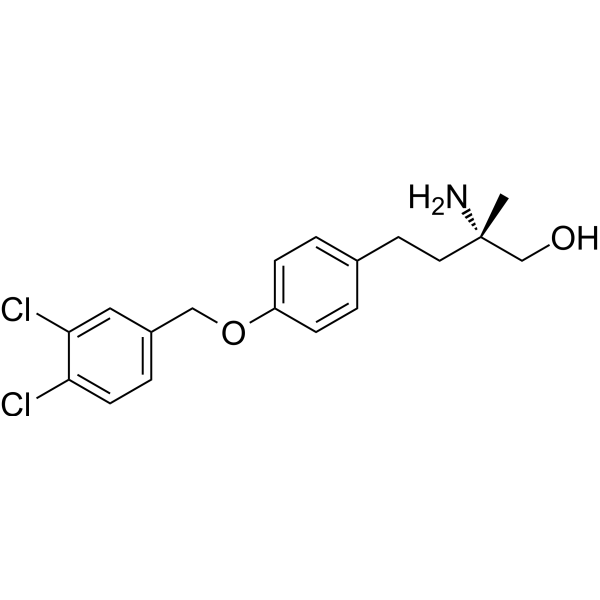
    P053
    1 Publications Verification

    Acyltransferase Metabolic Disease
    P053 is a potent, non-competitive and selective ceramide synthase 1 (CerS1) inhibitor wirh an IC50 of 0.5 μM. P053 acts as an endogenous inhibitor of mitochondrial fatty acid oxidation in muscle. Whole-body adiposity regulator .
    P053
  • HY-P2914

    Biochemical Assay Reagents Metabolic Disease Inflammation/Immunology
    Carnitine acetyltransferase is a mitochondrial matrix enzyme that catalyzes the interconversion of Acetyl-CoA and Acetylcarnitine (HY-126358). Carnitine acetyltransferase functions as a positive regulator of total body glucose tolerance and muscle activity of pyruvate dehydrogenase. Carnitine acetyltransferase is responsible for mitochondrial acetyl-CoA balance and regulation of fatty acid oxidation by utilizing short- and medium- chain fatty acids and their corresponding acylcarnitines as substrates. Carnitine acetyltransferase plays a crucial role in regulating glucose homeostasis. Carnitine acetyltransferase can be utilized in the research of aging, obesity, and diabetes .
    Carnitine acetyltransferase
  • HY-134377

    ASP0367; MA-0211

    PPAR Metabolic Disease
    Bocidelpar (ASP0367; MA-0211) is a selective, orally active PPARδ modulator. Bocidelpar activates the PPARδ downstream signaling pathway, upregulates the expression of target genes such as ABCA1 and ACAA2. Bocidelpar then promotes fatty acid oxidation (FAO) and mitochondrial biogenesis, and improves mitochondrial dysfunction. Bocidelpar can improve mitochondrial biogenesis and function in muscle cells. Bocidelpar is mainly used in the study of mitochondrial dysfunction diseases such as primary mitochondrial myopathy (PMM) and Duchenne muscular dystrophy (DMD) .
    Bocidelpar
  • HY-N11262

    Phosphodiesterase (PDE) Sirtuin PGC-1α p38 MAPK HSP TNF Receptor NO Synthase Apoptosis Metabolic Disease Inflammation/Immunology
    Sudachitin is an orally active compound that potently inhibits mouse PDE1C and human PDE4B, with IC50 values of 5.0 μM and 15.0 μM, respectively. Sudachitin upregulates Sirt1 and PGC‑1α expression in skeletal muscle to regulate energy metabolism and promote mitochondrial biogenesis. Sudachitin improves lipid metabolism, glucose tolerance, insulin sensitivity, energy expenditure, and fatty acid β‑oxidation. Sudachitin activates p38MAPK signaling, induces HSP27 phosphorylation and caspase‑dependent apoptosis, and blocks EGF‑driven keratinocyte migration and proliferation. Sudachitin suppresses LPS‑induced TNF‑α, NO, and iNOS expression in macrophages and shows potent anti‑inflammatory activity. Sudachitin can be used for the research of metabolic syndrome, type 2 diabetes, and psoriasis. .
    Sudachitin
  • HY-17538A

    PGC-1α Metabolic Disease
    ZLN005 (hydrochloride) is a peroxisome proliferator-activated receptor-g coactivator-1a (PGC-1α) activator. ZLN005 (hydrochloride) can stimulate the expression of PGC-1α and downstream genes in skeletal muscle cells, improve glucose utilization and fatty acid oxidation. ZLN005 (hydrochloride) can increase the transcription of PGC-1α and downstream genes in skeletal muscle of diabetic db/db mice, increase fat oxidation and improve glucose tolerance, pyruvate tolerance and insulin sensitivity .
    ZLN005 hydrochloride
  • HY-108433

    Carnitine palmitoyltransferase 2

    Apoptosis MDM-2/p53 Metabolic Disease Cancer
    CPT2 (Carnitine palmitoyltransferase 2), an enzyme that participates in fatty acid oxidation, also is a colorectal cancer (CRC) prognostic biomarker. CPT2 overexpression can activate p-p53 to increase p53 expression, thereby inhibiting tumor proliferation and promoting apoptosis. CPT2 deficiency results in the most common inherited disorder of long-chain fatty acid oxidation affecting skeletal muscle. Downregulation of CPT2 is also highly correlated with the progression of various cancers and has potential for cancer research .
    CPT2
  • HY-Y1150

    Trimethylmethanecarboxylic acid; Versatic 5 acid; tert-Pentanoic acid

    Antibiotic Inflammation/Immunology
    Pivalic acid (Trimethylmethanecarboxylic acid) is a carboxylic acid. Pivalic acid induces Carnitine deficiency. Pivalic acid conjugated with Antibiotics, such as Pivmecillinam (HY-B0810) and Pivampicillin (HY-119011), are used in urinary tract infection. Pivalic acid can be used in physical exercise research .
    Pivalic acid
  • HY-165098

    β-Aminoisobutyric acid sodium salt; BAIBA sodium salt

    Endogenous Metabolite Cardiovascular Disease Metabolic Disease
    3-Aminoisobutyric acid (β-Aminoisobutyric acid) sodium salt has anti-inflammatory and antioxidant effects. 3-Aminoisobutyric acid sodium salt increases the expression of brown adipocyte-specific genes in white adipose tissue and fatty acid β-oxidation in hepatocytes. 3-Aminoisobutyric acid sodium salt attenuates insulin resistance and inflammation induced by palmitate or a high fat diet via an AMPK–PPARδ-dependent pathway in mice. 3-Aminoisobutyric acid sodium salt is a catabolic metabolite of thymine and valine in skeletal muscle .
    3-Aminoisobutyric acid sodium salt
  • HY-121542

    PPAR Metabolic Disease
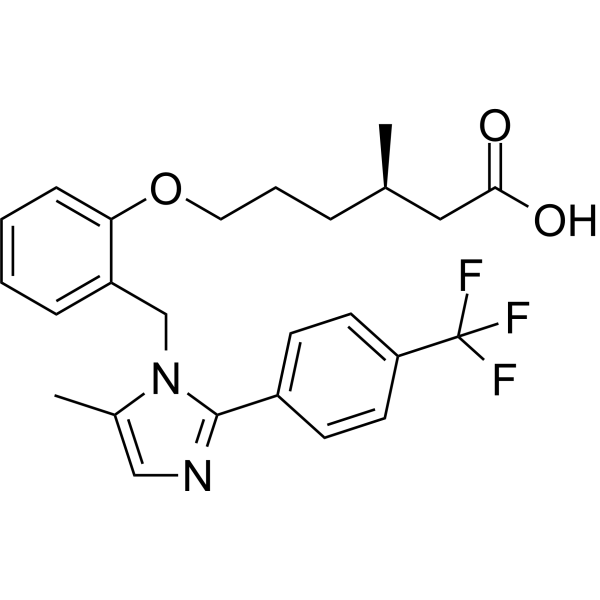
    PPARδ agonist 10 (compound 7) is an orally active, selective, and partial agonist of PPARδ, with EC50 values of 0.053 μM and 0.30 µM for hPPARδ(LBD)-GAL4 and mPPARδ, respectively. PPARδ agonist 10 is a partial PPARδ agonist in transactivation assay but a full agonist on free fatty acids (FFA) oxidation in muscle cells both in vitro and in vivo. PPARδ agonist 10 can be used for dyslipidemia research .
    PPARδ agonist 10
  • HY-W012974R

    β-Aminoisobutyric acid (Standard); BAIBA (Standard)

    Reference Standards Endogenous Metabolite AMPK PPAR Cardiovascular Disease Metabolic Disease
    3-Aminoisobutyric acid (Standard) is the analytical standard of 3-Aminoisobutyric acid. This product is used for research and analytical applications. 3-Aminoisobutyric acid (β-Aminoisobutyric acid) exhibits anti-inflammatory and antioxidant effects. It increases the expression of brown fat cell-specific genes in white adipose tissue and enhances fatty acid β-oxidation in hepatocytes. 3-Aminoisobutyric acid alleviates insulin resistance and inflammation induced by palmitic acid or a high-fat diet in mice via the AMPK–PPARδ-dependent pathway. 3-Aminoisobutyric acid is a catabolite of thymine and valine in skeletal muscle .
    3-Aminoisobutyric acid (Standard)
  • HY-156184

    Endogenous Metabolite Neurological Disease Metabolic Disease Cancer
    Octanoylcarnitine is an orally active medium-chain acylcarnitine transport intermediate in fatty acid β-oxidation. Octanoylcarnitine is converted to octanoyl-CoA by carnitine acetyltransferase (CrAT), which then generates energy via β-oxidation in mitochondria of the heart and skeletal muscle. Octanoylcarnitine enhances grip strength and treadmill endurance, alleviates lactic acidosis, distributes in muscle and heart tissues, increases free carnitine levels, and mitigates mitochondrial stress. Octanoylcarnitine is associated with long-chain fatty acid metabolism, shows a positive correlation with subcutaneous fat area in patients with metastatic pancreatic ductal adenocarcinoma, and is closely related to central retinal artery occlusion (CRAO) .
    Octanoylcarnitine

온라인 문의

Your information is safe with us. * Required Fields.

호칭


Country or Region *

고객명 *


회사명 *

Department *


메일주소 *


상품명 *

Cat. No.


Requested quantity *

전화번호 *


비고

온라인 문의

Inquiry Information

상품명:
Cat. No.:
수량:
MCE Japan Authorized Agent:

