Search Result
Results for "
nitrogen selectivity
" in MedChemExpress (MCE) Product Catalog:
5
Biochemical Assay Reagents
3
Isotope-Labeled Compounds
| Cat. No. |
Product Name |
Target |
Research Areas |
Chemical Structure |
-
- HY-W011664
-
|
DPBF
|
Fluorescent Dye
Reactive Oxygen Species (ROS)
|
Others
|
|
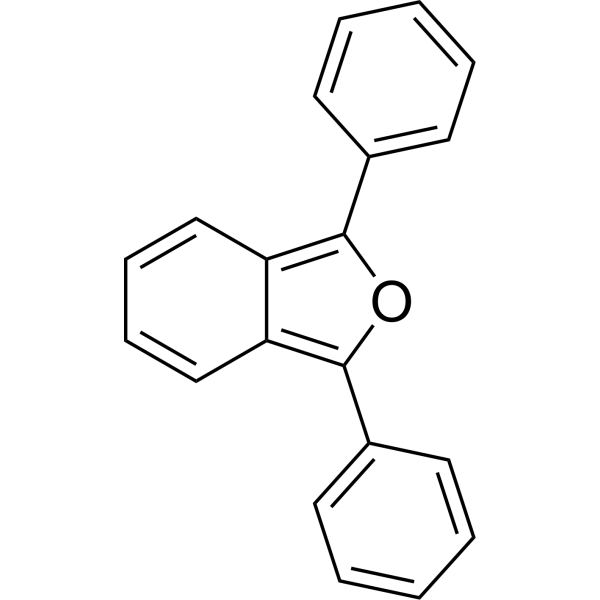
1,3-Diphenylisobenzofuran (DPBF) has been developed as a selective probe for the detection and quantitative determination of hydrogen peroxide in samples containing different reactive nitrogen and oxygen species (RNOS). DPBF is a fluorescent probe which, for almost 20 years, was believed to react in a highly specific manner toward some reactive oxygen species such as singlet oxygen and hydroxy, alkyloxy or alkylperoxy radicals .
|
-
-
- HY-Y0882
-
|
|
Monoamine Oxidase
|
Cardiovascular Disease
|
|
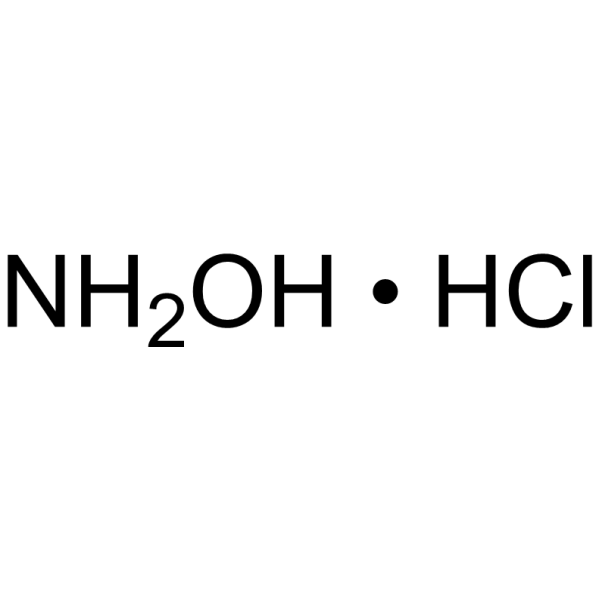
Hydroxylamine hydrochloride is a selective Monoamine oxidase (MAO) inhibitor used for inhibiting of platelet aggregation. Hydroxylamine hydrochloride is an intermediate of nitrogen cycle in aerobic ammonium oxidizers microorganisms, such as ammonium oxidizing bacteria (AOB), ammonium oxidizing archaea (AOA) and complete ammonium oxidizing bacteria (comammox). Hydroxylamine hydrochloride impacts NO and N2O emissions by aerobic ammonium oxidizers microorganisms and inhibits nitrite oxidizing bacteria (NOB) activity .
|
-
-
- HY-B0817
-
|
|
Environmental Pollutants
Parasite
|
Infection
|
|
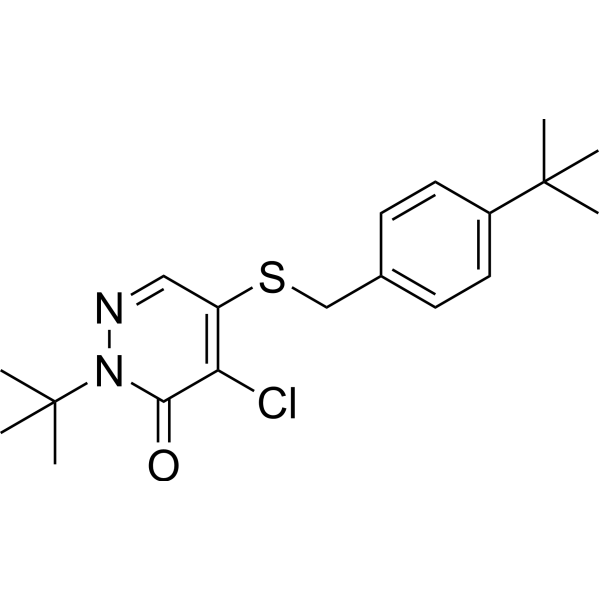
Pyridaben is a mitochondrial electron transport inhibitor (METI) acaricide that promotes the formation of damaging oxygen and nitrogen radicals. Pyridaben selectively inhibits complex I (NADH dehydrogenase) with an IC50 value of 2.4 nM (assay sites: rat liver and bovine heart mitochondria). Pyridaben also significantly inhibits rat mitochondrial mtNOS function .
|
-
-
- HY-W034566
-
|
Hexaaza-18-crown-6; 1,4,7,10,13,16-Hexaazacyclooctadecane
|
Biochemical Assay Reagents
|
Others
|
|
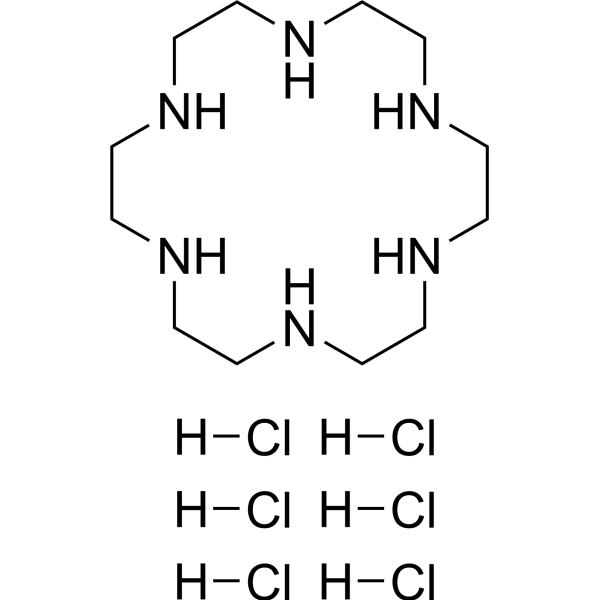
Hexacyclen is an organic compound with a unique macrocyclic structure composed of six nitrogen-containing rings. It is commonly used as a chelating agent in chemistry and biochemistry due to its ability to bind metal ions. Inhibitors of certain diseases such as cancer. In biochemistry, Hexacyclen is often used to selectively bind metal ions in proteins or enzymes to study their structure and function. Due to its large size and complex structure, Hexacyclen is not widely used in daily products or applications .
|
-
-
- HY-Y0850U9
-
|
Polyvinyl alcohol (Mw 67000, 87-89% hydrolyzed, ~1400 polymerization); Poly(Ethenol) (Mw 67000, 87-89% hydrolyzed, ~1400 polymerization)
|
Biochemical Assay Reagents
|
Others
|
|
PVA (Mw 67000, 87-89% hydrolyzed, ~1400 polymerization) is a polyvinyl alcohol with a molecular weight of 67000 and hydrolytic properties. Degree of hydrolysis refers to the conversion rate of acetate groups in the original polyvinyl acetate to hydroxyl groups; PVA (Mw 67000, 87-89% hydrolyzed, ~1400 polymerization) is obtained by hydrolyzing and removing acetate groups after the polymerization of vinyl acetate. Polyvinyl alcohol with different degrees of hydrolysis can be used to form self-crosslinked cryogels and is applied as a biological adjuvant .
|
-
-
- HY-Y0882S1
-
|
|
Monoamine Oxidase
|
Cardiovascular Disease
|
|
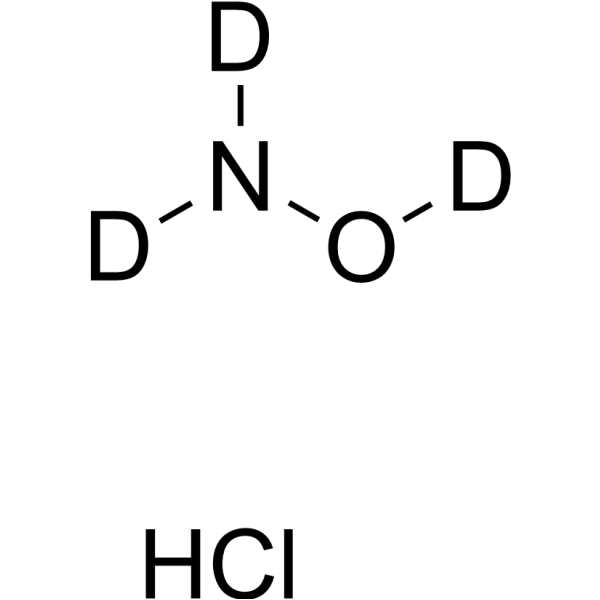
Hydroxylamine-d3 (hydrochloride) is the deuterium labeled Hydroxyamine hydrochloride. Hydroxylamine hydrochloride is a selective Monoamine oxidase (MAO) inhibitor used for inhibiting of platelet aggregation. Hydroxylamine hydrochloride is an intermediate of nitrogen cycle in aerobic ammonium oxidizers microorganisms, such as ammonium oxidizing bacteria (AOB), ammonium oxidizing archaea (AOA) and complete ammonium oxidizing bacteria (comammox). Hydroxylamine hydrochloride impacts NO and N2O emissions by aerobic ammonium oxidizers microorganisms and inhibits nitrite oxidizing bacteria (NOB) activity .
|
-
-
- HY-16405
-
|
|
DNA Alkylator/Crosslinker
|
Cancer
|
|
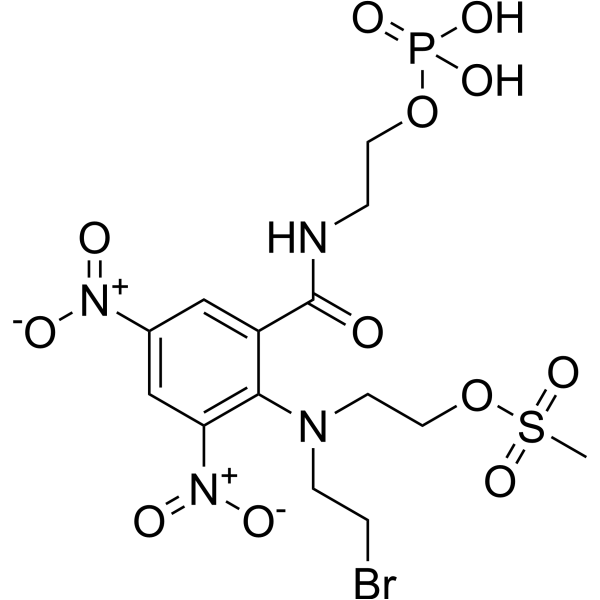
PR-104 is a selective hypoxia-activated DNA cross-linking agent and can be used for the research of multiple tumor xenograft models. PR-104, as a nitrogen mustard pre-proagent, is converted efficiently to the more lipophilic dinitrobenzamide mustards alcohol PR-104A .
|
-
-
- HY-172314
-
|
|
Aldose Reductase
Drug Derivative
|
Cancer
|
|
ACHM-025 is a prodrug, which is selectively activated by AKR1C3 to a nitrogen mustard DNA alkylating agent. ACHM-025 can be used for the research of cancer, such as leukemia .
|
-
-
- HY-130783
-
|
|
Fluorescent Dye
|
Others
|
|
LysoFP-NO2 is a turn-on fluorescent probe for carbon monoxide (CO) that localizes to the lysosome. In the presence of lysosomal CO, lysoFP-NO2 is transformed into lysoFP-NH2, which is highly fluorescent. LysoFP-NO2 is selective for CO over various reactive nitrogen, oxygen, and sulfur species. It displays excitation/emission maxima of 440/528 nm, respectively, and is not cytotoxic to HepG2 cells for up to five hours when used at a concentration of 30 μM.
|
-
-
- HY-DY1053
-
|
|
Fluorescent Dye
Reactive Oxygen Species (ROS)
|
Others
|
1,3-Diphenylisobenzofuran (DPBF) (solution) has been developed as a selective probe for the detection and quantitative determination of hydrogen peroxide in samples containing different reactive nitrogen and oxygen species (RNOS). DPBF is a fluorescent probe which, for almost 20 years, was believed to react in a highly specific manner toward some reactive oxygen species such as singlet oxygen and hydroxy, alkyloxy or alkylperoxy radicals . Solvent and concentration: DMSO: 10 mM The 1 mL volume is defined as the base specification. All larger sizes correspond to incremental volumes of this base.
|
-
-
- HY-112526
-
|
|
Fluorescent Dye
|
Others
|
|
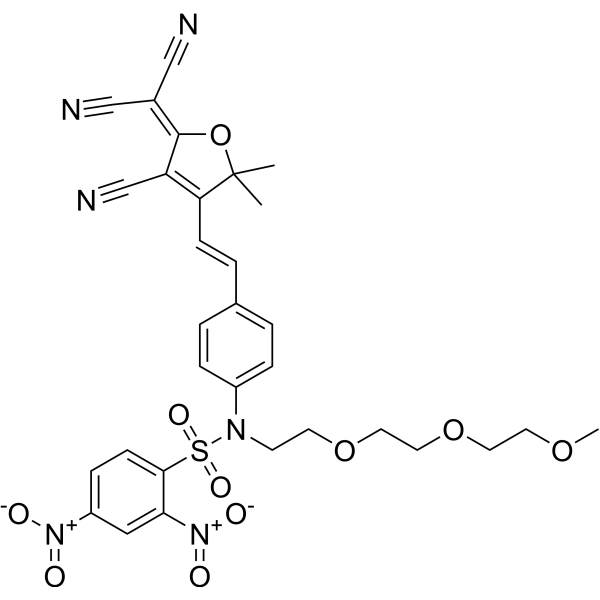
Thiofluor 623 (Compound 3) is a fluorescent turn-on probe that can be used for the selective sensing and bioimaging of thiols. Thiofluor 623 displays excellent immunity to interference from nitrogen and oxygen nucleophiles. Thiofluor 623 is essentially nonfluorescent in the absence of thiols, which cleave the probe and release the red-emissive donor-acceptor fluorophore (Ex=563 nm, Em=623 nm) .
|
-
-
- HY-151738
-
|
|
ADC Linker
|
Others
|
|
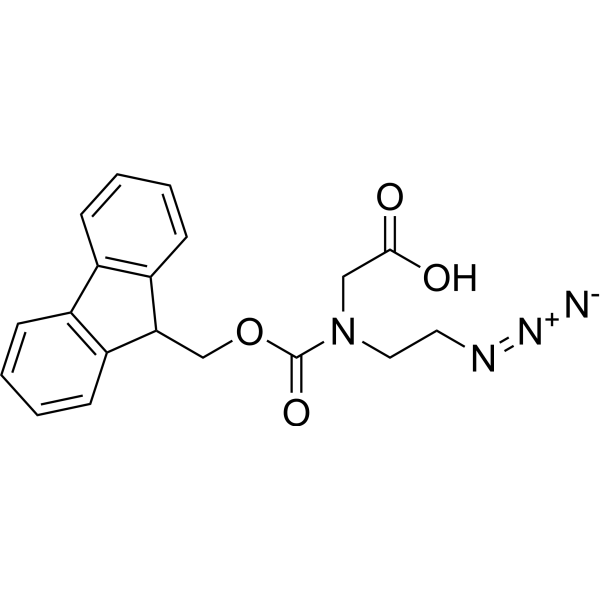
Fmoc-Aeg(N3)-OH is a click chemistry reagent containing an Azide. Alkylating the Nitrogen of an amide bond results in peptoid structures, which leads to conformational restrains, like N-methylation and allows backbone derivatisation. Altering cytotoxicity, bacterial cell selectivity and receptor pharmacology through formation of peptoid derivatives have been published for Cilengitide, Piscidin 1, and MC3, MC4 and MC5 receptor agonist. This building block enables design of macrocycles through intermolecular crosslinking or backbone stabilization through intermolecular ring-closure. This compound is a potential building block for the construction of (customized) peptide nucleic acids (PNAs) and for peptoid synthesis . Fmoc-Aeg(N3)-OH is a click chemistry reagent, it contains an Azide group and can undergo copper-catalyzed azide-alkyne cycloaddition reaction (CuAAc) with molecules containing Alkyne groups. It can also undergo strain-promoted alkyne-azide cycloaddition (SPAAC) reactions with molecules containing DBCO or BCN groups.
|
-
-
- HY-16406
-
|
|
DNA Alkylator/Crosslinker
|
Cancer
|
|
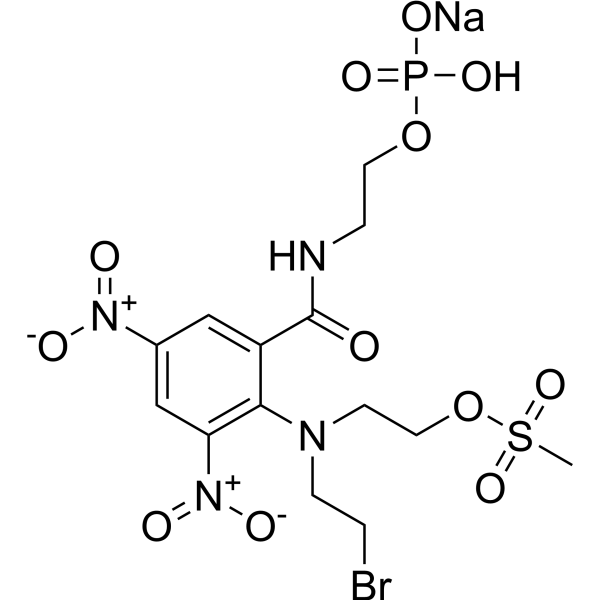
PR-104 (sodium) is a selective hypoxia-activated DNA cross-linking agent and can be used for the research of multiple tumor xenograft models. PR-104 (sodium), as a nitrogen mustard pre-proagent, is converted efficiently to the more lipophilic dinitrobenzamide mustards alcohol PR-104A .
|
-
-
- HY-W034576
-
|
Hexaaza-18-crown-6 hexahydrochloride; 1,4,7,10,13,16-Hexaazacyclooctadecane hexahydrochloride
|
Biochemical Assay Reagents
|
Cancer
|
|
Hexacyclen (Cycloalkene) is an organic compound with a unique macrocyclic structure composed of six nitrogen-containing rings. Hexacyclen is commonly used as a chelating agent in chemistry and biochemistry due to its ability to bind metal ions, and is often used to selectively bind metal ions in proteins or enzymes to study their structure and function. Hexacyclen also acts as an inhibitor of cancer .
|
-
-
- HY-B0817S
-
|
|
Parasite
|
Infection
|
|
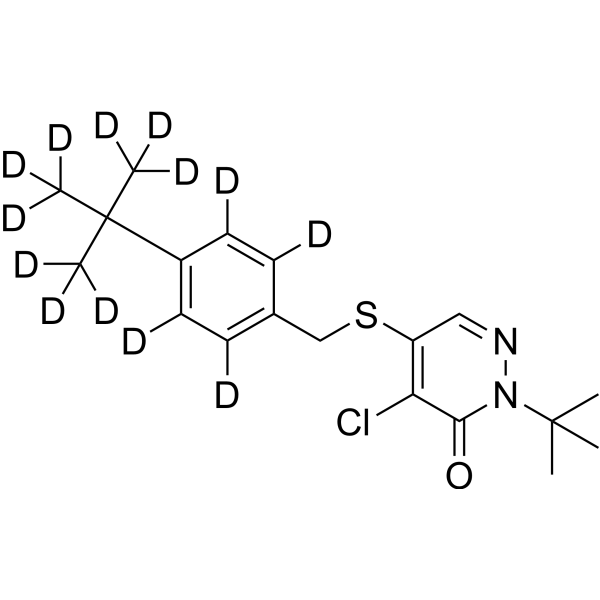
Pyridaben-d13 is the deuterium labeled Pyridaben . Pyridaben is a mitochondrial electron transport inhibitor (METI) acaricide that promotes the formation of damaging oxygen and nitrogen radicals. Pyridaben selectively inhibits complex I (NADH dehydrogenase) with an IC50 value of 2.4 nM (assay sites: rat liver and bovine heart mitochondria). Pyridaben also significantly inhibits rat mitochondrial mtNOS function .
|
-
-
- HY-W653739
-
|
Abscisic aldehyde
|
Drug Intermediate
|
Others
|
|
(+)-Abscisic Aldehyde (ABAld) is an intermediate in the biosynthesis of the plant hormone abscisic acid (ABA). (+)-Abscisic Aldehyde is produced by the dehydrogenation of xanthoxin by xanthoxin dehydrogenases, followed by selective oxidation by abscisic aldehyde oxygenase. (+)-Abscisic Aldehyde has an oxidizing PsAOγ activity and it correlates with ABA accumulation in the old leaves of pea plants with long exposure of salinity, ammonium or nitrogen deficiency. (+)-Abscisic Aldehyde can be used for plant growth and development research .
|
-
-
- HY-B0817R
-
|
|
Reference Standards
Parasite
|
Infection
|
|
Pyridaben (Standard) is the analytical standard of Pyridaben. This product is intended for research and analytical applications. Pyridaben is a mitochondrial electron transport inhibitor (METI) acaricide that promotes the formation of damaging oxygen and nitrogen radicals. Pyridaben selectively inhibits complex I (NADH dehydrogenase) with an IC50 value of 2.4 nM (assay sites: rat liver and bovine heart mitochondria). Pyridaben also significantly inhibits rat mitochondrial mtNOS function .
|
-
-
- HY-75920
-
|
|
Biochemical Assay Reagents
|
Others
|
|
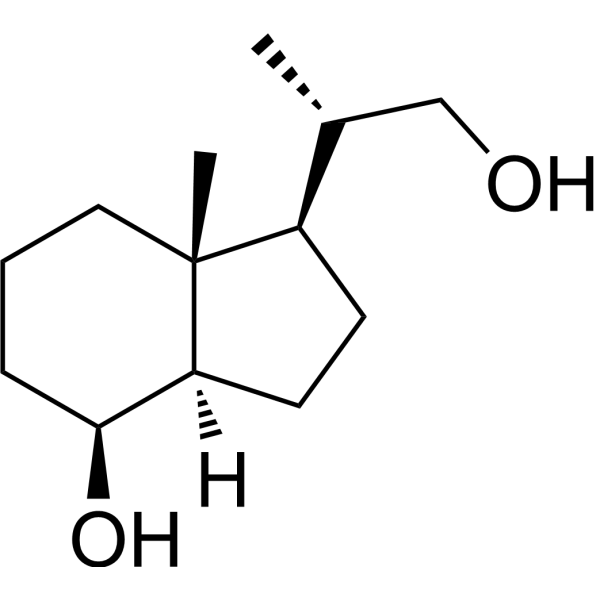
Inhoffen Lythgoe diol is an organic molecule commonly used in chiral selective reactions in organic synthesis. It can be used as a catalyst and a ligand, and has a wide range of applications in the preparation of nitrogen- and sulfur-containing natural products, pharmaceuticals, and material science. Inhoffen Lythgoe diol plays a very important role in the field of asymmetric synthesis. Although it has no direct medical application, it plays an important role in the production and research of many important chemicals.
|
-
-
- HY-W034566A
-
|
Hexaaza-18-crown-6 trisulfate; 1,4,7,10,13,16-Hexaazacyclooctadecane trisulfate
|
Biochemical Assay Reagents
|
Others
|
|
Hexacyclen, also known as cycloalkene, is an organic compound with a unique macrocyclic structure composed of six nitrogen-containing rings. It is commonly used as a chelating agent in chemistry and biochemistry due to its ability to bind metal ions. Inhibitors of certain diseases such as cancer. In biochemistry, Hexacyclen is often used to selectively bind metal ions in proteins or enzymes to study their structure and function. Due to its large size and complex structure, Hexacyclen is not widely used in daily products or applications.
|
-
-
- HY-118572
-
|
|
Drug Isomer
|
Others
|
|
(S)-Allantoin is the S-isomer of Allantoin (HY-N0543). (S)-Allantoin binds selectively in the active site of urate oxidase. (S)-Allantoin can be converted to Allantoate by the action of allantoicase. (S)-Allantoin serves as a source of nitrogen in Arabidopsis thaliana .
|
-
-
- HY-D3449
-
|
|
Fluorescent Dye
Reactive Oxygen Species (ROS)
|
Others
|
|
8-(9-Bromoanthracene)-BODIPY 505/515 is a fluorescence turn-on probe with selective fluorescence turn-on response towards hydroxyl radical. 8-(9-Bromoanthracene)-BODIPY 505/515 can be used to detect reactive oxygen/nitrogen species (ROS/RNS) . (Ex/Em = 505/515 nm)
|
-
-
- HY-Y0882S
-
|
|
Isotope-Labeled Compounds
Monoamine Oxidase
|
Cardiovascular Disease
|
|
Hydroxylamine- 15N hydrochloride is the 15N-labeled Hydroxylamine hydrochloride (HY-Y0882). Hydroxylamine hydrochloride is a selective Monoamine oxidase (MAO) inhibitor used for inhibiting of platelet aggregation. Hydroxylamine hydrochloride is an intermediate of nitrogen cycle in aerobic ammonium oxidizers microorganisms, such as ammonium oxidizing bacteria (AOB), ammonium oxidizing archaea (AOA) and complete ammonium oxidizing bacteria (comammox). Hydroxylamine hydrochloride impacts NO and N2O emissions by aerobic ammonium oxidizers microorganisms and inhibits nitrite oxidizing bacteria (NOB) activity .
|
-
-
- HY-181077
-
|
|
AMPK
|
Endocrinology
|
|
AMPKα1 activator 1 is a selective and orally active AMPKα1 activator with an EC50 of 35.1 nM. AMPKα1 activator 1 shows 176-fold selectivity over AMPKα2. AMPKα1 activator 1 can be used as a cell protectant and a kidney protectant. AMPKα1 activator 1 attenuates elevation of serum creatinine and blood urea nitrogen levels, alleviates kidney damage, and reduces cellular infiltration in renal ischemia-reperfusion injury contexts. AMPKα1 activator 1 can be associated with renal ischemia-reperfusion injury research .
|
-
-
- HY-174332
-
|
|
Cytochrome P450
|
Neurological Disease
|
|
Cholesterol 24-hydroxylase-IN-3 is an orally active, selective, and blood-brain barrier-penetrant CH24H inhibitor (IC50 = 23 nM) belonging to 1,3-oxazole derivatives. Cholesterol 24-hydroxylase-IN-3 competitively inhibits CH24H enzyme activity by using the 1,3-oxazole nitrogen atom to coordinate the heme iron and the cyclopropyl group occupying the hydrophobic pocket. Cholesterol 24-hydroxylase-IN-3 can be used for research on epilepsy and other neurological diseases.
|
-
-
- HY-W007656R
-
|
|
Reference Standards
|
Others
|
|
Cyclen (Standard) is the analytical standard substance of Cyclen. This product is used for research and analytical applications. Cyclen is a macrocyclic tetrathiolate chelating agent. Cyclen is a nitrogen-containing analogue of crown ethers and can be used as a precursor for MRI contrast agents, as well as an intermediate for preparing highly efficient macrocyclic chelates. As a structural regulator, Cyclen can be prepared into polyamide nanofiltration membranes with efficient Li +/Mg 2+ separation performance through the interfacial polymerization of polyethyleneimine (PEI) and meta-benzotriazole chloride (TMC). Cyclen has a unique cavity structure and exhibits selective coordination properties for Li + ions .
|
-
-
- HY-182361
-
|
|
AMPK
JAK
Cadherin
|
Cancer
|
|
NUAK1-IN-3 is a potent and selective NUAK1 inhibitor with an IC50 of 0.49 nM. NUAK1-IN-3 also inhibits NUAK2 and JAK3 with IC50 values of 265 and 225 nM. NUAK1-IN-3 engages Glu139 of NUAK1, forms a salt bridge between its bicyclic ring nitrogen and Asp142, and uses a fluorine atom to enhance hydrophobic binding interactions. NUAK1-IN-3 attenuates MYPT1 phosphorylation, suppresses the NUAK1-MYPT1 signaling axis, and inhibits proliferation, migration, and invasion of triple-negative breast cancer cells. NUAK1-IN-3 reverses TGF-β1-induced epithelial-mesenchymal transition (EMT) marker alterations, downregulates Snail and N-cadherin, and upregulates E-cadherin in tumor tissues. NUAK1-IN-3 suppresses tumor growth in triple-negative breast cancer xenograft models. NUAK1-IN-3 can be used for the research of triple-negative breast cancer .
|
-
| Cat. No. |
Product Name |
Type |
-
- HY-W011664
-
|
DPBF
|
Fluorescent Dyes
|
|
1,3-Diphenylisobenzofuran (DPBF) has been developed as a selective probe for the detection and quantitative determination of hydrogen peroxide in samples containing different reactive nitrogen and oxygen species (RNOS). DPBF is a fluorescent probe which, for almost 20 years, was believed to react in a highly specific manner toward some reactive oxygen species such as singlet oxygen and hydroxy, alkyloxy or alkylperoxy radicals .
|
-
- HY-DY1053
-
|
|
Fluorescent Dyes
|
1,3-Diphenylisobenzofuran (DPBF) (solution) has been developed as a selective probe for the detection and quantitative determination of hydrogen peroxide in samples containing different reactive nitrogen and oxygen species (RNOS). DPBF is a fluorescent probe which, for almost 20 years, was believed to react in a highly specific manner toward some reactive oxygen species such as singlet oxygen and hydroxy, alkyloxy or alkylperoxy radicals . Solvent and concentration: DMSO: 10 mM The 1 mL volume is defined as the base specification. All larger sizes correspond to incremental volumes of this base.
|
-
- HY-112526
-
|
|
Fluorescent Dyes
|
|
Thiofluor 623 (Compound 3) is a fluorescent turn-on probe that can be used for the selective sensing and bioimaging of thiols. Thiofluor 623 displays excellent immunity to interference from nitrogen and oxygen nucleophiles. Thiofluor 623 is essentially nonfluorescent in the absence of thiols, which cleave the probe and release the red-emissive donor-acceptor fluorophore (Ex=563 nm, Em=623 nm) .
|
-
- HY-D3449
-
|
|
Fluorescent Dyes
|
|
8-(9-Bromoanthracene)-BODIPY 505/515 is a fluorescence turn-on probe with selective fluorescence turn-on response towards hydroxyl radical. 8-(9-Bromoanthracene)-BODIPY 505/515 can be used to detect reactive oxygen/nitrogen species (ROS/RNS) . (Ex/Em = 505/515 nm)
|
| Cat. No. |
Product Name |
Type |
-
- HY-W034566
-
|
Hexaaza-18-crown-6; 1,4,7,10,13,16-Hexaazacyclooctadecane
|
Biochemical Assay Reagents
|
|
Hexacyclen is an organic compound with a unique macrocyclic structure composed of six nitrogen-containing rings. It is commonly used as a chelating agent in chemistry and biochemistry due to its ability to bind metal ions. Inhibitors of certain diseases such as cancer. In biochemistry, Hexacyclen is often used to selectively bind metal ions in proteins or enzymes to study their structure and function. Due to its large size and complex structure, Hexacyclen is not widely used in daily products or applications .
|
-
- HY-Y0850U9
-
|
Polyvinyl alcohol (Mw 67000, 87-89% hydrolyzed, ~1400 polymerization); Poly(Ethenol) (Mw 67000, 87-89% hydrolyzed, ~1400 polymerization)
|
Biochemical Assay Reagents
|
|
PVA (Mw 67000, 87-89% hydrolyzed, ~1400 polymerization) is a polyvinyl alcohol with a molecular weight of 67000 and hydrolytic properties. Degree of hydrolysis refers to the conversion rate of acetate groups in the original polyvinyl acetate to hydroxyl groups; PVA (Mw 67000, 87-89% hydrolyzed, ~1400 polymerization) is obtained by hydrolyzing and removing acetate groups after the polymerization of vinyl acetate. Polyvinyl alcohol with different degrees of hydrolysis can be used to form self-crosslinked cryogels and is applied as a biological adjuvant .
|
-
- HY-W034576
-
|
Hexaaza-18-crown-6 hexahydrochloride; 1,4,7,10,13,16-Hexaazacyclooctadecane hexahydrochloride
|
Biochemical Assay Reagents
|
|
Hexacyclen (Cycloalkene) is an organic compound with a unique macrocyclic structure composed of six nitrogen-containing rings. Hexacyclen is commonly used as a chelating agent in chemistry and biochemistry due to its ability to bind metal ions, and is often used to selectively bind metal ions in proteins or enzymes to study their structure and function. Hexacyclen also acts as an inhibitor of cancer .
|
-
- HY-75920
-
|
|
Biochemical Assay Reagents
|
|
Inhoffen Lythgoe diol is an organic molecule commonly used in chiral selective reactions in organic synthesis. It can be used as a catalyst and a ligand, and has a wide range of applications in the preparation of nitrogen- and sulfur-containing natural products, pharmaceuticals, and material science. Inhoffen Lythgoe diol plays a very important role in the field of asymmetric synthesis. Although it has no direct medical application, it plays an important role in the production and research of many important chemicals.
|
-
- HY-W034566A
-
|
Hexaaza-18-crown-6 trisulfate; 1,4,7,10,13,16-Hexaazacyclooctadecane trisulfate
|
Biochemical Assay Reagents
|
|
Hexacyclen, also known as cycloalkene, is an organic compound with a unique macrocyclic structure composed of six nitrogen-containing rings. It is commonly used as a chelating agent in chemistry and biochemistry due to its ability to bind metal ions. Inhibitors of certain diseases such as cancer. In biochemistry, Hexacyclen is often used to selectively bind metal ions in proteins or enzymes to study their structure and function. Due to its large size and complex structure, Hexacyclen is not widely used in daily products or applications.
|
| Cat. No. |
Product Name |
Category |
Target |
Chemical Structure |
-
- HY-118572
-
-
-
- HY-W007656R
-
|
|
Structural Classification
Natural Products
Plants
Menispermaceae
Stephania japonica (Thunb.) Miers
Source Classification
|
Reference Standards
|
|
Cyclen (Standard) is the analytical standard substance of Cyclen. This product is used for research and analytical applications. Cyclen is a macrocyclic tetrathiolate chelating agent. Cyclen is a nitrogen-containing analogue of crown ethers and can be used as a precursor for MRI contrast agents, as well as an intermediate for preparing highly efficient macrocyclic chelates. As a structural regulator, Cyclen can be prepared into polyamide nanofiltration membranes with efficient Li +/Mg 2+ separation performance through the interfacial polymerization of polyethyleneimine (PEI) and meta-benzotriazole chloride (TMC). Cyclen has a unique cavity structure and exhibits selective coordination properties for Li + ions .
|
-
| Cat. No. |
Product Name |
Chemical Structure |
-
- HY-Y0882S1
-
|
|
|
Hydroxylamine-d3 (hydrochloride) is the deuterium labeled Hydroxyamine hydrochloride. Hydroxylamine hydrochloride is a selective Monoamine oxidase (MAO) inhibitor used for inhibiting of platelet aggregation. Hydroxylamine hydrochloride is an intermediate of nitrogen cycle in aerobic ammonium oxidizers microorganisms, such as ammonium oxidizing bacteria (AOB), ammonium oxidizing archaea (AOA) and complete ammonium oxidizing bacteria (comammox). Hydroxylamine hydrochloride impacts NO and N2O emissions by aerobic ammonium oxidizers microorganisms and inhibits nitrite oxidizing bacteria (NOB) activity .
|
-
-
- HY-B0817S
-
|
|
|
Pyridaben-d13 is the deuterium labeled Pyridaben . Pyridaben is a mitochondrial electron transport inhibitor (METI) acaricide that promotes the formation of damaging oxygen and nitrogen radicals. Pyridaben selectively inhibits complex I (NADH dehydrogenase) with an IC50 value of 2.4 nM (assay sites: rat liver and bovine heart mitochondria). Pyridaben also significantly inhibits rat mitochondrial mtNOS function .
|
-
-
- HY-Y0882S
-
|
|
|
Hydroxylamine- 15N hydrochloride is the 15N-labeled Hydroxylamine hydrochloride (HY-Y0882). Hydroxylamine hydrochloride is a selective Monoamine oxidase (MAO) inhibitor used for inhibiting of platelet aggregation. Hydroxylamine hydrochloride is an intermediate of nitrogen cycle in aerobic ammonium oxidizers microorganisms, such as ammonium oxidizing bacteria (AOB), ammonium oxidizing archaea (AOA) and complete ammonium oxidizing bacteria (comammox). Hydroxylamine hydrochloride impacts NO and N2O emissions by aerobic ammonium oxidizers microorganisms and inhibits nitrite oxidizing bacteria (NOB) activity .
|
-
| Cat. No. |
Product Name |
|
Classification |
-
- HY-151738
-
|
|
|
Azide
|
|
Fmoc-Aeg(N3)-OH is a click chemistry reagent containing an Azide. Alkylating the Nitrogen of an amide bond results in peptoid structures, which leads to conformational restrains, like N-methylation and allows backbone derivatisation. Altering cytotoxicity, bacterial cell selectivity and receptor pharmacology through formation of peptoid derivatives have been published for Cilengitide, Piscidin 1, and MC3, MC4 and MC5 receptor agonist. This building block enables design of macrocycles through intermolecular crosslinking or backbone stabilization through intermolecular ring-closure. This compound is a potential building block for the construction of (customized) peptide nucleic acids (PNAs) and for peptoid synthesis . Fmoc-Aeg(N3)-OH is a click chemistry reagent, it contains an Azide group and can undergo copper-catalyzed azide-alkyne cycloaddition reaction (CuAAc) with molecules containing Alkyne groups. It can also undergo strain-promoted alkyne-azide cycloaddition (SPAAC) reactions with molecules containing DBCO or BCN groups.
|
Your information is safe with us. * Required Fields.
Inquiry Information
- Product Name:
- Cat. No.:
- Quantity:
- MCE Japan Authorized Agent:

