Search Result
Results for "
nonionic+surfactant
" in MedChemExpress (MCE) Product Catalog:
32
Biochemical Assay Reagents
| Cat. No. |
Product Name |
Target |
Research Areas |
Chemical Structure |
-
- HY-Y1890
-
-
-
- HY-D1005
-
|
PEG-PPG-PEG, 12600 (Average Mn)
|
Environmental Pollutants
LPL Receptor
|
Inflammation/Immunology
|
|
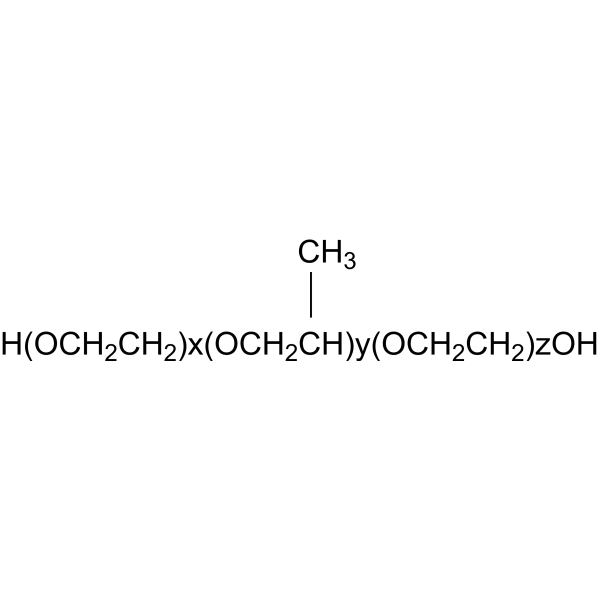
Poloxamer 407 (F127) is a nonionic surfactant that is 100% active and relatively non-toxic to cells at low concentrations, and frequently used with dye AM esters such as Indo-1 AM, Fura-2 AM, Calcein AM, Fluo-3 AM, Fluo-4 AM, Quest Fluo-8 AM and Quest Rhod-4 AM, etc. to improve their water solubility. Poloxamer 407 is also a lipoprotein lipase inhibitor .
|
-
-
- HY-15435
-
CHAPS
4 Publications Verification
|
Exosomes
Biochemical Assay Reagents
|
Others
|
|
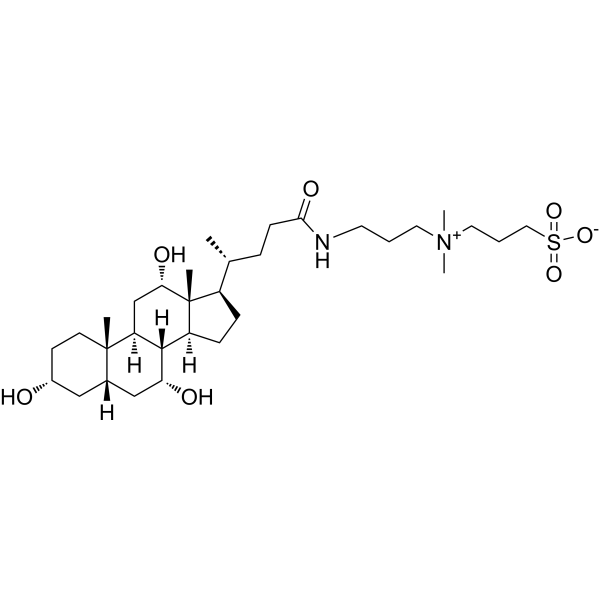
CHAPS is a cholic acid-derived, sulfobetaine-type zwitterionic detergent and micelle-forming agent. CHAPS exhibits properties of weak cationic or nonionic surfactants in different solution systems, undergoes micellization, and forms small, loose hydrophilic aggregates that are temperature-dependent. CHAPS stabilizes mononucleosomes under different ionic strengths, reduces nucleosome sequence specificity, promotes sliding of histone cores along DNA, solubilizes Tamm-Horsfall protein to reduce its interference with urinary exosome isolation, and maintains vesicle structure and the activity of related proteins at the same time. CHAPS is used to recover native folded fusion proteins, enhance the binding capacity of GST fusion proteins, and restore GST enzyme activity. However, CHAPS cannot refold proteins denatured by urea, guanidine hydrochloride or heat, nor can it construct the structure of intrinsically disordered proteins. CHAPS is commonly used in research on the separation and purification of membrane proteins .
|
-
-
- HY-141415
-
-
-
- HY-Y0873L
-
-
-
- HY-Y1883
-
|
|
Environmental Pollutants
Biochemical Assay Reagents
Apoptosis
|
Infection
Cancer
|
|
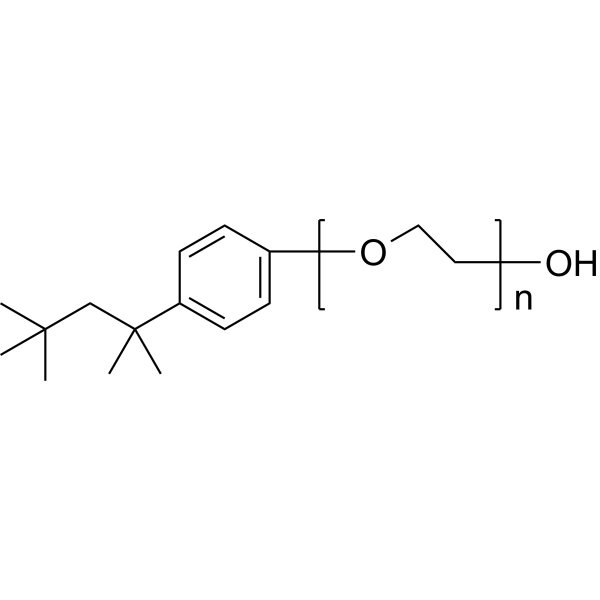
Polyethylene glycol mono(4-tert-octylphenyl) ether surfactant is a non-denaturing detergent that solubilizes lipid membranes. Polyethylene glycol mono(4-tert-octylphenyl) ether surfactant is commonly used in laboratories and is applied to vaccines at different stages of the manufacturing process. Polyethylene glycol mono(4-tert-octylphenyl) ether surfactant is listed as an excipient in certain vaccines including split virus influenza vaccines. Polyethylene glycol mono(4-tert-octylphenyl) ether surfactant is a nonionic surfactant. Polyethylene glycol mono(4-tert-octylphenyl) ether surfactant induces Apoptosis in prostate and colon cancer cell lines and reduces the infectivity of classic enveloped viruses such as WNV .
|
-
-
- HY-Y1883A
-
|
|
Environmental Pollutants
Biochemical Assay Reagents
|
Infection
Cancer
|
|
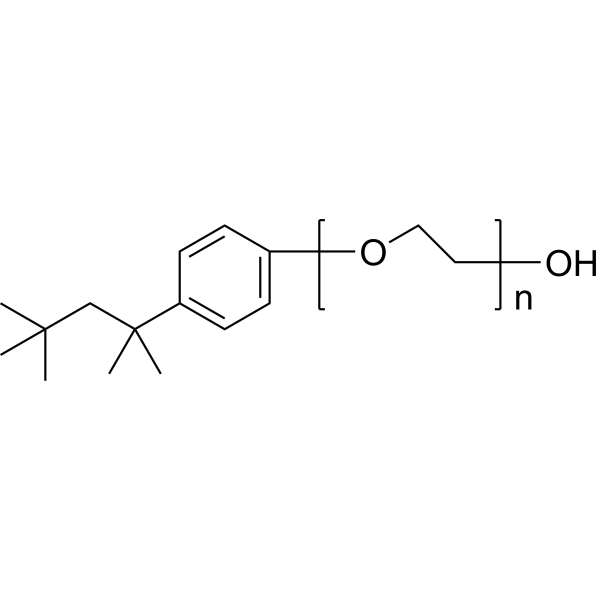
Polyethylene glycol mono(4-tert-octylphenyl) ether is a non-denaturing detergent that solubilizes lipid membranes. Polyethylene glycol mono(4-tert-octylphenyl) ether is commonly used in laboratories and is applied to vaccines at different stages of the manufacturing process. Polyethylene glycol mono(4-tert-octylphenyl) ether is listed as an excipient in certain vaccines including split virus influenza vaccines. Polyethylene glycol mono(4-tert-octylphenyl) ether is a nonionic surfactant. Polyethylene glycol mono(4-tert-octylphenyl) ether induces Apoptosis in prostate and colon cancer cell lines and reduces the infectivity of classic enveloped viruses such as WNV .
|
-
-
- HY-108294
-
|
Nonaoxyethylene monododecyl ether
|
Biochemical Assay Reagents
|
Others
|
|
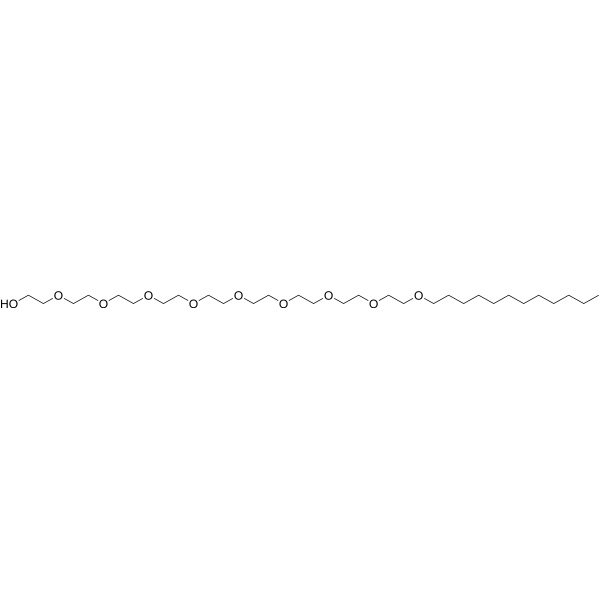
Nonaethylene glycol monododecyl ether (Nonaoxyethylene monododecyl ether) is a nonionic surfactant and polyethylene glycol (PEG) detergent that can be used to form initial coalesced O/W emulsion droplets, as well as for protein separation and purification .
|
-
-
- HY-W250168
-
|
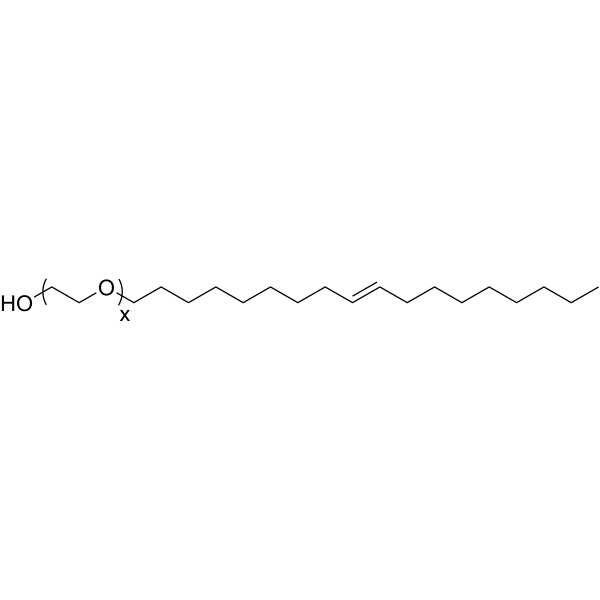
Polyethylene glycol oleyl ether, average Mn~709; Polyethylene glycol monooleyl ether, n~10
|
Environmental Pollutants
Biochemical Assay Reagents
|
Others
|
|
Polyoxyethylene(10) oleyl ether, also known as POE(10) monooleate, is a nonionic surfactant consisting of a polyethylene glycol chain with 10 ethylene oxide units and an oleic acid residue. It has excellent emulsifying, wetting and dispersing properties, making it suitable for a variety of applications including personal care products and pharmaceutical formulations. POE(10) monooleate is commonly used as a solubilizer to improve the solubility and bioavailability of poorly soluble drugs. Furthermore, it is biodegradable and has low toxicity, making it an environmentally friendly ingredient suitable for various industrial applications.
|
-
-
- HY-B2106D
-
|
Decaethylene glycol monododecyl ether (C12E10); Polidocanol (10)
|
Biochemical Assay Reagents
|
Others
Cancer
|
|
Polyoxyethylene (10) lauryl ether is a nonionic surfactant.
Polyoxyethylene (10) lauryl ether exhibits unique properties in dissolving liposomes and exerts the minimal interference with endotoxin detection.
Polyoxyethylene (10) lauryl ether forms hybrid liposomes with Dimyristoylphosphatidylcholine (DMPC) (HY-109541), which can inhibit the proliferation of human promyelocytic leukemia cells without the administration of any drugs .
|
-

-
- HY-144007
-
|
|
Liposome
|
Others
|
|
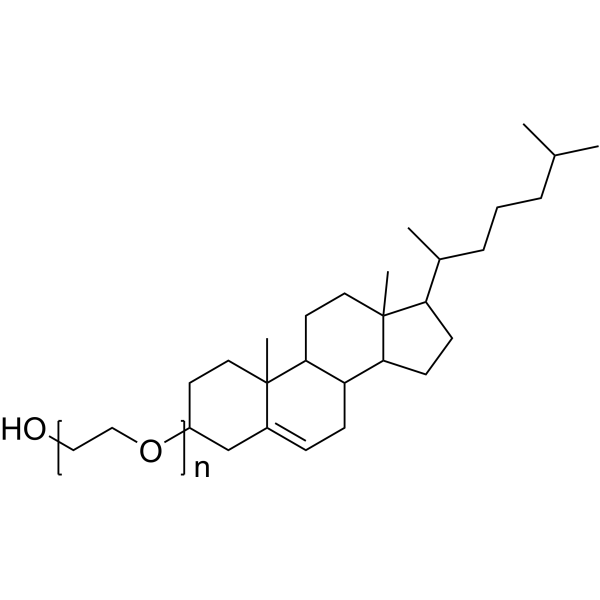
Chol-PEG is a nonionic surfactant vesicles and can be used for a blood-persistent drug delivery system .
|
-
-
- HY-15435A
-
|
|
Biochemical Assay Reagents
Exosomes
|
Others
|
|
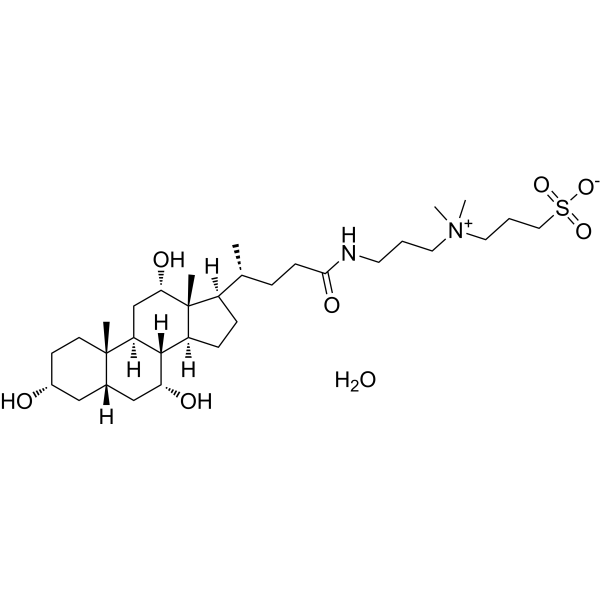
CHAPS hydrate is a cholic acid-derived, sulfobetaine-type zwitterionic detergent and micelle-forming agent. CHAPS hydrate exhibits properties of weak cationic or nonionic surfactants in different solution systems, undergoes micellization, and forms small, loose hydrophilic aggregates that are temperature-dependent. CHAPS hydrate stabilizes mononucleosomes under different ionic strengths, reduces nucleosome sequence specificity, promotes sliding of histone cores along DNA, solubilizes Tamm‑Horsfall protein to reduce its interference with urinary exosome isolation, and maintains vesicle structure and the activity of related proteins at the same time. CHAPS hydrate is used to recover native folded fusion proteins, enhance the binding capacity of GST fusion proteins, and restore GST enzyme activity. However, CHAPS hydrate cannot refold proteins denatured by urea, guanidine hydrochloride or heat, nor can it construct the structure of intrinsically disordered proteins. CHAPS hydrate is commonly used in research on the separation and purification of membrane proteins .
|
-
-
- HY-W129593
-
|
Sorbitan monostearate
|
Environmental Pollutants
Biochemical Assay Reagents
|
Others
|
|
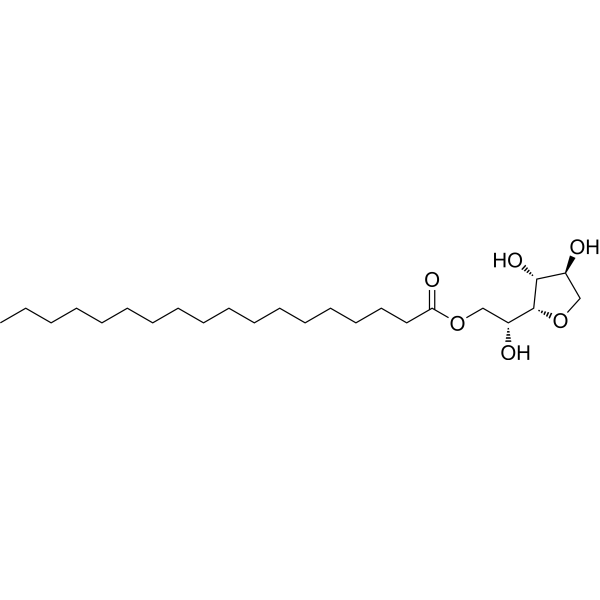
Sorbitan monooctadecanoate (Sorbitan monostearate) is a hydrophobic nonionic surfactant. Sorbitan monooctadecanoate can serve as a pharmaceutical excipient, such as an emulsifier, nonionic surfactant, solubilizer, wetting agent, and dispersing/suspending agent .
|
-
-
- HY-B1937
-
|
Bio-Soft S 101 sodium
|
Environmental Pollutants
Biochemical Assay Reagents
|
Others
|
|
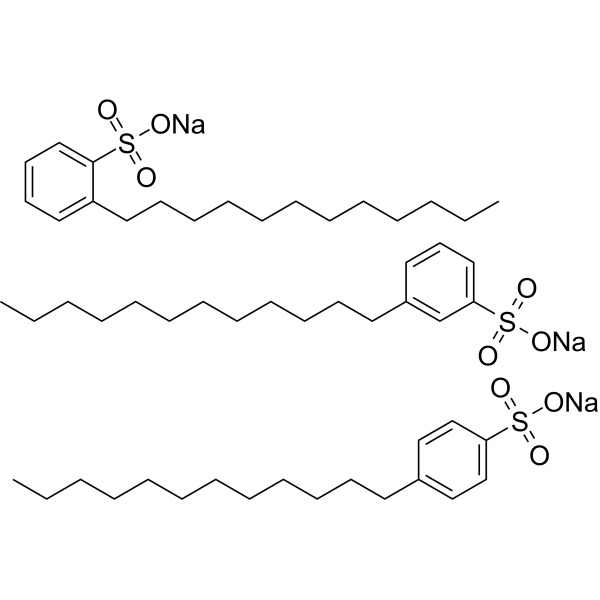
Sodium dodecylbenzenesulfonate (Bio-Soft S 101 sodium) is a nonionic surfactant commonly used in a variety of applications for cleaning and treating industrial equipment. It has good cleaning power and environmental compatibility, and can effectively remove oil, dirt and other forms of contamination. In addition, in textile, paper, leather and other industries, the compound can also be used for fixing and stabilizing dyes and colors. Although the compound has no direct application in the medical field, it plays an important role in industry and laboratory research.
|
-
-
- HY-W250166
-
|
|
Environmental Pollutants
Biochemical Assay Reagents
|
Others
|
|
Poly(ethylene glycol) (12) tridecyl ether is a nonionic surfactant belonging to the family of ethoxylated fatty alcohols. It is commonly used as an emulsifier, solubilizer, and wetting agent in a variety of industrial and personal care products. Poly(ethylene glycol)(12) tridecyl ether has various properties that make it suitable for these applications, including its low toxicity, high solubility in water and organic solvents, and ability to stabilize emulsions. In addition, it can be used as a raw material for the production of other surfactants and specialty chemicals.
|
-
-
- HY-101530B
-
|
PEG 40 stearate
|
Biochemical Assay Reagents
|
Others
|
|
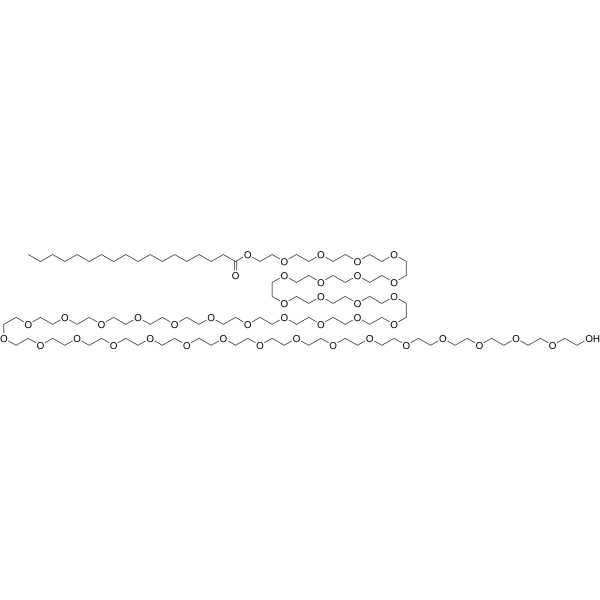
Polyoxyl 40 stearate (PEG 40 stearate) is a nonionic surfactant formed by the esterification of stearic acid with polyethylene glycol (PEG) containing approximately 40 ethoxy units, it is widely used in pharmaceutical preparations, nanodrug carriers, emulsification systems and biomedical materials. Polyoxyl 40 stearate can serve as a matrix component of solid lipid nanoparticles to achieve controlled release of encapsulated antifungal drugs; it can also act as a base material for solid lipid nanoparticles for vaginal administration, and polymerizable groups can be introduced via modification with acryloyl chloride .
|
-
-
- HY-W250195
-
|
|
Biochemical Assay Reagents
|
Others
|
|
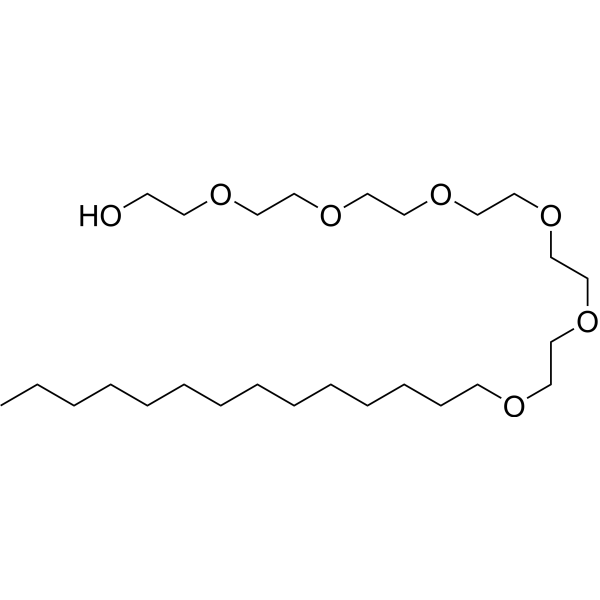
Hexaethylene glycol monotetradecyl ether is a kind of nonionic surfactant with hydrophilic head and lipophilic tail. It belongs to the class of polyethylene glycol (PEG) ethers and is widely used in different industrial and research applications. Due to its unique properties, Hexaethylene glycol monotetradecyl ether is commonly used in lotions, detergents and solubilizers. It is particularly useful in the study of membrane proteins and can be used to stabilize and solubilize proteins for use in structural analysis techniques. Due to its moisturizing and emulsifying properties, Hexaethylene glycol monotetradecyl ether is also used in personal care and cosmetics.
|
-
-
- HY-139415
-
-
-
- HY-Y1890C
-
-

-
- HY-W127624
-
|
|
Biochemical Assay Reagents
|
Others
|
|
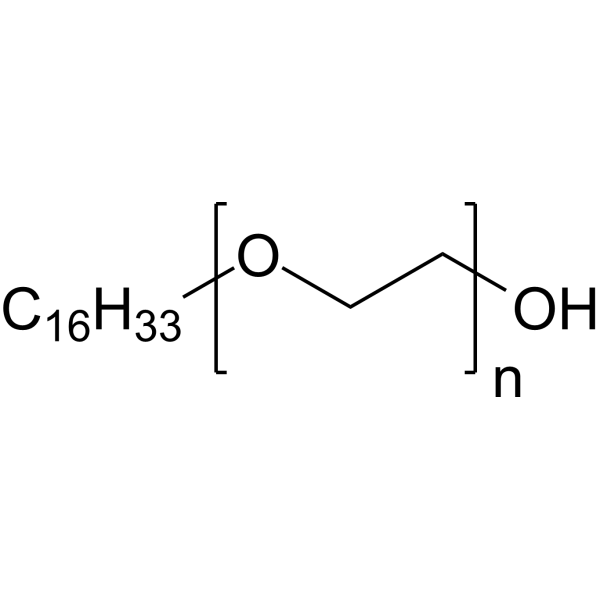
Polyoxyethylene monocetyl ether (n=approx. 23) is a nonionic surfactant and can be used to manufacture hand sanitizer, laundry detergent, body wash, laundry powder, dish soap, metal cleaning agents and other products .
|
-
-
- HY-W250170
-
|
Octyldecyl glucoside
|
Environmental Pollutants
Biochemical Assay Reagents
|
Others
|
|
Decyl glucoside is a mild nonionic surfactant. Decyl glucoside can be derived from renewable raw materials such as glucose and fatty alcohols from coconut oil or palm kernel oil. Decyl glucoside is known for its excellent foaming and cleaning properties.
|
-

-
- HY-W250172
-
|
|
Biochemical Assay Reagents
|
Others
|
|
Polyethylene glycol tert-octylphenyl ether X-405 (70% in H2O) is a nonionic surfactant commonly used in a variety of industrial and research applications. Polyethylene glycol tert-octylphenyl ether X-405 (70% in H2O) belongs to the family of polyethylene glycol (PEG) ethers with a hydrophilic head and lipophilic tail and is suitable for use in emulsions, detergents and solubilizers. Polyethylene glycol tert-octylphenyl ether X-405 (70% in H2O) is particularly useful in the study of membrane proteins, where it is used to solubilize and stabilize proteins for structural analysis techniques. It is also used in a variety of other applications, including drug delivery systems, nanotechnology, and diagnostic analysis. Additionally, Polyethylene glycol tert-octylphenyl ether X-405 (70% in H2O) is used in the production of microemulsions, salves and lotions due to its emulsifying and solubilizing properties. However, it can be toxic if ingested or inhaled, so proper handling and safety precautions are required.
|
-
-
- HY-Y1890H
-
|
|
Biochemical Assay Reagents
|
Others
|
|
Cremophor EL-90, a polyoxyethylene castor oil derivative, is a nonionic surfactant. Cremophor EL-90 has good emulsifying properties .
|
-

-
- HY-Y1890D
-
|
|
Biochemical Assay Reagents
|
Others
|
|
Cremophor EL-60, a polyoxyethylene castor oil derivative, is a nonionic surfactant. Cremophor EL-60 has good emulsifying properties .
|
-

-
- HY-Y1890E
-
|
|
Biochemical Assay Reagents
|
Others
|
|
Cremophor EL-80, a polyoxyethylene castor oil derivative, is a nonionic surfactant. Cremophor EL-80 has good emulsifying properties .
|
-

-
- HY-W250168D
-
|
Polyethylene glycol oleyl ether, average Mn~2469; Polyethylene glycol monooleyl ether, n~50
|
Biochemical Assay Reagents
|
Others
|
|
Polyoxyethylene(50) oleyl ether (Polyethylene glycol oleyl ether, average Mn~2469; Polyethylene glycol monooleyl ether, n~50) is a nonionic surfactant .
|
-

-
- HY-W250168C
-
|
Polyethylene glycol oleyl ether, average Mn~577; Polyethylene glycol monooleyl ether, n~7
|
Biochemical Assay Reagents
|
Others
|
|
Polyoxyethylene(7) oleyl ether (Polyethylene glycol oleyl ether, average Mn~577; Polyethylene glycol monooleyl ether, n~7) is a nonionic surfactant. Polyoxyethylene(7) oleyl ether can be used as cosmetic raw .
|
-

-
- HY-W127627
-
|
|
Biochemical Assay Reagents
|
Others
|
|
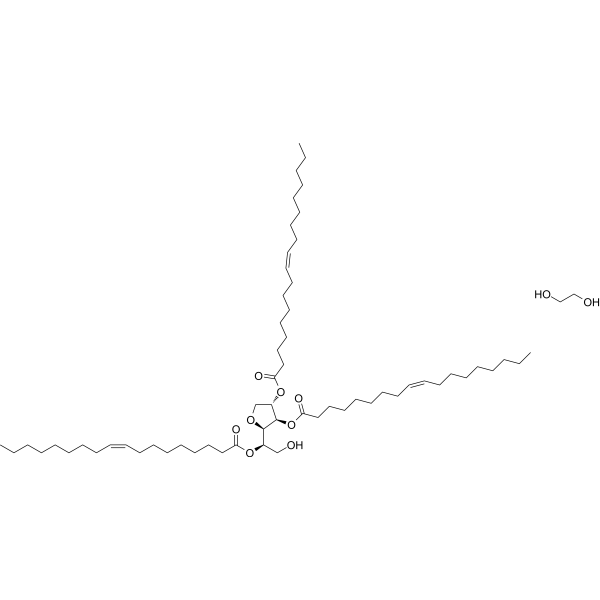
Tween 85 is a nonionic surfactant belonging to the class of ethoxylated sorbitan esters. It is used as an emulsifier and solubilizer in various industries such as pharmaceutical, cosmetic and food. Because of its ability to blend oily and water-based ingredients, Tween 85 is often used in the formulation of creams, lotions and ointments. In addition, it is used as a dispersant for pigments in the production of paints and coatings.
|
-
-
- HY-W250176
-
|
|
Biochemical Assay Reagents
|
Others
|
|
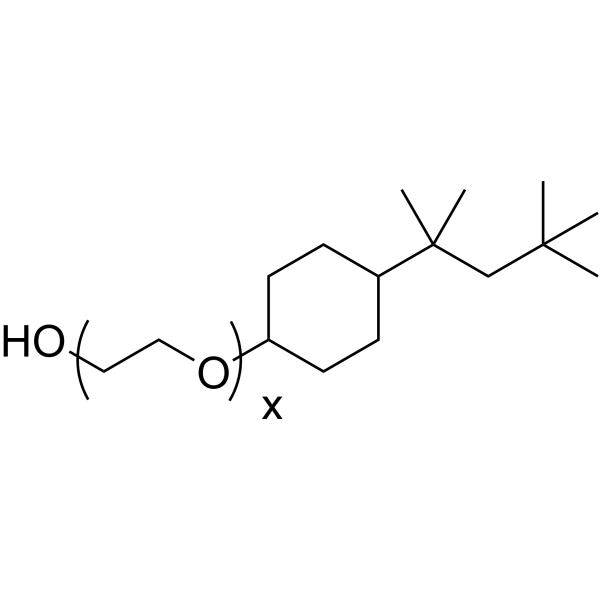
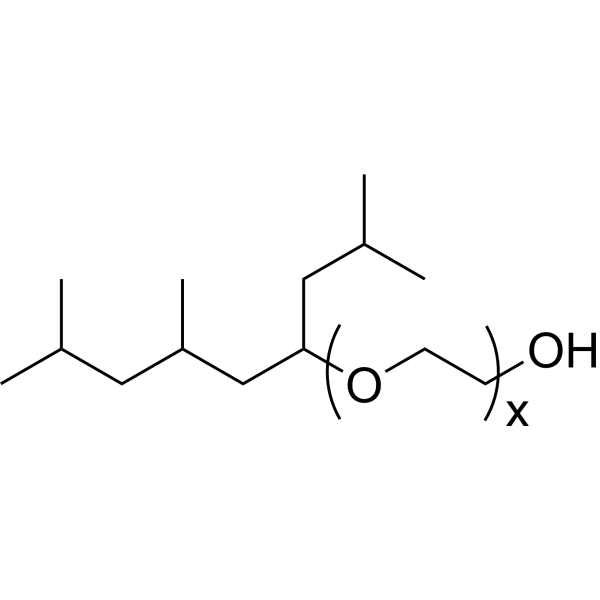
Polyethylene glycol trimethylnonyl ether, is a nonionic surfactant commonly used in various industrial and research applications. It belongs to the family of polyethylene glycol (PEG) ethers with a hydrophilic head and lipophilic tail and is suitable for use in lotions, detergents and solubilizers. Polyethylene glycol trimethylnonyl ether is particularly useful in protein chemistry, where it is used to solubilize and stabilize proteins, such as membrane proteins, for structural analysis techniques. In addition, Polyethylene glycol trimethylnonyl ether has potential applications in drug delivery and other medical fields due to its ability to interact with and penetrate cell membranes.
|
-
-
- HY-W250171
-
|
Polyoxyethylene (10) cetyl ether
|
Biochemical Assay Reagents
|
Others
|
|
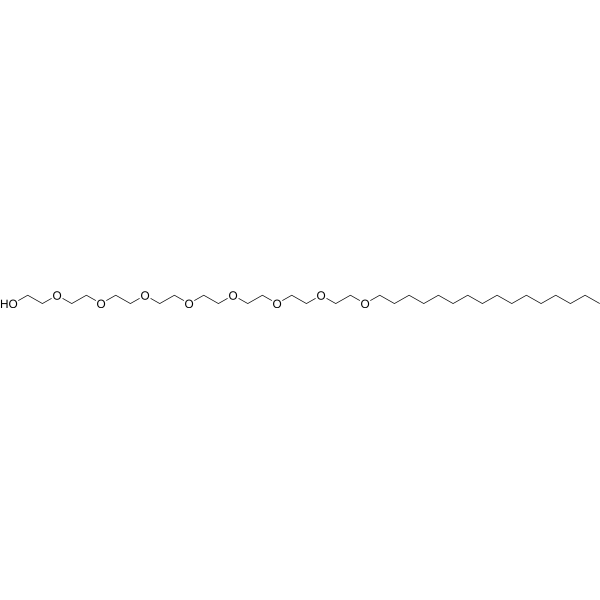
Octaethylene glycol monohexadecyl ether, is a nonionic surfactant commonly used in various industrial and research applications. Octaethylene glycol monohexadecyl ether belongs to the family of polyethylene glycol (PEG) ethers with a hydrophilic head and lipophilic tail, suitable for use in lotions, detergents and solubilizers. Octaethylene glycol monohexadecyl ether is particularly useful in the study of membrane proteins, where it is used to solubilize and stabilize proteins for structural analysis techniques. In addition, Octaethylene glycol monohexadecyl ether has the ability to interact with and penetrate cell membranes, so it has potential applications in drug delivery and other medical fields.
|
-
-
- HY-W762023A
-
-

-
- HY-W762023
-
-

-
- HY-W127628
-
|
|
Biochemical Assay Reagents
|
Others
|
|
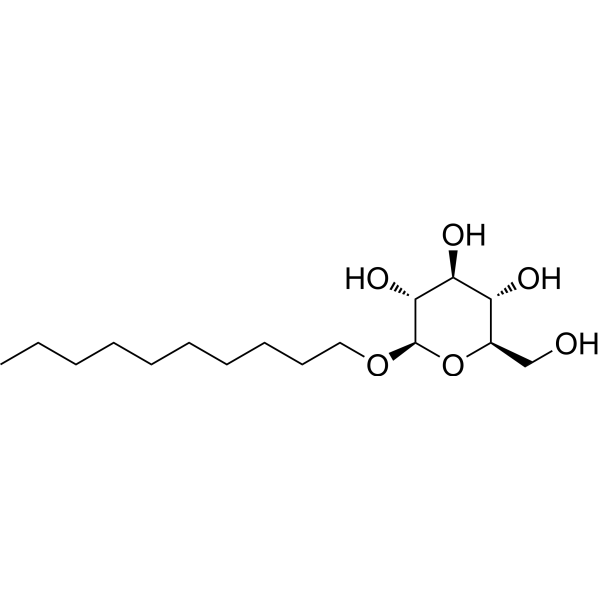
Decyl β-D-glucopyranoside is a nonionic surfactant commonly used in biochemical and molecular biology research. It can be used for the extraction, purification and structural analysis of cell membranes, and is widely used in the fields of proteomics and genetic engineering. In addition, this compound is also used as an auxiliary reagent and dehydrating agent in some biochemical experiments.
|
-
-
- HY-W250168B
-
|
Polyethylene glycol oleyl ether, average Mn~357; Polyethylene glycol monooleyl ether, n~2
|
Biochemical Assay Reagents
|
Others
|
|
Polyoxyethylene(2) oleyl ether (Polyethylene glycol oleyl ether, average Mn~357; Polyethylene glycol monooleyl ether, n~2) is a nonionic surfactant. Polyoxyethylene(2) oleyl ether promoting the formation of spherical-shaped nanosystems with a narrow size distribution. Polyoxyethylene(2) oleyl ether can be used for the delivery of several active compounds .
|
-

-
- HY-141720
-
|
|
HCV
|
Others
|
|
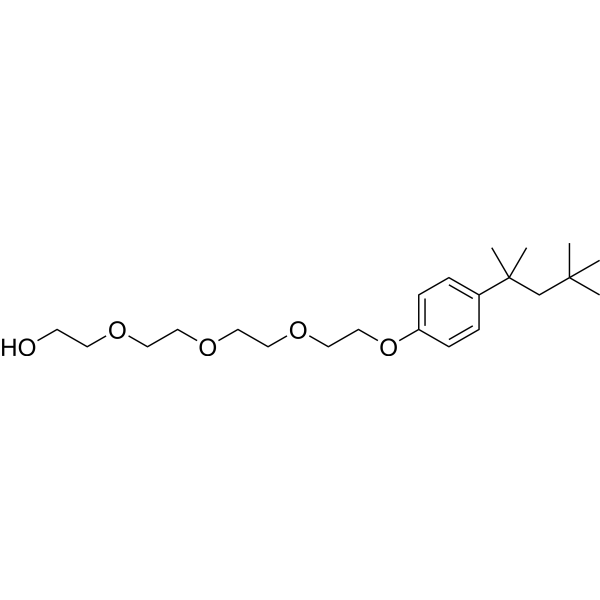
4-(2,4,4-Trimethylpentan-2-yl)benzene-PEG4-OH, a nonionic surfactant with a low hydrophile-lypophile balance (HLB) value and dispersible in aqueous solution at room temperature, has a Krafft point above the room temperature. 4-(2,4,4-Trimethylpentan-2-yl)benzene-PEG4-OH has the potential for the research of the hepatitis C virus (HCV) .
|
-
-
- HY-B1937R
-
|
Bio-Soft S 101 sodium (Standard)
|
Biochemical Assay Reagents
Reference Standards
|
Others
|
|
Sodium dodecylbenzenesulfonate (Standard) is the analytical standard of Sodium dodecylbenzenesulfonate. This product is intended for research and analytical applications. Sodium dodecylbenzenesulfonate (Bio-Soft S 101 sodium) is a nonionic surfactant commonly used in a variety of applications for cleaning and treating industrial equipment. It has good cleaning power and environmental compatibility, and can effectively remove oil, dirt and other forms of contamination. In addition, in textile, paper, leather and other industries, the compound can also be used for fixing and stabilizing dyes and colors. Although the compound has no direct application in the medical field, it plays an important role in industry and laboratory research.
|
-

-
- HY-W250178
-
|
|
Biochemical Assay Reagents
|
Others
|
|
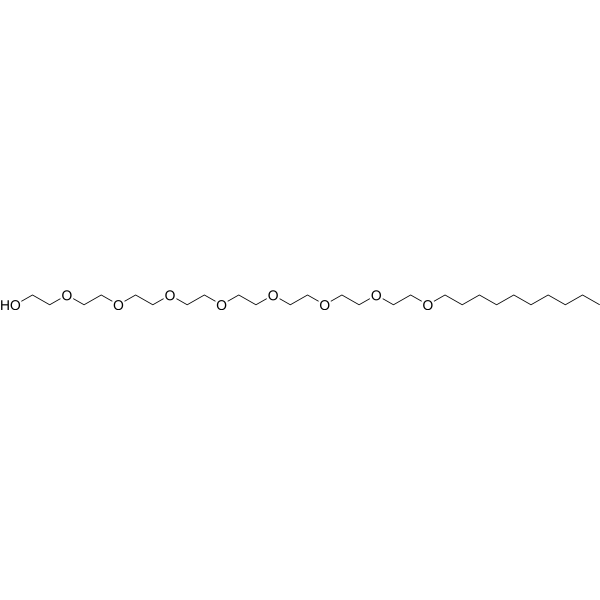
Octaethylene glycol monodecyl ether, is a nonionic surfactant commonly used in various industrial and research applications. It belongs to the family of polyethylene glycol (PEG) ethers with a hydrophilic head and lipophilic tail and is suitable for use in lotions, detergents and solubilizers. Octaethylene glycol monodecyl ether is particularly useful in the study of membrane proteins, where it is used to solubilize and stabilize proteins for structural analysis techniques. In addition, Octaethylene glycol monodecyl ether has the ability to interact with and penetrate cell membranes, so it has potential applications in drug delivery and other medical fields.
|
-
-
- HY-W250179
-
|
Polyoxyethylene (6) cetyl ether
|
Biochemical Assay Reagents
|
Others
|
|
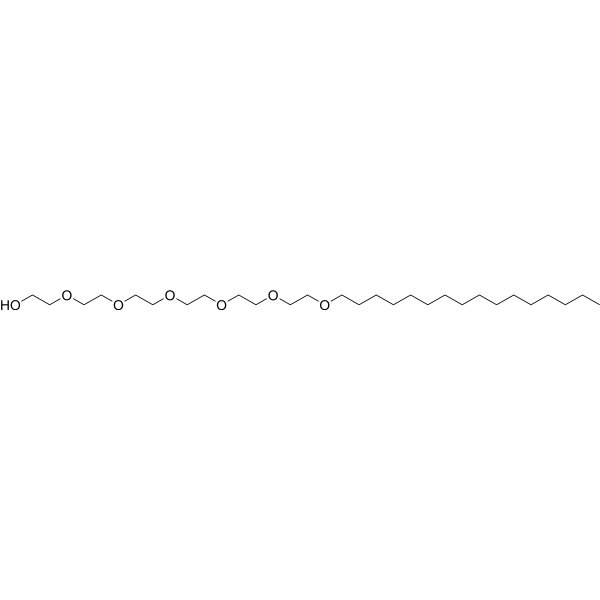
Hexaethylene glycol monohexadecyl ether, is a nonionic surfactant belonging to the polyethylene glycol (PEG) ether family. It has a hydrophilic head and a lipophilic tail, which makes it suitable for a wide range of applications. Specifically, Hexaethylene glycol monohexadecyl ether is commonly used in membrane protein research, for solubilization and stabilization of proteins, and for structural analysis techniques such as X-ray crystallography and electron microscopy. Additionally, Hexaethylene glycol monohexadecyl ether is used in a variety of other industrial and research applications, including drug delivery systems, nanotechnology, and diagnostic analysis. Its unique properties make it ideal for facilitating interactions between molecules with different physicochemical properties.
|
-
-
- HY-N18642
-
|
|
Bacterial
|
Infection
Inflammation/Immunology
|
|
Soapnut extract is a natural nonionic surfactant that can be used as a skin conditioning agent. It possesses strong detergency, antibacterial, non-polluting, and skin-softening properties. Soapnut extract also exhibits anti-inflammatory, antioxidant, free radical scavenging, and anticoagulant effects.
|
-

-
- HY-108294R
-
|
Nonaoxyethylene monododecyl ether (Standard)
|
Biochemical Assay Reagents
Reference Standards
|
Others
|
|
Nonaethylene glycol monododecyl ether (Standard) is the analytical standard of Nonaethylene glycol monododecyl ether (HY-108294). This product is intended for research and analytical applications. Nonaethylene glycol monododecyl ether (Nonaoxyethylene monododecyl ether) is a nonionic surfactant and polyethylene glycol (PEG) detergent that can be used to form initial coalesced O/W emulsion droplets, as well as for protein separation and purification .
|
-

| Cat. No. |
Product Name |
Type |
-
- HY-Y1890
-
|
Polyoxyethylene(40) Castor Oil; PEG-40 Castor Oil
|
Biochemical Assay Reagents
|
|
Cremophor EL-40, a polyoxyethylene castor oil derivative, is a nonionic surfactant. Cremophor EL-40 is widely employed to improve dissolution and delivery of agents .
|
-
- HY-D1005
-
|
PEG-PPG-PEG, 12600 (Average Mn)
|
Biochemical Assay Reagents
|
|
Poloxamer 407 (F127) is a nonionic surfactant that is 100% active and relatively non-toxic to cells at low concentrations, and frequently used with dye AM esters such as Indo-1 AM, Fura-2 AM, Calcein AM, Fluo-3 AM, Fluo-4 AM, Quest Fluo-8 AM and Quest Rhod-4 AM, etc. to improve their water solubility. Poloxamer 407 is also a lipoprotein lipase inhibitor .
|
-
- HY-141415
-
-
- HY-Y0873L
-
|
Polyethylene glycol 800
|
Biochemical Assay Reagents
|
|
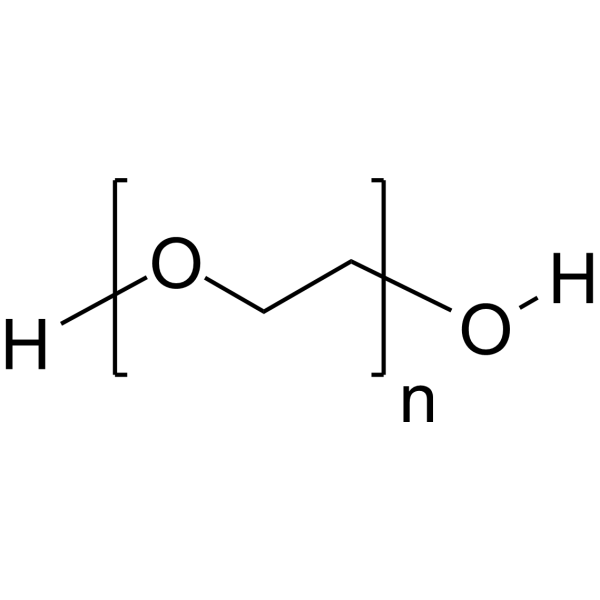
PEG800 (Polyethylene glycol 800) is a nonionic surfactant that is soluble in water and many polar solvents .
|
-
- HY-Y1883
-
|
|
Biochemical Assay Reagents
|
|
Polyethylene glycol mono(4-tert-octylphenyl) ether surfactant is a non-denaturing detergent that solubilizes lipid membranes. Polyethylene glycol mono(4-tert-octylphenyl) ether surfactant is commonly used in laboratories and is applied to vaccines at different stages of the manufacturing process. Polyethylene glycol mono(4-tert-octylphenyl) ether surfactant is listed as an excipient in certain vaccines including split virus influenza vaccines. Polyethylene glycol mono(4-tert-octylphenyl) ether surfactant is a nonionic surfactant. Polyethylene glycol mono(4-tert-octylphenyl) ether surfactant induces Apoptosis in prostate and colon cancer cell lines and reduces the infectivity of classic enveloped viruses such as WNV .
|
-
- HY-W250168
-
|
Polyethylene glycol oleyl ether, average Mn~709; Polyethylene glycol monooleyl ether, n~10
|
Biochemical Assay Reagents
|
|
Polyoxyethylene(10) oleyl ether, also known as POE(10) monooleate, is a nonionic surfactant consisting of a polyethylene glycol chain with 10 ethylene oxide units and an oleic acid residue. It has excellent emulsifying, wetting and dispersing properties, making it suitable for a variety of applications including personal care products and pharmaceutical formulations. POE(10) monooleate is commonly used as a solubilizer to improve the solubility and bioavailability of poorly soluble drugs. Furthermore, it is biodegradable and has low toxicity, making it an environmentally friendly ingredient suitable for various industrial applications.
|
-
- HY-B2106D
-
|
Decaethylene glycol monododecyl ether (C12E10); Polidocanol (10)
|
Biochemical Assay Reagents
|
|
Polyoxyethylene (10) lauryl ether is a nonionic surfactant.
Polyoxyethylene (10) lauryl ether exhibits unique properties in dissolving liposomes and exerts the minimal interference with endotoxin detection.
Polyoxyethylene (10) lauryl ether forms hybrid liposomes with Dimyristoylphosphatidylcholine (DMPC) (HY-109541), which can inhibit the proliferation of human promyelocytic leukemia cells without the administration of any drugs .
|
-
- HY-144007
-
|
|
Biochemical Assay Reagents
|
|
Chol-PEG is a nonionic surfactant vesicles and can be used for a blood-persistent drug delivery system .
|
-
- HY-15435A
-
|
|
Biochemical Assay Reagents
|
|
CHAPS hydrate is a cholic acid-derived, sulfobetaine-type zwitterionic detergent and micelle-forming agent. CHAPS hydrate exhibits properties of weak cationic or nonionic surfactants in different solution systems, undergoes micellization, and forms small, loose hydrophilic aggregates that are temperature-dependent. CHAPS hydrate stabilizes mononucleosomes under different ionic strengths, reduces nucleosome sequence specificity, promotes sliding of histone cores along DNA, solubilizes Tamm‑Horsfall protein to reduce its interference with urinary exosome isolation, and maintains vesicle structure and the activity of related proteins at the same time. CHAPS hydrate is used to recover native folded fusion proteins, enhance the binding capacity of GST fusion proteins, and restore GST enzyme activity. However, CHAPS hydrate cannot refold proteins denatured by urea, guanidine hydrochloride or heat, nor can it construct the structure of intrinsically disordered proteins. CHAPS hydrate is commonly used in research on the separation and purification of membrane proteins .
|
-
- HY-B1937
-
|
Bio-Soft S 101 sodium
|
Biochemical Assay Reagents
|
|
Sodium dodecylbenzenesulfonate (Bio-Soft S 101 sodium) is a nonionic surfactant commonly used in a variety of applications for cleaning and treating industrial equipment. It has good cleaning power and environmental compatibility, and can effectively remove oil, dirt and other forms of contamination. In addition, in textile, paper, leather and other industries, the compound can also be used for fixing and stabilizing dyes and colors. Although the compound has no direct application in the medical field, it plays an important role in industry and laboratory research.
|
-
- HY-W250166
-
|
|
Biochemical Assay Reagents
|
|
Poly(ethylene glycol) (12) tridecyl ether is a nonionic surfactant belonging to the family of ethoxylated fatty alcohols. It is commonly used as an emulsifier, solubilizer, and wetting agent in a variety of industrial and personal care products. Poly(ethylene glycol)(12) tridecyl ether has various properties that make it suitable for these applications, including its low toxicity, high solubility in water and organic solvents, and ability to stabilize emulsions. In addition, it can be used as a raw material for the production of other surfactants and specialty chemicals.
|
-
- HY-W250195
-
|
|
Biochemical Assay Reagents
|
|
Hexaethylene glycol monotetradecyl ether is a kind of nonionic surfactant with hydrophilic head and lipophilic tail. It belongs to the class of polyethylene glycol (PEG) ethers and is widely used in different industrial and research applications. Due to its unique properties, Hexaethylene glycol monotetradecyl ether is commonly used in lotions, detergents and solubilizers. It is particularly useful in the study of membrane proteins and can be used to stabilize and solubilize proteins for use in structural analysis techniques. Due to its moisturizing and emulsifying properties, Hexaethylene glycol monotetradecyl ether is also used in personal care and cosmetics.
|
-
- HY-139415
-
|
|
Biochemical Assay Reagents
|
|
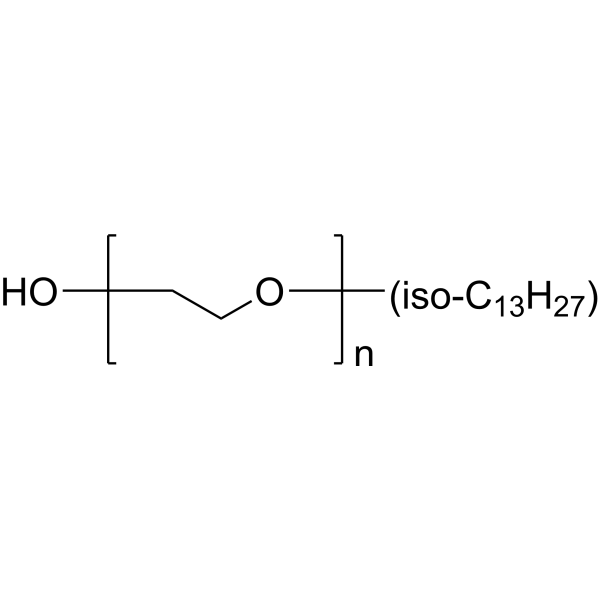
Polyethylene glycol monoisotridecyl ether is a nonionic surfactant widely used in cleaning, industrial, agricultural and other fields .
|
-
- HY-Y1890C
-
-
- HY-W127624
-
|
|
Biochemical Assay Reagents
|
|
Polyoxyethylene monocetyl ether (n=approx. 23) is a nonionic surfactant and can be used to manufacture hand sanitizer, laundry detergent, body wash, laundry powder, dish soap, metal cleaning agents and other products .
|
-
- HY-W250170
-
|
Octyldecyl glucoside
|
Biochemical Assay Reagents
|
|
Decyl glucoside is a mild nonionic surfactant. Decyl glucoside can be derived from renewable raw materials such as glucose and fatty alcohols from coconut oil or palm kernel oil. Decyl glucoside is known for its excellent foaming and cleaning properties.
|
-
- HY-W250172
-
|
|
Biochemical Assay Reagents
|
|
Polyethylene glycol tert-octylphenyl ether X-405 (70% in H2O) is a nonionic surfactant commonly used in a variety of industrial and research applications. Polyethylene glycol tert-octylphenyl ether X-405 (70% in H2O) belongs to the family of polyethylene glycol (PEG) ethers with a hydrophilic head and lipophilic tail and is suitable for use in emulsions, detergents and solubilizers. Polyethylene glycol tert-octylphenyl ether X-405 (70% in H2O) is particularly useful in the study of membrane proteins, where it is used to solubilize and stabilize proteins for structural analysis techniques. It is also used in a variety of other applications, including drug delivery systems, nanotechnology, and diagnostic analysis. Additionally, Polyethylene glycol tert-octylphenyl ether X-405 (70% in H2O) is used in the production of microemulsions, salves and lotions due to its emulsifying and solubilizing properties. However, it can be toxic if ingested or inhaled, so proper handling and safety precautions are required.
|
-
- HY-Y1890H
-
|
|
Biochemical Assay Reagents
|
|
Cremophor EL-90, a polyoxyethylene castor oil derivative, is a nonionic surfactant. Cremophor EL-90 has good emulsifying properties .
|
-
- HY-Y1890D
-
|
|
Biochemical Assay Reagents
|
|
Cremophor EL-60, a polyoxyethylene castor oil derivative, is a nonionic surfactant. Cremophor EL-60 has good emulsifying properties .
|
-
- HY-Y1890E
-
|
|
Biochemical Assay Reagents
|
|
Cremophor EL-80, a polyoxyethylene castor oil derivative, is a nonionic surfactant. Cremophor EL-80 has good emulsifying properties .
|
-
- HY-W250168D
-
|
Polyethylene glycol oleyl ether, average Mn~2469; Polyethylene glycol monooleyl ether, n~50
|
Biochemical Assay Reagents
|
|
Polyoxyethylene(50) oleyl ether (Polyethylene glycol oleyl ether, average Mn~2469; Polyethylene glycol monooleyl ether, n~50) is a nonionic surfactant .
|
-
- HY-W250168C
-
|
Polyethylene glycol oleyl ether, average Mn~577; Polyethylene glycol monooleyl ether, n~7
|
Biochemical Assay Reagents
|
|
Polyoxyethylene(7) oleyl ether (Polyethylene glycol oleyl ether, average Mn~577; Polyethylene glycol monooleyl ether, n~7) is a nonionic surfactant. Polyoxyethylene(7) oleyl ether can be used as cosmetic raw .
|
-
- HY-W127627
-
|
|
Biochemical Assay Reagents
|
|
Tween 85 is a nonionic surfactant belonging to the class of ethoxylated sorbitan esters. It is used as an emulsifier and solubilizer in various industries such as pharmaceutical, cosmetic and food. Because of its ability to blend oily and water-based ingredients, Tween 85 is often used in the formulation of creams, lotions and ointments. In addition, it is used as a dispersant for pigments in the production of paints and coatings.
|
-
- HY-W250176
-
|
|
Biochemical Assay Reagents
|
|
Polyethylene glycol trimethylnonyl ether, is a nonionic surfactant commonly used in various industrial and research applications. It belongs to the family of polyethylene glycol (PEG) ethers with a hydrophilic head and lipophilic tail and is suitable for use in lotions, detergents and solubilizers. Polyethylene glycol trimethylnonyl ether is particularly useful in protein chemistry, where it is used to solubilize and stabilize proteins, such as membrane proteins, for structural analysis techniques. In addition, Polyethylene glycol trimethylnonyl ether has potential applications in drug delivery and other medical fields due to its ability to interact with and penetrate cell membranes.
|
-
- HY-W250171
-
|
Polyoxyethylene (10) cetyl ether
|
Biochemical Assay Reagents
|
|
Octaethylene glycol monohexadecyl ether, is a nonionic surfactant commonly used in various industrial and research applications. Octaethylene glycol monohexadecyl ether belongs to the family of polyethylene glycol (PEG) ethers with a hydrophilic head and lipophilic tail, suitable for use in lotions, detergents and solubilizers. Octaethylene glycol monohexadecyl ether is particularly useful in the study of membrane proteins, where it is used to solubilize and stabilize proteins for structural analysis techniques. In addition, Octaethylene glycol monohexadecyl ether has the ability to interact with and penetrate cell membranes, so it has potential applications in drug delivery and other medical fields.
|
-
- HY-W762023A
-
-
- HY-W762023
-
-
- HY-W127628
-
|
|
Biochemical Assay Reagents
|
|
Decyl β-D-glucopyranoside is a nonionic surfactant commonly used in biochemical and molecular biology research. It can be used for the extraction, purification and structural analysis of cell membranes, and is widely used in the fields of proteomics and genetic engineering. In addition, this compound is also used as an auxiliary reagent and dehydrating agent in some biochemical experiments.
|
-
- HY-W250168B
-
|
Polyethylene glycol oleyl ether, average Mn~357; Polyethylene glycol monooleyl ether, n~2
|
Biochemical Assay Reagents
|
|
Polyoxyethylene(2) oleyl ether (Polyethylene glycol oleyl ether, average Mn~357; Polyethylene glycol monooleyl ether, n~2) is a nonionic surfactant. Polyoxyethylene(2) oleyl ether promoting the formation of spherical-shaped nanosystems with a narrow size distribution. Polyoxyethylene(2) oleyl ether can be used for the delivery of several active compounds .
|
-
- HY-B1937R
-
|
Bio-Soft S 101 sodium (Standard)
|
Biochemical Assay Reagents
|
|
Sodium dodecylbenzenesulfonate (Standard) is the analytical standard of Sodium dodecylbenzenesulfonate. This product is intended for research and analytical applications. Sodium dodecylbenzenesulfonate (Bio-Soft S 101 sodium) is a nonionic surfactant commonly used in a variety of applications for cleaning and treating industrial equipment. It has good cleaning power and environmental compatibility, and can effectively remove oil, dirt and other forms of contamination. In addition, in textile, paper, leather and other industries, the compound can also be used for fixing and stabilizing dyes and colors. Although the compound has no direct application in the medical field, it plays an important role in industry and laboratory research.
|
-
- HY-W250178
-
|
|
Biochemical Assay Reagents
|
|
Octaethylene glycol monodecyl ether, is a nonionic surfactant commonly used in various industrial and research applications. It belongs to the family of polyethylene glycol (PEG) ethers with a hydrophilic head and lipophilic tail and is suitable for use in lotions, detergents and solubilizers. Octaethylene glycol monodecyl ether is particularly useful in the study of membrane proteins, where it is used to solubilize and stabilize proteins for structural analysis techniques. In addition, Octaethylene glycol monodecyl ether has the ability to interact with and penetrate cell membranes, so it has potential applications in drug delivery and other medical fields.
|
-
- HY-W250179
-
|
Polyoxyethylene (6) cetyl ether
|
Biochemical Assay Reagents
|
|
Hexaethylene glycol monohexadecyl ether, is a nonionic surfactant belonging to the polyethylene glycol (PEG) ether family. It has a hydrophilic head and a lipophilic tail, which makes it suitable for a wide range of applications. Specifically, Hexaethylene glycol monohexadecyl ether is commonly used in membrane protein research, for solubilization and stabilization of proteins, and for structural analysis techniques such as X-ray crystallography and electron microscopy. Additionally, Hexaethylene glycol monohexadecyl ether is used in a variety of other industrial and research applications, including drug delivery systems, nanotechnology, and diagnostic analysis. Its unique properties make it ideal for facilitating interactions between molecules with different physicochemical properties.
|
| Cat. No. |
Product Name |
Target |
Research Area |
-
- HY-W250166
-
|
|
Environmental Pollutants
Biochemical Assay Reagents
|
Others
|
|
Poly(ethylene glycol) (12) tridecyl ether is a nonionic surfactant belonging to the family of ethoxylated fatty alcohols. It is commonly used as an emulsifier, solubilizer, and wetting agent in a variety of industrial and personal care products. Poly(ethylene glycol)(12) tridecyl ether has various properties that make it suitable for these applications, including its low toxicity, high solubility in water and organic solvents, and ability to stabilize emulsions. In addition, it can be used as a raw material for the production of other surfactants and specialty chemicals.
|
| Cat. No. |
Product Name |
Category |
Target |
Chemical Structure |
-
- HY-N18642
-
|
|
Structural Classification
Extract
|
Bacterial
|
|
Soapnut extract is a natural nonionic surfactant that can be used as a skin conditioning agent. It possesses strong detergency, antibacterial, non-polluting, and skin-softening properties. Soapnut extract also exhibits anti-inflammatory, antioxidant, free radical scavenging, and anticoagulant effects.
|
-
| Cat. No. |
Product Name |
|
Classification |
-
- HY-Y1890
-
|
Polyoxyethylene(40) Castor Oil; PEG-40 Castor Oil
|
|
Emulsifiers
Solubilizing Agents
Surfactants
|
|
Cremophor EL-40, a polyoxyethylene castor oil derivative, is a nonionic surfactant. Cremophor EL-40 is widely employed to improve dissolution and delivery of agents .
|
-
- HY-D1005
-
|
PEG-PPG-PEG, 12600 (Average Mn)
|
|
Emulsifiers
Solubilizing Agents
|
|
Poloxamer 407 (F127) is a nonionic surfactant that is 100% active and relatively non-toxic to cells at low concentrations, and frequently used with dye AM esters such as Indo-1 AM, Fura-2 AM, Calcein AM, Fluo-3 AM, Fluo-4 AM, Quest Fluo-8 AM and Quest Rhod-4 AM, etc. to improve their water solubility. Poloxamer 407 is also a lipoprotein lipase inhibitor .
|
-
- HY-141415
-
-
- HY-108294
-
|
Nonaoxyethylene monododecyl ether
|
|
Solvents
|
|
Nonaethylene glycol monododecyl ether (Nonaoxyethylene monododecyl ether) is a nonionic surfactant and polyethylene glycol (PEG) detergent that can be used to form initial coalesced O/W emulsion droplets, as well as for protein separation and purification .
|
-
- HY-144007
-
|
|
|
Cholesterol
|
|
Chol-PEG is a nonionic surfactant vesicles and can be used for a blood-persistent drug delivery system .
|
-
- HY-W129593
-
|
Sorbitan monostearate
|
|
Emulsifiers
Solubilizing Agents
Surfactants
Suspending Agents
|
|
Sorbitan monooctadecanoate (Sorbitan monostearate) is a hydrophobic nonionic surfactant. Sorbitan monooctadecanoate can serve as a pharmaceutical excipient, such as an emulsifier, nonionic surfactant, solubilizer, wetting agent, and dispersing/suspending agent .
|
-
- HY-101530B
-
|
PEG 40 stearate
|
|
Emulsifiers
Bases
Solubilizing Agents
|
|
Polyoxyl 40 stearate (PEG 40 stearate) is a nonionic surfactant formed by the esterification of stearic acid with polyethylene glycol (PEG) containing approximately 40 ethoxy units, it is widely used in pharmaceutical preparations, nanodrug carriers, emulsification systems and biomedical materials. Polyoxyl 40 stearate can serve as a matrix component of solid lipid nanoparticles to achieve controlled release of encapsulated antifungal drugs; it can also act as a base material for solid lipid nanoparticles for vaginal administration, and polymerizable groups can be introduced via modification with acryloyl chloride .
|
Your information is safe with us. * Required Fields.
Inquiry Information
- Product Name:
- Cat. No.:
- Quantity:
- MCE Japan Authorized Agent:








