Search Result
Results for "
somatostatin agonist
" in MedChemExpress (MCE) Product Catalog:
4
Biochemical Assay Reagents
4
Isotope-Labeled Compounds
| Cat. No. |
Product Name |
Target |
Research Areas |
Chemical Structure |
-
- HY-P0036
-
Octreotide
Maximum Cited Publications
16 Publications Verification
SMS 201-995
|
Somatostatin Receptor
Apoptosis
|
Cardiovascular Disease
Inflammation/Immunology
Endocrinology
Cancer
|
|
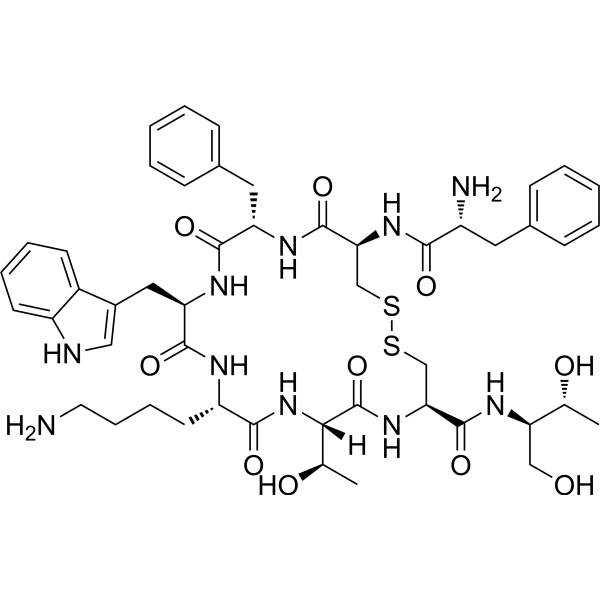
Octreotide (SMS 201-995) is a somatostatin receptor agonist and synthetic octapeptide endogenous somatostatin analogue. Octreotide (SMS 201-995) can bind to the somatostatin receptor and mainly subtypes 2, 3, and 5, increases Gi activity, and reduces intracellular cAMP production. Octreotide (SMS 201-995) has antitumor activity, mediates apoptosis and may also be used in disease studies in acromegaly .
|
-
-
- HY-111615A
-
|
|
Somatostatin Receptor
|
Neurological Disease
Inflammation/Immunology
|
|
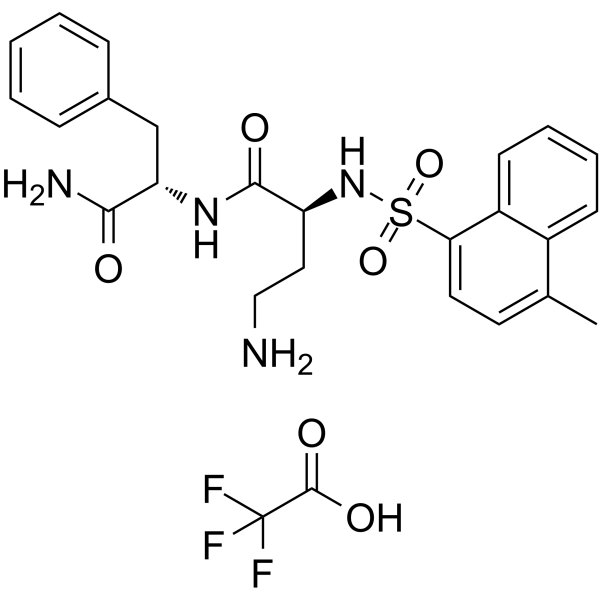
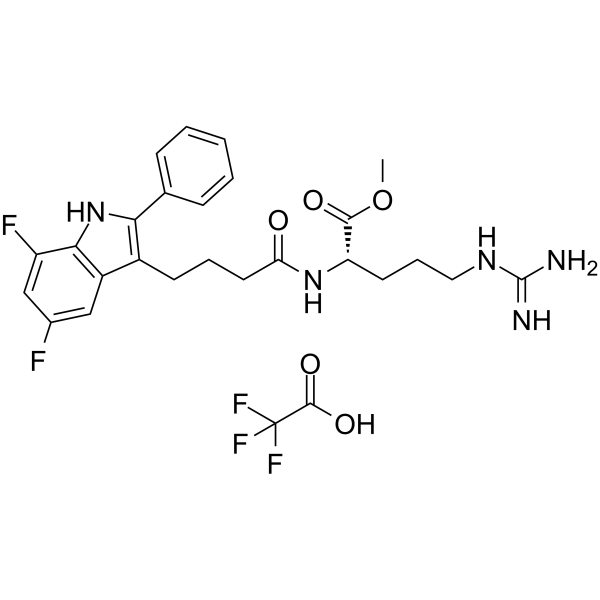
J-2156 TFA is a high potent, selective somatostatin receptor type 4 (SST4 receptor) agonist with IC50s of 0.05 nM and 0.07 nM for human and rat SST4 receptors, respectively. J-2156 TFA has anti-inflammatory activity and it is used for the relief of mechanical allodynia and mechanical hyperalgesia in the ipsilateral hindpaws in rats .
|
-
-
- HY-16381
-
|
SOM230
|
Somatostatin Receptor
|
Endocrinology
Cancer
|
|
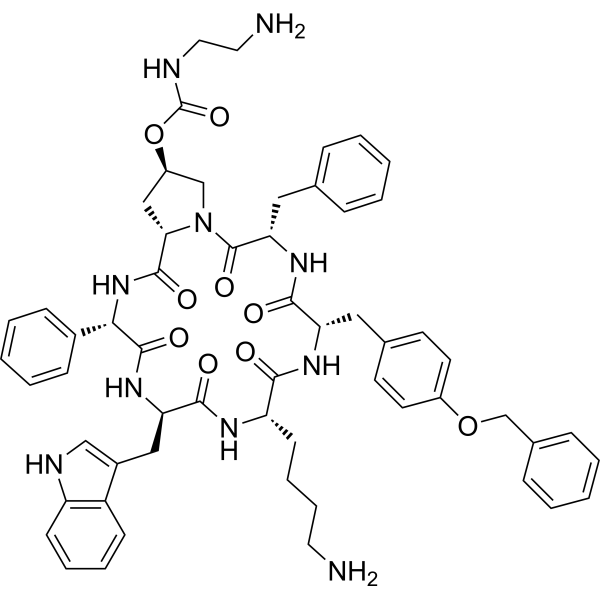
Pasireotide (SOM230), a long-acting cyclohexapeptide somatostatin analogue, can improve agonist activity at somatostatin receptors (subtypes sst1/2/3/4/5, pKi=8.2/9.0/9.1/<7.0/9.9, respectively). Pasireotide can suppress GH, IGF-I and ACTH secretion, indicating potential efficacy in acromegaly and Cushing's disease. Pasireotide also exhibits antisecretory, antiproliferative, and proapoptotic activity .
|
-
-
- HY-16381A
-
|
SOM230 acetate
|
Somatostatin Receptor
|
Endocrinology
Cancer
|
|
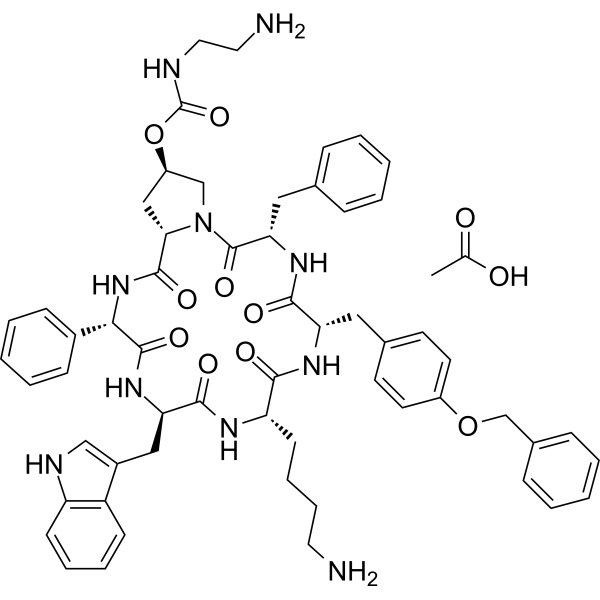
Pasireotide (SOM230) acetate, a long-acting cyclohexapeptide somatostatin analogue, can improve agonist activity at somatostatin receptors (subtypes sst1/2/3/4/5, pKi=8.2/9.0/9.1/<7.0/9.9, respectively). Pasireotide acetate can suppress GH, IGF-I and ACTH secretion, indicating potential efficacy in acromegaly and Cushing's disease. Pasireotide acetate also exhibits antisecretory, antiproliferative, and proapoptotic activity .
|
-
-
- HY-139347
-
|
LY3556050; CNTX-0290
|
Somatostatin Receptor
|
Neurological Disease
|
|
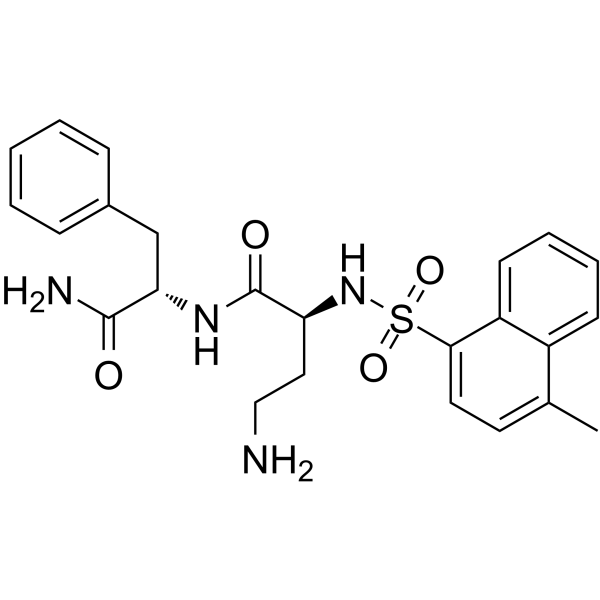
Mazisotine (CNTX-0290) is an orally active, non-opioid somatostatin receptor 4 (SSTR4) agonist with an EC50 of 4.7 nM. Mazisotine exerts significant analgesic effects in various nociceptive (inflammatory, osteoarthritic) and neuropathic pain models. Mazisotine can be used for pain research .
|
-

-
- HY-111615
-
|
|
Somatostatin Receptor
|
Neurological Disease
|
|
J-2156 is a high potent, selective somatostatin receptor type 4 (SST4 receptor) agonist with IC50s of 0.05 nM and 0.07 nM for human and rat SST4 receptors, respectively. J-2156 is used for the relief of mechanical allodynia and mechanical hyperalgesia in the ipsilateral hindpaws in rats .
|
-
-
- HY-P5362
-
|
|
Radionuclide-Drug Conjugates (RDCs)
Somatostatin Receptor
|
Neurological Disease
Cancer
|
|
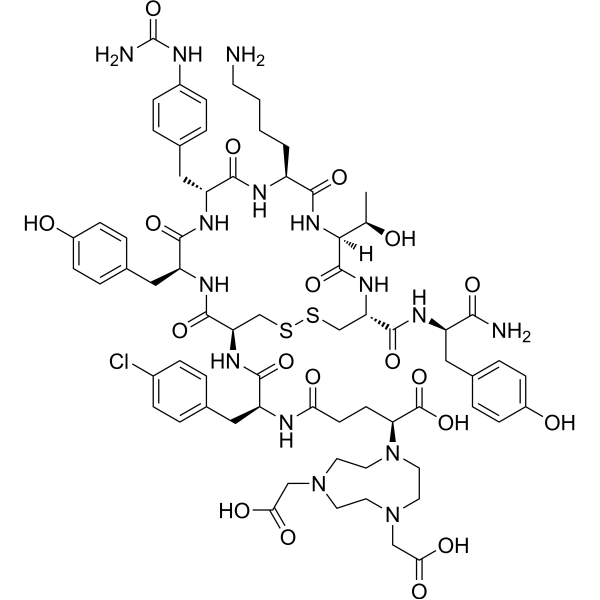
NODAGA-LM3 is a ligand that can cross the blood-brain barrier and targets somatostatin receptor SSTR2 with high affinity (IC50 = 1.3 nM). NODAGA-LM3 does not trigger the internalization of SSTR2 and can inhibit agonist-induced internalization processes. NODAGA-LM3 shows low uptake in normal tissues such as the liver and spleen, but high uptake in the lungs and blood pool. 68Ga-labeled NODAGA-LM3 can serve as a PET imaging agent for well-differentiated neuroendocrine tumors, and is applied in studies related to small cell lung cancer and well-differentiated neuroendocrine tumors .
|
-
-
- HY-108497
-
|
|
Somatostatin Receptor
|
Neurological Disease
Cancer
|
|
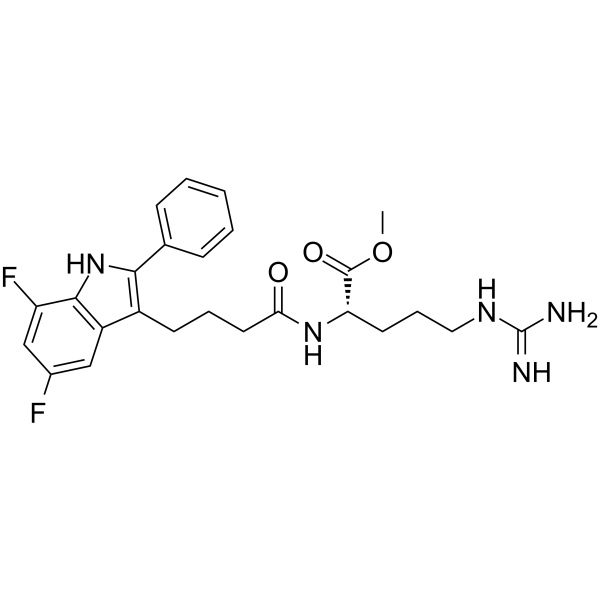
L-803087 is a potent and selective somatostatin sst4 receptor agonist with a Ki of 0.7 nM. L-803087 is >280-fold higher than other somatostatin receptors. L-803087 facilitates AMPA-mediated hippocampal synaptic responses in vitro and increases kainate-induced seizures in mice .
|
-
-
- HY-P1206
-
CH 275
1 Publications Verification
|
Somatostatin Receptor
|
Neurological Disease
|
|
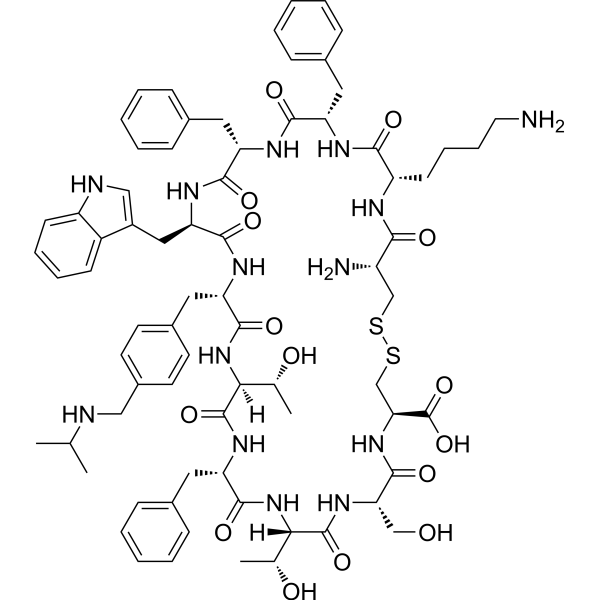
CH 275 is a peptide analog of somatostatin and binds preferably to somatostatin receptor 1 (sst1) with a Ki of 52 nM . CH 275 acts as a potent and selective sst1 agonist (IC50=30.9 nM) and also displays IC50 values of 345 nM, >1 μM, >10 μM, >10 μM for human sst3, sst4, sst2 and sst5, respectively . CH 275 can be used for the research of alzheimer’s disease .
|
-
-
- HY-P10137
-
-
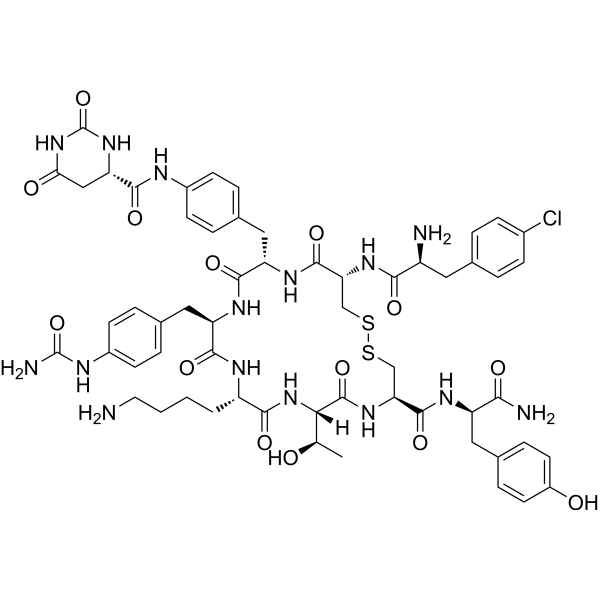
-
- HY-79135
-
|
SOM230 ditrifluoroacetate; Pasireotide TFA salt
|
Somatostatin Receptor
|
Endocrinology
Cancer
|
|
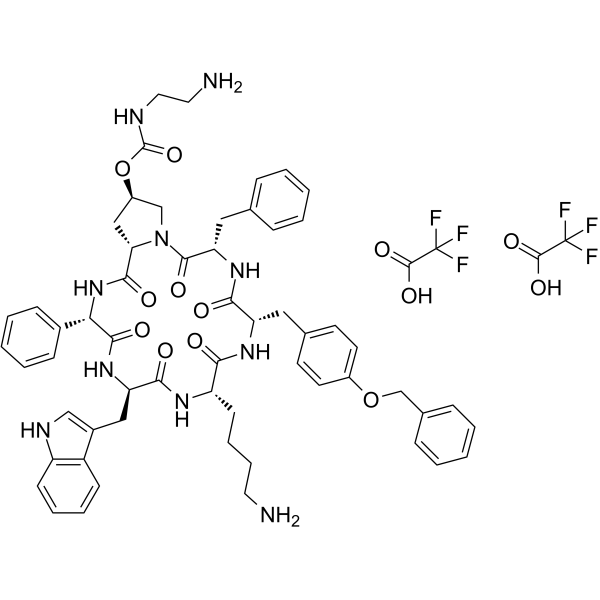
Pasireotide (SOM230) ditrifluoroacetate, a long-acting cyclohexapeptide somatostatin analogue, can improve agonist activity at somatostatin receptors (subtypes sst1/2/3/4/5, pKi=8.2/9.0/9.1/<7.0/9.9, respectively). Pasireotide ditrifluoroacetate exhibits antisecretory, antiproliferative, and proapoptotic activity .
|
-
-
- HY-79136
-
|
SOM230 L-aspartate
|
Somatostatin Receptor
|
Endocrinology
Cancer
|
|
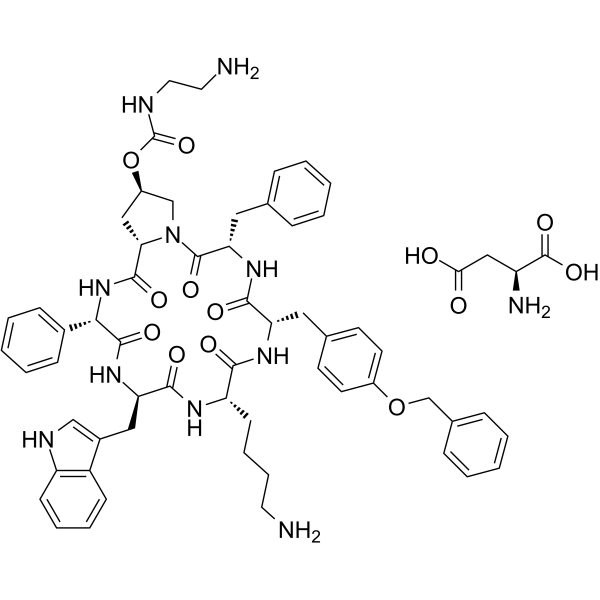
Pasireotide (SOM230) L-aspartate salt, a long-acting cyclohexapeptide somatostatin analogue, can improve agonist activity at somatostatin receptors (subtypes sst1/2/3/4/5, pKi=8.2/9.0/9.1/<7.0/9.9, respectively). Pasireotide L-aspartate salt exhibits antisecretory, antiproliferative, and proapoptotic activity .
|
-
-
- HY-105172
-
|
CAP-232; TLN-232
|
Somatostatin Receptor
|
Inflammation/Immunology
Cancer
|
|
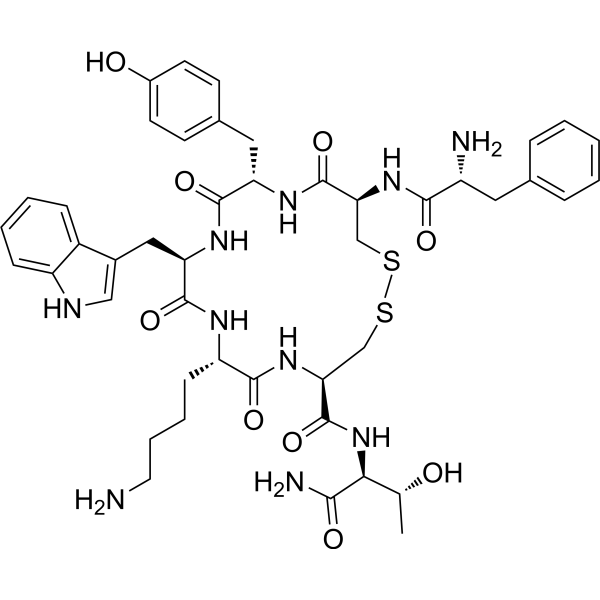
TT-232 (CAP-232), a somatostatin derivative, is a peptide SSTR1/SSTR4 agonist. TT-232 inhibits cancer cell proliferation and induces apoptosis. TT-232 is also a broad-spectrum anti-inflammatory and analgesic agent .
|
-
-
- HY-106103
-
|
MK-678; L-363586
|
Somatostatin Receptor
|
Cardiovascular Disease
Neurological Disease
Metabolic Disease
Inflammation/Immunology
|
|
Seglitide (MK-678) is an orally active, selective SSTR2 agonist and somatostatin analog. Seglitide also acts as a competitive Somatostatin receptor antagonist, with pA2 values of 6.50, 6.24 and 6.09 against SS14, SS25 and SS28, respectively. Seglitide produces only weak, transient inhibition of myocardial contractility in isolated right atria of guinea pigs. Seglitide inhibits glucagon secretion and reduces circulating insulin levels. Seglitide causes a sustained, reversible reduction in elevated systolic blood pressure in streptozotocin (HY-13753)-induced diabetic rats, but exerts no effect on spontaneously hypertensive rats. Seglitide induces membrane hyperpolarization and inhibits electrical excitability. Seglitide induces concentration-dependent contraction and significant desensitization in isolated distal colon of rats. Seglitide can be used in research related to hypertension complicated with insulin-dependent diabetes mellitus .
|
-

-
- HY-108498
-
|
|
Somatostatin Receptor
|
Endocrinology
|
|
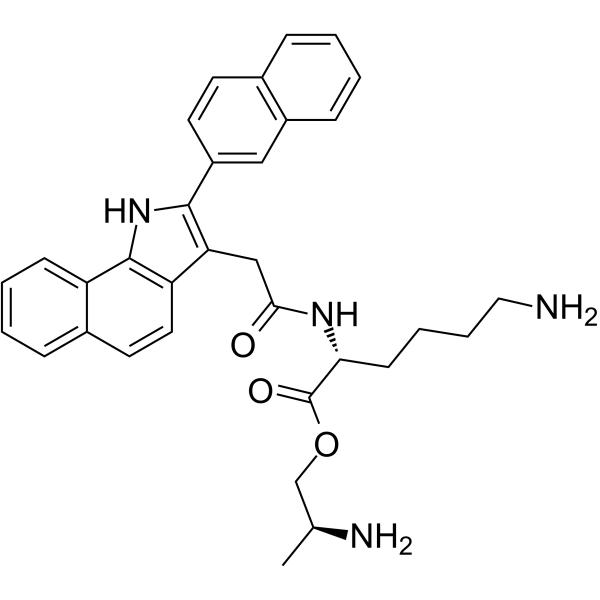
L-817818 is a potent and subtype-selective agonist of the somatostatin receptor. L-817818 provides a direct approach to defining somatostatin receptor physiological functions
|
-
-
- HY-142699
-
|
|
Somatostatin Receptor
|
Inflammation/Immunology
|
|
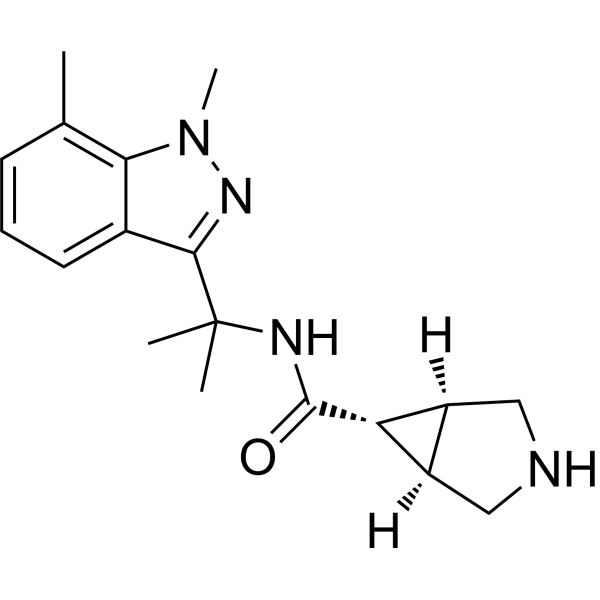
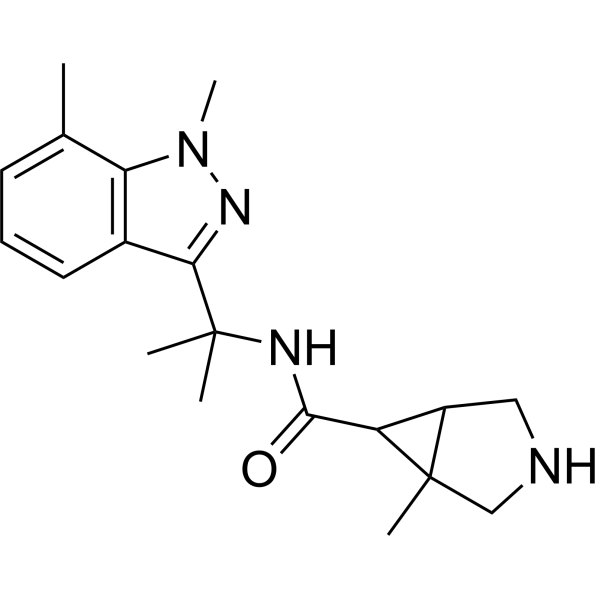
SSTR4 agonist 2 is a potent agonist of somatostatin receptor subtype 4 (SSTR4). SSTR4 pathway inhibits nociceptive and inflammatory processes. SSTR4 agonist 2 has the potential for the research of medical disorders related to SSTR4 (extracted from patent WO2014184275A1, compound 107) .
|
-
-
- HY-108499
-
-
-
- HY-P3124A
-
|
|
Somatostatin Receptor
|
Cancer
|
|
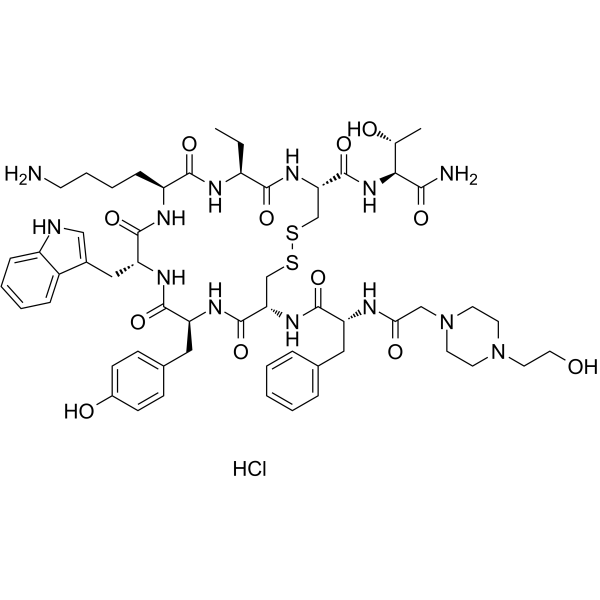
BIM-23190 hydrochloride, a somatostatin analog, a selective SSRT2 and SSRT5 agonist, exhibits Ki values of 0.34 nM and 11.1 nM for SSTR2 and SSTR5, respectively. BIM-23190 can be used in the study for cancer and acromegaly .
|
-
-
- HY-P0036A
-
|
SMS 201-995 dihydrochloride
|
Somatostatin Receptor
Apoptosis
|
Inflammation/Immunology
Endocrinology
Cancer
|
|
Octreotide (SMS 201-995) hydrochloride is a somatostatin receptor agonist and synthetic octapeptide endogenous somatostatin analogue. Octreotide hydrochloride can bind to the somatostatin receptors which are mainly subtypes 2, 3 and 5. Octreotide hydrochloride increases Gi activity and reduces intracellular cAMP production. Octreotide hydrochloride has antitumor activity, mediates apoptosis and may also be used in disease studies in acromegaly .
|
-

-
- HY-142701
-
|
|
Somatostatin Receptor
|
Neurological Disease
|
|
SSTR4 agonist 4 is a somatostatin receptor 4 (SSTR4) agonist. SSTR4 agonist 4 functionally activates SSTR4. SSTR4 agonist 4 has the potential for the research of pain .
|
-
-
- HY-106103A
-
|
MK 678 acetate; L 36358 acetate
|
Somatostatin Receptor
|
Cardiovascular Disease
Neurological Disease
Metabolic Disease
|
|
Seglitide acetate (MK 678; L 36358 acetate) is a potent, orally active somatostatin receptor 2 (SSTR2) agonist, and also a competitive antagonist of SSTR14, SSTR25, and SSTR28. Seglitide acetate has antihypertensive effects and can inhibit plasma glucagon and growth hormone. Seglitide acetate can be used for research on diabetes .
|
-

-
- HY-P1207
-
-

-
- HY-108768
-
|
SOM230 pamoate
|
Somatostatin Receptor
|
Endocrinology
Cancer
|
|
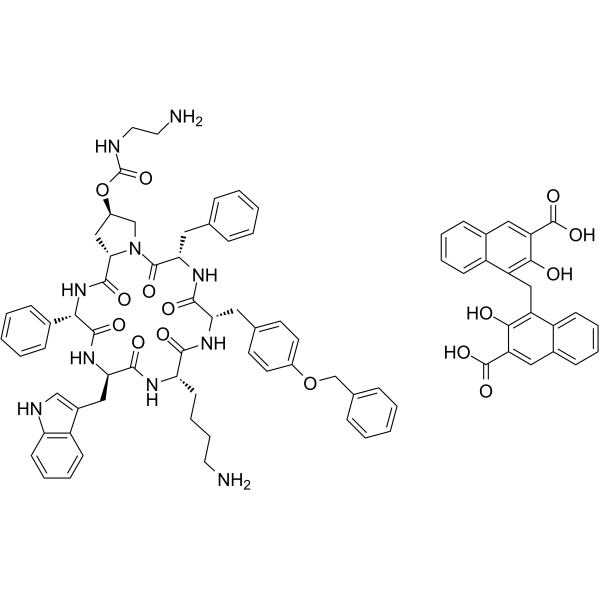
Pasireotide (SOM230) pamoate, a long-acting cyclohexapeptide somatostatin analogue, can improve agonist activity at somatostatin receptors (subtypes sst1/2/3/4/5, pKi=8.2/9.0/9.1/<7.0/9.9, respectively). Pasireotide pamoate exhibits antisecretory, antiproliferative, and proapoptotic activity .
|
-
-
- HY-P3294
-
-
-
- HY-P3124
-
|
|
Somatostatin Receptor
|
Cancer
|
|
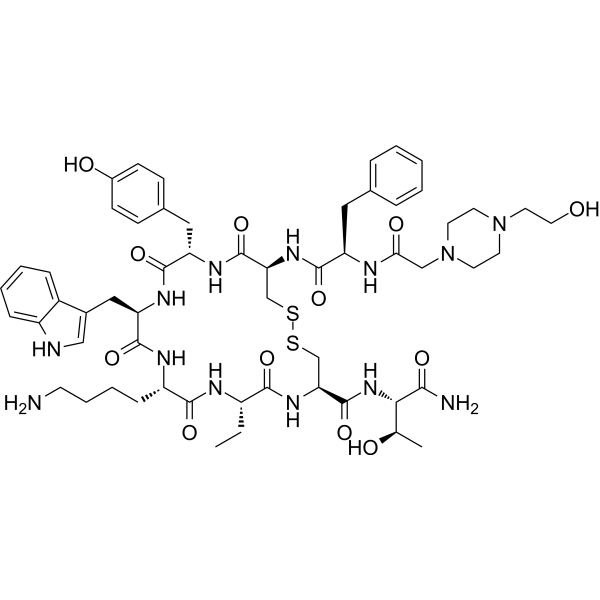
BIM-23190, a somatostatin analog, a selective SSTR2 and SSTR5 agonist, exhibits Ki values of 0.34 nM and 11.1 nM for SSTR2 and SSTR5, respectively. BIM-23190 can be used in the study for cancer and acromegaly .
|
-
-
- HY-P2090A
-
|
|
Somatostatin Receptor
Adenylate Cyclase
|
Cardiovascular Disease
|
|
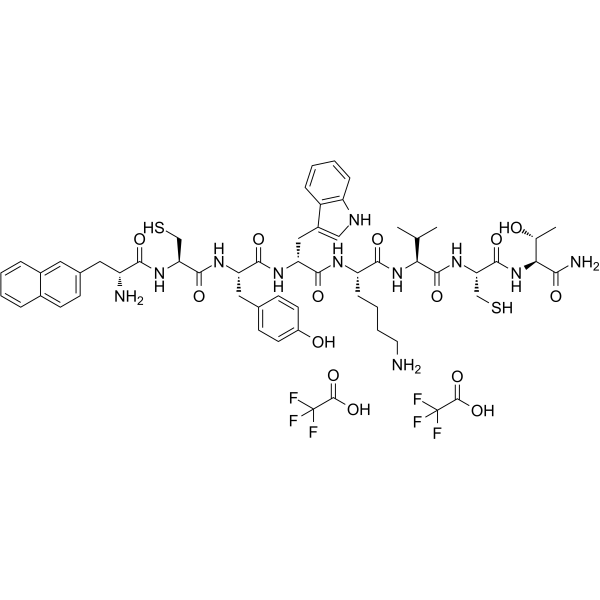
Angiopeptin TFA, a cyclic octapeptide analogue of somatostatin, is a weak sst2/sst5 receptor partial agonist with IC50 values of 0.26 nM and 6.92 nM, respectively. Angiopeptin TFA is a potent inhibitor of growth hormone release and insulin-like growth factor-1 (IGF-1) production. Angiopeptin TFA inhibits adenylate cyclase or stimulates extracellular acidification. Angiopeptin TFA has the potential for coronary atherosclerosis research .
|
-
-
- HY-P0036B
-
|
SMS 201-995 pamoate
|
Somatostatin Receptor
Apoptosis
|
Cardiovascular Disease
Inflammation/Immunology
Endocrinology
Cancer
|
|
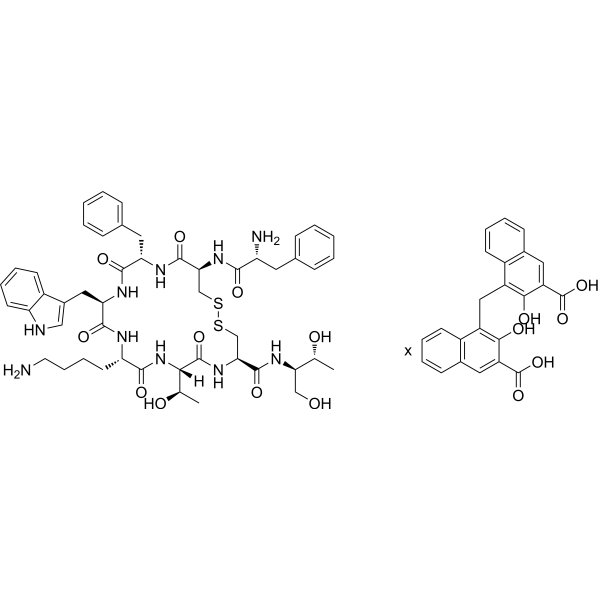
Octreotide (SMS 201-995) pamoate is a somatostatin receptor agonist and synthetic octapeptide endogenous somatostatin analogue. Octreotide pamoate can bind to the somatostatin receptors which are mainly subtypes 2, 3 and 5. Octreotide pamoate increases Gi activity and reduces intracellular cAMP production. Octreotide pamoate has antitumor activity, mediates apoptosis and may also be used in disease studies in acromegaly .
|
-
-
- HY-159825
-
-

-
- HY-172147
-
|
|
Somatostatin Receptor
|
Neurological Disease
|
|
SSTR4 agonist 5 (Compound 5) is the orally active agonist for somatostatin receptor 4 (SSTR4) with an EC50 of 0.228 nM. SSTR4 agonist 5 exhibits good stability in human/rat liver microsomes. SSTR4 agonist 5 inhibits mechanical hyperalgesia in rat models .
|
-

-
- HY-P0036S4
-
|
SMS 201-995-d8 acetate
|
Isotope-Labeled Compounds
|
Cardiovascular Disease
Inflammation/Immunology
Endocrinology
Cancer
|
|
Octreotide-d8 (acetate) (SMS 201-995-d8 (acetate)) is deuterium labeled Octreotide. Octreotide (SMS 201-995) is a somatostatin receptor agonist and synthetic octapeptide endogenous somatostatin analogue. Octreotide (SMS 201-995) can bind to the somatostatin receptor and mainly subtypes 2, 3, and 5, increases Gi activity, and reduces intracellular cAMP production. Octreotide (SMS 201-995) has antitumor activity, mediates apoptosis and may also be used in disease studies in acromegaly .
|
-

-
- HY-110161
-
|
|
Somatostatin Receptor
|
Cardiovascular Disease
Endocrinology
|
|
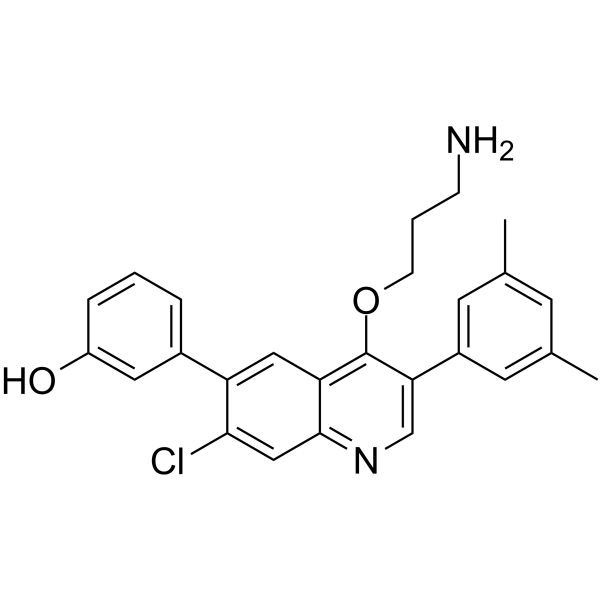
sst2 Receptor agonist-1 is a potent somatostatin receptor subtype 2 (sst2) agonist with a Ki value of 0.025 nM and a cAMP IC50 value of 4.8 nM. sst2 Receptor agonist-1 can inhibit rat growth hormone (GH) secretion and ocular neovascular lesion formation. Antiangiogenic effect .
|
-
-
- HY-16381B
-
|
SOM230 (diaspartate)
|
Somatostatin Receptor
|
Neurological Disease
Cancer
|
|
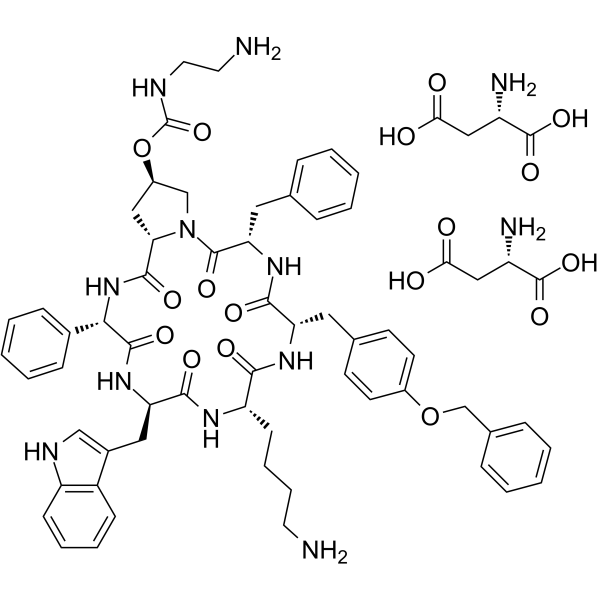
Pasireotide (SOM230) diaspartate, a long-acting cyclohexapeptide somatostatin analogue, can improve agonist activity at somatostatin receptors (subtypes sst1/2/3/4/5, pKi=8.2/9.0/9.1/<7.0/9.9, respectively). Pasireotide diaspartate exhibits antisecretory, antiproliferative, and proapoptotic activity .
|
-
-
- HY-164040
-
|
|
Somatostatin Receptor
|
Metabolic Disease
|
|
Zavolosotine (Compound 1) is an orally active agonist for somatostatin receptor type 5 (SST5) with EC50 <1 nM. Zavolosotine inhibits insulin and glucagon secretion, increases levels of glucagon in blood in rat model .
|
-

-
- HY-P3958
-
-
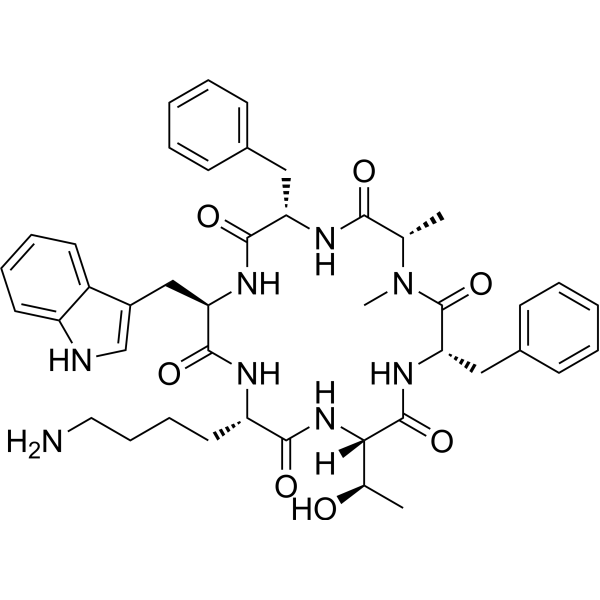
-
- HY-120287
-
|
|
Somatostatin Receptor
|
Endocrinology
|
|
L-054522 is an agonist for somatostatin receptor subtype 2 with Kd of 0.01 nM. L-054522 inhibits growth hormone release from rat primary pituitary cell (IC50=0.05 nM) and glucagon and insulin release from isolated mouse pancreatic islet cell (IC50=0.05 nM and 12 nM) .
|
-

-
- HY-108501
-
|
|
Somatostatin Receptor
|
Neurological Disease
|
|
(1R,1'S,3'R/1R,1'R,3'S)-L-054,264 is a selective non-peptide human somatostatin receptor subtype 2 (sst2) agonist. (1R,1'S,3'R/1R,1'R,3'S)-L-054,264 can be used in the study of retinal neuromodulation .
|
-
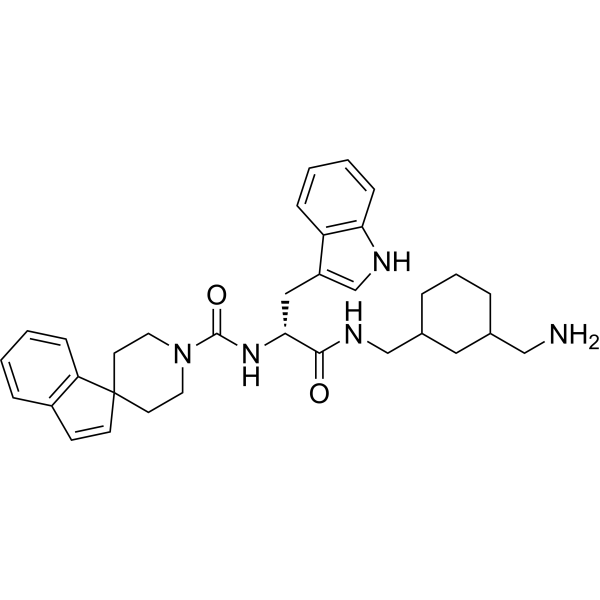
-
- HY-P5362A
-
|
|
Radionuclide-Drug Conjugates (RDCs)
Somatostatin Receptor
|
Cancer
|
|
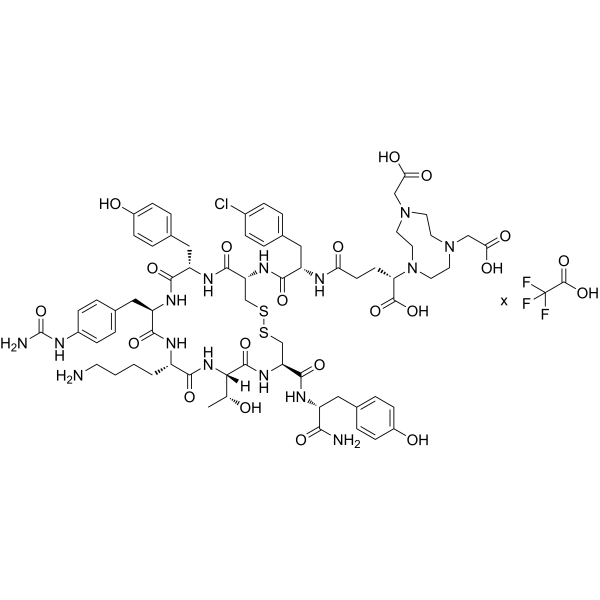
NODAGA-LM3 TFA is a ligand that can cross the blood-brain barrier and targets somatostatin receptor SSTR2 with high affinity (IC50 = 1.3 nM). NODAGA-LM3 TFA does not trigger the internalization of SSTR2 and can inhibit agonist-induced internalization processes. NODAGA-LM3 TFA shows low uptake in normal tissues such as the liver and spleen, but high uptake in the lungs and blood pool. 68Ga-labeled NODAGA-LM3 TFA can serve as a PET imaging agent for well-differentiated neuroendocrine tumors, and is applied in studies related to small cell lung cancer and well-differentiated neuroendocrine tumors .
|
-
-
- HY-P4957
-
|
|
Somatostatin Receptor
|
Others
|
|
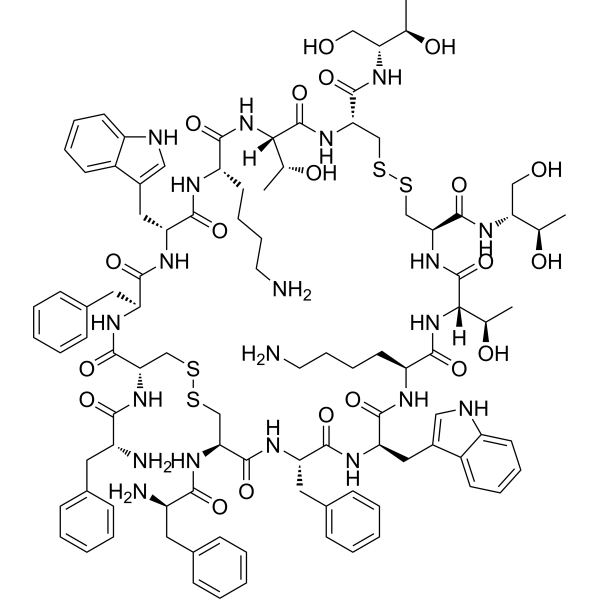
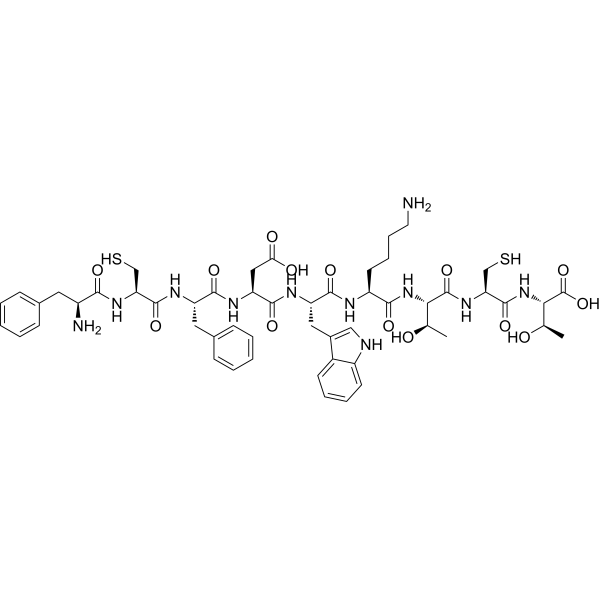
Octreotide dimer parallel is a dimer parallel of Octreotide. Octreotide (HY-P0036) is a somatostatin receptor agonist and synthetic octapeptide endogenous somatostatin analogue .
|
-
-
- HY-P4100
-
|
|
Somatostatin Receptor
|
Others
|
|
Cyclic SSTR agonist octreotide is a Octreotide (HY-P0036), serving as the cyclic Somatostatin Receptor SSTR agonist .
|
-
-
- HY-P4992
-
|
|
Somatostatin Receptor
|
Cancer
|
|
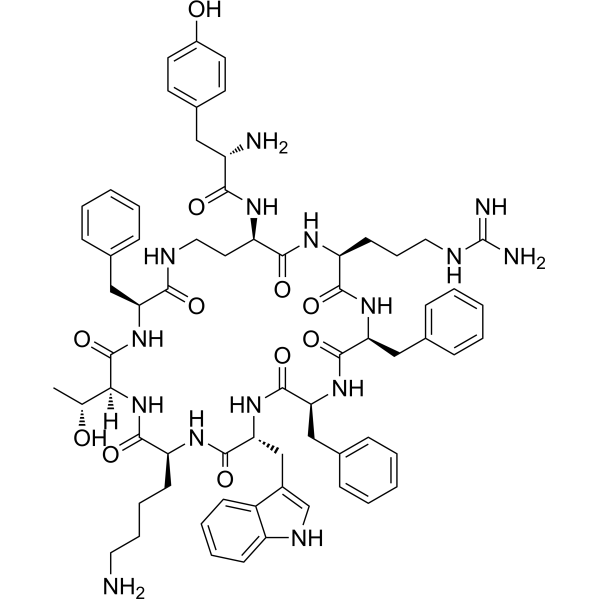
Tyr-(D-Dab4,Arg5,D-Trp8)-cyclo-Somatostatin-14 (4-11) is a somatostatin agonist that can be used in cancer research .
|
-
-
- HY-P0036S2
-
|
SMS 201-995-d8
|
Isotope-Labeled Compounds
Apoptosis
Somatostatin Receptor
|
Cardiovascular Disease
Inflammation/Immunology
Endocrinology
Cancer
|
|
Octreotide-d8 (SMS 201-995-d8) is deuterium labeled Octreotide. Octreotide (SMS 201-995) is a somatostatin receptor agonist and synthetic octapeptide endogenous somatostatin analogue. Octreotide (SMS 201-995) can bind to the somatostatin receptor and mainly subtypes 2, 3, and 5, increases Gi activity, and reduces intracellular cAMP production. Octreotide (SMS 201-995) has antitumor activity, mediates apoptosis and may also be used in disease studies in acromegaly .
|
-

-
- HY-108497A
-
|
|
Somatostatin Receptor
|
Neurological Disease
Cancer
|
|
L-803087 TFA is a potent and selective somatostatin sst4 receptor agonist with a Ki of 0.7 nM. L-803087 TFA is >280-fold more selective for sst4 receptor than other somatostatin receptors. L-803087 TFA facilitates AMPA-mediated hippocampal synaptic responses in vitro and increases kainate-induced seizures in mice .
|
-
-
- HY-P0036S3
-
|
SMS 201-995-13C9,15N
|
Isotope-Labeled Compounds
|
Cardiovascular Disease
Inflammation/Immunology
Endocrinology
Cancer
|
|
Octreotide- 13C9, 15N (SMS 201-995- 13C9, 15N) is 13C and 15N labeled Octreotide. Octreotide (SMS 201-995) is a somatostatin receptor agonist and synthetic octapeptide endogenous somatostatin analogue. Octreotide (SMS 201-995) can bind to the somatostatin receptor and mainly subtypes 2, 3, and 5, increases Gi activity, and reduces intracellular cAMP production. Octreotide (SMS 201-995) has antitumor activity, mediates apoptosis and may also be used in disease studies in acromegaly .
|
-

-
- HY-P1384
-
|
|
Somatostatin Receptor
|
Neurological Disease
|
|
L803 is a selective Somatostatin Receptor Subtype 4 (SST4) agonist. L803 inhibits L-type calcium channel currents (ICa). L803 is promising for research of retinal ganglion cell (RGC) degenerative diseases (e.g., glaucoma) .
|
-

-
- HY-175053
-
|
SOM230 (aspartate) TFA
|
Somatostatin Receptor
Apoptosis
|
Metabolic Disease
|
|
Pasireotide (aspartate) TFA, a long-acting cyclohexapeptide somatostatin analogue, can improve agonist activity at somatostatin receptors (subtypes sst1/2/3/4/5, pKi=8.2/9.0/9.1/<7.0/9.9, respectively). Pasireotide (aspartate) TFA can suppress GH, IGF-I and ACTH secretion, indicating potential efficacy in acromegaly and Cushing's disease. Pasireotide (aspartate) TFA also exhibits antisecretory, antiproliferative, and proapoptotic activity .
|
-

-
- HY-139347A
-
|
LY3556050 tartrate; CNTX-0290 tartrate
|
Somatostatin Receptor
|
Neurological Disease
|
|
Mazisotine (CNTX-0290) tartrate is an orally active, non-opioid somatostatin receptor 4 (SSTR4) agonist with an EC50 of 4.7 nM. Mazisotine tartrate exerts significant analgesic effects in various nociceptive (inflammatory, osteoarthritic) and neuropathic pain models. Mazisotine tartrate can be used for pain research .
|
-

-
- HY-172280C
-
|
|
Liposome
|
Cancer
|
|
DSPE-PEG3400-Octreotide is a PEG compound which composed of DSPE and a Octreotide (HY-P0036). Octreotide is a somatostatin receptor agonist. Octreotide has antitumor activity, mediates apoptosis and may also be used in disease studies in acromegaly. DSPE-PEG3400-Octreotide can be used for drug delivery .
|
-

-
- HY-172280B
-
|
|
Liposome
|
Cancer
|
|
DSPE-PEG5000-Octreotide is a PEG compound which composed of DSPE and a Octreotide (HY-P0036). Octreotide is a somatostatin receptor agonist. Octreotide has antitumor activity, mediates apoptosis and may also be used in disease studies in acromegaly. DSPE-PEG5000-Octreotide can be used for drug delivery .
|
-

-
- HY-172280A
-
|
|
Liposome
|
Cancer
|
|
DSPE-PEG21000-Octreotide is a PEG compound which composed of DSPE and a Octreotide (HY-P0036). Octreotide is a somatostatin receptor agonist. Octreotide has antitumor activity, mediates apoptosis and may also be used in disease studies in acromegaly. DSPE-PEG2000-Octreotide can be used for drug delivery .
|
-

-
- HY-P2090
-
|
|
Somatostatin Receptor
Adenylate Cyclase
|
Cardiovascular Disease
|
|
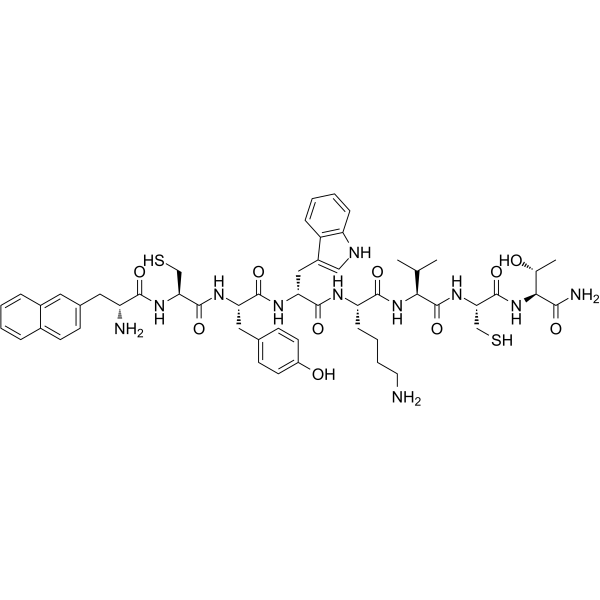
Angiopeptin, a cyclic octapeptide analogue of somatostatin, is a weak sst2/sst5 receptor partial agonist with IC50 values of 0.26 nM and 6.92 nM, respectively. Angiopeptin is a potent inhibitor of growth hormone release and insulin-like growth factor-1 (IGF-1) production. Angiopeptin inhibits adenylate cyclase or stimulates extracellular acidification. Angiopeptin has the potential for coronary atherosclerosis research .
|
-
- HY-P0036S
-
|
SMS 201-995-d8 TFA
|
Isotope-Labeled Compounds
Somatostatin Receptor
Apoptosis
|
Cardiovascular Disease
Metabolic Disease
Inflammation/Immunology
Cancer
|
|
Octreotide-d8 (SMS 201-995-d8) TFA is the deuterium labeled Octreotide TFA. Octreotide (SMS 201-995) is a somatostatin receptor agonist and synthetic octapeptide endogenous somatostatin analogue. Octreotide (SMS 201-995) can bind to the somatostatin receptor and mainly subtypes 2, 3, and 5, increases Gi activity, and reduces intracellular cAMP production. Octreotide (SMS 201-995) has antitumor activity, mediates apoptosis and may also be used in disease studies in acromegaly.
|
-

- HY-108497R
-
|
|
Reference Standards
Somatostatin Receptor
|
Neurological Disease
Cancer
|
|
L-803087 (Standard) is the analytical standard of L-803087 (HY-108497). This product is intended for research and analytical applications. L-803087 is a potent and selective somatostatin sst4 receptor agonist with a Ki of 0.7 nM. L-803087 is >280-fold higher than other somatostatin receptors. L-803087 facilitates AMPA-mediated hippocampal synaptic responses in vitro and increases kainate-induced seizures in mice .
|
-

- HY-172280
-
|
|
Liposome
|
Cancer
|
|
DSPE-PEG1000-Octreotide is a PEG compound which composed of DSPE and a Octreotide (HY-P0036). Octreotide is a somatostatin receptor agonist. Octreotide has antitumor activity, mediates apoptosis and may also be used in disease studies in acromegaly. DSPE-PEG1000-Octreotide can be used for drug delivery .
|
-

| Cat. No. |
Product Name |
Type |
-
- HY-172280C
-
|
|
Biochemical Assay Reagents
|
|
DSPE-PEG3400-Octreotide is a PEG compound which composed of DSPE and a Octreotide (HY-P0036). Octreotide is a somatostatin receptor agonist. Octreotide has antitumor activity, mediates apoptosis and may also be used in disease studies in acromegaly. DSPE-PEG3400-Octreotide can be used for drug delivery .
|
-
- HY-172280B
-
|
|
Biochemical Assay Reagents
|
|
DSPE-PEG5000-Octreotide is a PEG compound which composed of DSPE and a Octreotide (HY-P0036). Octreotide is a somatostatin receptor agonist. Octreotide has antitumor activity, mediates apoptosis and may also be used in disease studies in acromegaly. DSPE-PEG5000-Octreotide can be used for drug delivery .
|
-
- HY-172280A
-
|
|
Biochemical Assay Reagents
|
|
DSPE-PEG21000-Octreotide is a PEG compound which composed of DSPE and a Octreotide (HY-P0036). Octreotide is a somatostatin receptor agonist. Octreotide has antitumor activity, mediates apoptosis and may also be used in disease studies in acromegaly. DSPE-PEG2000-Octreotide can be used for drug delivery .
|
-
- HY-172280
-
|
|
Biochemical Assay Reagents
|
|
DSPE-PEG1000-Octreotide is a PEG compound which composed of DSPE and a Octreotide (HY-P0036). Octreotide is a somatostatin receptor agonist. Octreotide has antitumor activity, mediates apoptosis and may also be used in disease studies in acromegaly. DSPE-PEG1000-Octreotide can be used for drug delivery .
|
| Cat. No. |
Product Name |
Target |
Research Area |
-
- HY-P0036
-
Octreotide
Maximum Cited Publications
16 Publications Verification
SMS 201-995
|
Somatostatin Receptor
Apoptosis
|
Cardiovascular Disease
Inflammation/Immunology
Endocrinology
Cancer
|
|
Octreotide (SMS 201-995) is a somatostatin receptor agonist and synthetic octapeptide endogenous somatostatin analogue. Octreotide (SMS 201-995) can bind to the somatostatin receptor and mainly subtypes 2, 3, and 5, increases Gi activity, and reduces intracellular cAMP production. Octreotide (SMS 201-995) has antitumor activity, mediates apoptosis and may also be used in disease studies in acromegaly .
|
-
- HY-111615A
-
|
|
Somatostatin Receptor
|
Neurological Disease
Inflammation/Immunology
|
|
J-2156 TFA is a high potent, selective somatostatin receptor type 4 (SST4 receptor) agonist with IC50s of 0.05 nM and 0.07 nM for human and rat SST4 receptors, respectively. J-2156 TFA has anti-inflammatory activity and it is used for the relief of mechanical allodynia and mechanical hyperalgesia in the ipsilateral hindpaws in rats .
|
-
- HY-16381
-
|
SOM230
|
Somatostatin Receptor
|
Endocrinology
Cancer
|
|
Pasireotide (SOM230), a long-acting cyclohexapeptide somatostatin analogue, can improve agonist activity at somatostatin receptors (subtypes sst1/2/3/4/5, pKi=8.2/9.0/9.1/<7.0/9.9, respectively). Pasireotide can suppress GH, IGF-I and ACTH secretion, indicating potential efficacy in acromegaly and Cushing's disease. Pasireotide also exhibits antisecretory, antiproliferative, and proapoptotic activity .
|
-
- HY-16381A
-
|
SOM230 acetate
|
Somatostatin Receptor
|
Endocrinology
Cancer
|
|
Pasireotide (SOM230) acetate, a long-acting cyclohexapeptide somatostatin analogue, can improve agonist activity at somatostatin receptors (subtypes sst1/2/3/4/5, pKi=8.2/9.0/9.1/<7.0/9.9, respectively). Pasireotide acetate can suppress GH, IGF-I and ACTH secretion, indicating potential efficacy in acromegaly and Cushing's disease. Pasireotide acetate also exhibits antisecretory, antiproliferative, and proapoptotic activity .
|
-
- HY-111615
-
|
|
Somatostatin Receptor
|
Neurological Disease
|
|
J-2156 is a high potent, selective somatostatin receptor type 4 (SST4 receptor) agonist with IC50s of 0.05 nM and 0.07 nM for human and rat SST4 receptors, respectively. J-2156 is used for the relief of mechanical allodynia and mechanical hyperalgesia in the ipsilateral hindpaws in rats .
|
-
- HY-P5362
-
|
|
Radionuclide-Drug Conjugates (RDCs)
Somatostatin Receptor
|
Neurological Disease
Cancer
|
|
NODAGA-LM3 is a ligand that can cross the blood-brain barrier and targets somatostatin receptor SSTR2 with high affinity (IC50 = 1.3 nM). NODAGA-LM3 does not trigger the internalization of SSTR2 and can inhibit agonist-induced internalization processes. NODAGA-LM3 shows low uptake in normal tissues such as the liver and spleen, but high uptake in the lungs and blood pool. 68Ga-labeled NODAGA-LM3 can serve as a PET imaging agent for well-differentiated neuroendocrine tumors, and is applied in studies related to small cell lung cancer and well-differentiated neuroendocrine tumors .
|
-
- HY-P1206
-
CH 275
1 Publications Verification
|
Somatostatin Receptor
|
Neurological Disease
|
|
CH 275 is a peptide analog of somatostatin and binds preferably to somatostatin receptor 1 (sst1) with a Ki of 52 nM . CH 275 acts as a potent and selective sst1 agonist (IC50=30.9 nM) and also displays IC50 values of 345 nM, >1 μM, >10 μM, >10 μM for human sst3, sst4, sst2 and sst5, respectively . CH 275 can be used for the research of alzheimer’s disease .
|
-
- HY-P10137
-
-
- HY-79136
-
|
SOM230 L-aspartate
|
Somatostatin Receptor
|
Endocrinology
Cancer
|
|
Pasireotide (SOM230) L-aspartate salt, a long-acting cyclohexapeptide somatostatin analogue, can improve agonist activity at somatostatin receptors (subtypes sst1/2/3/4/5, pKi=8.2/9.0/9.1/<7.0/9.9, respectively). Pasireotide L-aspartate salt exhibits antisecretory, antiproliferative, and proapoptotic activity .
|
-
- HY-105172
-
|
CAP-232; TLN-232
|
Somatostatin Receptor
|
Inflammation/Immunology
Cancer
|
|
TT-232 (CAP-232), a somatostatin derivative, is a peptide SSTR1/SSTR4 agonist. TT-232 inhibits cancer cell proliferation and induces apoptosis. TT-232 is also a broad-spectrum anti-inflammatory and analgesic agent .
|
-
- HY-106103
-
|
MK-678; L-363586
|
Somatostatin Receptor
|
Cardiovascular Disease
Neurological Disease
Metabolic Disease
Inflammation/Immunology
|
|
Seglitide (MK-678) is an orally active, selective SSTR2 agonist and somatostatin analog. Seglitide also acts as a competitive Somatostatin receptor antagonist, with pA2 values of 6.50, 6.24 and 6.09 against SS14, SS25 and SS28, respectively. Seglitide produces only weak, transient inhibition of myocardial contractility in isolated right atria of guinea pigs. Seglitide inhibits glucagon secretion and reduces circulating insulin levels. Seglitide causes a sustained, reversible reduction in elevated systolic blood pressure in streptozotocin (HY-13753)-induced diabetic rats, but exerts no effect on spontaneously hypertensive rats. Seglitide induces membrane hyperpolarization and inhibits electrical excitability. Seglitide induces concentration-dependent contraction and significant desensitization in isolated distal colon of rats. Seglitide can be used in research related to hypertension complicated with insulin-dependent diabetes mellitus .
|
-
- HY-P3124A
-
|
|
Somatostatin Receptor
|
Cancer
|
|
BIM-23190 hydrochloride, a somatostatin analog, a selective SSRT2 and SSRT5 agonist, exhibits Ki values of 0.34 nM and 11.1 nM for SSTR2 and SSTR5, respectively. BIM-23190 can be used in the study for cancer and acromegaly .
|
-
- HY-P0036A
-
|
SMS 201-995 dihydrochloride
|
Somatostatin Receptor
Apoptosis
|
Inflammation/Immunology
Endocrinology
Cancer
|
|
Octreotide (SMS 201-995) hydrochloride is a somatostatin receptor agonist and synthetic octapeptide endogenous somatostatin analogue. Octreotide hydrochloride can bind to the somatostatin receptors which are mainly subtypes 2, 3 and 5. Octreotide hydrochloride increases Gi activity and reduces intracellular cAMP production. Octreotide hydrochloride has antitumor activity, mediates apoptosis and may also be used in disease studies in acromegaly .
|
-
- HY-106103A
-
|
MK 678 acetate; L 36358 acetate
|
Somatostatin Receptor
|
Cardiovascular Disease
Neurological Disease
Metabolic Disease
|
|
Seglitide acetate (MK 678; L 36358 acetate) is a potent, orally active somatostatin receptor 2 (SSTR2) agonist, and also a competitive antagonist of SSTR14, SSTR25, and SSTR28. Seglitide acetate has antihypertensive effects and can inhibit plasma glucagon and growth hormone. Seglitide acetate can be used for research on diabetes .
|
-
- HY-P1207
-
-
- HY-108768
-
|
SOM230 pamoate
|
Somatostatin Receptor
|
Endocrinology
Cancer
|
|
Pasireotide (SOM230) pamoate, a long-acting cyclohexapeptide somatostatin analogue, can improve agonist activity at somatostatin receptors (subtypes sst1/2/3/4/5, pKi=8.2/9.0/9.1/<7.0/9.9, respectively). Pasireotide pamoate exhibits antisecretory, antiproliferative, and proapoptotic activity .
|
-
- HY-P3294
-
-
- HY-P3124
-
|
|
Somatostatin Receptor
|
Cancer
|
|
BIM-23190, a somatostatin analog, a selective SSTR2 and SSTR5 agonist, exhibits Ki values of 0.34 nM and 11.1 nM for SSTR2 and SSTR5, respectively. BIM-23190 can be used in the study for cancer and acromegaly .
|
-
- HY-P2090A
-
|
|
Somatostatin Receptor
Adenylate Cyclase
|
Cardiovascular Disease
|
|
Angiopeptin TFA, a cyclic octapeptide analogue of somatostatin, is a weak sst2/sst5 receptor partial agonist with IC50 values of 0.26 nM and 6.92 nM, respectively. Angiopeptin TFA is a potent inhibitor of growth hormone release and insulin-like growth factor-1 (IGF-1) production. Angiopeptin TFA inhibits adenylate cyclase or stimulates extracellular acidification. Angiopeptin TFA has the potential for coronary atherosclerosis research .
|
-
- HY-P0036B
-
|
SMS 201-995 pamoate
|
Somatostatin Receptor
Apoptosis
|
Cardiovascular Disease
Inflammation/Immunology
Endocrinology
Cancer
|
|
Octreotide (SMS 201-995) pamoate is a somatostatin receptor agonist and synthetic octapeptide endogenous somatostatin analogue. Octreotide pamoate can bind to the somatostatin receptors which are mainly subtypes 2, 3 and 5. Octreotide pamoate increases Gi activity and reduces intracellular cAMP production. Octreotide pamoate has antitumor activity, mediates apoptosis and may also be used in disease studies in acromegaly .
|
-
- HY-P3958
-
-
- HY-P5362A
-
|
|
Radionuclide-Drug Conjugates (RDCs)
Somatostatin Receptor
|
Cancer
|
|
NODAGA-LM3 TFA is a ligand that can cross the blood-brain barrier and targets somatostatin receptor SSTR2 with high affinity (IC50 = 1.3 nM). NODAGA-LM3 TFA does not trigger the internalization of SSTR2 and can inhibit agonist-induced internalization processes. NODAGA-LM3 TFA shows low uptake in normal tissues such as the liver and spleen, but high uptake in the lungs and blood pool. 68Ga-labeled NODAGA-LM3 TFA can serve as a PET imaging agent for well-differentiated neuroendocrine tumors, and is applied in studies related to small cell lung cancer and well-differentiated neuroendocrine tumors .
|
-
- HY-P4957
-
|
|
Somatostatin Receptor
|
Others
|
|
Octreotide dimer parallel is a dimer parallel of Octreotide. Octreotide (HY-P0036) is a somatostatin receptor agonist and synthetic octapeptide endogenous somatostatin analogue .
|
-
- HY-P4100
-
|
|
Somatostatin Receptor
|
Others
|
|
Cyclic SSTR agonist octreotide is a Octreotide (HY-P0036), serving as the cyclic Somatostatin Receptor SSTR agonist .
|
-
- HY-P4992
-
|
|
Somatostatin Receptor
|
Cancer
|
|
Tyr-(D-Dab4,Arg5,D-Trp8)-cyclo-Somatostatin-14 (4-11) is a somatostatin agonist that can be used in cancer research .
|
-
- HY-P1384
-
|
|
Somatostatin Receptor
|
Neurological Disease
|
|
L803 is a selective Somatostatin Receptor Subtype 4 (SST4) agonist. L803 inhibits L-type calcium channel currents (ICa). L803 is promising for research of retinal ganglion cell (RGC) degenerative diseases (e.g., glaucoma) .
|
-
- HY-175053
-
|
SOM230 (aspartate) TFA
|
Somatostatin Receptor
Apoptosis
|
Metabolic Disease
|
|
Pasireotide (aspartate) TFA, a long-acting cyclohexapeptide somatostatin analogue, can improve agonist activity at somatostatin receptors (subtypes sst1/2/3/4/5, pKi=8.2/9.0/9.1/<7.0/9.9, respectively). Pasireotide (aspartate) TFA can suppress GH, IGF-I and ACTH secretion, indicating potential efficacy in acromegaly and Cushing's disease. Pasireotide (aspartate) TFA also exhibits antisecretory, antiproliferative, and proapoptotic activity .
|
-
- HY-P2090
-
|
|
Somatostatin Receptor
Adenylate Cyclase
|
Cardiovascular Disease
|
|
Angiopeptin, a cyclic octapeptide analogue of somatostatin, is a weak sst2/sst5 receptor partial agonist with IC50 values of 0.26 nM and 6.92 nM, respectively. Angiopeptin is a potent inhibitor of growth hormone release and insulin-like growth factor-1 (IGF-1) production. Angiopeptin inhibits adenylate cyclase or stimulates extracellular acidification. Angiopeptin has the potential for coronary atherosclerosis research .
|
| Cat. No. |
Product Name |
Chemical Structure |
-
- HY-P0036S4
-
|
|
|
Octreotide-d8 (acetate) (SMS 201-995-d8 (acetate)) is deuterium labeled Octreotide. Octreotide (SMS 201-995) is a somatostatin receptor agonist and synthetic octapeptide endogenous somatostatin analogue. Octreotide (SMS 201-995) can bind to the somatostatin receptor and mainly subtypes 2, 3, and 5, increases Gi activity, and reduces intracellular cAMP production. Octreotide (SMS 201-995) has antitumor activity, mediates apoptosis and may also be used in disease studies in acromegaly .
|
-
-
- HY-P0036S2
-
|
|
|
Octreotide-d8 (SMS 201-995-d8) is deuterium labeled Octreotide. Octreotide (SMS 201-995) is a somatostatin receptor agonist and synthetic octapeptide endogenous somatostatin analogue. Octreotide (SMS 201-995) can bind to the somatostatin receptor and mainly subtypes 2, 3, and 5, increases Gi activity, and reduces intracellular cAMP production. Octreotide (SMS 201-995) has antitumor activity, mediates apoptosis and may also be used in disease studies in acromegaly .
|
-
-
- HY-P0036S3
-
|
|
|
Octreotide- 13C9, 15N (SMS 201-995- 13C9, 15N) is 13C and 15N labeled Octreotide. Octreotide (SMS 201-995) is a somatostatin receptor agonist and synthetic octapeptide endogenous somatostatin analogue. Octreotide (SMS 201-995) can bind to the somatostatin receptor and mainly subtypes 2, 3, and 5, increases Gi activity, and reduces intracellular cAMP production. Octreotide (SMS 201-995) has antitumor activity, mediates apoptosis and may also be used in disease studies in acromegaly .
|
-
-
- HY-P0036S
-
|
|
|
Octreotide-d8 (SMS 201-995-d8) TFA is the deuterium labeled Octreotide TFA. Octreotide (SMS 201-995) is a somatostatin receptor agonist and synthetic octapeptide endogenous somatostatin analogue. Octreotide (SMS 201-995) can bind to the somatostatin receptor and mainly subtypes 2, 3, and 5, increases Gi activity, and reduces intracellular cAMP production. Octreotide (SMS 201-995) has antitumor activity, mediates apoptosis and may also be used in disease studies in acromegaly.
|
-
| Cat. No. |
Product Name |
|
Classification |
-
- HY-172280C
-
|
|
|
Pegylated Lipids
|
|
DSPE-PEG3400-Octreotide is a PEG compound which composed of DSPE and a Octreotide (HY-P0036). Octreotide is a somatostatin receptor agonist. Octreotide has antitumor activity, mediates apoptosis and may also be used in disease studies in acromegaly. DSPE-PEG3400-Octreotide can be used for drug delivery .
|
-
- HY-172280B
-
|
|
|
Pegylated Lipids
|
|
DSPE-PEG5000-Octreotide is a PEG compound which composed of DSPE and a Octreotide (HY-P0036). Octreotide is a somatostatin receptor agonist. Octreotide has antitumor activity, mediates apoptosis and may also be used in disease studies in acromegaly. DSPE-PEG5000-Octreotide can be used for drug delivery .
|
-
- HY-172280A
-
|
|
|
Pegylated Lipids
|
|
DSPE-PEG21000-Octreotide is a PEG compound which composed of DSPE and a Octreotide (HY-P0036). Octreotide is a somatostatin receptor agonist. Octreotide has antitumor activity, mediates apoptosis and may also be used in disease studies in acromegaly. DSPE-PEG2000-Octreotide can be used for drug delivery .
|
-
- HY-172280
-
|
|
|
Pegylated Lipids
|
|
DSPE-PEG1000-Octreotide is a PEG compound which composed of DSPE and a Octreotide (HY-P0036). Octreotide is a somatostatin receptor agonist. Octreotide has antitumor activity, mediates apoptosis and may also be used in disease studies in acromegaly. DSPE-PEG1000-Octreotide can be used for drug delivery .
|
Your information is safe with us. * Required Fields.
Inquiry Information
- Product Name:
- Cat. No.:
- Quantity:
- MCE Japan Authorized Agent:








