Search Result
Results for "
somatostatin subtype
" in MedChemExpress (MCE) Product Catalog:
4
Isotope-Labeled Compounds
| Cat. No. |
Product Name |
Target |
Research Areas |
Chemical Structure |
-
- HY-P0036
-
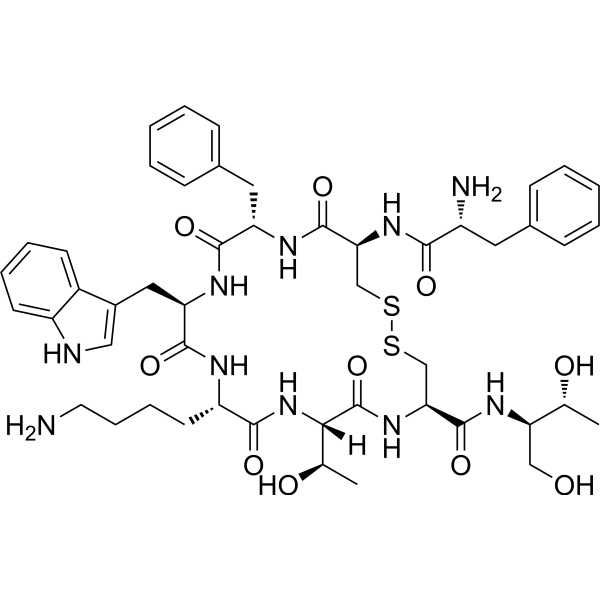
Octreotide
Maximum Cited Publications
16 Publications Verification
SMS 201-995
|
Somatostatin Receptor
Apoptosis
|
Cardiovascular Disease
Inflammation/Immunology
Endocrinology
Cancer
|
|
Octreotide (SMS 201-995) is a somatostatin receptor agonist and synthetic octapeptide endogenous somatostatin analogue. Octreotide (SMS 201-995) can bind to the somatostatin receptor and mainly subtypes 2, 3, and 5, increases Gi activity, and reduces intracellular cAMP production. Octreotide (SMS 201-995) has antitumor activity, mediates apoptosis and may also be used in disease studies in acromegaly .
|
-
-
- HY-16381
-
|
SOM230
|
Somatostatin Receptor
|
Endocrinology
Cancer
|
|
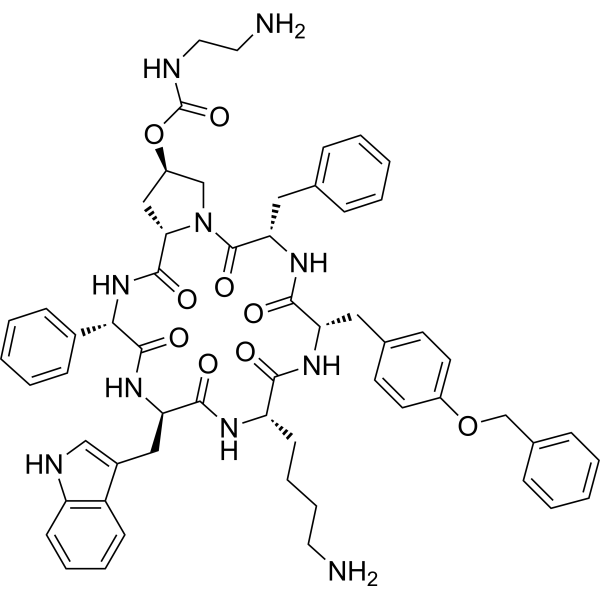
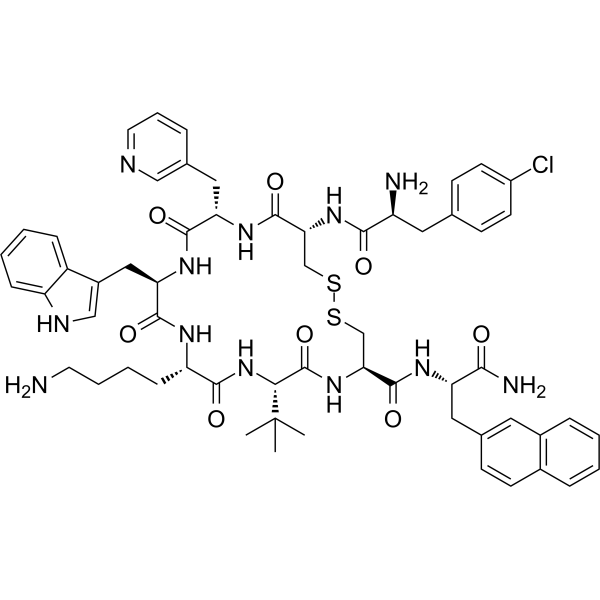
Pasireotide (SOM230), a long-acting cyclohexapeptide somatostatin analogue, can improve agonist activity at somatostatin receptors (subtypes sst1/2/3/4/5, pKi=8.2/9.0/9.1/<7.0/9.9, respectively). Pasireotide can suppress GH, IGF-I and ACTH secretion, indicating potential efficacy in acromegaly and Cushing's disease. Pasireotide also exhibits antisecretory, antiproliferative, and proapoptotic activity .
|
-
-
- HY-P3954
-
|
|
Somatostatin Receptor
|
Metabolic Disease
|
|
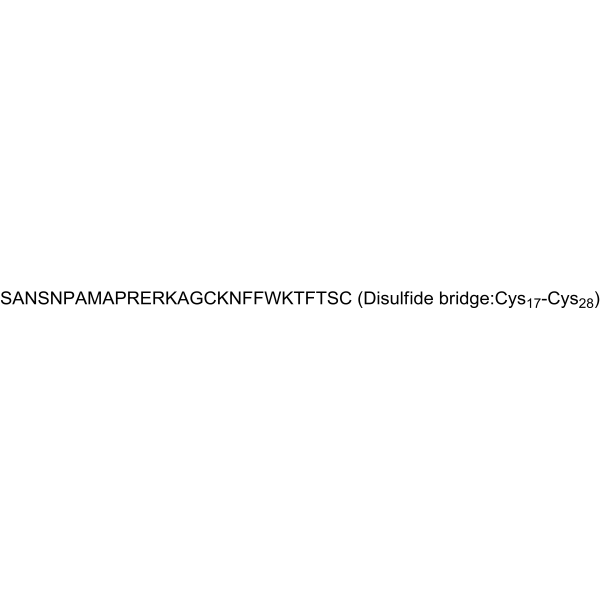
Somatostatin-28 (sheep, human rat mouse) is a biologically active polypeptide, synthesised in the proximal intestinal epithelial cells. Somatostatin-28 (sheep, human rat mouse) suppresses glucose-stimulated insulin secretion without affecting circulating basal insulin concentration. Somatostatin-28 (sheep, human rat mouse) also targets to somatostatin receptor subtype 5 (SSTR5) to regulate GLP-1 secretion .
|
-
-
- HY-P1202
-
|
|
Somatostatin Receptor
|
Endocrinology
|
|
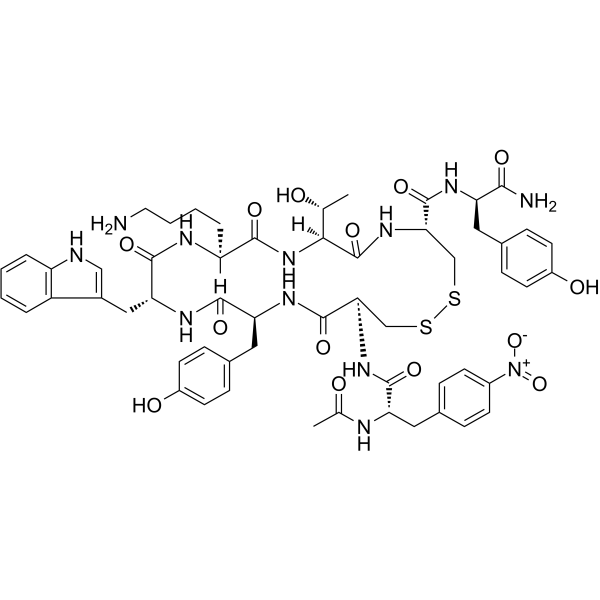
CYN 154806, a cyclic octapeptide, is a potent and selective somatostatin sst2 receptor antagonist, with pIC50 values of 8.58, 5.41, 6.07, 5.76 and 6.48 for human recombinant sst2, sst1, sst3, sst4 and sst5 receptors respectively .
|
-
-
- HY-16381A
-
|
SOM230 acetate
|
Somatostatin Receptor
|
Endocrinology
Cancer
|
|
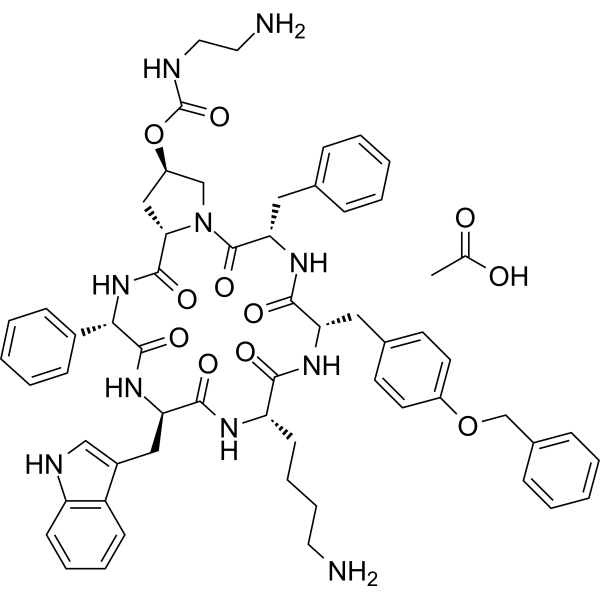
Pasireotide (SOM230) acetate, a long-acting cyclohexapeptide somatostatin analogue, can improve agonist activity at somatostatin receptors (subtypes sst1/2/3/4/5, pKi=8.2/9.0/9.1/<7.0/9.9, respectively). Pasireotide acetate can suppress GH, IGF-I and ACTH secretion, indicating potential efficacy in acromegaly and Cushing's disease. Pasireotide acetate also exhibits antisecretory, antiproliferative, and proapoptotic activity .
|
-
-
- HY-P1202A
-
|
|
Somatostatin Receptor
|
Endocrinology
|
|
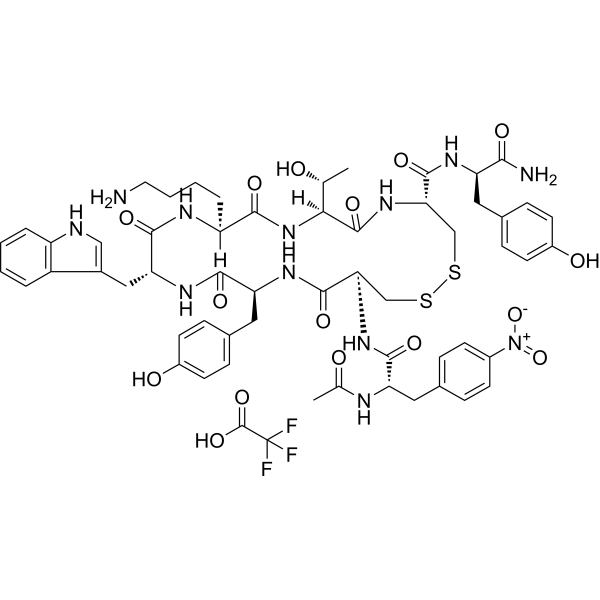
CYN 154806 TFA, a cyclic octapeptide, is a potent and selective somatostatin sst2 receptor antagonist, with pIC50 values of 8.58, 5.41, 6.07, 5.76 and 6.48 for human recombinant sst2, sst1, sst3, sst4 and sst5 receptors respectively .
|
-
-
- HY-102037
-
-
-
- HY-P2112
-
|
DOTA-Nal3-octreotide
|
Radionuclide-Drug Conjugates (RDCs)
Somatostatin Receptor
|
Others
|
|
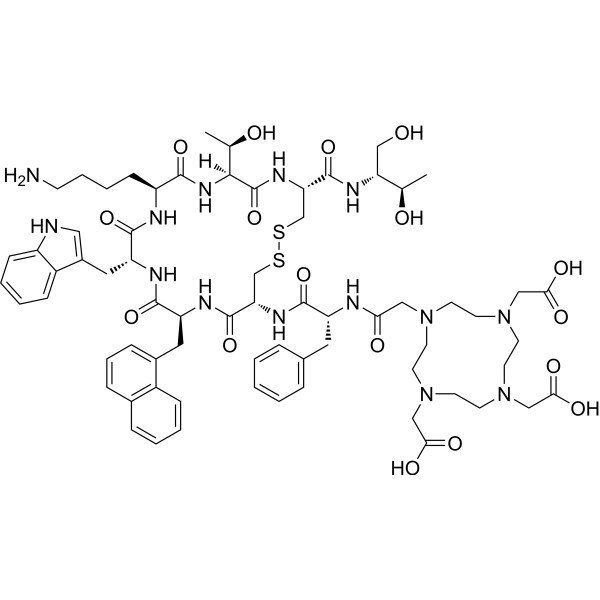
DOTA-NOC (DOTA-Nal3-octreotide) is a high-affinity ligand of somatostatin receptor subtypes 2, 3 and 5. DOTA-NOC can be used for labeling with various radiometals, and development of radiopeptide imaging . DOTA-NOC can be used for the synthesis/research of Radionuclide-Drug Conjugates (RDCs).
|
-
-
- HY-P10239
-
|
|
Somatostatin Receptor
Radionuclide-Drug Conjugates (RDCs)
|
Cancer
|
|
Tyr3-Octreotate is a ligand for somatostatin receptor subtype 2 (sst2), with an IC50 value of 1.3 nM against sst2 when labeled with [ 111In-DTPA], and an IC50 value of 1.6 nM against sst2 when labeled with [ 90Y-DOTA]. Radiolabeled Tyr3-Octreotate generates cell-associated radioactivity, and acts as both a tumor growth inhibitor and a tumor cytotoxic agent. When radiolabeled with 177Lu or 90Y, Tyr3-Octreotate serves as a peptide receptor radionuclide therapy (PRRT) analog. Tyr3-Octreotate can be used in studies related to pancreatic tumors .
|
-

-
- HY-P4452
-
-
-
- HY-79135
-
|
SOM230 ditrifluoroacetate; Pasireotide TFA salt
|
Somatostatin Receptor
|
Endocrinology
Cancer
|
|
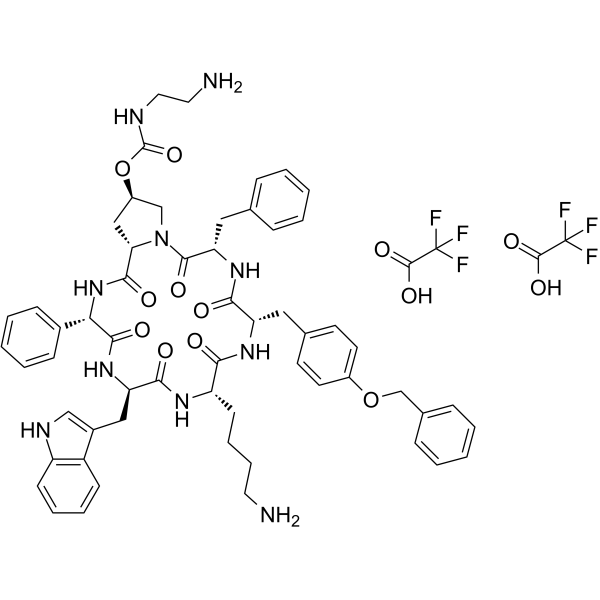
Pasireotide (SOM230) ditrifluoroacetate, a long-acting cyclohexapeptide somatostatin analogue, can improve agonist activity at somatostatin receptors (subtypes sst1/2/3/4/5, pKi=8.2/9.0/9.1/<7.0/9.9, respectively). Pasireotide ditrifluoroacetate exhibits antisecretory, antiproliferative, and proapoptotic activity .
|
-
-
- HY-79136
-
|
SOM230 L-aspartate
|
Somatostatin Receptor
|
Endocrinology
Cancer
|
|
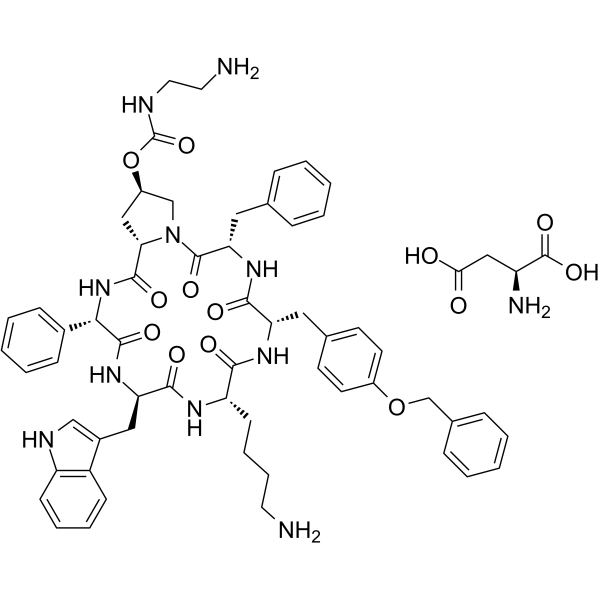
Pasireotide (SOM230) L-aspartate salt, a long-acting cyclohexapeptide somatostatin analogue, can improve agonist activity at somatostatin receptors (subtypes sst1/2/3/4/5, pKi=8.2/9.0/9.1/<7.0/9.9, respectively). Pasireotide L-aspartate salt exhibits antisecretory, antiproliferative, and proapoptotic activity .
|
-
-
- HY-114191B
-
|
|
Somatostatin Receptor
|
Metabolic Disease
Endocrinology
|
|
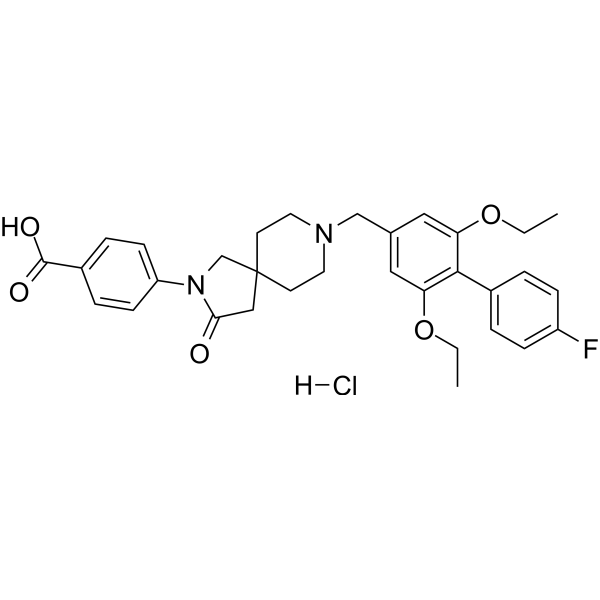
SSTR5 antagonist 2 hydrochloride is a highly potent, oral active and selective somatostatin (receptor) subtype 5 (SSTR5) antagonist and has potential for the research of type 2 diabetes mellitus (T2DM) .
|
-
-
- HY-108498
-
|
|
Somatostatin Receptor
|
Endocrinology
|
|
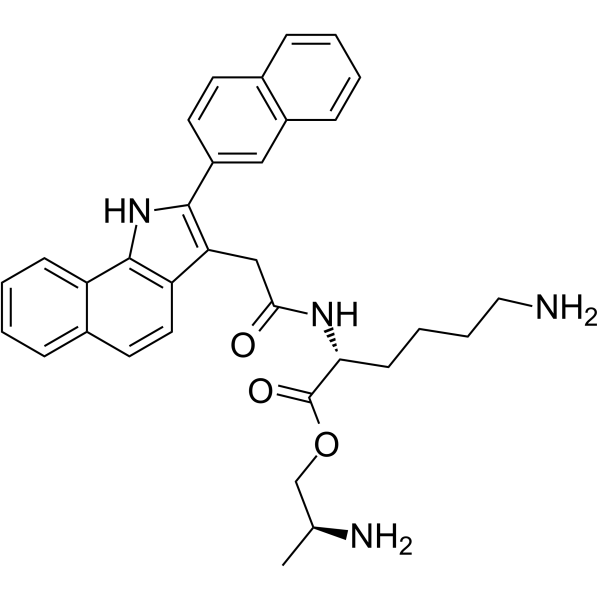
L-817818 is a potent and subtype-selective agonist of the somatostatin receptor. L-817818 provides a direct approach to defining somatostatin receptor physiological functions
|
-
-
- HY-163317A
-
|
|
Somatostatin Receptor
|
Cancer
|
|
MMC(TMZ)-TOC TFA has high binding affinity and selectivity for somatostatin receptor subtype-2 (SSTR2). MMC(TMZ)-TOC TFA targets delivery of TMZ to SSTR2-positive tumor cells. MMC(TMZ)-TOC TFA can be used for the research of cancer .
|
-

-
- HY-142699
-
|
|
Somatostatin Receptor
|
Inflammation/Immunology
|
|
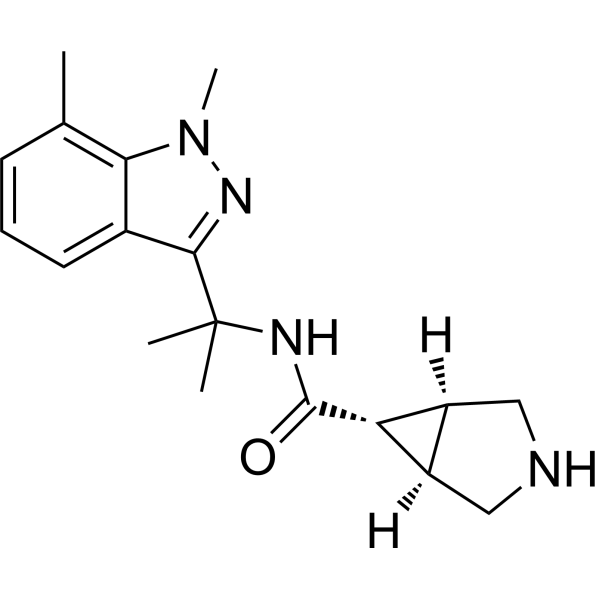
SSTR4 agonist 2 is a potent agonist of somatostatin receptor subtype 4 (SSTR4). SSTR4 pathway inhibits nociceptive and inflammatory processes. SSTR4 agonist 2 has the potential for the research of medical disorders related to SSTR4 (extracted from patent WO2014184275A1, compound 107) .
|
-
-
- HY-P0039
-
|
|
Bombesin Receptor
|
Cancer
|
|
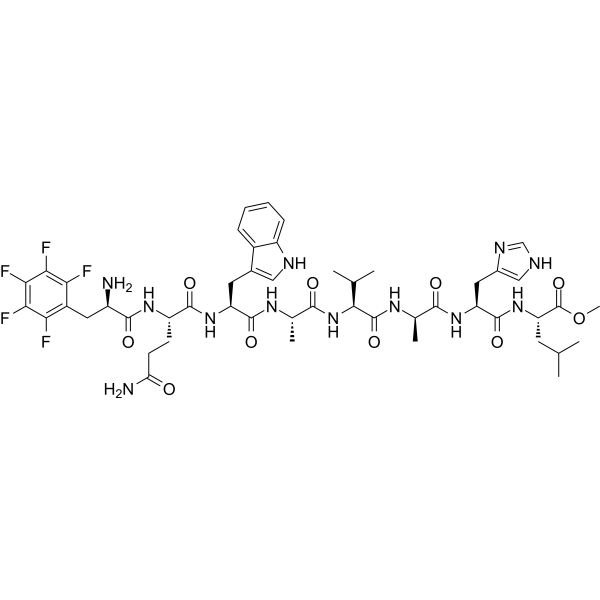
BIM-26226 is a selective gastrin-releasing peptide receptor (GRPR) (IC50 = 6 nM) and bombesin receptor (BN receptor) antagonist. BIM-26226 antagonizes BN- or GRP-stimulated amylase release with IC50 values of 0.3 nM and 0.2 nM, respectively. BIM-26226 is specific for the GRP-preferring BN receptor subtype with no interference with GRP receptor system. BIM-26226 can induce the synthesis of somatostatin receptor but has no significant effect on tumor growth .
|
-
-
- HY-P0036A
-
|
SMS 201-995 dihydrochloride
|
Somatostatin Receptor
Apoptosis
|
Inflammation/Immunology
Endocrinology
Cancer
|
|
Octreotide (SMS 201-995) hydrochloride is a somatostatin receptor agonist and synthetic octapeptide endogenous somatostatin analogue. Octreotide hydrochloride can bind to the somatostatin receptors which are mainly subtypes 2, 3 and 5. Octreotide hydrochloride increases Gi activity and reduces intracellular cAMP production. Octreotide hydrochloride has antitumor activity, mediates apoptosis and may also be used in disease studies in acromegaly .
|
-

-
- HY-108768
-
|
SOM230 pamoate
|
Somatostatin Receptor
|
Endocrinology
Cancer
|
|
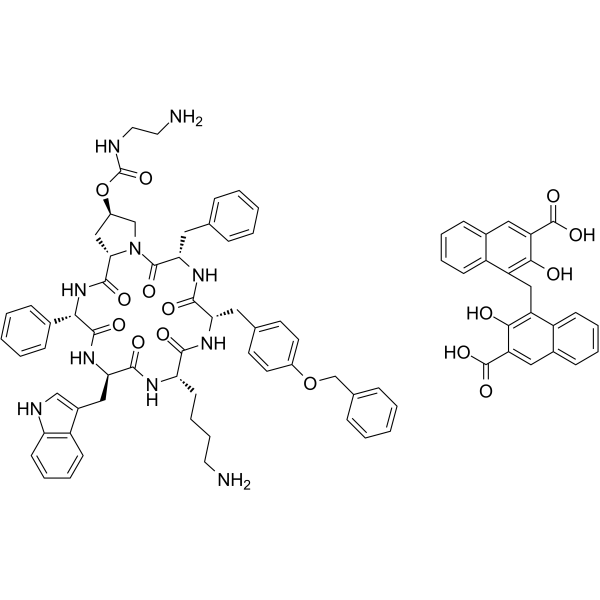
Pasireotide (SOM230) pamoate, a long-acting cyclohexapeptide somatostatin analogue, can improve agonist activity at somatostatin receptors (subtypes sst1/2/3/4/5, pKi=8.2/9.0/9.1/<7.0/9.9, respectively). Pasireotide pamoate exhibits antisecretory, antiproliferative, and proapoptotic activity .
|
-
-
- HY-P3618
-
|
|
Somatostatin Receptor
|
Neurological Disease
Inflammation/Immunology
|
|
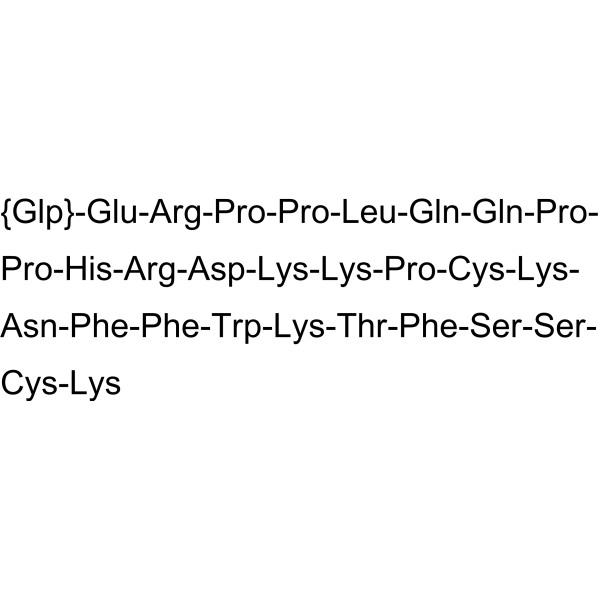
Cortistatin-29 is a neuropeptide. Cortistatin-29 alleviates neuropathic pain. Cortistatin-29 binds all somatostatin (SS) receptor subtypes with high affinity and shows IC50 values of 2.8 nM, 7.1 nM, 0.2 nM, 3.0 nM, 13.7 nM for SSTR1, SSTR2, SSTR3, SSTR4, SSTR5, respectively. Cortistatin-29 shows anti-fibrotic effects .
|
-
-
- HY-P0036B
-
|
SMS 201-995 pamoate
|
Somatostatin Receptor
Apoptosis
|
Cardiovascular Disease
Inflammation/Immunology
Endocrinology
Cancer
|
|
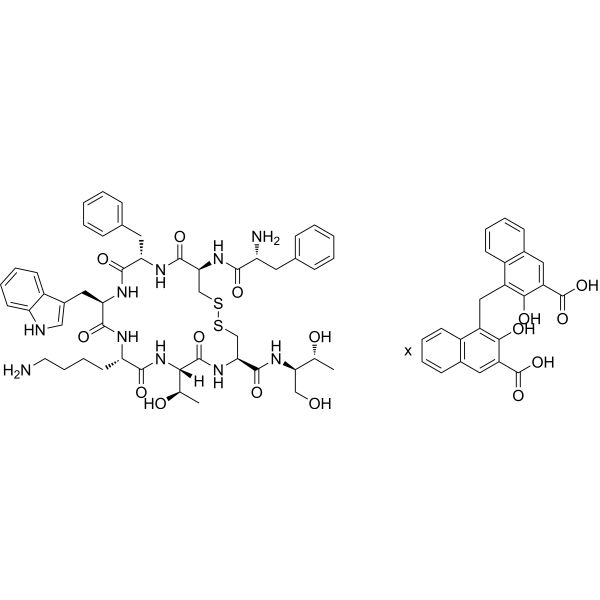
Octreotide (SMS 201-995) pamoate is a somatostatin receptor agonist and synthetic octapeptide endogenous somatostatin analogue. Octreotide pamoate can bind to the somatostatin receptors which are mainly subtypes 2, 3 and 5. Octreotide pamoate increases Gi activity and reduces intracellular cAMP production. Octreotide pamoate has antitumor activity, mediates apoptosis and may also be used in disease studies in acromegaly .
|
-
-
- HY-16381B
-
|
SOM230 (diaspartate)
|
Somatostatin Receptor
|
Neurological Disease
Cancer
|
|
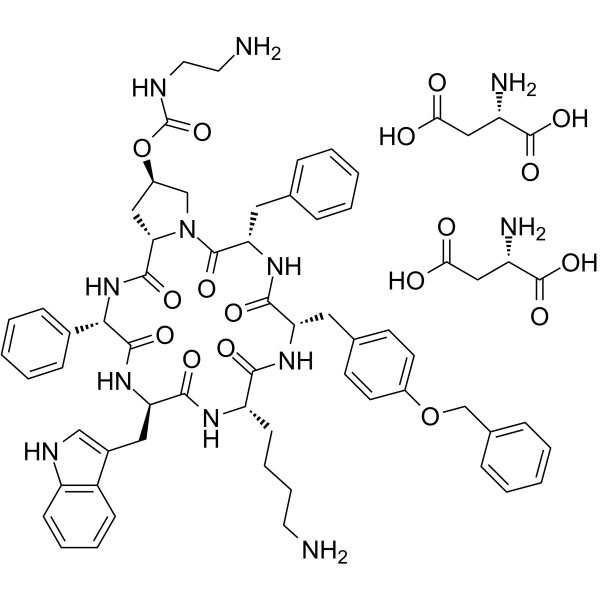
Pasireotide (SOM230) diaspartate, a long-acting cyclohexapeptide somatostatin analogue, can improve agonist activity at somatostatin receptors (subtypes sst1/2/3/4/5, pKi=8.2/9.0/9.1/<7.0/9.9, respectively). Pasireotide diaspartate exhibits antisecretory, antiproliferative, and proapoptotic activity .
|
-
-
- HY-160176
-
|
|
Somatostatin Receptor
|
Metabolic Disease
|
|
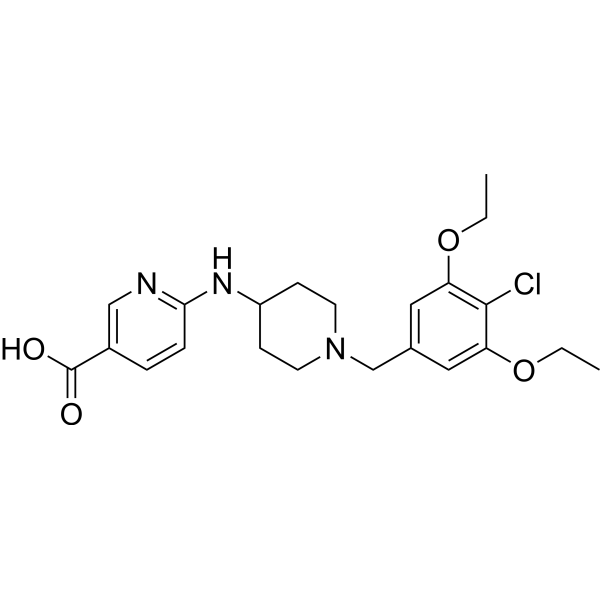
SSTR5 antagonist 6 is an orally active somatostatin receptor subtype 5 (SSTR5) antagonist with an IC50 of 24 nM. SSTR5 antagonist 6 can be used in the study of type 2 diabetes .
|
-
-
- HY-P0036S4
-
|
SMS 201-995-d8 acetate
|
Isotope-Labeled Compounds
|
Cardiovascular Disease
Inflammation/Immunology
Endocrinology
Cancer
|
|
Octreotide-d8 (acetate) (SMS 201-995-d8 (acetate)) is deuterium labeled Octreotide. Octreotide (SMS 201-995) is a somatostatin receptor agonist and synthetic octapeptide endogenous somatostatin analogue. Octreotide (SMS 201-995) can bind to the somatostatin receptor and mainly subtypes 2, 3, and 5, increases Gi activity, and reduces intracellular cAMP production. Octreotide (SMS 201-995) has antitumor activity, mediates apoptosis and may also be used in disease studies in acromegaly .
|
-

-
- HY-110161
-
|
|
Somatostatin Receptor
|
Cardiovascular Disease
Endocrinology
|
|
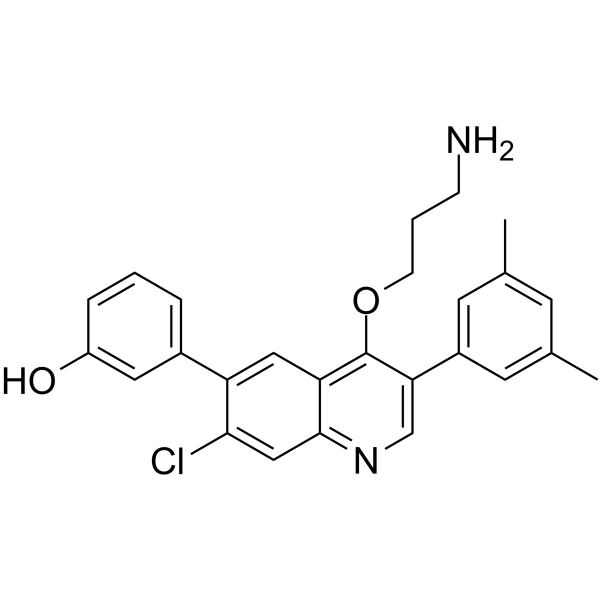
sst2 Receptor agonist-1 is a potent somatostatin receptor subtype 2 (sst2) agonist with a Ki value of 0.025 nM and a cAMP IC50 value of 4.8 nM. sst2 Receptor agonist-1 can inhibit rat growth hormone (GH) secretion and ocular neovascular lesion formation. Antiangiogenic effect .
|
-
-
- HY-120287
-
|
|
Somatostatin Receptor
|
Endocrinology
|
|
L-054522 is an agonist for somatostatin receptor subtype 2 with Kd of 0.01 nM. L-054522 inhibits growth hormone release from rat primary pituitary cell (IC50=0.05 nM) and glucagon and insulin release from isolated mouse pancreatic islet cell (IC50=0.05 nM and 12 nM) .
|
-

-
- HY-125382A
-
|
|
Somatostatin Receptor
|
Neurological Disease
|
|
L-797591 hydrochloride is a selective sst1 agonist. L-797591 hydrochloride mimicks the effects of SRIF-14 and SRIF-28 by potently inhibiting either Forskolin (HY-15371)-stimulated or CRH-stimulated cAMP accumulation .
|
-

-
- HY-108501
-
|
|
Somatostatin Receptor
|
Neurological Disease
|
|
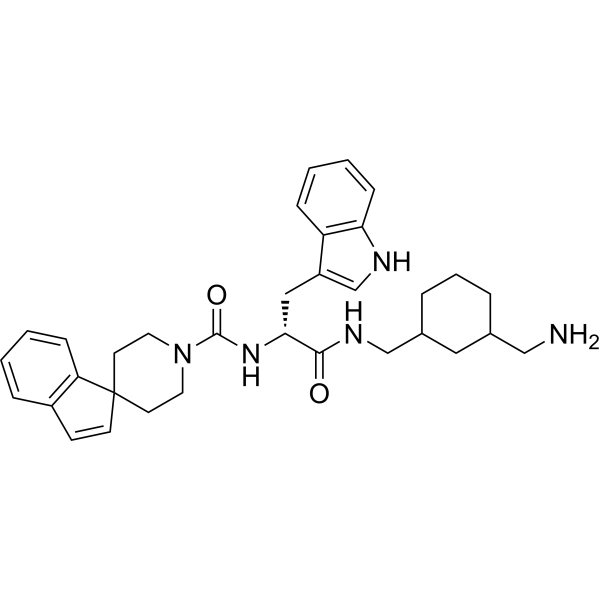
(1R,1'S,3'R/1R,1'R,3'S)-L-054,264 is a selective non-peptide human somatostatin receptor subtype 2 (sst2) agonist. (1R,1'S,3'R/1R,1'R,3'S)-L-054,264 can be used in the study of retinal neuromodulation .
|
-
-
- HY-157303
-
|
|
Somatostatin Receptor
|
Cardiovascular Disease
|
|
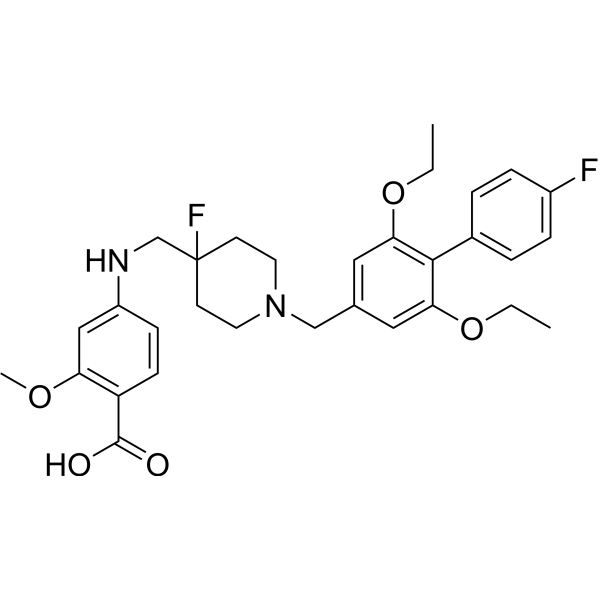
SSTR5 antagonist 3 (Compound 23) is an orally active somatostatin receptor subtype 5 (SSTR5) antagonist with low hERG inhibition. SSTR5 antagonist 3 exhibits potency with IC50 values of 2.8 nM and 1.4 nM in human and mouse, respectively. SSTR5 antagonist 3 can be used for the research of anti-gallstone .
|
-
-
- HY-163317
-
|
|
Somatostatin Receptor
|
Cancer
|
|
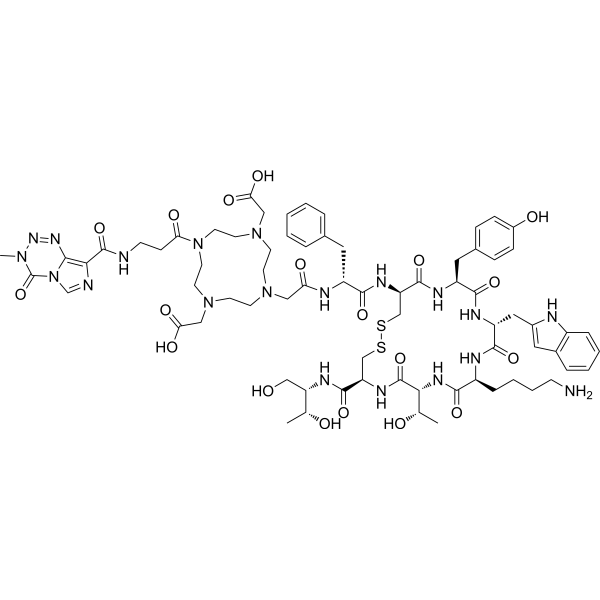
MMC(TMZ)-TOC has high binding affinity and selectivity for somatostatin receptor subtype-2 (SSTR2). MMC(TMZ)-TOC targets delivery of TMZ to SSTR2-positive tumor cells. MMC(TMZ)-TOC can be used for the research of cancer .
|
-
-
- HY-P0036S2
-
|
SMS 201-995-d8
|
Isotope-Labeled Compounds
Apoptosis
Somatostatin Receptor
|
Cardiovascular Disease
Inflammation/Immunology
Endocrinology
Cancer
|
|
Octreotide-d8 (SMS 201-995-d8) is deuterium labeled Octreotide. Octreotide (SMS 201-995) is a somatostatin receptor agonist and synthetic octapeptide endogenous somatostatin analogue. Octreotide (SMS 201-995) can bind to the somatostatin receptor and mainly subtypes 2, 3, and 5, increases Gi activity, and reduces intracellular cAMP production. Octreotide (SMS 201-995) has antitumor activity, mediates apoptosis and may also be used in disease studies in acromegaly .
|
-

-
- HY-114191
-
|
|
Somatostatin Receptor
|
Metabolic Disease
Endocrinology
|
|
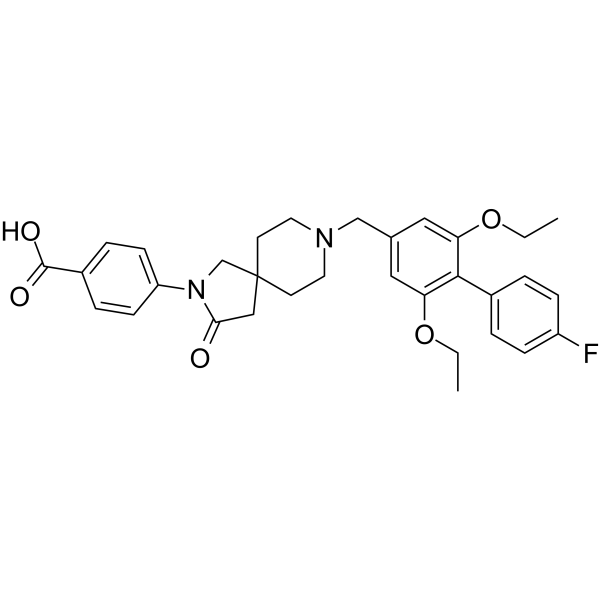
SSTR5 antagonist 2 (compound 10) is a highly potent, oral active and selective somatostatin (receptor) subtype 5 (SSTR5) antagonist and has potential for the research of treat type 2 diabetes mellitus (T2DM) .
|
-
-
- HY-114191A
-
|
|
Somatostatin Receptor
|
Metabolic Disease
Endocrinology
|
|
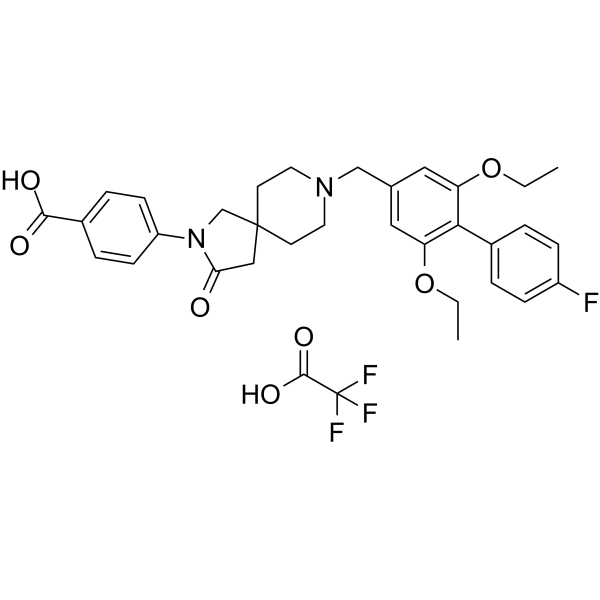
SSTR5 Antagonist 1 (compound 10) is a highly potent, oral active and selective somatostatin (receptor) subtype 5 (SSTR5) antagonist and has potential for the research of treat type 2 diabetes mellitus (T2DM) .
|
-
-
- HY-P0036S3
-
|
SMS 201-995-13C9,15N
|
Isotope-Labeled Compounds
|
Cardiovascular Disease
Inflammation/Immunology
Endocrinology
Cancer
|
|
Octreotide- 13C9, 15N (SMS 201-995- 13C9, 15N) is 13C and 15N labeled Octreotide. Octreotide (SMS 201-995) is a somatostatin receptor agonist and synthetic octapeptide endogenous somatostatin analogue. Octreotide (SMS 201-995) can bind to the somatostatin receptor and mainly subtypes 2, 3, and 5, increases Gi activity, and reduces intracellular cAMP production. Octreotide (SMS 201-995) has antitumor activity, mediates apoptosis and may also be used in disease studies in acromegaly .
|
-

-
- HY-P1384
-
|
|
Somatostatin Receptor
|
Neurological Disease
|
|
L803 is a selective Somatostatin Receptor Subtype 4 (SST4) agonist. L803 inhibits L-type calcium channel currents (ICa). L803 is promising for research of retinal ganglion cell (RGC) degenerative diseases (e.g., glaucoma) .
|
-

-
- HY-175053
-
|
SOM230 (aspartate) TFA
|
Somatostatin Receptor
Apoptosis
|
Metabolic Disease
|
|
Pasireotide (aspartate) TFA, a long-acting cyclohexapeptide somatostatin analogue, can improve agonist activity at somatostatin receptors (subtypes sst1/2/3/4/5, pKi=8.2/9.0/9.1/<7.0/9.9, respectively). Pasireotide (aspartate) TFA can suppress GH, IGF-I and ACTH secretion, indicating potential efficacy in acromegaly and Cushing's disease. Pasireotide (aspartate) TFA also exhibits antisecretory, antiproliferative, and proapoptotic activity .
|
-

-
- HY-P2150
-
|
|
Somatostatin Receptor
|
Neurological Disease
Inflammation/Immunology
|
|
Cortistatin-29 is a neuropeptide. Cortistatin-29 alleviates neuropathic pain. Cortistatin-29 binds all somatostatin (SS) receptor subtypes with high affinity and shows IC50 values of 2.8 nM, 7.1 nM, 0.2 nM, 3.0 nM, 13.7 nM for SSTR1, SSTR2, SSTR3, SSTR4, SSTR5, respectively. Cortistatin-29 shows anti-fibrotic effects .
|
-

-
- HY-160156
-
|
|
Somatostatin Receptor
|
Metabolic Disease
|
|
SSTR5 antagonist 4 (compound 1) is a potent, selective and orally active somatostatin subtype 5 (SSTR5) antagonist (hSSTR5 IC50 = 1.3 nM, mSSTR5 IC50 = 1.0 nM). SSTR5 antagonist 4 shows efficacy in mouse oral glucose tolerance test (OGTT) in high fat diet (HFD)-mice. SSTR5 antagonist 4 can be used for type 2 diabetes research .
|
-

-
- HY-P0036S
-
|
SMS 201-995-d8 TFA
|
Isotope-Labeled Compounds
Somatostatin Receptor
Apoptosis
|
Cardiovascular Disease
Metabolic Disease
Inflammation/Immunology
Cancer
|
|
Octreotide-d8 (SMS 201-995-d8) TFA is the deuterium labeled Octreotide TFA. Octreotide (SMS 201-995) is a somatostatin receptor agonist and synthetic octapeptide endogenous somatostatin analogue. Octreotide (SMS 201-995) can bind to the somatostatin receptor and mainly subtypes 2, 3, and 5, increases Gi activity, and reduces intracellular cAMP production. Octreotide (SMS 201-995) has antitumor activity, mediates apoptosis and may also be used in disease studies in acromegaly.
|
-

-
- HY-102037R
-
|
|
Reference Standards
Somatostatin Receptor
|
Metabolic Disease
Endocrinology
|
|
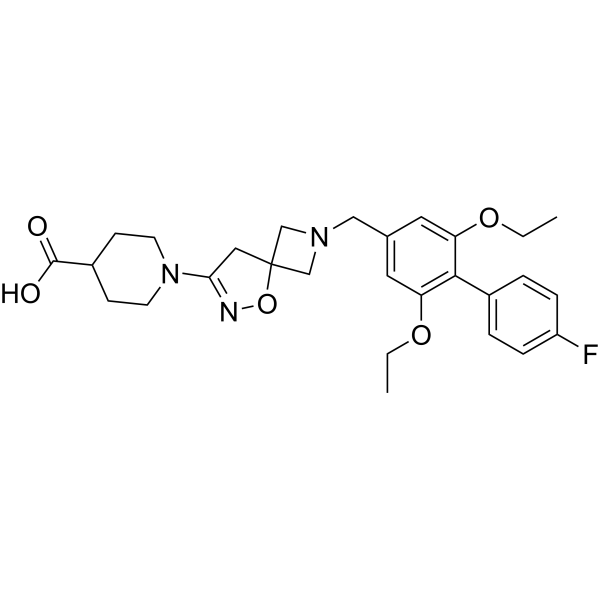
SSTR5 antagonist 1 (Standard) is the analytical standard of SSTR5 antagonist 1 (HY-102037). This product is intended for research and analytical applications. SSTR5 antagonist 1 (compound 25a) is a selective and orally available somatostatin receptor subtype 5 (SSTR5) antagonist with IC50s of 9.6 and 57 nM for hSSTR5 and mSSTR5, respectively .
|
-

-
- HY-183205
-
|
|
Somatostatin Receptor
|
Metabolic Disease
|
|
SSTR5 antagonist 7 (Compound 3p) is an orally active SSTR5 antagonist, with an IC50 of 6.2 nM against hSSTR5 and an IC50 of 25 nM against mouse-derived SSTR5. SSTR5 antagonist 7 exerts a sustained hypoglycemic effect. SSTR5 antagonist 7 can be used for the research of diabetes .
|
-

| Cat. No. |
Product Name |
Target |
Research Area |
-
- HY-P0036
-
Octreotide
Maximum Cited Publications
16 Publications Verification
SMS 201-995
|
Somatostatin Receptor
Apoptosis
|
Cardiovascular Disease
Inflammation/Immunology
Endocrinology
Cancer
|
|
Octreotide (SMS 201-995) is a somatostatin receptor agonist and synthetic octapeptide endogenous somatostatin analogue. Octreotide (SMS 201-995) can bind to the somatostatin receptor and mainly subtypes 2, 3, and 5, increases Gi activity, and reduces intracellular cAMP production. Octreotide (SMS 201-995) has antitumor activity, mediates apoptosis and may also be used in disease studies in acromegaly .
|
-
- HY-16381
-
|
SOM230
|
Somatostatin Receptor
|
Endocrinology
Cancer
|
|
Pasireotide (SOM230), a long-acting cyclohexapeptide somatostatin analogue, can improve agonist activity at somatostatin receptors (subtypes sst1/2/3/4/5, pKi=8.2/9.0/9.1/<7.0/9.9, respectively). Pasireotide can suppress GH, IGF-I and ACTH secretion, indicating potential efficacy in acromegaly and Cushing's disease. Pasireotide also exhibits antisecretory, antiproliferative, and proapoptotic activity .
|
-
- HY-P3954
-
|
|
Somatostatin Receptor
|
Metabolic Disease
|
|
Somatostatin-28 (sheep, human rat mouse) is a biologically active polypeptide, synthesised in the proximal intestinal epithelial cells. Somatostatin-28 (sheep, human rat mouse) suppresses glucose-stimulated insulin secretion without affecting circulating basal insulin concentration. Somatostatin-28 (sheep, human rat mouse) also targets to somatostatin receptor subtype 5 (SSTR5) to regulate GLP-1 secretion .
|
-
- HY-P1202
-
|
|
Somatostatin Receptor
|
Endocrinology
|
|
CYN 154806, a cyclic octapeptide, is a potent and selective somatostatin sst2 receptor antagonist, with pIC50 values of 8.58, 5.41, 6.07, 5.76 and 6.48 for human recombinant sst2, sst1, sst3, sst4 and sst5 receptors respectively .
|
-
- HY-16381A
-
|
SOM230 acetate
|
Somatostatin Receptor
|
Endocrinology
Cancer
|
|
Pasireotide (SOM230) acetate, a long-acting cyclohexapeptide somatostatin analogue, can improve agonist activity at somatostatin receptors (subtypes sst1/2/3/4/5, pKi=8.2/9.0/9.1/<7.0/9.9, respectively). Pasireotide acetate can suppress GH, IGF-I and ACTH secretion, indicating potential efficacy in acromegaly and Cushing's disease. Pasireotide acetate also exhibits antisecretory, antiproliferative, and proapoptotic activity .
|
-
- HY-P1202A
-
|
|
Somatostatin Receptor
|
Endocrinology
|
|
CYN 154806 TFA, a cyclic octapeptide, is a potent and selective somatostatin sst2 receptor antagonist, with pIC50 values of 8.58, 5.41, 6.07, 5.76 and 6.48 for human recombinant sst2, sst1, sst3, sst4 and sst5 receptors respectively .
|
-
- HY-P2112
-
|
DOTA-Nal3-octreotide
|
Radionuclide-Drug Conjugates (RDCs)
Somatostatin Receptor
|
Others
|
|
DOTA-NOC (DOTA-Nal3-octreotide) is a high-affinity ligand of somatostatin receptor subtypes 2, 3 and 5. DOTA-NOC can be used for labeling with various radiometals, and development of radiopeptide imaging . DOTA-NOC can be used for the synthesis/research of Radionuclide-Drug Conjugates (RDCs).
|
-
- HY-P10239
-
|
|
Somatostatin Receptor
Radionuclide-Drug Conjugates (RDCs)
|
Cancer
|
|
Tyr3-Octreotate is a ligand for somatostatin receptor subtype 2 (sst2), with an IC50 value of 1.3 nM against sst2 when labeled with [ 111In-DTPA], and an IC50 value of 1.6 nM against sst2 when labeled with [ 90Y-DOTA]. Radiolabeled Tyr3-Octreotate generates cell-associated radioactivity, and acts as both a tumor growth inhibitor and a tumor cytotoxic agent. When radiolabeled with 177Lu or 90Y, Tyr3-Octreotate serves as a peptide receptor radionuclide therapy (PRRT) analog. Tyr3-Octreotate can be used in studies related to pancreatic tumors .
|
-
- HY-P4452
-
-
- HY-79136
-
|
SOM230 L-aspartate
|
Somatostatin Receptor
|
Endocrinology
Cancer
|
|
Pasireotide (SOM230) L-aspartate salt, a long-acting cyclohexapeptide somatostatin analogue, can improve agonist activity at somatostatin receptors (subtypes sst1/2/3/4/5, pKi=8.2/9.0/9.1/<7.0/9.9, respectively). Pasireotide L-aspartate salt exhibits antisecretory, antiproliferative, and proapoptotic activity .
|
-
- HY-P0039
-
|
|
Bombesin Receptor
|
Cancer
|
|
BIM-26226 is a selective gastrin-releasing peptide receptor (GRPR) (IC50 = 6 nM) and bombesin receptor (BN receptor) antagonist. BIM-26226 antagonizes BN- or GRP-stimulated amylase release with IC50 values of 0.3 nM and 0.2 nM, respectively. BIM-26226 is specific for the GRP-preferring BN receptor subtype with no interference with GRP receptor system. BIM-26226 can induce the synthesis of somatostatin receptor but has no significant effect on tumor growth .
|
-
- HY-P0036A
-
|
SMS 201-995 dihydrochloride
|
Somatostatin Receptor
Apoptosis
|
Inflammation/Immunology
Endocrinology
Cancer
|
|
Octreotide (SMS 201-995) hydrochloride is a somatostatin receptor agonist and synthetic octapeptide endogenous somatostatin analogue. Octreotide hydrochloride can bind to the somatostatin receptors which are mainly subtypes 2, 3 and 5. Octreotide hydrochloride increases Gi activity and reduces intracellular cAMP production. Octreotide hydrochloride has antitumor activity, mediates apoptosis and may also be used in disease studies in acromegaly .
|
-
- HY-108768
-
|
SOM230 pamoate
|
Somatostatin Receptor
|
Endocrinology
Cancer
|
|
Pasireotide (SOM230) pamoate, a long-acting cyclohexapeptide somatostatin analogue, can improve agonist activity at somatostatin receptors (subtypes sst1/2/3/4/5, pKi=8.2/9.0/9.1/<7.0/9.9, respectively). Pasireotide pamoate exhibits antisecretory, antiproliferative, and proapoptotic activity .
|
-
- HY-P3618
-
|
|
Somatostatin Receptor
|
Neurological Disease
Inflammation/Immunology
|
|
Cortistatin-29 is a neuropeptide. Cortistatin-29 alleviates neuropathic pain. Cortistatin-29 binds all somatostatin (SS) receptor subtypes with high affinity and shows IC50 values of 2.8 nM, 7.1 nM, 0.2 nM, 3.0 nM, 13.7 nM for SSTR1, SSTR2, SSTR3, SSTR4, SSTR5, respectively. Cortistatin-29 shows anti-fibrotic effects .
|
-
- HY-P0036B
-
|
SMS 201-995 pamoate
|
Somatostatin Receptor
Apoptosis
|
Cardiovascular Disease
Inflammation/Immunology
Endocrinology
Cancer
|
|
Octreotide (SMS 201-995) pamoate is a somatostatin receptor agonist and synthetic octapeptide endogenous somatostatin analogue. Octreotide pamoate can bind to the somatostatin receptors which are mainly subtypes 2, 3 and 5. Octreotide pamoate increases Gi activity and reduces intracellular cAMP production. Octreotide pamoate has antitumor activity, mediates apoptosis and may also be used in disease studies in acromegaly .
|
-
- HY-P1384
-
|
|
Somatostatin Receptor
|
Neurological Disease
|
|
L803 is a selective Somatostatin Receptor Subtype 4 (SST4) agonist. L803 inhibits L-type calcium channel currents (ICa). L803 is promising for research of retinal ganglion cell (RGC) degenerative diseases (e.g., glaucoma) .
|
-
- HY-175053
-
|
SOM230 (aspartate) TFA
|
Somatostatin Receptor
Apoptosis
|
Metabolic Disease
|
|
Pasireotide (aspartate) TFA, a long-acting cyclohexapeptide somatostatin analogue, can improve agonist activity at somatostatin receptors (subtypes sst1/2/3/4/5, pKi=8.2/9.0/9.1/<7.0/9.9, respectively). Pasireotide (aspartate) TFA can suppress GH, IGF-I and ACTH secretion, indicating potential efficacy in acromegaly and Cushing's disease. Pasireotide (aspartate) TFA also exhibits antisecretory, antiproliferative, and proapoptotic activity .
|
-
- HY-P2150
-
|
|
Somatostatin Receptor
|
Neurological Disease
Inflammation/Immunology
|
|
Cortistatin-29 is a neuropeptide. Cortistatin-29 alleviates neuropathic pain. Cortistatin-29 binds all somatostatin (SS) receptor subtypes with high affinity and shows IC50 values of 2.8 nM, 7.1 nM, 0.2 nM, 3.0 nM, 13.7 nM for SSTR1, SSTR2, SSTR3, SSTR4, SSTR5, respectively. Cortistatin-29 shows anti-fibrotic effects .
|
| Cat. No. |
Product Name |
Chemical Structure |
-
- HY-P0036S4
-
|
|
|
Octreotide-d8 (acetate) (SMS 201-995-d8 (acetate)) is deuterium labeled Octreotide. Octreotide (SMS 201-995) is a somatostatin receptor agonist and synthetic octapeptide endogenous somatostatin analogue. Octreotide (SMS 201-995) can bind to the somatostatin receptor and mainly subtypes 2, 3, and 5, increases Gi activity, and reduces intracellular cAMP production. Octreotide (SMS 201-995) has antitumor activity, mediates apoptosis and may also be used in disease studies in acromegaly .
|
-
-
- HY-P0036S2
-
|
|
|
Octreotide-d8 (SMS 201-995-d8) is deuterium labeled Octreotide. Octreotide (SMS 201-995) is a somatostatin receptor agonist and synthetic octapeptide endogenous somatostatin analogue. Octreotide (SMS 201-995) can bind to the somatostatin receptor and mainly subtypes 2, 3, and 5, increases Gi activity, and reduces intracellular cAMP production. Octreotide (SMS 201-995) has antitumor activity, mediates apoptosis and may also be used in disease studies in acromegaly .
|
-
-
- HY-P0036S3
-
|
|
|
Octreotide- 13C9, 15N (SMS 201-995- 13C9, 15N) is 13C and 15N labeled Octreotide. Octreotide (SMS 201-995) is a somatostatin receptor agonist and synthetic octapeptide endogenous somatostatin analogue. Octreotide (SMS 201-995) can bind to the somatostatin receptor and mainly subtypes 2, 3, and 5, increases Gi activity, and reduces intracellular cAMP production. Octreotide (SMS 201-995) has antitumor activity, mediates apoptosis and may also be used in disease studies in acromegaly .
|
-
-
- HY-P0036S
-
|
|
|
Octreotide-d8 (SMS 201-995-d8) TFA is the deuterium labeled Octreotide TFA. Octreotide (SMS 201-995) is a somatostatin receptor agonist and synthetic octapeptide endogenous somatostatin analogue. Octreotide (SMS 201-995) can bind to the somatostatin receptor and mainly subtypes 2, 3, and 5, increases Gi activity, and reduces intracellular cAMP production. Octreotide (SMS 201-995) has antitumor activity, mediates apoptosis and may also be used in disease studies in acromegaly.
|
-
Your information is safe with us. * Required Fields.
Inquiry Information
- Product Name:
- Cat. No.:
- Quantity:
- MCE Japan Authorized Agent:








