Search Result
Results for "
(beta)-Carotene
" in MedChemExpress (MCE) Product Catalog:
-
- HY-N0411
-
|
Provitamin A; beta-Carotene
|
Environmental Pollutants
Endogenous Metabolite
Reactive Oxygen Species (ROS)
Apoptosis
|
Metabolic Disease
Cancer
|
|
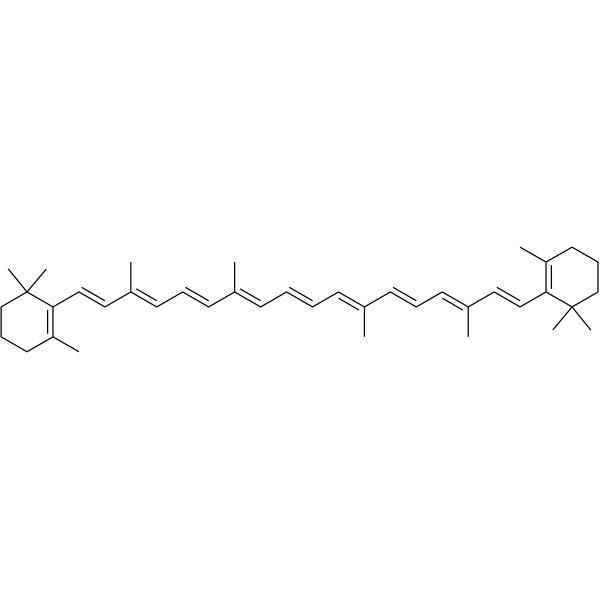
β-Carotene (Provitamin A), a carotenoid compound, is a naturally-occurring vitamin A precursor. β-Carotene is a modulator of reactive oxygen species (ROS), with antioxidant and antiinflammatory activities. β-Carotene may serve as an antioxidant or as a prooxidant, depending on its intrinsic properties as well as on the redox potential of the biological environment in which it acts. β-Carotene induces breast cancer cells apoptosis, with anticancer activities .
|
-
-
- HY-W009310
-
|
|
Endogenous Metabolite
Organoid
|
Others
|
|
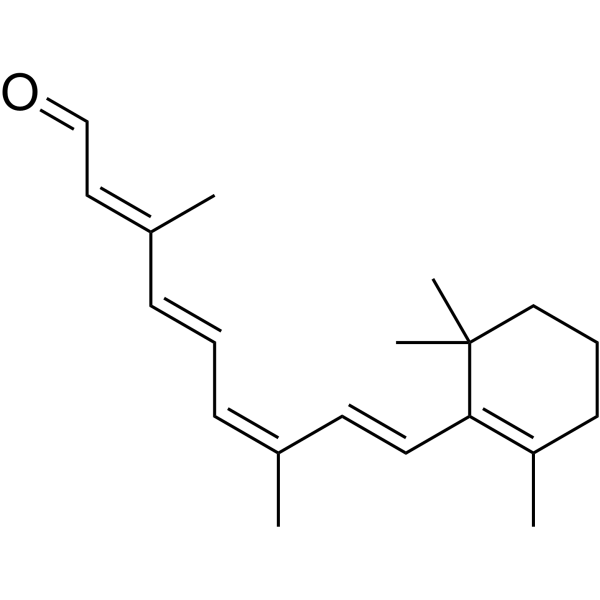
9-cis-Retinal is a natural retinoid. Dietary 9-cis-β-carotene generates 9-cis-retinoids via cleavage into 9-cis-retinal. 9-cis Retinal binds to cellular retinol-binding protein-I (CRBP-I) and CRBP-II with Kds of 8 nM and 5 nM, respectively. 9-cis-Retinal expedites differentiation and maturation of rod photoreceptors in retinal organoids .
|
-
-
- HY-136234
-
|
9Z β-Carotene
|
Endogenous Metabolite
|
Others
|
|
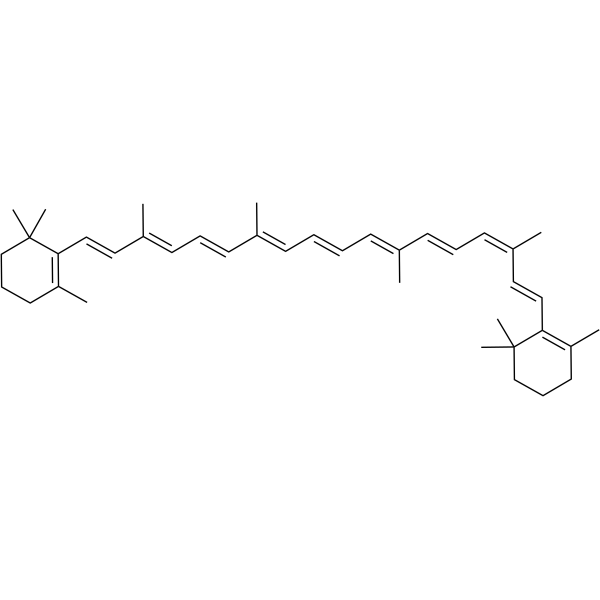
9-cis-β-Carotene, a precursor of retinal, is cleaved by beta-carotene oxygenase 1 (BCMO1) to produce 9-cis-retinal. 9-cis-β-Carotene inhibits photoreceptor degeneration and restores retinal function in vivo. 9-cis-β-Carotene has the potential for the study of congenital stationary night blindness and fundus albipunctatus .
|
-
-
- HY-N0411R
-
|
Provitamin A (Standard); beta-Carotene (Standard)
|
Reference Standards
Endogenous Metabolite
Apoptosis
Reactive Oxygen Species (ROS)
|
Metabolic Disease
Cancer
|
|
β-Carotene (Standard) is the analytical standard of β-Carotene. This product is intended for research and analytical applications. β-Carotene (Provitamin A), a carotenoid compound, is a naturally-occurring vitamin A precursor. β-Carotene is a modulator of reactive oxygen species (ROS), with antioxidant and antiinflammatory activities. β-Carotene may serve as an antioxidant or as a prooxidant, depending on its intrinsic properties as well as on the redox potential of the biological environment in which it acts. β-Carotene induces breast cancer cells apoptosis, with anticancer activities .
|
-

-
- HY-W041301
-
|
|
Drug Isomer
|
Inflammation/Immunology
|
|
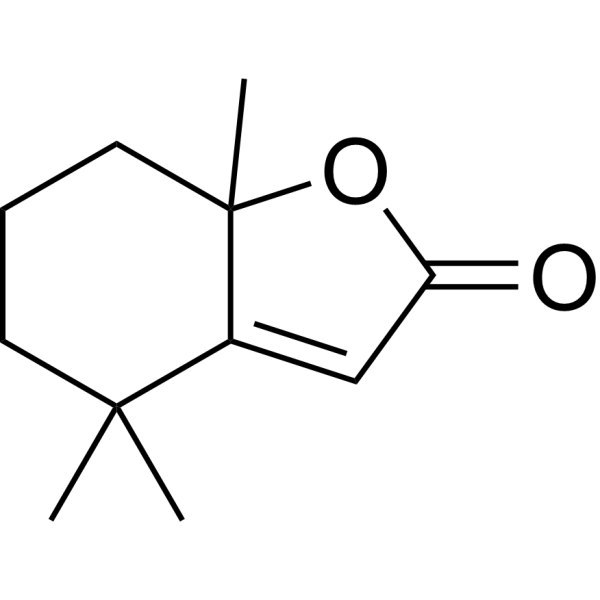
(±)-Dihydroactinidiolide is the dextrorotatory form of Dihydroactinidiolide (HY-107805). (±)-Dihydroactinidiolide has a strong, pleasant musky, tea-like and tobacco-like aroma and is mainly found in black tea, tobacco and fruits. (±)-Dihydroactinidiolide has antioxidant activity and can be derived from β-carotene.or light adaptation in Arabidopsis .
|
-
-
- HY-N0411S1
-
-
-
- HY-128792
-
|
1,3-Dipalmitoylglycerol; Glycerol 1,3-dipalmitate
|
Biochemical Assay Reagents
|
Others
|
|
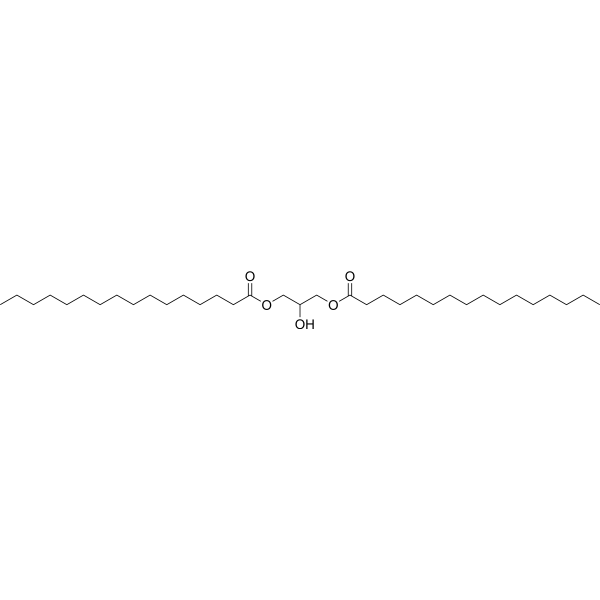
1,3-Dipalmitin (1,3-Dipalmitoylglycerol) is a diacylglycerol compound that can be found in the tuberous roots of Typhonium giganteum Engl. 1,3-Dipalmitin acts as an adsorption inhibitor for 1,3-diglycerides and β-carotene .
|
-
-
- HY-118020A
-
|
Loliolid; Digiprolactone
|
Endogenous Metabolite
Caspase
PI3K
Apoptosis
Akt
Sirtuin
Reactive Oxygen Species (ROS)
NF-κB
MMP
|
Neurological Disease
Cancer
|
|
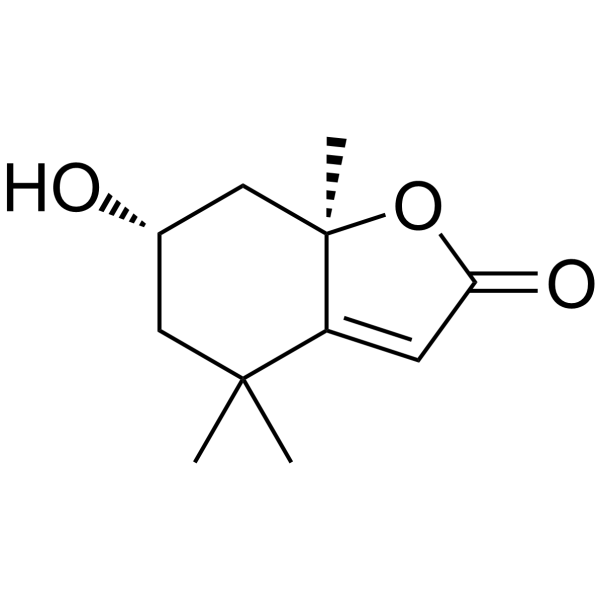
Loliolide (Loliolid) is a β-carotene metabolite. Loliolide reduces caspase 3, 8, 9 expression, enhances PI3K, AKT, SIRT1, inhibits ROS, apoptosis, and blocks NF-κB p65 nuclear translocation. Loliolide protects mitochondria, reduces oxidative stress, and increases cell viability in neuroblastoma cells. Loliolide can be used for the research of UV-induced skin damage and Parkinson’s disease .
|
-
-
- HY-P5189A
-
|
|
Endogenous Metabolite
Cholinesterase (ChE)
|
Others
|
|
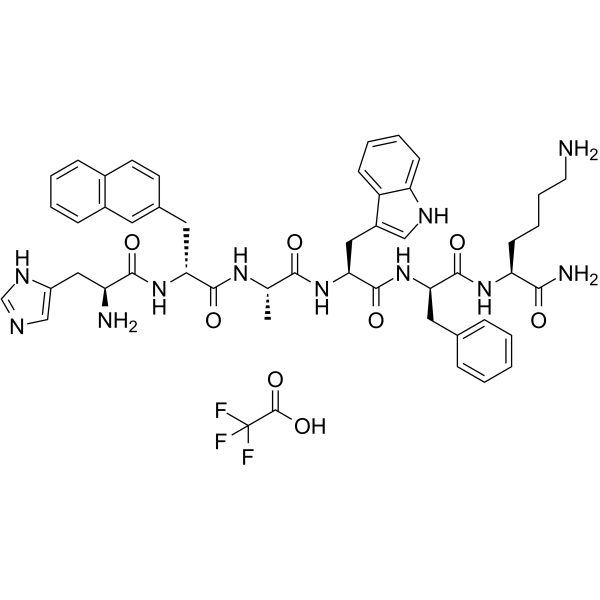
His-D-beta-Nal-Ala-Trp-D-Phe-Lys-NH2 TFA, is a growth hormone releasing peptide, as well as a metabolite of GHRP-1. GHRP-1, or Ala-His-D-beta Nal-Ala-Trp-D-Phe-Lys-NH2, has the effect of promoting the release of growth hormone (GH). GHRP-1 increases GH release and increases [Ca2+]i levels in static monolayer cells of rat pituitary gland, but does not affect cAMP levels .
|
-
-
- HY-N0411S4
-
|
Provitamin A-13C10; beta-Carotene-13C10
|
Isotope-Labeled Compounds
Endogenous Metabolite
Apoptosis
Reactive Oxygen Species (ROS)
|
Metabolic Disease
Cancer
|
|
β-Carotene- 13C10 (Provitamin A- 13C10) is the 13C-labeled β-Carotene (HY-N0411). β-Carotene (Provitamin A), a carotenoid compound, is a naturally-occurring vitamin A precursor. β-Carotene is a modulator of reactive oxygen species (ROS), with antioxidant and antiinflammatory activities. β-Carotene may serve as an antioxidant or as a prooxidant, depending on its intrinsic properties as well as on the redox potential of the biological environment in which it acts. β-Carotene induces breast cancer cells apoptosis, with anticancer activities .
|
-

-
- HY-131803
-
|
|
Nucleoside Antimetabolite/Analog
|
Inflammation/Immunology
|
|
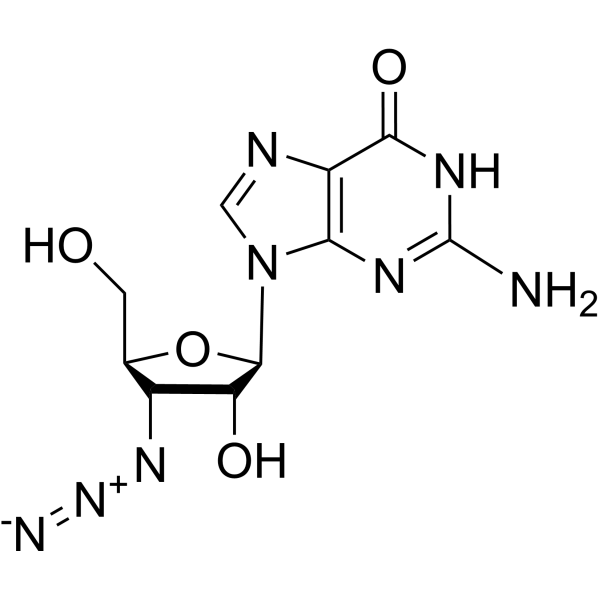
Urolignoside is an antioxidant with free radical scavenging activity. Urolignoside potently scavenges DPPH radical, and exhibits antioxidant to β-carotene-lineoleate model . 3'-Azido-3'-deoxyguanosine is a click chemistry reagent, it contains an Azide group and can undergo copper-catalyzed azide-alkyne cycloaddition reaction (CuAAc) with molecules containing Alkyne groups. It can also undergo strain-promoted alkyne-azide cycloaddition (SPAAC) reactions with molecules containing DBCO or BCN groups.
|
-
-
- HY-N15681
-
|
10'-Apo-β-carotenal
|
Drug Metabolite
|
Others
|
|
β-Apo-10'-carotenal is a degradation product of β,β-carotene. β-Apo-10'-carotenal can be used in flavor research .
|
-

-
- HY-N15378
-
|
|
IAP
Bcl-2 Family
COX
TNF Receptor
Caspase
Apoptosis
|
Inflammation/Immunology
Cancer
|
|
β-carotene-15,15ʹ-epoxide is a XIAP antagonist with apoptosis-inducing and antitumor activity, found in the leaves of Spondias mombin. In a DMBA (HY-W011845)-induced rat model of breast cancer, β-carotene-15,15ʹ-epoxide binds to the BIR3 domain of the anti-apoptotic protein XIAP, blocking its interaction with caspase-9 and thereby promoting tumor cell apoptosis. In addition, β-carotene-15,15ʹ-epoxide significantly downregulates the expression of BCL-2, COX-2, and TNF-α in tumor tissues, reduces MDA levels, increases catalase activity, and modulates serum levels of LDH, ALP, and ALT, demonstrating strong antioxidant, anti-inflammatory, and metabolic protective effects. β-carotene-15,15ʹ-epoxide may be used in research on inflammation-related conditions and cancers such as breast cancer .
|
-

-
- HY-N15682
-
|
(7Z)-Provitamin A; (7Z)-beta-Carotene
|
Drug Isomer
|
Inflammation/Immunology
|
|
13-cis-β-Carotene ((7Z)-Provitamin A; (7Z)-beta-Carotene) is a provitamin A carotenoid isomer found in leaves, flowers, stems, and fruit of Momordica charantia. 13-cis-β-Carotene undergoes nonenzymatic isomerization to other β-carotene isomers during aerobic incubation, extraction, and analysis. 13-cis-β-Carotene can be used for the research of chronic diseases .
|
-

-
- HY-133183
-
|
|
Biochemical Assay Reagents
|
Others
|
|
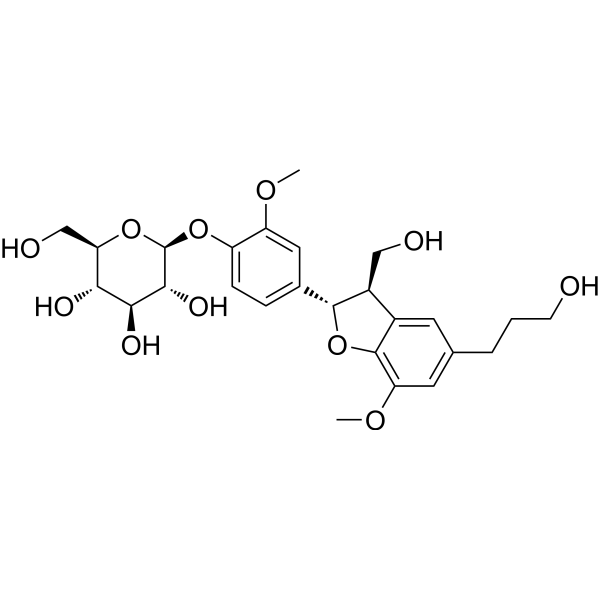
Urolignoside is an antioxidant with free radical scavenging activity. Urolignoside potently scavenges DPPH radical, and exhibits antioxidant to β-carotene-lineoleate model .
|
-
-
- HY-W750707
-
|
|
Drug Metabolite
|
Others
|
|
4-Hydroxyechinenone is a trace carotenoid present in the carapaces of crabs. 4-Hydroxyechinenone is also an intermediate in the metabolism of β-Carotene (HY-N0411) to Astaxanthin (HY-B2163) .
|
-

-
- HY-W750682
-
|
|
Drug Derivative
|
Others
|
|
β-Carotene 5,6-epoxide, a carotenoid, is a degradation product of β-carotene. β-Carotene 5,6-epoxide can be found in isolated chloroplasts. Carotenoids are important biological active, and may regulate cellular differentiation, growth control, photooxidative protection, cell membrane stability, photosynthesis, vision process and nutrition .
|
-

-
- HY-W041301R
-
|
|
Reference Standards
Drug Isomer
|
Inflammation/Immunology
|
|
(±)-Dihydroactinidiolide (Standard) is the analytical standard of (±)-Dihydroactinidiolide (HY-W041301). This product is intended for research and analytical applications. (±)-Dihydroactinidiolide is the dextrorotatory form of Dihydroactinidiolide (HY-107805). (±)-Dihydroactinidiolide has a strong, pleasant musky, tea-like and tobacco-like aroma and is mainly found in black tea, tobacco and fruits. (±)-Dihydroactinidiolide has antioxidant activity and can be derived from β-carotene.
|
-

-
- HY-E71280
-
|
|
Biochemical Assay Reagents
|
Others
|
|
β-Carotene isomerase (EC 5.2.1.14) participates in a pathway leading to biosynthesis of strigolactones, plant hormones involved in promotion of symbiotic associations known as arbuscular mycorrhiza.
|
-

-
- HY-128792S
-
|
Glyceryl 1,3-dipalmitate-d6; 1,3-Dipalmitoyl-glycerol-d6; Glycerol 1,3-Dipalmitate-d62
|
Isotope-Labeled Compounds
Biochemical Assay Reagents
|
Others
|
|
1,3-Dipalmitin-d6 (1,3-Dipalmitoylglycerol-d6) is deuterium labeled 1,3-Dipalmitin (HY-128792). 1,3-Dipalmitin (1,3-Dipalmitoylglycerol) is a diacylglycerol compound that can be found in the tuberous roots of Typhonium giganteum Engl. 1,3-Dipalmitin acts as an adsorption inhibitor for 1,3-diglycerides and β-carotene .
|
-

-
- HY-W700062
-
|
|
Isotope-Labeled Compounds
|
Others
|
|
β-Cyclocitral-d5 is the deuterium labeled β-Cyclocitral (HY-W010231). β-Cyclocitral, a volatile oxidized derivative of β-carotene, is a grazer defence signal unique to the Cyanobacterium Microcystis. β-Cyclocitral, one of the predominant volatile terpenoid compounds, can upregulate the expression of defence genes to enhance excess light (EL) acclimation. β-Cyclocitral is a powerful repellent .
|
-

-
- HY-E71279
-
|
|
Biochemical Assay Reagents
|
Others
|
|
β-Carotene 3-hydroxylase (EC 1.14.13.129) requires ferredoxin and Fe (II) . Also acts on other carotenoids with a β-end group.
|
-

-
- HY-E71278
-
|
|
Biochemical Assay Reagents
|
Others
|
|
β-Carotene 15,15'-dioxygenase (EC 1.13.11.63) requires Fe2+. The enzyme cleaves β-Carotene symmetrically, producing two molecules of all-trans-retinal. Both atoms of the oxygen molecule are incorporated into the products. The enzyme can also process β-cryptoxanthin, 8'-apo-β-carotenal, 4'-apo-β-carotenal, α-carotene and γ-carotene in decreasing order. The presence of at least one unsubstituted β-ionone ring in a substrate greater than C30 is mandatory.
|
-

-
- HY-N18696
-
|
|
Others
|
Inflammation/Immunology
|
|
Papaya extract contains a variety of bioactive compounds, including papain (an enzyme), flavonoids, carotenoids (such as beta-carotene), and vitamin C. Papaya extract helps break down proteins and improves overall digestive function.
|
-

-
- HY-122301
-
|
|
Drug Derivative
|
Inflammation/Immunology
|
|
Sarcinaxanthin is a carotenoid present in various bacteria with antioxidant activity. Sarcinaxanthin scavenges singlet oxygen, thereby inhibiting oxidative degradation in the β-carotene/linoleic acid system. Sarcinaxanthin acts as a photoprotective agent against UVB radiation that induces erythema. Sarcinaxanthin can be applied in studies related to antioxidation and radiation resistance .
|
-

-
- HY-128792R
-
|
1,3-Dipalmitoylglycerol (Standard); Glycerol 1,3-dipalmitate (Standard)
|
Reference Standards
Biochemical Assay Reagents
|
Others
|
|
1,3-Dipalmitin (1,3-Dipalmitoylglycer) Standard is the analytical standard of 1,3-Dipalmitin (HY-128792). This product is intended for research and analytical applications. 1,3-Dipalmitin (1,3-Dipalmitoylglycerol) is a diacylglycerol compound that can be found in the tuberous roots of Typhonium giganteum Engl. 1,3-Dipalmitin acts as an adsorption inhibitor for 1,3-diglycerides and β-carotene.
|
-

-
- HY-N11846
-
|
|
Apoptosis
Caspase
|
Inflammation/Immunology
Cancer
|
|
4′-O-Methylglabridin is an apoptosis inducer with antioxidant, cell cycle-disrupting and anticancer cytotoxic activities. 4′-O-Methylglabridin inhibits various cancer cell lines including liver cancer, breast cancer and colorectal cancer cell lines. By reducing the expression levels of phosphorylated Rb (Ser807/811) and p21 proteins, 4′-O-Methylglabridin promotes cell accumulation at the subG1 and G2/M phases, and triggers caspase-dependent apoptosis via cytochrome C release and caspase-9 activation. 4′-O-Methylglabridin also exerts antioxidant effects by inhibiting lipid peroxide levels and reducing β-carotene consumption, thereby blocking LDL oxidation. 4′-O-Methylglabridin can be used in the research of various cancers and atherosclerotic diseases .
|
-

-
- HY-P5189A
-
|
|
Endogenous Metabolite
Cholinesterase (ChE)
|
Others
|
|
His-D-beta-Nal-Ala-Trp-D-Phe-Lys-NH2 TFA, is a growth hormone releasing peptide, as well as a metabolite of GHRP-1. GHRP-1, or Ala-His-D-beta Nal-Ala-Trp-D-Phe-Lys-NH2, has the effect of promoting the release of growth hormone (GH). GHRP-1 increases GH release and increases [Ca2+]i levels in static monolayer cells of rat pituitary gland, but does not affect cAMP levels .
|
| 製品番号 |
製品名 |
Category |
Target |
構造式 |
-
- HY-N0411
-
-
-
- HY-W009310
-
-
-
- HY-N0411R
-
-
-
- HY-W041301
-
-
-
- HY-128792
-
-
-
- HY-118020A
-
|
Loliolid; Digiprolactone
|
天然物
Classification of Application Fields
Metabolic Disease
Plants
Compositae
Millettia usaramensis Taub.
Disease Research Fields
Source Classification
|
Endogenous Metabolite
Caspase
PI3K
Apoptosis
Akt
Sirtuin
Reactive Oxygen Species (ROS)
NF-κB
MMP
|
|
Loliolide (Loliolid) is a β-carotene metabolite. Loliolide reduces caspase 3, 8, 9 expression, enhances PI3K, AKT, SIRT1, inhibits ROS, apoptosis, and blocks NF-κB p65 nuclear translocation. Loliolide protects mitochondria, reduces oxidative stress, and increases cell viability in neuroblastoma cells. Loliolide can be used for the research of UV-induced skin damage and Parkinson’s disease .
|
-
-
- HY-N15681
-
-
-
- HY-N15378
-
|
|
Structural Classification
天然物
Spondias mombin L.
Plants
Anacardiaceae
Source Classification
|
IAP
Bcl-2 Family
COX
TNF Receptor
Caspase
Apoptosis
|
|
β-carotene-15,15ʹ-epoxide is a XIAP antagonist with apoptosis-inducing and antitumor activity, found in the leaves of Spondias mombin. In a DMBA (HY-W011845)-induced rat model of breast cancer, β-carotene-15,15ʹ-epoxide binds to the BIR3 domain of the anti-apoptotic protein XIAP, blocking its interaction with caspase-9 and thereby promoting tumor cell apoptosis. In addition, β-carotene-15,15ʹ-epoxide significantly downregulates the expression of BCL-2, COX-2, and TNF-α in tumor tissues, reduces MDA levels, increases catalase activity, and modulates serum levels of LDH, ALP, and ALT, demonstrating strong antioxidant, anti-inflammatory, and metabolic protective effects. β-carotene-15,15ʹ-epoxide may be used in research on inflammation-related conditions and cancers such as breast cancer .
|
-
-
- HY-N15682
-
-
-
- HY-133183
-
-
-
- HY-W750707
-
|
|
天然物
Animals
Source Classification
|
Drug Metabolite
|
|
4-Hydroxyechinenone is a trace carotenoid present in the carapaces of crabs. 4-Hydroxyechinenone is also an intermediate in the metabolism of β-Carotene (HY-N0411) to Astaxanthin (HY-B2163) .
|
-
-
- HY-W750682
-
|
|
天然物
Microorganisms
Source Classification
|
Drug Derivative
|
|
β-Carotene 5,6-epoxide, a carotenoid, is a degradation product of β-carotene. β-Carotene 5,6-epoxide can be found in isolated chloroplasts. Carotenoids are important biological active, and may regulate cellular differentiation, growth control, photooxidative protection, cell membrane stability, photosynthesis, vision process and nutrition .
|
-
-
- HY-W041301R
-
|
|
Structural Classification
天然物
Nicotiana tabacum L.
Solanaceae
Plants
Source Classification
|
Reference Standards
Drug Isomer
|
|
(±)-Dihydroactinidiolide (Standard) is the analytical standard of (±)-Dihydroactinidiolide (HY-W041301). This product is intended for research and analytical applications. (±)-Dihydroactinidiolide is the dextrorotatory form of Dihydroactinidiolide (HY-107805). (±)-Dihydroactinidiolide has a strong, pleasant musky, tea-like and tobacco-like aroma and is mainly found in black tea, tobacco and fruits. (±)-Dihydroactinidiolide has antioxidant activity and can be derived from β-carotene.
|
-
-
- HY-N18696
-
|
|
Structural Classification
Extract
|
Others
|
|
Papaya extract contains a variety of bioactive compounds, including papain (an enzyme), flavonoids, carotenoids (such as beta-carotene), and vitamin C. Papaya extract helps break down proteins and improves overall digestive function.
|
-
-
- HY-122301
-
|
|
Structural Classification
天然物
Microorganisms
Source Classification
|
Drug Derivative
|
|
Sarcinaxanthin is a carotenoid present in various bacteria with antioxidant activity. Sarcinaxanthin scavenges singlet oxygen, thereby inhibiting oxidative degradation in the β-carotene/linoleic acid system. Sarcinaxanthin acts as a photoprotective agent against UVB radiation that induces erythema. Sarcinaxanthin can be applied in studies related to antioxidation and radiation resistance .
|
-
-
- HY-128792R
-
-
-
- HY-N11846
-
|
|
Structural Classification
天然物
Glycyrrhiza glabra Linn.
Leguminosae
Plants
Source Classification
|
Apoptosis
Caspase
|
|
4′-O-Methylglabridin is an apoptosis inducer with antioxidant, cell cycle-disrupting and anticancer cytotoxic activities. 4′-O-Methylglabridin inhibits various cancer cell lines including liver cancer, breast cancer and colorectal cancer cell lines. By reducing the expression levels of phosphorylated Rb (Ser807/811) and p21 proteins, 4′-O-Methylglabridin promotes cell accumulation at the subG1 and G2/M phases, and triggers caspase-dependent apoptosis via cytochrome C release and caspase-9 activation. 4′-O-Methylglabridin also exerts antioxidant effects by inhibiting lipid peroxide levels and reducing β-carotene consumption, thereby blocking LDL oxidation. 4′-O-Methylglabridin can be used in the research of various cancers and atherosclerotic diseases .
|
-
-
- HY-N0411S1
-
|
|
|
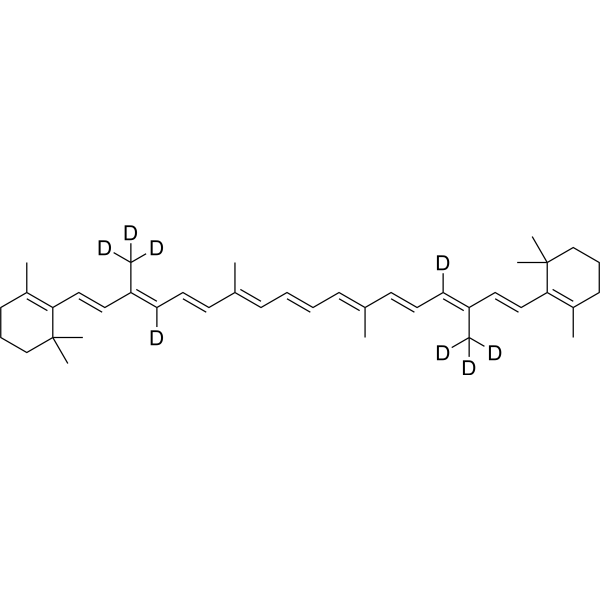
β-Carotene-d8 is the deuterium labeled β-Carotene (HY-N0411) .
|
-
-
- HY-N0411S4
-
|
|
|
β-Carotene- 13C10 (Provitamin A- 13C10) is the 13C-labeled β-Carotene (HY-N0411). β-Carotene (Provitamin A), a carotenoid compound, is a naturally-occurring vitamin A precursor. β-Carotene is a modulator of reactive oxygen species (ROS), with antioxidant and antiinflammatory activities. β-Carotene may serve as an antioxidant or as a prooxidant, depending on its intrinsic properties as well as on the redox potential of the biological environment in which it acts. β-Carotene induces breast cancer cells apoptosis, with anticancer activities .
|
-
-
- HY-128792S
-
|
|
|
1,3-Dipalmitin-d6 (1,3-Dipalmitoylglycerol-d6) is deuterium labeled 1,3-Dipalmitin (HY-128792). 1,3-Dipalmitin (1,3-Dipalmitoylglycerol) is a diacylglycerol compound that can be found in the tuberous roots of Typhonium giganteum Engl. 1,3-Dipalmitin acts as an adsorption inhibitor for 1,3-diglycerides and β-carotene .
|
-
-
- HY-W700062
-
|
|
|
β-Cyclocitral-d5 is the deuterium labeled β-Cyclocitral (HY-W010231). β-Cyclocitral, a volatile oxidized derivative of β-carotene, is a grazer defence signal unique to the Cyanobacterium Microcystis. β-Cyclocitral, one of the predominant volatile terpenoid compounds, can upregulate the expression of defence genes to enhance excess light (EL) acclimation. β-Cyclocitral is a powerful repellent .
|
-
-
- HY-131803
-
|
|
|
Azide
|
|
Urolignoside is an antioxidant with free radical scavenging activity. Urolignoside potently scavenges DPPH radical, and exhibits antioxidant to β-carotene-lineoleate model . 3'-Azido-3'-deoxyguanosine is a click chemistry reagent, it contains an Azide group and can undergo copper-catalyzed azide-alkyne cycloaddition reaction (CuAAc) with molecules containing Alkyne groups. It can also undergo strain-promoted alkyne-azide cycloaddition (SPAAC) reactions with molecules containing DBCO or BCN groups.
|
入力情報は安全に管理されます. ※ 必須入力項目.
Inquiry Information
- 製品名:
- 製品番号:
- 数量:
- MCE 日本正規代理店:





